Executive Summary: The Decentralization of Creative Production
The United Kingdom's corporate communications landscape is currently navigating a profound transformation, characterized by a decisive pivot from static textual media to dynamic, audio-visual storytelling. As the industry approaches the midpoint of the decade, "Corporate Podcasting" has transcended its origins as an experimental marketing fringe to become a central pillar of Business-to-Business (B2B) engagement, internal communications, and executive thought leadership. This comprehensive strategic report provides an exhaustive analysis of the London production market, specifically tailored for a Finchley-based production studio aiming to dominate the high-value search intent associated with "Podcast Studio London."
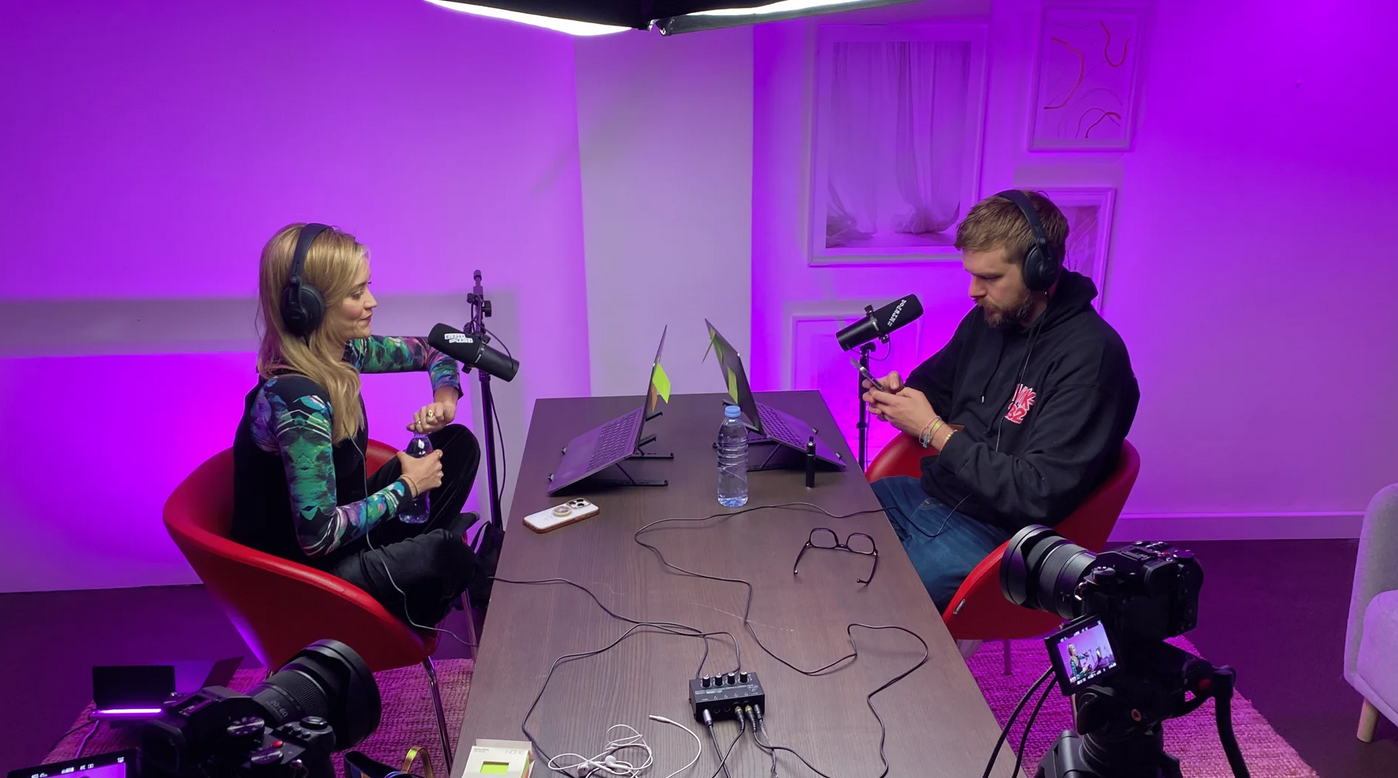
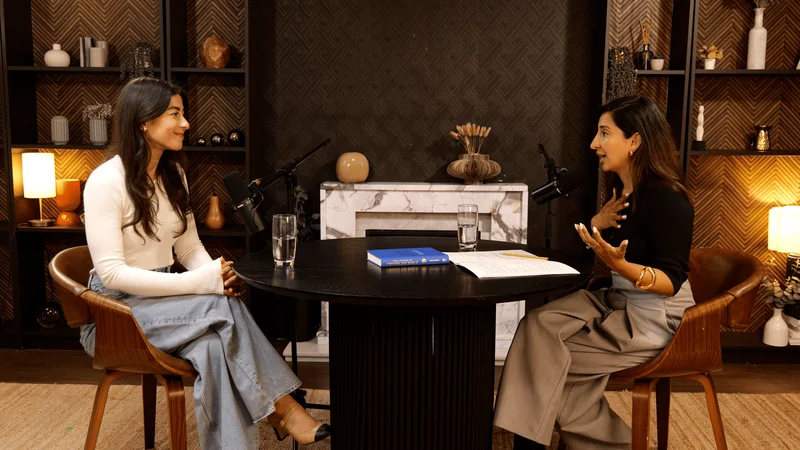
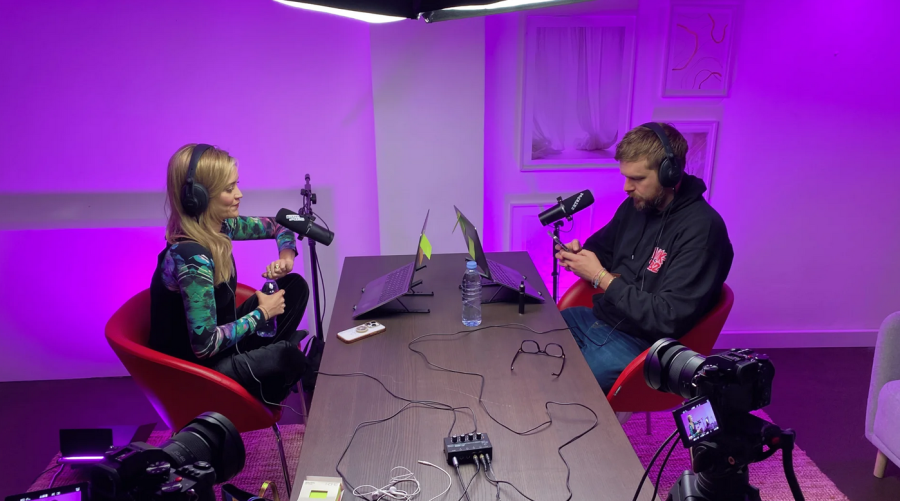
See the 'Murder They Wrote' podcast setup used by Laura Whitmore and Iain Stirling from BBC at Finchley Studio (Gathering setup). Watch Murder They Wrote at BBc sound , Spotify , Apple podcasts , Youtube , Instagram , Amazon music
Book this setup for your podcast
The analysis reveals a London market that is heavily bifurcated. On one side exists a saturated Central London ecosystem—comprising hubs like Shoreditch, Soho, and London Bridge—that is increasingly defined by prohibitive operational friction, including rising congestion charges, parking scarcity, and high acoustic noise floors due to urban density. On the other side lies a rapidly emerging opportunity in Greater London's specialized creative hubs. Specifically, the data points to a significant, under-serviced market opportunity in North London—centered around Finchley—where the convergence of Northern Line accessibility, vehicular convenience, and superior acoustic isolation offers a compelling value proposition for discerning B2B clients.
This report dissects the psychographics of search intent, performs a forensic gap analysis of top competitors, outlines essential semantic keyword strategies, and provides rigorous data-backed evidence supporting the migration of business audio production to accessible, high-quality suburban environments. By synthesizing disparate data points regarding listener growth, infrastructure logistics, and corporate strategy, this document serves as a blueprint for capturing the "Podcast Studio London" market share by leveraging the unique competitive advantages of a Finchley location.
1. The State of Corporate Podcasting in the UK: 2025 Market Dynamics
1.1 The Maturation of the Audio-Visual Pipeline
The trajectory of podcast consumption in the United Kingdom indicates a market that has matured beyond early adoption into a phase of mass engagement and critical commercial utility. As we look toward 2025, the podcasting ecosystem is no longer a niche vertical but a primary channel for information consumption across all demographics, with particular potency in the professional sector.
Global projections estimate that by 2025, the number of podcast listeners worldwide will reach approximately 584.1 million, representing a consistent year-over-year growth trajectory that underscores the medium's durability.1 Within the United Kingdom, the penetration is equally impressive, with data indicating that 71% of the population aged 16 and over has consumed a podcast, and a staggering 51% have done so within the last month.3 This density of listenership ensures that corporate messaging delivered via this medium has access to a viable, attentive, and habituated audience.

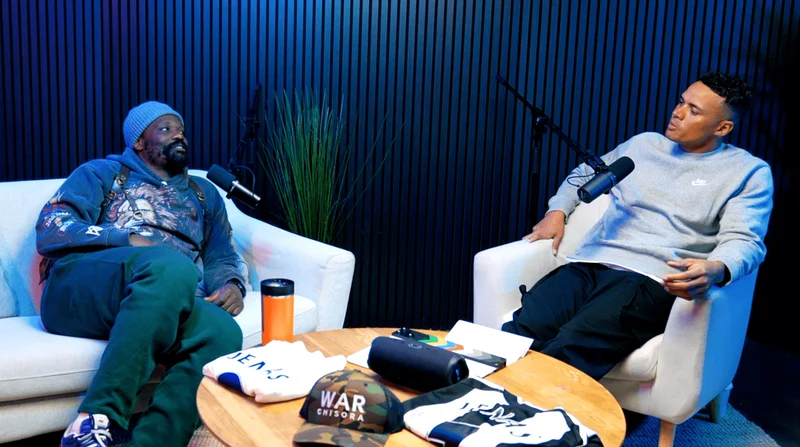
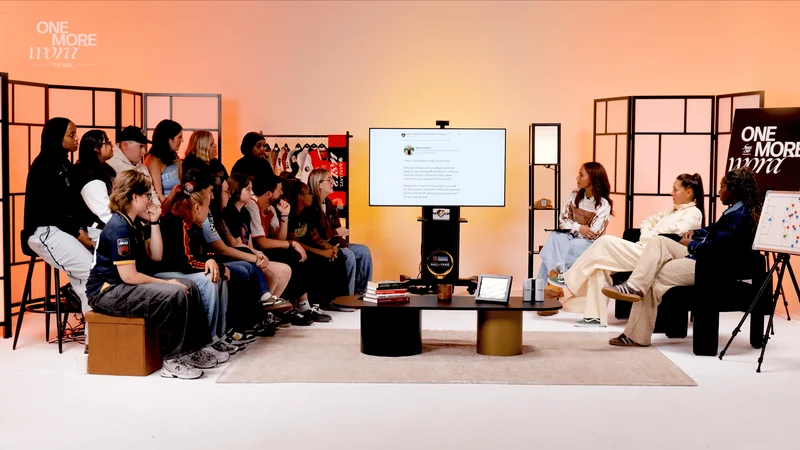
See the 'The Tooney & Russo Show' from BBC and Lionesses Ella Toone and Alessia Russoat from England national football team at Finchley Studio (Lounge setup). Book this setup for your podcast. Watch 'The Tooney & Russo Show' at BBc sound , Spotify , Youtube, Amazon music.
Book this setup for your podcast
Crucially for B2B entities, the demographic profile of the modern podcast listener aligns with the ideal customer profile for high-value services. Statistics reveal that 56% of individuals aged 35-54—the demographic bracket most likely to contain senior management, procurement leads, and C-Suite executives—are monthly podcast consumers.3 This creates a direct line of communication to decision-makers who are otherwise insulated by gatekeepers in other media channels.
A defining characteristic of the 2025 market is the hybridization of audio and video, often referred to as "Vodcasting." The data suggests a paradigm shift where audio-only consumption is being supplemented, and in some cases replaced, by video-first engagement. Approximately 41% of podcast listeners now prefer "watchable" podcasts, a trend driven by the algorithmic dominance of video platforms like YouTube and the integration of video capabilities into Spotify.2 For production studios, this necessitates a fundamental infrastructure evolution; a studio can no longer function merely as an acoustically treated booth but must operate as a broadcast-ready video production environment capable of multi-camera capture and cinematic lighting.4
1.2 The Strategic Shift to "Pipeline-First" Podcasting
In the burgeoning landscape of 2025, the strategic intent behind corporate podcasting has shifted from broad brand awareness to a focused "Pipeline-First" methodology. This approach fundamentally alters how companies value and utilize podcast studios. The goal is no longer simply to amass downloads—a "vanity metric" in the B2B context—but to generate measurable revenue pipeline through strategic relationship building.
The mechanism of this strategy involves leveraging the podcast as a networking and business development tool. By inviting prospective clients or industry peers as guests, companies create high-value, face-to-face interactions that bypass traditional sales friction. This "Account-Based Marketing" (ABM) application of podcasting transforms the studio session into a sales enablement event.6 Case studies from the sector demonstrate the efficacy of this model, with some firms reporting conversion rates of 10-20% from guest appearances to initial discovery calls, and significant pipeline revenue attribution—such as $680,000 in four months—directly linked to relationships cultivated through the podcasting format.7
This shift dictates a specific set of requirements for the recording environment. If the podcast studio is essentially a boardroom for closing deals, the "guest experience" becomes paramount. The environment must convey professionalism, comfort, and prestige. A studio that feels industrial, cramped, or chaotic undermines the host's authority and the guest's comfort. Therefore, the physical attributes of the studio—its location, amenities, and aesthetic—become direct components of the client's sales funnel.9
1.3 The Renaissance of Internal Communications
Beyond external marketing, the corporate podcast is revolutionizing internal communications. The traditional corporate newsletter is increasingly viewed as obsolete, suffering from low open rates and low engagement. In contrast, internal podcasts offer a medium that is personal, portable, and passive, allowing employees to consume company updates during commutes or downtime.

Finchley Studio (Dialogue set): book this setup for your podcast
The forecast for 2025 emphasizes a trend of "anti-perfectionism" in internal comms. Employees are fatigued by highly polished, sterile corporate messaging and are gravitating toward authentic, human leadership.10 The intimate nature of audio allows leaders to communicate with vulnerability and nuance, fostering a stronger sense of culture and retention. With 86.1% of podcast consumption occurring on mobile devices 1, internal podcasts provide a way to reach distributed or hybrid workforces where they are most accessible. This trend expands the potential client base for studios beyond marketing departments to Human Resources and Internal Comms teams, who require reliable, recurring studio slots to produce weekly or monthly internal updates.11
Table 1: UK Podcast Market Growth Trajectory (2023-2026)
The following data illustrates the consistent upward trend in podcast adoption, validating the long-term viability of the studio business model.
Data synthesized from Edison Research and Backlinko statistics.1
2. Search Intent Forensics: Decoding "Podcast Studio London"
To successfully capture traffic and convert clients for the term "Podcast Studio London," it is insufficient to merely target the keywords. One must understand the complex psychographics and latent desires of the searcher. The query "Podcast Studio London" is not monolithic; it contains distinct intent layers that vary based on the user's role, budget, and logistical constraints.
2.1 The Three Core Search Personas
Analysis of search behavior and market segmentation reveals three distinct personas that dominate this search query. Each brings a unique set of priorities and pain points that a Finchley-based studio must address differently.
Persona A: The Corporate Communications Lead
This individual is typically a Marketing Manager or Head of Communications at a mid-to-large enterprise. Their primary motivation is risk mitigation. They are responsible for the company's brand image and the time of their senior executives.
Psychographics: They are anxious about technical failures, logistical hiccups (e.g., the CEO getting stuck in traffic), and budget justification. They value reliability over creativity.
Search Intent: Their intent is highly commercial and transactional. They are looking for a "safe pair of hands"—a studio that offers end-to-end service, including editing, so they don't have to manage technical files.9
Decision Factor: "Concierge Service." They want a provider who handles the guest greeting, the water, the lighting, and the file transfer.
Persona B: The SME Founder / CEO
This persona is often the host of the podcast. They are time-poor and pragmatic. They are likely driving themselves to the recording session or taking a quick train between meetings.
Psychographics: They are focused on efficiency and ROI. They view the podcast as a business task that needs to be completed with minimal friction. They are sensitive to wasted time (travel, parking) and "hidden costs" like congestion charges.
Search Intent: Their intent is navigational and local. They are looking for a studio that is accessible. They are the most likely to appreciate the "Free Parking" and "Outside Congestion Zone" USPs of a North London studio.13
Decision Factor: "Accessibility." Can I get there, park, record, and leave without spending 45 minutes finding a parking space?
Persona C: The Creative / Agency Producer
This individual is booking the studio on behalf of a client or for a high-production independent show. They are technically literate and aesthetically demanding.
Psychographics: They care about specifications and "vibe." They know the difference between a dynamic and condenser mic. They want the video to look cinematic to generate engagement on social media.
Search Intent: Their intent is informational and specification-based. They are scanning for specific keywords like "Sony FX6," "Shure SM7B," "Acoustically Treated," and "Color Grading".15
Decision Factor: "Production Value." Does the studio look expensive on camera? Is the gear list industry-standard?
2.2 Latent Intent: The "Friction" Factor and the Location Paradox
A deeper analysis of user behavior suggests a paradox in the search for "London" studios. While users type "London" as a broad modifier, the latent intent often seeks to avoid the chaos of the immediate city center. The "London" modifier is often a proxy for "Quality" rather than a strict geographical requirement for Zone 1.
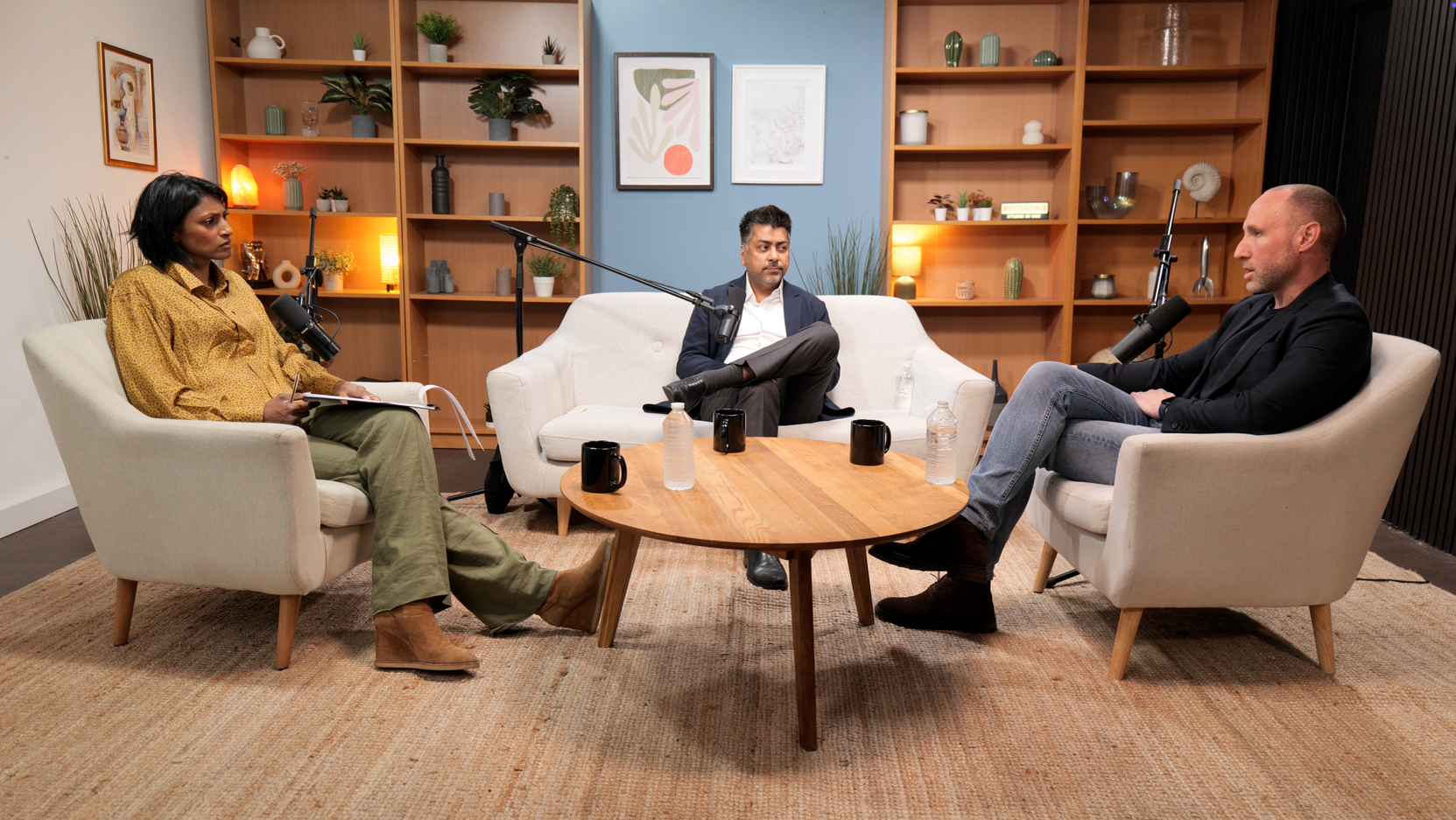
See the 'No ordinary tech podcast ' from Lloyds Banking Group by Rohit D (AI Leader for Lloyds Banking Group) and DR. shini somara (Pro-Chancellor of Brunel University) . at Finchley Studio (Lounge setup). Book this setup for your podcast.
High-level executives and guests often refuse to travel to deep Central London locations like Soho or Shoreditch due to the unpredictability of traffic and the impossibility of parking. Therefore, a search for "Podcast Studio London" often hides a desire for accessible excellence—a facility that offers London-grade production quality without the London-grade logistical headache.
Furthermore, the rise of video-first intent means users are increasingly adding modifiers related to visual fidelity (e.g., "Vodcast," "Video Podcast Studio," "4K Studio"). Listings that only showcase audio booths or radio-style setups are being bypassed in favor of environments that function as visual sets. The intent has shifted from "recording audio" to "creating content assets," where the visual backdrop is as important as the audio capture.4
2.3 The "Third Space" Requirement
As remote work persists, the studio serves as a "Third Space" between the home office and the corporate headquarters. Searchers are unconsciously looking for an environment that fosters creativity and conversation. Studios that present themselves as sterile, corporate boxes are less attractive than those that offer a "Lounge" or "Fireside" aesthetic. The search intent includes a desire for comfort—couches, soft lighting, and a relaxed atmosphere that helps guests open up.17 A Finchley studio, with access to green spaces and a quieter environment, aligns perfectly with this latent desire for a "creative retreat" within the city limits.
3. Competitor Ecosystem: The Central London Incumbents
To position a Finchley studio effectively, one must understand the current market leaders. The "Podcast Studio London" SERP (Search Engine Results Page) is dominated by established players in Central and East London. These incumbents set the price and service expectations for the market.
3.1 Forensic Competitor Analysis
Competitor A: Premiere Podcast Studios (Shoreditch)
Location: Shoreditch, East London.
Market Positioning: This studio positions itself at the top of the pyramid, targeting high-end corporate B2B clients. Their branding emphasizes "C-Suite Approved" environments and strategic consulting.
Service Model: They utilize a high-touch "Concierge Service" model. They don't just record; they manage the entire production lifecycle, including guest accommodation and strategy.
Pricing Structure: Their pricing reflects their premium positioning. "Foundation" packages start at £1,995, escalating to £8,100 for advanced production. This pricing anchors the high end of the market.9
Weakness: The Shoreditch location is a double-edged sword. While trendy, it is logistically difficult for clients driving from outside the city due to traffic and the Congestion Charge zone.
Competitor B: Podshop (City / Shoreditch)
Location: City Fringe / Shoreditch.
Market Positioning: Podshop positions itself as a tech-forward, video-centric facility. They appeal to the "Creator" and "Agency" personas who value specific equipment specs.
Service Model: They offer a mix of managed and self-service options. Their "Studio 1" is a flagship video space, while "Studio 2" offers a more affordable audio-only or self-service video option.
Pricing Structure: They operate on a transparent hourly model. Video studios cost approximately £105+VAT/hr, while audio/self-service options start from £50+VAT/hr. This transparency appeals to budget-conscious SMEs.4
Weakness: The self-service options, while cheaper, can intimidate non-technical corporate clients who fear messing up the recording. Their strict cancellation policies also introduce friction.
Competitor C: Outset Studio (London Bridge / Southwark)
Location: London Bridge.
Market Positioning: Outset targets the volume market with an "Accessible Professionalism" angle. They emphasize ease of access via the train station and user-friendly setups.
Service Model: They highlight "Plug and Play" simplicity and are notable for using "Netflix Approved" cameras (Sony FR7).
Pricing Structure: They are competitively priced, with audio from £84/hr and video from £108/hr.
Weakness: Located in a high-traffic, noisy district, they rely heavily on internal soundproofing. The high-volume business model may lack the personalized intimacy required for sensitive corporate recordings.5
3.2 The "Central London Tax": Hidden Costs of the Incumbents
While these competitors offer prestige addresses, the reality for a visiting client involves significant financial and logistical friction—a "Central London Tax" that a Finchley studio can exploit as a marketing wedge.
The Congestion Charge Barrier: Driving to Premiere or Podshop incurs a £15 daily Congestion Charge, plus potential Ultra Low Emission Zone (ULEZ) charges for non-compliant vehicles. For a recurring weekly recording, this adds substantial cost and administrative burden.19
The Parking Premium: Parking in Soho (e.g., Brewer Street) or near London Bridge is exorbitantly expensive, costing between £50 and £60 for a typical half-day shoot.22 Finding a space often takes 20-30 minutes, adding stress to the guest experience.
Acoustic Pollution: Central London boroughs like Camden and Westminster suffer from significantly higher ambient noise levels. Transport noise regularly exceeds 65dB during the day. While studios are soundproofed, the low-frequency rumble of subway trains and heavy goods vehicles is notoriously difficult to isolate completely, potentially compromising audio purity.24
4. Competitor Gap Analysis: The Finchley Strategic Opportunity
By overlaying the competitor weaknesses with the identified search personas, distinct market gaps emerge. These gaps form the foundation of the Finchley studio's competitive strategy.
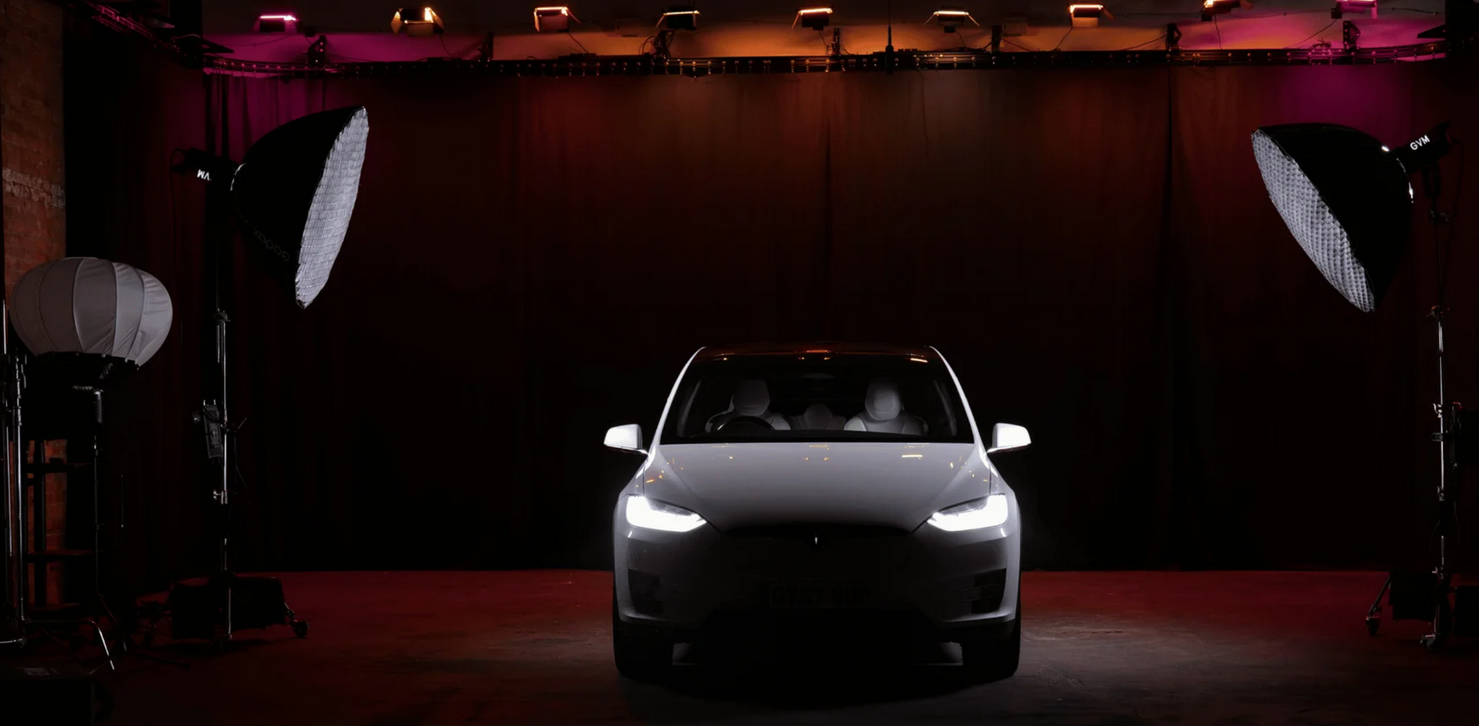
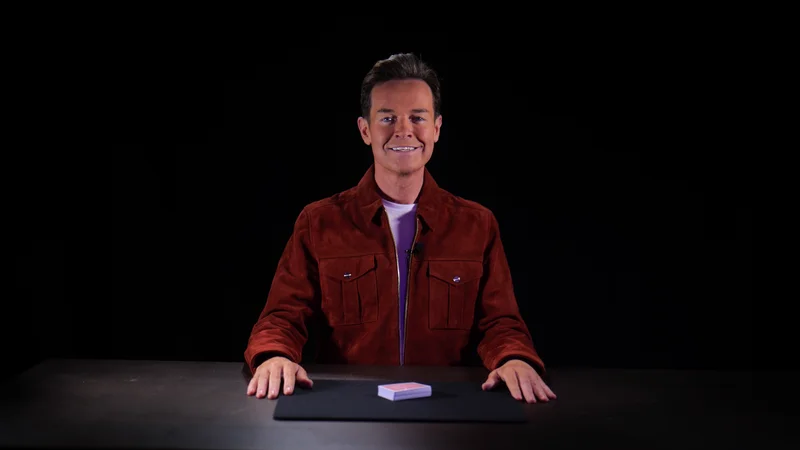
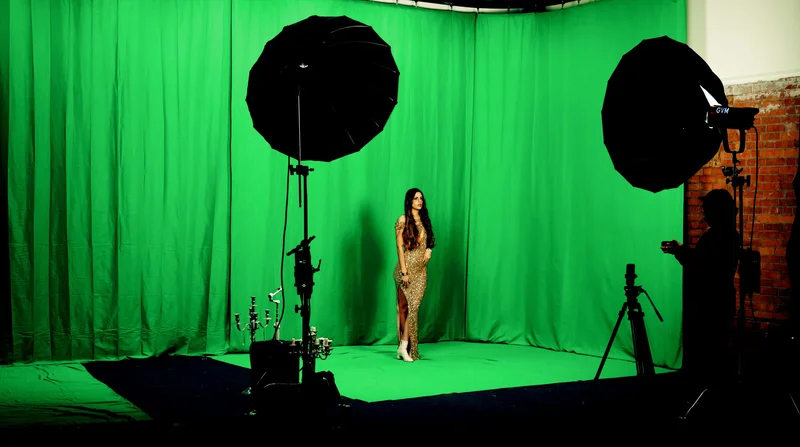
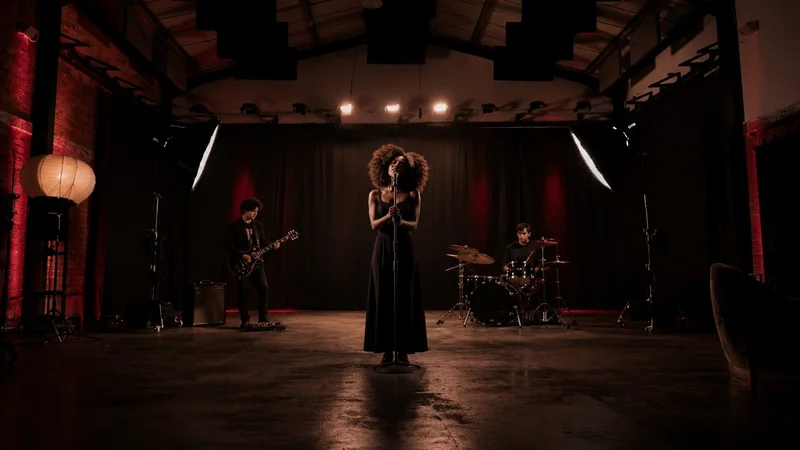
Finchley Studio (Giant Blackout Set): book this setup for your podcast
4.1 Gap 1: The Logistics of "Drive-In" Recording
The Gap: None of the top 3 competitors emphasize parking availability or ease of vehicular access. Their business models assume public transport usage, ignoring the reality that many high-net-worth guests and CEOs prefer private transport.
The Opportunity: Finchley can market "Free/Cheap On-site Parking" and "Outside Congestion Zone" as a primary B2B benefit. This directly addresses the pain points of the SME Founder and Corporate Lead personas.
Data Support: Parking at Finchley Central Station is approximately £6-£10 per day, compared to £60 in Soho—a 90% cost reduction.22
4.2 Gap 2: The "Retreat" Atmosphere
The Gap: Central studios often feel industrial, frantic, or subterranean. They are frequently located in busy coworking buildings or basements where the hustle of the city permeates the experience.
The Opportunity: A Finchley studio can position itself as a "Creative Sanctuary." The psychological benefit of recording in a quieter, greener borough allows for better mental focus and more relaxed conversations. This "Retreat" atmosphere differentiates the studio from the "Factory" feel of high-volume central competitors.17
4.3 Gap 3: True Hybrid Connectivity (North-South Axis)
The Gap: Competitors often market themselves solely on their immediate neighborhood (e.g., "We are the best studio in Shoreditch"), limiting their catchment area.
The Opportunity: Finchley is not "far away"—it is strategically connected via the Northern Line artery. By framing the location as "28 Minutes from Bank," the studio appeals to City professionals who can access the location quickly for a lunchtime session without the stress of navigating Central London streets.28
4.4 Gap 4: Production Continuity & Storage
The Gap: Central London real estate costs prevent competitors from offering significant storage space for client assets.5
The Opportunity: A suburban studio typically has a lower cost per square foot, allowing for the offering of "Set Storage." Corporate clients can leave their branded mugs, roll-up banners, and custom backdrops on-site. This reduces the setup time for recurring recordings and increases client stickiness—once their gear is stored with you, they are less likely to switch providers.
5. Location Intelligence: The Finchley Strategic Advantage
This section provides the data-backed arguments required to persuasively position Finchley as a superior alternative to Central London for specific use cases.
5.1 The Commuter Argument: The Northern Line Artery
The perception of "North London" as inaccessible is a misconception that the report must dismantle. The Northern Line (High Barnet branch) serves as a rapid transit artery connecting the financial heart of London directly to Finchley.
Travel Time Data: The journey from Bank Station (City of London) to Finchley Central is exactly 28 minutes. Trains run every 2-5 minutes.28
Strategic Implication: This connectivity enables a "Lunchtime Recording" model. A City executive can leave their office at 12:00, travel to Finchley, record a 45-minute episode, and return to their desk by 14:30. This predictability is often superior to taking a taxi across Central London, where traffic can turn a 15-minute drive into a 45-minute ordeal.
5.2 The Vehicular Argument: Cost and Convenience
For production teams hauling equipment, or for VIP guests requiring privacy and security, vehicular access is non-negotiable. Finchley offers a dramatic cost and convenience advantage.
Congestion Charge: Finchley is located outside the Congestion Charge zone, immediately saving £15.00 per vehicle per day.19
Parking Economics: The cost differential is stark.
Soho (Brewer Street): £60.00 for a 3-24 hour stay.22
Finchley Central Station: £10.00 (Mon-Fri) and just £6.00 on weekends.26
Annual Savings: For a weekly podcast production involving two cars (host and guest), the annual saving in parking and congestion charges alone exceeds £5,000. This is a significant budgetary argument for B2B procurement teams.
5.3 Acoustic Fidelity and Noise Pollution Analysis
A critical, often overlooked factor in studio selection is the ambient noise floor of the neighborhood. While soundproofing protects against airborne noise, structure-borne noise (vibrations from heavy traffic or subways) is harder to mitigate.
Central London (Camden/Westminster): These boroughs have the highest density of sirens, construction projects, and heavy goods vehicles in the UK. Transport noise levels regularly exceed 65dB during the day and 55dB at night.24
North London (Barnet): Barnet has a significantly lower ambient noise profile. The distance from the dense urban core results in less low-frequency rumble.31
Production Impact: A lower external noise floor means the raw audio is cleaner. It requires less aggressive digital noise reduction (which can introduce artifacts), resulting in a more natural, warm, and broadcast-quality voice tone.32
5.4 The "Third Space" Effect: Lifestyle and Amenities
Finchley offers a unique blend of urban amenities and suburban focus, acting as a "Third Space" that supports the creative process.
Local Amenities: High Road and Ballards Lane offer immediate access to diverse, high-quality food options (Waitrose, independent local eateries) without the intense overcrowding and queues typical of Soho lunch spots.34
Green Space: The proximity to Victoria Park and Stephens House & Gardens offers a tangible mental health benefit. Guests can take a walk in a green space before or after a recording to decompress, which psychologically primes them for a better performance on the microphone.35
Table 2: Comparative Logistics - Central London vs. Finchley
6. Technical Infrastructure: Gear & Environment Requirements
To credible compete with established players like Premiere and Podshop, the Finchley studio must match or exceed their technical specifications. Corporate clients in 2025 are technically literate; they know what "good" looks like. The analysis of competitor snippets establishes the baseline for a "Professional" studio.

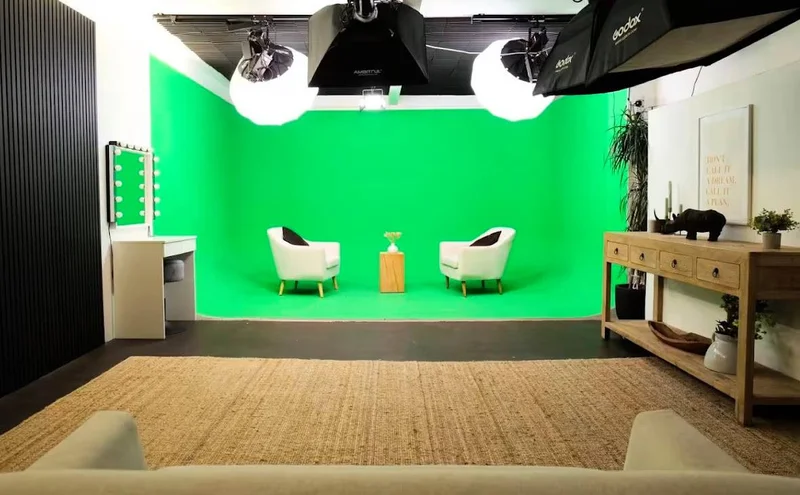
Finchley Studio (White Infinity Cove): book this setup for your podcast
6.1 Essential Equipment Ecosystem (The "Pro" Standard)
The equipment list acts as a signal of competence. It tells the informed buyer that the studio understands current broadcast standards.
Video Capture: The Cinema Standard
Requirement: 4K resolution is the absolute minimum. The standard has shifted to "Cinema Line" cameras.
Recommendation: Sony FX6 or Sony FX3 as primary cameras.
Reasoning: Competitors like Outset highlight "Netflix Approved" specs.5 These cameras offer dynamic range and depth of field that webcams or camcorders cannot match, providing the "cinematic" look (blurred background) that clients associate with high-end production.4
Audio Capture: The Industry Icon
Requirement: A dynamic broadcast microphone.
Recommendation: Shure SM7B.
Reasoning: This microphone is visually iconic. Clients expect to see this specific mic in the video frame. It signals "Podcast" immediately to the viewer. Technically, its rejection of off-axis noise is superior for untreated rooms, but in a studio, it provides the "FM Radio" warmth that is the gold standard for voice.5
Signal Processing: 32-Bit Float
Requirement: Fail-safe audio recording.
Recommendation: Zoom F8n Pro or RodeCaster Pro II.
Reasoning: 32-bit float recording is a key differentiator mentioned by top competitors.5 It essentially makes it impossible to clip (distort) the audio if a guest laughs too loudly. For corporate clients who cannot re-record a segment, this safety net is a major selling point.
Lighting and Environment
Requirement: 3-Point Cinematic Lighting with RGB control.
Recommendation: Aputure or Godox LED panels with softboxes.
Reasoning: Video podcasts require flattering lighting. RGB (color) lights are essential for "Brand Match"—allowing the studio to wash the background in the client's corporate colors (e.g., turning the room blue for a Barclays recording).4
6.2 The "B2B" Studio Environment
Corporate clients require an environment that supports business functions, not just creativity.
Acoustic Treatment vs. Soundproofing: It is vital to distinguish between these two. Soundproofing stops noise entering; treatment stops echo. A professional studio must have both. The use of bass traps, diffusers, and heavy absorption panels creates a "dead" room with a noise floor below -60dB, which is the broadcast requirement for professional audiobooks and podcasts.32
The "Green Room" Necessity: A separate breakout area is vital for high-profile guests to prepare, take calls, or review notes. Competitors heavily market their "Concierge Service" and "Breakout Spaces." This space allows the client to decompress before the "performance," enhancing the final content quality.4
Visual Identity: The studio sets must be modular. A "Fireside" chat requires armchairs and a coffee table; a "News" style update requires a desk. Offering both configurations within the same facility is a unique selling proposition (USP) that appeals to diverse B2B use cases.9
First" podcasting.16
7. Content & Distribution Strategy for B2B Growth
The blog post is the anchor, but the distribution strategy drives the traffic. For a Finchley studio targeting corporate clients, the content must be distributed where B2B decisions happen: LinkedIn and local business networks.
7.1 The "Hamburger Method" for LinkedIn Distribution
For B2B clients, LinkedIn is the primary discovery channel. The studio should apply the "Hamburger Method" to its own marketing to demonstrate expertise.40
Top Bun (The Hook): Share short, punchy video clips (vertical format) shot in the studio. These should address a specific pain point (e.g., "Stop recording your CEO on a blurry webcam—it's hurting your brand").
The Meat (The Value): A detailed carousel or text post explaining why studio quality matters for pipeline generation. Use data points about listener retention and perceived authority.
Bottom Bun (The CTA): "Record your first episode at our Finchley studio – free parking included. DM for a tour."
7.2 Repurposing as a Service (RaaS)
Clients don't just want a recording; they want content assets. The studio should offer packages that include "Micro-Content" creation.
Strategy: Position the studio as a "Content Factory." Explain how one 45-minute studio session can be repurposed into 8-10 LinkedIn clips, a newsletter, a blog post, and YouTube Shorts.41 This aligns with the "Pipeline-First" approach, turning the studio cost into a marketing investment with multiple outputs.
7.3 Leveraging Local Networking Ecosystems
Finchley has active, high-value business networks that are often ignored by Central London competitors.
Tactics: Engage with local groups like "Laurel Leaf Networking" and "The Creative Collective".42
Execution: Host "Open Studio" evenings or "Podcast Masterclasses" for these local networks. Showcasing the space physically is the highest-converting tactic for local SMEs who may be intimidated by the idea of a "London Studio." By bringing them into the room, you demystify the process and build local advocacy.
8. Conclusion and Strategic Recommendations
The "Podcast Studio London" market is competitive, but it is heavily skewed toward an expensive, logistics-heavy Central London model that ignores the practical needs of many B2B clients. There is a clear, data-supported opening for a Finchley Production Studio to dominate the "Smart Alternative" niche.
Actionable Recommendations for the Blog Post:
Lead with Logic, Not Just Location: Do not apologize for the Finchley location; frame it as a strategic advantage. "The Smartest Place to Record in London" is a stronger angle than "A Local Studio."
Attack the Friction: Explicitly mention the Congestion Charge, parking costs, and stress of Central London. B2B decision-makers value their time and budget; show them you respect both.
Validate with Tech: Prove that "suburban" does not mean "suburban quality." Showcase the Sony FX6s and Shure SM7Bs prominently to match the "Netflix Approved" standards of London Bridge competitors.
Target the "Pipeline" Mindset: Speak the language of B2B marketing (ROI, Clips, LinkedIn Strategy, ABM) rather than just "audio recording."
Local SEO Dominance: Aggressively use the semantic keywords identified (e.g., "North London Recording Studio") to capture the high-intent traffic that is specifically avoiding the city center.
By executing this strategy, the Finchley studio can position itself not just as a cheaper alternative, but as the superior logistical and strategic choice for the serious corporate podcaster in 2025