1. Executive Summary: The Economics of Audio in the Capital
The digital media landscape of London is currently undergoing a structural transformation of unprecedented scale. As the undisputed European capital for creative industries, finance, and media, London has witnessed an exponential surge in the demand for high-fidelity audio and video content. However, the operational reality for independent creators, burgeoning startups, and established brands is fraught with a specific, localized challenge: securing professional-grade production values without capitulating to the punishing overheads that define the capital’s property and service sectors. This report serves as a definitive, exhaustive analysis of the podcast studio landscape in London, dissecting the critical intersection of affordability, technical capability, and logistical viability.
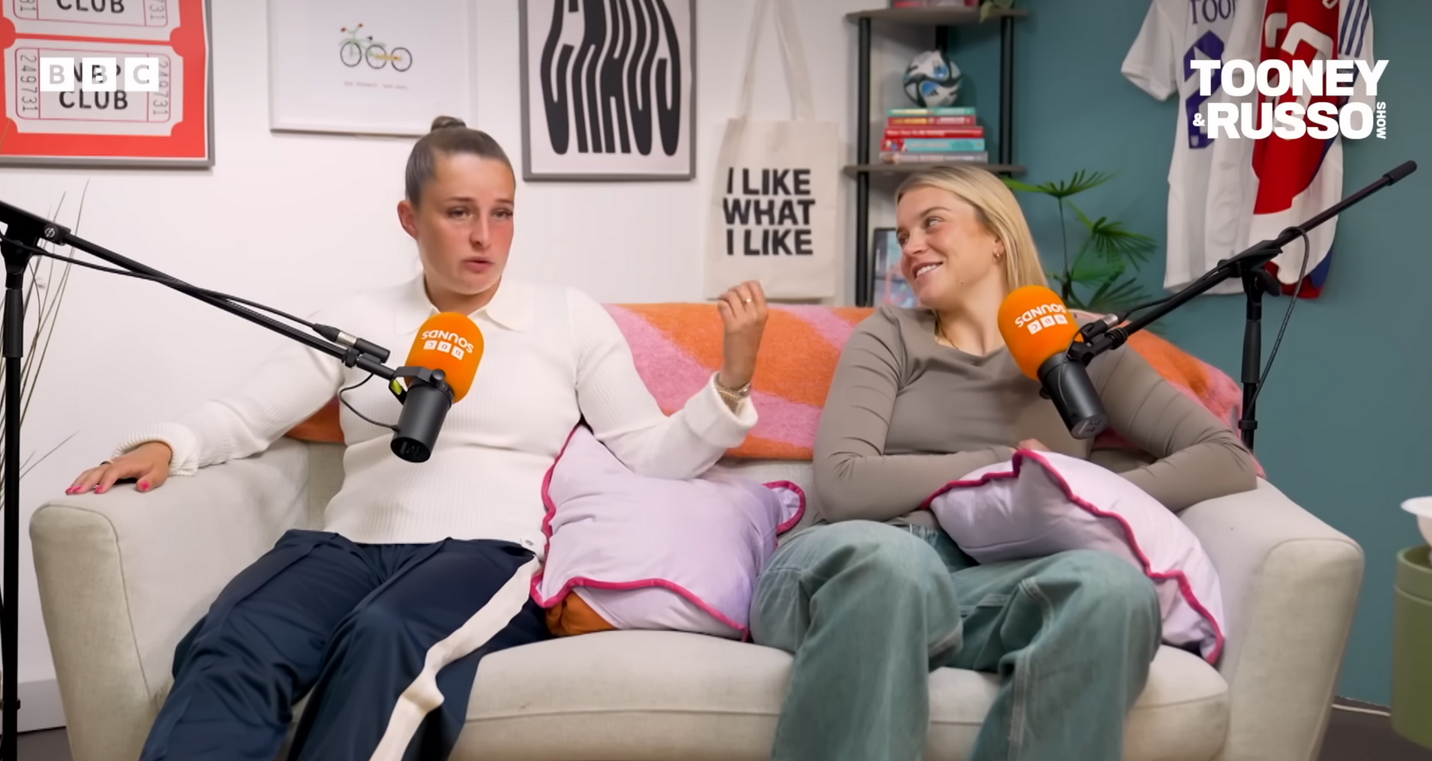
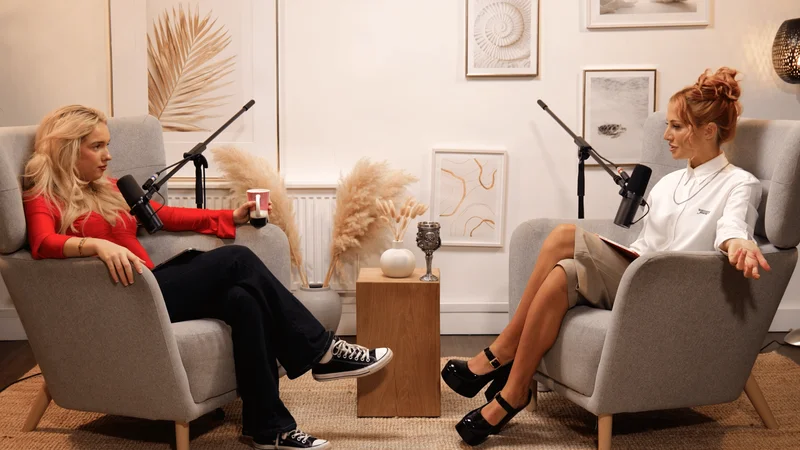
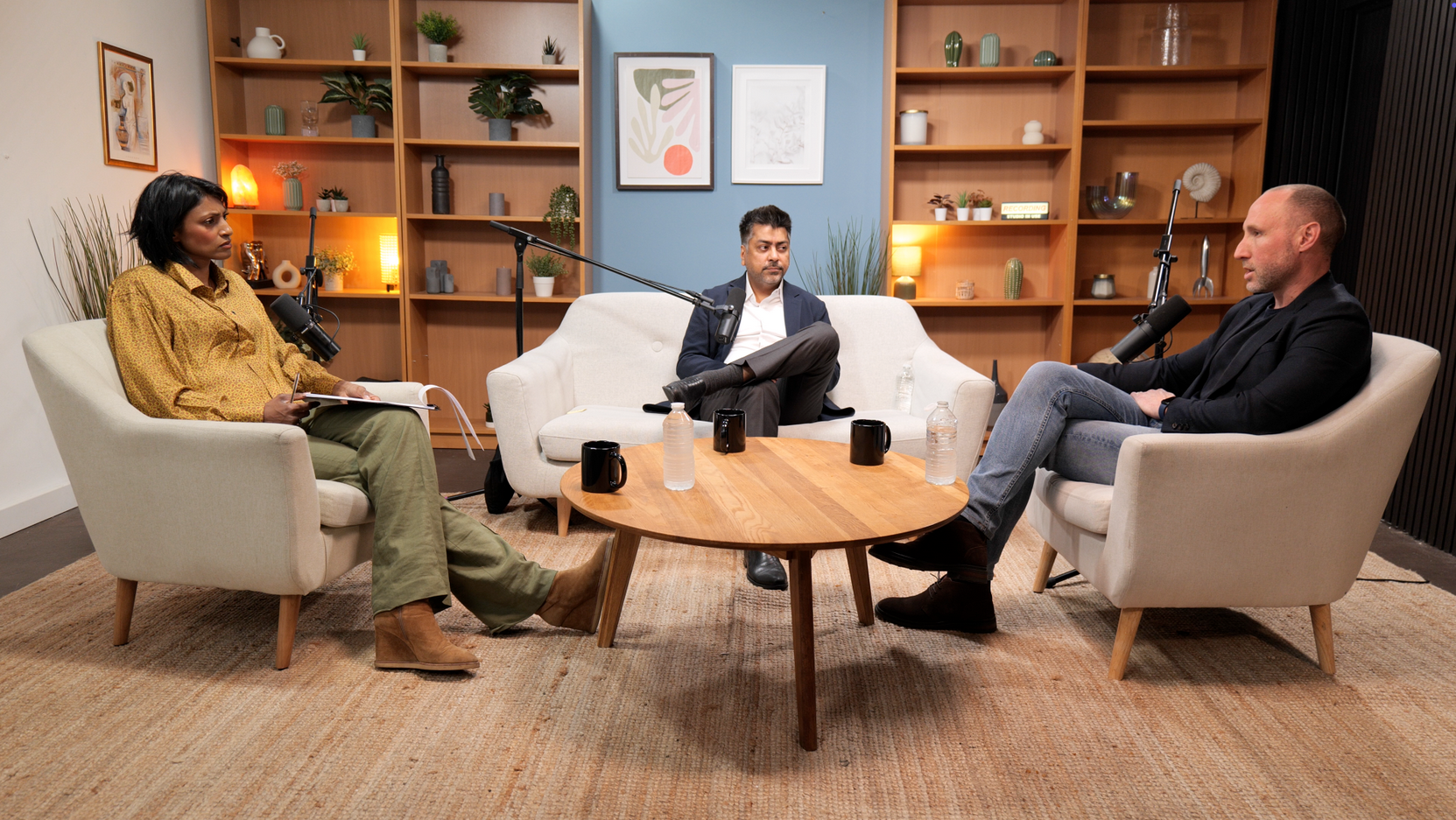
See the 'The Tooney & Russo Show' from BBC and Lionesses Ella Toone and Alessia Russoat from England national football team at Finchley Studio (Lounge setup). Book this setup for your podcast. Watch 'The Tooney & Russo Show' at BBc sound , Spotify , Youtube, Amazon music.
In the context of London’s production market, the term "affordable" is frequently a misnomer, often conflated with "cheap." This linguistic imprecision can lead to catastrophic strategic errors for content creators. A low hourly headline rate often obscures a plethora of friction costs—ranging from the acoustic intrusion of Victorian infrastructure and Heathrow flight paths to opaque surcharges for data handling and technical support. True affordability must be reconceptualized as a function of Return on Investment (ROI) and Total Cost of Ownership (TCO). If a session priced at £30 per hour yields audio compromised by noise bleed from an adjacent drum rehearsal, the effective cost per usable minute of content approaches infinity. Conversely, a session priced at £100 per hour that includes a dedicated sound engineer, cinema-grade 4K video capture, and complimentary parking may represent superior economic value by eliminating post-production remediation costs and reducing the logistical cognitive load on the talent.
This guide navigates the complex, stratified ecosystem of London's recording spaces. It ranges from the unstaffed, algorithmic convenience of automated rehearsal pods to the concierge-level service of boutique production houses. By synthesizing granular data on equipment specifications, acoustic engineering physics, and location logistics, this report empowers creators to make strategic, data-driven decisions that protect both their production budget and their brand equity.
2. The Strategic Imperative of Professional Studio Hire
2.1 The "Bedroom Studio" Fallacy vs. Professional Isolation
In an era where high-quality USB microphones and consumer interfaces are ubiquitous, the argument for hiring a professional studio is no longer purely about access to electronic hardware. Instead, it hinges on acoustic integrity—a variable that home setups in London rarely conquer. The city's housing stock, dominated by Victorian and Edwardian conversions, presents a unique set of acoustic liabilities. "Flanking transmission"—the phenomenon where sound travels indirectly through floorboards, joists, and shared structural elements—is a persistent, often insurmountable issue in residential recording.
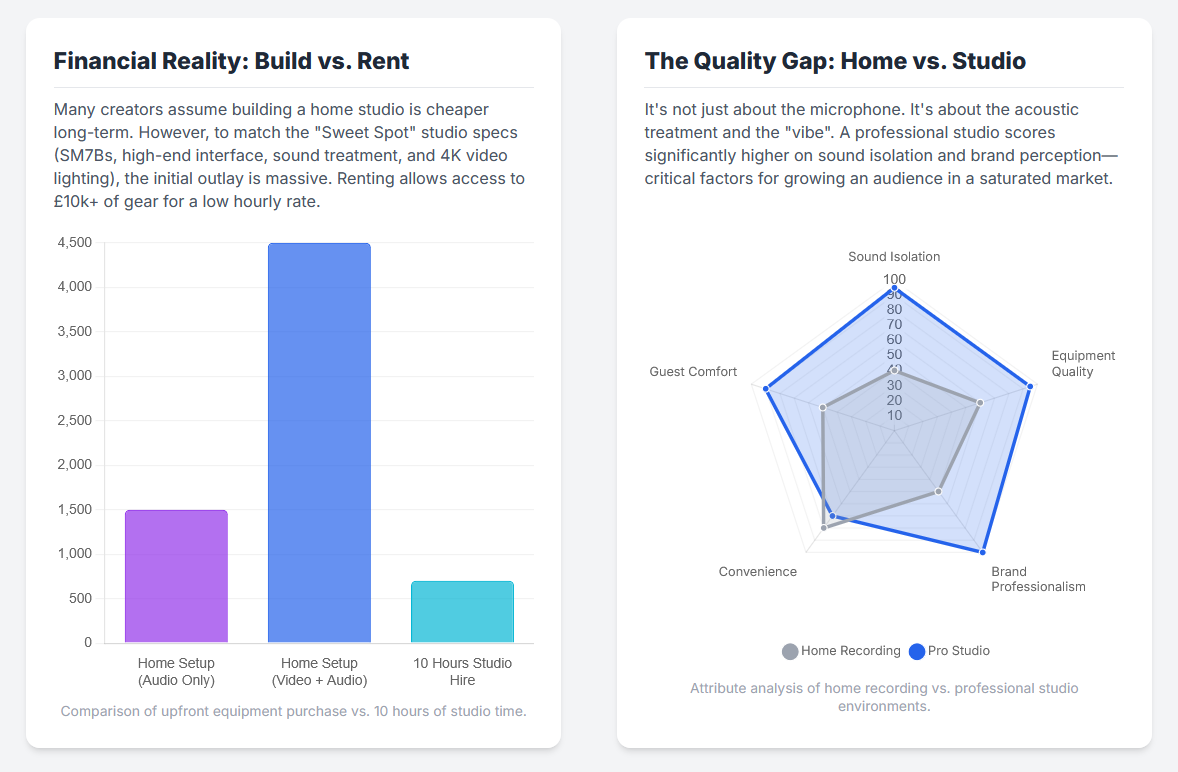
For a podcast seeking to retain a discerning audience, the "noise floor"—the measure of background silence in a recording—is a critical, often subconscious, indicator of quality. Modern listeners, frequently consuming content via noise-canceling headphones, can instantly distinguish between the absolute silence of a professionally isolated studio and the "quiet" of a residential living room, which typically has a noise floor of around 40dB due to refrigerator hum, distant traffic, and boiler cycling.
A professional podcast studio mitigates these risks through "room-within-a-room" construction. This architectural technique involves decoupling the internal recording space from the building's external structure using isolation clips, mass-loaded vinyl, and floating floors.1 This separation prevents structural vibration from passing traffic or the Underground from contaminating the audio signal. Furthermore, professional spaces utilize distinct treatments for soundproofing (blocking noise entry) versus acoustic treatment (managing internal reverb). A home studio might dampen echo with foam, but it cannot stop the 70dB roar of an aircraft or a police siren without significant structural modification.3
2.2 The Paradigm Shift to "Vodcast" (Video-First Podcasting)
The medium of podcasting is evolving rapidly from an audio-only format to a multimedia experience. Industry data and trends for 2026 suggest that video will become the default format for high-growth podcasts, driven by the algorithmic preferences of platforms like YouTube, TikTok, and Spotify.5 This shift fundamentally alters the requirements for studio hire. A closet with good soundproofing is no longer sufficient; the space must now function as a visual set.
Affordable studios in London are increasingly bifurcating into two distinct categories based on this visual imperative:
Audio-First Spaces: These are typically small, acoustically deadened booths. While excellent for voiceovers or audiobooks, they are often visually claustrophobic and lack the depth of field required for professional videography.
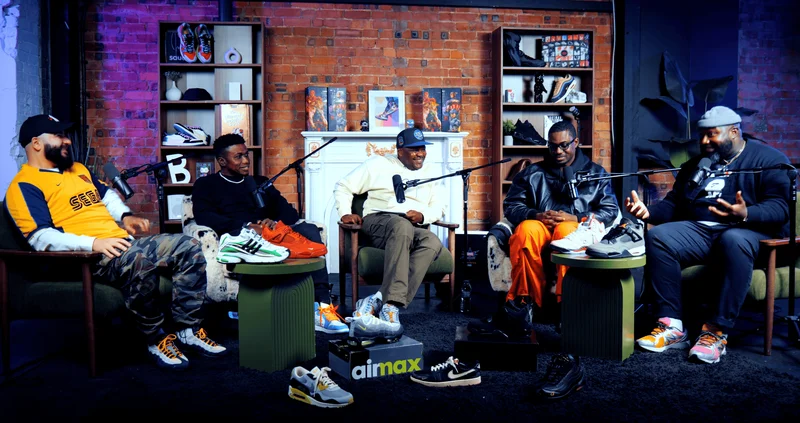
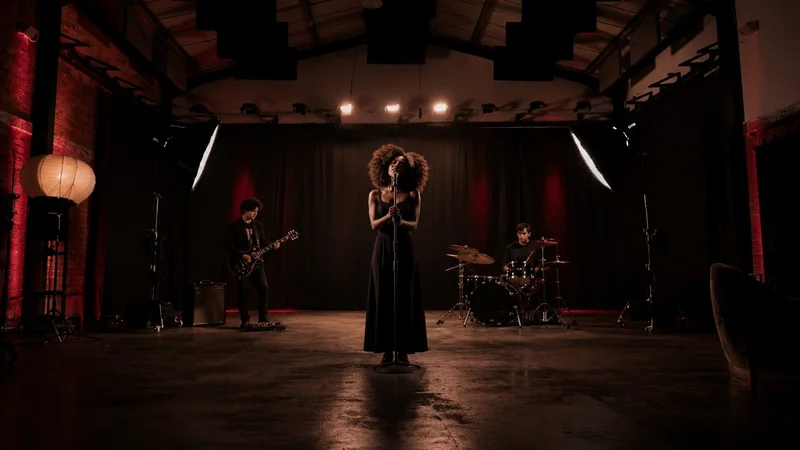
Visual-First Spaces: These studios are designed with aesthetics as a primary consideration. They feature customizable RGB lighting, textured backgrounds (such as exposed brick or acoustic wood paneling), and sufficient physical depth to allow cameras to achieve a cinematic "bokeh" effect (blurred background).7
Creators hiring a studio must now evaluate the "visual dollar"—the perceived production value visible on screen. Studios like Nostars and Finchley Production Studio have recognized this market shift, integrating 6K cinema cameras and customizable set designs into their hourly rates. This allows creators to achieve a "broadcast look" that would cost thousands of pounds to replicate in a home environment, effectively subsidizing the visual production cost through the hourly hire model.7
3. The London Acoustic Ecosystem: A Geographical Analysis
3.1 The Physics of London Noise
London is one of the noisiest cities in Europe, and its noise pollution profile is geographically specific. When selecting a recording studio, understanding the local acoustic environment is as important as checking the equipment list. The city's noise profile is dominated by three vectors: aviation, subterranean transport, and road density.
3.2 Vector 1: The Aviation Corridors
The flight paths into Heathrow and London City Airport create distinct noise corridors that affect vast swathes of the city.
West London (Fulham, Putney, Barnes): This area lies directly beneath the stacking zones and descent arcs for Heathrow's westerly operations. Aircraft pass overhead at altitudes of 3,000–5,000 feet every 90 seconds during peak times, generating noise events that last 20–45 seconds.4 For a studio in Fulham (like VOXPOD or Blueprint), heavy structural soundproofing is not a luxury; it is an operational necessity. Without it, recordings would be punctuated by the intrusion of jet engines, rendering edits difficult and listening fatiguing.4
South East London (Camberwell, Stockwell): Residents and businesses here report increasing concentration of flight paths, with noise beginning as early as 4:30 AM. This "plane hell" phenomenon means that home studios in these areas are often unusable during daylight hours.10
3.3 Vector 2: The Subterranean Rumble
The London Underground creates low-frequency vibrational noise (structure-borne noise) that can travel up through the foundations of buildings. This rumble, often around 40-60Hz, is notoriously difficult to block with standard soundproofing.
Central London Risks: Studios located in basements in Soho or near major interchanges (like King's Cross) must employ "floating floor" technology to mechanically decouple the studio from the foundation. If a studio is merely "treated" with foam but not structurally isolated, the rumble of the Northern or Victoria lines may be audible on sensitive microphones.1
Railway Arches: A common location for affordable creative spaces (e.g., Bermondsey, Deptford) is within railway arches. While visually characterful, these spaces suffer from extreme intermittent noise from overhead trains. Unless a "box-in-box" construction has been executed perfectly, these are often unsuitable for professional spoken-word audio.11
3.4 Vector 3: The Urban Canyon Effect
In dense areas like Shoreditch and Dalston, narrow streets create an "urban canyon" effect where street noise (sirens, shouting, traffic) reverberates and amplifies. Studios with windows—even double-glazed ones—are vulnerable.
-
The Windowless Advantage: For London podcast production, a windowless room or a basement studio often provides superior isolation compared to a room with a view. While natural light is desirable for video, it is an acoustic liability. Studios like Finchley (located in a quiet mews) or basement facilities in Soho leverage their physical position to shield against this urban cacophony.
4. Technical Architecture of a Modern Studio
Affordability should not necessitate a compromise on technical standards. A "cheap" studio that utilizes subpar microphones or consumer-grade webcams offers poor value, as the resulting product will struggle to compete in a saturated market. This section details the industry standards a client should expect in 2026.
4.1 The Microphone Standard: Shure SM7B vs. SM7dB
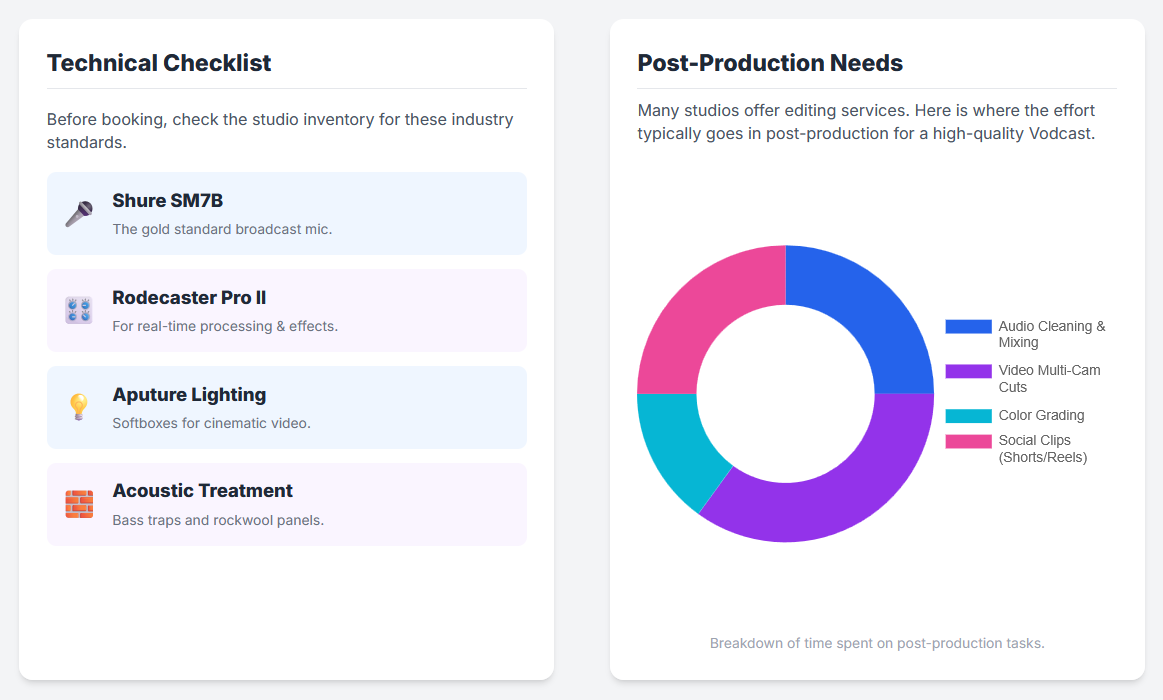
The Shure SM7B has established itself as the undisputed "gold standard" for podcasting. Its cardioid dynamic polar pattern excels at rejecting background noise and minimizing "room tone," giving voices that rich, "broadcast" proximity effect.3 However, the SM7B is notorious for its low output level, requiring significant gain (+60dB).
The Preamp Bottleneck: In many budget studios, standard SM7Bs are paired with entry-level audio interfaces (like basic Focusrite Scarletts) that lack sufficient clean gain. This forces the preamps to work at near-maximum capacity, introducing an audible "hiss" or white noise into the recording. To counter this, professional setups must use inline activators like Cloudlifters.
The 2026 Evolution: A key differentiator in modern studios is the adoption of the Shure SM7dB. This updated model features a built-in, custom-designed preamp that provides up to +28dB of clean gain internally.13 This eliminates the need for external Cloudlifters and ensures a pristine signal-to-noise ratio even with mid-range interfaces.
Client Verification: When booking a studio, specifically ask: "Do you use Cloudlifters with your SM7Bs, or do you stock the SM7dB?" A studio plugging a standard SM7B directly into a budget mixer without amplification is a red flag for audio quality.
4.2 Video Standards: The 4K Imperative
In 2026, 1080p High Definition is no longer sufficient for premium content intended for YouTube or Smart TV consumption. The standard has shifted decisively to 4K.
Camera Tiers in London Studios:
Tier 3 (Avoid): Webcams (e.g., Logitech Brio). While acceptable for Zoom calls, these lack the dynamic range and depth of field for professional broadcasting.16
Tier 2 (Standard): Mirrorless Cameras (e.g., Sony ZV-E10 or Sony A7 IV). These are the workhorses of the industry, offering excellent autofocus and the ability to blur the background, separating the host from the set.17
Tier 1 (Premium): Cinema Cameras (e.g., Blackmagic Pocket Cinema Camera 6K or Sony FX3). Found in high-value studios like Nostars and Finchley, these cameras record in high-bitrate codecs (ProRes or BRAW), allowing for extensive color grading and a truly cinematic look.7
4.3 The Interface Revolution: 32-Bit Float Audio
A subtle but revolutionary trend in high-end affordable studios (like Outset Studio) is the adoption of 32-bit float audio recording.19
The Mechanism: Traditional 16-bit or 24-bit recording has a fixed dynamic range. If a guest laughs loudly, the audio "clips" (distorts) and is ruined. If they whisper, the audio is buried in noise.
The Benefit: 32-bit float captures such a massive dynamic range that it is mathematically impossible to clip the audio within human hearing levels. This effectively "future-proofs" the recording against operator error, making it safer for studios where the client might be self-operating the equipment.19
4.4 Lighting and Set Design
Modern video studio setups require sophisticated lighting. The standard is a 3-point lighting system (Key, Fill, Backlight) using softboxes to flatter the skin. However, the 2026 trend is the integration of RGB "practical" lights (like Nanlite PavoTubes) into the set background. This allows the studio to match the lighting color to the podcast's brand palette instantly. Studios offering this customizability (like Finchley's varied sets) provide significantly higher value than those with static, unchangeable lighting.8
5. The Economics of Studio Hire: TCO Analysis
When calculating the "affordability" of a studio, one must look beyond the hourly rate card. The Total Cost of Ownership (TCO) for a session includes travel, parking, data transfer fees, and potential overtime.
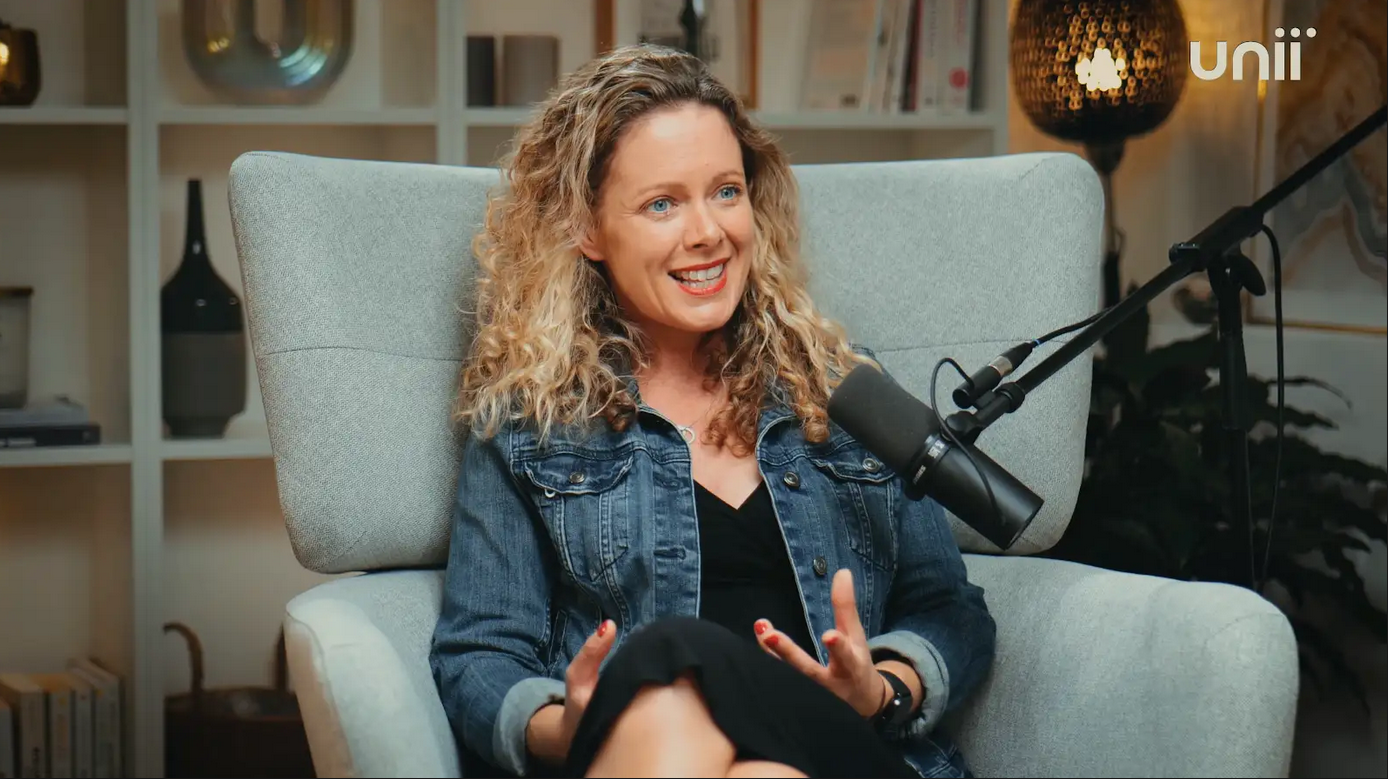
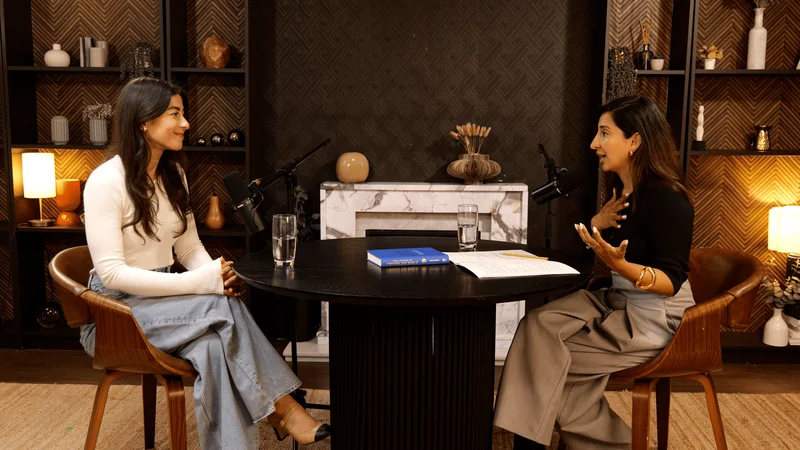
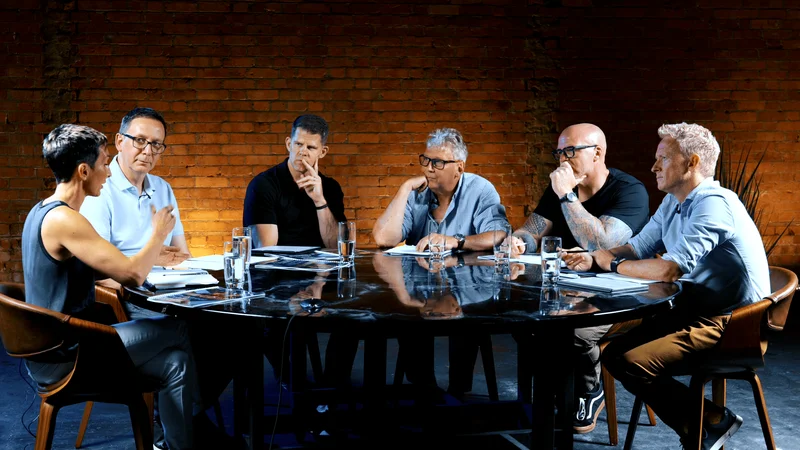
Finchley Studio (Dialogue set): book this setup for your podcast
5.1 The "Hidden Tax" of Location
London's transport infrastructure levies taxes on movement that can double the cost of a session for those driving.
Congestion Charge & ULEZ: Driving into Central London (Zones 1 and parts of Zone 2) triggers the Congestion Charge (£15.00 daily) and potentially the ULEZ charge (£12.50 daily).20 A guest driving to a studio in Shoreditch or Soho incurs £27.50 in fees before parking.
Parking Costs: Commercial parking in Soho or Fitzrovia (e.g., Q-Park) costs between £8 and £12 per hour.22 A 4-hour recording session can thus incur £40-£50 in parking fees alone.
The North London Advantage: Studios located in Zones 3-4 (e.g., Finchley, Wood Green) often sit outside the Congestion Zone and offer free or low-cost street parking. Finchley Production Studio highlights its "free parking" as a strategic asset that saves clients roughly £50-£70 per session compared to a central counterpart.8
5.2 Personnel Surcharges: Dry vs. Wet Hire
Studios often advertise a "Dry Hire" rate (room only) to appear affordable.
The Engineer Cost: If you require an operator to switch cameras or monitor audio levels, this is often an additional £40-£60 per hour.24
Value Strategy: Look for "Wet Hire" packages (like Finchley's Gold package or Premiere's inclusive rate) where the engineer is included in the bundle. This protects against technical failure and usually offers better value than adding an operator to a base rate.8
5.3 Data Handling and File Transfer
Video files, especially in 4K, are massive. A 1-hour 3-camera 4K session can generate 100GB+ of data.
The Cost Trap: Some studios charge a "file processing fee" or a "transfer fee" (£20-£45) to upload footage to the cloud.25
The Bottleneck: Uploading 100GB can take hours. Studios may charge for this "studio time."
The Solution: Always bring a high-speed USB-C SSD (Samsung T7/T9) formatted to exFAT. Transferring directly to a drive takes minutes and is usually free.27
5.4 Overtime and Cancellations
Studio margins rely on tight turnover.
Overtime: Running 10 minutes over can trigger a full hour's charge or a punitive rate (e.g., 1.5x). London Podcast Studios charges per minute for overtime, which can be fairer, but rates are high.29
Cancellation Policies: Pirate Studios offers a 4-hour cancellation window for credit, which is flexible.30 Finchley requires 14 days for a full refund or 48 hours for credit.31 Understanding these terms is vital for podcasts with guests who might flake.
Table 1: True Cost Comparison (2-Hour Video Session)
Analysis demonstrates that a studio with a higher headline rate can be significantly cheaper in real terms due to bundled services and logistical savings.
6. Operational Models & Studio Tiers
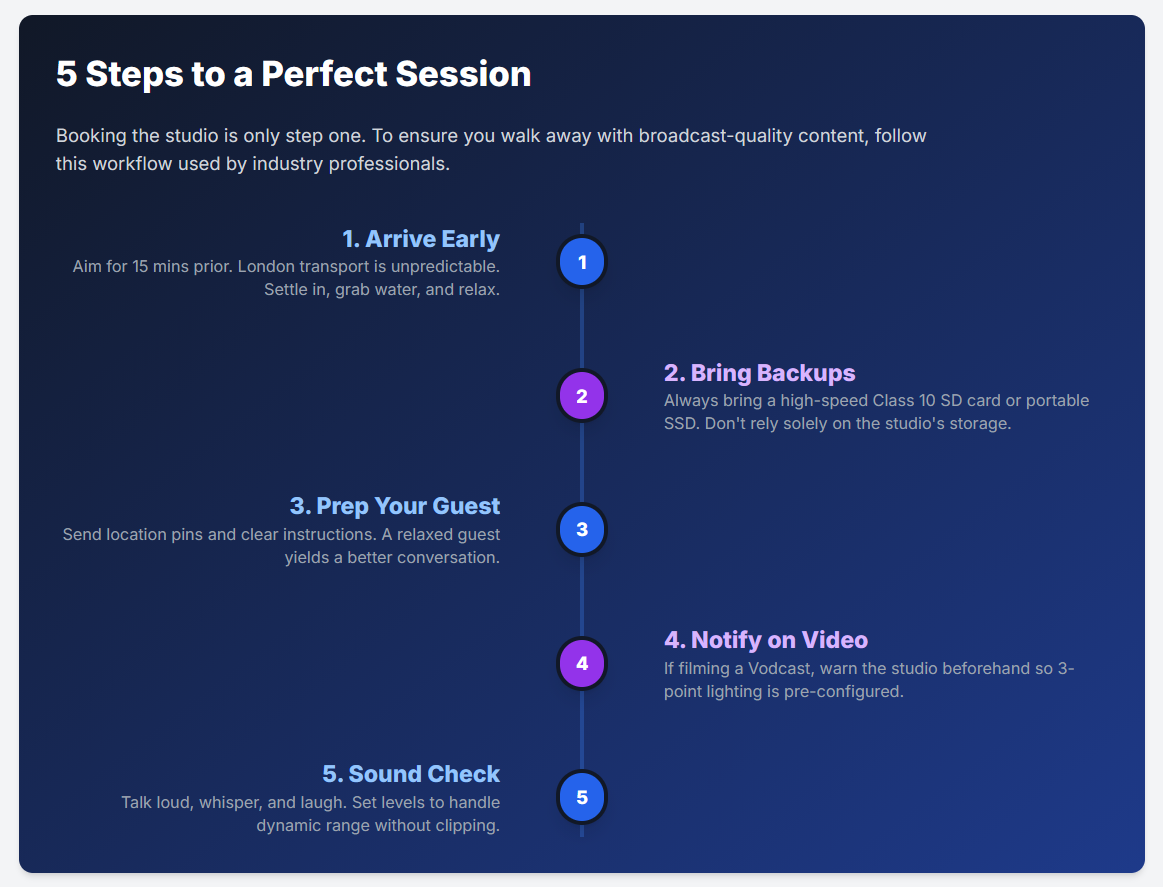
To navigate the market effectively, one must categorize studios not just by price, but by their operational model. The London market currently operates across three distinct tiers.
6.1 Tier 1: The Automated / Self-Service Model
Representative Studios: Pirate Studios. Price Range: £10 - £25 per hour.32
The Proposition: This model relies on volume and automation. Users book online, receive an access code, and let themselves in. There is rarely staff on-site. This significantly reduces overheads, allowing for the lowest headline rates in the city.34
The Reality & Risks:
While cost-effective for rehearsals, this tier poses significant risks for professional podcast recording.
Noise Bleed: These facilities often house loud rock bands or DJ rehearsal rooms adjacent to recording booths. Reports indicate that bass frequencies travel easily between rooms, potentially ruining delicate vocal recordings. A user review notes hearing a "metal band" from the room next door.35
Technical Risk: With no engineer on-site, equipment malfunctions (e.g., broken cables, software glitches) can lead to lost sessions with no immediate recourse. Support is often via WhatsApp bots or remote chat, which cannot fix a broken mic stand physically.36
Environment: Cleanliness and "vibe" can vary. Reports of broken air conditioning or equipment in disrepair suggest a "get what you pay for" experience.37
Best For: Solo podcasters doing practice runs, rough drafting, or musicians rehearsing. Not recommended for interviews with high-value guests.
6.2 Tier 2: The Value-Engineered / Hybrid Model
Representative Studios: Nostars Studios, Finchley Production Studio, Outset Studio. Price Range: £30 - £120 per hour.7
The Proposition:
This tier represents the strategic "sweet spot." These studios offer a staffed environment, ensuring technical reliability, but often operate in Zone 2-4 locations to reduce property costs. They pass these savings on to the client while maintaining high equipment standards.
Nostars (Wood Green): An extreme value outlier. They offer rates as low as £30/hr which includes 6K Blackmagic cameras and audio mixing.7 This aggressive pricing makes it highly attractive but can lead to high occupancy and difficulty booking prime slots.8
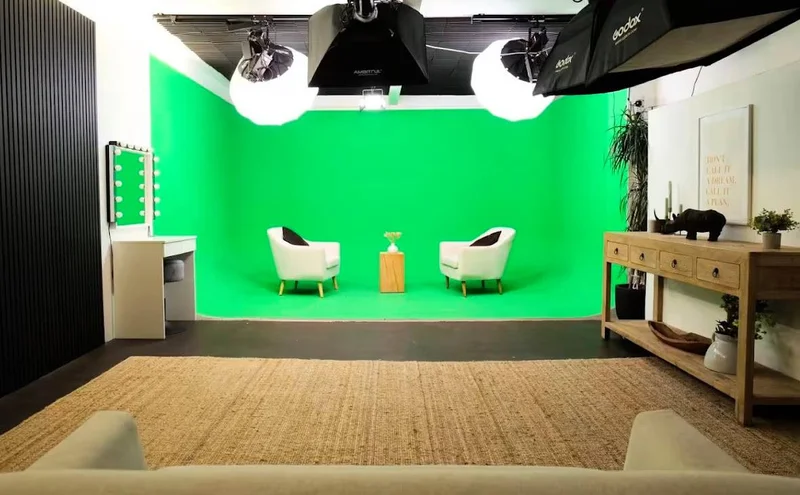
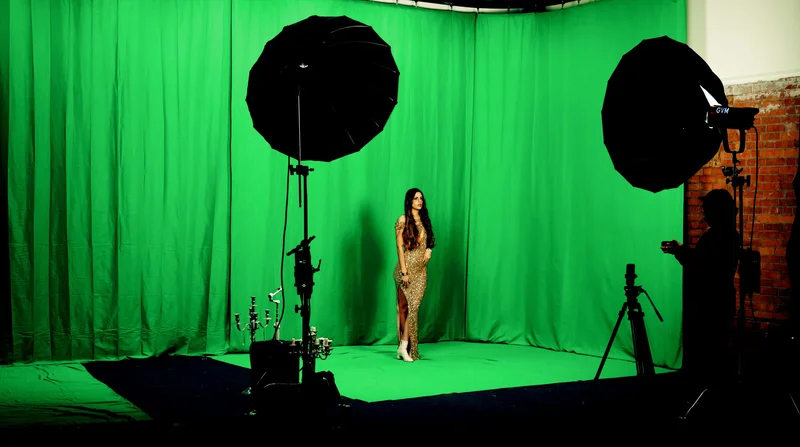
Finchley Studio (North London): Positions itself on logistics and support. The inclusion of free parking and a dedicated engineer in their packages addresses the two biggest pain points for London guests: travel stress and technical anxiety. Their offering of distinct visual sets (Brick, Lounge, Green Screen) allows for high production value.8
Outset Studio (London Bridge/Hoxton): Offers a tiered approach, with "audio-only" rates starting around £84/hr and video packages costing more. They provide a balance of central locations and professional staffing, utilizing 32-bit float audio for safety.19
Best For: Serious indie podcasters, SMEs, and creators requiring consistent video/audio quality without broadcast budgets.
6.3 Tier 3: The Premium Broadcast Model
Representative Studios: Spiritland, TYX Studios, Premiere Podcast Studios. Price Range: £150 - £300+ per hour.25
The Proposition:
These studios are often located in prime Central London (Soho, King's Cross) and cater to corporate clients, celebrities, and major networks. The premium pays for "white-glove" concierge service, uncompromising sound isolation (often room-within-a-room-within-a-room), and brand prestige.
The Reality: While the quality is undeniable, the logistical friction can be high due to their central locations. The cost structure is often rigid. However, for clients where "money is no object" and brand reputation is paramount, the assurance of a perfect noise floor and luxury amenities (like the Spiritland listening bar) is worth the premium.39
Best For: Corporate communications, celebrity interviews, and high-budget productions.
7. Studio Profiles: A Deep Dive Analysis
7.1 Nostars Studios (Wood Green)
The Vibe: Music-industry focused with a creative, somewhat "underground" aesthetic. Rooms feature specific color themes (Red, White, Silver) and velvet booths.7
Equipment: High-end. 6K Blackmagic cameras, Neumann U87 mics (in music rooms), and SM7Bs for podcasts.
Unique Selling Point (USP): Unbeatable value. Including filming and mixing for £30/hr is a market disruption.7
Caveat: High demand may make ad-hoc booking difficult. The location is Zone 3.
7.2 Finchley Production Studio (Finchley Central)
The Vibe: Professional yet versatile. Offers 5 distinct visual sets including a "CEO" set and a "Lounge" set, catering to both corporate and casual tones.8
Equipment: 4K Blackmagic cameras, Shure SM7B mics.
USP: Logistics. Free parking and being outside the Congestion Zone makes it the "stress-free" option for drivers. The inclusion of an engineer is a major safety net.12
Caveat: Zone 4 location requires travel, though it is near the tube.
7.3 Outset Studio (London Bridge / Hoxton)
The Vibe: Modern, clean, industrial-chic. The London Bridge location is in a converted leather market, offering character.41
Equipment: Sony FR7 (PTZ Cinema Cameras), Shure SM7Bs, Zoom F8n Pro (32-bit float).42
USP: Central convenience with reliable staffing. The use of robotic PTZ cameras (Sony FR7) allows for high-end shots with a smaller crew footprint.
Caveat: Prices for video are higher than the suburban options.
7.4 Pirate Studios (Multiple Locations)
The Vibe: Utilitarian, self-service, 24/7 access.
Equipment: Rode Procaster mics, RODECaster Pro consoles.32 Note: These are often dynamic mics but lower tier than the SM7B.
USP: Accessibility and price. You can book at 3 AM if needed.
Caveat: Noise bleed and lack of support. Best for rehearsals.
8. Legal, Insurance, and Risk Management
Renting a studio involves legal and financial responsibilities that creators often overlook.
8.1 Liability and Damage
Most studios hold Public Liability Insurance, which covers injury to you or your guests while on their premises.43 However, this does not cover damage you cause to their equipment.
The Risk: If you or a guest knocks over a £3,000 Neumann microphone or a £2,000 camera, you are liable. Studio terms usually state that the client is responsible for breakages.45
Mitigation: Check if your own business insurance includes "hired-in equipment" cover. If not, consider short-term production insurance for the day.
8.2 Content Ownership and NDAs
Footage Rights: Standard terms (like Finchley's) state that footage remains the property of the studio until the balance is paid in full.45 Ensure you pay promptly to avoid your files being held hostage.
Guest NDAs: Studios are public or semi-public spaces. If you are recording sensitive content (e.g., an unreleased product reveal), ensure the studio has private breakout areas and that staff have signed confidentiality agreements. Automated studios (Pirate) have CCTV monitoring, which raises privacy considerations for sensitive visual content.46
8.3 Cancellation Policies
Refunds vs. Credit: Policies vary wildly. Finchley requires 14 days for a refund.31 Pirate allows cancellations up to 4 hours before for credit.30
Strategy: If your guest is a celebrity or high-profile individual with a volatile schedule, choose a studio with a flexible credit policy (like Pirate or a membership-based studio) or buy insurance that covers cancellation costs.
9. The Client Experience: Logistics & Psychology
The success of a podcast often depends on the mood of the guest. A stressed guest gives a poor interview.
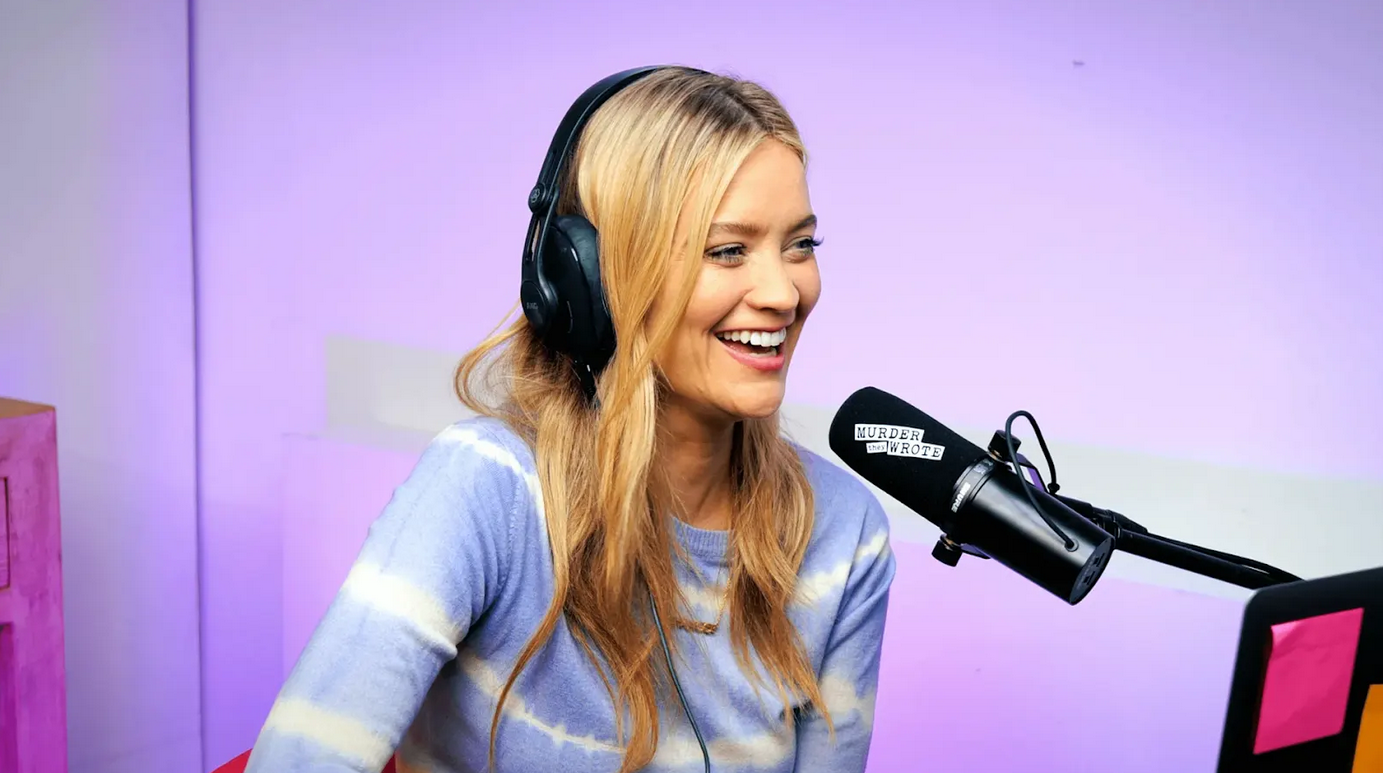
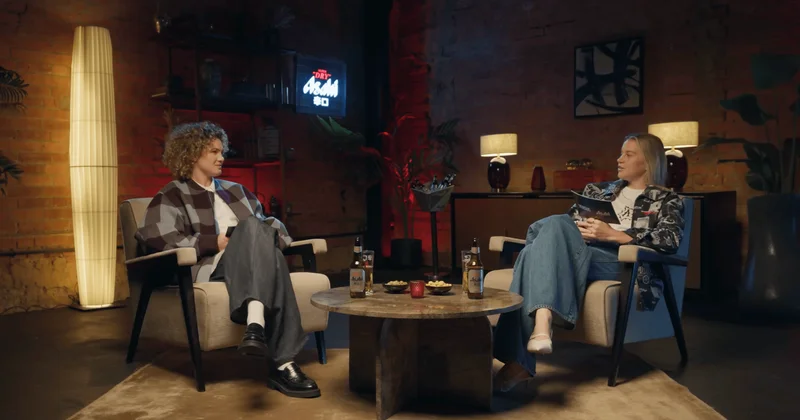
See the 'Murder They Wrote' podcast setup used by Laura Whitmore and Iain Stirling from BBC at Finchley Studio (Gathering setup). Watch Murder They Wrote at BBc sound , Spotify , Apple podcasts , Youtube , Instagram , Amazon music
9.1 The "Arrival Experience"
Central London Stress: A guest arriving in Soho after fighting traffic or getting crushed on the Tube may arrive flustered.
Suburban Ease: A guest who parks directly outside the studio door (e.g., in Finchley or Wood Green) arrives relaxed.
Amenities: Check for a "Green Room" or waiting area. You need a space to prep the guest, offer water/coffee, and build rapport before the mics go live. Studios like Podcast House emphasize their green room facilities.34
9.2 The "Go-Bag" Checklist
Professionalize your session by bringing the following 27:
Data: 1TB or 2TB SSD (USB-C 3.2). Crucial for 4K video.
Hard Copies: Printed scripts. Tablets can glare, reflect studio lights, or run out of battery.
Hydration: Water bottles. Studios get hot under lights.
Branding: A transparent PNG of your logo on a USB stick to load onto the studio's screens (available at Nostars/Podshop).7
Wardrobe: A change of shirt if recording multiple episodes in one day to simulate different sessions.27
10. Future Trends: Podcasting in 2026
The studio market is not static. Three key trends are shaping the future of London podcast production.
10.1 AI-Integrated Workflows
By 2026, AI will be integral to the studio workflow, not just post-production.
Live Editing: Studios will offer "Live Cuts" using AI-assisted switchers (like ATEM ISOs) that automatically cut to the active speaker, reducing post-production costs.48
Instant Assets: Expect studios to deliver automated transcripts, show notes, and "viral clips" generated by AI engines immediately after the session.5
10.2 Hybrid Recording Standards
The "Zoom guest" is no longer a second-class citizen. Professional studios are integrating remote guests via dedicated lines (e.g., Riverside.fm) displayed on in-studio screens to facilitate eye contact. The standard is now to record the remote guest locally (on their device) for high quality, while the studio captures the host in 4K, merging them in post.49
10.3 The Rise of Immersive Audio
With Apple and Audible pushing Spatial Audio, high-end studios are equipping for Dolby Atmos podcasting. While currently niche, this will become a differentiator for narrative and fiction podcasts.39
11. Conclusion
The search for an affordable podcast studio in London requires a nuanced calculation that balances "Hard Costs" (the hourly rate) against "Soft Costs" (logistics, stress, production risk, and post-production remediation).
The data clearly indicates that the lowest headline rate is rarely the most economical choice for professional creators.
Tier 1 studios (Pirate) offer unbeatable access and price but introduce acoustic and technical risks that can render professional projects unusable. They are the rehearsal rooms of the industry.
Tier 3 studios (Soho) offer perfection and prestige but at a price point and logistical complexity that drains resources and creates friction for guests.
For the vast majority of London-based creators, the Tier 2 "Value-Engineered" sector represents the intelligent choice. Studios like Nostars (offering disruptive value with included 6K filming) and Finchley Production Studio (offering logistical ease, free parking, and engineering support) demonstrate that affordability is achieved not by cutting corners, but by optimizing the location and service model.
By prioritizing studios that sit outside the Congestion Zone, offer inclusive engineering, and adhere to modern technical standards (4K video, SM7dB mics, 32-bit audio), creators can achieve broadcast-quality results that elevate their brand without exhausting their budget. In the competitive attention economy of 2026, audio quality is the gatekeeper; ensure your studio investment opens that gate rather than locking it.
Call to Action: Strategic Next Steps
Audit Your Needs: Determine if you are Audio-Only (greater flexibility) or Video-First (requires Tier 2/3 visual sets).
Calculate TCO: Use the cost comparison table to calculate the real cost of a session, factoring in travel, parking, and engineer fees.
Conduct a Recce: A studio's website photos can be deceiving. Request a 10-minute site visit to listen to the "noise floor" and check the "vibe" before committing to a series booking.
Book the Engineer: For video podcasts, the extra £30-£50 is the best insurance policy you can buy. Let them watch the levels while you watch the guest.