Introduction: Establishing the "Premier" Benchmark
The term "premier podcast studio" signifies a facility that transcends the capabilities of prosumer or home-based recording setups.1 It represents an integrated system engineered to deliver broadcast-quality results with consistency and efficiency. This standard is not defined merely by a list of expensive equipment but by the synergy of three critical, interdependent pillars: a meticulously controlled acoustic environment, a broadcast-quality signal chain for both audio and video, and the availability of expert human oversight. The physical room, the technology within it, and the professionals who operate it combine to form a production ecosystem capable of meeting the exacting demands of high-value clients.
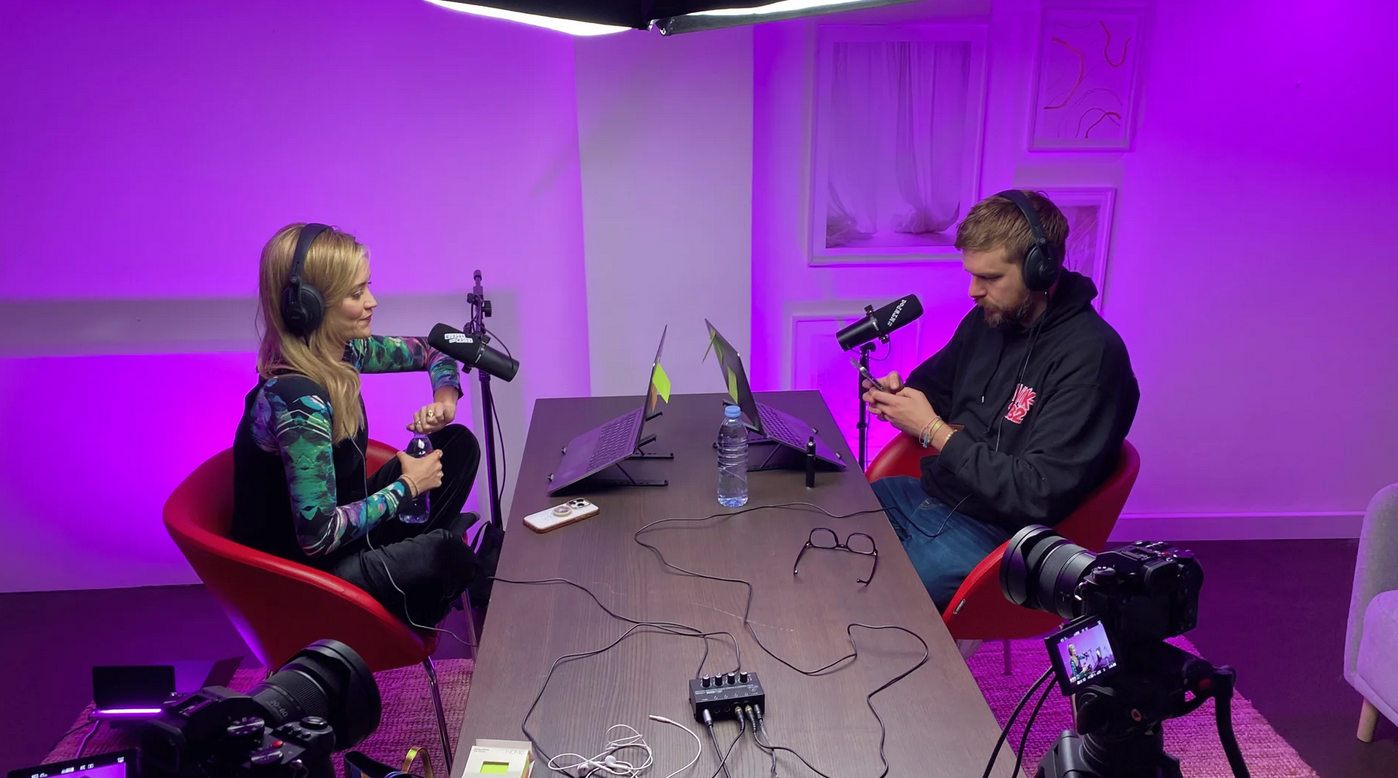
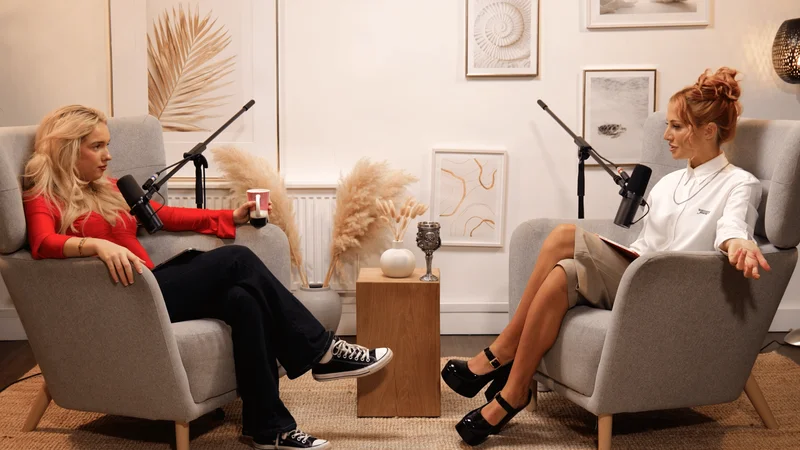
See the 'Murder They Wrote' podcast setup used by Laura Whitmore and Iain Stirling from BBC at Finchley Studio (Gathering setup). Watch Murder They Wrote at BBc sound , Spotify , Apple podcasts , Youtube , Instagram , Amazon music
Book this setup for your podcast
ondon, as a global media and creative capital, hosts a highly competitive and sophisticated podcasting market. Its top-tier studios cater to a diverse and demanding clientele, from globally recognized brands like Amazon, Universal Music, and Disney to influential independent creators and broadcast heavyweights.3 This competitive landscape has driven the evolution of premier studios into multifaceted content production hubs, where the technological and service standards are exceptionally high. Understanding these standards is essential for any creator or brand aiming to produce content that competes at the highest level.
This report provides an exhaustive analysis of the equipment, infrastructure, and services that define a premier podcast studio in London. It will begin by establishing the foundational importance of the physical recording environment, detailing the principles of acoustic integrity and studio design. It will then dissect the end-to-end audio and video signal chains, identifying the specific, industry-standard hardware and software that are expected. Finally, the report will culminate in a direct analysis of the London studio market, using specific case studies and a comparative matrix to illustrate how these standards are implemented in practice, providing a definitive benchmark for professional podcast production in one of the world's most dynamic media markets.
Section 1: The Foundation – The Professional Recording Environment
The most critical and often overlooked component of a professional production is the recording space itself. A premier studio's primary value proposition begins with its physical infrastructure. Without a controlled acoustic environment, even the most advanced and expensive microphones and cameras will fail to capture clean, professional-quality content. The investment in architectural acoustics is a fundamental differentiator that separates elite facilities from all others.

See the 'BBC Children in Need' podcast setup used by Dr Julie from BBC at Finchley Studio (Lounge setup). Book this setup for your podcast
1.1. Acoustic Integrity: Soundproofing vs. Acoustic Treatment
A common misconception is the interchangeable use of "soundproofing" and "acoustic treatment." In a premier studio, these are two distinct but equally vital disciplines. Soundproofing is concerned with sound isolation—preventing unwanted external noise from entering the recording space. Acoustic treatment is concerned with sound control—managing how sound behaves within the room to ensure clarity and eliminate sonic imperfections.1
Soundproofing Techniques
The goal of soundproofing is to achieve a high level of acoustic isolation, creating a sonic sanctuary free from the intrusions of the outside world. For a studio in a bustling urban center like London, this is a non-negotiable requirement. Techniques employed in premier facilities are often architectural in nature and include:
Decoupling and "Room-Within-a-Room" Construction: This is the gold standard of soundproofing, involving the construction of an inner room that is structurally isolated from the outer building. This creates an air gap that dramatically reduces the transmission of sound vibrations from external sources like traffic, sirens, or activity in adjacent rooms.1
Increased Mass and Density: Using dense materials like mass-loaded vinyl or constructing double-stud walls increases the overall mass of the barriers, making it harder for sound energy to pass through.4
Sealing and Damping: Every potential air gap is a path for sound. Premier studios use specialized acoustic caulking to seal all cracks and joints. Damping compounds like Green Glue are applied between layers of drywall to convert sound energy into heat, further deadening vibrations.1
High-Performance Doors and Windows: A standard hollow-core door is a significant acoustic weak point. Studios invest in solid-core doors fitted with professional weather stripping and seals. Any windows, if present at all, will be double- or triple-paned with laminated glass of varying thicknesses to disrupt sound waves.1
Many of London's top studios, such as those operated by Podshop, explicitly advertise their spaces as "soundproofed," signaling to clients that this foundational requirement has been met to a professional standard.5
Acoustic Treatment Components
Once a room is isolated from external noise, its internal acoustics must be managed to control reflections, reverberation (echo), and frequency buildup. This is achieved through the strategic placement of specialized materials:
Absorption Panels: These are the most common form of acoustic treatment, typically made of high-density foam or fiberglass. Placed at key reflection points on walls and ceilings, they absorb mid- and high-frequency sound waves, preventing them from bouncing around the room. This is crucial for eliminating the "roomy" or "hollow" sound that plagues untreated spaces and for achieving a clear, direct vocal recording.1
Bass Traps: Low-frequency sound waves have long wavelengths and tend to accumulate in the corners of a room, creating a "boomy" or muddy sound that can obscure vocal clarity. Bass traps are thick, dense absorption panels specifically designed to be placed in corners to absorb this low-frequency energy, resulting in a tighter, more balanced sound.1
Diffusers: While absorption removes sound energy, diffusion scatters it. Diffusers have complex, irregular surfaces that break up and disperse sound waves that are not absorbed. This helps to eliminate standing waves and flutter echo without making the room sound completely "dead," preserving a sense of natural space and ambiance while controlling problematic reflections.4
The commitment to this level of detail is a hallmark of a premier facility. Studios like TYX and London Podcast Studios prominently feature their "acoustically treated" environments as a core part of their service, assuring clients of a controlled recording environment that guarantees a professional sonic result.7 This comprehensive approach to acoustic integrity is not an optional extra; it is the bedrock upon which all other equipment and services are built.
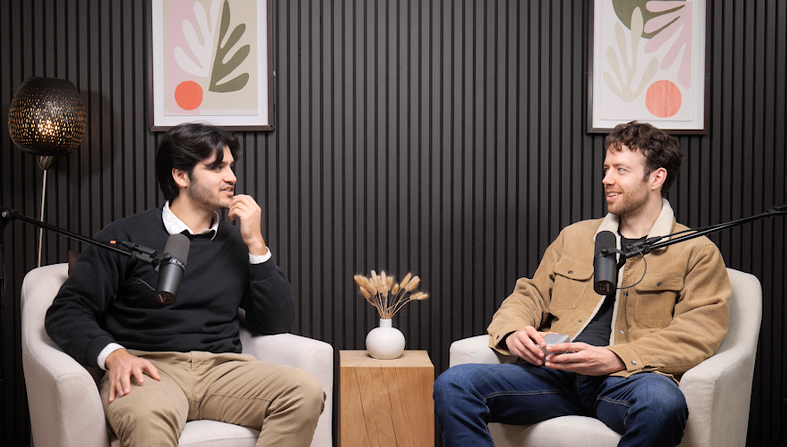
Finchley Studio (Blackwood): book this setup for your podcast
1.2. Studio Design, Ergonomics, and Client Experience
Beyond the technical acoustics, the physical design of a premier studio is tailored to facilitate a professional workflow and provide a high-end client experience. This encompasses the aesthetic flexibility of the recording space, the logistical separation of technical and creative roles, and the provision of amenities that cater to a professional clientele.
Configurable and Visually Branded Sets
The rise of video podcasting has transformed the recording studio into a television set. A premier facility is expected to offer a visually appealing and brandable space. This is a direct response to the visual standards set by platforms like YouTube and Spotify, where the background environment is an integral part of a show's identity. Studios in London offer a range of options to meet this demand:
Multiple Themed Sets: Facilities like Podcast Studio Hire offer several distinct sets within their space, such as a formal interview table, a relaxed sofa setup, or a moody, dark-curtained environment, allowing clients to choose the aesthetic that best fits their content.3
Dynamic and Custom Backdrops: Studios provide a variety of backdrops, including exposed brick, colored walls, green screens for virtual sets, and the ability to bring in custom branding elements like logos or signage.8 Podshop even offers a "Custom Lightbox (With your Logo)" as a specific add-on service, demonstrating how this visual branding has become a monetized and expected feature.10
Flexible Furniture and Props: The ability to reconfigure furniture—swapping armchairs for sofas, changing tables, and adding plants or ornaments—gives clients the creative freedom to build a unique set that reflects their brand's personality.10
This focus on visual customization reflects a deeper market trend: the studio environment is no longer just a place to record audio but a key component of the client's brand strategy. The physical space itself has become a brandable asset.

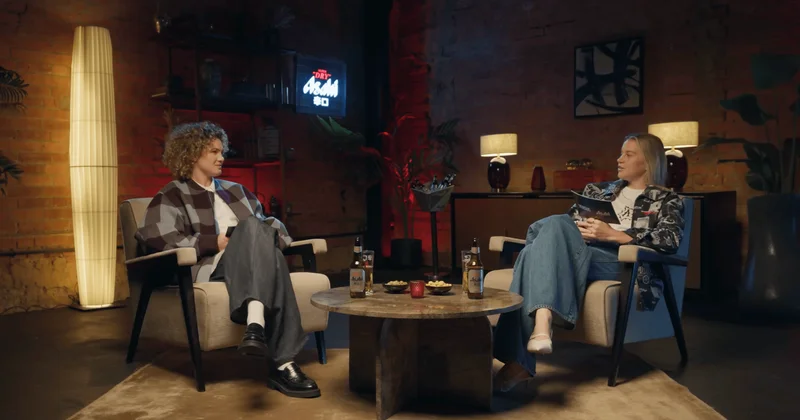
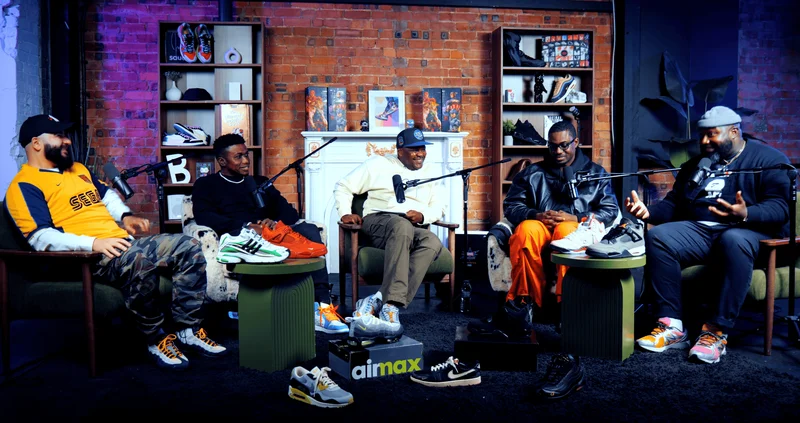
See the 'The Tooney & Russo Show' from BBC and Lionesses Ella Toone and Alessia Russoat from England national football team at Finchley Studio (Lounge setup). Book this setup for your podcast. Watch 'The Tooney & Russo Show' at BBc sound , Spotify , Youtube, Amazon music.
Book this setup for your podcast
Separate Control Rooms and Professional Workflow
A key operational differentiator of a top-tier studio is the presence of a separate, acoustically isolated control room. This architectural feature allows an on-site engineer or producer to manage all technical aspects of the recording—monitoring levels, switching cameras, triggering sound effects—without being physically present in the recording space with the host and guests.5 This separation is crucial for several reasons:
Minimizes Distractions: It allows the talent to focus entirely on the conversation, free from the distraction of technical adjustments and operator movement.
Enables Clear Communication: The engineer can communicate with the talent via headphones without their conversation being picked up by the recording microphones.
Improves Technical Oversight: It provides the engineer with an acoustically optimized listening environment (via studio monitors) to accurately judge the quality of the audio being captured.
London studios like TYX, VOXPOD, and Podshop all feature these separate control rooms, which is a clear indicator of a professional-grade facility designed for a seamless and efficient workflow.5 This investment in infrastructure is a form of risk mitigation for the client; by isolating the technical operations, the studio ensures that the client's performance is captured flawlessly, regardless of the complexity of the production. The controlled environment is thus delivered as a managed, high-touch service.
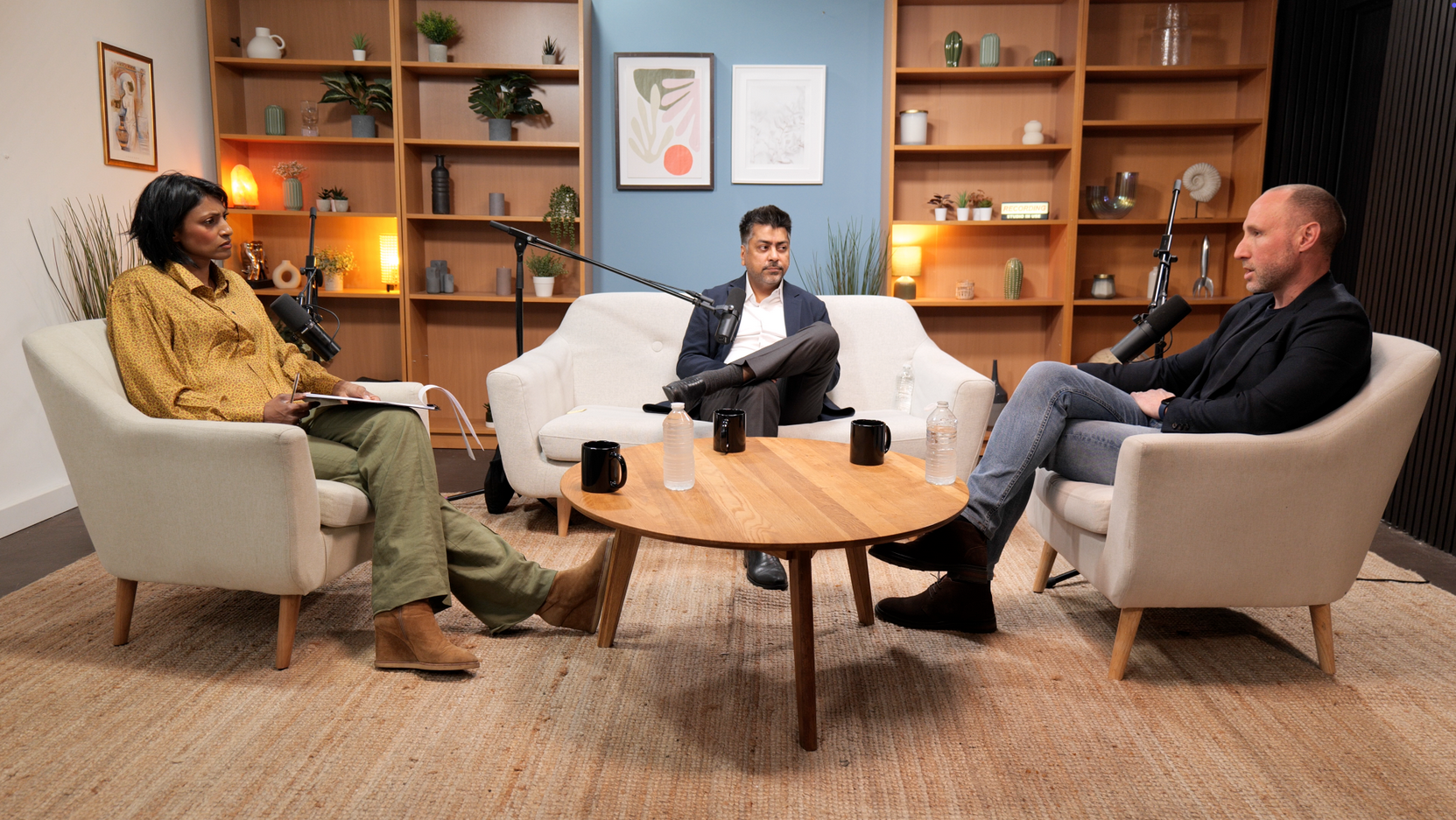
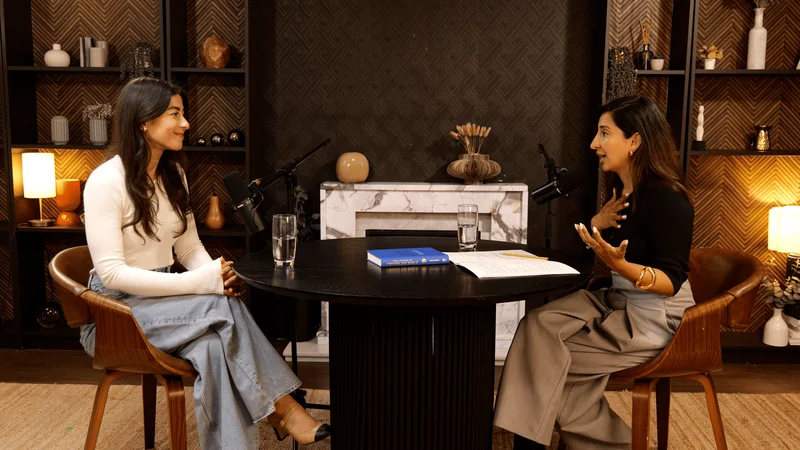
See the 'No ordinary tech podcast ' from Lloyds Banking Group by Rohit D (AI Leader for Lloyds Banking Group) and DR. shini somara (Pro-Chancellor of Brunel University) . at Finchley Studio (Lounge setup). Book this setup for your podcast.
Client Amenities and Hospitality
The "premier" experience extends beyond the recording booth. High-value clients and their high-profile guests expect a level of comfort and convenience commensurate with a professional service. Top London studios cater to this by providing a range of amenities:
Breakout and Lounge Areas: Comfortable spaces for clients to relax, prepare, or debrief before and after a session.7
Kitchenettes and Refreshments: The provision of complimentary tea, coffee, and other refreshments is a standard feature.3
Professional Services: A crewed reception desk to welcome guests and on-site conveniences like private parking add to the professional experience.7
These elements, while seemingly minor, contribute to an overall experience of professionalism and care, reinforcing the studio's position as a premium service provider.
Section 2: The Audio Chain – Capturing Broadcast-Quality Sound
With the foundational environment established, the focus shifts to the technology responsible for capturing the human voice: the audio signal chain. In a premier studio, this is an end-to-end system of carefully selected, industry-standard components, each chosen for its specific performance characteristics, reliability, and ability to produce pristine, broadcast-quality audio.
2.1. Microphones: The Voice of the Podcast
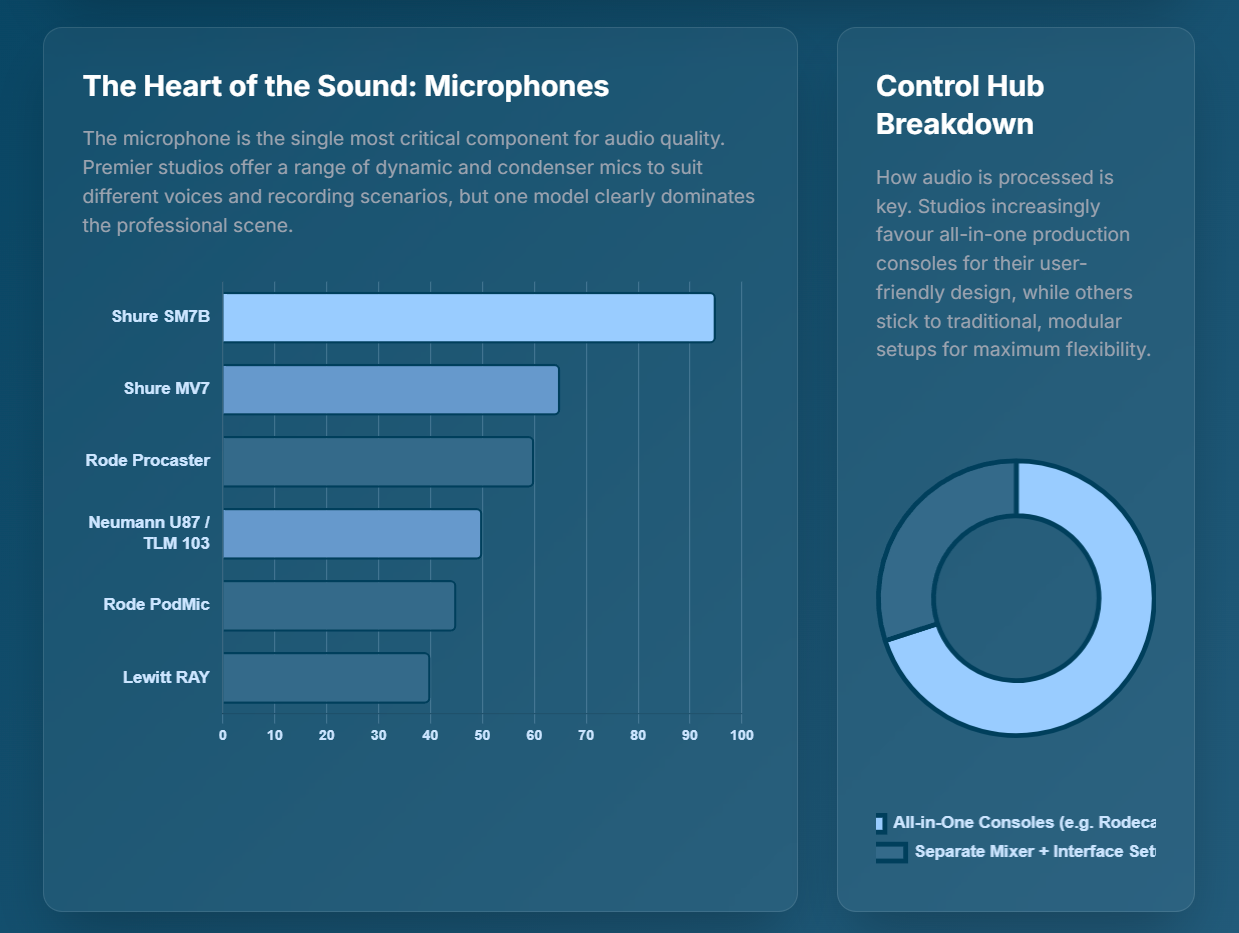
The microphone is the first point of contact in the audio chain and arguably the most critical in defining the sonic character of a podcast. Premier studios offer a curated selection of professional microphones, dominated by dynamic models purpose-built for broadcast voice applications.
The Industry Standard Dynamic Microphones
Dynamic microphones are favored in podcasting for their durability and excellent rejection of off-axis sound, meaning they primarily capture the sound source directly in front of them while minimizing room noise and bleed from other speakers. This makes them ideal for multi-person recordings.
Shure SM7B: This is the undisputed king of podcasting microphones, a legendary piece of equipment found in professional broadcast and recording studios worldwide.14 Its popularity stems from a combination of factors: a warm, rich vocal tone that flatters a wide range of voices; a highly effective cardioid polar pattern that provides excellent noise rejection; a built-in pop filter and shock mount that reduce plosives and handling noise; and rugged construction. Its prevalence in the London market is a clear benchmark; it is the standard microphone offered at Podshop, Premiere Podcast Studios, and the Techspace Goswell Road production room.5 Newer iterations like the
Shure SM7dB, which includes a built-in high-quality preamp, and the Shure MV7+, which offers both XLR and USB connectivity along with powerful digital signal processing (DSP) features, are also becoming common, offering enhanced convenience and features.18Electro-Voice RE20: Another broadcast industry titan, the RE20 is a direct competitor to the SM7B and is a fixture in radio stations globally.14 Its key feature is the proprietary Variable-D technology, which virtually eliminates the proximity effect—the increase in bass response as a speaker moves closer to the mic. This ensures a consistent vocal tone even with less experienced speakers who may move around during a recording, making it an extremely reliable choice for a professional studio environment.16
High-End Condenser Microphones
While dynamic mics are the workhorses, some elite studios, particularly those with a heritage in music production, also offer high-end large-diaphragm condenser microphones. These mics are significantly more sensitive, capturing a greater level of detail and nuance.
Neumann Models (U87, TLM 103): Microphones from Neumann are synonymous with the highest echelons of studio recording. The Neumann TLM 103, for example, is used by professional broadcasters like Howard Stern.22 While their sensitivity can be a drawback in a multi-person podcast setup (as they may pick up more room noise and crosstalk), they are the preferred choice for solo-hosted podcasts, voiceovers, and audiobook recordings where capturing a pristine, detailed vocal performance is the primary goal.14 London studios like TYX specifically list Neumann microphones as part of their premium equipment offering, signaling a capacity for the most demanding audio work.13 Dean St. Studios, with its deep roots in music, also provides access to a world-class microphone collection that includes such high-end options.23
Professional-Grade Alternatives
Alongside the top-tier standards, many excellent studios utilize other purpose-built broadcast microphones that deliver professional results.
-
Rode Procaster and PodMic: Rode has established a strong presence in the podcasting market with these dynamic microphones. They are designed specifically for speech, offering a rich tone and excellent noise rejection. They represent a professional-quality option and are the standard microphones found in facilities like Pirate Studios and Podcast Room, which cater to a large volume of creators.16
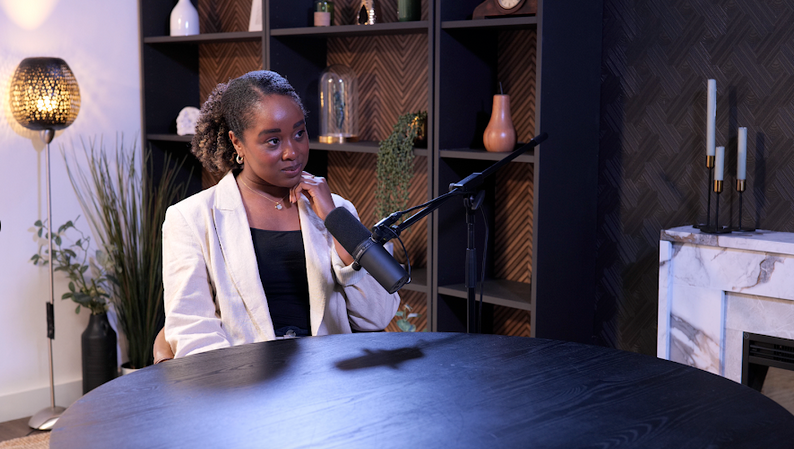
Finchley Studio (CEO Set): book this setup for your podcast
2.2. The Hub: Professional Audio Interfaces and Mixers
The audio interface or mixer is the central hub of the audio chain. It takes the analog signal from the microphones, amplifies it with preamps, converts it to a digital signal for the computer, and routes audio to headphones for monitoring. The quality of this component is critical for maintaining the integrity of the audio signal.
Integrated Production Consoles
For the majority of modern podcast studios, integrated all-in-one production consoles have become the standard due to their efficiency and powerful feature sets.
RØDECaster Pro / Pro II: This line of devices has fundamentally changed the podcast production workflow.26 The RØDECaster Pro II is a complete production studio in a single box, featuring multiple studio-grade "Revolution" preamps with extremely low noise and high gain (essential for gain-hungry mics like the SM7B), multiple headphone outputs for guests, customizable sound pads for triggering jingles and sound effects, and the ability to record multitrack audio directly to an SD card or computer.27 This turnkey solution minimizes setup complexity and potential points of failure, making it an ideal choice for a hire studio that needs to ensure reliable, high-quality recordings for every client. Its adoption is widespread across London, serving as the core of the audio setup at Premiere Podcast Studios, Pirate Studios, and Podshop's Studio 2.10
Modular, High-End Systems
The most elite studios, often those catering to complex audio productions or with a background in music, employ modular, component-based systems that offer the ultimate in fidelity and flexibility. The presence of such systems indicates a clear segmentation in the market, distinguishing between studios built for high-volume efficiency and those equipped for ultimate audio fidelity.
Professional Mixers: Rather than an all-in-one console, these studios use large-format mixing desks. Podshop's premier Studio 1, for instance, is built around a Midas 32R Mixer, a broadcast-grade digital console known for its pristine preamps and extensive routing capabilities.5 At the very highest end, Dean St. Studios operates an
SSL Duality Console, a legendary piece of equipment found in the world's best music studios, offering unparalleled sound quality and processing power.23High-Quality Audio Interfaces: In a modular setup, dedicated audio interfaces handle the critical task of analog-to-digital (A/D) and digital-to-analog (D/A) conversion. The brands found in these studios are a mark of quality. Focusrite (particularly the premium Clarett+ range), Universal Audio (with its renowned Apollo and Volt series that often include onboard DSP for real-time effects), and RME (known for its rock-solid driver stability and transparent conversion) are the expected standard.28 The Thin White Duke studio provides a compelling example of a top-tier implementation, with its entire facility networked using RME's advanced AVB (Audio Video Bridging) system. This allows for immense routing flexibility, enabling them to record from any room in the building—including the bar—through their central
RME 12Mic preamps, a setup that represents the pinnacle of modern studio design.33
This distinction creates a tiered market. The RØDECaster Pro ecosystem provides a highly efficient, reliable, and professional standard for the core podcasting market. The high-end modular systems cater to a different clientele whose projects demand the absolute peak of audio fidelity, complex routing, or integration with music production workflows, such as those requiring Dolby Atmos mixing capabilities.34
2.3. Critical Monitoring: Headphones and Studio Speakers
Accurate monitoring is essential during recording and post-production. The talent needs to hear themselves clearly to modulate their performance, and the engineer needs an accurate reference to judge the technical quality of the audio.
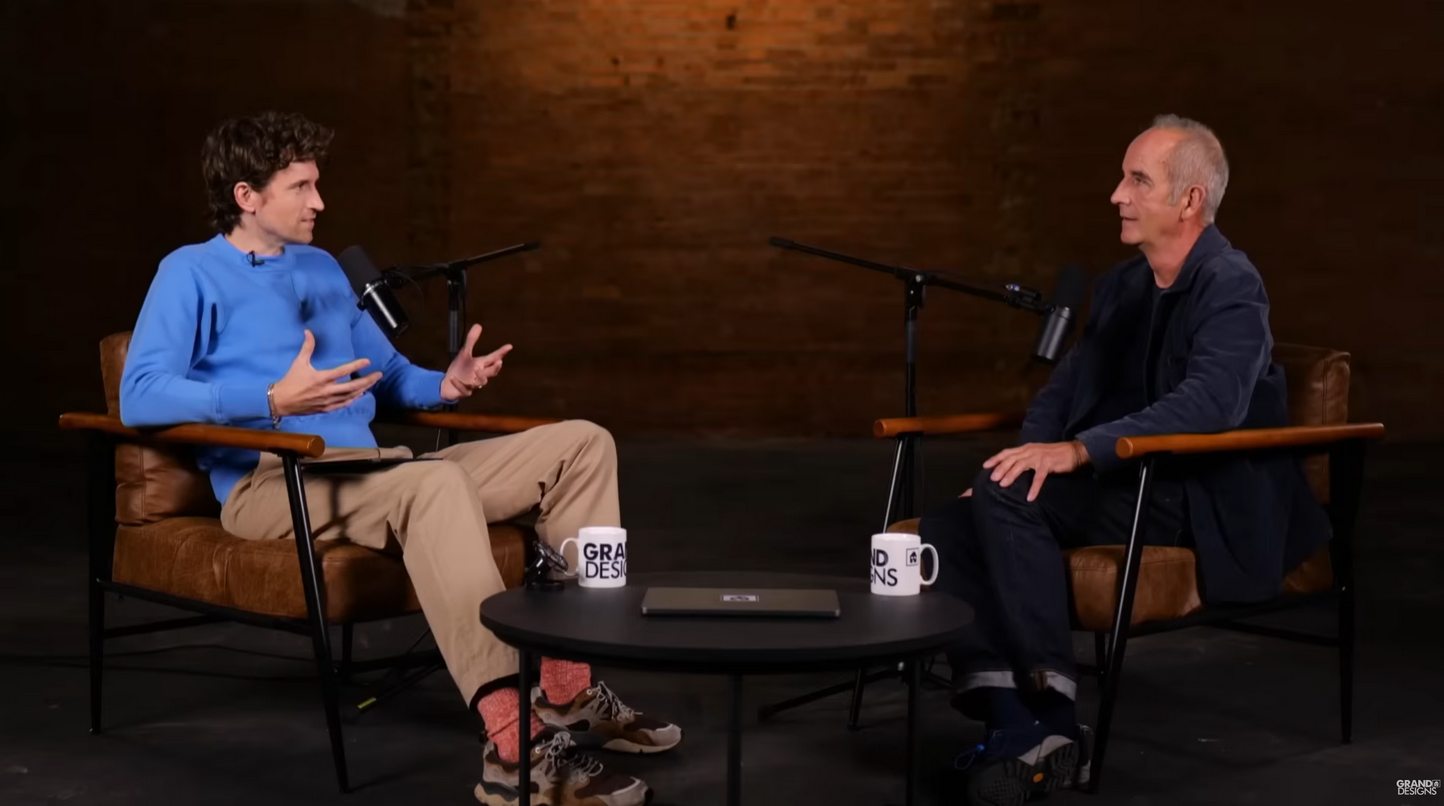
See the 'Grand designs' from Channel 4 by Kevin McCloud at Finchley Studio (Brick studio). Book this setup for your podcast.
The Necessity of Closed-Back Headphones
For podcast recording with multiple participants in the same room, closed-back headphones are the only acceptable option. Their design creates a seal around the ear, providing two critical functions:
Acoustic Isolation: They block out external sound, allowing each participant to hear their own voice and the mix clearly, without distraction.4
Preventing Microphone Bleed: They prevent the sound from the headphones from leaking out and being picked up by the highly sensitive microphones. This is crucial for maintaining a clean, isolated recording of each voice.1
Industry Standard Models
Premier studios stock durable, comfortable, and sonically reliable headphones that can be worn for long recording sessions.
Beyerdynamic DT 770 Pro: This model is frequently cited as the industry benchmark for studio monitoring and podcasting.36 Known for its exceptional comfort due to its velour earpads, robust build quality, and detailed, transparent sound reproduction, it is a favorite for long sessions. The DT 770 Pro is the specified headphone model at the BrewDog Waterloo Podcast Project and the Techspace Goswell Road studio, confirming its status in the London market.3
Sennheiser HD 280 Pro: A true industry workhorse, the HD 280 Pro is valued for its durability and, most notably, its high level of passive noise attenuation (up to 32 decibels), making it an excellent choice for ensuring clear monitoring even in less-than-perfect environments.36
Audio-Technica ATH-M Series (M20x - M50x): This range is ubiquitous in studios of all levels. Models like the ATH-M50x are praised for their balance of comfort, sound quality, and value, providing a reliable monitoring experience.35 AKG closed-back headphones are also a professional choice, used at Premiere Podcast Studios.18
Studio Monitors
While headphones are used for tracking (recording), professional studio monitors (speakers) are essential for the mixing and mastering stages of post-production. A premier studio's control room will be equipped with a pair of acoustically calibrated, near-field monitors to provide an accurate, flat-frequency representation of the audio. This allows an engineer to make critical decisions about EQ, compression, and levels, ensuring the final podcast sounds balanced and professional across all playback systems.1
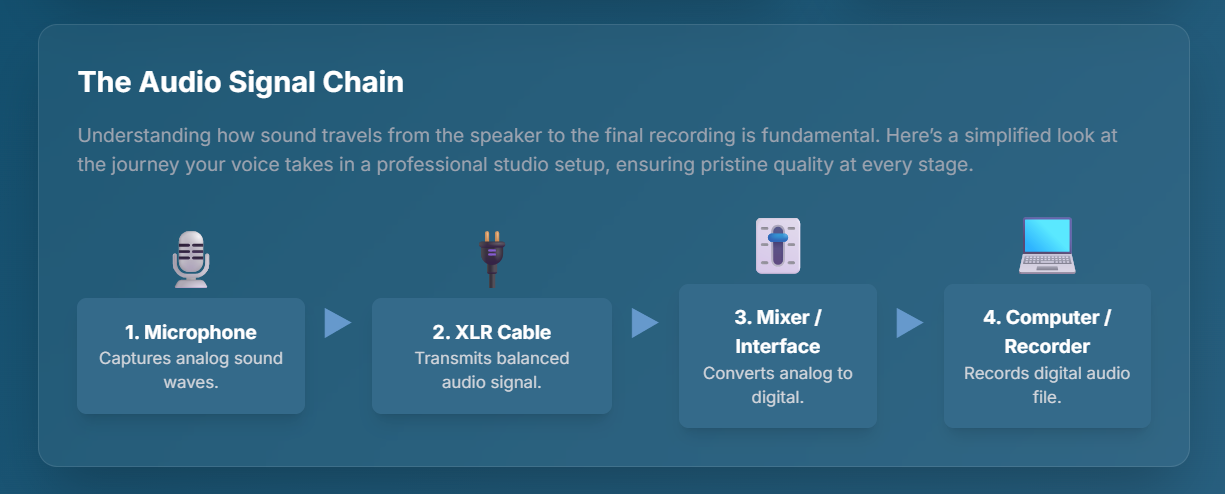
Image credit: Finchley studio
Section 3: The Visual Element – Crafting a Cinematic Video Podcast
The convergence of podcasting and video platforms has made high-quality visual production a core expectation for premier studios. A simple webcam feed is no longer sufficient; clients expect a multi-camera production with a polished, broadcast aesthetic that can compete on visually driven platforms like YouTube, TikTok, and Spotify Video. This requires a dedicated chain of professional video equipment.
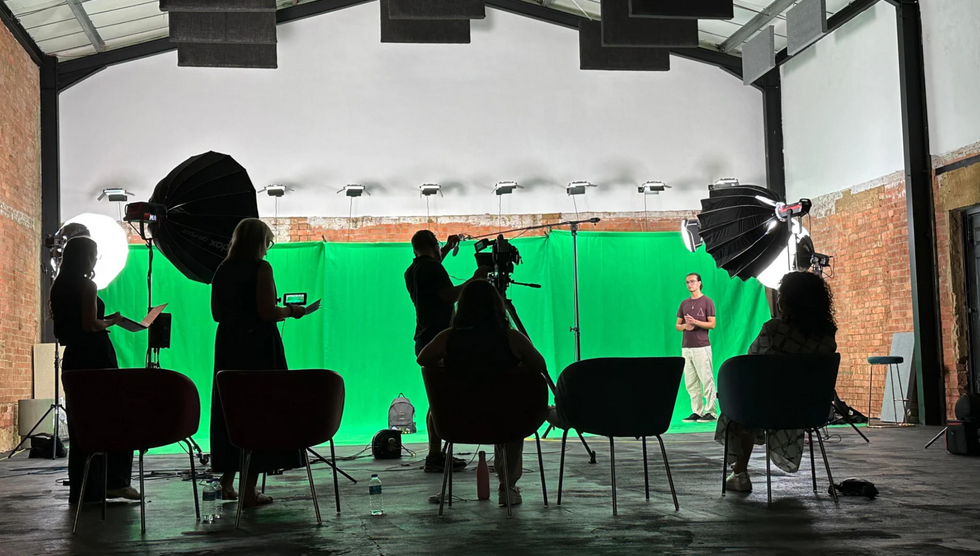
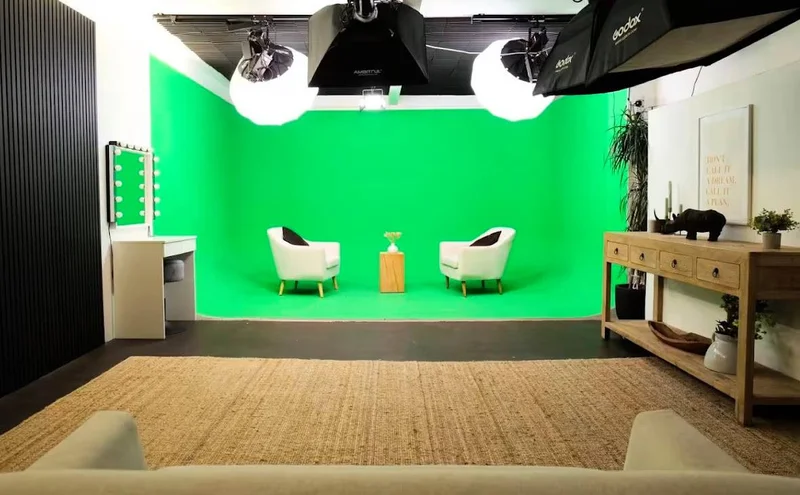
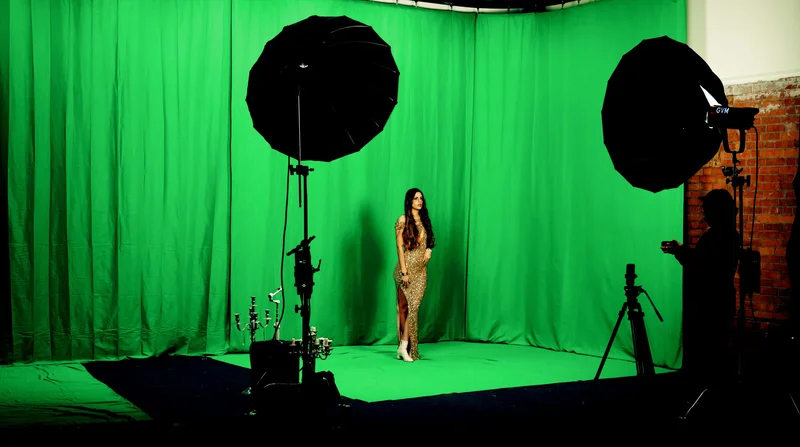
Finchley Studio (Giant Green Screen): book this setup for your podcast
3.1. Cameras and Lenses: Beyond the Webcam
The move to professional video is defined by the adoption of cameras that offer superior image quality, creative control, and operational reliability. Premier studios have largely abandoned traditional camcorders in favor of mirrorless and digital cinema cameras, which provide a "cinematic" look characterized by high resolution, excellent color science, and the ability to create a shallow depth of field (a blurred background) that helps the subjects stand out.41
Dominant Camera Systems
The London market shows a clear preference for two main camera ecosystems, each with distinct advantages that cater to the specific demands of podcast production.
Sony Alpha Series (A7 IV, FX30, FX3): Sony's mirrorless cameras are a dominant force in the content creation space, and for good reason. They are renowned for their exceptional 4K video quality and, crucially, their industry-leading real-time autofocus systems.42 In a dynamic, unscripted podcast environment where speakers may shift, lean, or gesture, a reliable autofocus system that keeps faces sharp is paramount. This "set it and forget it" reliability makes them an efficient choice for studio operations. Their strong performance in various lighting conditions is another significant advantage. Specific London studios like Premiere Podcast Studios (Sony A7 IV) and Podshop (Sony A7IV and FX6) have standardized on the Sony system.5
Blackmagic Design (Pocket Cinema Camera 4K/6K): Blackmagic cameras are favored by creators seeking the highest possible image fidelity and post-production flexibility.42 Their key advantage is the ability to record in professional codecs, most notably Blackmagic RAW (BRAW). This format captures the full data from the camera's sensor, providing immense latitude in post-production for color grading, exposure adjustments, and achieving a truly cinematic look. While their autofocus capabilities have historically lagged behind Sony's, their image quality is exceptional for the price point. They are the camera of choice at prominent London facilities like Podcast Room and VOXPOD, which uses the high-end Blackmagic 6K Pro model.3
The selection of these specific camera systems is a direct reaction to the visual standards established by top YouTube creators. Audiences are now accustomed to high production values, and a premier studio must be equipped to deliver this quality consistently.
Multi-Camera Setups
To create a visually engaging and dynamic program, a multi-camera setup is the professional standard. A static, single-camera shot can quickly become monotonous for the viewer. A typical premier studio setup involves three to four cameras:
A wide shot to establish the scene and show all participants.
One or more "tight" or medium shots isolating the host.
A dedicated tight shot for each guest.
This configuration allows an editor or a live director to cut between different angles, focusing on the person speaking or capturing reactions from other participants. This dynamic editing style is essential for maintaining viewer engagement in long-form content.44 Studios like Premiere Podcast Studios, London Podcast Studios, and Podcast Studio Hire all explicitly offer three-camera setups as part of their professional packages.7
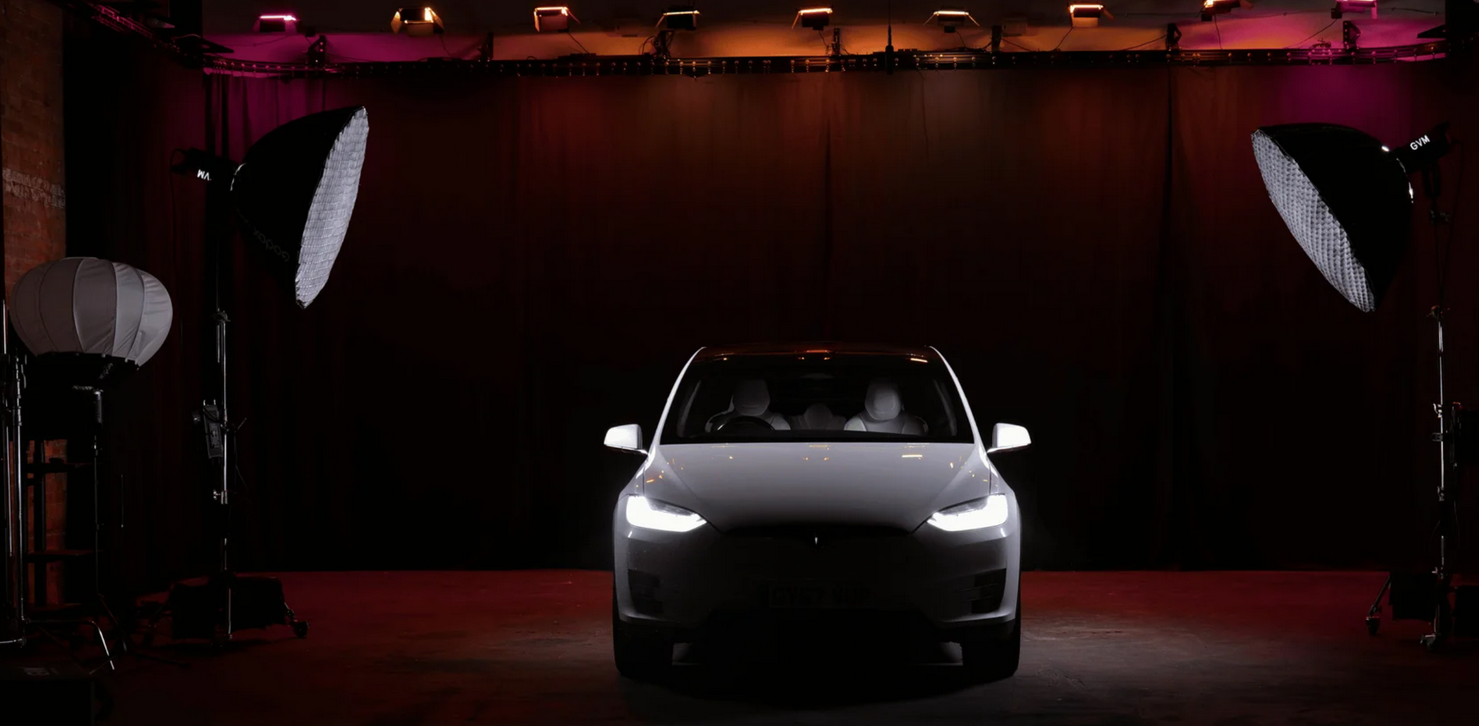
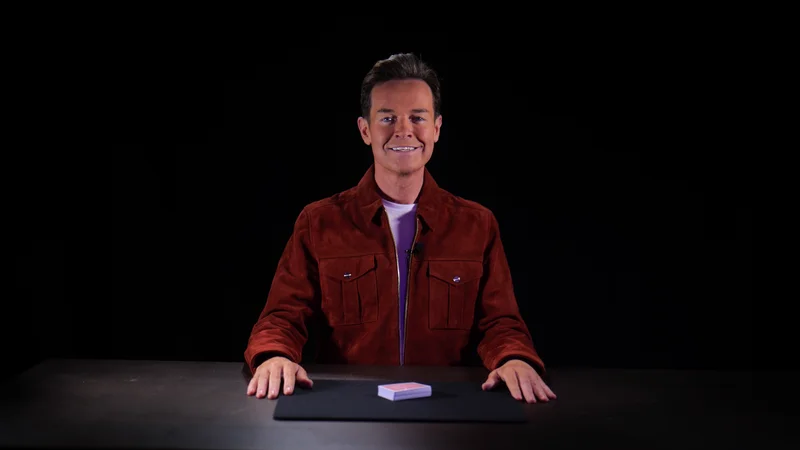
Finchley Studio (Giant Blackout Set): book this setup for your podcast
3.2. Lighting: Shaping the Visual Narrative
Professional lighting is what separates an amateur video from a polished production. It is not merely about making the scene bright enough to see; it is about shaping the light to create depth, dimension, and a flattering image for the subjects. A premier studio will employ a multi-point lighting strategy, moving far beyond a single, harsh light source.
Professional Lighting Principles and Equipment
The standard approach is a three-point lighting system, which consists of:
Key Light: The main, brightest light source, positioned to one side of the camera to illuminate the subject.
Fill Light: A softer, less intense light positioned on the opposite side to "fill in" the shadows created by the key light.
Back Light (or Hair Light): A light placed behind the subject to separate them from the background, creating a subtle rim of light around their head and shoulders that adds depth to the image.
To achieve this, studios are equipped with a suite of professional lighting tools:
Bi-Color LED Panels: These are the workhorses of modern video lighting. They allow the operator to precisely control both the brightness and the color temperature (from warm tungsten to cool daylight) of the light to match the desired mood or existing ambient light.17
Softboxes: Large softboxes are fitted over the LED panels to diffuse the light, creating a much larger, softer source. This soft light wraps around the subject, minimizing harsh shadows and creating a more flattering look.5
Customizable RGB Lights: Many studios also incorporate RGB (Red, Green, Blue) LED lights. These are not used to light the subjects but are placed in the background to wash walls with color, adding visual interest and reinforcing a show's brand aesthetic.7
This professional approach to lighting is a clear indicator of a studio's commitment to high-quality video production.
3.3. Live Production and Streaming Infrastructure
To manage the multiple camera feeds efficiently, premier studios employ video switchers. This hardware allows an engineer to perform a "live edit," switching between camera angles in real-time, adding graphics or lower thirds, and even live streaming the production directly to platforms like YouTube or Twitch.
Video Switchers and Integrated Consoles
Blackmagic ATEM Mini Pro / Extreme ISO: This line of compact and affordable switchers has become the de facto industry standard for multi-camera podcasting and live streaming.42 The "ISO" models are particularly crucial for a professional workflow. Not only do they allow for live switching, but they also record an isolated, clean feed from every single camera input simultaneously. This provides the best of both worlds: a quick live-edited version is ready immediately, but the individual camera files are also saved, allowing for a more refined and precise re-edit in post-production if needed.42 The ATEM Mini Pro ISO is the switcher used in Podshop's Studio 2 setup.29
Integrated Video Consoles: The evolution of podcasting hardware is moving towards even greater integration. The new RØDECaster Video combines the powerful audio features of the RØDECaster Pro II with a built-in 4K video switcher.26 This all-in-one production hub streamlines the entire audio-visual workflow, representing the next generation of technology for premier podcast studios.
The presence of this live production infrastructure signals a studio's evolution from a simple recording space into a live broadcast hub. This capability allows clients to use the facility for a wider range of content beyond traditional pre-recorded podcasts, including live-streamed interviews, webinars, virtual events, and live shopping, adding significant value to the studio's service offering.6
Section 4: The London Premier Studio Landscape – A Market Analysis
Synthesizing the technical standards for environment, audio, and video provides a clear framework for evaluating the London podcast studio market. An analysis of the city's leading facilities reveals a highly segmented landscape, where "premier" is not a monolithic category but a spectrum of specialized service models. Studios differentiate themselves not just on the quality of their equipment but on their target audience, workflow philosophy, and the breadth of their production services.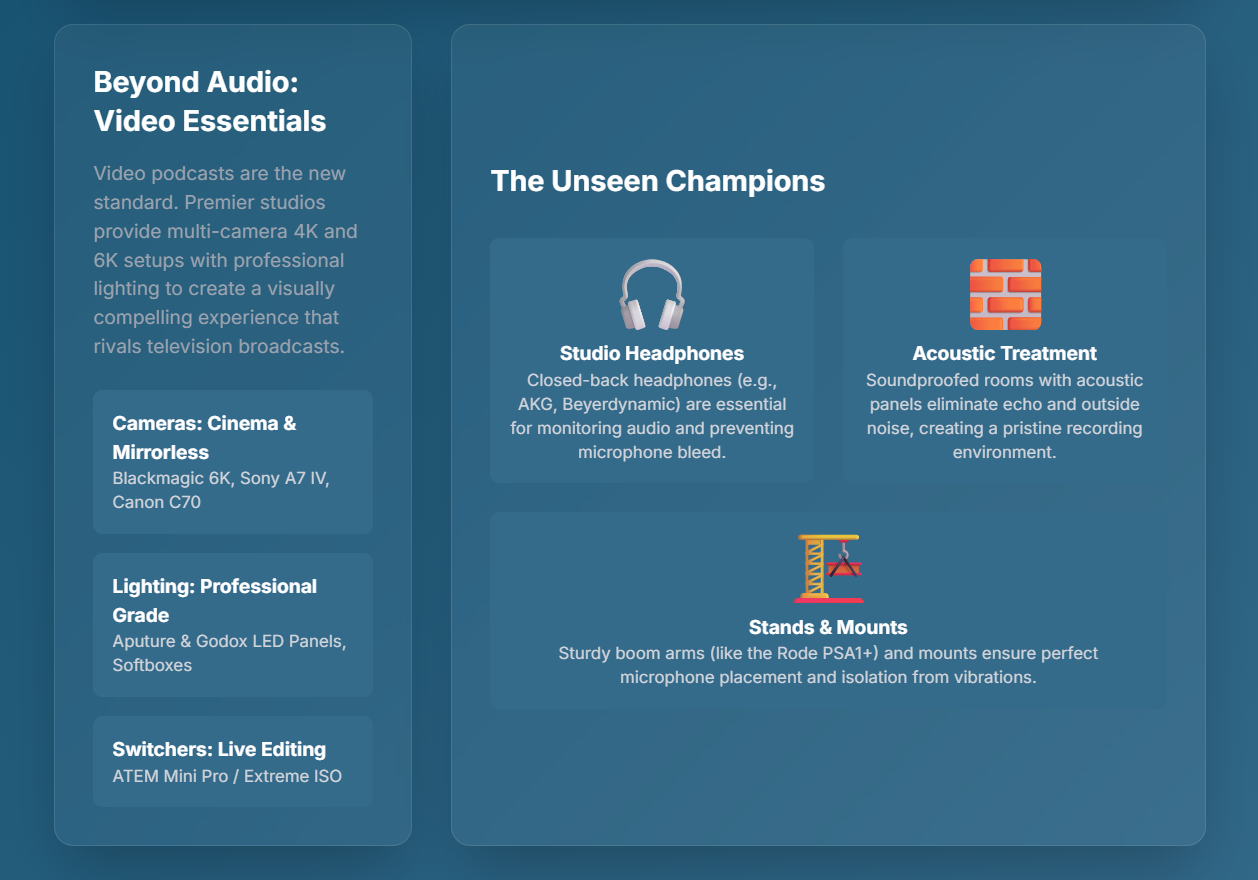
Image credit: Finchley studio
4.1. Case Studies of London's Elite Studios
Examining specific studios illustrates the different archetypes that define the premier tier in London.
The All-in-One Content Hub (e.g., Podshop, TYX Studios)
These facilities represent the modern, fully-integrated model of a podcast studio. They operate as end-to-end production agencies, offering a comprehensive suite of services that extends far beyond simple studio hire. They feature multiple, purpose-built, acoustically treated recording spaces equipped with a consistent baseline of industry-standard gear, such as Shure SM7B microphones, Sony or Blackmagic 4K cameras, and professional mixers like the RØDECaster Pro II or the Midas 32R.3 Their primary differentiator is their heavy emphasis on a full-service partnership model, providing clients with on-site engineers, professional video and audio editing, the creation of social media clips, content repurposing (show notes, blogs), and even full podcast launch and marketing campaigns.3 TYX Studios further enhances its offering by being located within the Tileyard creative community and providing specialized facilities like a Dolby Atmos mixing suite.3 This model caters to corporate clients and established creators who require a reliable, high-volume, and comprehensive production partner.
The Audio-First Legacy Studio (e.g., Dean St. Studios)
This archetype represents the pinnacle of audio fidelity, often stemming from a rich history in the music recording industry. Dean St. Studios, a legendary Soho facility that has hosted artists from David Bowie to Adele, exemplifies this category.48 While fully capable of hosting podcasts, its infrastructure is built around world-class, cost-no-object audio equipment, including a large-format SSL Duality mixing console and a collection of vintage and modern high-end preamps and microphones.23 Their key differentiator is the ability to offer services that are rare in the podcasting world, most notably mixing and mastering in Dolby Atmos for immersive audio storytelling.34 This type of studio caters to a niche but growing market of clients producing high-budget narrative podcasts, audio dramas, or branded content where sonic excellence is the paramount concern.
The Boutique/Membership Studio (e.g., The Thin White Duke)
This unique model blends high culture with content creation, offering a more exclusive and community-focused experience. The Thin White Duke, located in Soho, combines a high-end cocktail bar with a members-only recording studio.50 The value proposition here is not just access to equipment but entry into a creative ecosystem. Technologically, it stands out for its use of a cutting-edge, facility-wide RME AVB audio network, which provides incredible recording flexibility.33 Furthermore, it offers members access to high-quality musical instruments like a Nord Grand piano and a Moog synthesizer, positioning itself as a creative haven for musicians and artists as much as for podcasters.52 This model appeals to creators who seek a unique, inspiring environment and a sense of community, rather than a purely transactional studio rental.
The Accessible Premier Studio (e.g., Waterloo Podcast Project, Podcast Room)
This category demonstrates the democratization of high-quality production. These studios provide access to professional-grade equipment in highly convenient and accessible locations, often at very competitive price points. The Waterloo Podcast Project, located within the bustling BrewDog Waterloo bar, offers a setup with Sontronics or Shure microphones and a Tascam or RØDECaster mixer.3 Podcast Room operates multiple locations across London, all featuring a standardized, professional kit including Blackmagic 4K cameras and Rode microphones.3 These studios lower the barrier to entry for creating professional-looking and -sounding content, making premier-level quality accessible to a broader range of creators, from emerging independents to businesses testing the podcasting waters. They focus on providing the core essentials of a premier setup—good acoustics and reliable, professional equipment—in a straightforward, easy-to-book package.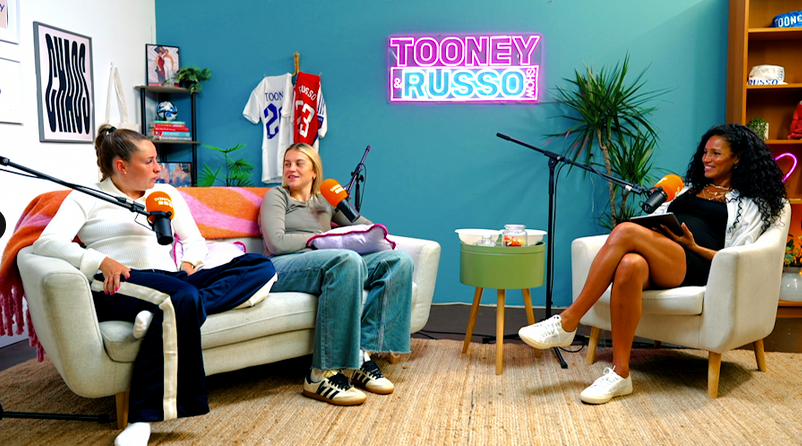
See the 'The Tooney & Russo Show' from BBC and Lionesses Ella Toone and Alessia Russoat from England national football team at Finchley Studio (Lounge setup). Book this setup for your podcast. Watch 'The Tooney & Russo Show' at BBc sound , Spotify , Youtube, Amazon music.
Book this setup for your podcast
4.2. Comparative Equipment Matrix of Premier London Podcast Studios
The following table provides a direct, at-a-glance comparison of the key technical offerings and service models across a selection of London's premier podcast studios. This distills the detailed analysis into a practical tool for evaluation, allowing for rapid identification of facilities that meet specific hardware and service requirements. It highlights both the common standards (the prevalence of the Shure SM7B) and the key differentiators (the unique audio infrastructure at Dean St. or The Thin White Duke).
4.3. Differentiators: Services Beyond the Equipment
The true measure of a premier studio often lies in the services that augment the physical hardware, transforming a simple rental into a comprehensive production solution.
Human Expertise
The single most valuable service a premier studio can offer is the inclusion of a trained, on-site engineer or technician. This professional is responsible for the entire technical workflow: setting up microphones, ensuring proper gain staging, managing the video switcher, monitoring audio levels for clipping or distortion, and troubleshooting any issues that arise. Their presence allows the client and their guests to focus 100% on creating their content, secure in the knowledge that the technical quality is being professionally managed.3 This service is a standard inclusion at most of London's top-tier facilities.
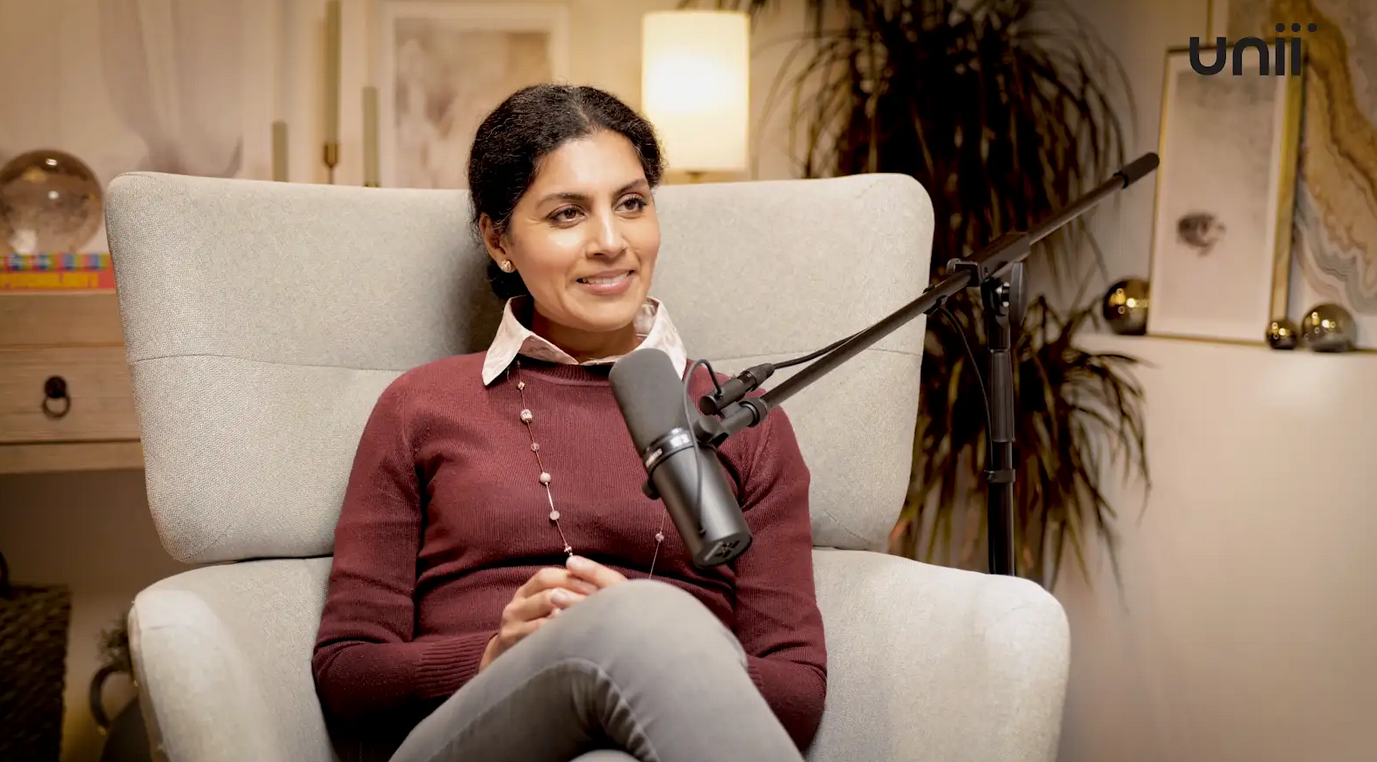
Finchley Studio (Dialogue set): book this setup for your podcast
Remote Guest Integration
In an increasingly connected world, the ability to seamlessly integrate remote guests into a high-quality studio recording is a critical capability. Premier studios have moved beyond simple phone calls or Zoom recordings. They utilize professional remote recording platforms like Riverside, which can capture locally uncompressed, high-resolution audio and video from a remote participant's computer. Studios like VOXPOD explicitly advertise this capability, ensuring that a remote guest can sound and look almost as good as someone physically present in the studio.3
Post-Production Ecosystem
The most advanced studios have evolved their business model from space rental to that of a full production partner. This is most evident in the comprehensive post-production services they offer. Facilities like Podshop and Outset Studio provide a complete menu of post-production options, including:
Audio and Video Editing: Professional editing to remove mistakes, tighten conversations, mix audio, and color grade video.11
Content Repurposing: Creating valuable ancillary assets from the core recording, such as short, vertical video clips for social media, audiograms, detailed show notes, and blog posts.11
Launch and Marketing: For new shows, some studios offer complete launch packages that include strategy, branding, distribution setup, and ongoing marketing campaigns.11
This shift indicates that the most successful studios are not just selling access to equipment; they are selling a guaranteed, professionally finished product. They are positioning themselves as indispensable partners in their clients' content strategy.
Conclusion: Synthesizing the Premier Standard
The equipment and infrastructure found in a premier London podcast studio are the tangible components of a sophisticated, service-oriented production ecosystem. The analysis reveals that the "premier" standard is not defined by any single piece of hardware but by the cohesive integration of three essential pillars: a technically perfected Environment, broadcast-standard Equipment, and expert Execution.
The Triad of Excellence
A truly premier studio delivers excellence across all three domains. It begins with an Environment that is both acoustically controlled—through rigorous soundproofing and treatment—and visually versatile, serving as a brandable set. This is populated with Equipment that meets or exceeds broadcast industry benchmarks, ensuring pristine capture of both audio and video. Finally, the process is managed through professional Execution, with on-site engineers providing technical oversight and a suite of post-production services available to transform raw recordings into a polished final product. The absence of any one of these pillars compromises a studio's claim to premier status.
Key Equipment Benchmarks
Based on the offerings of London's leading facilities, a client should expect to find a specific baseline of professional equipment. For audio, this includes industry-standard dynamic broadcast microphones like the Shure SM7B or its equivalents, feeding into a powerful and reliable production console such as the RØDECaster Pro II or a professional-grade mixer from a brand like Midas or SSL. Monitoring should be handled by professional, closed-back headphones, with the Beyerdynamic DT 770 Pro serving as a clear market leader. For video, the standard is a multi-camera (3+) setup using 4K-capable mirrorless or cinema cameras from Sony or Blackmagic Design, shaped by a professional multi-point lighting system with large, soft light sources.
Final Recommendation for Evaluation
When evaluating a potential podcast studio in London, it is imperative to look beyond the equipment list. While the presence of the benchmark gear identified in this report is a strong positive indicator, the ultimate measure of a premier studio lies in its ability to function as a reliable production partner. Prospective clients should inquire about the specifics of the room's acoustic design, confirm that a professional engineer is included as standard, clarify the workflow for file delivery, and explore the full range of available post-production services. The London market is mature and segmented, offering a variety of models from high-efficiency content hubs to exclusive, audio-first destinations. The best choice depends on the specific needs of the project, but the expectation should always be a facility that removes technical barriers and empowers the creator to produce consistently high-quality, professional content.
What Podcast Equipment Should You Expect in a Premier Podcast Studio London?
When you decide to invest in a professional recording session, you're buying more than just four walls and a bit of quiet. You are accessing an ecosystem of high-end equipment designed to make your content sound and look exceptional. But in a city like London, with studios at every level, what separates a basic setup from a truly premier one?
Knowing what to look for is key. As of 2025, these are the industry-standard pieces of equipment you should expect to find in any top-tier podcast studio London.
## The Heart of Your Sound: Broadcast Microphones 🎙️
This is the most critical component for audio quality. A premier studio will not be using entry-level USB mics. Instead, you should expect to see industry-standard dynamic broadcast microphones, renowned for their warmth, clarity, and ability to reject unwanted room noise.
-
What to look for: The undisputed king is the Shure SM7B. It’s the microphone you see in the world's biggest podcasts for a reason. Another gold-standard option is the Electro-Voice RE20.
Why it matters: These microphones are specifically engineered for the human voice. They capture rich, intimate vocal tones while minimising plosives (harsh 'p' and 'b' sounds) and background noise, giving your podcast that professional, "in-your-ears" radio sound.
## The Brains of the Operation: Audio Interfaces & Mixers 🎛️
The microphone captures the sound, but the audio interface and mixer are what process it. This hardware is the crucial link between the microphones and the recording computer.
What to look for: Expect to see high-quality, multi-channel interfaces from brands like Focusrite or Universal Audio. For podcast-specific setups, the RØDECaster Pro II is a hugely popular all-in-one production console that a premier studio would offer.
Why it matters: A professional interface provides clean, high-headroom preamps that boost the microphone's signal without adding hiss or noise. A mixer gives an engineer precise control over each speaker's volume, ensuring a perfectly balanced conversation from start to finish.
## The Visual Standard: 4K Cameras & Cinematic Lighting 🎥💡
In 2025, video is integral to podcasting, and the quality standard is non-negotiable.
-
Cameras: A premier studio must offer a multi-camera 4K setup. This typically means at least three angles (e.g., a close-up on each speaker and a wide shot) to create a dynamic, broadcast-style edit. Look for professional mirrorless or cinema cameras from brands like Sony (Alpha series), Canon, or Blackmagic.
Lighting: This is just as important as the camera. Expect a professional three-point lighting setup (key, fill, and back lights) using high-quality LED panels and softboxes from brands like Aputure. This isn't just a ring light; it’s a carefully crafted setup that creates a flattering, cinematic look with no harsh shadows. This level of visual production is standard at facilities like Finchley Studio.
## The Essential Extras: Monitoring and The Room Itself 🎧
A few final pieces of gear complete the professional puzzle.
Headphones: Every participant should be provided with a pair of high-quality, closed-back studio headphones, such as the Beyerdynamic DT 770 Pro or Sony MDR-7506. This allows you to monitor your own voice without the sound bleeding back into the microphone.
-
The Studio: Ultimately, the most important piece of equipment is the room. A premier studio is built around an acoustically treated and soundproofed space. This foundation ensures that all the high-end gear can perform at its absolute best.
When you book a top-tier studio, you are paying for access to this entire suite of professional tools, guaranteeing your podcast has the technical quality to compete at the highest level.
Elevate Your Podcast at Finchley Studio
Now that you know what to look for in a premier recording space, you can be confident in your choice. At Finchley Studio, we provide the industry-standard equipment and state-of-the-art facilities needed to produce exceptional content. We understand the high standards of modern production, which is why leading organisations like the BBC and Lloyds Bank trust us with their recording needs. But don't just take our word for it—see what other creators are saying in our Google reviews and on Trustpilot.
We offer a diverse range of meticulously designed sets, all equipped with premier gear, to perfectly match your brand's aesthetic. Explore our spaces:
CEO Set: A premium, sleek backdrop for executive interviews, masterclasses, and expert talks.
Dialogue Room: An intimate space perfect for one-on-one interviews and small group discussions.
Lounge Studio: A relaxed and comfortable setting for casual conversations with up to 5 participants.
Blackwood Studio: A sophisticated and modern set with a striking black wood finish for a cinematic feel.
The Brick Studio: A versatile warehouse space with authentic brick walls for an industrial-chic aesthetic.
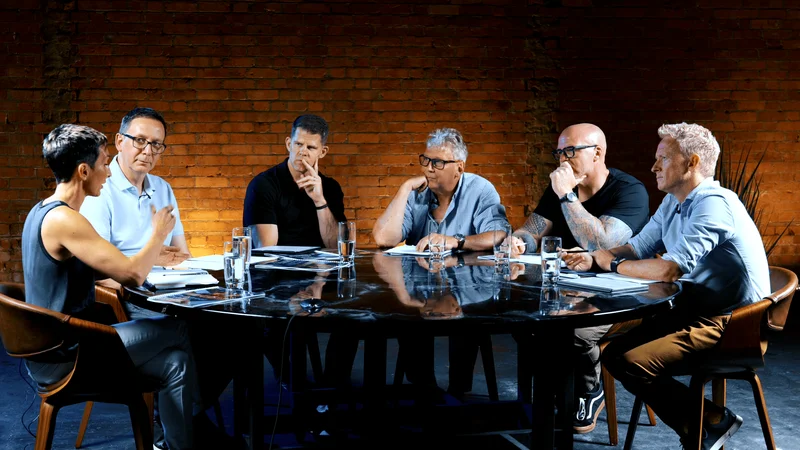
Gathering Studio: A professional environment designed for larger roundtable discussions and corporate panels.
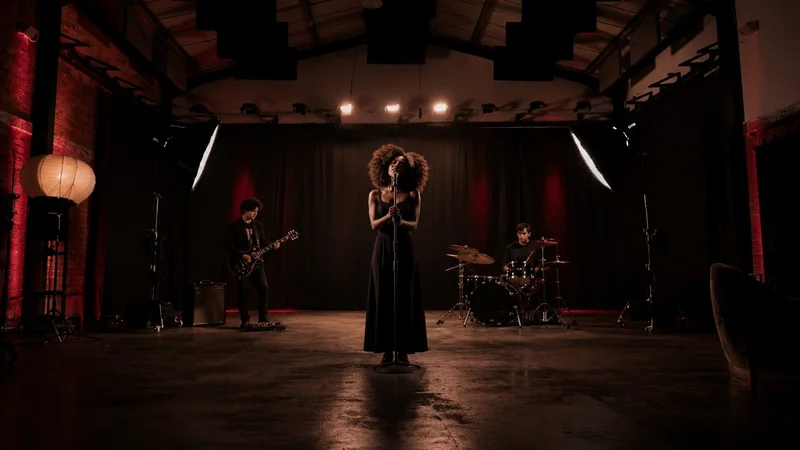
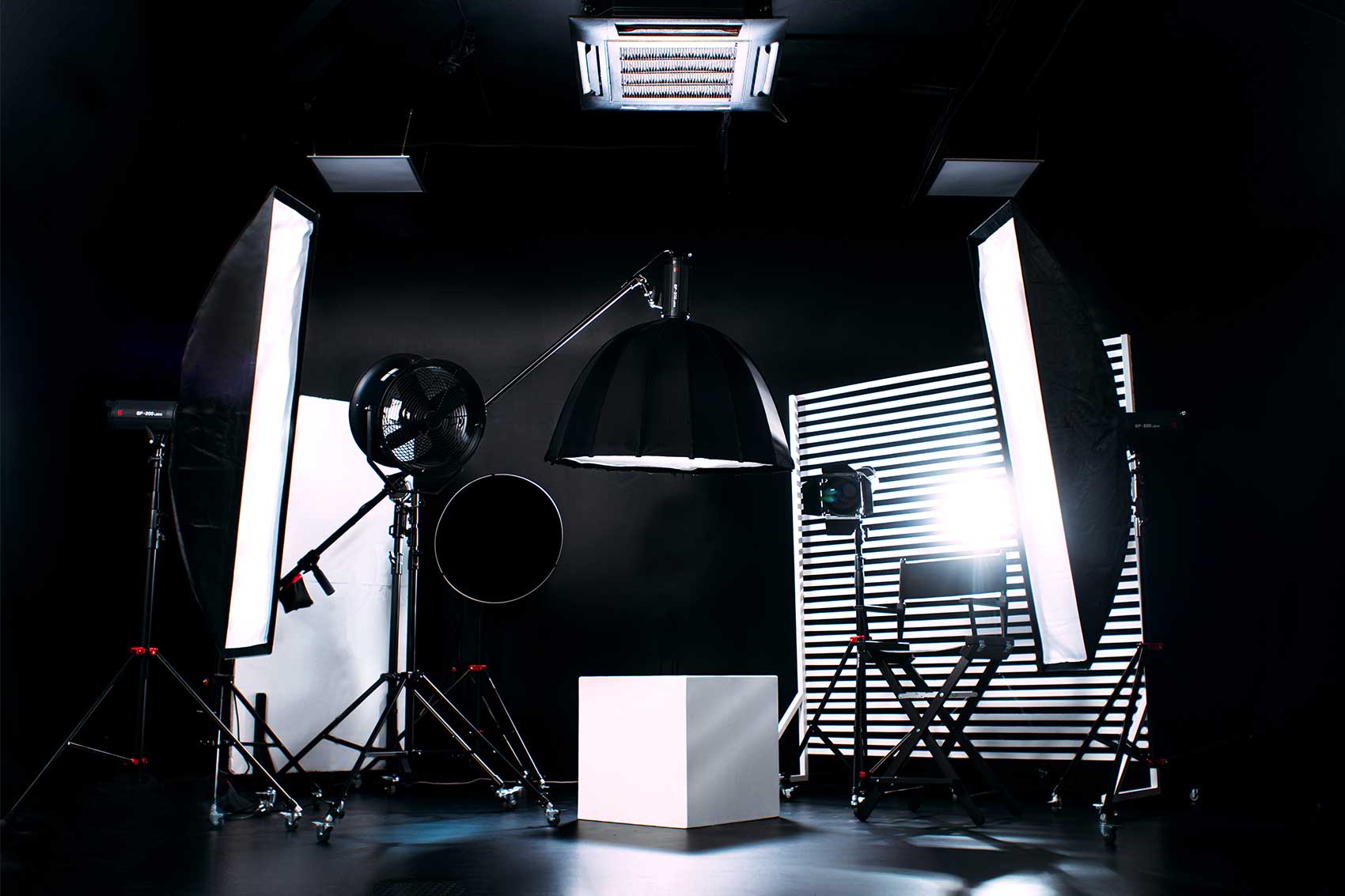
Blackout Set: A fully controlled dark space for dramatic, high-contrast visuals and creative projects.
White Infinity Cove: A seamless, edge-free backdrop for clean and minimalist product or fashion shoots.
Green Screen Cove: A pre-lit curved studio for immersive special effects and virtual backgrounds.
Giant Green Screen: One of London's largest green screens for ambitious film, TV, and commercial productions.
To complement your recording, our professional Video Editing Service can transform your raw footage into polished, engaging content ready for any platform. The team at Finchley Studio is here to ensure your vision comes to life seamlessly.
Ready to record with the best equipment in the business? See why creators rate Finchley Studio as their go-to production space.
Find Us Easily: Our studio is conveniently located just a two-minute walk from Finchley Central on the Northern Line and adjacent to the Travelodge London Finchley. We offer one free parking space per booking.
what3words: orders.yards.jokes
Stay Connected: Follow our journey and see behind-the-scenes content on our social media channels:
Have questions? Check our FAQ or get in touch directly.
WhatsApp: +447587827200
Phone: +447587827200
Email: [email protected]
Works cited
How to Build a Podcast Studio in Your Garage - The Home Depot, accessed September 4, 2025, https://www.homedepot.com/c/ah/how-to-build-a-podcast-studio-in-your-garage/9ba683603be9fa5395fab901919afeb3
How to Set Up a Professional Podcast Studio, accessed September 4, 2025, https://thepodcastconsultant.com/blog/set-up-podcast-studio
13 Podcast Studios In London For Hire - DesignMyNight, accessed September 4, 2025, https://www.designmynight.com/london/blog/podcast-studios-london
Full Guide on How to Easily Build a Podcast Studio at Home - Riverside, accessed September 4, 2025, https://riverside.com/blog/podcast-studio-setup
Hire Podcast Recording Studio, Podshop Studios, London - HeadBox, accessed September 4, 2025, https://www.headbox.com/spaces/39880-book-podcast-recording-studio-podshop-studios-london
Podshop Studios - Podcast Recording Space - Event Venue Hire - Tagvenue.com, accessed September 4, 2025, https://www.tagvenue.com/rooms/london/65664/podshop-studios-podcast-recording-space/podcast-studio-1
London Podcast Studio | Podcast Recording From £69/hr!, accessed September 4, 2025, https://www.londonpodcaststudios.co.uk/
London Podcast Studios | Podcast Recording From £80/hr! - TYX Studios, accessed September 4, 2025, https://tyxstudios.com/podcast-studio-london
Podcast Studio Hire | London | Equipment & Engineer included, accessed September 4, 2025, https://podcaststudiohire.co.uk/
Podshop Studios Podcast Recording Studio Hire - Sharesy, accessed September 4, 2025, https://www.sharesy.com/s/podshop-studios-podcast-recording-studio
Outset Studio | Creative Podcast Studios in London & Manchester, accessed September 4, 2025, https://outsetstudio.com/
VOXPOD Studio 2 - VOXPOD Podcast Studio - Event Venue Hire ..., accessed September 4, 2025, https://www.tagvenue.com/rooms/london/88717/voxpod-podcast-studio/voxpod-studio-2
TYX Studios | Podcast, Music & Photography Studios in London, accessed September 4, 2025, https://www.tyxstudios.com/
Podcast microphone comparison: Choosing the best for you | Memberful.com, accessed September 4, 2025, https://memberful.com/blog/podcast-microphone-comparison/
Best Microphone for Podcasting: Video and Audio 2025 - YouTube, accessed September 4, 2025, https://www.youtube.com/watch?v=bAA6EQ05B2o
Best Recording Mics in 2025 - Microphone Geeks, accessed September 4, 2025, https://microphonegeeks.com/pro/studio-microphone/
Production & Podcasting Studio - Goswell Road - Techspace, accessed September 4, 2025, https://www.techspace.co/locations/goswell-road/production-room
Podcast Studio Equipment | Premiere Podcast Studios, London, accessed September 4, 2025, https://premierepodcaststudios.com/equipment/
MV7+ - Podcast Microphone - Shure USA, accessed September 4, 2025, https://www.shure.com/en-US/products/microphones/mv7
The Best Podcast Microphones for All Abilities and Budgets, accessed September 4, 2025, https://www.thepodcasthost.com/equipment/the-best-podcasting-microphones-on-the-market/
Music Studio Equipment to Rent in London - Kore Studios, accessed September 4, 2025, https://www.kore-studios.com/recording-studio-equipment/
5 Best Microphones for Radio and Podcasting, accessed September 4, 2025, https://www.radio.co/blog/5-best-microphones-radio-podcasting
Studio 1 - Dean St. Studios, accessed September 4, 2025, https://www.deanst.com/studio-1/
Podcast Room: Podcast Studios in London for Audio & Video, accessed September 4, 2025, https://podcast-room.com/
London Podcast Studios - 24/7 Studio Hire, accessed September 4, 2025, https://pirate.com/en/podcast-studios/london/
Podcast Mixers | RØDECaster Series, accessed September 4, 2025, https://rode.com/en/interfaces-and-mixers/rodecaster-series
Audio Interfaces & Mixers | RØDE Microphones, accessed September 4, 2025, https://rode.com/en/interfaces-and-mixers
Best USB Audio Interfaces For Podcasters & Video Creators - Riverside, accessed September 4, 2025, https://riverside.com/blog/best-usb-audio-interface
Podshop Studios - Podcast Recording - Studio 2, London | Production | Peerspace, accessed September 4, 2025, https://www.peerspace.com/pages/listings/66a76cca5a255c52746af998
Dean Street Studio Overview | Miloco, accessed September 4, 2025, https://milocostudios.com/studios/dean-street-studios/studio-1-overview/
15 Best Audio Interfaces For Music Production 2025 | Top Picks - Mixing Monster, accessed September 4, 2025, https://mixingmonster.com/best-audio-interfaces-for-music-production/
Focusrite | Audio Interfaces and Pro Audio Equipment, accessed September 4, 2025, https://us.focusrite.com/
Running an RME AVB Studio | The Thin White Duke (Soho, London) - Synthax Audio UK, accessed September 4, 2025, https://www.synthax.co.uk/latest/2024/12/23/running-an-rme-avb-studio-the-thin-white-duke-soho-london/
Podcasting Studio in London - Dean St. Studios, accessed September 4, 2025, https://www.deanst.com/podcasting-studio-in-london/
Podcast Headphones: The Ultimate Guide for 2025, accessed September 4, 2025, https://thepodcastconsultant.com/blog/podcast-headphones-the-ultimate-guide
12 Best Headphones for Podcasting in 2025 - Hurrdat Media, accessed September 4, 2025, https://hurrdatmedia.com/podcasting/best-podcast-headphones/
Best Studio Headphones: The Ultimate Podcasters' Guide - Resonate Recordings, accessed September 4, 2025, https://resonaterecordings.com/equipment-reviews/best-studio-headphones/
The 9 Best Podcast Headphones [2025 Guide] - Riverside, accessed September 4, 2025, https://riverside.com/blog/podcast-headphones
The Waterloo Podcast Project | Recording Studios - BrewDog, accessed September 4, 2025, https://brewdog.com/pages/waterloo-podcast-project
Professional & Studio Headphones - B&H, accessed September 4, 2025, https://www.bhphotovideo.com/c/buy/studio-monitor-headphones-professional/ci/38229
Essential Equipment Needed for Recording in Studio - Finchley Studios, accessed September 4, 2025, https://www.finchley.co.uk/finchley-learning/essential-equipment-needed-for-recording-in-studio
Best Cameras for Podcasting in 2025 - Artistic Hive, accessed September 4, 2025, https://artistichive.com/best-cameras-for-podcasting/
Simple Home to Professional Podcast Setup - YouTube, accessed September 4, 2025, https://www.youtube.com/watch?v=AT0muvcsUHA
Video Podcast Cameras: Sony FX30 vs. Black Magic 6K - Reddit, accessed September 4, 2025, https://www.reddit.com/r/podcasting/comments/15ibs8w/video_podcast_cameras_sony_fx30_vs_black_magic_6k/
Best camera choice for multi-cam podcasting setup/rental space? Should I double down on BMPCC4K or go Sony? : r/cinematography - Reddit, accessed September 4, 2025, https://www.reddit.com/r/cinematography/comments/1fje357/best_camera_choice_for_multicam_podcasting/
Building The ULTIMATE Blackmagic 4K Podcast Setup for Rick Shiels Golf - YouTube, accessed September 4, 2025, https://www.youtube.com/watch?v=apfEPxuYL7E
Podcast Recording Equipment | Podshop, accessed September 4, 2025, https://www.podshoponline.co.uk/services/equipment-hire
Dean St. Studios - Legendary Studio In The Heart Of Soho, accessed September 4, 2025, https://www.deanst.com/
Dean Street Studios Equipment 3, Recording Studio, England | Miloco, accessed September 4, 2025, https://milocostudios.com/studios/dean-street-studios/studio-4-equipment/
INSPIRED BY BOWIE - Mance Communications Bowie cocktails bar Soho, accessed September 4, 2025, https://mancecommunications.com/client/the-thin-white-duke-bowie-cocktails-bar-soho/
The Thin White Duke; Recording Studio, Bar and Café concept opens in Soho, accessed September 4, 2025, https://lhmagazine.co.uk/the-thin-white-duke-recording-studio-bar-and-cafe-concept-opens-in-soho/
The Thin White Duke Recording Studios, accessed September 4, 2025, https://thethinwhitedukestudios.london/
Soho bar Thin White Duke to let patrons record albums at new in-house studio spaces, accessed September 4, 2025, https://www.standard.co.uk/going-out/bars/thin-white-duke-soho-recording-studio-london-bar-b1030212.html
VOXPOD Studio London | Podcast and Audiobook Recording, accessed September 4, 2025, https://voxpod.studio/
VOXPOD Podcast Studio - Event Venue Hire - London - Tagvenue.com, accessed September 4, 2025, https://www.tagvenue.com/venues/london/51441/voxpod-podcast-studio