Redefining the Medium: From Audio Roots to a Visual Future
The distinction between a traditional podcast and a visual podcast transcends a simple technical definition; it represents a fundamental divergence in media philosophy, production methodology, distribution strategy, and audience consumption. While both formats share a common ancestry in episodic, on-demand content, their evolution has been shaped by disparate technological ecosystems, leading to two increasingly distinct paths for creators and consumers. Understanding this divide is critical for any content strategist navigating the contemporary digital media landscape.
Image Credit: Finchley Studio
The Foundational Definition: Anatomy of the Traditional Audio Podcast
At its core, a podcast is an episodic series of digital audio files made available for streaming or download over the internet, typically distributed via an RSS feed.1 This technical backbone—the RSS (Really Simple Syndication) feed—is the defining characteristic of the medium. It allows a creator to publish their content from a single hosting service, which can then be syndicated across a vast, decentralized network of listening applications, or "podcatchers," such as Apple Podcasts and Spotify.1 A media series that exists solely on a platform like YouTube, without an audio version distributed via RSS, is not, by this purist definition, technically a podcast.3
The term itself, a portmanteau of "iPod" and "broadcast," was coined in early 2004 by journalist Ben Hammersley.1 This origin highlights its initial identity as a "converged medium" that brought together audio, the web, and the burgeoning market for portable media players, offering a distinct alternative to the fixed schedules of traditional radio.1 This on-demand nature is a cornerstone of its value proposition, allowing users to listen at a time and place of their choosing.1
The audio-only format has proven to be remarkably versatile, supporting a wide spectrum of content styles. These range from informal, conversational shows and in-depth interviews to meticulously produced narrative nonfiction, true-crime deep dives, and fully scripted audio dramas akin to old-time radio plays.2 This flexibility has allowed podcasting to flourish as a powerful and accessible storytelling medium for creators of all levels.
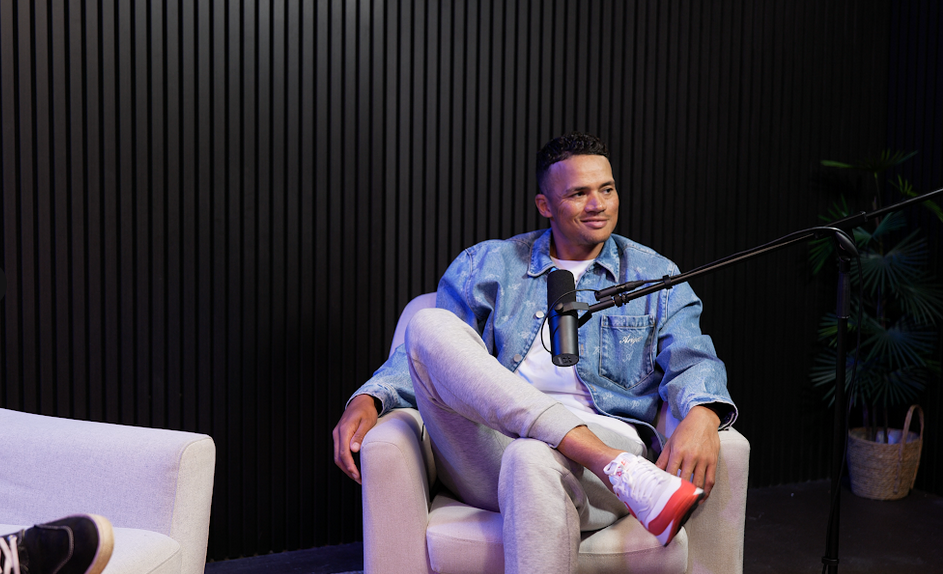
Image Credit: Finchley Studio
The Visual Evolution: Defining the "Vodcast"
A visual podcast, also known as a "vodcast" or "videocast," is fundamentally a podcast that incorporates a video element.1 The term "vodcast" is a blend of "VOD" (Video-On-Demand) and "podcast," reflecting its hybrid nature.7 While this term is technically accurate, "video podcast" has become the more prevalent industry descriptor.
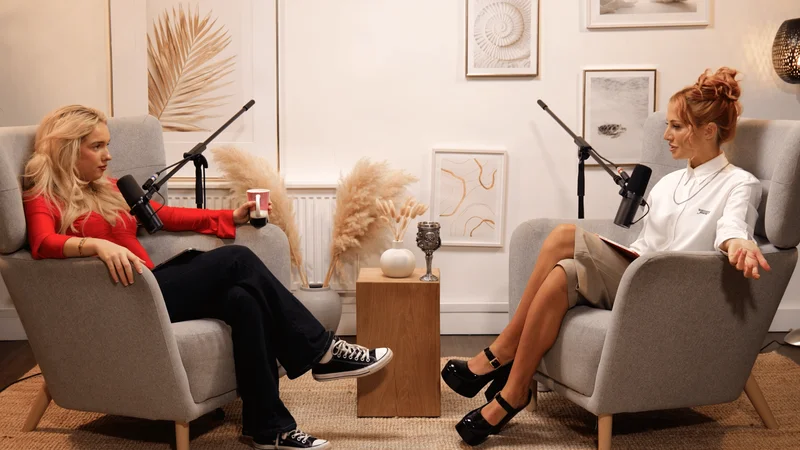
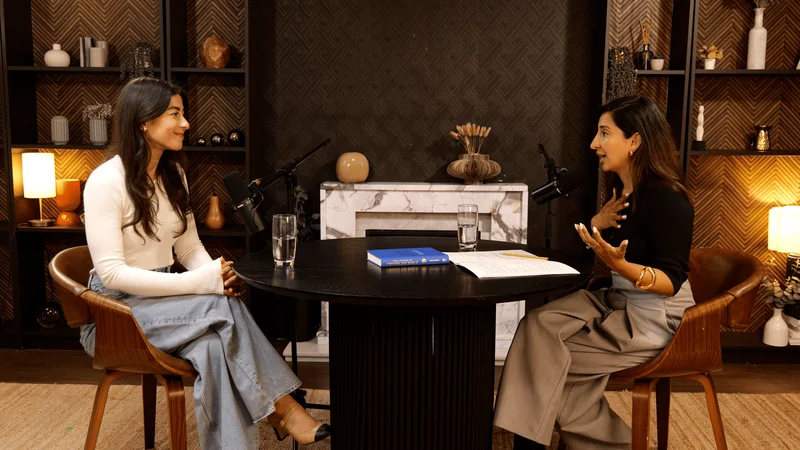
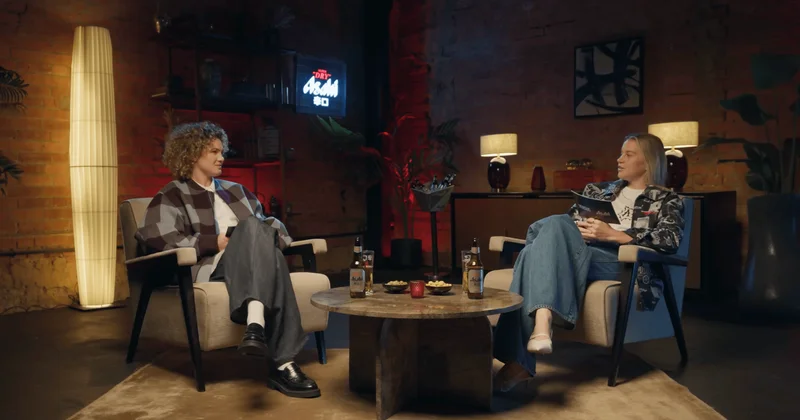
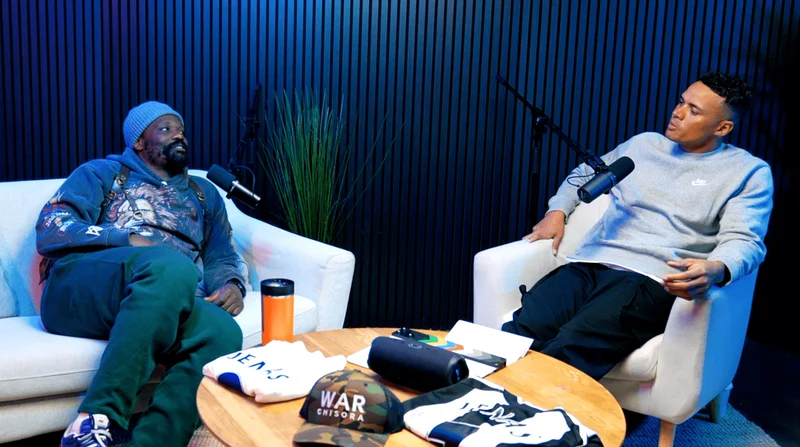
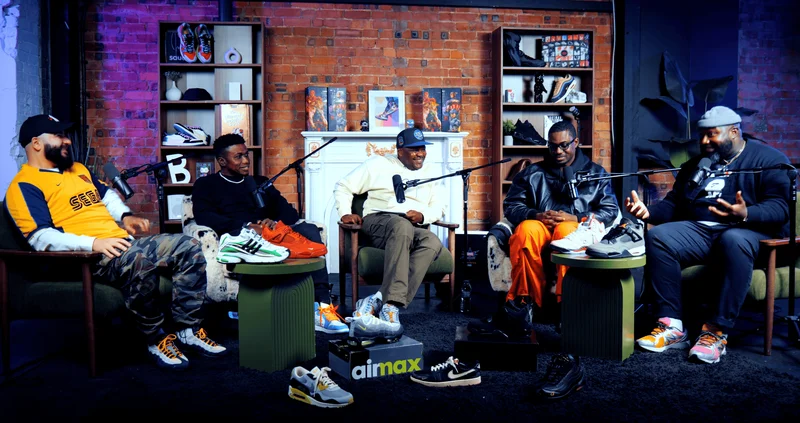
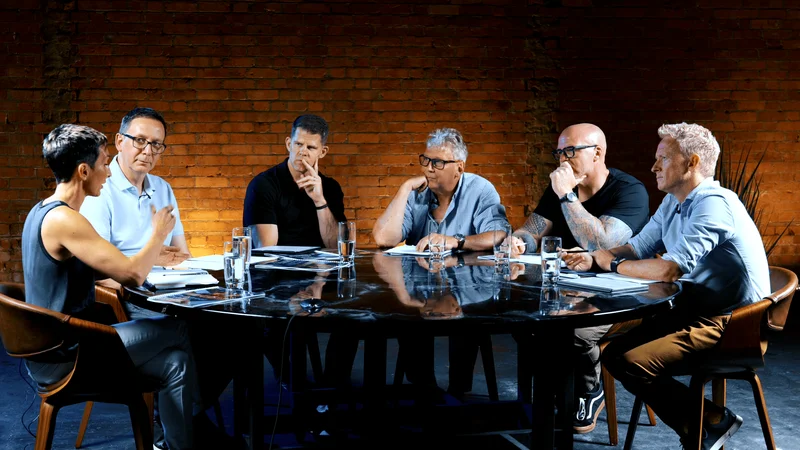
The visual component can vary dramatically in complexity and production value. At its simplest, it may be a static image of the podcast's cover art paired with the audio track, a format often used to give an audio-only show a presence on video platforms.5 More commonly, it involves a video recording of the hosts and guests during the recording session. This can range from a single, wide shot captured by a smartphone to a professional, multi-camera studio production with sophisticated lighting and editing.11 Advanced formats may also incorporate B-roll footage, screen shares, infographics, or animations to supplement the conversation.6
Despite the addition of a visual layer, a crucial principle for many successful video podcasts is that the audio content remains the primary focus.10 The production is often intentionally constructed so that the episode can be fully understood and enjoyed in an audio-only format, thereby preserving the core use case of traditional podcasting for audiences who are multitasking or on the go.13
Image Credit: Finchley Studio
A Tale of Two Ecosystems: How Technology Forged Two Distinct Paths
The recent and rapid ascent of the video podcast format was significantly accelerated by the global shift in work and social habits during the COVID-19 pandemic.14 As creators moved from in-person studio recordings to remote setups, video conferencing platforms like Zoom and Riverside became standard tools. An unforeseen consequence of this shift was that creators were capturing high-quality video of themselves and their guests as a natural byproduct of their audio recording workflow.15
This sudden availability of video content coincided with the continued dominance of video-centric platforms, most notably YouTube. With billions of monthly users, YouTube provided a massive, pre-existing distribution channel perfectly suited for this new format.1 The platform's powerful recommendation algorithm offered a potent mechanism for discovery that was fundamentally different from the subscriber-based model of traditional podcasting. This trend was further legitimized and accelerated when Spotify, a titan of the audio world, officially entered the video podcasting space in 2020 and opened the feature to all creators in 2021.11
This technological evolution reveals that the most profound difference between the two formats is not merely the presence of video, but the underlying distribution architecture: a battle between open and closed ecosystems. Traditional audio podcasting is built upon the open, decentralized standard of RSS. This gives creators autonomy; their RSS feed is a portable asset they control, which can be submitted to any directory that will accept it. In contrast, visual podcasting is overwhelmingly dominated by the closed, centralized, and algorithmically-driven ecosystem of YouTube. A strategic decision to embrace video is, therefore, an implicit decision to become dependent on a single platform's rules for discovery, monetization, and content policy. Creators are effectively trading the control and portability of an open standard for the immense discovery potential of a dominant, walled garden. This trade-off carries significant and far-reaching consequences that shape every subsequent aspect of a podcast's lifecycle.
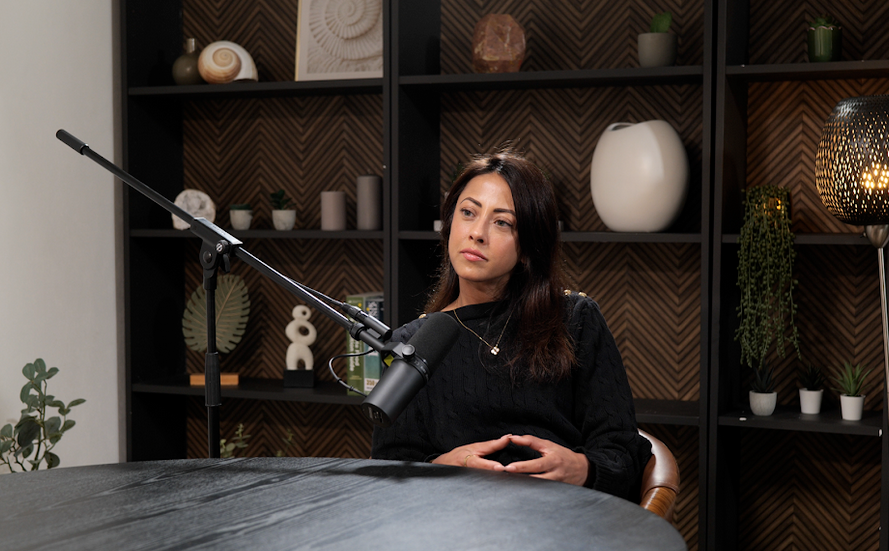
Image Credit: Finchley Studio
The Production Gauntlet: Contrasting Creator Workflows and Investments
The decision to produce an audio-only podcast versus a visual podcast has profound operational consequences. The addition of a visual layer exponentially increases the complexity, cost, and skill requirements of production, transforming the nature of the creative process and the performance itself.
The Audio-First Studio: Simplicity, Intimacy, and the Low Barrier to Entry
One of the primary drivers of podcasting's initial explosion was its remarkable accessibility. The barrier to entry for creating a professional-sounding audio podcast is exceptionally low. At a minimum, a creator needs a respectable USB microphone, which can be acquired for around $50, a computer, and access to recording software, much of which is available for free.18 A complete, high-quality setup can be assembled for as little as $100.20
This minimalist approach affords significant creative freedom. The focus is entirely on the auditory experience, allowing creators to record in any environment without concern for visual aesthetics—the ability to record "in your PJs" is a frequently cited benefit.21 The editing process is similarly streamlined. Removing verbal stumbles, long pauses, or rearranging segments is a relatively straightforward task in audio editing. The same edits in a video would result in jarring visual "jump cuts" that disrupt the viewing experience, requiring more complex techniques to conceal.21 The simplicity of the technology allows creators to dedicate their resources almost exclusively to the quality of their research, storytelling, and spoken content, fostering an intimate, distraction-free connection with the listener.18
"Going Visual": A Comprehensive Breakdown of Expanded Requirements
Transitioning to a visual podcast represents a quantum leap in production requirements and investment. The minimalist audio setup is no longer sufficient, and creators must address a host of new technical and logistical challenges.
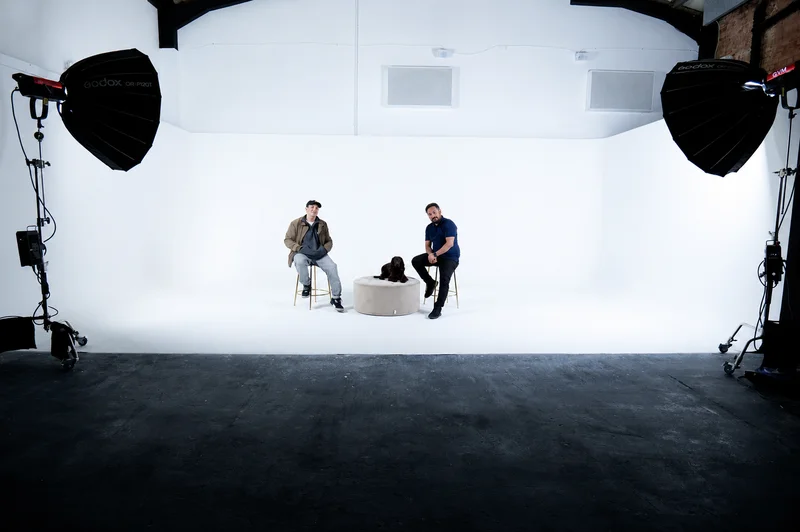
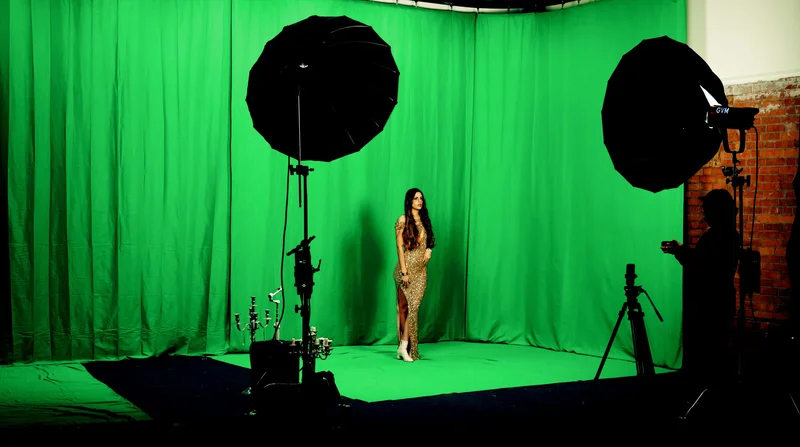
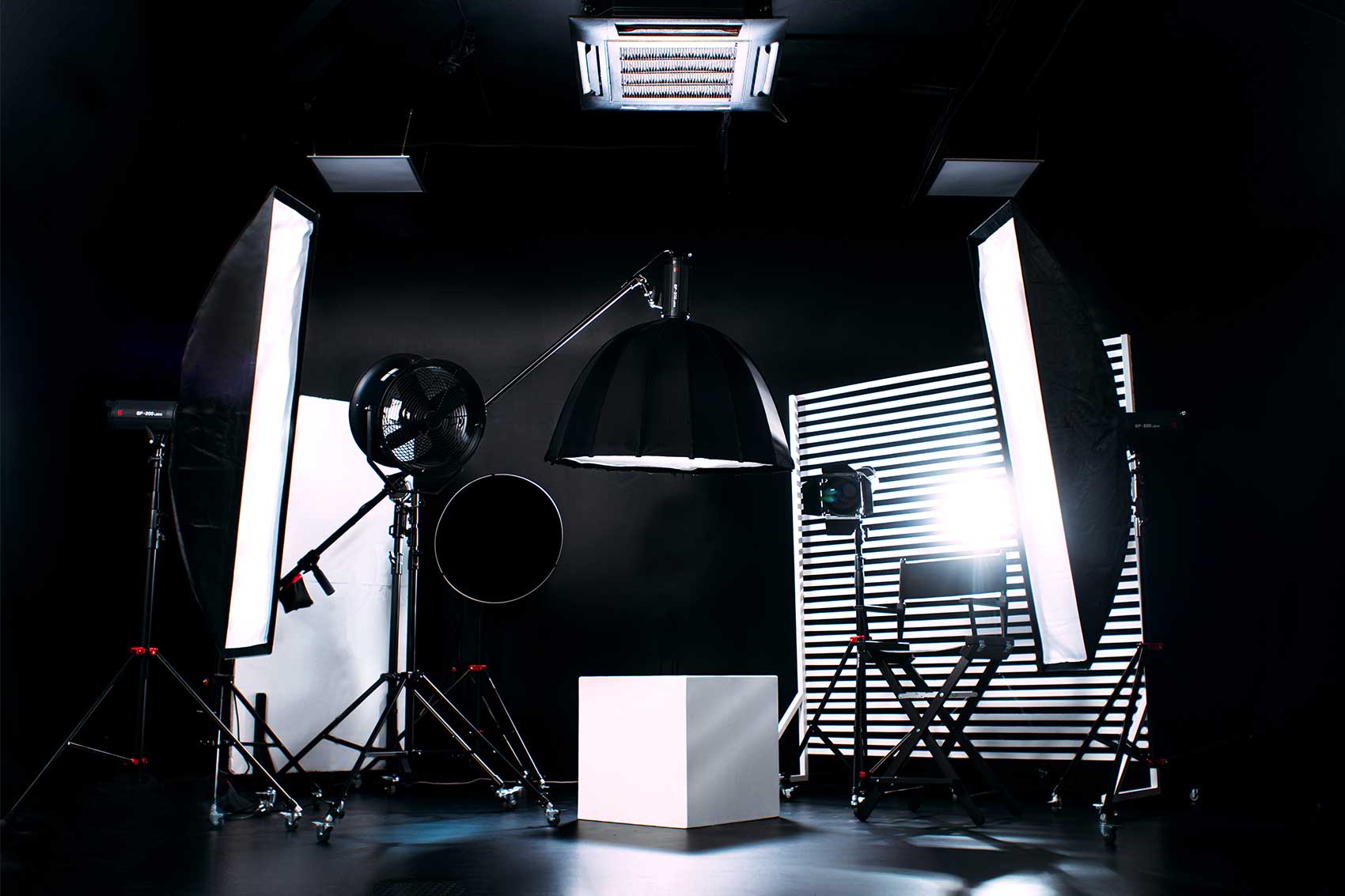
First, the equipment needs escalate dramatically. A single, high-quality camera becomes the minimum requirement, but professional productions often utilize multiple cameras to capture different angles and create a more dynamic viewing experience.12 Proper lighting is non-negotiable to achieve a professional look, and this often involves a multi-point lighting kit. Furthermore, the recording space itself becomes a set that must be visually appealing, on-brand, and free of clutter.7 The cumulative cost for this equipment can easily range from $500 to $2,000 or more, a significant increase from an audio-only setup.19
Second, the necessary skill set expands significantly. Beyond audio engineering, a video podcaster must become proficient in videography, understanding concepts like shot composition, focus, and framing. They must also develop skills in lighting design to create a flattering and professional environment. The post-production workflow becomes substantially more demanding, requiring expertise in video editing software to manage multiple video and audio tracks, perform color correction, add graphics and titles, and ensure visual continuity.18 This process is inherently more time-consuming than audio editing alone.21
Finally, the nature of the performance changes. A podcast host is no longer just a voice but a visual presence. This requires a different set of skills, including maintaining engaging body language, making a connection with the camera lens, and being conscious of one's appearance.20 This shift from narrator to on-screen talent can be a challenging adjustment and requires a level of performance that is not a prerequisite for audio success.
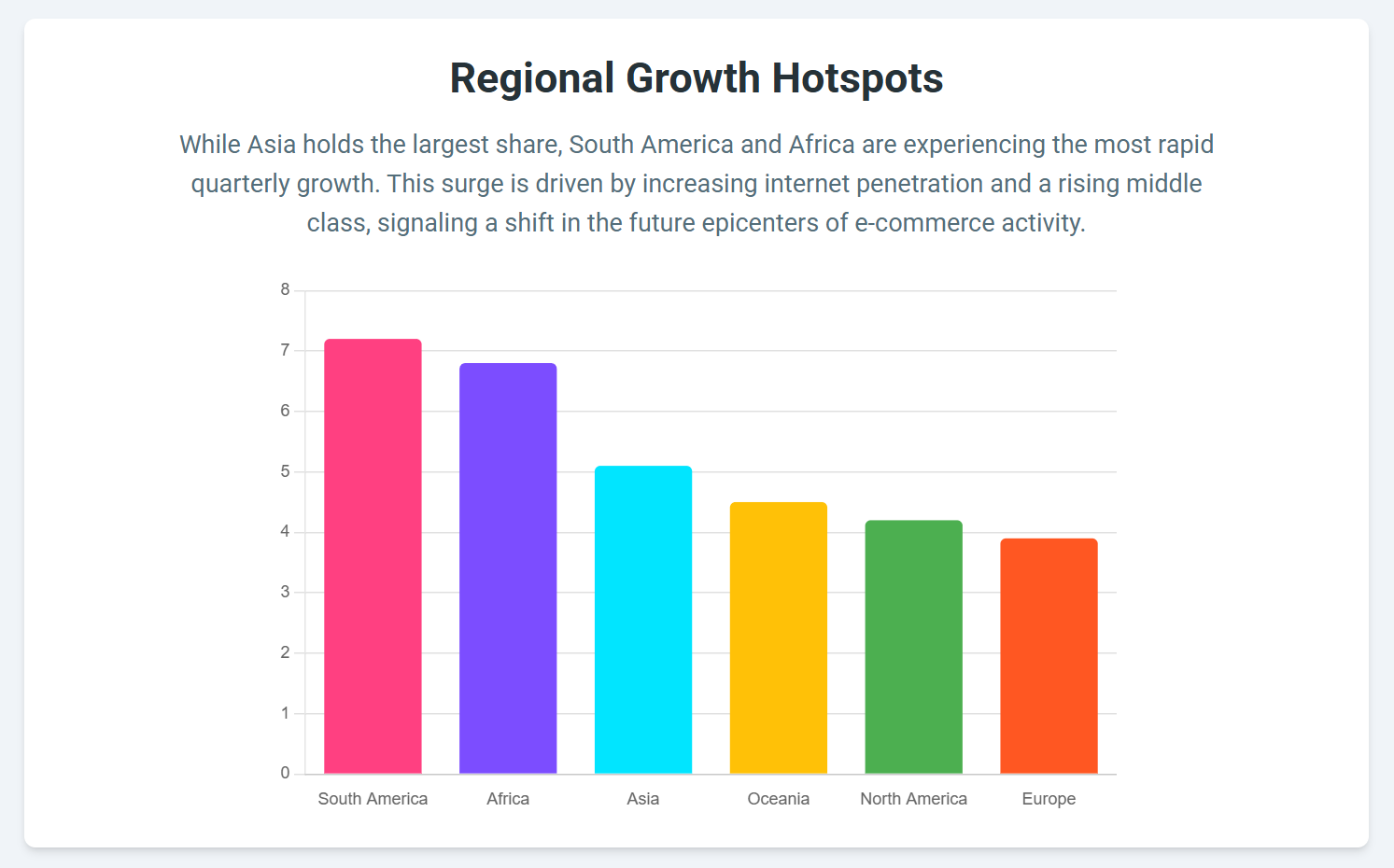
Image Credit: Finchley Studio
The Guest Factor: How the Camera Changes the Dynamic
The introduction of video also significantly complicates one of the most common podcast formats: the interview. Securing guests for an audio-only show is a relatively low-stakes proposition for the interviewee. For a video podcast, the ask is much larger, and the recruitment process can be more difficult.19
Many potential guests may be camera-shy or uncomfortable with the idea of being filmed. For remote interviews, guests may lack a professional-looking background, adequate lighting, or a high-quality webcam, which can detract from the overall production value of the show.20 The pressure of being on-screen can also make guests feel more self-conscious and less relaxed, potentially inhibiting the free-flowing, candid conversation that makes for a compelling interview. An audio-only format, by removing this visual pressure, often creates a more comfortable and intimate environment conducive to deeper and more authentic dialogue.21
The cumulative effect of these increased demands—in cost, skill, and performance—risks creating a "professionalization barrier." The democratic spirit of podcasting was founded on its low barrier to entry, which empowered anyone with a compelling voice and a unique perspective. The high production requirements of quality video favor creators with larger budgets, pre-existing production expertise, or the backing of a corporate entity. This could lead to a media landscape where polished, high-gloss productions that resemble traditional television begin to marginalize the raw, independent, and authentic voices that defined the medium's initial appeal.22 The audio-visual divide, therefore, is not just a technical one, but a potential class divide within the creator economy, where the promise of greater reach through video may come at the cost of the medium's foundational accessibility.
Distribution and Discoverability: The Battle of RSS vs. The Algorithm
The most significant strategic differentiator between audio and visual podcasts lies not in their content but in the fundamentally different mechanics through which audiences find and consume them. One operates within an open, subscriber-driven ecosystem, while the other is beholden to a closed, algorithm-driven walled garden. This distinction dictates a creator's entire approach to marketing, growth, and audience engagement.
Image Credit: Finchley Studio
The Open Ecosystem of Audio: The Power of RSS
Traditional audio podcasts are built on the technological backbone of the RSS feed.1 When a creator uploads a new audio episode to a hosting platform like Libsyn, Transistor, or Buzzsprout, the platform updates the show's unique RSS feed. This single feed is submitted by the creator to a multitude of podcast directories, including major players like Apple Podcasts, Spotify, Google Podcasts, and Overcast.1
This distribution model is inherently decentralized and subscriber-centric. The primary marketing goal for an audio podcaster is to persuade a listener to "follow" or "subscribe" to their show within their preferred listening app. Once a user subscribes, new episodes are automatically delivered to their device, creating a direct and durable connection between the creator and their audience. Growth in this ecosystem is often organic, driven by word-of-mouth, features within podcast directories, and cross-promotions with other shows. The relationship is one of explicit consent; the audience actively chooses to receive the content.
The Walled Garden of Video: YouTube's Algorithmic Dominance
Visual podcasts, by contrast, are overwhelmingly distributed and discovered on a single platform: YouTube.10 In the United States, YouTube is now the top platform for podcast consumption.16 This centralizes the discovery process and subjects it to the whims of YouTube's powerful and opaque recommendation algorithm.
Discoverability in this ecosystem is not primarily driven by direct subscription but by the algorithm's ability to "push" content to new, relevant audiences. The algorithm analyzes countless user data points—watch history, session duration, engagement signals—to determine which videos to surface on a user's homepage and in their recommendations. Success on YouTube is therefore inextricably linked to Search Engine Optimization (SEO). Because YouTube is the world's second-largest search engine, creators must meticulously optimize their video titles, descriptions, tags, and even the spoken content of their episodes for relevant keywords and search trends.20 This stands in stark contrast to the often creative, non-keyword-focused titles of many audio podcasts, which do not rely on search for their primary discovery mechanism.24
Image Credit: Finchley Studio
Spotify's Hybrid Approach: Bridging the Gap
Spotify occupies a unique position in this landscape, acting as a bridge between the two ecosystems. As a dominant platform for both music and traditional audio podcasts, its expansion into video podcasting in 2021 created a hybrid environment.17 Creators on Spotify can upload both audio and video versions of their episodes, allowing them to cater to different audience preferences within a single platform.11 This is exemplified by the platform's high-profile exclusive deal for
The Joe Rogan Experience, a show that built its empire on YouTube but now leverages Spotify's massive user base for both audio and video consumption.26 This model allows a user to watch an interview on their computer and seamlessly switch to the audio-only version on their phone for their commute, offering a level of flexibility that a YouTube-only strategy cannot match.
The strategic implications of these differing distribution models are profound. The shift from an RSS-based model to a platform-based one represents a fundamental pivot from building an audience to finding an audience. An audio podcaster's primary task is to cultivate a loyal base of subscribers who have opted in to their content. The key performance indicator is the number of downloads and listens from this dedicated community. In contrast, a video podcaster's primary task is to create content that satisfies the signals of a platform's algorithm, in the hopes that it will be served to a massive, passive audience of non-subscribers. The key metrics become views, watch time, click-through rates, and other engagement signals designed to please the discovery engine.18
The case of Darren Lake's 1% Better Runner podcast is illustrative. His show saw exponential growth only after he began creating video content specifically designed to be discovered, focusing on "pillar content that people are searching for".28 His marketing priority shifted from community engagement to algorithmic optimization. This demonstrates that for a video podcaster, success is less about who you know and more about how well you understand the rules of the platform.
The Audience Experience: Passive Listening vs. Active Viewing
The fundamental differences in production and distribution between audio and visual podcasts are mirrored by equally significant differences in how audiences consume and engage with them. The choice between formats dictates the context of consumption, the cognitive load on the audience, and the nature of the relationship formed between the creator and the consumer.
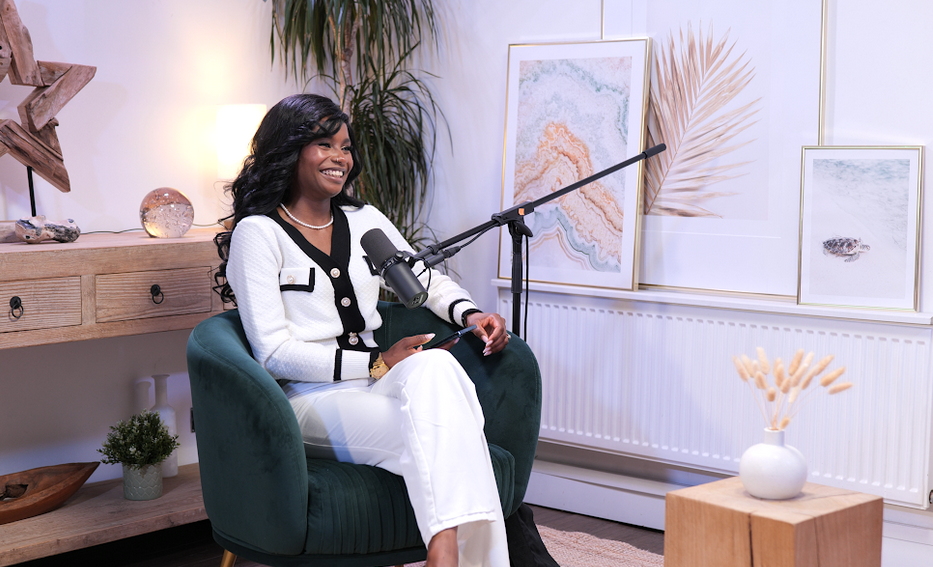
Image Credit: Finchley Studio
The Power of Audio: Intimacy, Imagination, and Portability
The single greatest strength of the traditional audio podcast is its portability and its unique suitability for multitasking.18 Audiences can engage with audio content during activities where visual attention is impossible or unsafe, such as driving, exercising, performing household chores, or commuting.3 This ability to integrate into the "in-between" moments of a listener's day allows for hours of extended engagement that video simply cannot match.18
This consumption context also fosters a unique cognitive experience. In the absence of visual cues, the listener's mind is actively engaged in constructing the scene, visualizing the speakers, and focusing intently on the nuances of the spoken word. This "theater of the mind" creates a deeply personal and intimate connection with the host's voice, which can lead to the formation of powerful parasocial relationships—the feeling of a one-sided friendship with a media figure.18 This intimacy translates into a high degree of trust. One survey indicated that 48% of podcast listeners had purchased a product advertised on a show, a testament to the persuasive power of this trusted, voice-to-ear connection.20
The Richness of Video: Enhancing Connection with Non-Verbal Cues
In contrast, video consumption demands active, focused attention. The audience must be relatively stationary, with their eyes and ears directed at a screen.20 This inherently limits the contexts in which a video podcast can be consumed, effectively competing for the same screen-time as television, streaming services, and other forms of video content.
What video sacrifices in portability, it gains in contextual richness. The visual channel provides a massive stream of additional data that enhances communication. Viewers can interpret the subtle nuances of facial expressions, body language, gestures, and the environment, all of which add layers of meaning to the spoken words.6 This can increase comprehension, foster a stronger sense of authenticity, and make the viewer feel as though they are "in the room" with the participants.6 Research from University College London found that video induced the highest level of trust when compared to audio and other media formats, suggesting that seeing a person speak can be more persuasive than just hearing them.25 This is partly rooted in human biology; our brains are hardwired with neural circuits dedicated to facial recognition, making us naturally drawn to watching human faces.25
Image Credit: Finchley Studio
A Comparative Analysis of Audience Preference and Engagement
Recent data reveals a clear and growing appetite for video among podcast consumers, though a dedicated audio-only audience remains. A 2022 survey found that while 43% of weekly podcast listeners still prefer an audio-only experience, a combined majority of 57% prefer podcasts that include a video component.16 This majority is split between those who like to "actively watch" the video (28%) and those who prefer to have the video playing in the background while they primarily listen (29%).16 This suggests that for many, the video serves as an optional enhancement rather than a primary requirement.
Another key difference lies in the analytical feedback loop available to creators. Video platforms like YouTube provide incredibly granular engagement metrics. Creators can see not only how many people viewed their content, but also average watch time, audience retention graphs that pinpoint where viewers drop off, click-through rates on thumbnails, and detailed demographic data.18 This rich dataset allows creators to precisely analyze and optimize their content. Audio podcasting analytics, while improving, have historically been limited primarily to download numbers, offering a much less detailed picture of listener engagement.29
Strategic Implications and Monetization Models
The operational and experiential differences between audio and visual podcasts translate directly into distinct strategic considerations for creators. The choice of format dictates not only the production workflow but also the pathways to audience growth, the available revenue streams, and the overall business case for the content itself.
The Creator's Dilemma: A Cost-Benefit Analysis
The decision to pursue an audio-first or video-first strategy requires a clear-eyed assessment of a creator's goals, resources, and content type.
An audio-first strategy is the optimal choice for creators who wish to prioritize low startup costs, production efficiency, and maximum accessibility for both themselves and their potential guests. It is the ideal format for content that thrives on the intimacy of the human voice, such as deeply personal interviews, immersive narrative journalism, and scripted audio dramas where visuals would be superfluous or even distracting.19 This path is best suited for reaching a dedicated, on-the-go audience that values the portability and multitasking-friendly nature of the medium.
Conversely, a video-first strategy is tailored for creators whose primary objective is maximizing reach and discoverability. It is particularly effective for content that inherently benefits from visual aids, such as tutorials, product reviews, scientific explanations, or reaction-style commentary.27 While the initial investment in time and equipment is substantially higher, this cost can be justified by the immense discovery potential offered by SEO and YouTube's algorithm, as well as the powerful content repurposing opportunities that video affords.20
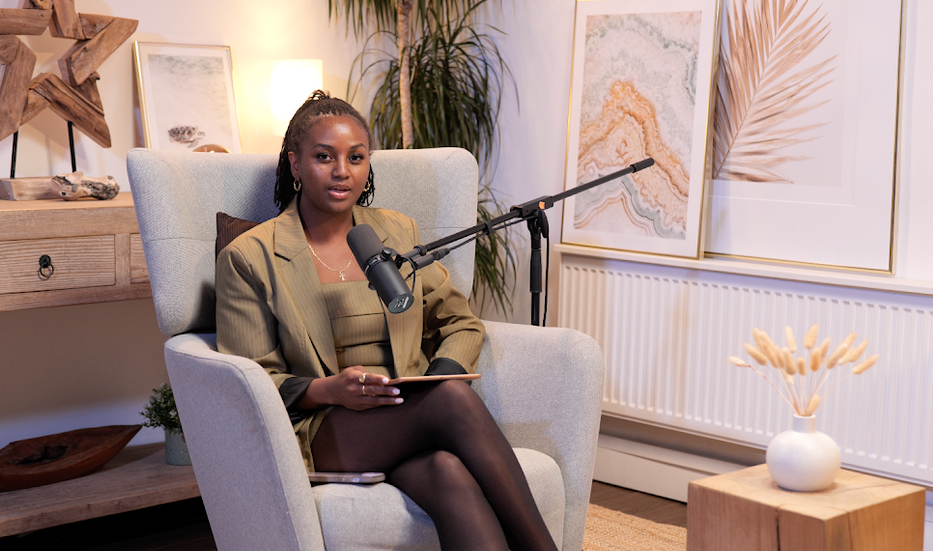
Image Credit: Finchley Studio
Unlocking Divergent Revenue Streams
The two formats also open doors to different and, in some cases, more lucrative monetization models.
Audio podcast monetization has traditionally relied on a few core methods. These include "baked-in" host-read advertisements, programmatic ads inserted dynamically via ad networks, direct listener support through subscription platforms like Patreon or Apple Podcasts Subscriptions, and affiliate marketing.4 While effective, these methods often require a creator to build a substantial and highly engaged audience before they become financially significant, and the process can be less direct than platform-native options.
Video podcasting, particularly on YouTube, offers a more diverse and integrated suite of monetization tools. Creators who qualify for the YouTube Partner Program can earn revenue directly from ads that run before, during, and after their videos. Beyond advertising, YouTube provides native features like Channel Memberships (recurring subscriptions for exclusive content), Super Chat and Super Stickers (paid comments during live streams), and a merchandise shelf for selling products directly below videos.20 The ability to visually showcase sponsored products also creates more compelling opportunities for brand partnerships. Critically, the total addressable market for video advertising dwarfs that of audio podcasting. In 2021 alone, YouTube generated nearly $29 billion in ad revenue, compared to a projected $2 billion for the entire podcast industry in 2022, highlighting the vastly larger financial opportunity in the video space.15
The Power of Repurposing: Video as a Content Multiplier
Perhaps the most compelling strategic advantage of producing a video podcast is its function as a content-generation engine. A single, long-form video episode is not a singular asset but a piece of raw material that can be atomized into a multitude of marketing assets.24
From one hour-long video interview, a creator can extract dozens of pieces of micro-content. These can include:
Several 60-second vertical video clips of key moments, perfectly formatted for TikTok, Instagram Reels, and YouTube Shorts.
Longer 5-10 minute highlight clips for Facebook and YouTube.
Audiograms (static images with animated audio waveforms) for sharing audio snippets on visual platforms.
Quote graphics featuring impactful statements from the host or guest.
The full audio track, which can be published as the traditional audio podcast.
A full transcript, which can be turned into a blog post for SEO purposes.24
This "record once, repurpose many" strategy provides a constant stream of content to fuel social media channels. This is highly valuable because platform algorithms, particularly on visually-driven sites, heavily favor consistent posting of native video content.25 This allows a video podcast to dramatically amplify its reach and discoverability in a way that is much more labor-intensive for an audio-only show to achieve. This reframes the entire value proposition: the high upfront cost of video production is amortized across dozens of marketing assets. The primary deliverable is arguably not the long-form episode itself, but the ecosystem of derivative content it enables. A successful video podcast strategy is, therefore, by necessity, a comprehensive social media marketing strategy. Creators who simply "add a camera" without a robust plan for repurposing are unlikely to realize the full return on their investment.
Image Credit: Finchley Studio
Case Studies in Transformation
Theoretical analysis of the audio-visual divide is best understood through the practical experiences of creators who have navigated it. Real-world case studies reveal the potential windfalls, hidden costs, and nuanced strategic decisions involved in choosing a format, demonstrating that there is no one-size-fits-all solution.
The Behemoths: Deconstructing the Multi-Platform Strategy of The Joe Rogan Experience and The H3 Podcast
The Joe Rogan Experience and The H3 Podcast stand as seminal examples of shows that leveraged video to build massive media empires. As early adopters of the "in-studio" video format, they treated the visual component not as an ancillary product but as a core element of their offering.30 Their strategy involved recording long-form, multi-hour conversations that felt authentic and unscripted, a stark contrast to the highly polished nature of traditional broadcast television.
Their primary distribution platform was YouTube, where they amassed millions of subscribers by mastering the art of the algorithmically-friendly conversation.27 They demonstrated the immense audience appetite for this format, proving that viewers were willing to engage with lengthy video content if the conversation was compelling enough. This success on a visual platform was foundational to their growth. For Joe Rogan, the value of his video content became so immense that it was the centerpiece of his reported $200 million exclusive licensing deal with Spotify, a move designed to draw his massive video audience onto their platform.27 These shows did not simply add video to a podcast; they built their brands on the premise of a watchable conversation, using clips and highlights across social media to drive viewers back to the full-length episodes.27
The Growth Catalyst: Darren Lake's 1% Better Runner
For smaller, niche creators, the case of Darren Lake's 1% Better Runner podcast provides a powerful and replicable blueprint for growth.28 After struggling for years to gain traction with an audio-only format, Lake made a strategic pivot to video. Crucially, he did not simply film his audio show. He re-engineered his content specifically for the YouTube platform and its audience.
His new strategy involved creating shorter, more focused 10-15 minute episodes, adopting a direct-to-camera "explainer" style, and scripting his content to be concise and value-driven. Most importantly, he began optimizing his topics based on YouTube search trends, creating "pillar content" designed to be discovered by users actively seeking information.28
The results were, in his words, "fast and transformative." Within 18 months of implementing this video-first strategy, Lake grew his audience by 3.5 times—a level of growth that had eluded him for six years with audio-only content. He reported that his video content regularly performs 10 to 100 times better than his audio, with a single video being responsible for gaining 1,000 YouTube subscribers.28 This case study proves that for certain types of content, particularly educational or instructional, video is not just an enhancement but a necessary catalyst for breaking through the noise and achieving significant audience growth.
Image Credit: Finchley Studio
The Reversal: Why John Kundtz Pivoted Back to Audio
Providing a critical counter-narrative is the experience of John Kundtz, host of The Disruptor podcast.28 Kundtz launched his show recording both video and audio from the outset, intending to publish in both formats. However, he quickly encountered the hidden complexities and significant time investment required for video post-production.
Kundtz, who described himself as "not a video engineer," found the process of video editing to be time-consuming and unenjoyable. He conducted a pragmatic cost-benefit analysis and determined that the immense effort required to produce video was not aligned with his primary business goals, which were more focused on targeted networking than mass audience growth. Consequently, he made the strategic decision to abandon the video component and pivot back to a more efficient audio-only workflow.28
His story serves as an essential reminder that video is not a universal solution. For creators whose content does not have an inherent visual component, or for those who lack the time, resources, or technical inclination for video production, the simplicity and intimacy of audio remains a more viable and often smarter strategic choice. The "best" format is entirely dependent on a creator's individual goals and constraints.
The Future of Podcasting: Convergence and Specialization
The podcasting landscape is in a state of dynamic evolution, driven by shifting consumer habits and platform innovations. The evidence points not toward a future where one format vanquishes the other, but toward a dual path of convergence for the mainstream and intensified specialization for niche content, fundamentally reshaping what it means to be a "podcast."
Market Trends: The Unstoppable Rise of Video
The momentum toward video as a component of the podcasting experience is undeniable. YouTube has firmly established itself as a primary destination for podcast consumption, outranking traditional audio platforms in several key markets.16 Consumer preference data indicates that a majority of listeners now favor shows that offer a video option, even if they don't actively watch it.16 In response, major platforms like Spotify are investing heavily in their video infrastructure, integrating creation and publishing tools to make the process more seamless for creators.14
This trend is blurring the lines between what constitutes a "podcast" versus a "YouTube show." Increasingly, the term "podcast" is being used as a platform-agnostic descriptor for any form of episodic, personality-driven talk content, regardless of its primary medium.15 The future of the term will likely be defined by its format and style rather than its technical means of distribution.
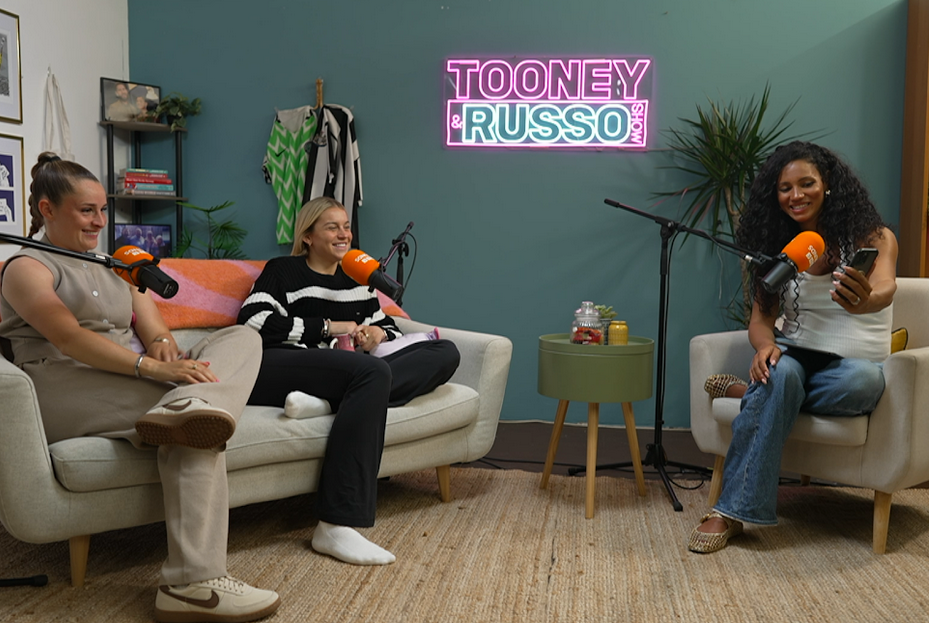
Image Credit: Finchley Studio
The Future Landscape: A Dual Path of Convergence and Specialization
The industry appears to be bifurcating along two distinct evolutionary paths:
Convergence: For mainstream, personality-driven, and conversational content—the genres that currently dominate the top of the charts—video is rapidly becoming the default expectation. For these creators, the "podcast" will be a multi-platform brand, with the long-form video recording serving as the central hub from which all other content (the audio version, social media clips, blog posts) radiates. Success in this sphere will require a sophisticated, video-first content strategy.
Specialization: Simultaneously, the audio-only format will thrive by leaning into its unique strengths. It will remain the undisputed champion of portability and the superior medium for specific, high-value content categories. Immersive, highly produced narrative journalism (like Serial), scripted fiction and audio dramas that rely on sound design and imagination, and intimate, deep-dive conversations where visuals would be a distraction will continue to flourish as audio-first experiences. For these specialized genres, audio is not a limitation but a creative choice that enhances the final product.
Final Recommendations: Making the Right Strategic Choice
For creators and brands navigating this evolving landscape, the decision to incorporate video should not be driven by trends alone. It must be a deliberate strategic choice based on a clear-eyed assessment of three critical factors:
Content: Does the subject matter inherently benefit from a visual element? Is it instructional, demonstrative, or heavily reliant on the visible interplay between hosts? If the answer is no, the added complexity of video may not be justified.
Resources: Is there a realistic budget, skillset, and time commitment available to produce video content that meets a minimum quality standard? A poorly produced video can be more detrimental to a brand than a well-produced audio-only show.
Goals: What is the primary objective? If the goal is maximum reach and broad-funnel audience discovery, a video-first strategy optimized for YouTube is almost essential. If the goal is to cultivate a deep, trusting relationship with a niche professional audience, the intimacy and efficiency of audio may be more effective.
For many creators, the optimal path forward may be a hybrid strategy. This could involve maintaining a high-quality, consistent audio-only podcast as the core product for the loyal RSS-based audience, while using video more strategically. For example, filming interviews solely for the purpose of creating compelling social media clips to market the audio show, or producing occasional, high-effort "tentpole" video episodes for special events or guests. This approach allows a creator to tap into the discoverability and marketing power of video without committing to the relentless production schedule of a weekly video show, capturing many of the benefits of both worlds. Ultimately, the most successful creators will be those who understand the distinct strengths of each medium and align their format choice with their unique content, resources, and ambitions.
Of course. The primary difference is the medium: a traditional podcast is an audio-only format that you listen to, while a visual podcast is a video recording of the podcast session that you both watch and listen to.
In 2025, the visual podcast has become the standard for professional creators due to its higher engagement and discoverability on platforms like YouTube. Here’s a breakdown of the key differences.
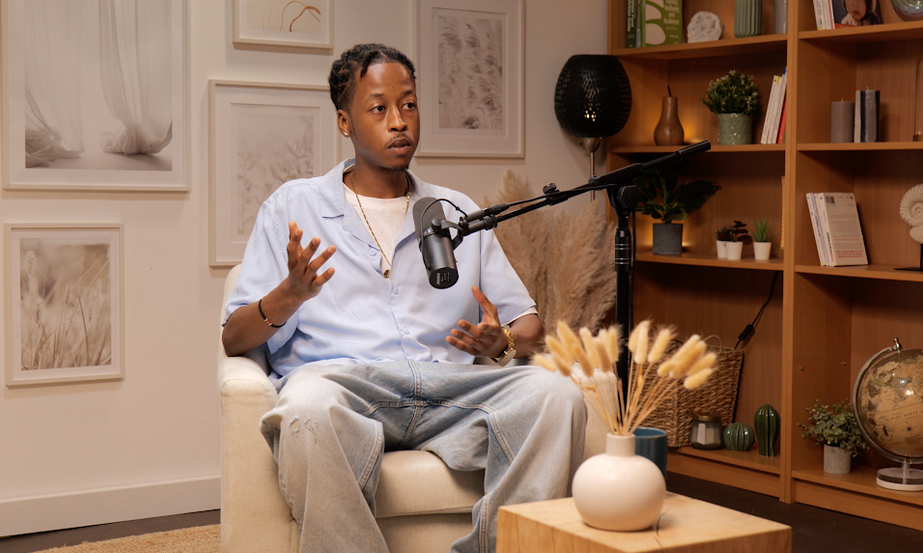
Image Credit: Finchley Studio
## The Traditional Podcast (Audio-Only)
Format: An audio file, typically an MP3.
How it's consumed: Passively. Audiences listen while commuting, exercising, or doing chores.
Where it's found: Primarily on audio platforms like Apple Podcasts, Spotify, and Google Podcasts.
Production Focus: The only thing that matters is pristine audio. The focus is on microphone quality, vocal clarity, and creating a clean, intimate sound.
## The Visual Podcast (Video)
A visual podcast includes all the elements of a traditional podcast, but adds a crucial and complex layer of video production.
Format: A video file, typically an MP4.
How it's consumed: Actively. The audience is watching a screen, paying attention to the speakers and their environment.
Where it's found: Primarily on YouTube, which is the world's second-largest search engine. Video clips are also the primary way podcasts are promoted and discovered on TikTok, Instagram, and LinkedIn.
Production Focus: A visual podcast requires excellence in both audio and video. This means you need:
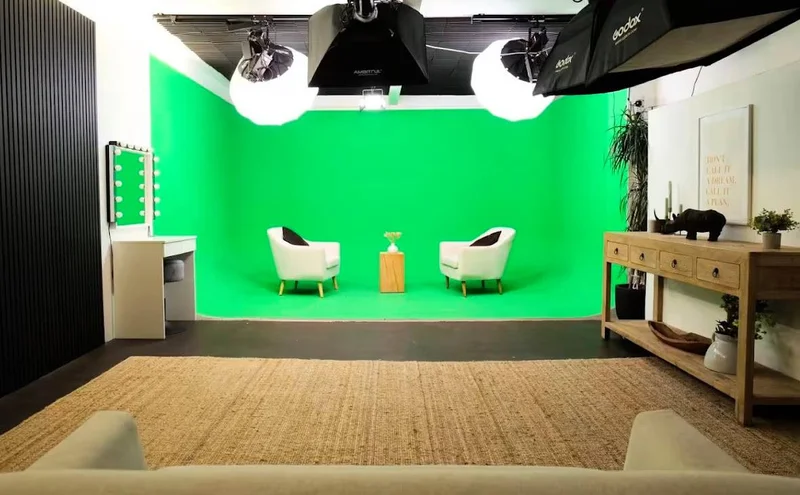
A Professional Set: The background must be visually appealing and on-brand, like our CEO Set or relaxed Lounge Studio.
Multi-Camera 4K Videography: To create a dynamic, broadcast-style production that keeps viewers engaged.
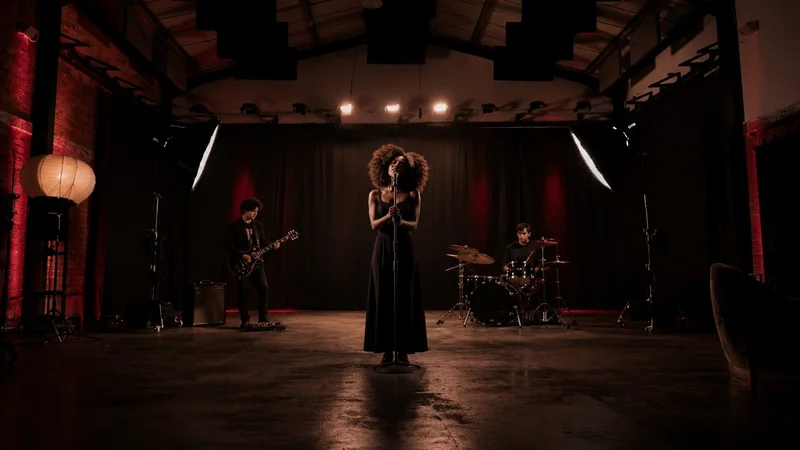
Cinematic Lighting: To ensure everyone on screen looks professional and well-lit.
On-Camera Performance: Hosts and guests must be mindful of their appearance and body language.
In short, a visual podcast demands a full-scale video production, which is why creators turn to a specialised facility like Finchley Studio to achieve a professional result.
Create a Professional Visual Podcast at Finchley Studio
Now that you understand the difference, you can see why a dedicated visual studio is essential for creating a professional show. At Finchley Studio, we specialise in producing high-quality visual podcasts that stand out. Our commitment to excellence is why organisations like the BBC and Lloyds Bank trust us with their productions. See what our clients are saying in our Google reviews and on Trustpilot.
We offer a diverse range of meticulously designed studios perfect for any visual podcast:
Our professional Video Editing Service can transform your recording into a polished final episode, complete with social media clips. The team at Finchley Studio is here to ensure your vision is realised perfectly.
Ready to create a professional visual podcast?
Find Us Easily: Our studio is conveniently located just a two-minute walk from Finchley Central on the Northern Line and is adjacent to the Travelodge London Finchley. We also offer one free parking space per booking.
what3words: orders.yards.jokes
Stay Connected: Follow our journey and see behind-the-scenes content on our social media channels:
Have questions? Check our FAQ or get in touch directly.
WhatsApp: +447587827200
Phone: +447587827200
Email: [email protected]
Works cited
en.wikipedia.org, accessed September 25, 2025, https://en.wikipedia.org/wiki/Podcast
What is a Podcast & How They Work? - Explanation & Examples - Riverside, accessed September 25, 2025, https://riverside.com/blog/what-is-a-podcast
What is a Podcast? - Buzzsprout, accessed September 25, 2025, https://www.buzzsprout.com/blog/what-is-a-podcast-
What is a podcast? (+ easiest way to start in 2025) - Castos, accessed September 25, 2025, https://castos.com/what-is-a-podcast/
blog.spreaker.com, accessed September 25, 2025, https://blog.spreaker.com/what-is-a-video-podcast-and-why-is-it-important/#:~:text=In%20its%20simplest%20form%2C%20a,podcasts%20were%20originally%20audio%2Dbased.
What Is a Video Podcast: Key Things to Know - Teleprompter.com, accessed September 25, 2025, https://www.teleprompter.com/blog/what-is-a-video-podcast
Vodcast: Everything There Is To Know About Vodcasting - Riverside, accessed September 25, 2025, https://riverside.com/blog/vodcast
VODCASTING definition in American English - Collins Dictionary, accessed September 25, 2025, https://www.collinsdictionary.com/us/dictionary/english/vodcasting
VODCASTING Definition & Meaning - Dictionary.com, accessed September 25, 2025, https://www.dictionary.com/browse/vodcasting
Video Podcast: What Is It, How To Get Started and Why | Lower Street, accessed September 25, 2025, https://lowerstreet.co/blog/video-podcast
What Is a Video Podcast? | B&H eXplora, accessed September 25, 2025, https://www.bhphotovideo.com/explora/video/tips-and-solutions/what-is-a-video-podcast
What is a Video Podcast? | Castos, accessed September 25, 2025, https://castos.com/video-podcast/
What is Video Podcasting? | Updated for 2025 - Podcastle, accessed September 25, 2025, https://podcastle.ai/blog/video-podcasting/
The Rise of Video in Podcasting - Strategic Media Inc., accessed September 25, 2025, https://www.strategicmediainc.com/newsroom/the-rise-of-video-in-podcasting/
All Podcast Roads Lead to Video - Michael Mignano - Medium, accessed September 25, 2025, https://mignano.medium.com/all-podcast-roads-lead-to-video-a0600c643177
Podcasting Goes Visual: How Video Can Help Investigative Storytelling Reach New Audiences, accessed September 25, 2025, https://gijn.org/stories/visual-podcasting-help-investigative-storytelling-reach-new-audiences/
How Video Podcasting has Changed in the Past Several Years - Riverside, accessed September 25, 2025, https://riverside.com/blog/how-video-podcasting-has-changed
Video Podcast vs Audio Only: Which is Best? - Castmagic, accessed September 25, 2025, https://www.castmagic.io/post/video-to-podcast
Audio-Only Podcast vs Video Podcast - Pros, Cons and Actionable Tips - Podsqueeze, accessed September 25, 2025, https://podsqueeze.com/blog/audio-only-podcast-vs-video-podcast/
Audio-Only Podcast vs Video Podcast - Pros, Cons and Actionable ..., accessed September 25, 2025, https://podsqueeze.com/blog/audio-only-podcast-vs-video-podcast
Should your podcast be audio or video? | Rachel Corbett, accessed September 25, 2025, https://rachelcorbett.com.au/blog/should-your-podcast-be-audio-or-video/
The rise of video podcasts: people-watching reimagined or a necessary evolution?, accessed September 25, 2025, https://www.midiaresearch.com/blog/the-rise-of-video-podcasts-people-watching-reimagined-or-a-necessary-evolution
What is a Podcast & How They Work? - Explanation & Examples, accessed September 25, 2025, https://riverside.fm/blog/what-is-a-podcast
What are the Major Benefits of a Video-First Podcast Compared to a Standard Show?, accessed September 25, 2025, https://riverside.com/blog/major-benefits-of-a-video-first-podcast
Which is Better: Should I Start A Video Podcast or Audio-Only ..., accessed September 25, 2025, https://www.rubyriotcreatives.com/which-is-better-video-podcast-or-audio-only-podcast
VODCAST Definition & Meaning - Merriam-Webster, accessed September 25, 2025, https://www.merriam-webster.com/dictionary/vodcast
The 11 Best Video Podcasts On YouTube Right Now - StreamYard, accessed September 25, 2025, https://streamyard.com/blog/best-podcasts-youtube
These 5 Podcasters Added Video - Here's What Happened, accessed September 25, 2025, https://www.thepodcasthost.com/business-of-podcasting/impact-of-adding-video-to-podcasts/
8 Podcast Formats for Your Show: Podcast Structure and Formats to Use - Castos, accessed September 25, 2025, https://castos.com/podcast-format/
The Five Types of Video Podcasts - Sweet Fish Media, accessed September 25, 2025, https://www.sweetfishmedia.com/blog/the-5-types-of-video-podcasts
Video Podcast Examples: What You Can Learn From The Best?, accessed September 25, 2025, https://riverside.com/blog/video-podcast
The Best Video Podcasts on Spotify: 2024, accessed September 25, 2025, https://www.thepodcasthost.com/listening/the-best-video-podcasts-on-spotify-2023/