Section I: The Ascendancy of the Visual Podcast: A Market Analysis
The podcasting industry is undergoing a fundamental transformation. Once a medium defined by its audio-only nature, podcasting is rapidly evolving into a visually-driven landscape where video is no longer an ancillary feature but a core component of discovery, engagement, and growth. This section provides a comprehensive analysis of the current market, defining the modern visual podcast, quantifying its explosive growth, and examining the demographic and psychological shifts in consumption that are cementing its dominance. The data indicates a clear trajectory: the future of podcasting is not just audible, but visible, and stakeholders who fail to adapt to this new reality risk obsolescence.
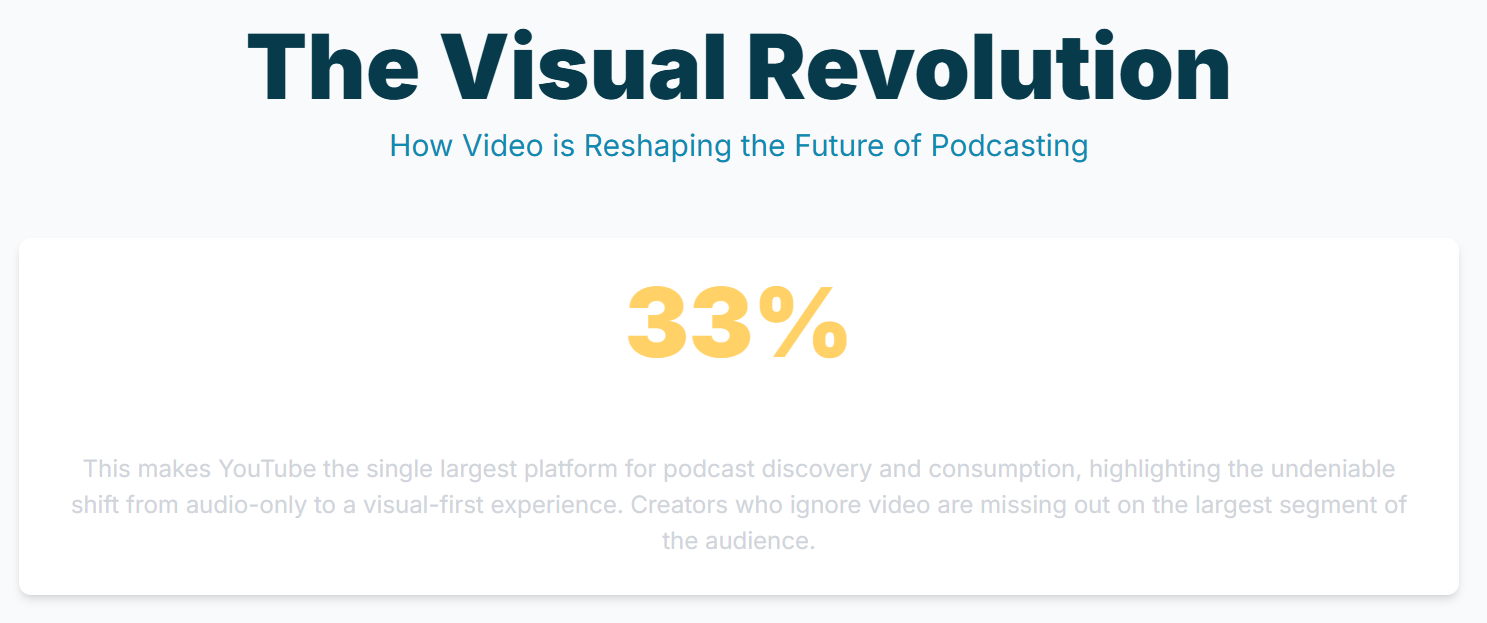
Image Credit: Finchley Studio
1.1 Defining the Medium: From "Vodcast" to a Mainstream Standard
At its core, a visual podcast, also referred to as a videocast or vodcast, is an episodic series that integrates a visual element with the traditional audio format.1 This visual component exists on a spectrum of complexity. At the most basic level, it can be a simple static image, such as the podcast's cover art, paired with the audio track.3 A slightly more dynamic approach involves waveform animations that move in sync with the audio, providing a minimal level of visual stimulation.5
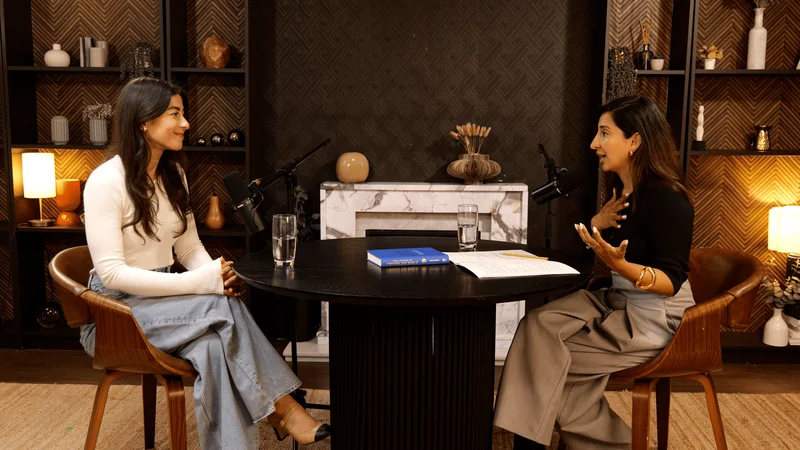
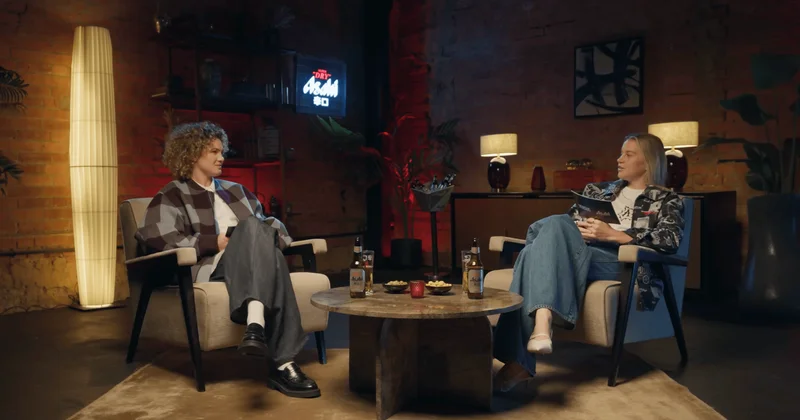
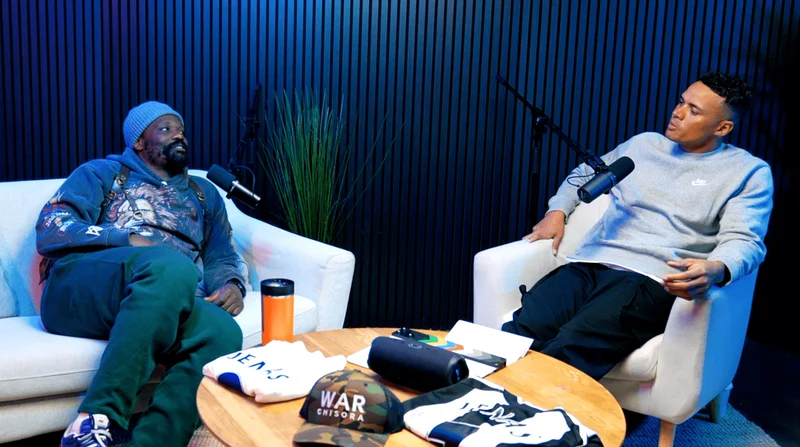
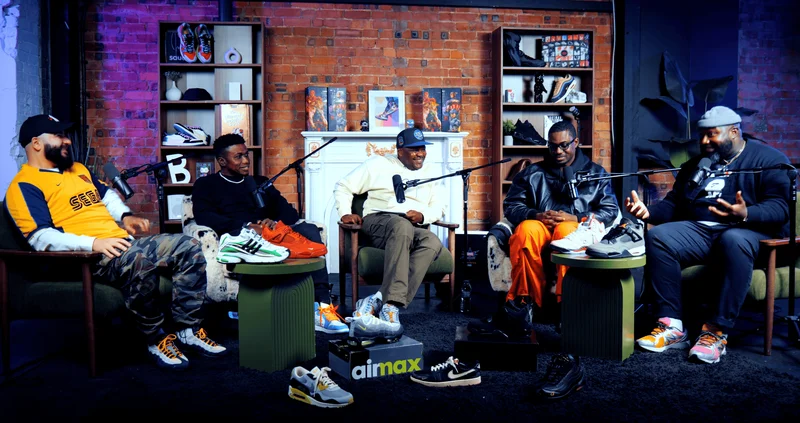
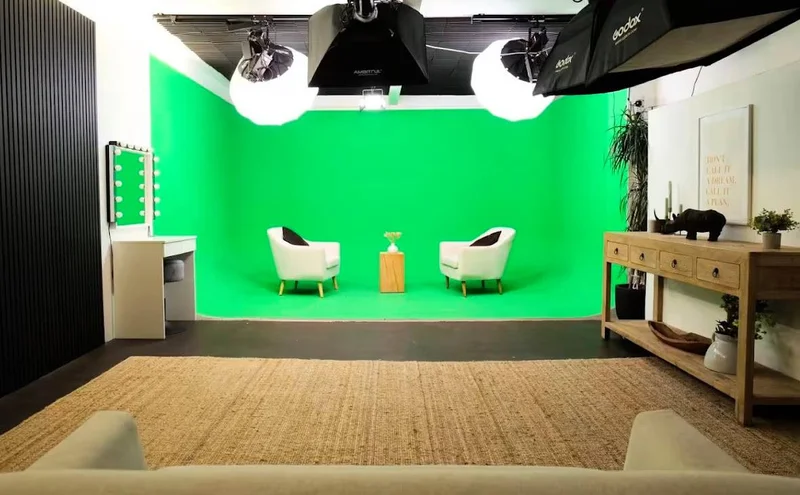
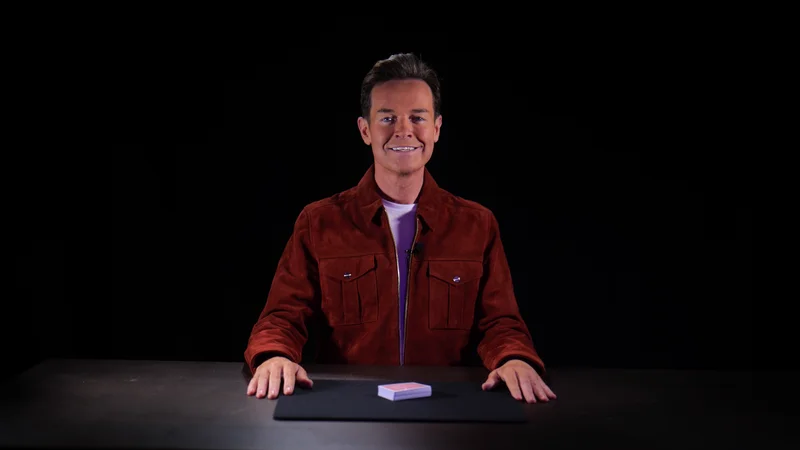
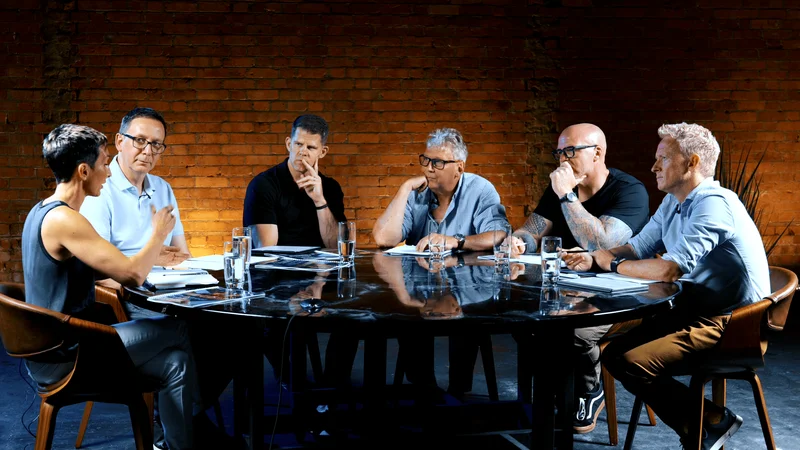
However, the formats that are truly driving the medium's growth involve recording the hosts and guests. The most prevalent of these is the remote "talking head" recording, facilitated by widely accessible software, where participants are captured via webcam.3 At the highest end of the production spectrum are in-studio recordings, which often feature multiple camera angles, professional lighting, and meticulously designed sets that serve as a form of visual branding.3
A crucial characteristic that distinguishes a visual podcast from other forms of video content, such as vlogs or traditional talk shows, is its audio-centric design. In most cases, the audio track is constructed to function as a complete, standalone experience.6 This dual-format capability preserves the original value proposition of podcasting: the ability for audiences to consume content while multitasking, such as during a commute or workout.8 The visual layer enhances the experience for active viewers without alienating the traditional audio listener. While the terms "vodcast" and "videocast" persist, the industry is standardizing around "video podcast," signaling that this format is not a separate category but a direct evolution and integration into the mainstream podcasting ecosystem.1

Image Credit: Finchley Studio
1.2 Market Sizing and Growth Trajectory: Key Statistics and Projections
The ascent of the visual podcast is not a gradual trend but an explosive market shift, substantiated by dramatic growth across audience, platform, and creator metrics. The number of video podcasts featured in the top 30 of industry charts has doubled year-over-year since 2022, indicating that a visual component is now a near-prerequisite for achieving top-tier success.9
Platform adoption statistics further illuminate this trajectory. Spotify, a historically audio-first platform, has aggressively expanded its video offerings, growing its library from 100,000 video podcasts in 2023 to over 330,000 by 2025—a more than threefold increase in just two years.9 This rapid expansion reflects a strategic response to overwhelming consumer demand and a direct challenge to YouTube's dominance in the space.
Audience penetration figures confirm that this is a widespread consumer movement. Globally, more than 420 million people now watch video podcasts on a monthly basis.11 In the United States, a key market, 41% of all podcast listeners now opt for watchable formats.12 This shift is reshaping the economic foundations of the industry. The total U.S. podcast advertising market is projected to reach $2.51 billion in 2025, and industry experts identify video as the fastest-growing segment of this advertising revenue pie.10 Long-term projections forecast the entire podcasting industry to surpass $100 billion by 2030, a valuation driven heavily by the increased engagement and monetization opportunities inherent in video.9
1.3 The Modern Listener: Demographic Profiles and Evolving Consumption Habits
The transition to video is being spearheaded by younger audiences, whose media consumption habits were forged on visual-first platforms. In the United Kingdom, 47% of listeners between the ages of 18 and 24 state a preference for video podcasts, a stark contrast to just 12% of those aged 55 and over.13 This generational divide is even more pronounced in discovery patterns. An extraordinary 84% of Gen Z listeners discover new podcasts on YouTube, a platform where video is the native language.9 This demographic reality signals that the future audience for podcasting is not only comfortable with video but actively seeks it out. For creators and platforms, this means that an audio-only strategy is effectively invisible to the largest emerging cohort of consumers.
Device preference data further reinforces the visual-first trend. Mobile phones are the dominant consumption device, accounting for 61% of all video podcast viewing globally and 70% of weekly podcast consumption in the U.S..11 This mobile-centricity aligns with the content formats of social media platforms, where short, vertical video clips are the currency of engagement.
However, an unexpected and strategically significant trend has emerged with the rise of Smart TVs as a consumption device. While accounting for a smaller share of primary usage—8% of weekly listeners in the U.S. and 18% of global video podcast viewing—the demographic profile of this group is revelatory.11 An analysis shows that 37% of Smart TV podcast listeners are aged 55 and older, a demographic that has been historically difficult for the podcasting industry to reach.16 For this audience, the Smart TV offers a familiar, accessible interface with larger text and simpler navigation than a mobile app. Crucially, these users are often "format-agnostic," frequently using their television as a large smart speaker to listen to audio-only content.16 This behavior presents a new, powerful distribution channel to engage an older, often overlooked audience segment, requiring not necessarily a pivot to video production but a strategic focus on discoverability within Smart TV ecosystems.
Consumption patterns are also becoming more fragmented. While a substantial portion of the audience (39%) watches full-length episodes, many viewers prefer more targeted content. Twenty-three percent primarily watch specific segments or highlights, and another 34% vary their behavior depending on the specific content of the episode.18 This bifurcation of consumption habits validates a dual-pronged content strategy: producing long-form episodes for the dedicated audience while simultaneously creating and distributing short-form clips to capture attention and drive discovery on social platforms.
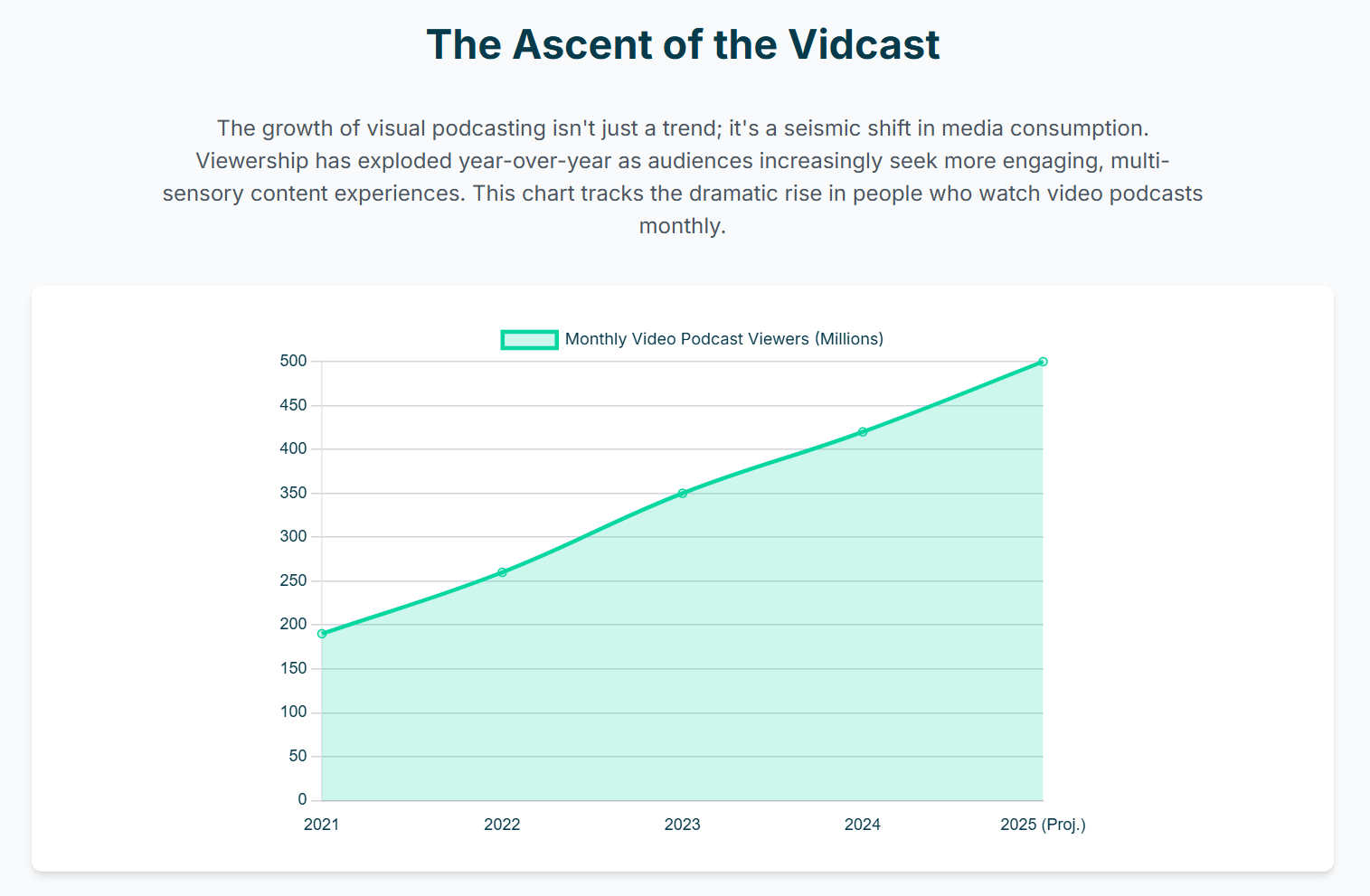
Image Credit: Finchley Studio
1.4 The Primacy of Visuals: Analyzing Psychological and Engagement Drivers
The shift toward video is rooted in fundamental principles of human psychology and communication. The addition of a visual layer dramatically increases the medium's capacity to engage, inform, and build connections. Research indicates that video-based formats can achieve up to a 40% higher retention rate compared to purely audio content.2 This is largely because visual cues provide a richer stream of information.
Facial expressions, gestures, and body language convey nuance, emotion, and authenticity in a way that audio alone cannot.2 This creates a more intimate and personal connection, making viewers feel as if they are "in the room" with the hosts and guests.2 This heightened sense of presence is a powerful driver of engagement and loyalty. More than 70% of viewers report watching video podcasts in the foreground, meaning the content commands their full attention, granting it more "mental real estate" than an audio-only show that is often consumed passively in the background.9
Video also enables multi-layered storytelling. Creators can incorporate supplementary materials like infographics, charts, archival footage, B-roll, or screen-shares to illustrate complex topics, making them more accessible and easier to comprehend.2 An interview about a historical event becomes more powerful when paired with photos from the era; a tech tutorial becomes more useful when the audience can see the process on screen.
Furthermore, the visual medium offers significant opportunities for building trust and brand identity. Seeing a host's face fosters a sense of familiarity and subconscious trust.6 This visual presence, combined with consistent branding elements like customized backgrounds, logos, and on-screen graphics, helps cultivate a strong brand identity and lasting audience loyalty.2 For a creator or a company, the visual podcast is not just a content format; it is a powerful branding platform.
Section II: The Platform Wars: YouTube, Spotify, and the Emerging Ecosystem
The battle for dominance in the visual podcasting space is largely a two-horse race between a video-native incumbent, YouTube, and an audio-native challenger, Spotify. Each platform brings a unique set of strengths, weaknesses, and strategic imperatives that shape the decisions of creators and the experience of listeners. Their competition is defining the market, while a crucial ecosystem of third-party tools provides the "middleware" that enables creators to navigate this new landscape. A successful strategy in 2025 and beyond requires a nuanced understanding of this entire ecosystem, recognizing that the major platforms are not mutually exclusive but complementary components of a broader distribution and engagement strategy.

Image Credit: Finchley Studio
2.1 YouTube: The Uncontested Leader in Discovery and Consumption
YouTube's position as the epicenter of visual podcasting is unequivocal. It is the primary destination for podcast consumers in the United States, capturing between 31% and 39% of the weekly audience.10 Globally, its dominance is even more pronounced, with the platform hosting an estimated 81% of all video podcast viewership.11 This market leadership is built on two foundational pillars: its colossal existing user base of over two billion monthly logged-in users and its status as the world's second-largest search engine.5
For creators, YouTube's primary value proposition is discoverability. The platform's sophisticated algorithm and robust search engine optimization (SEO) capabilities mean that content can be surfaced to viewers who are not actively searching for podcasts but are interested in the topics being discussed.20 This makes YouTube an unparalleled engine for top-of-funnel audience acquisition. Furthermore, its monetization infrastructure, the YouTube Partner Program, is mature and multifaceted, offering creators revenue streams from advertisements, channel memberships, and direct fan-funding tools like Super Chat.5 The platform also provides creators with deep, granular analytics through YouTube Studio, allowing for sophisticated tracking of audience retention and traffic sources.11
However, the platform is not without its challenges. The sheer volume of content on YouTube creates a highly saturated environment, making it difficult for new shows to stand out without a well-defined niche and a savvy promotional strategy.20 A significant functional drawback, particularly for traditional podcast listeners, is the restriction on background audio playback for non-paying users on its mobile app. This limitation hinders the multitasking use case that has long been a core strength of podcasting.23 Finally, YouTube operates as a content destination, not a syndication service; it does not generate the RSS audio feed required for distributing a podcast to other directories like Apple Podcasts or Overcast. This necessitates that creators use a separate hosting service to achieve broad distribution.5
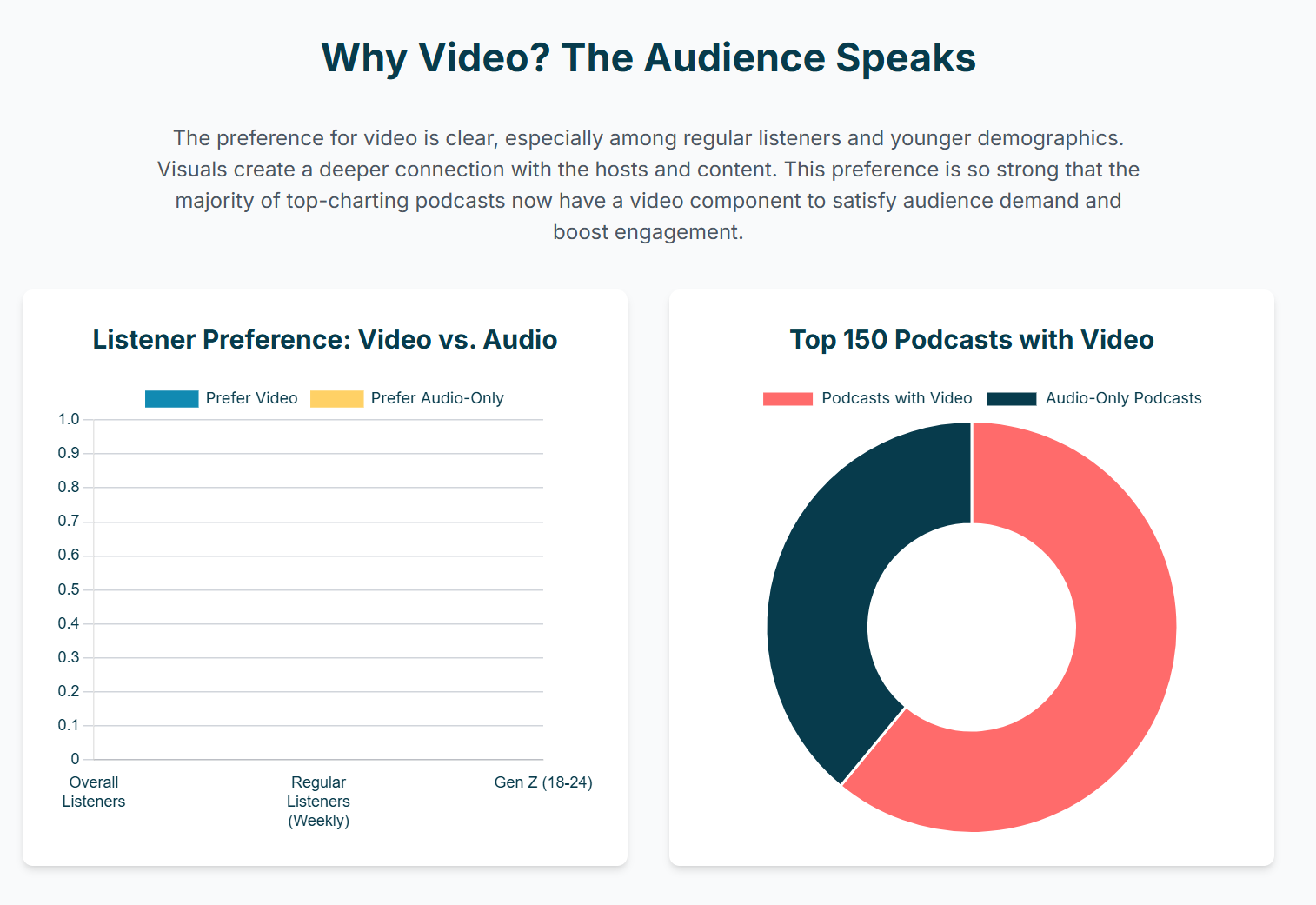
Image Credit: Finchley Studio
2.2 Spotify's Strategic Pivot: Challenging the Titan with an Audio-First DNA
Recognizing the seismic shift to video, Spotify has mounted an aggressive and strategic challenge to YouTube's dominance. The platform has rapidly expanded its video podcast catalog to over 330,000 shows and has launched initiatives like the "Spotify Partners Program" to provide creators with more tools to produce and monetize video content.10 Spotify's strategy is not to beat YouTube at its own game but to leverage its unique, audio-first DNA to offer a differentiated experience.
The platform's key strength is its seamless integration of audio and video formats. A user can begin watching a podcast on their Smart TV at home and, with a single tap, switch to the audio-only version on their phone for their morning commute, without ever losing their place.20 This flexibility caters directly to the modern, multitasking listener and represents a significant user experience advantage over YouTube. As a dedicated audio and podcasting platform, its discovery features are tailored to podcast listeners, making it easier for users to find new shows within a curated environment, as opposed to YouTube's vast and varied video library.23 For creators, Spotify for Podcasters (formerly Anchor) offers a compelling all-in-one solution, providing free hosting, distribution (including the crucial RSS feed), and integrated monetization tools in a single platform.20
Despite its rapid progress, Spotify faces considerable headwinds. Its video audience, while growing, remains a fraction of YouTube's, making it a less potent platform for initial discovery.24 The platform's monetization tools are less mature and, for many creators, less lucrative than the well-established YouTube Partner Program.24 Furthermore, some users and critics contend that its video discovery and user interface are still clunky and less intuitive than its audio-focused features, indicating that the platform is still in a transitional phase.23 A notable content gap also exists, with some of the world's most popular video podcasts available on YouTube but only in audio format on Spotify, which can be a point of frustration for users.23
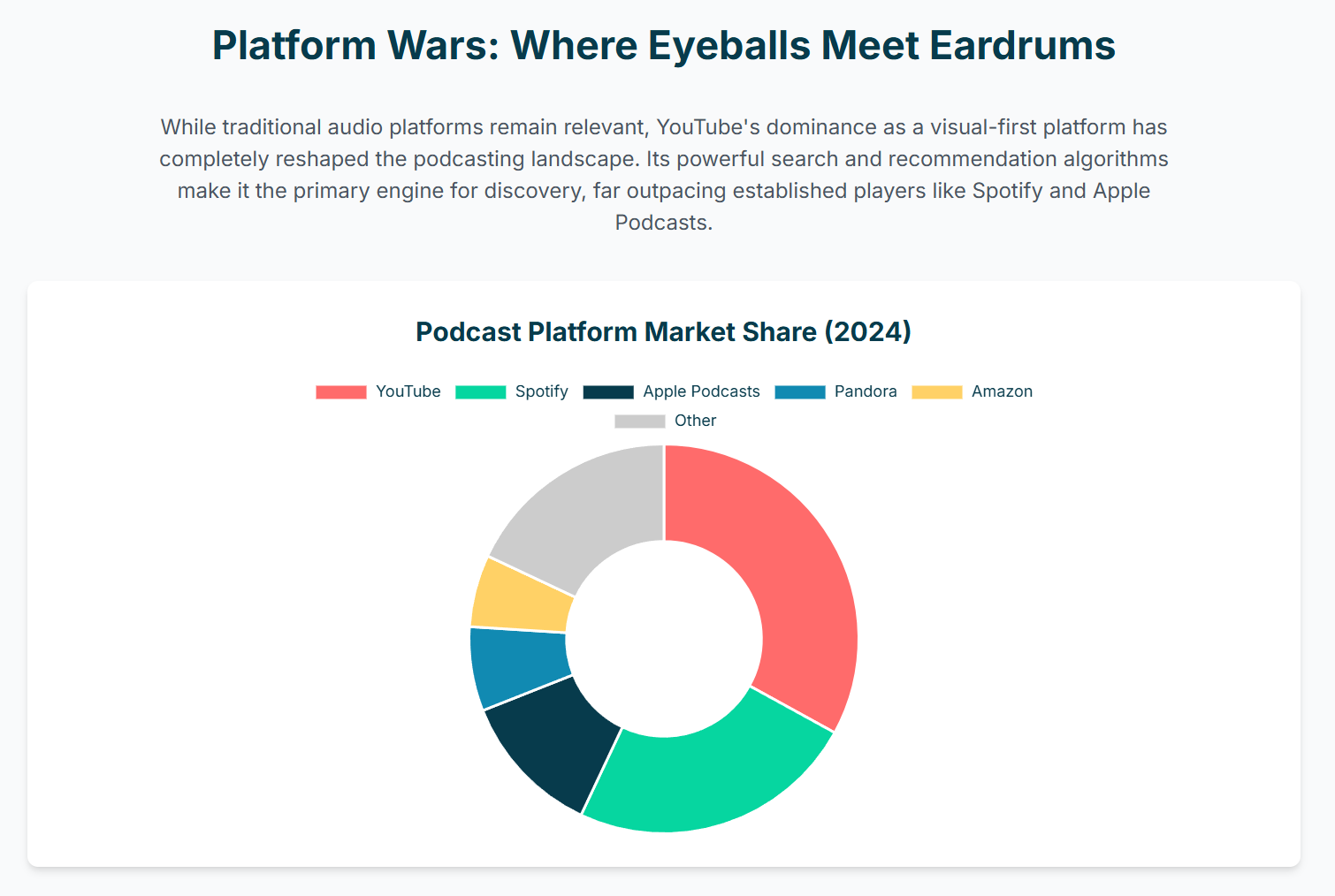
Image Credit: Finchley Studio
2.3 Comparative Platform Analysis: A Deep Dive for Creators and Listeners
The choice between YouTube and Spotify is not a simple one, as each platform serves a distinct and vital function within the visual podcasting ecosystem. The optimal strategy for nearly all creators involves leveraging both platforms in a complementary fashion. YouTube serves as the primary engine for attracting new audiences through its powerful search and recommendation algorithms. Once a viewer is captured, the creator's goal should be to convert them into a loyal subscriber on platforms like Spotify, which offer a superior, more flexible listening experience for dedicated fans. Data supports this symbiotic relationship, with 56% of listeners who discover a brand on YouTube subsequently moving to consume its content on other platforms.9 The following table provides a strategic, side-by-side comparison.
2.4 The Supporting Cast: Specialized Hosting, Recording, and Distribution Platforms
The rapid growth of visual podcasting has been enabled not just by the major platforms but by a robust ecosystem of specialized "middleware" tools that democratize access to professional-grade production and distribution. These tools form the backbone of the modern creator's workflow, bridging the gap between content creation and audience consumption.
Hosting Platforms: While Spotify offers an integrated hosting solution, many creators opt for dedicated hosting services that provide more advanced features and control. Platforms like Podbean, Libsyn, Castos, and Blubrry are industry mainstays that have adapted to support video files. Their primary function is to store the large video and audio files and, most importantly, generate and manage the RSS feed that syndicates the podcast to all directories, including Apple Podcasts, Google Podcasts, and Spotify itself.5
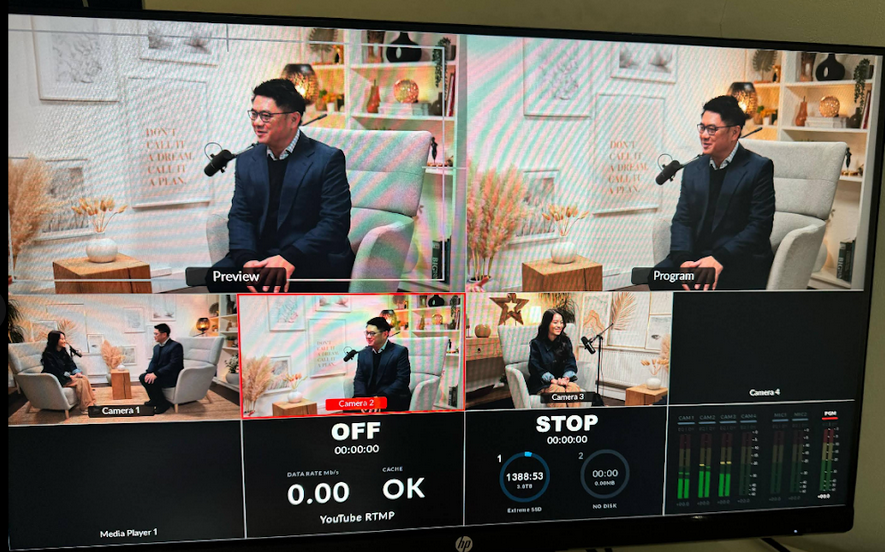
Image Credit: Finchley Studio
Remote Recording Software: The proliferation of the remote interview format is a direct result of the maturation of cloud-based recording studios. Platforms such as Riverside, Zencastr, and Squadcast.fm have revolutionized remote production by offering features that were once the exclusive domain of high-end studios.3 These tools record each participant's audio and video locally on their own computer, bypassing the instability of internet connections to ensure pristine, studio-quality files. They can capture video in up to 4K resolution and provide separate audio and video tracks for each speaker, giving editors maximum flexibility in post-production.21
Production Agencies: For corporations, brands, and top-tier creators seeking to produce a high-polish show without building an in-house team, a growing number of specialized agencies offer end-to-end production services. Agencies like Quill, JAR Audio, and Lower Street handle everything from initial strategy and branding to guest booking, recording, editing, and promotional asset creation, providing a turnkey solution for professional video podcasting.28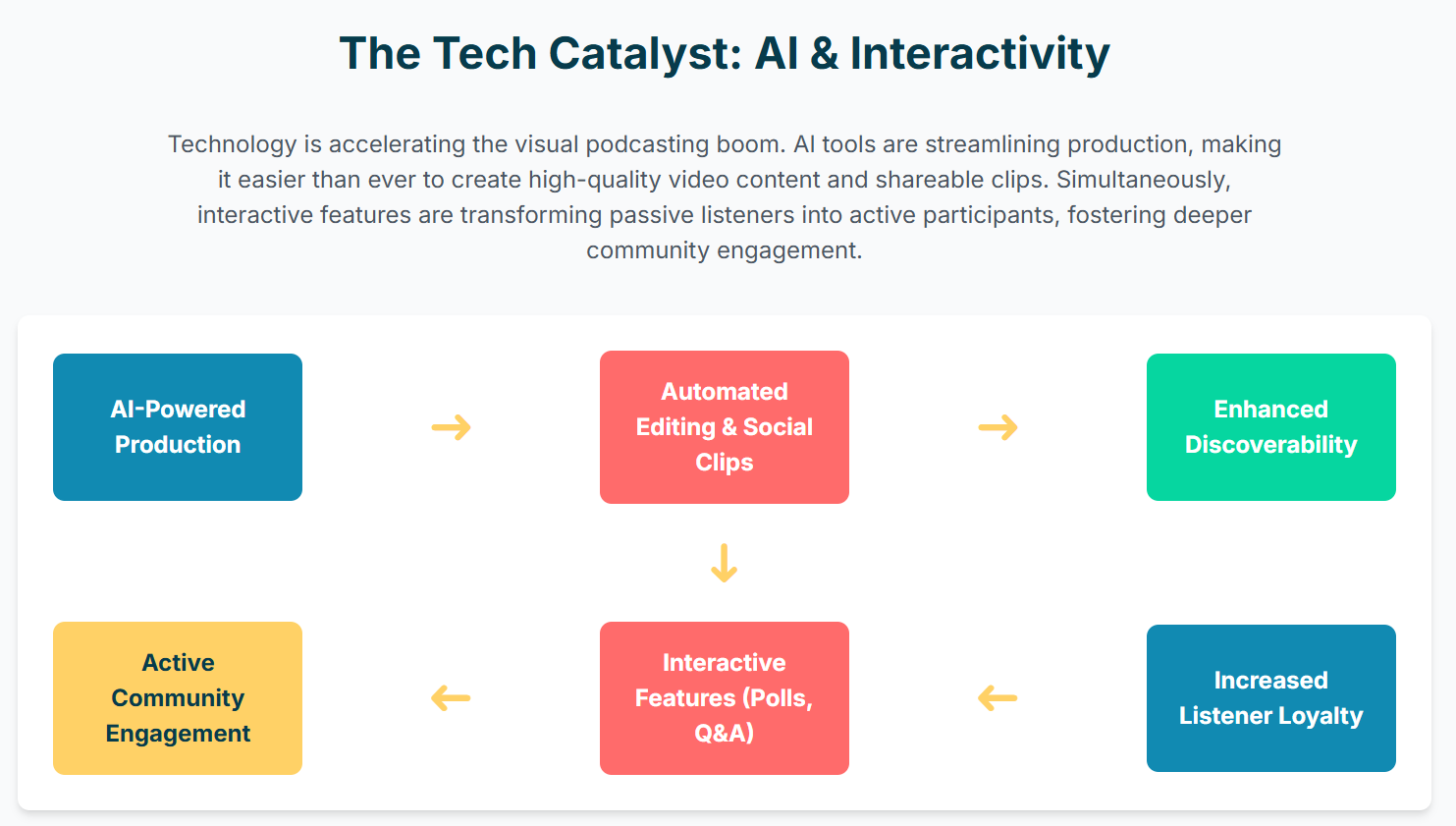
Image Credit: Finchley Studio
Section III: Content & Production in the Visual Era: Evolving Formats and Storytelling
The transition to a visual-first podcasting landscape has fundamentally altered not only how content is distributed but also how it is conceived, produced, and structured. This section provides a detailed taxonomy of the dominant visual podcast formats, analyzes the evolving art of storytelling in a medium caught between audio intimacy and visual performance, and examines the indispensable role of short-form video clips as the primary engine for audience growth. Understanding these production and content dynamics is critical for any creator or brand seeking to compete effectively in the modern media environment.
3.1 A Taxonomy of Visual Podcast Formats
Visual podcasts are not a monolithic category. Creators can choose from a range of formats, each with a distinct set of production requirements, costs, and engagement potential. The choice of format is a strategic decision that should align with the creator's budget, technical capabilities, and content goals.
Static Image / Waveform: This is the most rudimentary form of video podcasting, where the audio track is paired with a single static image (e.g., the show's logo) or a simple waveform animation.3 Its primary advantage is its extremely low cost and effort, allowing any audio creator to gain a foothold on video platforms like YouTube. However, its engagement potential is minimal, as it fails to leverage the key benefits of the visual medium, such as seeing the host's expressions. It functions as a distribution tactic rather than a creative format.4
Remote "Talking Head" Interview: This has become the most ubiquitous format in video podcasting, largely due to its accessibility and scalability. Using cloud-based recording software like Riverside or Zoom, hosts can interview guests from anywhere in the world.3 The production cost is relatively low, requiring little more than a good quality webcam and microphone for each participant. While highly effective for conversational content, this format can suffer from a lack of visual dynamism and is dependent on the technical quality of each participant's setup.4
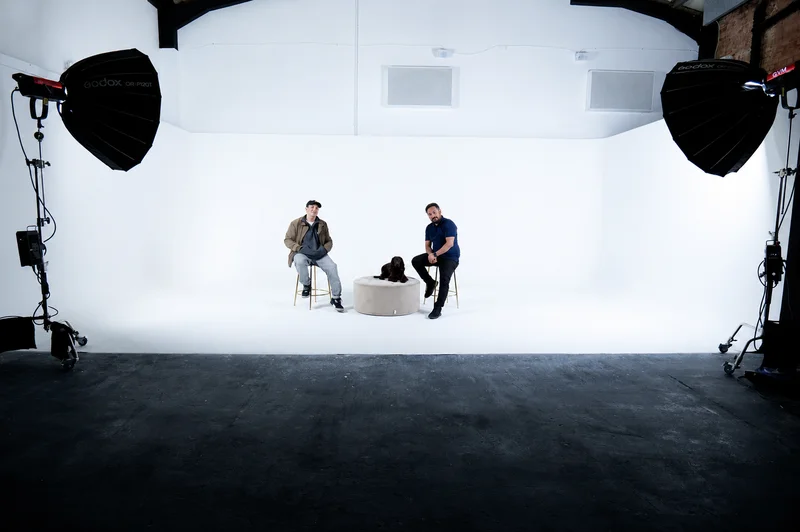
In-Studio Production: Often considered the "gold standard," this format involves recording the host and guests in a dedicated studio space.4 It allows for a highly controlled environment, resulting in superior audio and video quality. Productions typically utilize multiple camera angles, professional lighting, and a curated set design that reinforces the show's brand identity.6 This format offers the highest level of viewer engagement but also requires the most significant financial investment in equipment, space, and potentially a production crew.4 Prominent examples include
Call Her Daddy and The Diary Of A CEO.6Animated Podcasts: Animation provides a unique and highly engaging way to visualize a podcast. This format is particularly effective for explaining complex or abstract concepts, for narrative storytelling where visual scenes can be created from scratch, or for creators who wish to maintain anonymity.4 While it can captivate an audience, animation is a specialized skill that is often time-consuming and expensive to produce, making it less common than other formats.4
Documentary-Style / B-Roll Integration: This sophisticated format elevates a standard conversation by weaving in supplementary visual material, such as archival footage, news clips, explanatory graphics, or cinematic B-roll that relates to the topic of discussion.3 This approach transforms the podcast into a richer, more documentary-like experience, providing context and visual variety that can keep viewers highly engaged. However, it adds significant complexity and time to the post-production process, as editors must source and integrate these additional assets seamlessly into the narrative.4
3.2 The Evolution of Storytelling: Navigating the Shift from Audio Intimacy to Visual Performance
The introduction of video creates a fundamental shift in the dynamic between the host and the audience, introducing what can be termed the "Authenticity Paradox." The very desire for greater visual intimacy is driving production trends that can, if not carefully managed, lead to a less authentic experience.
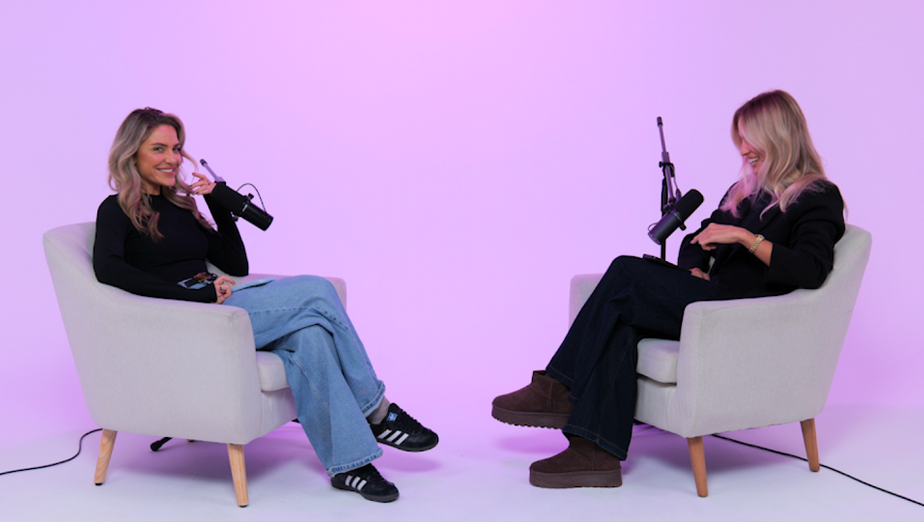
Image Credit: Finchley Studio
Historically, the power of audio-only podcasting lay in its profound intimacy. The host's voice, delivered directly into the listener's ears, created a uniquely personal and often parasocial connection.29 With the camera turned on, this intimate conversation becomes a visual performance. Hosts are now conscious of their appearance, their mannerisms, and their physical environment, which can introduce a layer of self-consciousness and artifice that was absent in the audio-only format.31
This performative aspect is most evident in the rise of "set design as branding." Top-tier podcasts now invest heavily in creating visually appealing and recognizable studio spaces. These sets, with their custom lighting, branded backdrops, and carefully placed props, become a key part of the show's identity.6 While this elevates the production value to a more professional, "talk show" aesthetic, it also risks creating a sterile environment that feels less genuine than the raw, unfiltered conversations that originally defined the medium. The most successful creators will be those who can navigate this paradox, investing in high-quality production without sacrificing the feeling of a relatable, authentic conversation. This may involve deliberately choosing a more personal home studio setup or incorporating behind-the-scenes content that breaks the fourth wall and humanizes the production process.32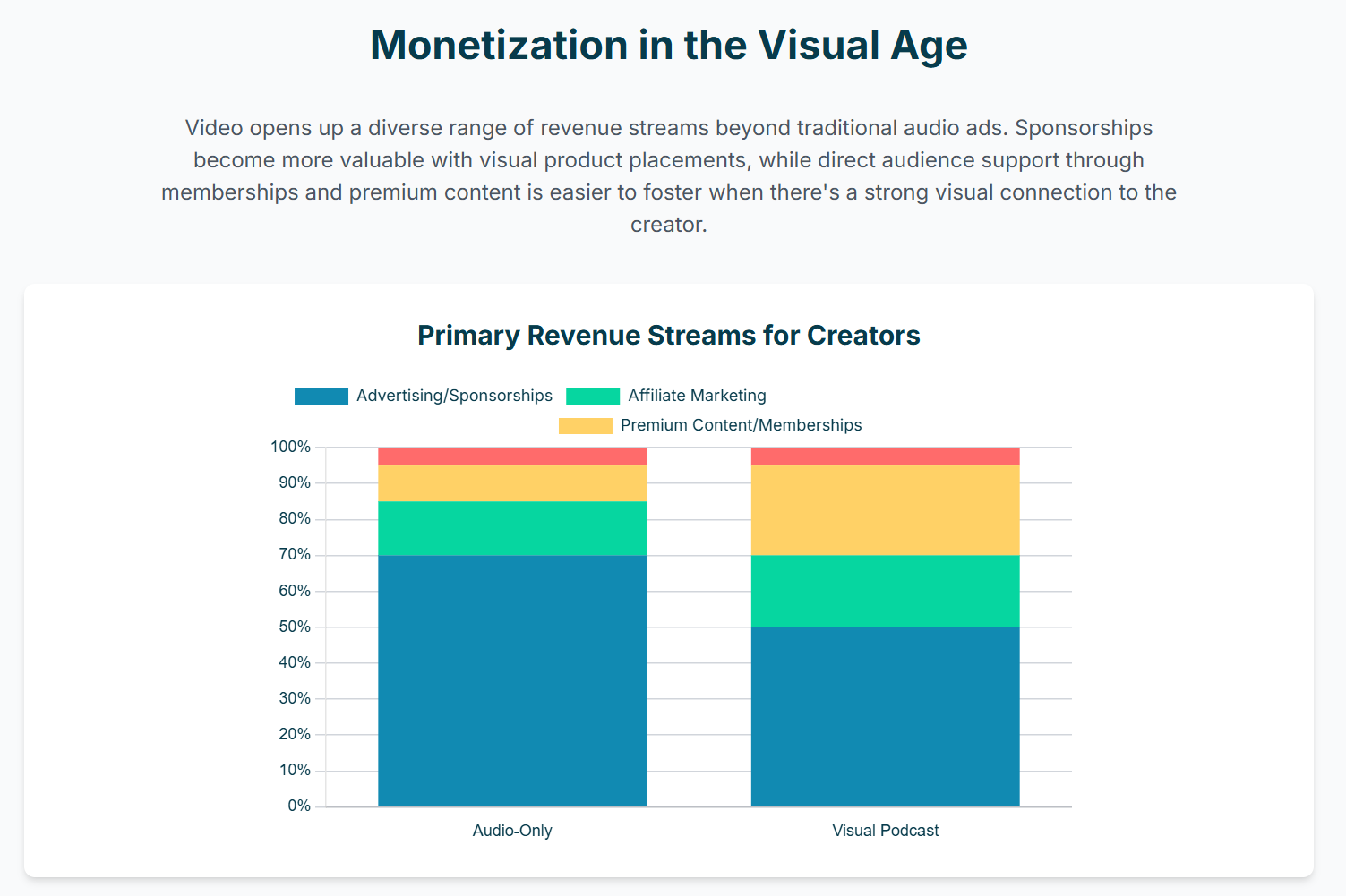
Image Credit: Finchley Studio
3.3 The Rise of Short-Form Clips as a Growth Engine
In the contemporary media landscape, the long-form video podcast and the short-form social media clip exist in a crucial symbiotic relationship. The full-length episode serves as the "mother ship" content, a rich source from which dozens of bite-sized promotional assets can be extracted.32 This strategy, best described as "content atomization," is no longer an optional marketing tactic but a core component of a successful visual podcasting workflow.
These short-form clips, typically 30 to 90 seconds in length, are the primary vehicle for discovery on platforms like TikTok, Instagram Reels, and YouTube Shorts.9 In the context of an infinitely scrolling, attention-scarce feed, a compelling clip can immediately hook a potential new listener, showcase the podcast's unique value proposition, and serve as a direct funnel to the full-length content.35
The creation of these clips must be a strategic consideration during the production process itself, not an afterthought. Effective clips are typically built around a "hook"—an intriguing question, a bold statement, or a moment of high emotion that grabs the viewer's attention in the first three seconds.34 Given that the majority of users watch videos on social media with the sound off, the inclusion of clear, easy-to-read captions is non-negotiable for accessibility and comprehension.36 Furthermore, these clips must be formatted for vertical viewing to align with the native user experience of mobile-first platforms. By planning for these "clippable" moments during recording and integrating clip creation into the post-production workflow, creators can exponentially increase the reach and return on investment of a single long-form episode.
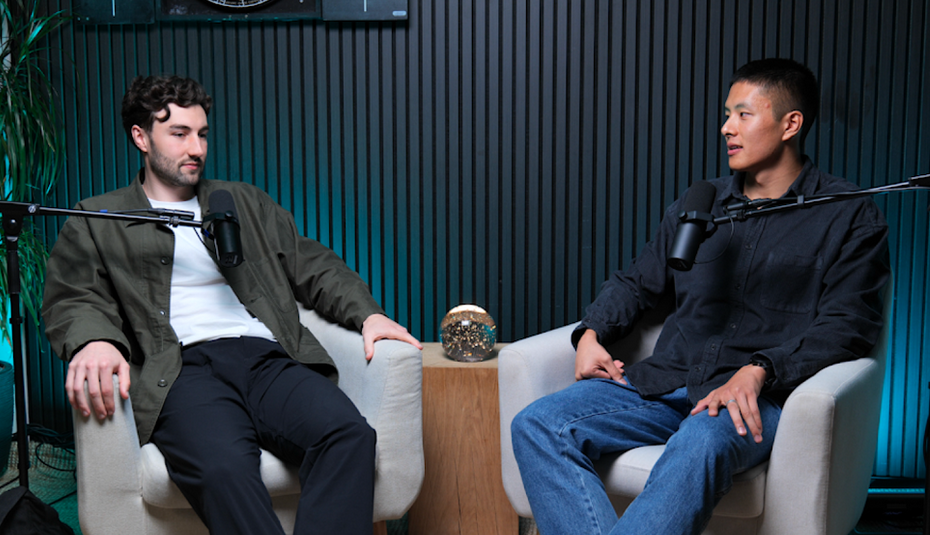
Image Credit: Finchley Studio
3.4 Production Realities: Equipment, Workflow, and Cost-Benefit Analysis
While the benefits of video are clear, so too are the increased demands on time, resources, and budget. A transition to video represents a significant step-up in production complexity and cost.
Increased Costs: Industry estimates suggest that producing a video podcast costs between 1.5 to 3 times more than an audio-only equivalent.37 This is due to the need for additional equipment, including one or more high-quality cameras, professional lighting, and potentially more sophisticated microphones and audio interfaces to ensure sync.3 For a brand producing a high-end show in-house, the cost for a single season can approach $500,000 when factoring in salaries for a full production team. Working with an external agency can reduce this cost significantly, with seasonal budgets starting around $50,000.39
Increased Complexity and Time: The post-production workflow for video is substantially more involved than for audio. It requires not just editing for content and clarity but also syncing audio with video from multiple sources, color correcting and grading footage, adding graphics and B-roll, and exporting multiple versions of the final product for different platforms.8 This requires more powerful computer hardware and specialized video editing software.
The Democratization Counter-Trend: Despite these challenges, a powerful counter-trend is making video production more accessible than ever. The quality of prosumer equipment, such as webcams and USB microphones, has improved dramatically. Simple, affordable lighting setups can achieve a professional look. Most significantly, the rise of AI-powered editing tools (as will be discussed in Section V) is automating many of the most time-consuming and technically difficult aspects of post-production, lowering the barrier to entry for independent creators and smaller brands.10
Section IV: The Monetization Matrix: Revenue Models for the Modern Creator
The proliferation of visual podcasts has created a more diverse and robust monetization landscape. While traditional advertising remains a cornerstone, the enhanced connection forged by video has accelerated the shift toward community-based revenue models like subscriptions and direct-to-consumer sales. Furthermore, the visual medium itself unlocks a new tier of sponsorship opportunities that go far beyond simple audio ad reads. A sustainable financial strategy for a modern creator involves building a diversified portfolio of revenue streams that leverages the unique strengths of the video format.
4.1 Direct Monetization: Advertising, Sponsorships, and Dynamic Ad Insertion
Direct advertising and sponsorships continue to be the most common form of podcast monetization. The visual format enhances these traditional models by adding new layers of value for brands.
Sponsorships and Host-Read Ads: This remains a highly effective model due to the intimate and trusted relationship between a host and their audience.41 When a host personally endorses a product, it carries significant weight. Video amplifies this by allowing the host to physically showcase or demonstrate the product, effectively turning an ad read into a mini-product review. This visual reinforcement can lead to higher conversion rates for sponsors.42 Data from YouTube indicates an 87% ad read-through rate for video podcasts, a remarkably high figure that underscores the engagement of the format.10
Programmatic and Dynamic Ad Insertion (DAI): Primarily an audio-focused technology, DAI allows for ads to be programmatically inserted into podcast episodes at the moment a listener downloads or streams them.44 This means that ads can be targeted based on listener demographics or location, and, crucially, it allows a creator's entire back catalog of episodes to remain monetizable with current, relevant ads. While the technology for video DAI is still maturing, it represents a significant future opportunity for scalable revenue.
Platform Ad Revenue: The most direct way to earn from ads is through platform-native programs. The YouTube Partner Program is the most established of these, allowing any creator who meets its viewership and subscriber thresholds to earn a share of the revenue from ads that YouTube places on their videos.20 In response, Spotify is actively building out its own advertising network, the Spotify Audience Network, to offer creators a competitive alternative.21
4.2 The Subscription Economy: Platform-Specific Models
The deeper parasocial relationship fostered by video makes audiences more willing to support creators directly through recurring subscriptions. This has led to the rise of community-based monetization, where the most dedicated fans pay for exclusive content and access.
YouTube Channel Memberships: This feature allows creators to establish multiple tiers of paid membership directly on their YouTube channel. In exchange for a monthly fee, members can receive a range of perks, such as custom loyalty badges, exclusive emojis for use in live chats, and access to members-only content like bonus episodes, behind-the-scenes footage, or ad-free versions of the main show.20
Spotify Podcast Subscriptions: Recognizing the power of this model, Spotify has implemented its own native subscription tools. This allows creators to place specific episodes or their entire catalog behind a paywall, which listeners can unlock with a subscription directly within the Spotify app.21 This creates a frictionless experience for the user and provides creators with a direct revenue stream on a key consumption platform.
Third-Party Platforms: Before the rise of native platform tools, platforms like Patreon pioneered the creator subscription model. Many podcasters continue to use Patreon to manage their membership communities, as it offers a platform-agnostic solution that is not tied to either YouTube or Spotify. This allows creators to consolidate their "superfans" in one place and offer a wide variety of benefits, from exclusive Discord server access to physical merchandise.46
4.3 Indirect Monetization: Building a Brand and Diversifying Revenue Streams
For many creators, the podcast itself is not the final product but rather a powerful marketing engine for other business ventures. This indirect monetization can often be more lucrative than direct advertising.
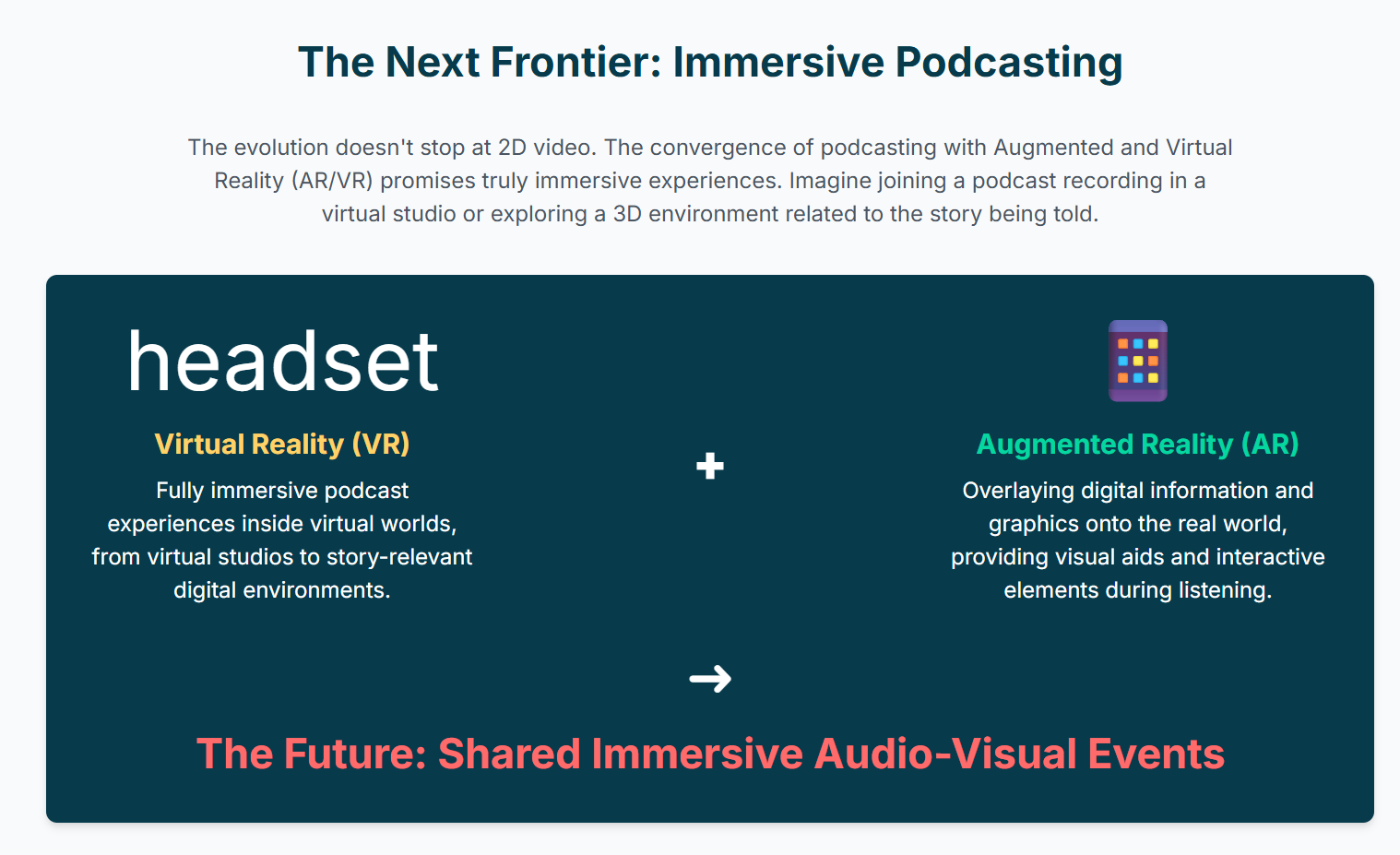
Image Credit: Finchley Studio
Merchandising: Selling branded apparel, accessories, and other physical goods is an effective way to both generate revenue and strengthen the sense of community around a show.42 Fans purchase merchandise to signal their identity as part of the show's community. A video podcast provides the perfect platform to model and promote these items organically during an episode.
Affiliate Marketing: This involves recommending products or services and earning a commission on any sales generated through a unique tracking link or promo code.41 Video significantly enhances the effectiveness of affiliate marketing by enabling creators to perform detailed product unboxings, reviews, and demonstrations, providing far more value and persuasive power than a simple audio mention.
Selling Proprietary Products and Services: Perhaps the most powerful form of indirect monetization is using the podcast as a top-of-funnel tool to establish authority and drive sales for a creator's own offerings. This can include online courses, coaching or consulting services, books, software, or other digital and physical products.43 The podcast serves to build trust and demonstrate expertise at scale, warming up a large audience for a future sales conversion.
4.4 Visual-Specific Opportunities: Enhanced Sponsorship Integrations
The visual nature of the medium unlocks a new class of sponsorship opportunities that are more deeply integrated and command higher fees than their audio-only counterparts. This allows creators to move beyond simple ad reads and into the realm of comprehensive brand partnerships.
Product Placement: Brands can pay for their products to be strategically and visibly placed on the podcast set. This could be as simple as the host drinking a specific brand of beverage or as prominent as having a piece of technology featured on the desk throughout the episode.
Branded Segments and Overlays: Instead of a standard ad break, a sponsor can fund an entire segment of the show that is relevant to their brand. During these segments, or even throughout the episode, creators can incorporate branded visual elements like logos, lower-third graphics, or custom backgrounds.
Sponsored B-Roll and Demonstrations: A brand can sponsor the creation and inclusion of high-quality B-roll footage that enhances the storytelling while aligning with their product. For example, a travel company could sponsor a segment about a particular destination, providing stunning cinematic footage for the video version of the podcast.
Section V: The Next Frontier: Technological Disruption and Future Trajectories
The evolution of visual podcasting is being rapidly accelerated by technological advancements, most notably in the fields of Artificial Intelligence (AI), immersive media, and interactive platforms. These technologies are not merely improving existing workflows; they are fundamentally redefining what is possible in content creation, distribution, and consumption. This section explores these disruptive forces, forecasting how they will shape the next chapter of the visual podcasting story, from the immediate, democratizing impact of AI to the longer-term potential of fully immersive and participatory experiences.
5.1 The AI Revolution in Production: Automating Editing, Repurposing, and Enhancement
Artificial Intelligence is acting as a powerful democratizing force in video production, automating tasks that were once time-consuming, expensive, and technically complex. This is lowering the barrier to entry for high-quality video creation and shifting the basis of competition from technical proficiency to creative vision.
AI-Powered Editing: A new generation of editing platforms, such as Descript and Riverside, is revolutionizing the post-production process.27 Their core innovation is text-based video editing, where creators can edit their video simply by editing the auto-generated text transcript. Deleting a word or sentence in the text automatically removes the corresponding segment from the video and audio tracks.50 These platforms also use AI to automatically identify and remove filler words (e.g., "ums," "ahs") and long pauses, dramatically cleaning up a conversation with a single click. Furthermore, features like AI-powered "Studio Sound" can process audio to remove background noise and echo, making a recording from an untreated room sound as if it were captured in a professional studio.27
Content Generation and Repurposing: AI is streamlining the "content atomization" strategy. Tools are now available that can analyze a full-length podcast episode and automatically generate comprehensive show notes, summaries, and even full blog post drafts.27 Most significantly, AI algorithms can identify the most engaging or "viral-worthy" moments in a recording and automatically create short-form social media clips, complete with captions and formatting appropriate for platforms like TikTok and Instagram.27 This drastically reduces the manual labor required to promote a podcast across multiple channels.
AI Visual Enhancement: The capabilities of AI are extending beyond editing to the enhancement of the visual recording itself. Emerging features can now digitally correct a speaker's gaze, making it appear as if they are maintaining perfect eye contact with the camera even when reading from a script.50 AI-powered green screen effects can remove a messy background without the need for a physical green screen, and some tools can even generate custom B-roll footage or animated sequences from a simple text prompt, providing creators with a limitless library of visual assets.50
5.2 Immersive Podcasting: The Potential of Virtual and Augmented Reality (XR)
While still in its early stages, Extended Reality (XR)—an umbrella term for Virtual Reality (VR), Augmented Reality (AR), and Mixed Reality (MR)—presents a long-term vision for the future of podcasting that moves beyond the 2D screen.
The Concept: XR podcasting aims to create a sense of presence and immersion that is impossible with traditional video. In a VR podcast, a viewer could don a headset and feel as if they are sitting in the same virtual studio as the hosts, able to look around the environment and interact with 3D objects.53 An AR podcast might overlay visual information, such as data visualizations or 3D models of a product being discussed, onto the listener's real-world environment through their smartphone or AR glasses.54
Benefits and Applications: This technology has the potential to revolutionize storytelling. A true crime podcast could transport the audience to a virtual recreation of a crime scene, while a history podcast could allow them to witness a historical event firsthand.54 XR also offers new possibilities for accessibility, such as integrating real-time sign language avatars or using haptic feedback to convey sound to individuals with hearing impairments.54
Current State and Challenges: Despite its potential, XR podcasting faces significant hurdles to mainstream adoption. The cost of producing high-quality 3D environments and spatial audio is prohibitive for all but the most well-funded creators. The technical complexity requires a skill set (e.g., 3D modeling, game engine development) far beyond that of a typical podcaster. Most importantly, the consumer market for VR and AR headsets remains a niche, limiting the potential audience size.54 For the near future, XR in podcasting is likely to remain experimental or focused on B2B applications, such as immersive virtual conferences and networking events.55
5.3 Interactive Features and Live Engagement
A more immediate technological shift is the convergence of pre-recorded podcasting with live, interactive streaming. This hybrid approach transforms the podcast from a one-to-many broadcast into a many-to-many community event, deepening audience engagement and loyalty.
Image Credit: Finchley Studio
Live Streaming Integration: Many creators now regularly broadcast their podcast recording sessions live on platforms like YouTube Live and Twitch before releasing the polished, edited version as a standard episode.56 This gives fans a raw, behind-the-scenes look at the creation process and a sense of immediacy.
Real-Time Audience Participation: The key benefit of live streaming is the ability for the audience to participate in and influence the content in real time. Through live chat features, viewers can ask questions, react to the conversation, and interact with each other. Hosts can integrate live polls and Q&A segments directly into their show, making the audience feel like active co-creators of the experience.19
Platform-Native Interactivity: The trend toward interactivity is not limited to live content. Platforms are building asynchronous interactive features directly into their apps. Spotify, for example, has already introduced Q&A and poll features that listeners can engage with at any time while listening to an episode, providing a new layer of engagement for on-demand content.40
5.4 Anticipating Future Content and Format Innovations
Looking ahead, the convergence of these technologies will unlock entirely new formats and creative possibilities for visual podcasting.
AI-Generated Avatars and Voice Cloning: As AI technology advances, creators will be able to generate hyper-realistic digital avatars of themselves. This could allow for the creation of new episodes simply by feeding a script into the AI, which would then generate the video and audio content without the host needing to be on camera or even in a studio.50 Voice cloning technology could be used to seamlessly correct misspoken words or record ad reads after the fact in the host's own voice.27
Personalized, Dynamic Content: AI could enable the creation of personalized podcast experiences. An AI could dynamically insert segments into an episode based on a listener's known interests, past listening habits, or demographic profile, ensuring that the content is maximally relevant to each individual user.58
The Rise of Microcasts: The demand for concise, value-packed content is growing, particularly among younger audiences with shorter attention spans. This will fuel the growth of "microcasts"—short-form, video-native shows with episodes under 10 minutes. This format is perfectly suited for on-the-go consumption and social media sharing, and it represents an efficient way for brands to deliver key messages and establish thought leadership.58
Section VI: Strategic Imperatives and Recommendations for Stakeholders
The transition of podcasting into a visual-first medium presents both significant opportunities and formidable challenges for all participants in the ecosystem. Success in this new landscape requires a strategic recalibration for content creators, brands and marketers, and the platforms themselves. This concluding section synthesizes the report's findings into a set of actionable recommendations tailored to each of these key stakeholder groups, providing a roadmap for navigating the future of visual podcasting.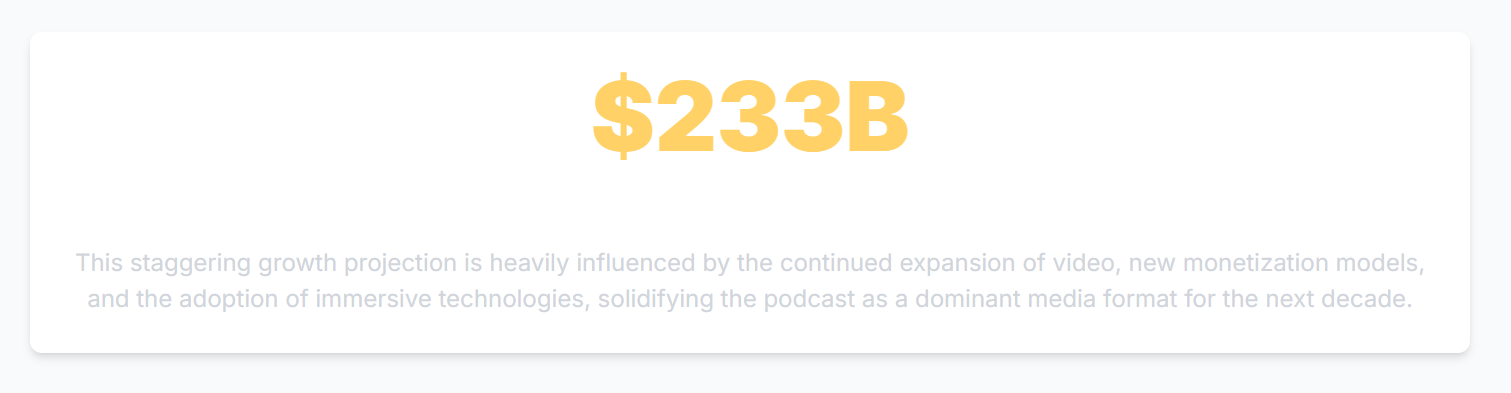
Image Credit: Finchley Studio
6.1 For Content Creators: Navigating the Transition to Video and Maximizing Reach
For individual creators and production teams, the strategic imperative is to adapt to the new realities of discovery and consumption while preserving the core elements that build loyal audiences.
Embrace the "Video-First, Audio-Also" Mindset: The data is unambiguous: for new audience acquisition, particularly among younger demographics, video is the primary channel. Creators must shift their mindset to conceptualize their show as a video product first. Production should be optimized for visual platforms like YouTube, with the audio-only version treated as a crucial but secondary output designed for the convenience of dedicated, multitasking listeners.
Adopt the "Content Atomization" Workflow: A single long-form recording session should be viewed as the creation of a raw asset, not a final product. The workflow must be structured to efficiently "atomize" this recording into a portfolio of content: the full-length video episode, the audio-only RSS feed, multiple short-form clips for social media, quote graphics, and blog posts derived from the transcript. Investing in AI-powered tools to automate this repurposing is no longer a luxury but a competitive necessity.
Prioritize Authenticity over Polish: Creators must navigate the "Authenticity Paradox" with care. While production quality is important, the ultimate currency of podcasting is the genuine connection between the host and the audience. Overly sanitized, corporate-feeling productions can alienate the very audience they seek to attract. The goal should be to find a sustainable level of production quality that feels professional yet relatable, allowing the host's personality and the quality of the conversation to remain the central focus.
Build Community, Not Just an Audience: The most sustainable monetization models are built on deep community engagement. Creators should actively leverage interactive features like live streams, Q&As, and polls to transform passive listeners into active participants. The strategic goal should be to convert the most engaged segment of the audience into "superfans" who are willing to provide direct financial support through subscriptions, memberships, or merchandise purchases.
6.2 For Brands and Marketers: Leveraging Visual Podcasts for Audience Engagement and ROI
For brands, visual podcasts offer a uniquely powerful channel for reaching engaged, niche audiences and building brand affinity in a way that traditional advertising cannot.
Shift from Sponsorships to Integrated Partnerships: The era of the simple 30-second pre-roll ad is evolving. Brands should seek deeper, more integrated partnerships that leverage the visual medium. This includes opportunities for on-set product placement, the creation of entire branded segments that provide value to the audience, and other visual integrations that weave the brand into the fabric of the show itself.
Utilize Podcasts as a Central Content Engine: A branded podcast should not be treated as an isolated marketing tactic. It is a highly efficient engine for generating a vast amount of marketing collateral. A single season of a branded podcast can provide enough content to fuel a brand's social media channels, blog, and email newsletters for months, dramatically increasing the ROI of the initial production investment.
Prioritize Niche Audiences for Higher Impact: The increasing fragmentation of the media landscape means that broad, mass-market campaigns are often less effective than highly targeted ones.60 Visual podcasts that cater to specific, passionate niche communities offer brands the opportunity to connect with a highly engaged and relevant audience, often yielding a greater return on investment than larger, less focused advertising buys.58
Measure What Matters for True ROI: Brands must look beyond simple download or view counts to assess the effectiveness of a podcast partnership. Key performance indicators should include audience engagement metrics, website traffic from unique promo codes or referral links, and direct conversions. Tracking these metrics provides a much clearer picture of a campaign's true business impact.47
6.3 For Platforms: Key Challenges and Opportunities for Future Growth
For platforms like YouTube and Spotify, the ongoing battle for supremacy in the visual podcasting space will be won by the company that best serves the needs of both creators and consumers.
Solve the Enduring Discovery Problem: Despite algorithmic advances, helping users find new content that they will love remains a central challenge. Platforms must continue to invest in and refine their discovery tools, particularly for video podcasts. This includes better genre categorization, more personalized recommendations, and improved search functionality to prevent creator content from getting lost in a sea of saturation.
Streamline the End-to-End Creator Workflow: The creator journey is fragmented across multiple tools for recording, editing, hosting, distribution, and monetization. The platform that can most effectively integrate these functions into a single, intuitive, and powerful workflow will create immense loyalty and a significant competitive moat.
Develop Robust, Multi-Format Advertising Technology: The future of podcast advertising is multi-format and dynamic. Platforms must invest in building sophisticated ad tech that can seamlessly serve targeted ads across both video and audio formats, including the development of innovative and non-intrusive ad units specifically designed for the visual medium.
Embrace the Cross-Platform Reality: Creators will inevitably distribute their content across multiple platforms to maximize reach. Platforms that attempt to build "walled gardens" may struggle to retain top talent. Instead, they should provide tools, analytics, and APIs that acknowledge and support a creator's cross-platform strategy, positioning themselves as an indispensable partner rather than a restrictive gatekeeper.
6.4 Concluding Analysis: The Enduring Power of Visual Connection in the Audio Landscape
The rapid ascendancy of the visual format does not represent the demise of podcasting but rather its logical and necessary evolution. In a media ecosystem overwhelmingly dominated by video, the addition of a visual layer was an inevitable adaptation for a medium seeking to capture the attention of new generations and expand its cultural footprint. The core of what makes podcasting a uniquely powerful and intimate medium—the authentic, in-depth conversation—remains unchanged.
Image Credit: Finchley Studio
Video, when executed thoughtfully, does not supplant this core; it enhances it. It provides a richer stream of communication, fosters a deeper sense of connection, and unlocks new avenues for creative expression and economic sustainability. The future of the medium belongs to the creators, brands, and platforms that can master this new visual language while holding fast to the principles of authenticity, curiosity, and human connection that have always been the heart of a great podcast. The conversation is, and will remain, paramount. Video is simply the most powerful tool yet developed for bringing the audience closer to it.
The core format of authentic conversation will remain, but it will be wrapped in new layers of technology that will deepen the connection between creators and their communities. Here are the key trends that will shape the future of visual podcasting.
## 1. The Rise of Immersive and AR/VR Experiences
The flat screen will cease to be a boundary. With the steady growth of consumer augmented reality (AR) glasses and virtual reality (VR) headsets, the next frontier is presence.
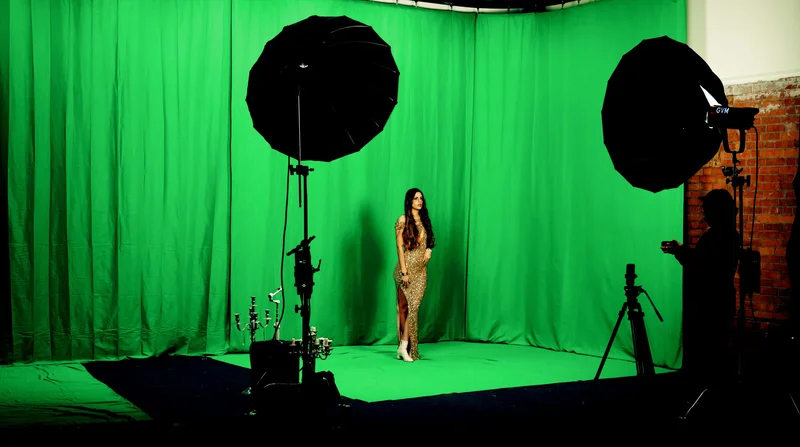
The Future: Imagine watching your favourite history podcast not on a laptop, but as a 3D holographic reconstruction on your coffee table. Picture joining a live podcast recording as an avatar in a virtual studio audience, able to interact with other fans from around the world. Creators will use technologies like volumetric capture (filmed in studios with large green screens like our Giant Green Screen) to create these immersive experiences, making the audience feel like they are truly in the room.
## 2. Hyper-Interactivity and Community Integration
The one-way broadcast is evolving into a two-way conversation. The line between creator and audience will continue to blur.
The Future: Live-streamed podcasts will become the norm, with real-time audience participation—live chats, polls, and call-ins—directly influencing the direction of the conversation. The "podcast" will be the central event, but the community will live permanently on platforms like Discord, where discussions continue long after the recording has ended. The show becomes a living, breathing entity co-created with its most dedicated fans.
## 3. AI-Powered Post-Production and Personalisation
Artificial intelligence will become an indispensable co-producer for every creator.
The Future: AI will revolutionise the post-production workflow. Imagine an AI that can instantly generate subtitles in dozens of languages, automatically create dozens of viral-ready social media clips from a single episode, and even provide analytics on which topics resonated most with your audience. For listeners, AI will enable hyper-personalisation, creating custom-curated audio and video digests from their favourite creators. This seamless workflow starts with a high-quality recording, which can then be handed to a professional team, like our Video Editing Service, that can leverage these future tools.
## 4. The Dominance of Hyper-Niche Content
As the barrier to high-quality production continues to fall, the number of podcasts will skyrocket. The way to stand out will not be to appeal to everyone, but to serve a specific community better than anyone else.
The Future: The "long tail" of content will get even longer. There will be a successful, professionally produced podcast for every imaginable hobby, interest, and profession. Authenticity and deep, genuine expertise in a specific field will be a creator's most valuable asset. Studios like Finchley Studio will continue to support this by offering a diverse range of sets—from a professional CEO Set to a creative Blackout Set—to match every niche.
The future of the visual podcast is incredibly exciting. It’s a future where technology will enable deeper human connection, and the most authentic voices will have the tools to build global communities.
Create the Future of Podcasting at Finchley Studio
Ready to stay ahead of the curve? At Finchley Studio, we are a forward-thinking production house, equipped with the technology and versatile spaces to help you create next-generation content. Our commitment to innovation and quality is why leaders like the BBC and Lloyds Bank trust us with their productions. See what our clients are saying in our Google reviews and on Trustpilot.
Our diverse range of studios provides the perfect canvas for the future of content:
Green Screen Cove & Giant Green Screen: The essential tools for creating the assets for tomorrow's AR/VR and immersive experiences.
Live-Stream Ready Sets: All our studios, like the Lounge Studio and Dialogue Room, are equipped for high-quality live streaming to engage your community in real-time.
Versatile Niche Studios: From the corporate CEO Set to the creative Brick Studio, we have the perfect aesthetic for any hyper-niche show.
Blackwood Studio, Gathering Studio, Blackout Set, White Infinity Cove.
Our professional Video Editing Service ensures your final product is polished and ready for any platform, today and tomorrow. The team at Finchley Studio is your partner in creating the future of media.
Ready to build the future?
Find Us Easily: Our studio is conveniently located just a two-minute walk from Finchley Central on the Northern Line and is adjacent to the Travelodge London Finchley. We also offer one free parking space per booking.
what3words: orders.yards.jokes
Stay Connected: Follow our journey and see behind-the-scenes content on our social media channels:
Have questions? Check our FAQ or get in touch directly.
WhatsApp: +447587827200
Phone: +447587827200
Email: [email protected]
Works cited
blog.spreaker.com, accessed September 25, 2025, https://blog.spreaker.com/what-is-a-video-podcast-and-why-is-it-important/#:~:text=In%20its%20simplest%20form%2C%20a,podcasts%20were%20originally%20audio%2Dbased.
What Is a Video Podcast: Key Things to Know - Teleprompter.com, accessed September 25, 2025, https://www.teleprompter.com/blog/what-is-a-video-podcast
What is a Video Podcast? | Castos, accessed September 25, 2025, https://castos.com/video-podcast/
The Five Types of Video Podcasts - Sweet Fish Media, accessed September 25, 2025, https://www.sweetfishmedia.com/blog/the-5-types-of-video-podcasts
The Best Video Podcast Platforms | Lower Street, accessed September 25, 2025, https://lowerstreet.co/blog/video-podcast-platforms
What is Video Podcasting? | Updated for 2025 - Podcastle, accessed September 25, 2025, https://podcastle.ai/blog/video-podcasting/
Vlog vs Podcast: Differences & Mic Tips for 2025 Creators - Maono, accessed September 25, 2025, https://www.maono.com/blogs/news/vlog-vs-podcast-differences-mic-tips-for-2025-creators
What is Video Podcasting? - Wondercraft AI, accessed September 25, 2025, https://www.wondercraft.ai/blog/what-is-video-podcasting
State of Video Podcasts 2025: Key Trends, Insights & Strategies, accessed September 25, 2025, https://www.sweetfishmedia.com/blog/the-2025-state-of-video-podcasts
Pivot to Video: The Big Business Behind the Rise of Podcasts You Can Watch - TheWrap, accessed September 25, 2025, https://www.thewrap.com/video-podcasts-business-explained-youtube-spotify/
100+ Video Podcast Growth Statistics for 2025 - Zebracat, accessed September 25, 2025, https://www.zebracat.ai/post/video-podcast-growth-statistics
Podcast Statistics You Need To Know in 2025 - Backlinko, accessed September 25, 2025, https://backlinko.com/podcast-stats
business.yougov.com, accessed September 25, 2025, https://business.yougov.com/content/52585-are-podcasts-going-visual#:~:text=TL%3BDR%3A%20Podcasts%20are%20going,and%20social%20clips%20driving%20discovery.
business.yougov.com, accessed September 25, 2025, https://business.yougov.com/content/52585-are-podcasts-going-visual#:~:text=But%20among%20those%20who%20consume,those%20aged%2055%20and%20over.
www.zebracat.ai, accessed September 25, 2025, https://www.zebracat.ai/post/video-podcast-growth-statistics#:~:text=YouTube%20hosts%2081%25%20of%20video,is%2028%20minutes%20per%20session.
The Living Room Revolution: Smart TVs' Impact on Podcasting - CoHost, accessed September 25, 2025, https://www.cohostpodcasting.com/resources/smart-tvs-impact-on-podcasting
The Smart TV Factor: What Growing Connected TV Listening Means for Podcasting - Sounds Profitable, accessed September 25, 2025, https://soundsprofitable.com/article/the-smart-tv-factor/
US: What's the big attraction about video podcasts? - YouGov, accessed September 25, 2025, https://business.yougov.com/content/48524-us-whats-the-big-attraction-about-video-podcasts
12 Innovative Video Podcast Formats for Social Media Engagement - Socinova, accessed September 25, 2025, https://socinova.com/innovative-video-podcasts-formats/
YouTube vs Spotify: Which Is The Best For Podcasts? - Affiverse, accessed September 25, 2025, https://www.affiversemedia.com/youtube-vs-spotify-which-is-the-best-for-podcasts/
Top Podcast Platforms: The Complete Guide for Podcasters, accessed September 25, 2025, https://thepodcastconsultant.com/blog/top-podcast-platforms-complete-guide
Podcast vs YouTube – Best & Profitable Pick For 2025?, accessed September 25, 2025, https://www.demandsage.com/podcast-vs-youtube/
What's better for video podcasts: Spotify or Youtube? - Pocket-lint, accessed September 25, 2025, https://www.pocket-lint.com/video-podcasts-spotify-vs-youtube/
What does Spotify's Pivot to Video Mean for Podcasters? - Podcastle, accessed September 25, 2025, https://podcastle.ai/blog/spotify-promotes-video-podcasts/
12 Best Platforms for Video Podcast Hosting in 2025 (With Features ..., accessed September 25, 2025, https://growfusely.com/blog/best-video-podcast-hosting-platforms/
The Best Podcast Hosting Platform | Libsyn Podcasting, accessed September 25, 2025, https://libsyn.com/
Riverside: HD Podcast & Video Software | Free Recording & Editing, accessed September 25, 2025, https://riverside.com/
10 Best Video Podcast Agencies in 2025, accessed September 25, 2025, https://www.quillpodcasting.com/blog-posts/best-video-podcast-agencies
Balancing Intimacy and Trust in Audio Journalism | Editorial | Media and Communication, accessed September 25, 2025, https://www.cogitatiopress.com/mediaandcommunication/article/view/10104
(PDF) Balancing Intimacy and Trust: Opportunities and Risks in Audio Journalism, accessed September 25, 2025, https://www.researchgate.net/publication/390168530_Balancing_Intimacy_and_Trust_Opportunities_and_Risks_in_Audio_Journalism
The rise of video podcasts: people-watching reimagined or a ..., accessed September 25, 2025, https://www.midiaresearch.com/blog/the-rise-of-video-podcasts-people-watching-reimagined-or-a-necessary-evolution
What to Include in Podcast Video Content for Engagement - Vidpros, accessed September 25, 2025, https://vidpros.com/what-to-include-in-podcast-video-content/
How to Start a Podcast: tips on naming, format, equipment & more - ConvertKit, accessed September 25, 2025, https://kit.com/resources/blog/start-launch-podcast
Creating and Promoting Engaging Podcast Clips for More Traffic - Recast Studio, accessed September 25, 2025, https://recast.studio/blog/how-to-boost-podcast-clips-promotion
Podcast Clips for Social Media - Swell AI, accessed September 25, 2025, https://www.swellai.com/blog/podcast-clips-for-social-media
Podcast Videos: Tips, Tricks, & Tools - Headliner, accessed September 25, 2025, https://www.headliner.app/blog/2025/02/27/how-to-create-engaging-podcast-video-clips/
contentmonsta.com, accessed September 25, 2025, https://contentmonsta.com/how-much-does-it-cost-to-hire-a-podcast-production-company/#:~:text=Video%20vs.,%2C%20editing%2C%20and%20sound%20design.
Video Podcasts vs Audio Podcasts – Hubhopper Help Center, accessed September 25, 2025, https://help.hubhopper.com/hc/en-us/articles/10286830220175-Video-Podcasts-vs-Audio-Podcasts
How much does it cost to make a video podcast? - Caspian Studios, accessed September 25, 2025, https://www.caspianstudios.com/caspian-blog/how-much-does-it-cost-to-make-a-video-podcast
The Future of Podcasting: 9 Trends for Creators & Companies - Riverside, accessed September 25, 2025, https://riverside.com/blog/future-of-podcasting
Podcast Sponsorship: Ultimate Guide [2025] - Riverside, accessed September 25, 2025, https://riverside.com/blog/podcast-sponsorship
9 Tried-and-True Ways How to Monetize a Podcast in 2025 | Printful, accessed September 25, 2025, https://www.printful.com/blog/how-to-monetize-podcast
20 Best Ways to Monetize a Podcast - Castos, accessed September 25, 2025, https://castos.com/monetize-a-podcast/
Dynamic Ad Insertion Explained Simply - Mark Asquith, That British Podcast Guy & Co-Founder of Captivate.fm, accessed September 25, 2025, https://www.markasquith.com/the-podcast-accelerator/300/
What is Dynamic Ad & Content Insertion in Podcasting? - Captivate.fm, accessed September 25, 2025, https://www.captivate.fm/podcast-monetization/sponsorship/what-is-dynamic-ad-insertion
What is the Future of Podcasts and How to Prepare for it? - Jupitrr AI, accessed September 25, 2025, https://jupitrr.com/blog/future-of-podcasting-trend/
Everything You Need to Know About Podcast Sponsorships - Podpage, accessed September 25, 2025, https://www.podpage.com/blog/podcast-sponsorships/
The 9 Best Subscription Platforms for Creators (2025) - Mighty Networks, accessed September 25, 2025, https://www.mightynetworks.com/resources/subscription-platforms-for-creators
www.descript.com, accessed September 25, 2025, https://www.descript.com/podcasting#:~:text=Descript%20lets%20you%20record%2C%20edit,as%20typing%20in%20a%20doc.
Descript – Edit Video Like a Doc | AI Video & Podcast Editor, accessed September 25, 2025, https://www.descript.com/
Podcastle: All-in-One Video and Podcast Software, accessed September 25, 2025, https://podcastle.ai/
AI Video Editor - Create & Edit Videos with AI - Canva, accessed September 25, 2025, https://www.canva.com/video-editor/ai/
modernstoa.co, accessed September 25, 2025, https://modernstoa.co/incorporating-virtual-reality-and-augmented-reality-in-podcasts/#:~:text=Virtual%20and%20augmented%20reality%20are,attention%20is%20harder%20to%20earn.
Extended Reality Podcasting: Immersive Audio Experiences, accessed September 25, 2025, https://springforeststudio.com/extended-reality-podcasting-the-future-of-immersive-audio-experiences/
Podcasting for Virtual Reality/Augmented Reality Companies - Streamlined Media, accessed September 25, 2025, https://www.streamlinedmedia.ai/industries/virtual-reality-augmented-reality
www.watchity.com, accessed September 25, 2025, https://www.watchity.com/blog/video-podcasts-in-audiovisual-strategy/#:~:text=Interactivity%20and%20live%20video%20podcasts&text=Live%20broadcasts%20with%20real%2Dtime,personalized%20experiences%2C%20strengthening%20audience%20engagement.
Live Streaming vs Podcasting: Which Format is ... - Teleprompter.com, accessed September 25, 2025, https://www.teleprompter.com/blog/live-streaming-vs-podcasting
Seven Emerging Trends In The Podcasting Landscape - Forbes, accessed September 25, 2025, https://www.forbes.com/councils/forbesbusinesscouncil/2025/02/14/seven-emerging-trends-in-the-podcasting-landscape/
Future of Podcasting: AI — Message Heard, accessed September 25, 2025, https://messageheard.com/media-hub-new/future-of-podcasting-ai
Podcast industry maturing as growth slows, says latest 'Podcast Landscape' report, accessed September 25, 2025, https://broadcastdialogue.com/podcast-industry-maturing-as-growth-slows-says-latest-podcast-landscape-report/
Need to Know: What is media fragmentation and how to reach today's audiences? | Nielsen, accessed September 25, 2025, https://www.nielsen.com/insights/2025/what-is-media-fragmentation-reaching-audiences/
Media Fragmentation: Strategies for Engaging Audiences - Camphouse, accessed September 25, 2025, https://camphouse.io/blog/media-fragmentation