Stepping into a professional recording studio for the first time is an exciting and often intimidating experience. It's a specialized environment designed for one purpose: to capture sound perfectly. Knowing what to expect can help you feel comfortable, be productive, and get the most out of your session.
Here is a detailed guide to the environment, the people, and the process.
1. Before You Go: Preparation is Everything
What you do before your session is the single most important factor for success. The studio clock is always ticking, and being unprepared is the most common (and expensive) mistake.
-
Know Your Material Inside-Out: Your songs should be 100% written and rehearsed. You should be able to play your parts perfectly, time and time again. The studio is for capturing a great performance, not for songwriting or basic practice.
Practice to a Click Track: Almost all modern recording is done to a metronome, or "click track". This ensures every take is at a consistent tempo, which is essential for editing. If you’ve never played to a click, start practicing now.
-
Prepare Your Gear:
-
Guitarists/Bassists: Put on new strings at least a day before the session so they have time to settle. Check your intonation and make sure your electronics are silent (no crackling pots). Bring extra strings, picks, and cables.
-
Drummers: Put on new drum heads. Make sure your kit is in good repair and doesn't have any squeaks or rattles. Bring extra sticks and your drum key.
-
Vocalists: Get plenty of rest, stay hydrated, and avoid smoking or drinking alcohol the night before.
-
-
Make a Plan: Know exactly what you want to accomplish. How many songs? Which parts are most important? Communicate this plan to the engineer before your session.
-
Bring a Demo: A simple phone recording of your songs (played to the correct tempo) is invaluable for the engineer. It gives them a clear idea of the song's structure and vibe.
2. The Environment: The Physical Space
A professional studio is a precisely engineered space. It’s typically divided into three key areas.
-
The Control Room: This is the "cockpit" of the studio and where the engineer and producer spend most of their time. It's dominated by a large mixing console, computer screens, and high-end speakers called "studio monitors." This room is acoustically treated to provide a flat, accurate listening environment.
-
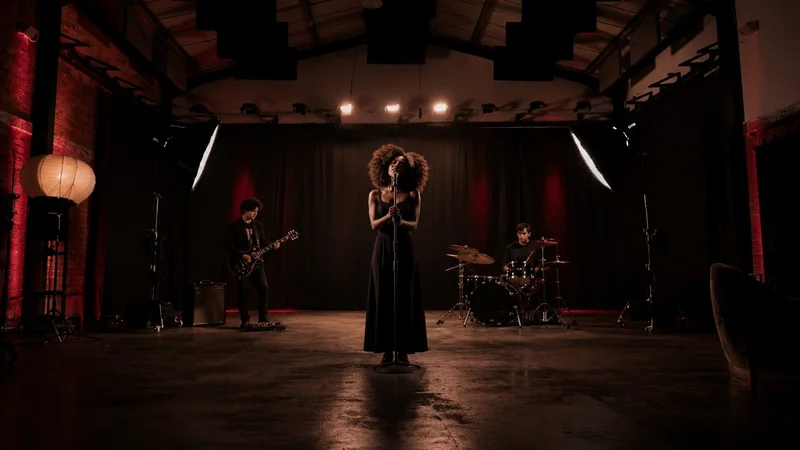
The Live Room: This is the main performance space where musicians play. It's a large, sound-treated room filled with microphones, stands, and cables. The sound of this room is carefully designed to be flattering, often with a mix of reflective and absorbent surfaces.
-
Isolation (Iso) Booths: These are smaller, heavily soundproofed rooms connected to the control room. They are used to separate sounds. For example, a vocalist will sing in an iso booth so the microphone only picks up their voice, or a loud guitar amplifier will be placed in one so it doesn't "bleed" into the drum microphones. You will almost always be separated by windows and communicating through headphones.
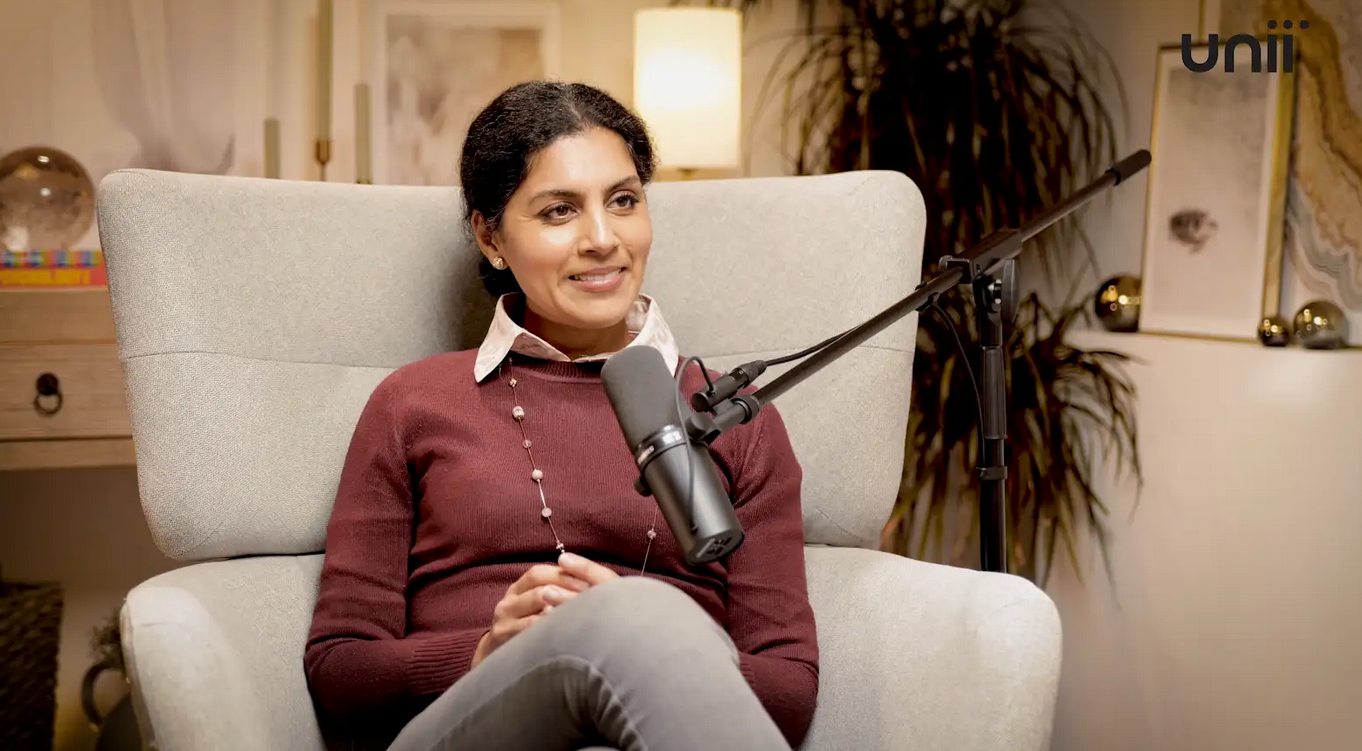
3. The People: Who You'll Be Working With
You won't be alone. A studio runs on a team of skilled professionals.
-
Audio Engineer (or Sound Engineer): This is your main technical partner. Their job is to choose and place microphones, set levels, operate the recording software (DAW), and capture your performance. They are a technical expert focused on getting a clean, high-quality recording.
-
Music Producer: The producer is the creative director of the session. They focus on the "big picture"—the song arrangement, the performance, the "vibe," and guiding the artist to get the best possible result. In many sessions, the band leader or the artist themselves acts as the producer.
-
Assistant Engineer: In larger studios, an assistant helps the main engineer. They might be responsible for setting up mics, running cables, getting coffee, and managing the session files.
You can learn more about the different roles in a recording studio to understand who does what.
4. The Process: The Typical Studio Workflow
When you arrive, you won't just hit "record" and play. There is a structured process.
-
Load-In & Setup: You'll bring your gear into the live room. The engineer and assistant will then begin placing microphones, running cables, and getting sounds. This can take longer than you think—be patient.
-
Tracking (Recording): This is the main recording phase. Most of the time, you will not record all at once. The standard process is:
Rhythm Section First: The drums and bass are often recorded first to build a solid foundation.
Overdubbing: Guitars, keyboards, and other instruments are layered on top of the rhythm tracks.
-
Vocals: Vocals are usually recorded last, once the main instrumentation is in place.
-
Comping: You will likely record multiple "takes" (versions) of your part. The engineer will then "comp" (composite) them, taking the best line from take 1, the best chorus from take 3, and a single word from take 2 to create one perfect, seamless performance.
-
Mixing: This is where the magic happens, and it's usually done after you (the musician) have gone home. The engineer will take all the individual tracks (e.g., kick drum, snare, vocals, 10 different guitar parts) and blend them. This involves adjusting levels, using EQ (equalization) and compression, and adding effects like reverb and delay to create the final stereo song.
-
Mastering: This is the final step, often done by a specialized "mastering engineer." They take the final mix and apply a final polish, making it loud, clear, and consistent-sounding across all playback systems (from earbuds to car stereos).
5. Final Studio Etiquette
Trust the Engineer: They know their room and their gear. If they make a suggestion, listen.
No "Guest List": Do not bring friends, significant others, or family. They are a distraction and will make you (and the engineer) nervous. Only people essential to the recording should be there.
Leave Food and Drink Outside: Keep all food and drinks far away from the expensive equipment, especially in the control room.
-
Ask About Files: At the end of the session, make a plan to get your files. Bring your own high-speed external hard drive. Do not expect the studio to store your project forever.
A studio session is a collaboration between your creativity and the engineer's technical skill. Being prepared, professional, and open to the process will ensure you walk away with a recording you can be proud of.
Stepping into a professional recording studio for the first time can feel like the "first day of school"—a mix of excitement and nervous anticipation. You know the quality will be better, but the technical environment, the engineer, and the process can be intimidating.
The truth is, the entire professional studio experience is designed to do the opposite: to remove all your technical stress so you can be the best creator possible.
So, what actually happens from the moment you walk in? Here’s a detailed, step-by-step walkthrough of the full process you can expect at a full-service studio like Finchley Studio.
Phase 1: Arrival & Setup (The First 15 Minutes)
You should always aim to arrive 10-15 minutes before your booked session time. This isn't wasted time; it's essential for a smooth start.
Meet Your Engineer: You'll be greeted by your audio engineer or studio manager. This person is your creative partner for the session. Their job is to handle 100% of the technology.
Tour & Settle In: They will show you to your set (which is already pre-lit and configured for you), show you the green room or waiting area, and point out the all-important restrooms. This is the time to grab a glass of water and get your notes out.
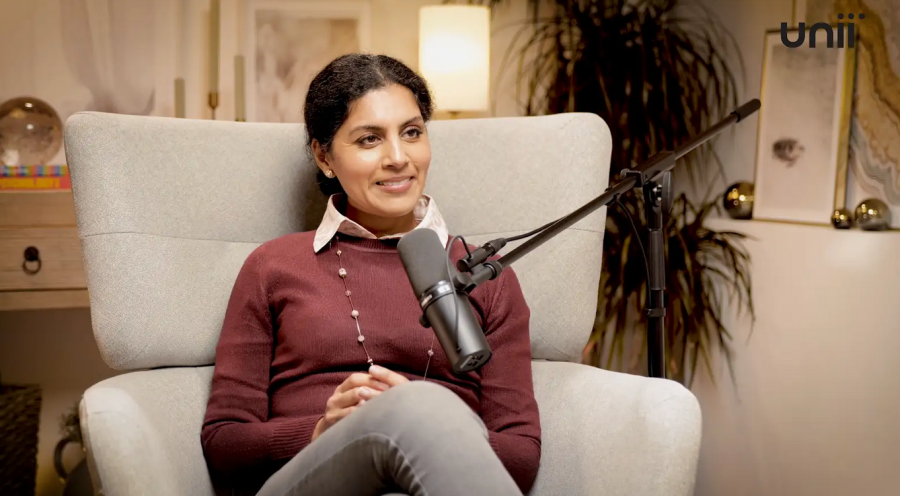
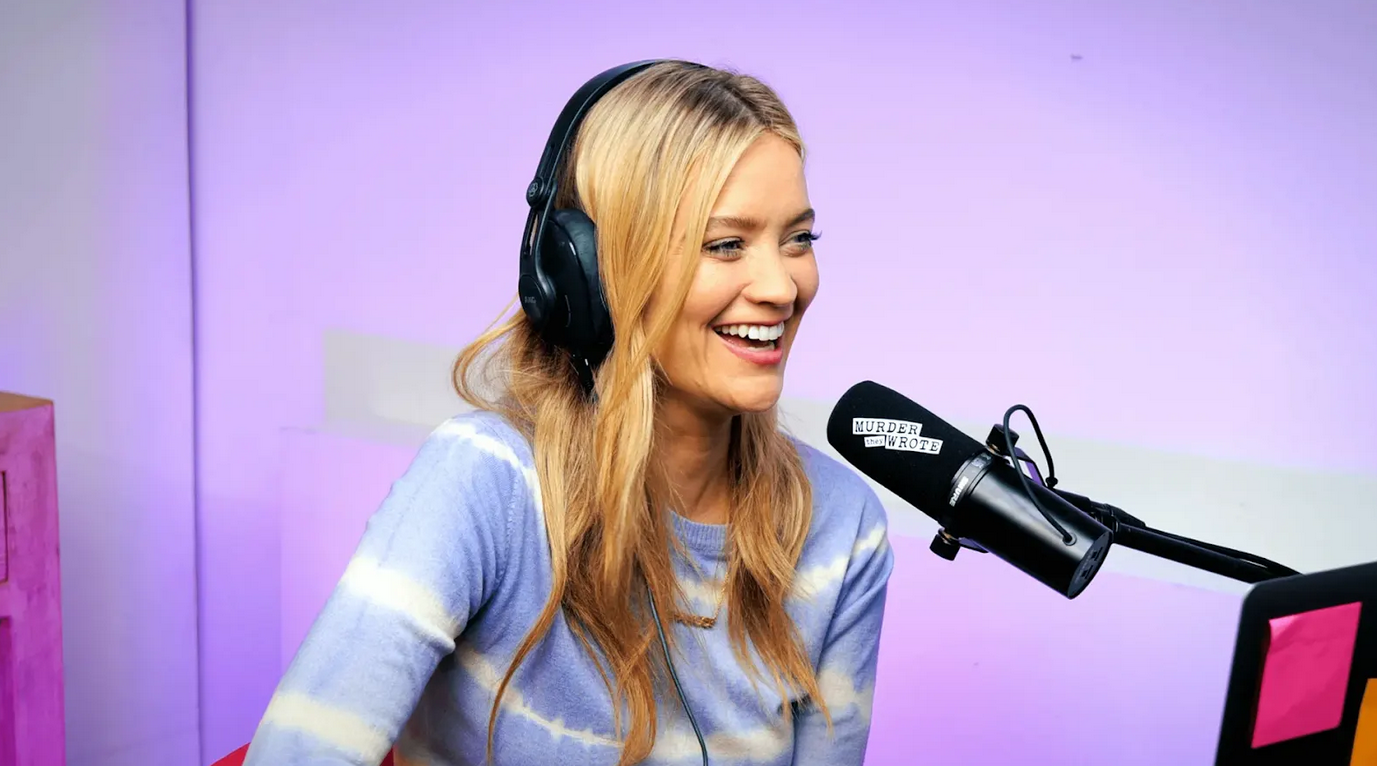
The Mic Check: This is the most critical part of the setup. Your engineer will get you and your guests seated and ask each of you to talk into your microphone. They aren't listening to what you're saying, but how you're saying it. They are "getting levels"—adjusting the gain on each mic to ensure your voice is loud and clear, but not "peaking" (distorting).
The Video Check: If you're filming, the engineer will check the camera angles, make sure the lighting looks good on everyone, and confirm you're happy with the framing. A professional studio like Finchley Studio will have this 95% complete before you even walk in.
Phase 2: The Recording (The Main Event)
Once levels are set and you're comfortable, the engineer will hit record.
Silence Everything: This is your last check. Phones, Apple Watches, and any smart devices must be on Do Not Disturb or, even better, powered off. Those vibrations and "dings" can be picked up by sensitive studio mics and ruin a perfect take.
The Engineer Says "Recording": The engineer will give you a verbal cue (e.g., "We are rolling") and often a visual cue. From this moment, you are live.
Your Only Job: Create: This is what you're paying for. You do not need to look at any equipment. You don't need to worry if the files are recording. Your one and only job is to be present, have a great conversation, and deliver your content.
The Engineer's Job: While you talk, the engineer is actively monitoring the audio levels, checking camera focus, and ensuring there are no technical glitches. If someone gets excited and suddenly speaks much louder, the engineer will subtly adjust their level. This is the peace of mind that a studio like Finchley Studio provides, which is why clients trust the process.
Phase 3: The Wrap-Up (The Last 10 Minutes)
When you've finished your episode, you'll signal to the engineer that you're done.
Confirming the Wrap: The engineer will ask, "Are you happy with that?" or "Do you need any retakes?" before they officially stop the recording.
File Management: This is where the magic happens. The engineer stops the recording and begins the process of "ingesting" the files. They will take the multiple audio tracks and video feeds from the cameras and save them into a secure folder.
How You Get Your Files: At Finchley Studio, as with most modern studios, you typically won't walk out with a hard drive. Within a few hours (or at most 24), you will be sent a secure download link (like WeTransfer or Dropbox) containing all your raw files, perfectly synced and ready for editing.
Phase 4: After the Session (Post-Production)
Once you receive your files, you have two options. You can take those pristine, high-quality raw files and edit them yourself. Or, you can take the "one-stop-shop" approach.
Many studios now offer post-production services. This means you can have the same team that recorded your content also edit it, add your intros/outros, create social media clips, and deliver a final, polished product. It’s the ultimate time-saver for busy creators.
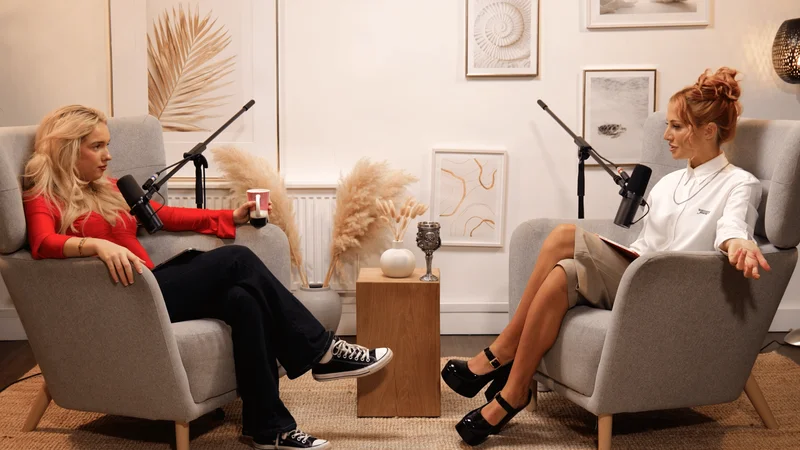
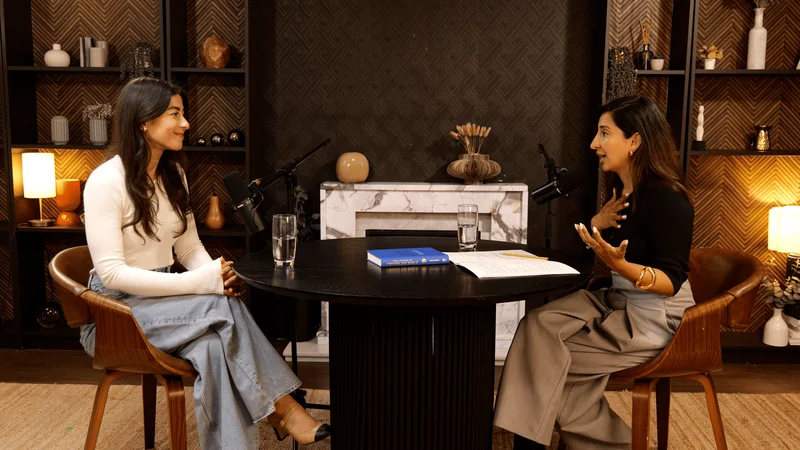
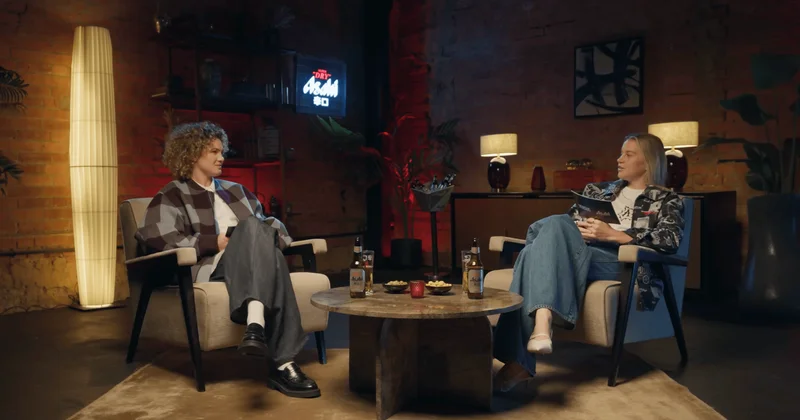
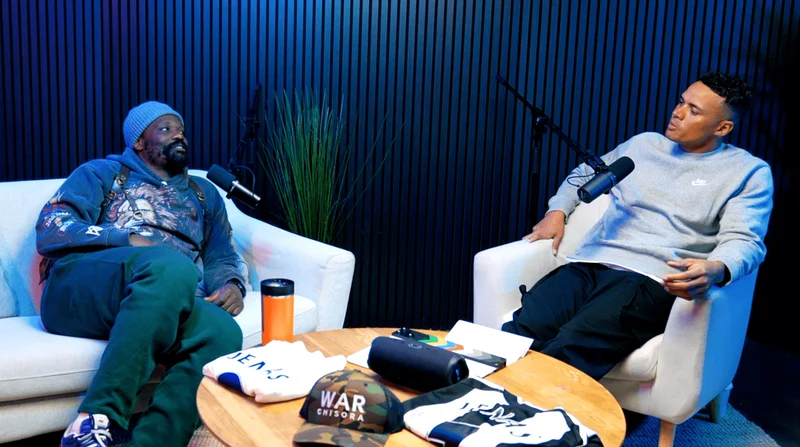
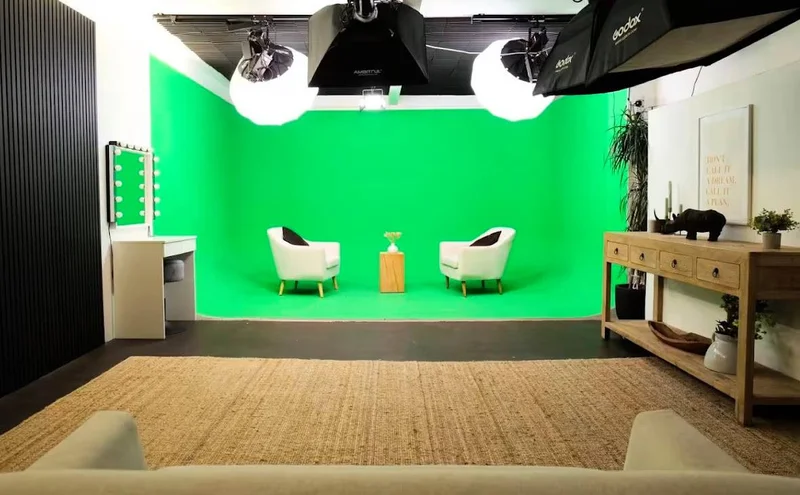
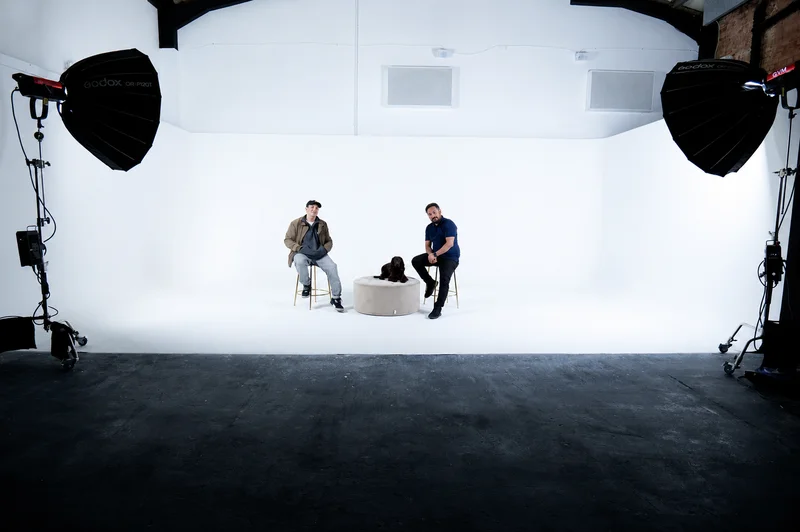
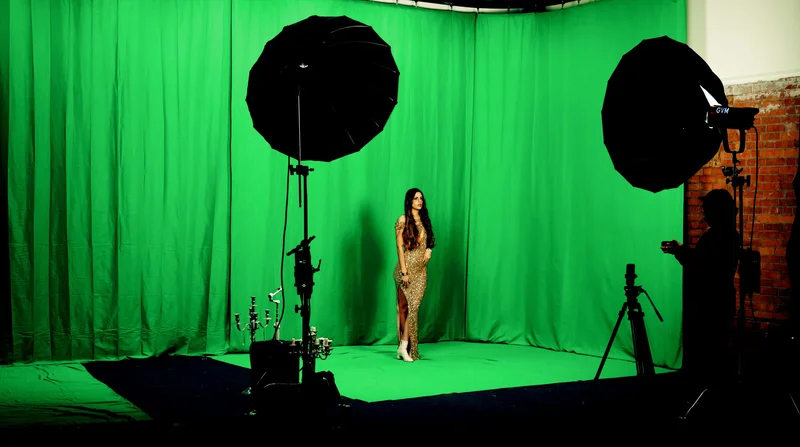
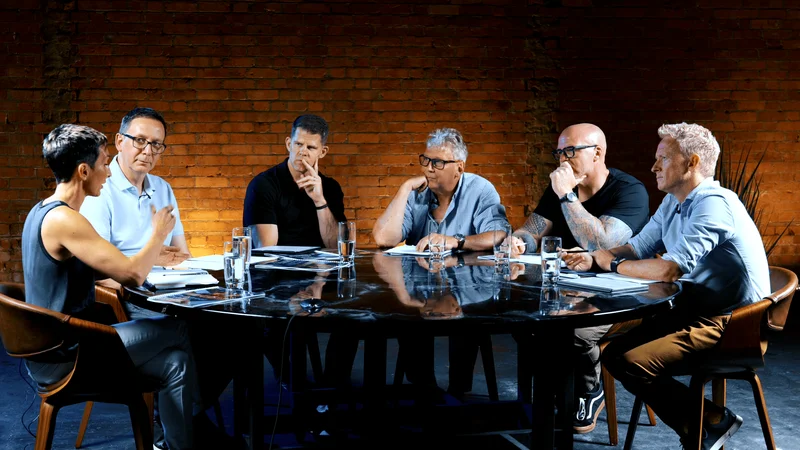
The professional studio process is designed to make you, the creator, the star. It's a collaborative experience that removes technical barriers, which is why we offer a wide range of sets to bring any vision to life. We encourage you to see our different sets: the intimate Dialogue Room, the relaxed LOUNGE STUDIO, the executive CEO SET, the versatile Green Screen Cove, the sleek Blackwood Studio, the industrial-chic THE BRICK STUDIO, the flawless White Infinity Cove, the creative BLACKOUT SET, the spacious GATHERING STUDIO for roundtables, and one of London's largest GIANT GREEN SCREEN warehouse studios.
And your production doesn’t have to end when you leave. You can order our seamless Video Editing Service to turn your raw footage into polished, audience-ready content. We are trusted by industry leaders and creators, with clients like the BBC and Lloyds bank recording with us regularly. But don't just take our word for it; see what our community says on Google review and Trust Pilot.
Our studio is incredibly easy to access, located just two minutes from Finchley Central on the Northern Line and adjacent to the Travelodge London Finchley. We also offer one free parking space per booking. Find us instantly on Google map, Apple maps, [suspicious link removed], or with our unique What 3 words address.
Stay inspired and see what's being created in our spaces by following us on Instagram, YouTube, TikTok, LinkedIn, and X (Twitter).
Have more questions? Our FAQ page has answers, or you can contact our team directly via WhatsApp, phone at +447587827200, or Email.
Ready to experience a stress-free recording session? Book now and let us handle the technology while you handle the conversation.