Executive Summary
This report provides a comprehensive, data-driven analysis of the comparative popularity of visual podcasts and television programmes in the contemporary media landscape. While television, in its broadcast and streaming forms, maintains a formidable lead in legacy metrics such as overall market size and reach among older demographics, this analysis concludes that visual podcasts are unequivocally the more popular and culturally resonant format for the younger, highly coveted audiences that will define the future of media. The very definition of "popularity" is fragmenting; it is no longer a monolithic concept measured solely by raw viewership.
Visual podcasts demonstrate superior growth trajectories, deeper audience engagement, and greater advertising effectiveness. This indicates a fundamental power shift from an institutionally-driven content model, characteristic of television, to a more agile and authentic creator-led media ecosystem. Television creates temporary cultural moments, but visual podcasts foster sustained cultural conversations and build powerful, niche communities. For marketers, creators, and investors, understanding this distinction is critical. The data suggests that strategic focus and resource allocation must pivot towards the platforms and formats that are not just large today, but are also growing, influential, and capturing the attention of the next generation of consumers. This report synthesizes audience data, economic indicators, and cultural analysis to argue that while television's reign is not over, its dominance is eroding, and the future of popular audiovisual media is being actively shaped by the rise of the visual podcast.
Image Credit: Finchley Studio
Section 1: The Evolving Formats - Defining the Contenders in the Modern Media Arena
To accurately compare the popularity of television programmes and visual podcasts, it is essential to first establish a clear understanding of each format's fundamental characteristics, production models, and distribution ecosystems. The media landscape is in a state of flux, where traditional definitions are blurring, and the structural differences between these two contenders reveal much about their respective strengths, weaknesses, and future potential. This section deconstructs each format, setting the stage for a direct, evidence-based comparison.
1.1 The Television Programme: From Broadcast Hegemony to Streaming Fragmentation
A television programme is professionally produced audiovisual content, encompassing a wide array of genres from fictional dramas and comedies to non-fictional documentaries and reality shows.1 Historically, this content was created for scheduled broadcast via over-the-air, cable, or satellite networks, a model that defined media consumption for decades.1 Today, while linear broadcasting persists, distribution is dominated by on-demand streaming platforms, often referred to as Subscription Video-on-Demand (SVoD) services like Netflix, Disney+, and Amazon Prime Video.1 Despite the shift in delivery, the core tenets of a television programme remain: high production values, a structured episodic format within seasons, and a creation process driven by established media institutions.1

Image Credit: Finchley Studio
The production model for television is a capital-intensive, top-down process. It originates with an individual or production company developing a concept and "pitching" it to a network or studio.1 If approved, the project moves through a highly structured and collaborative process involving large, specialized teams: writers' rooms, directors, extensive camera and lighting crews, set designers, and post-production houses.1 This institutional framework acts as a powerful gatekeeper, curating the content that reaches the public and requiring budgets that can run into the hundreds of millions of dollars for a single season of a high-end series.5
The distribution landscape has undergone a seismic shift from the scarcity of linear schedules to the abundance of on-demand streaming libraries. This transition has fragmented the audience, intensifying competition and providing viewers with unprecedented choice.2 However, this has also led to new challenges. In mature markets like the United Kingdom, SVoD household penetration has plateaued, hovering at 68% since 2021, suggesting market saturation and consumer fatigue with managing multiple subscriptions.8 While the method of consumption has been revolutionized, the fundamental production model—large-scale, institutionally-backed, and expensive—remains largely intact.
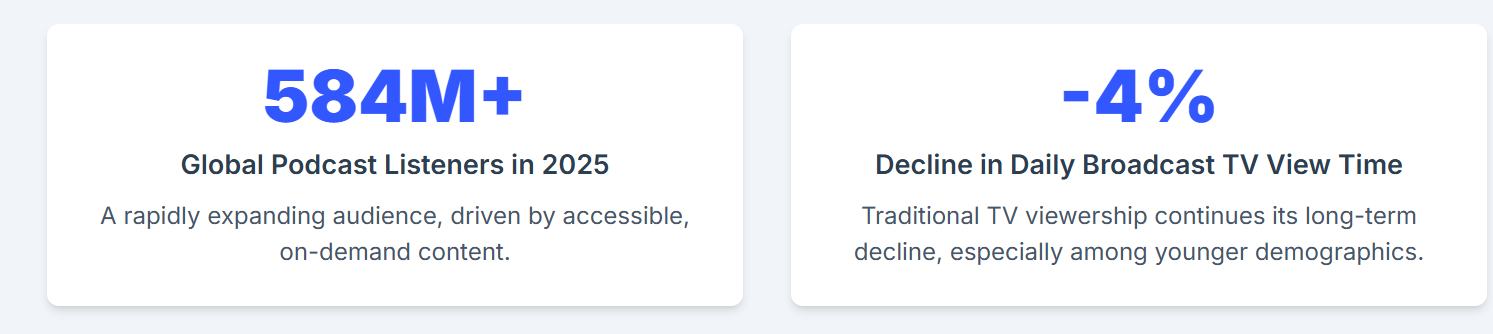
Image Credit: Finchley Studio
1.2 The Visual Podcast: A Hybrid Challenger Redefining Content Creation
The visual podcast, also known as a "vodcast" or "videocast," represents a significant evolution of the audio-first podcasting medium.10 At its core, it is an episodic series that merges the traditional audio format with a visual component.12 This visual element exists on a spectrum of complexity. At its simplest, it may be a static image of the podcast's cover art or a simple motion graphic.10 More commonly, it involves a video recording of the hosts and guests, often captured with multiple cameras in a studio or via remote webcams.14 A crucial characteristic of the format is that the audio often remains the primary focus, designed to be coherent and engaging even without the visuals. This hybrid nature allows for two distinct modes of consumption: active viewing, where the audience is fully engaged with the screen, and passive listening, where the audio is consumed while multitasking, akin to a traditional podcast.13
In stark contrast to television, the production model for visual podcasts is defined by its accessibility and a creator-centric, bottom-up approach. While top-tier productions like The Joe Rogan Experience or Call Her Daddy utilize professional-grade studios and equipment, a vast number of successful visual podcasts are produced with relatively affordable, prosumer-level gear: high-quality webcams or DSLR cameras, USB or XLR microphones, basic lighting setups, and intuitive video editing software.11 This dramatically lowers the barrier to entry, democratizing content creation and enabling individuals or small teams to build significant media brands with a fraction of the capital required for a television show.5 The production process is typically lean, agile, and managed directly by the creators themselves, giving them complete creative control.
The distribution of visual podcasts is dominated by open, algorithm-driven platforms, most notably YouTube, which functions as a de facto search engine for video content.12 This allows creators to tap into a massive, pre-existing global user base for discovery and audience growth. Major audio platforms, particularly Spotify, have also invested heavily in building out their video podcasting capabilities, recognizing the format's growing importance and integrating it directly into their apps.13 This distribution model bypasses the traditional media gatekeepers of television, allowing content to find its audience directly and organically.
The structural differences between these two formats are not merely technical; they represent two fundamentally different philosophies of media creation. Television operates on an institution-down model, where immense capital and infrastructure requirements centralize power with a handful of studios and networks. These entities act as risk-averse gatekeepers, greenlighting projects they believe will have the broadest possible appeal to justify the significant financial investment.1 This naturally leads to a more homogenized content landscape, focused on proven genres and established formulas.
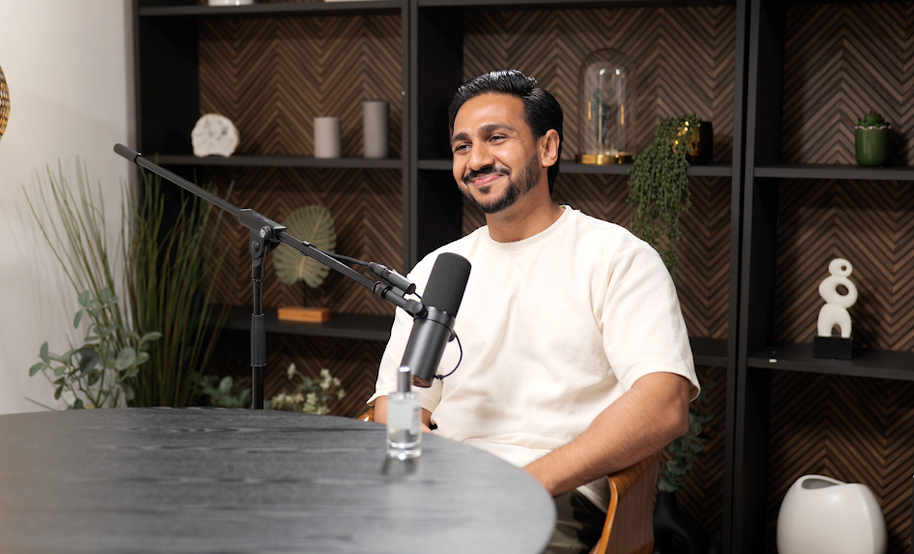
Image Credit: Finchley Studio
Visual podcasting, conversely, thrives on a creator-up model. The low barrier to entry empowers a diverse array of individual voices to build media brands from the ground up, often with minimal overhead.5 This decentralization fosters an explosion of content diversity. Creators are not beholden to advertisers or studio executives in the same way; they are primarily accountable to their audience. This allows them to explore niche topics, engage in long-form, unscripted conversations, and cultivate a level of authenticity that is difficult to replicate in the highly polished and scripted world of television.16 This agility is a profound competitive advantage. A television series can take years to move from concept to screen, whereas a podcaster can record and upload an episode reacting to a major cultural event within hours, creating a sense of immediacy and relevance that keeps their audience deeply engaged.
Section 2: The Audience Landscape - A Tale of Two Trajectories
A core component of popularity is the size and nature of the audience. A quantitative analysis of viewership data reveals two media formats on starkly divergent paths. While television continues to command a massive global audience, its trajectory is one of gradual decline, particularly among the younger demographics that are most valuable to advertisers and most indicative of future trends. In contrast, the audience for visual podcasts is not only growing at an exponential rate but is also disproportionately composed of these younger, digitally-native consumers. This section examines the data on reach, consumption, and demographics to illustrate this generational changing of the guard.
2.1 Reach and Consumption Patterns: Who Commands More Attention?
Television's reach, while still vast, is showing clear signs of erosion. In the United Kingdom, a mature media market, the average weekly reach of traditional broadcast TV fell to 73.8% in 2024. The average individual spent 2 hours and 24 minutes per day watching broadcast content, a figure that continues a long-term decline.8 This decline is most pronounced among younger viewers.20 While streaming services have successfully captured many of these viewers, their growth is slowing. SVoD penetration in the UK has hit a plateau at 68% of households, a level unchanged since 2021, suggesting that the initial gold rush of subscriber acquisition is over.8 In the United States, a similar trend is visible. According to Nielsen data, streaming now accounts for the largest share of total TV time, surpassing both cable and broadcast television. However, the overall time Americans spend watching television has remained relatively stable, indicating a significant shift in
how they watch, rather than a net increase in total viewing time.22 Audiences are reallocating their existing TV time from linear channels to on-demand platforms.
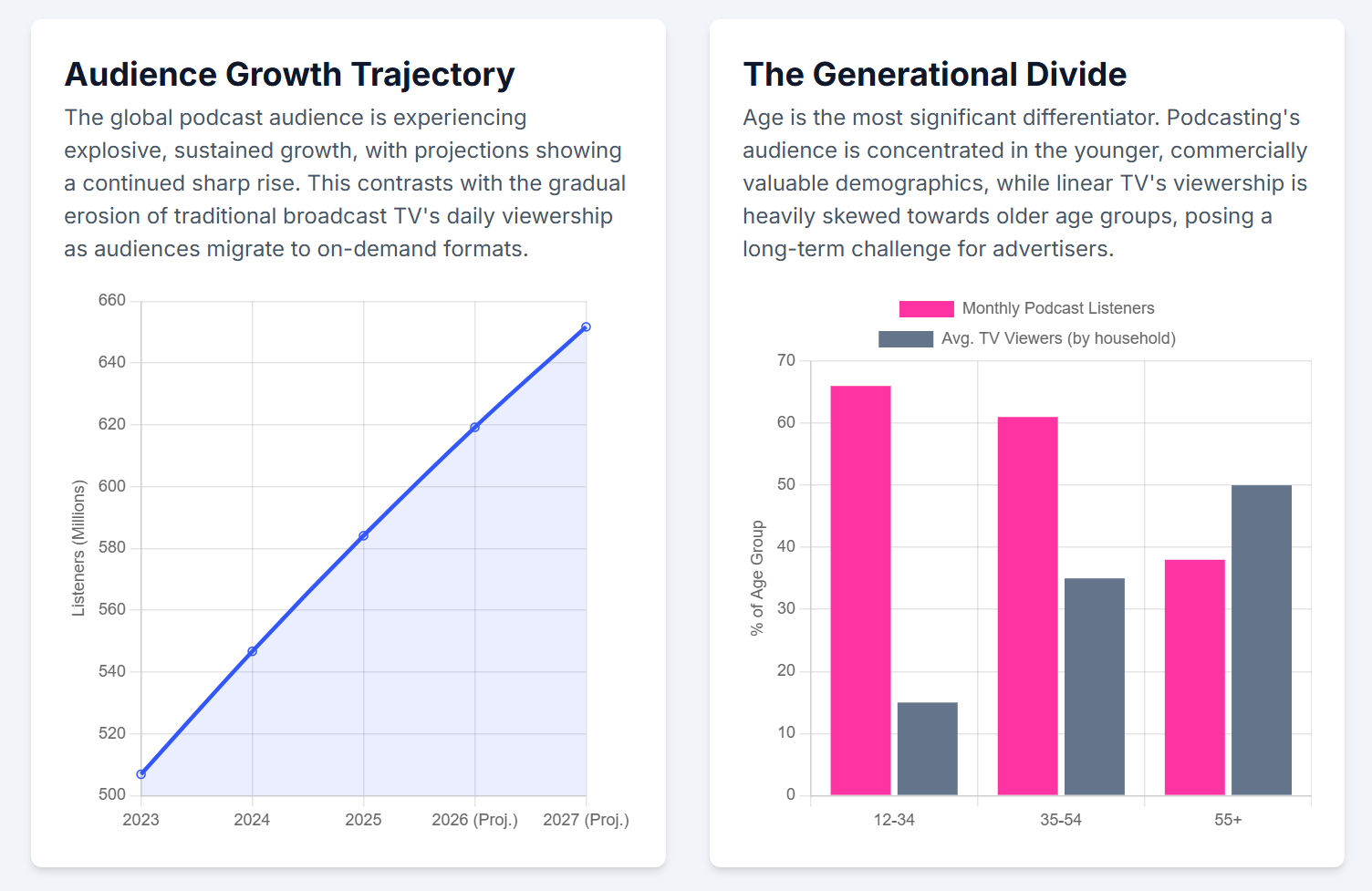
Image Credit: Finchley Studio
The visual podcast audience, meanwhile, is on a steep upward trajectory. The global podcast audience reached an estimated 584.1 million listeners in 2026, with forecasts projecting this number to swell to 651.7 million by 2027.24 This growth is not just in audio consumption; it is increasingly a visual experience. A pivotal 2025 study in the US found that 41% of weekly podcast consumers prefer to actively watch a video podcast, with an additional 29% keeping the video playing in the background.24 This means a remarkable 70% of the weekly podcast audience engages with the video component. The dominance of YouTube as a podcast consumption platform further underscores this trend. In the US, 39% of weekly podcast consumers name YouTube as their most-used platform, significantly outpacing dedicated audio services like Spotify (21%) and Apple Podcasts (8%).24 This data confirms that for a large and growing segment of the audience, podcasting is a visual medium.
2.2 The Great Demographic Divide: Generational Shifts in Media Allegiance
The most telling divergence between the two formats lies in their demographic composition. Television viewership is now heavily and increasingly skewed towards older audiences. In the UK, an overwhelming 94% of individuals aged 65 and over watch broadcast TV each week. For the 16-24 age bracket, that figure plummets to just 45%.8 The disparity in consumption time is even more dramatic: the average UK viewer aged 16-24 watches a mere 17 minutes of live, traditional television per day.27 Data from the US paints a similar picture, with the median age for viewers of major broadcast news networks like CBS, NBC, and ABC falling in the high 50s.29 This audience is loyal and watches habitually, but it represents a declining share of the population and purchasing power.
Podcasting, and particularly its visual form, is the native medium of younger generations. In the United States, 66% of all consumers aged 12-34 are monthly podcast listeners. This figure drops to 61% for the 35-54 age group and falls to just 38% for those over 55.24 The preference for the video format is even more starkly correlated with age. A YouGov study in the UK found that among consumers who engage with both audio and video podcasts, 47% of 18-24 year-olds prefer the video version. For the 55-and-over demographic, that preference is shared by only 12%.32 This generational schism has reached a critical tipping point. According to Edison Research's 2025 data, for the highly prized 18-34 demographic in the US, the weekly reach of podcasting has now drawn level with that of television, with both media formats reaching 52% of this audience.34 This is not a forecast of a future shift; it is a present-day reality that fundamentally redefines which medium is more "popular" among the audience that matters most for future growth.
The following tables provide a quantitative summary of the audience landscape, starkly illustrating the diverging paths of television and visual podcasts.
Table 1: Comparative Audience Metrics (2024-2025)
Table 2: Demographic Profile of the Average Viewer/Listener
The data presents an undeniable narrative of divergence. Television is the dominant medium of the past and the present for older, more established audiences who maintain long-standing media habits. Its foundation is broad but aging and slowly eroding. Visual podcasts represent the ascendant medium of the future, built on a foundation of younger, more diverse, and digitally-native consumers. The fact that podcasting's reach now equals television's among the 18-34 demographic is the single most important takeaway from this audience analysis.34 It signifies that the battle for the attention of the next generation of media consumers is not just being fought, but is being won by the more agile, authentic, and accessible format. For any organization—be it a brand, advertiser, or content studio—whose strategy depends on long-term growth and relevance, this demographic shift cannot be ignored. Continuing to allocate resources based on undifferentiated, total-population reach metrics is a strategy that overvalues a declining audience at the direct expense of the growing one that holds the key to future success.
Section 3: The Economic Engine - Market Size, Monetization, and Advertising Efficacy
Beyond audience numbers, the economic vitality of a media format is a crucial measure of its popularity and influence. An analysis of market valuation, revenue models, and advertising effectiveness reveals a story of scale versus momentum. The television industry remains a financial behemoth, with a market size that dwarfs that of podcasting. However, it is a mature market characterized by slow growth and a challenged advertising model. Podcasting, while smaller in absolute terms, is experiencing explosive economic growth, driven by a highly effective and trusted advertising ecosystem that is increasingly attracting a larger share of marketing budgets.
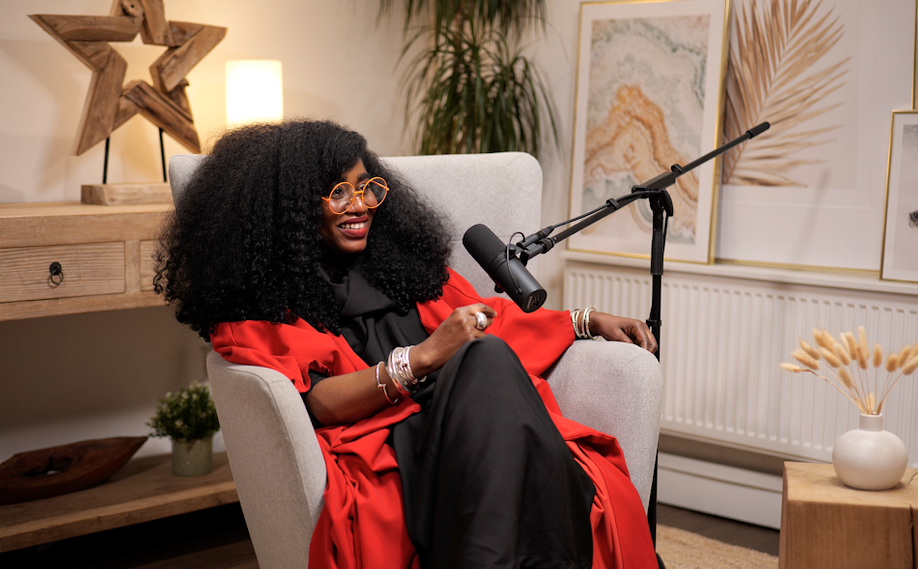
Image Credit: Finchley Studio
3.1 Market Valuation and Revenue Streams: A Comparative Analysis
The television industry's economic scale is immense. The global television advertising market alone was valued at approximately $245.60 billion in 2024.38 However, its growth is projected to be modest, with a compound annual growth rate (CAGR) of just 4.15% forecast through 2034.38 This market is facing significant structural headwinds. Revenue from traditional linear TV advertising is in a state of decline as audiences migrate to streaming platforms.40 Concurrently, the growth in revenue from SVoD services is decelerating in mature markets as subscriber growth slows and competition intensifies.8 The industry's primary revenue streams—advertising and subscriptions—are both under pressure, indicating a market that is defending its territory rather than expanding it.
In contrast, the podcasting market is a story of dynamic, exponential growth. While estimates of its current size vary, reports place the global podcasting market in 2024 between $27 billion and $36.28 billion.41 The critical differentiator is its growth rate. Projections for the market's CAGR range from a conservative 15% to a remarkable 31.6% over the coming years.41 This rapid expansion is fueled by a burgeoning advertising ecosystem. Global podcast ad spending is forecast to reach $4.46 billion in 2025, an increase of nearly 11% year-over-year.24 This economic trajectory—characterized by high double-digit growth—signals a vibrant and expanding market that is rapidly gaining financial clout and attracting significant investment.
3.2 The Advertising Battleground: Where is the Smart Money Going?
The advertising models of television and podcasting are fundamentally different, which directly impacts their effectiveness and appeal to marketers. The traditional television model is built on interruptive advertising "spots" and program sponsorships. While the rise of Connected TV (CTV) and Over-the-Top (OTT) services has introduced more sophisticated data-driven targeting capabilities, the core format of the ad remains largely the same.38 These ads are often perceived by viewers as intrusive, leading to behaviors like ad-skipping or tuning out, which diminishes their impact.47
The podcast advertising model, on the other hand, is built on a foundation of trust and authenticity. The dominant format is the "host-read" ad, which accounts for over 62% of all podcast ad revenue.48 In this format, the podcast host delivers the ad message in their own voice, often integrating it seamlessly into the flow of the conversation and sharing personal experiences with the product or service.24 This transforms the advertisement from a disruptive interruption into a trusted recommendation from a familiar voice. This approach leverages the powerful parasocial relationship that listeners develop with hosts, a dynamic that is far less common with television actors or presenters.17 While dynamically inserted, pre-recorded ads are also a growing segment, allowing for greater scale and targeting, the host-read ad remains the format's signature and most effective tool.53
Image Credit: Finchley Studio
This structural difference in advertising delivery translates into a measurable difference in effectiveness and return on investment. Multiple independent studies confirm the superior performance of podcast advertising. A study by Sounds Profitable found that consumers were significantly more likely to buy a product they heard advertised on a podcast (43%) compared to one advertised on television (33%).52 Research from Dentsu demonstrated that podcast ads command higher levels of audience attention than ads on television, social media, or other digital platforms.54 Listeners consistently report that podcast ads are more relevant and less intrusive than those on other media.47 The addition of a visual component in vodcasts further amplifies this advantage, providing opportunities for visual branding through on-screen logos, background banners, and product demonstrations, which enhances brand recall and reinforces the host's message.12
The following tables summarize the key economic and advertising metrics, highlighting the contrast between television's established scale and podcasting's dynamic growth and superior efficiency.
Table 3: Market & Advertising Revenue Snapshot (2024-2025)
Table 4: Advertising Effectiveness and Audience Trust Comparison
The economic narrative is one of a mature giant being outmaneuvered by a nimble and rapidly growing challenger. Television's business model is based on selling massive volume—reaching millions of eyeballs, many of whom are disengaged. Podcasting's model is based on selling high value—reaching a smaller but deeply engaged and trusting audience. The market's behavior, reflected in the flow of advertising dollars and the explosive growth projections for the podcasting industry, indicates an increasing recognition that this high-value engagement is a more efficient and effective driver of business results.
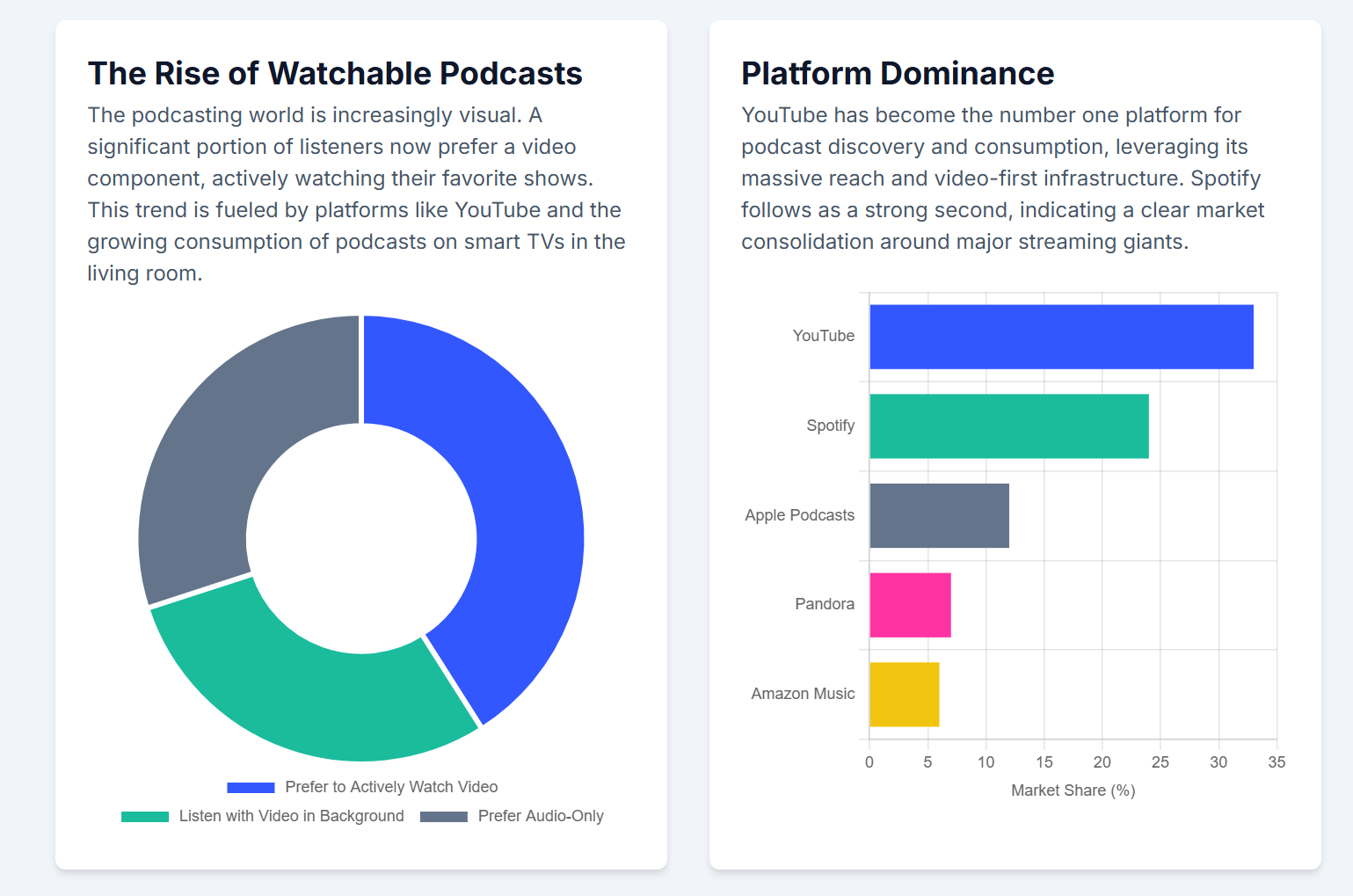
Image Credit: Finchley Studio
The core of this economic advantage lies in the trust that listeners place in podcast hosts.51 This trust is not easily manufactured and is a direct result of the medium's intimate and authentic nature. It translates directly into superior business outcomes: higher attention paid to ads, stronger brand recall, and a greater likelihood of conversion.52 Therefore, while the cost per thousand impressions (CPM) for a premium podcast ad may be higher than for a standard television spot, the resulting return on investment is often superior because the audience is far more receptive to the message.53 As marketing analytics become more sophisticated, this provably higher effectiveness will inevitably continue to siphon advertising budgets away from traditional television and toward the podcasting ecosystem. The visual podcast format, by adding a powerful layer of visual branding and product demonstration, only serves to widen this performance gap.
Section 4: Cultural Currency - Influence, Engagement, and Community
Beyond raw numbers and economic figures, a medium's true popularity can be measured by its "cultural currency"—its ability to shape public discourse, drive conversation, and build dedicated communities. In this arena, a significant shift is underway. Television, once the undisputed epicenter of shared cultural experience, now largely creates isolated, event-driven moments. Visual podcasts, in contrast, are becoming the new digital "water cooler," fostering continuous, in-depth conversations and creating highly engaged communities that give them a disproportionate level of cultural influence.
4.1 The New "Water Cooler": Measuring Cultural Impact and Social Engagement
The cultural impact of television has become increasingly concentrated and ephemeral. In a fragmented media landscape with thousands of content options, the shared, appointment-viewing experience that once defined the medium is now reserved for a handful of massive, live "tentpole" events—such as the Super Bowl, a royal wedding, the Olympics, or the series finale of a globally recognized franchise like Game of Thrones.9 While these moments can capture the attention of tens of millions, they are becoming rarer. Data from the UK shows that the number of television programmes attracting a "mass audience" of over four million viewers has been cut in half over the past eight years.9 The day-to-day cultural conversation is no longer dominated by last night's episode of a popular sitcom or drama.
Podcasts, and particularly visual podcasts, have stepped into this void to become a primary engine of ongoing cultural discourse. Their long-form, conversational nature is perfectly suited for deep dives into complex topics, a function that the time-constrained, soundbite-driven format of most television news and talk shows cannot replicate.16 Flagship shows like
Image Credit: Finchley Studio
The Joe Rogan Experience have evolved into major platforms for political, scientific, and social debate, demonstrating an ability to influence public opinion and even impact presidential elections.58 This influence is recognized by younger audiences; a 2023 Spotify report found that 58% of Gen Z consumers feel that podcasts bring them closer to contemporary culture than any other form of media, a powerful testament to the medium's perceived relevance.60
A key driver of this cultural ascendancy is the format's inherent synergy with social media. Visual podcasts are exceptionally shareable. Short, compelling clips, highlight reels, and quote-based memes extracted from a two-hour video episode can be distributed across platforms like YouTube Shorts, TikTok, and Instagram Reels, serving as a powerful, organic discovery engine.13 This is the primary way younger audiences find new content. Data shows that 69% of Gen Z discover podcasts through social media posts, and 46% find them via recommendations from influencers or celebrities.61 This creates a virtuous cycle: the podcast generates conversation, the conversation is amplified on social media through video clips, and that amplification drives new listeners back to the original long-form content. Most television shows, with their tightly controlled intellectual property and less conversational format, struggle to replicate this dynamic and potent marketing flywheel.
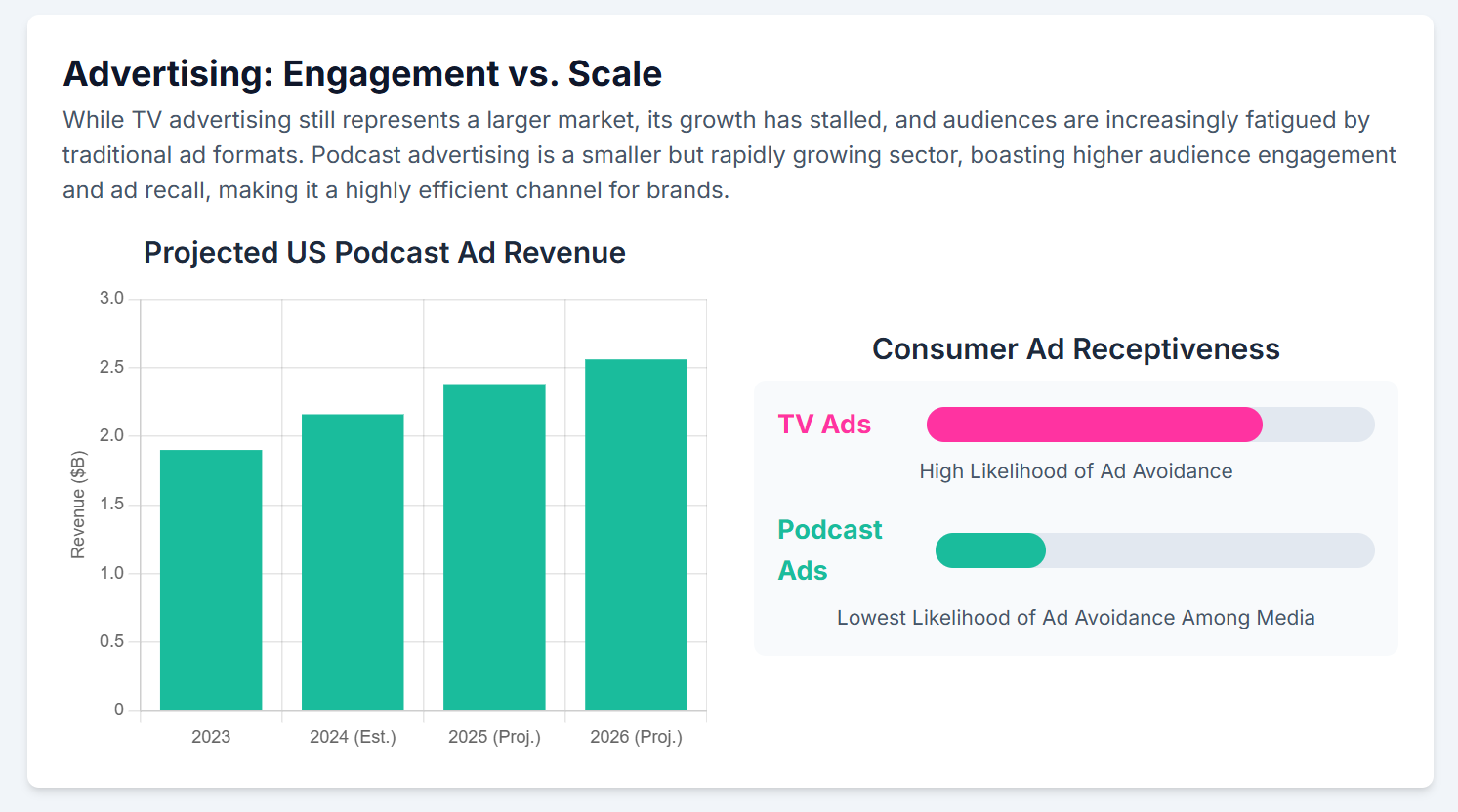
Image Credit: Finchley Studio
4.2 The Engagement Spectrum: From Passive Viewing to Active Fandom
The nature of audience engagement also differs profoundly between the two media. Television is, for the most part, a "lean-back" experience. While dedicated fans may engage in discussions on social media or online forums, the primary act of consumption is passive. The content is delivered, and the viewer receives it.
Podcasting fosters a much more active, "lean-in" form of engagement. The intimate, direct-to-ear (and eye) delivery from the host creates a powerful sense of personal connection, often described as a parasocial relationship.52 This connection is the foundation for building powerful, dedicated communities around shared niche interests, whether it be true crime, fantasy football, or ancient history.16 The interactive nature of the medium, with hosts often soliciting listener feedback, answering questions, and incorporating audience stories into their content, reinforces this sense of belonging. Research from Acast underscores this point, revealing that consumers ranked podcasts as the top media format for providing a "sense of community" (55%), placing it ahead of even social media (52%) and far surpassing television (26%).62 This deep level of engagement translates into a form of active fandom, where audiences are not just consumers but supporters. They are more willing to support creators directly through platform memberships (like Patreon), subscriptions to exclusive content, and the purchase of branded merchandise—monetization strategies that are far less common in the world of traditional television.5
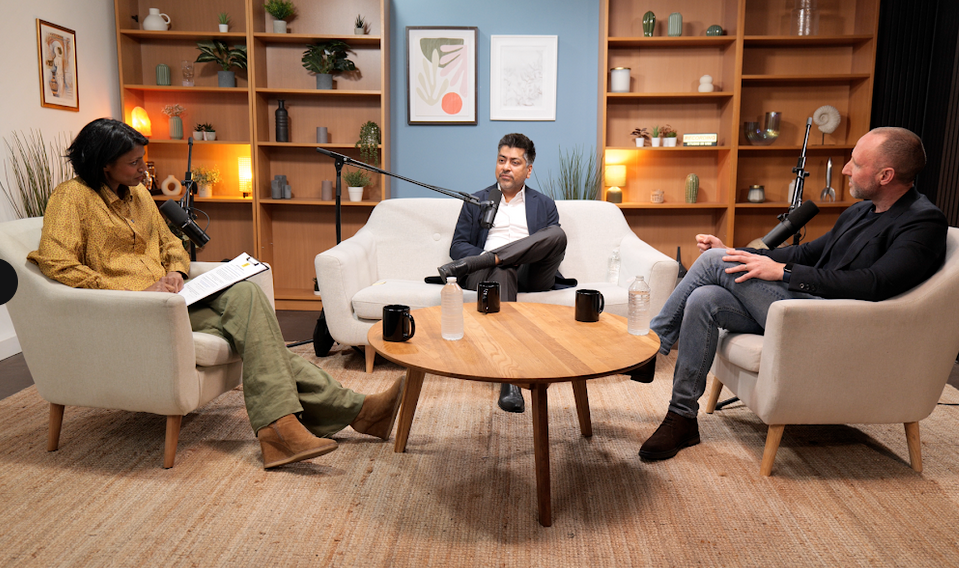
Image Credit: Finchley Studio
The fragmented streaming landscape has diluted television's ability to create the shared cultural experiences that were once its hallmark. The "water cooler" show that dominated office conversations is now an endangered species, replaced by a few global mega-hits that achieve momentary ubiquity before fading.20 Visual podcasts, through their conversational format and the outsized influence of their hosts, have become the new venue for the sustained dissection of ideas, trends, and current events.16 The content produced in these long-form discussions is then atomized into a cascade of short-form video clips that are shared and debated across the entire social media ecosystem, fueling a continuous cycle of engagement.13 This creates a more organic, persistent, and arguably deeper form of cultural relevance than that achieved by a weekly television episode.
Consequently, the very definition of "cultural popularity" is evolving. It is shifting from a measure of simultaneous viewership for a single piece of content to a measure of sustained influence over an ongoing conversation. In this new paradigm, the visual podcast—a format explicitly designed to facilitate discussion, debate, and community—holds a decisive structural advantage. For brands and creators seeking to achieve genuine cultural relevance, the strategic imperative is shifting from simply placing ads around isolated cultural moments to actively integrating into and shaping these continuous cultural conversations.
Section 5: The Verdict - Synthesizing Popularity in 2025 and Beyond
The question of whether visual podcasts or television programmes are "more popular" cannot be answered with a simple binary choice. The modern media environment is too complex and fragmented for such a simplistic verdict. Instead, popularity must be deconstructed and measured across multiple dimensions: raw audience scale, demographic relevance and growth, and cultural influence and engagement. By synthesizing the evidence presented in this report, a nuanced and strategically vital picture emerges. While television retains its crown in legacy metrics, visual podcasts are decisively winning the race for the future of media.
Image Credit: Finchley Studio
5.1 A Multi-Faceted Answer: Which is "More Popular" and For Whom?
By Raw Audience & Revenue: If popularity is defined by the sheer, undifferentiated number of people reached and the absolute size of the market, television programmes remain the more popular format. The global television market, particularly its advertising sector, is an order of magnitude larger than the entire podcasting ecosystem.8 It reaches a higher percentage of the total population, especially those in older age brackets who have maintained lifelong viewing habits.8 For a brand whose sole objective is to maximize impressions across the entire population, particularly those aged 50 and over, television still offers unparalleled scale.
By Growth & Demographic Relevance: If popularity is defined by momentum and relevance to future consumers, visual podcasts are unequivocally the more popular format. They are experiencing exponential, double-digit growth in both audience size and market value, while television's key metrics are either stagnating or in decline.8 More importantly, visual podcasts dominate the demographics that will shape the media and consumer landscape for decades to come: Gen Z and Millennials. For these groups, podcasting's weekly reach is now on par with television's, a clear signal of a historic transfer of attention.24 Popularity, in this context, is a measure of future potential, and by this measure, visual podcasts are far ahead.
By Influence & Engagement: If popularity is defined by the depth of audience connection and the ability to shape culture, visual podcasts are arguably the more popular format. They command higher levels of trust from their audience, which translates into demonstrably greater advertising effectiveness and a higher return on investment.52 They foster powerful, niche communities and have become the new epicenter for cultural conversation and debate, a role television has largely ceded in the fragmented streaming era.16 This "soft power"—the ability to influence thought, build community, and drive action—is a potent form of popularity that raw viewership numbers fail to capture.
5.2 Strategic Outlook and Recommendations
The diverging trajectories of these two media formats demand a strategic re-evaluation from all industry stakeholders. The conclusion is not that television is obsolete, but rather that the media ecosystem is no longer a monarchy ruled by a single format. It is a complex, multi-polar world where different formats serve different audiences and different strategic goals. The following recommendations are offered for key industry players:
For Content Creators and Media Companies: The future is hybrid. The most resilient and successful media brands will be those that can operate effectively across both ecosystems. Traditional television producers should look beyond their primary content and adopt podcast-style companion programming. Post-show discussions, behind-the-scenes content, and interview series can build the kind of community and sustained engagement that visual podcasts excel at, deepening the connection with their existing fanbase.63 Conversely, successful podcasters must continue to professionalize and invest in the quality of their video production. High-quality visuals are no longer an optional add-on; they are essential for maximizing discoverability on platforms like YouTube and for unlocking more sophisticated branding and monetization opportunities.12
For Marketers & Advertisers: A demographic-first media planning strategy is now essential. Relying on broad, total-population reach metrics is an outdated approach that leads to inefficient capital allocation. Marketing budgets must be rebalanced to reflect where future consumers are concentrating their attention. This means a strategic and significant shift of funds away from linear television and towards the visual podcasting ecosystem. Investing in host-read sponsorships and integrated brand partnerships within podcasts offers a path to building authentic connections with younger, ad-skeptical audiences who are increasingly unreachable through traditional channels. The compelling data on trust, engagement, and ROI provides a clear business case for making visual podcasts a core pillar, not a peripheral experiment, of a modern marketing strategy.52
For Media Investors: The primary growth narrative in media is no longer in legacy institutions but in the burgeoning creator economy and the platforms that empower it. The high-growth CAGR of the global podcasting market presents a clear and compelling investment thesis.41 The long-term value will be captured not by the owners of a few blockbuster television shows, but by the platforms, production houses, and technology companies that enable thousands of niche creators to build sustainable businesses. The structural decline of linear television and the maturation of the SVoD market signal industries with limited upside potential when compared to the dynamic and rapidly expanding visual podcast space.8 The smart money will follow the growth, and the growth is unequivocally with the creators.
The reality is that while traditional TV programmes still command larger single-event audiences, visual podcasts are more popular in terms of accessibility, niche engagement, and influence with younger demographics.
It’s less a competition and more a story of two different types of media consumption. Here’s a breakdown of how they compare.

Image Credit: Finchley Studio
## 1. Mass Audience vs. Niche Community
TV Programmes: For huge, shared cultural moments—the final of the World Cup, the series finale of a show like Line of Duty, or a major national event—traditional broadcast television is still the undisputed king. It has the power to bring tens of millions of people together to watch the same thing at the same time.
Visual Podcasts: Popularity here is built differently. While the biggest podcasts can attract millions of views per episode over time, their true strength is in the "long tail." They serve highly specific, passionate niches—from vintage watch enthusiasts to ancient history buffs. They foster deep, dedicated communities around a specific host or topic, creating a level of engagement that broad-based TV can rarely match.
Verdict: TV wins for mass, simultaneous audience; visual podcasts win for deep, niche community.
## 2. Accessibility and On-Demand Culture
TV Programmes: While catch-up services like BBC iPlayer and streaming platforms like Netflix have made TV far more on-demand, content is often still locked behind specific apps or paywalls.
Visual Podcasts: This is where they dominate. The vast majority of visual podcasts live on YouTube, a free, global, and universally accessible platform. Anyone can watch any episode, at any time, on any device. This frictionless, on-demand nature is perfectly suited to modern viewing habits.
Verdict: Visual podcasts win for accessibility and on-demand convenience.
## 3. Authenticity and Influence
TV Programmes: Television is often perceived as highly polished, scripted, and filtered through network executives.
Visual Podcasts: Even when professionally produced in a high-end facility like Finchley Studio, the format is built on the foundation of authentic, direct-to-camera conversation. This creator-led model feels more relatable and trustworthy, especially to Millennial and Gen Z audiences who have grown up with YouTube creators as their primary celebrities.
Verdict: Visual podcasts often win for perceived authenticity and influence with younger audiences.
## The Verdict for 2025
So, which is more popular? It’s best to think of them as serving different needs:
TV is for broad, lean-back entertainment.
Visual podcasts are for deep, lean-in engagement.
The undeniable trend is that while TV maintains its cultural significance, the most significant growth in media consumption is in the creator-led world of visual podcasts. They aren't just popular; they represent the future of specialized, community-driven media.
Create Your Popular Visual Podcast at Finchley Studio
Ready to join the future of media? At Finchley Studio, we provide the professional environment and technical excellence to help you create a visual podcast that can compete on a global stage. Our commitment to quality is why creators and organisations like the BBC and Lloyds Bank trust us with their productions. See what our clients are saying in our Google reviews and on Trustpilot.
We offer a diverse range of meticulously designed studios perfect for building your authentic connection with your audience:
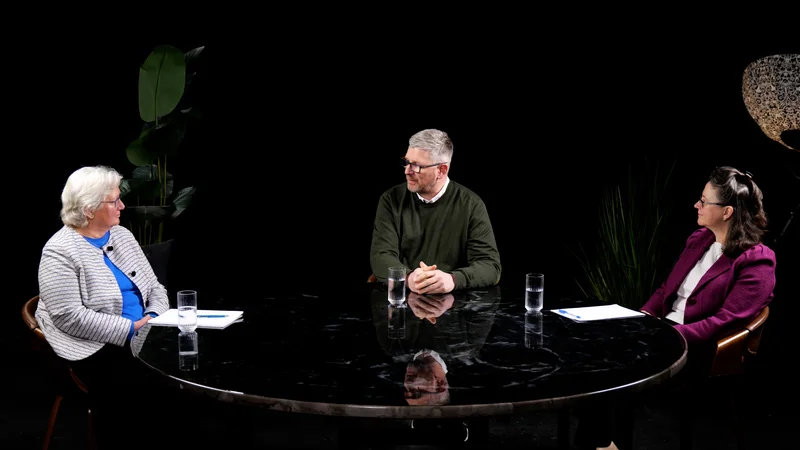
Dialogue Room
Lounge Studio
CEO Set
Blackwood Studio
The Brick Studio
Gathering Studio
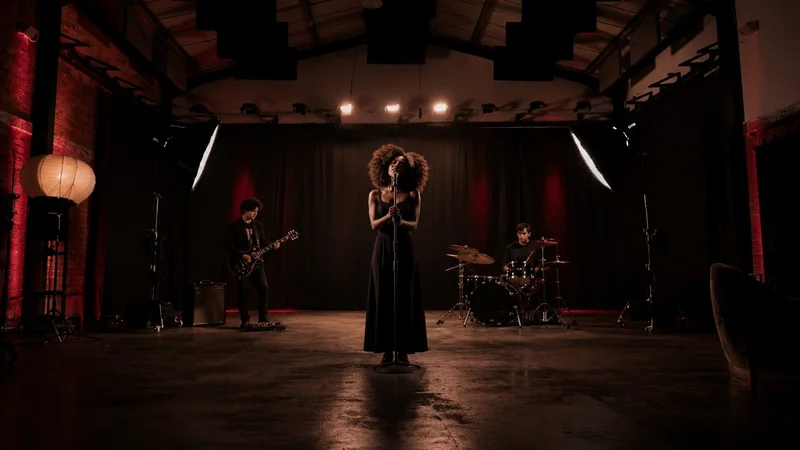
Blackout Set
White Infinity Cove
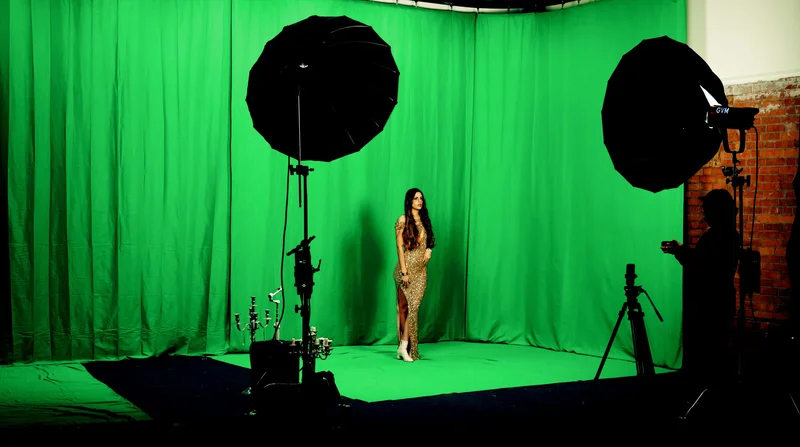
Green Screen Cove
Giant Green Screen
Our professional Video Editing Service can transform your recording into a polished final episode, complete with compelling social media clips to drive your growth. The team at Finchley Studio is here to ensure your vision is realised perfectly.
Ready to create content that captivates the modern audience?
Book your session now!
Find Us Easily: Our studio is conveniently located just a two-minute walk from Finchley Central on the Northern Line and is adjacent to the Travelodge London Finchley. We also offer one free parking space per booking.
Google Maps
Apple Maps
what3words: orders.yards.jokes
Stay Connected: Follow our journey and see behind-the-scenes content on our social media channels:
Have questions? Check our FAQ or get in touch directly.
WhatsApp: +447587827200
Phone: +447587827200
Email: [email protected]
Works cited
Television show - Wikipedia, accessed September 25, 2025, https://en.wikipedia.org/wiki/Television_show
Television show - (AP US History) - Vocab, Definition, Explanations | Fiveable, accessed September 25, 2025, https://fiveable.me/key-terms/apush/television-show
Television program Definition | Law Insider, accessed September 25, 2025, https://www.lawinsider.com/dictionary/television-program
Television program - Simple English Wikipedia, the free encyclopedia, accessed September 25, 2025, https://simple.wikipedia.org/wiki/Television_program
Comparing Rev Per Person: Podcast vs Network Show - The Creator Advantage - Vidpros, accessed September 25, 2025, https://vidpros.com/podcast-vs-network-show/
Television Program - (AP US History) - Vocab, Definition, Explanations | Fiveable, accessed September 25, 2025, https://fiveable.me/key-terms/apush/television-program
2025 Digital Media Trends: Social platforms are becoming a dominant force in media and entertainment - Deloitte, accessed September 25, 2025, https://www.deloitte.com/us/en/insights/industry/technology/digital-media-trends-consumption-habits-survey/2025.html
Media Nations 2025 - UK Report - Ofcom, accessed September 25, 2025, https://www.ofcom.org.uk/siteassets/resources/documents/research-and-data/multi-sector/media-nations/2025/media-nations-2025-uk-report.pdf?v=401287
Ofcom report: steep decline in broadcast TV viewing - Televisual, accessed September 25, 2025, https://www.televisual.com/news/ofcom-report-steep-decline-in-broadcast-tv-viewing/
blog.spreaker.com, accessed September 25, 2025, https://blog.spreaker.com/what-is-a-video-podcast-and-why-is-it-important/#:~:text=In%20its%20simplest%20form%2C%20a,podcasts%20were%20originally%20audio%2Dbased.
What is Video Podcasting? - Wondercraft AI, accessed September 25, 2025, https://www.wondercraft.ai/blog/what-is-video-podcasting
What Is a Video Podcast: Key Things to Know - Teleprompter.com, accessed September 25, 2025, https://www.teleprompter.com/blog/what-is-a-video-podcast
Video Podcast: What Is It, How To Get Started and Why | Lower Street, accessed September 25, 2025, https://lowerstreet.co/blog/video-podcast
What is a Video Podcast? | Castos, accessed September 25, 2025, https://castos.com/video-podcast/
What is Video Podcasting? | Updated for 2025 - Podcastle, accessed September 25, 2025, https://podcastle.ai/blog/video-podcasting/
The Impact of Podcasting on Culture – Podwave Studios, accessed September 25, 2025, https://podwavestudios.au/2024/12/10/the-impact-of-podcasting-on-culture/
The Power of Podcasting in Today's Society - Simon Associates, accessed September 25, 2025, https://www.simonassociates.net/the-power-of-podcasting-in-todays-society/
newsroom.spotify.com, accessed September 25, 2025, https://newsroom.spotify.com/2024-06-28/250000-video-podcasts-and-counting-creators-and-audiences-are-embracing-video-content-on-spotify/#:~:text=Globally%2C%20the%20number%20of%20video,U.S.%2C%20Brazil%2C%20and%20Mexico.
www.ofcom.org.uk, accessed September 25, 2025, https://www.ofcom.org.uk/siteassets/resources/documents/research-and-data/multi-sector/media-nations/2025/media-nations-2025-uk-report.pdf?v=401287#:~:text=In%202024%2C%20the%20average%20weekly,drop%20between%202022%20and%202023.
Media Nations 2023: Latest UK viewing and listening trends revealed - Ofcom, accessed September 25, 2025, https://www.ofcom.org.uk/media-use-and-attitudes/media-habits-adults/media-nations-2023-latest-uk-viewing-and-listening-trends-revealed
Gen Z swerves traditional broadcast TV as less than half tune in weekly - Ofcom, accessed September 25, 2025, https://www.ofcom.org.uk/media-use-and-attitudes/media-habits-adults/gen-z-swerves-traditional-broadcast-tv-as-less-than-half-tune-in-weekly
The Nielsen ARTEY Awards: 2024 Streaming Unwrapped | Nielsen, accessed September 25, 2025, https://www.nielsen.com/insights/2025/top-streaming-tv-trends-2024-artey-awards/
TV Viewing in November Interval Reaches Highest Level Since February, Streaming Nabs Largest Share of TV Ever in The Gauge™ | Nielsen, accessed September 25, 2025, https://www.nielsen.com/news-center/2024/tv-viewing-in-november-interval-reaches-highest-level-since-february-streaming-nabs-largest-share-of-tv-ever-in-the-gauge/
Podcast Statistics You Need To Know in 2025 - Backlinko, accessed September 25, 2025, https://backlinko.com/podcast-stats
How Many Podcasts Are There in 2025? (Listeners Stats) - Demand Sage, accessed September 25, 2025, https://www.demandsage.com/podcast-statistics/
From Audio To Visual, Gen Z Drives The YouTube Podcast Boom - Radio Ink, accessed September 25, 2025, https://radioink.com/2024/10/23/from-audio-to-visual-gen-z-drives-youtubes-podcast-boom/
YouTube most popular first TV destination for children, Ofcom finds - The Guardian, accessed September 25, 2025, https://www.theguardian.com/technology/2025/jul/30/youtube-tv-destination-children-ofcom-survey
Tuning into YouTube: UK's media habits revealed - Ofcom, accessed September 25, 2025, https://www.ofcom.org.uk/media-use-and-attitudes/media-habits-adults/tuning-into-youtube-uks-media-habits-revealed
How audiences of 30 major news sources differ by age | Pew Research Center, accessed September 25, 2025, https://www.pewresearch.org/short-reads/2025/08/28/how-the-audiences-of-30-major-news-sources-differ-by-age/
State of Video Podcasts 2025: Key Trends, Insights & Strategies - Sweet Fish Media, accessed September 25, 2025, https://www.sweetfishmedia.com/blog/the-2025-state-of-video-podcasts
7.3: Podcasting and the future of audiovisual media - Humanities LibreTexts, accessed September 25, 2025, https://human.libretexts.org/Courses/Southern_Illinois_University/The_OER_Guide_to_Media_Writing/07%3A_Writing_for_Audiovisual_Media/7.03%3A_Podcasting_and_the_future_of_audiovisual_media
business.yougov.com, accessed September 25, 2025, https://business.yougov.com/content/52585-are-podcasts-going-visual#:~:text=Half%20(49%25)%20say%20they,those%20aged%2055%20and%20over.
Are podcasts going visual? - YouGov, accessed September 25, 2025, https://business.yougov.com/content/52585-are-podcasts-going-visual
Podcasting Now Rivals TV: The Shift from Niche to Mass Media ..., accessed September 25, 2025, https://www.adtonos.com/podcasting-now-rivals-tv-the-shift-from-niche-to-mass-media/
The podcast boom and its impact on post-pandemic digital revenue, accessed September 25, 2025, https://www.ftstrategies.com/en-gb/insights/what-the-podcast-boom-means-for-digital-revenue-in-a-post-pandemic-landscape
How the audiences of 30 major news sources differ in their levels of education, accessed September 25, 2025, https://www.pewresearch.org/short-reads/2025/08/18/how-the-audiences-of-30-major-news-sources-differ-in-their-levels-of-education/
The Podcast Consumer 2025 - Edison Research, accessed September 25, 2025, https://www.edisonresearch.com/the-podcast-consumer-2025/
Television Advertising Market Size to Hit USD 368.83 Billion by 2034, accessed September 25, 2025, https://www.precedenceresearch.com/television-advertising-market
TV Advertising Market Size, Share, Growth and Drivers 2034, accessed September 25, 2025, https://www.marketresearchfuture.com/reports/tv-advertising-market-24401
Global Advertising Revenue Is Recovering — Except for Linear TV [The Hollywood Reporter] - DEG - Digital Entertainment Group, accessed September 25, 2025, https://www.degonline.org/global-advertising-revenue-is-recovering-except-for-linear-tv-the-hollywood-reporter/
www.thebusinessresearchcompany.com, accessed September 25, 2025, https://www.thebusinessresearchcompany.com/report/podcasting-global-market-report#:~:text=What%20Is%20The%20Podcasting%20Market,(CAGR)%20of%2031.6%25.
Podcasting Market Report 2025, Size And Trends Analysis By 2034, accessed September 25, 2025, https://www.thebusinessresearchcompany.com/report/podcasting-global-market-report
Podcasting Market Size & Share | Growth Report 2024-2032, accessed September 25, 2025, https://www.gminsights.com/industry-analysis/podcasting-market
Podcasting Market Size And Share | Industry Report, 2030 - Grand View Research, accessed September 25, 2025, https://www.grandviewresearch.com/industry-analysis/podcast-market
Podcasting Market Size, Share & Growth Trends 2035, accessed September 25, 2025, https://www.researchnester.com/reports/podcasting-market/6477
Borrell: OTT Ad Revenue Tripled for Local TV Stations In 2024, accessed September 25, 2025, https://rbr.com/borrell-ott-ad-revenue-tripled-for-local-tv-stations-in-2024/
7 Advantages of Podcast Ads: Comparing digital audio to other advertising media, accessed September 25, 2025, https://nextbroadcast.media/2024/07/17/advanatages-of-podcast-ads/
www.grandviewresearch.com, accessed September 25, 2025, https://www.grandviewresearch.com/industry-analysis/podcast-advertising-market-report#:~:text=North%20America%20podcast%20advertising%20market,largest%20revenue%20share%20in%202024.
Podcast Advertising Market Size | Industry Report, 2030, accessed September 25, 2025, https://www.grandviewresearch.com/industry-analysis/podcast-advertising-market-report
Podcast Advertising - A Beginner's Guide to Podcast Ads [2025] - Amazon Ads, accessed September 25, 2025, https://advertising.amazon.com/library/guides/podcast-advertising
The Ultimate Guide [2025] - Podcast Advertising, accessed September 25, 2025, https://advertise.acast.com/news-and-insights/podcast-advertising-the-ultimate-guide
Podcast Advertising is Now More Effective Than TV and Radio, Study Finds, accessed September 25, 2025, https://www.thepodcasthost.com/business-of-podcasting/podcast-advertising-more-effective-than-tv/
Podcast Advertising Statistics - Insivia, accessed September 25, 2025, https://www.insivia.com/podcast-advertising-statistics/
New Research Confirms Audio Outperforms TV and Digital - Audacy Inc., accessed September 25, 2025, https://audacyinc.com/insights/new-research-confirms-audio-outperforms-tv-and-digital/
Video podcasts in audiovisual strategy - Watchity, accessed September 25, 2025, https://www.watchity.com/blog/video-podcasts-in-audiovisual-strategy/
Bigger than you think: podcast revenue is $7.3bn worldwide - Podnews, accessed September 25, 2025, https://podnews.net/update/global-podcast-industry
A Mass-Reach Medium With Meaning: 3 Considerations For Starting A Podcast In Your Industry - Forbes, accessed September 25, 2025, https://www.forbes.com/councils/forbestechcouncil/2023/07/14/a-mass-reach-medium-with-meaning-3-considerations-for-starting-a-podcast-in-your-industry/
The Joe Rogan Experience - Wikipedia, accessed September 25, 2025, https://en.wikipedia.org/wiki/The_Joe_Rogan_Experience
Joe Rogan: rise of a highly controversial cultural power | US news - The Guardian, accessed September 25, 2025, https://www.theguardian.com/us-news/2022/jan/30/joe-rogan-neil-young-feud-spotify-music-streaming-industry
Podcasts are at the center of cultural moments: Why advertisers and publishers need to tap into the medium in 2024 - Digiday, accessed September 25, 2025, https://digiday.com/sponsored/podcasts-are-at-the-center-of-cultural-moments-why-advertisers-and-publishers-need-to-tap-into-the-medium-in-2024/
How does Gen Z listen to podcasts? – 2025 survey results, accessed September 25, 2025, https://transistor.fm/gen-z-2025/
Acast Report Finds Consumers Are Turning to Podcasts Over Traditional Media Outlets, accessed September 25, 2025, https://www.finopotamus.com/post/acast-report-finds-consumers-are-turning-to-podcasts-over-traditional-media-outlets
Why podcasts may have more in common with TV than radio - MIDiA Research, accessed September 25, 2025, https://www.midiaresearch.com/blog/why-podcasts-may-have-more-in-common-with-tv-than-radio
Navigating the decline of linear TV - PwC, accessed September 25, 2025, https://www.pwc.com/us/en/industries/tmt/library/the-future-of-linear-tv.html