White Label Production: How Agencies Use Our Studio for Their Clients
The contemporary digital landscape has precipitated a fundamental restructuring in how marketing, public relations, and advertising agencies deliver value to their clientele. For decades, the thirty-second television advertisement served as the undisputed crown jewel of brand storytelling, representing a singular, highly polished asset that defined an entire campaign. However, the media environment has fractured and multiplied, demanding a continuous, high-volume ecosystem of content that stretches across television, digital platforms, and social media. As brands increasingly demand high-fidelity multimedia-ranging from cinematic promotional broadcasts to serialised corporate podcasts-agencies find themselves at a critical operational crossroads. The capital expenditure required to build, maintain, and staff an in-house production facility is frequently prohibitive, creating a substantial barrier to scaling service offerings (VID.co).
In response to this capital-intensive challenge, a sophisticated operational model has emerged as the industry standard: white label production. Through strategic partnerships with premium studio facilities, agencies can offer elite-tier video, photography, and audio services under their own proprietary branding, entirely eliminating the overhead of an in-house production team (Reddit). This exhaustive research report examines the mechanics, economic imperatives, and technical infrastructures underlying white label studio partnerships. By analyzing the dense ecosystem of production facilities-specifically focusing on the highly competitive London market-this analysis provides a comprehensive blueprint of how agencies leverage third-party studios to scale operations, retain high-ticket clients, and seamlessly integrate complex multimedia campaigns into their existing service architectures.
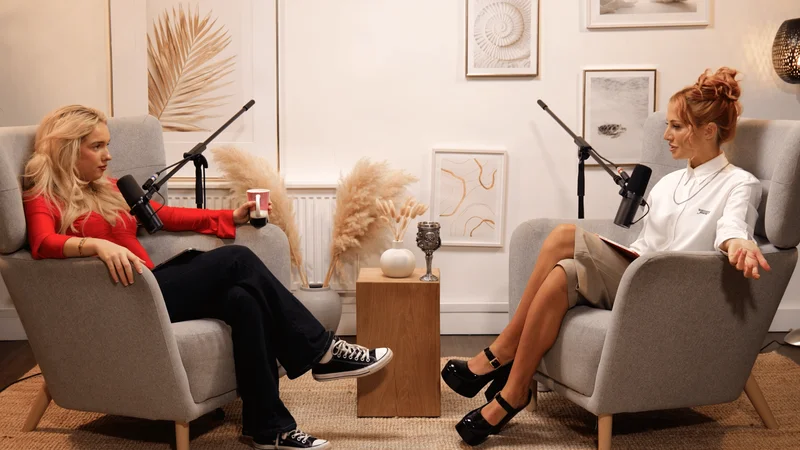
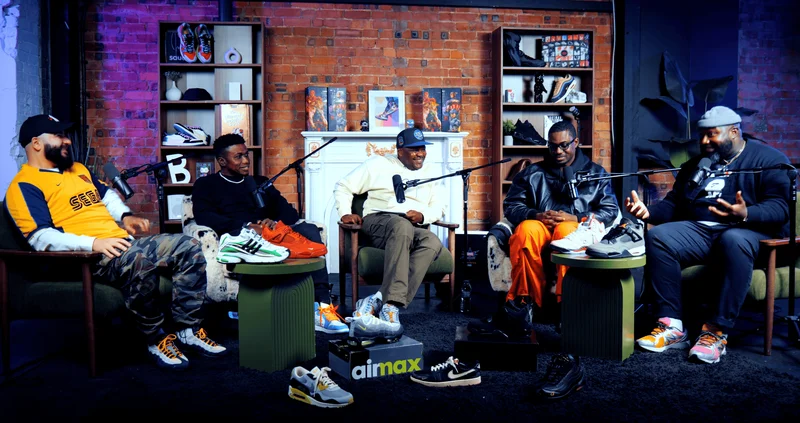
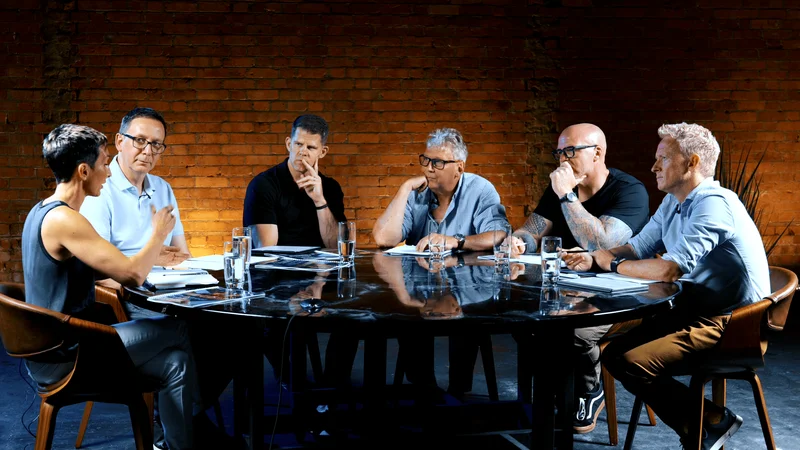
Finchley Studio (CEO Set): book this setup for your podcast
The Strategic and Economic Imperatives of White Label Production
The decision to utilize a white label production partner is driven by a confluence of economic efficiency, scalable capability, and brand preservation. The traditional agency model often struggles to keep pace with the rapid diversification of content channels. Developing an internal video or audio division requires significant capital outlays for equipment, acoustically treated real estate, and specialized personnel, alongside the ongoing costs of software licensing, equipment depreciation, and staff training. For context, hiring a single in-house specialist in the United Kingdom typically demands a base salary exceeding £35,000 annually, before accounting for National Insurance contributions, specialized software access, and continuous professional development. Multiplying this across a complete production crew-including cinematographers, audio engineers, lighting technicians, and post-production editors-renders internal scaling financially daunting for all but the largest global conglomerate agencies (VID.co).
Cost Analysis, Predictable Scaling, and Margin Control
White label video production services operate almost exclusively on a project-by-project or scalable retainer basis, which fundamentally transforms fixed overhead costs into variable, predictable expenses (Reddit). Agencies pay only for the actual production work commissioned, which enables highly accurate margin calculations and vastly improved cash flow management. This cost-effectiveness is particularly vital during periods of rapid growth or unforeseen economic contraction. Whether an agency experiences a sudden influx of new enterprise business that its current team cannot support, or a temporary reduction in output, the third-party production company acts as an elastic resource. The studio adjusts its bandwidth to meet changing client needs without the friction of hiring, onboarding, or terminating full-time employees (VID.co).
Furthermore, partnering with an established digital expert grants agencies immediate access to specialized resources and premium technological suites that would be otherwise inaccessible. White labeling adds entirely new revenue streams, allowing an agency to purchase studio time and production expertise at wholesale or exclusive agency discount rates, and subsequently mark up those services to their clients. This financial architecture is designed to maximize the agency's gross profit margins while shielding the end-client from the underlying operational economics (Studio36Digital).
Client Retention and Competitive Positioning
In an increasingly saturated marketing sector, positioning an agency as a comprehensive, full-service "one-stop-shop" is a potent strategy for client acquisition and retention. Clients increasingly prefer to consolidate their vendor relationships, seeking a single strategic partner capable of executing across all mediums. When a client requires a high-end corporate documentary or a weekly business-to-business (B2B) podcast, an agency limited to traditional search engine optimization (SEO) or copywriting risks losing the entire account to a larger, full-service competitor.
White labeling empowers specialized agencies to say "yes" to complex multimedia projects from large enterprises. By expanding service offerings without the associated risks of internal capability building, agencies increase client lifetime value and fortify their competitive positioning. The agency maintains its role as the primary strategic relationship manager-overseeing account health, campaign strategy, and brand voice-while the technical execution is handled invisibly by the studio partner. This allows the agency's core team to focus entirely on their primary competencies and new business prospecting.
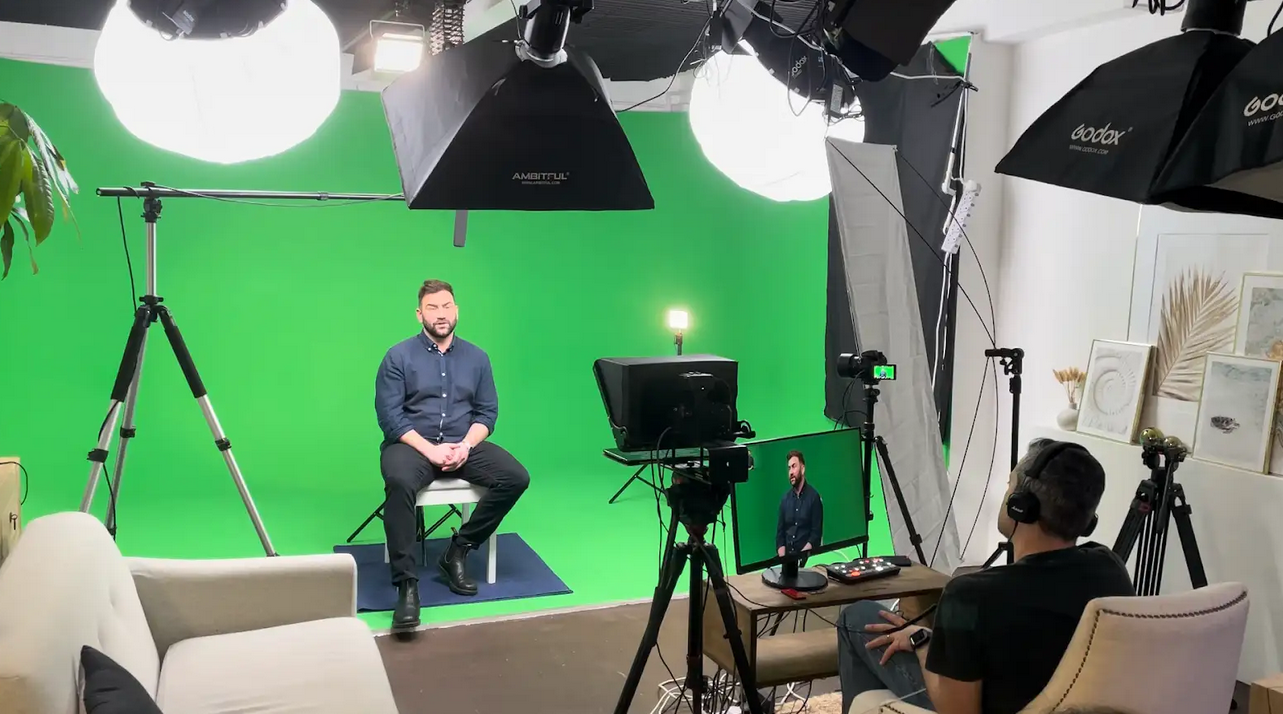
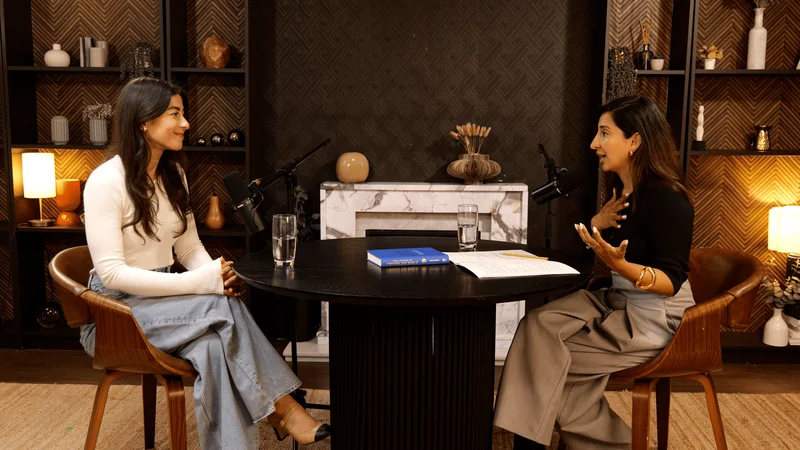
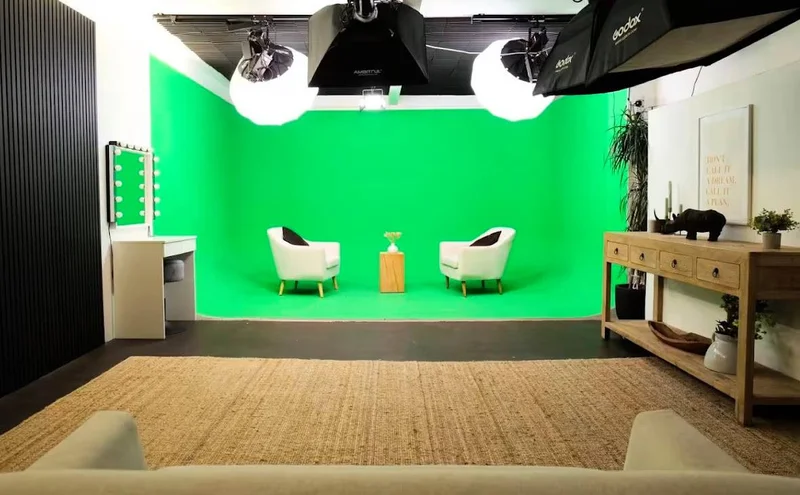
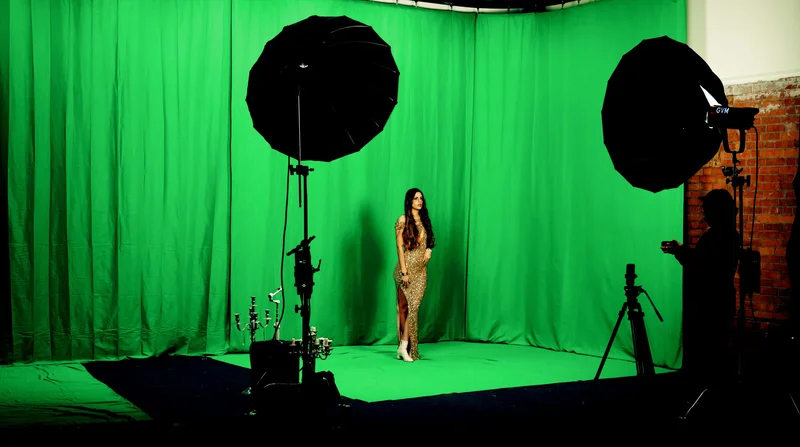
Finchley Studio (Green Screen Cove): book this setup for your podcast
The Mitigation of Fulfillment Risk and the "Fiverr Risk"
A critical vulnerability for agencies attempting to scale production on a budget is the reliance on ad-hoc freelance marketplaces. Outsourcing to unvetted, disparate freelancers can lead to severe quality control challenges, communication breakdowns, missed deadlines, and ultimately, permanent reputational damage. This phenomenon is frequently referred to within the industry as the "Fiverr risk" (Studio36Digital). Premium white label partnerships mitigate this risk through integrated workflows, dedicated account managers, and standardized quality assurance protocols.
By utilizing a dedicated, professional production team based in a major hub like London, agencies ensure alignment in timezones, cultural communication nuances, and delivery standards. The studio acts not just as an outsourced vendor, but as an accountable partner in progress, offering valuable consultations on marketing campaigns and guiding the agency on the right tone, language, and visual imagery to increase campaign impact (North Creative).
The Evolution of the London Studio Market: The "Visual-First" Paradigm
To fully grasp the utility of white label production, it is necessary to analyze the physical infrastructure that enables it. The United Kingdom's digital media and podcasting sector has matured into a complex, multi-tiered industry, currently valued at approximately £1.4 billion and projected to expand at a Compound Annual Growth Rate (CAGR) of 26.3% to reach a total market valuation of £5.8 billion by 2030 (Finchley). Within this macro-economic expansion, a critical inflection point has occurred: the definitive pivot to visual audio (Finchley).
The traditional concept of an audio-only podcast has been aggressively superseded by the "Vodcast" or video podcast format (Finchley). Platform algorithms, evolving advertiser demands, and shifting consumer attention spans dictate that visual authority is now a prerequisite for media success (Finchley). Data from early 2025 indicates that 41% of listeners in mature markets explicitly prefer podcasts featuring a video component (Finchley). Consequently, YouTube has emerged as the primary engine for podcast consumption, capturing approximately 33% of listeners globally, while legacy audio platforms like Spotify have aggressively expanded their video catalogs from 100,000 titles in 2023 to over 330,000 (Finchley).
The demographic profile of this audience is also shifting dramatically. Current industry statistics reveal that there are approximately 15.5 million monthly podcast listeners in the UK, consuming an average of over five hours of content per week (Finchley). Crucially for agencies representing B2B clients, 56% of the 35-54 demographic-often the key decision-makers for corporate content-are tuning in monthly (Finchley). This older, affluent demographic drives the demand for premium production values. They are accustomed to broadcast-quality media and exhibit low tolerance for amateur aesthetics (Finchley).
For a production facility operating as a Podcast studio london, this transition fundamentally alters architectural and technological requirements. The modern podcast studio is no longer merely a soundproof booth designed for isolating vocals; it is effectively a micro-television station (Finchley). Agencies seeking white label partners require spaces that offer broadcast-quality multi-camera setups, professional lighting grids, and dynamic set design capabilities to satisfy the demands of high-value corporate clients who expect television-standard aesthetics (Finchley).
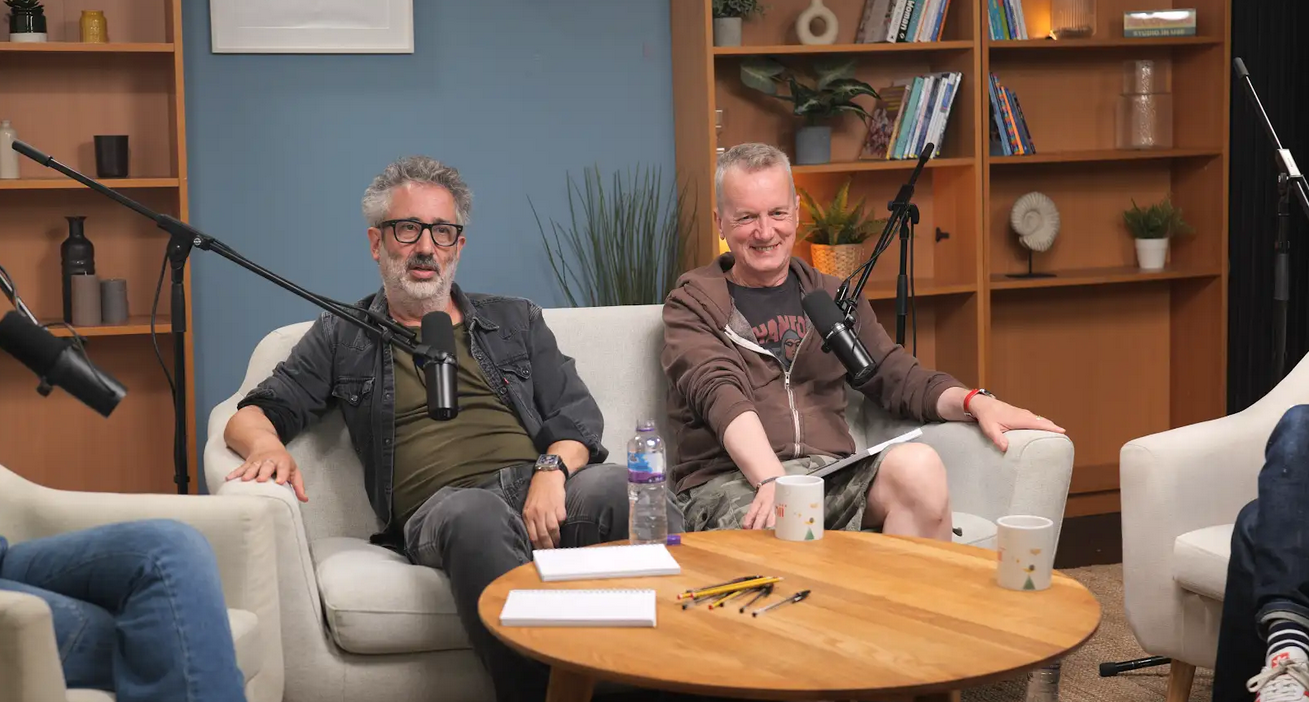
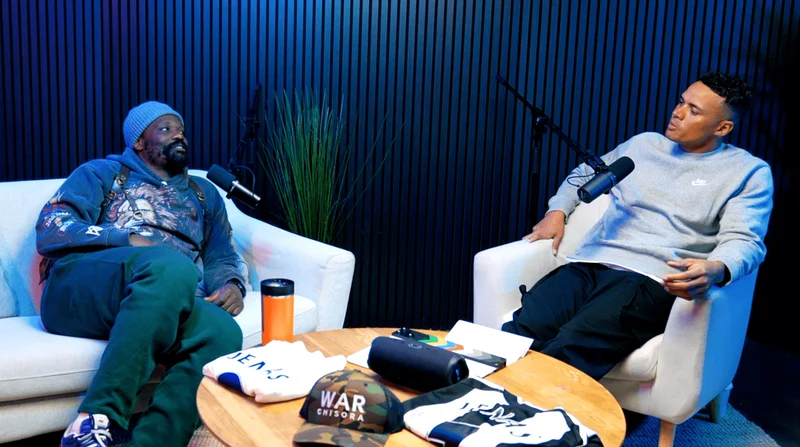
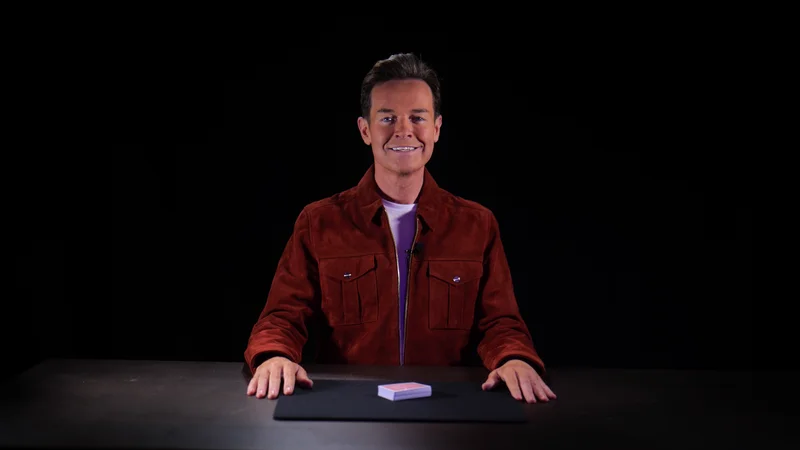
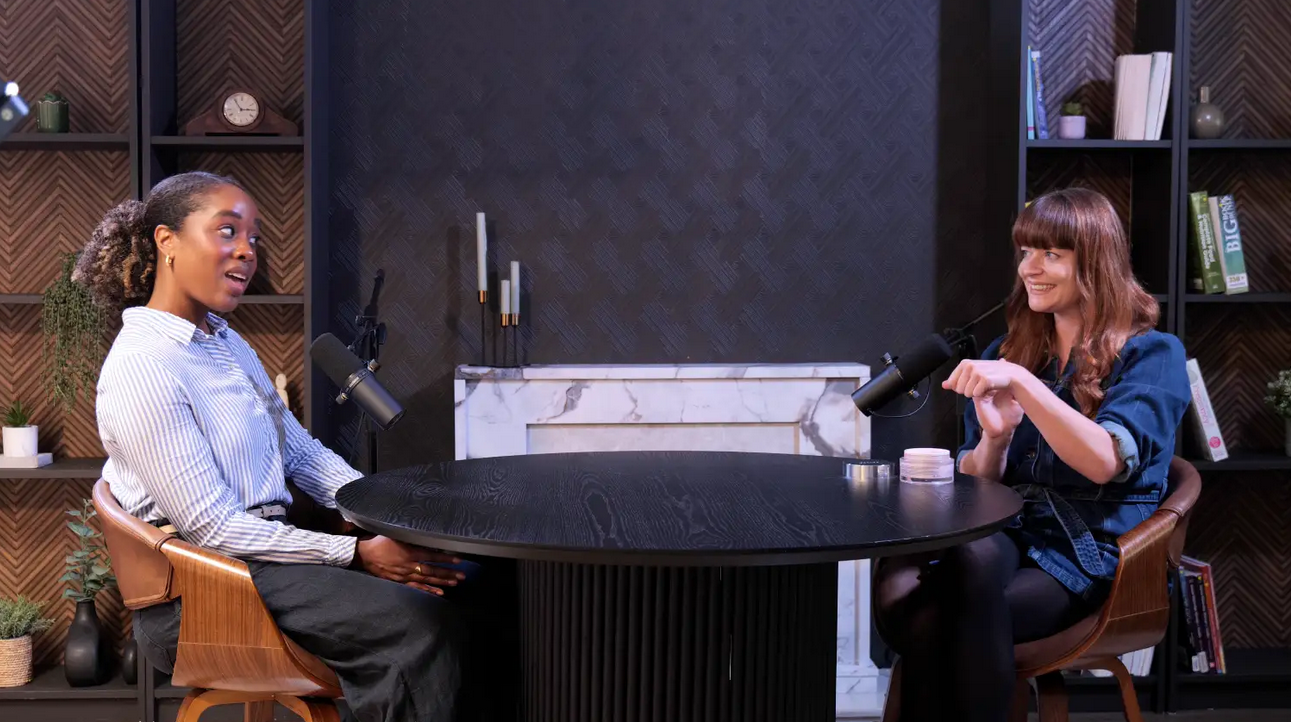
Finchley Studio (Lounge set): book this setup for your podcast
Architectural and Technical Anatomy of a Premium Video Studio London
When agencies hire a Video studio london for their clients, they are securing highly controlled, technologically advanced environments designed for maximum versatility. The most sought-after facilities in the capital are structured as "blank canvases," allowing the agency to construct highly specific brand narratives without interference from the studio's own architectural identity (Amazing Space). A pristine, unbranded environment is the bedrock of the white label illusion.
Infinity Coves and Green Screen Technology
A foundational feature of a professional london Video studio is the infinity cove, also known as a cyclorama. These architectural structures, often built in expansive L-shape or U-shape configurations, feature curved, seamless transitions between the floor and the walls. This design entirely eliminates hard corners and shadows, creating the optical illusion of infinite, boundless space. This pristine white background is essential for high-end fashion photography, commercial product videography, and corporate filming, as it significantly reduces the time required for post-production masking and color grading (Soundstage Studios). Facilities such as Klatch Studio in London offer massive $8m\times8m$ L-shape infinity coves with soaring 3.5-meter ceilings, accommodating large ensemble casts or substantial product displays (KLATCH STUDIO).
For projects requiring complex digital compositing, heavy visual effects (VFX), or virtual set integration, green screen capabilities are paramount. To maximize studio efficiency, premium facilities offer robust, interchangeable solutions. For example, some studios feature 6-meter wide roll-down fabric green screens that can be deployed directly over the white infinity cove in a matter of minutes (KLATCH STUDIO). This roller setup allows an agency to switch between a standard commercial white-background shoot and a VFX-heavy green screen setup instantly, without the labor-intensive requirement of constructing temporary frames or stands (KLATCH STUDIO). Other facilities provide dedicated Green Screen Infinity Coves equipped with powerful LED space lights to ensure an absolutely even wash of illumination-a critical necessity for clean chroma-key extraction in post-production.
Advanced Lighting and Grip Infrastructure
The integration of advanced lighting technology is what separates a professional Video studio from an empty warehouse. Complete control over lighting design is facilitated by blackout capabilities; these are studios engineered to completely eliminate all external daylight. This isolation allows cinematographers to utilize advanced fixtures to paint the scene precisely as required, ensuring absolute continuity across a multi-day shoot regardless of external weather conditions (Quite Brilliant). Blackout spaces also guarantee privacy, ensuring that no unreleased products or sensitive corporate intellectual property can be viewed by unauthorized personnel (Quite Brilliant).
Top-tier London facilities are equipped with highly sophisticated lighting grids, such as scaffold rigs suspended from high ceilings, populated with broadcast-standard fixtures. This includes Chroma-Q Space Force variable white LEDs and Aputure LS 600c Pro II full-color lights. These systems are frequently controlled via intricate DMX interfaces, such as Novastar MX40pro processors, which allow for instantaneous, programmable adjustments to color temperature and intensity. Furthermore, these advanced processors can deliver flicker-free illumination at up to 240 frames per second, accommodating the high-speed cameras necessary for premium slow-motion product videography. Studios at the bleeding edge of the industry also integrate Mo-Sys StarTracker technology and Unreal Engine systems, enabling real-time virtual production where digital backgrounds render in sync with the physical camera movements (Quite Brilliant).
Logistical Access and Agency-Specific Amenities
For an agency managing a high-profile client shoot, logistical friction must be entirely eradicated. Consequently, premium video studios offer drive-in access, utilizing large roller shutter entrances (e.g., $3.15m\times3.25m)$ that permit commercial vehicles to be driven directly onto the shooting floor. This is vital not only for automotive commercials but for the rapid, efficient unloading of heavy grip equipment, large set pieces, and voluminous wardrobe racks.
To support the agency-client dynamic, these studios provide specific amenities designed to project professionalism, comfort, and authority. The physical environment must reflect the agency's own standards. This includes private styling rooms with multiple makeup stations, dedicated wardrobe facilities equipped with industrial garment steamers and extensive clothing rails, and private green rooms or client lounges featuring comfortable seating and television monitors (Soundstage Studios).
Furthermore, robust connectivity is non-negotiable. High-speed, high-bandwidth fiber optic internet is standard, enabling live-streamed remote productions (Cineview Studios). This allows off-site agency stakeholders or global client executives to view the live camera feeds in real-time via software like Q-Take or Remote Filming, providing instant feedback and approvals without needing to be physically present on the London soundstage (Mount Pleasant Studio).
Deconstructing the Modern London Podcast Studio
The infrastructure required for a London podcast studio has evolved dramatically to meet the exacting standards of the aforementioned visual-first era. When an agency books a podcasting facility for a corporate client-such as a venture capital firm, an artificial intelligence startup, or a leading recruitment consultancy-the expectation is broadcast-grade audio seamlessly synchronized with cinema-quality multi-camera video (TYX Studios).
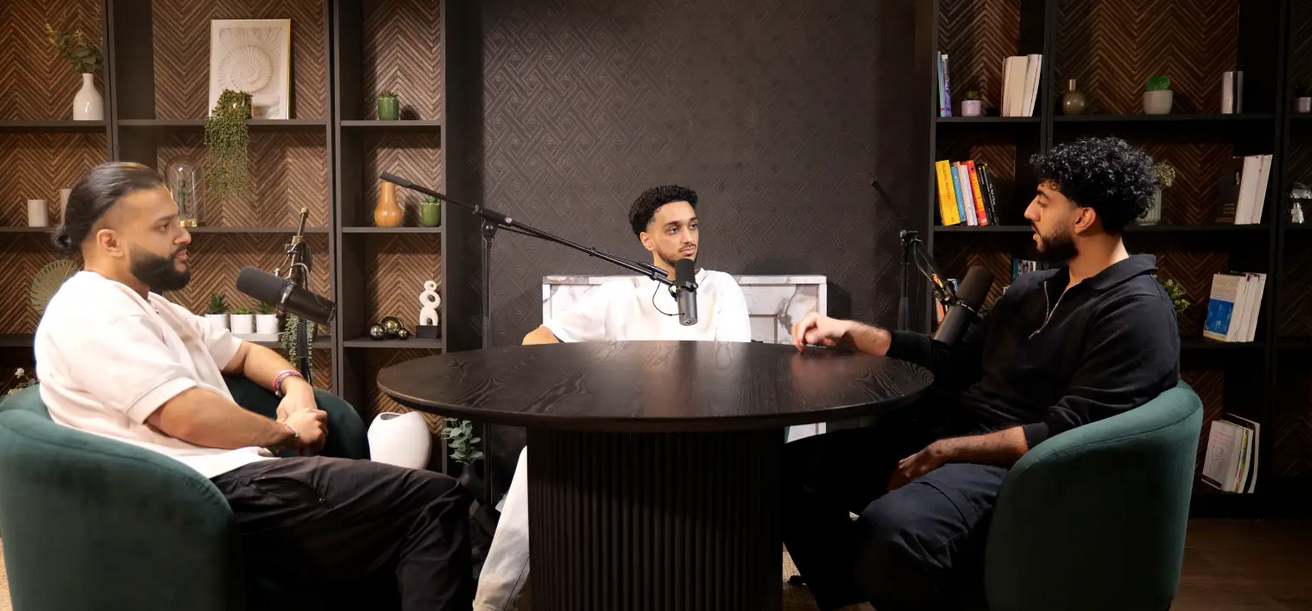
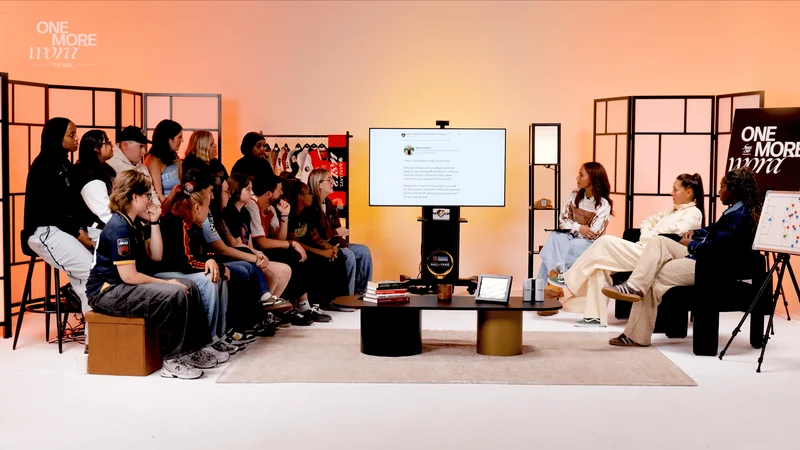
Finchley Studio (CEO Set): book this setup for your podcast
Multi-Camera 4K Video Integration and Vision Mixing
The baseline standard for visual capture in premium podcast studios is a multi-camera 4K resolution setup. Facilities operating at the ultra-premium tier, such as the TYX Studios located in the heart of London's Tileyard, utilize configurations of three to four Netflix-approved Sony FX2 or Blackmagic 4K cameras (TYX Studios). This multi-angle approach-typically featuring a wide master establishing shot combined with isolated close-ups on each individual speaker-creates the dynamic, highly engaging content required to retain audience attention on platforms like YouTube and Spotify Video (TYX Studios).
To manage this immense volume of complex visual data efficiently, studios employ automated or live vision-mixing technology. Equipment such as the ATEM Mini Pro ISO allows a dedicated studio technician (or advanced, AI-driven CameraOne automation technology) to vision-mix the camera feeds in real-time as the conversation unfolds (Acast). This sophisticated system simultaneously records isolated feeds (ISOs) from each individual camera alongside the live-edited program feed. This capability is revolutionary for agencies: it enables the production team to publish a perfectly edited video podcast almost immediately after wrapping the recording session, significantly compressing post-production turnaround times and increasing the agency's delivery speed (Acast).
Acoustic Treatment and Broadcast Audio Standards
Despite the overwhelming industry emphasis on video, pristine audio capture remains entirely non-negotiable. Poor audio quality-characterized by echo, clipping, or ambient noise-is magnified in modern consumer earphones and remains a primary driver of immediate listener abandonment (Cue Podcasts). A professional London podcast studio is architecturally isolated to prevent external noise bleed (such as sirens or flight paths) and acoustically treated with specialized paneling to eliminate internal reverberation and standing waves.
Audio capture is facilitated by high-end condenser or dynamic microphones. For example, studios utilizing the Lewitt RAY condenser microphones leverage AutoFocus technology to maintain consistent audio levels even as guests move around the microphone (Acast). These inputs are routed into user-friendly yet highly sophisticated mixing consoles, such as the fully customizable RØDECaster Pro II. For highly complex formats, such as large panel discussions or multi-guest interviews, certain advanced spaces like the London Podcast Studio can accommodate up to 12 microphones simultaneously, incorporating wireless lavaliers and shotgun configurations (Earworm).
Dynamic Set Design and Virtual Environments
Because white-label studios host a multitude of different agencies and brand clients weekly, the physical set must be highly adaptable. Studios achieve this necessary flexibility through dynamic physical backdrops, utilizing features such as multi-color curtain tracks, exposed brick sets, colouramas, and flexible furniture arrangements (e.g., interchangeable armchairs, sofas, and formal broadcast desks) (TYX Studios). This extreme physical flexibility ensures that an agency can dress the set to perfectly match their client's specific brand identity and corporate colors, ensuring the visual output looks entirely bespoke and proprietary (TYX Studios).
Technologically advanced facilities, such as the Dean Street Podcast Studio located in Soho, push this concept further by offering purpose-built virtual podcast production systems (The Dean Street Podcast Studio). These digital studio environments allow each individual show to maintain a unique, brand-safe visual identity through real-time digital compositing. This innovation entirely circumvents the high costs and logistical headaches of physical set construction, while ensuring deep visual differentiation across platforms. It allows an agency to offer a client a "custom-built" studio environment without ever swinging a hammer.
The Enduring Prestige of the London Recording Studio
While video podcasting and visual corporate content dominate the current marketing discourse, there remains a critical, enduring need for elite audio engineering within the broader agency ecosystem. High-budget advertising campaigns, television commercials, complex sonic branding initiatives, cinematic sound design, and high-fidelity voiceovers require an acoustical precision that only a dedicated, heritage Recording studio can provide (Keywords Studios).
When agencies search for a Recording studio london or London Recording studio for top-tier clients, they are not looking for simple podcast booths; they are seeking impeccable heritage acoustics combined with legendary analog hardware (Miloco). Facilities managed by esteemed groups like Miloco represent the absolute pinnacle of global recording infrastructure, housing world-renowned tracking and mixing spaces across the capital (Miloco).
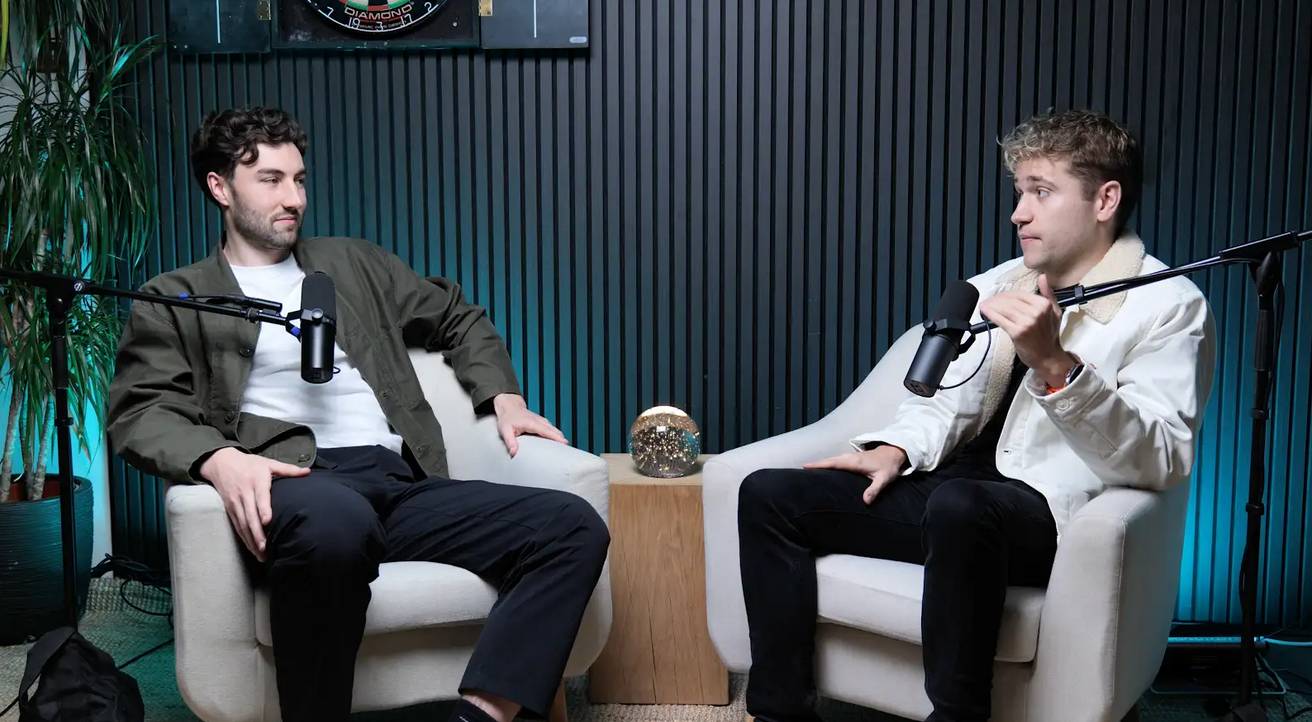
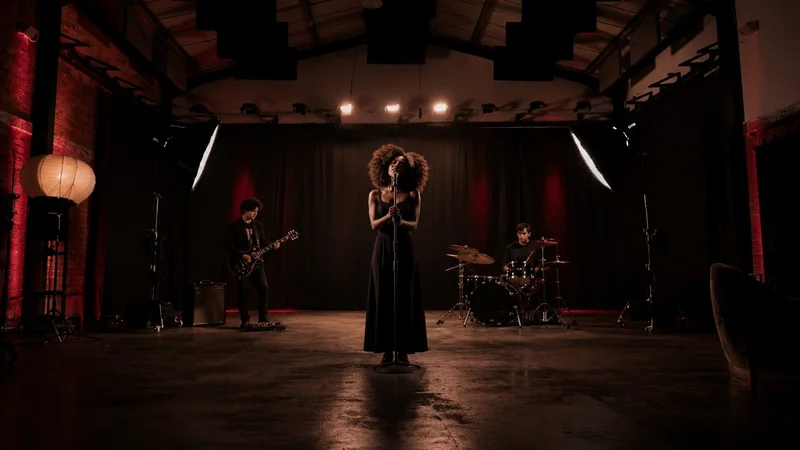
Finchley Studio (Blackwood): book this setup for your podcast
Analog Consoles and the Pursuit of Sonic Warmth
The undeniable centerpiece of any elite recording facility is the large-format mixing console. Top-tier London studios frequently boast analog desks from industry-standard manufacturers such as Solid State Logic (SSL) and Neve. For example, The Silk Mill utilizes a pristine Neve VR36 console equipped with Flying Faders, seamlessly integrated with ATC monitors and Prism ADA-8XR converters (The Silk Mill). Similarly, the ICMP's flagship studio in Queen's Park houses a breathtaking, high-end SSL Origin desk, complemented by outboard analog gear from empirical heavyweights like Lexicon, API, and Warm Audio (ICMP). Other legendary spaces, such as the Battery Studios complex in Willesden (devised by legendary producers Alan Moulder and Flood), offer supreme SSL mixing environments that have shaped decades of popular music and high-end commercial audio (Miloco).
These analog consoles impart a highly sought-after sonic "warmth," natural compression, and harmonic richness to the audio that digital emulations continually strive to replicate. However, the modern workflow requires digital flexibility. Consequently, top studios integrate powerful DSP (Digital Signal Processing) plugins, such as the Waves Mercury and SSL 4000 packages (The Chapel Studios). These software suites meticulously model classic SSL and Neve circuitry, providing engineers with precision control over the harmonic spectrum, absolute zero phase shift via Linear Phase EQs, and expansive depth through tools like the Manny Marroquin delay (The Chapel Studios). This hybrid approach-analog warmth captured into a limitless digital workflow-provides agencies with audio of unassailable quality.
Agency Applications: Voiceover, Sound Design, and Licensing
Agencies utilize these elite recording spaces for meticulous post-production tasks that require absolute sonic clarity. A dedicated sound designer working in an acoustically perfect control room-equipped with high-fidelity reference monitors like the PMC IB1-S, Adam S3X, or Augspurger systems-can craft dynamic sonic identities that elevate a brand's commercial output from standard to cinematic (Keywords Studios). Furthermore, these studios are heavily utilized to record pristine voiceovers for television, radio advertisements, and audiobooks, ensuring crystal-clear diction, resonance, and emotional delivery without a hint of background artifacting (Voices).
Beyond content creation, agencies also leverage white-label audio services to connect their musical clients or corporate brands with global synchronization (sync) licensing opportunities. Specialized studios and their affiliated agencies handle the technical mastering-often utilizing advanced AI mastering tools alongside traditional outboard gear to ensure compliance with broadcast loudness standards-and pitch the polished tracks for placement in major media productions (Music Gateway). Getting a client's audio placed in a Netflix series or a Paramount film creates highly lucrative secondary revenue streams, solidifying the agency's value proposition.
Geographic Hubs: Locating the Creative Epicenter
The geographic location of a partner studio within London is a strategic consideration for agencies. The city's creative sectors are clustered in distinct hubs, each projecting a specific cultural cachet that agencies utilize to impress visiting clients (Canvas Offices).
Soho and Central London: For creative agencies operating in high fashion, elite advertising, and legacy media, Soho remains the cultural powerhouse. The area's network of PR firms, exclusive members' clubs, and post-production houses creates an environment where high-level business intersects with creativity. Studios like the Soho House Studio (on Dean Street) or the London Broadcast facilities in Marylebone offer agencies a highly prestigious, central postcode that impresses corporate executives (Fallow, Field & Mason).
Shoreditch and Hoxton: This East London enclave remains the leading hub for agile startups, digital disruptors, and tech-driven creative agencies. Known for its street art and gritty, artistic culture, it attracts brands looking for an edgy, modern aesthetic (Canvas Offices). Studios in this area, such as Outset Studio in Hoxton or Cineview Studios, often offer expansive warehouse spaces and a more relaxed, innovative atmosphere that appeals to younger demographics and digital-first brands (Cineview Studios).
Tileyard and North/Northwest London: Areas like King's Cross and Willesden house massive, purpose-built creative communities. The Tileyard complex, for instance, is a sprawling campus of independent artists, producers, and studios (like TYX) (TYX Studios). Partnering with a studio here gives agencies access to a massive networking ecosystem and state-of-the-art, ground-up builds that cannot be accommodated in the cramped historic buildings of Central London (TYX Studios).
Operationalizing the White Label Illusion
The defining characteristic of a successful white label production partnership is the seamless, unbroken illusion of internal agency capability. The end-client must perceive the studio's output, the technical personnel, and the physical space as proprietary extensions of the agency itself (JAR Podcast Solutions). Achieving this requires rigorous operational workflows, strict adherence to communication protocols, and advanced digital infrastructure.
Establishing the Unbranded Physical and Digital Environment
To maintain the facade during physical shoots, production companies systematically strip their own branding from the client journey. In the context of physical studio hire, this means the facility operates as an "unbranded space" or "blank canvas" (Amazing Space). When an agency brings a high-net-worth client to a London studio, the physical environment minimizes any studio-specific logos or marketing materials, allowing the agency to psychologically "own" the space. Furthermore, to ensure complete continuity, studio crew members-such as camera operators and lighting technicians-may wear plain black clothing or garments custom-printed with the hiring agency's logo (London Sound and Light). To the client, these technicians are the "Agency Production Team" (London Sound and Light).

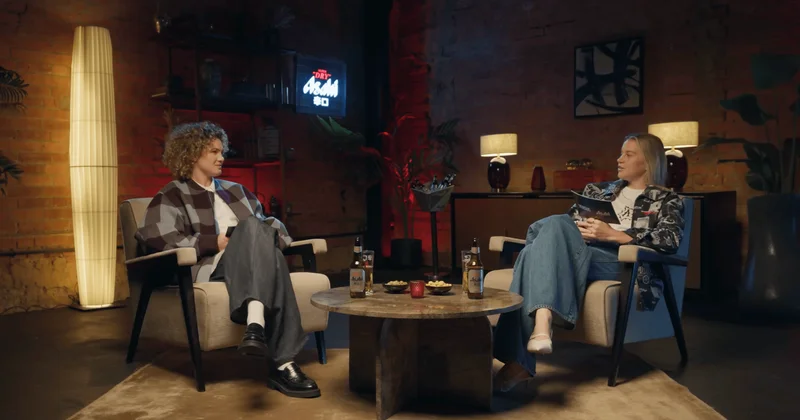
See the 'Murder They Wrote' podcast setup used by Laura Whitmore and Iain Stirling from BBC at Finchley Studio (Gathering setup). Watch Murder They Wrote at BBc sound , Spotify , Apple podcasts , Youtube , Instagram , Amazon music
Digitally, this illusion is maintained through bespoke communication architectures. Studio partners frequently establish dedicated communication channels, requesting a [email protected] email address to communicate directly with venues or clients under the agency's banner (London Sound and Light). Some premium partners even operate dedicated phone lines answered explicitly with the agency's name (London Sound and Light).
At the software level, client portals powered by specialized platforms like Wayfront are configured with the agency's exact logos, typography, and color palettes. This ensures that all project submissions, large file transfers, feedback loops, and revision communications occur within a deeply branded, secure, agency-owned digital ecosystem. The studio's project managers operate completely behind the scenes, functioning as the agency's own back-office engine (JAR Podcast Solutions).
The Three-Week Implementation Framework
Integrating a white label video or audio solution into an agency's operational matrix is a delicate process, typically managed through a phased implementation strategy to minimize friction and ensure total workflow alignment. Industry best practices dictate a structured rollout:
Week 1: Assessment and Selection: The agency conducts a thorough audit of its current content demands, documenting the most frequent video or audio requests and identifying current fulfillment pain points. The agency tests third-party solutions through pilot projects or trial periods, ensuring the studio's technical output and communication style align with the agency's stringent creative standards.
Week 2: Setup and Branding: Standardized workflows are documented. The agency configures the white-label elements, incorporating their logos and colors into the delivery software. Crucially, the agency creates detailed brand guideline documents and establishes "quality standards" to hand off to the studio partner, ensuring the studio knows exactly what constitutes an acceptable deliverable. Customized templates for recurring video formats or podcast structures are developed to streamline future production.
Week 3: Pilot Launch and Refinement: The agency begins by routing internal projects (such as their own agency marketing materials) through the white-label partner to test turnaround times and communication efficiency. Once the workflow is refined based on this internal feedback, the service is gradually rolled out to a select cohort of high-trust clients before being aggressively marketed to the broader public.
Risk Management, Confidentiality, and Compliance Protocols
When agencies outsource production, particularly for enterprise clients handling sensitive intellectual property, unreleased product designs, or internal corporate communications, security protocols are paramount. The white label partnership must be governed by rigorous legal and operational safety frameworks.
Confidentiality and Information Security
White label partnerships require ironclad Non-Disclosure Agreements (NDAs) covering all parties (Sony Pictures). Agencies and their studio partners must adhere to rigorous third-party security guidelines, such as those utilized by major entertainment conglomerates like Sony Pictures and Paramount (Sony Pictures). This includes ensuring all freelance technicians and studio staff have signed confidentiality agreements explicitly restricting their access to sensitive content areas (Sony Pictures).
Post-production workflows must guarantee that all raw footage, multitrack audio files, and proprietary client data are securely returned to the agency or verifiably destroyed upon project completion (Sony Pictures). Furthermore, in an era of remote viewing and digital asset management, studios must maintain robust cyber liability frameworks (often by way of wrap-up or individually acquired policies) to protect against data breaches during live, remote-directed sessions or cloud transfers (AICP).
Regulatory Compliance and Physical Safety
Content production is subject to various regulatory frameworks. For instance, if an agency is producing content directed at children on behalf of a toy manufacturer or educational brand, the production and subsequent digital handling of any data must strictly comply with the Children's Online Privacy Protection Act (COPPA) and Federal Trade Commission (FTC) guidelines (or their UK/GDPR equivalents) (Federal Trade Commission). Agencies rely on their sophisticated studio partners to understand and assist in navigating these compliance requirements to avoid catastrophic civil penalties (Federal Trade Commission).
Physical safety protocols also remain a core responsibility. Premium studios maintain strict facility inspection forms, OSHA 300 logs (or HSE equivalents in the UK), and comprehensive Emergency Action Plans (Paramount). As a legacy of the COVID-19 pandemic, many top-tier studios have permanently upgraded their environmental controls, installing high flow rate air extraction systems that create negative pressure within the studio to enhance airborne pathogen protection, ensuring the safety of VIP agency clients and high-profile talent (Soundstage Studios).
Post-Production, Content Repurposing, and SEO Ecosystems
The raw output of a podcast or video studio-no matter how cinematically lit, precisely color-graded, or acoustically pristine-is merely the raw material of a modern marketing campaign. To justify the premium pricing associated with professional production, agencies must demonstrate clear, measurable Return on Investment (ROI) for their clients. The true, transformative value of a white label production partnership lies in the strategic repurposing of master assets into expansive, SEO-optimized content ecosystems.

Maximizing ROI through the Content Ecosystem
Leading creative production agencies in London no longer view a 30-second commercial or a 60-minute podcast episode as the final deliverable; it is simply the foundational asset from which a multitude of derivatives are systematically spawned. A single multi-camera podcast recording session in a London studio is meticulously dismantled by the white-label editing team into various formats tailored for specific algorithmic distribution channels:
Vertical Video Cutdowns: High-impact, 15-to-60-second segments optimized for the vertical aspect ratios and rapid consumption habits of TikTok, YouTube Shorts, and Instagram Reels. These edits focus on strong narrative "hooks" at the beginning of the video to capture rapidly scrolling audiences.
Audiograms: Short video clips featuring static images overlaid with dynamic audio waveforms and kinetic typography (captions) (Cue Podcasts). These assets generate significantly higher traffic-often up to five times more than static text posts on professional platforms like LinkedIn (Cue Podcasts).
Image Quotes and Carousel Posts: Pull-quotes from the recording, designed in strict alignment with the client's visual brand identity, utilized to maintain a consistent cadence of social media publishing (Cue Podcasts).
By executing this comprehensive repurposing matrix, an agency ensures that a client's initial investment in studio time yields weeks, or even months, of multi-channel content. This vastly improves the economic efficiency of the campaign and ensures the brand remains omni-present across the digital landscape (Cue Podcasts).
Podcast SEO and Answer Engine Optimization (AEO)
Search engine discoverability is a vital component of modern media strategy. Because traditional search engine crawlers cannot natively index audio or video files with deep semantic understanding, agencies must employ aggressive Podcast SEO tactics (Premiere Podcast Studios).
White label partners assist in transcribing the audio content into comprehensive, highly readable written blogs (Cue Podcasts). This process transforms spoken expertise into highly indexable text, allowing the client's website to capture organic search traffic targeting specific, long-tail industry keywords that would otherwise be missed by audio alone (Cue Podcasts). Furthermore, metadata optimization is applied to the podcast's RSS feed, ensuring episode titles, descriptions, and show notes are perfectly calibrated for discoverability on Apple Podcasts, Spotify, and Google (Premiere Podcast Studios).
As artificial intelligence fundamentally reshapes search behavior, forward-thinking agencies are utilizing white-label partners to implement Answer Engine Optimization (AEO). This highly technical process involves structuring the video transcripts, blogs, and audio summaries with cutting-edge schema markup. This ensures that the client's proprietary insights and thought leadership are readily digestible by AI-driven search interfaces, such as ChatGPT, Perplexity, or Google's AI Overviews. By handling these deeply technical SEO and AEO tasks invisibly behind the scenes, the white label partner allows the agency to take full credit for future-proofing their client's digital footprint (Studio36Digital).
Lead Generation and Conversion Architectures
Ultimately, a primary objective of corporate podcasting and video marketing is tangible B2B lead generation and revenue creation (Content Allies). White-label production agencies collaborate closely with marketing firms to strategically embed Calls-to-Action (CTAs) within the media. Following best practices, these CTAs are distributed strategically-often utilizing pre-roll, mid-roll, and post-roll placements to maximize conversion efficiency (Cue Podcasts).
Utilizing psychological triggers, such as the scarcity principle (offering exclusive, time-limited discounts), hosts drive listeners toward specialized downloadable assets known as "lead magnets" (e.g., white papers, exclusive video modules, or industry reports) (Cue Podcasts). These assets are housed on highly optimized, frictionless landing pages (Cue Podcasts). Once the listener exchanges their email address for the asset, passing through the "email-gate," they enter automated email marketing sequences (Cue Podcasts). This critical step shifts the audience from passive, anonymous consumers to active, quantifiable prospects within a sales funnel (Cue Podcasts). The white-label provider manages the heavy lifting of the technical media production, allowing the agency to focus entirely on optimizing this conversion funnel, nurturing the leads, and proving undeniable financial ROI to the client (JAR Podcast Solutions).
Conclusion
The integration of white label production facilities into the operational frameworks of digital, public relations, and marketing agencies represents a profound evolution in the creative services sector. As the global digital economy accelerates its inexorable shift toward visual-first, multi-platform content consumption, the ability to rapidly produce broadcast-quality video and audio has transitioned from a luxury capability to an absolute baseline requirement for agency survival and growth.
The sophisticated infrastructure available within the premium London studio market-ranging from DMX-controlled infinity coves and rapid-deployment green screens, to Neve-equipped heritage recording booths and 4K-integrated virtual podcasting lounges-provides agencies with an unparalleled arsenal of creative tools. By leveraging these third-party environments under strict white-label protocols, unbranded physical spaces, and seamlessly integrated digital portals, agencies can completely bypass the immense financial and logistical burdens of maintaining in-house production capabilities.
Ultimately, white label studio partnerships democratize access to elite media production. They allow agile, strategically focused agencies to punch significantly above their weight class. By transforming fixed overheads into scalable, profitable margins, agencies can offer Fortune 500-level quality, comprehensive SEO-optimized content ecosystems, and highly lucrative lead-generation architectures that command premium client retainers. As brands continue to demand ever-increasing volumes of high-fidelity multimedia, the symbiotic relationship between the client-facing strategic agency and the invisible, highly technical production studio will undoubtedly solidify as the dominant, most profitable paradigm of the modern media landscape.