The Evolution from Audio to a Visual Medium: Defining the Modern Podcast
The media landscape is undergoing a significant transformation, with the once audio-exclusive domain of podcasting increasingly embracing a visual dimension. This evolution is not merely a technological add-on but a fundamental shift in content strategy, audience engagement, and platform dynamics. To understand the drivers behind the growing popularity of video podcasts, it is essential first to establish a clear definition of the medium, differentiate it from adjacent formats, and categorize its various forms.
From Vodcast to Mainstream: Defining the Medium
At its core, a video podcast—also known as a vodcast—is an audio podcast that incorporates a video element.1 This visual component can vary in complexity, ranging from a simple static image, such as the podcast's cover art, to a fully produced, multi-camera recording of the hosts and guests.1 Despite the presence of video, the format's defining characteristic is that the audio remains the primary focus of the content.4 A well-executed video podcast is designed so that a listener can consume the episode in its entirety through audio alone without losing critical information or context.5 The visual element serves to enhance the experience, not to be a prerequisite for comprehension.
This "audio-first" principle is what fundamentally distinguishes a video podcast from other forms of video content. While the lines have blurred, particularly on video-native platforms like YouTube, the key differentiator is that video podcasts are typically distributed in both audio-only and video formats. This dual availability caters to the traditional podcast consumption habits of listening while multitasking—such as during a commute, workout, or household chores—while also offering a more immersive, watchable experience for those who prefer it.5
Delineating the Formats: Video Podcast vs. Vlog vs. Audio-Only
Understanding the nuances that separate video podcasts from vlogs and traditional audio-only podcasts is critical for appreciating their unique strategic position in the content ecosystem. Each format has distinct production requirements, audience expectations, and consumption contexts.
The primary distinction lies in the content's focal point. A video podcast is fundamentally "audio-focused," structured around conversations, interviews, or narrative monologues, with video serving as a supplementary layer.6 Conversely, a vlog (a portmanteau of "video blog") is "visual-first." Its core purpose is storytelling through the medium of video, capturing lifestyle moments, tutorials, travel, or events in a cinematic fashion.8 While a video podcast can be fully understood through its audio, a vlog often relies heavily on its visual narrative, which cannot be conveyed through audio alone.10
This difference in focus dictates production style. Video podcasts are frequently recorded in a controlled, static studio environment, often resembling a talk show format with fixed camera angles on the speakers.8 The emphasis is on capturing the conversation. Vlogs, in contrast, are typically more dynamic and production-intensive, akin to personal documentaries, with a strong emphasis on cinematography, varied locations, and visual aesthetics.8
These distinctions extend to audience consumption. Audio-only podcasts are designed for passive consumption, allowing listeners to engage with content while their eyes are busy.2 Vlogs demand active and undivided visual attention to be fully appreciated.10 The video podcast occupies a unique hybrid space. It can be consumed passively, with the video playing in the background, or actively watched for a richer, more engaging experience, offering listeners unparalleled flexibility.11 This versatility allows a single piece of content to serve multiple contexts, a key factor in its rising popularity.
From a content creation perspective, the workflow for repurposing also differs. It is relatively simple to extract the audio from a video podcast or vlog to create an audio-only version. However, converting an audio-only podcast into a compelling video is significantly more challenging; the result is often limited to an audio track played over a static image, which lacks the dynamic visual engagement of a true video production.13
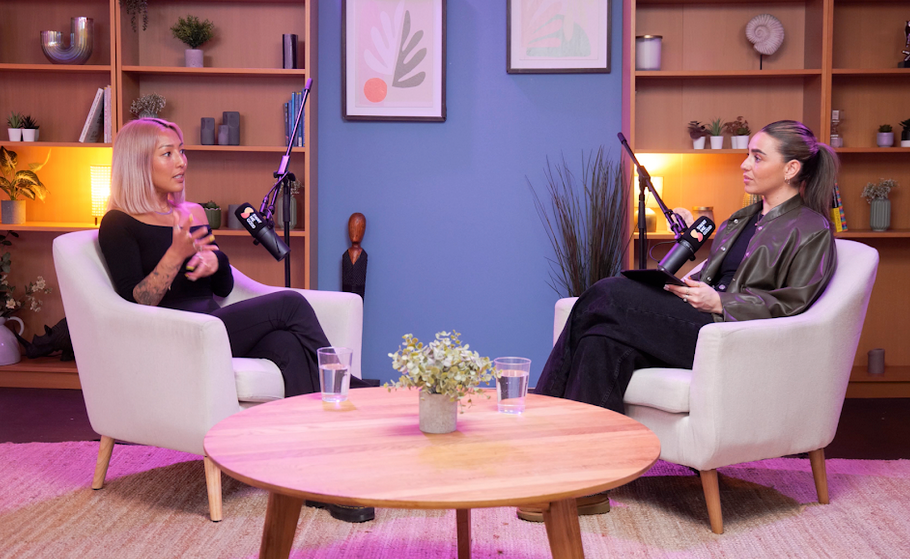
Image Credit: Finchley Studio
The strategic decision to produce a video podcast is therefore not a rejection of the audio medium but an expansion upon it. By adhering to the audio-first principle, creators retain the core benefit of traditional podcasting—its suitability for multitasking—while unlocking the powerful engagement and discovery advantages of video. This makes the video podcast a uniquely versatile media asset capable of satisfying a broader spectrum of audience preferences and consumption habits.
A Typology of Video Podcasts
Video podcasts are not a monolithic category. They exist on a spectrum of production complexity, each with different resource requirements and strategic applications.3 Understanding these types is essential for creators to align their production capabilities with their content goals.
Type 1: Static Image / Audiogram: This is the most basic and accessible form of video podcasting. It involves converting an audio file into a video format by pairing it with a single, static background image, typically the podcast's cover art.3 The primary utility of this format is not visual engagement but platform compatibility. It allows audio-native content to be uploaded and distributed on video-centric platforms like YouTube and to be shared in social media feeds that prioritize video content.3
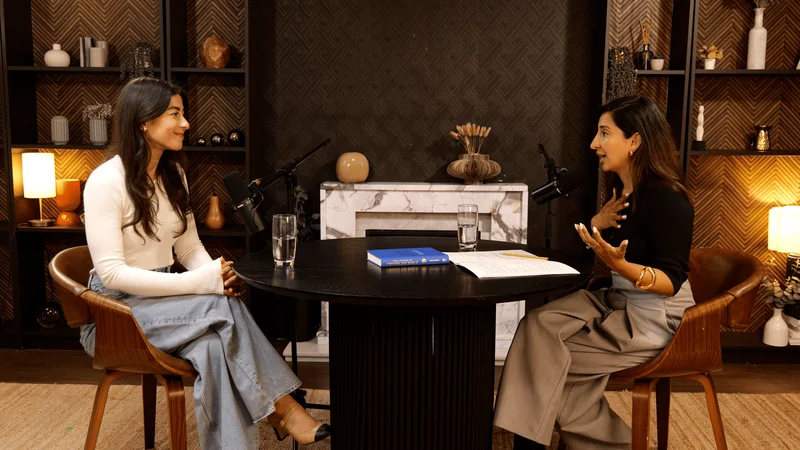
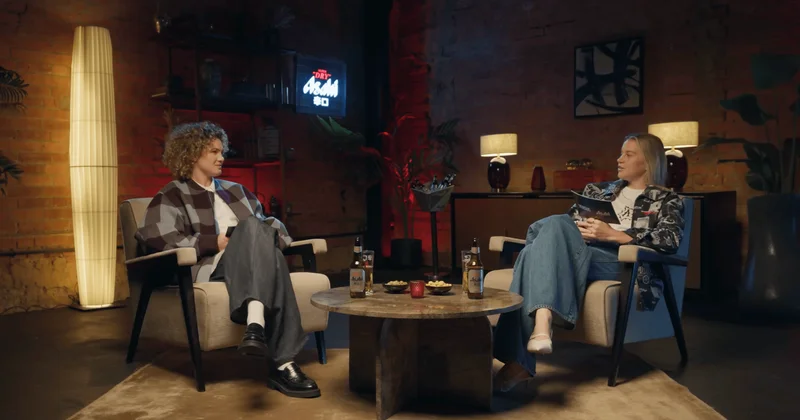
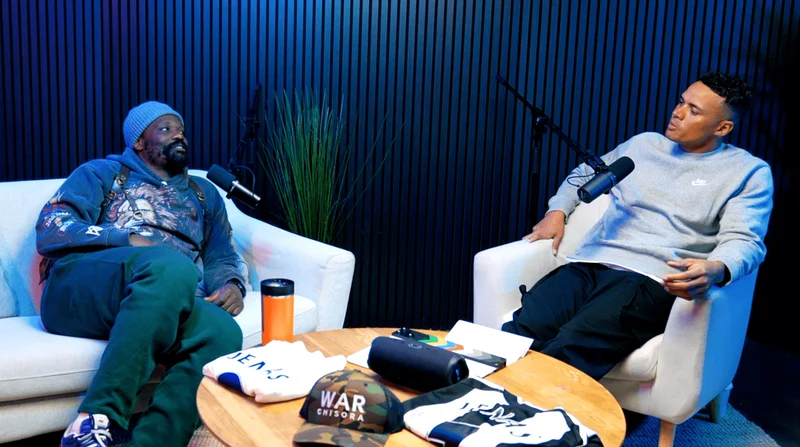
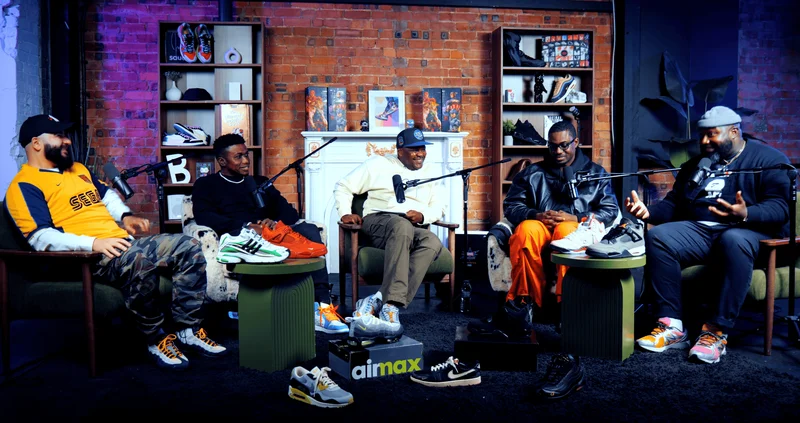
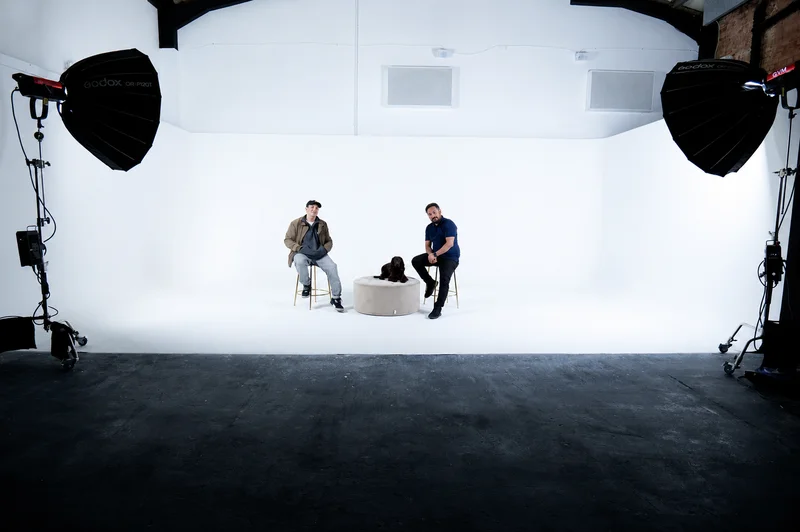
Type 2: In-Studio Recording ("Talking Heads"): This is the quintessential video podcast format, popularized by shows like The Joe Rogan Experience.3 It involves recording the hosts and guests in a studio setting using one or more cameras to capture the conversation.3 While seemingly simple, a professional execution requires attention to lighting, sound quality, and set design. The necessary equipment includes quality cameras (one or multiple for different angles), microphones for each speaker, a lighting kit, and video editing software.2
Type 3: Remote Interview Recording: This format has become increasingly prevalent due to advancements in remote recording technology. It captures webcam footage from multiple participants in different physical locations.3 Software platforms like Riverside, Zoom, and Zencastr are essential for this method, as they are designed to record multiple video streams simultaneously.3 The quality of these recordings has improved dramatically, making this a viable and cost-effective alternative to in-studio production.
Type 4: Interview & B-Roll Recording: Representing the highest level of production complexity, this format enhances a standard interview or discussion with supplementary visual footage, known as b-roll.3 If a guest discusses a news article, a chart, or a movie clip, the editor can insert that visual directly into the video, providing context and breaking up the monotony of a static shot.3 This approach requires significant post-production effort and access to archival footage or the ability to shoot custom b-roll, making it the most resource-intensive option.3
The Audience Shift: Why Viewers are Driving the Visual Trend
The surge in video podcasting is not merely a supply-side phenomenon driven by creators and platforms; it is fundamentally a response to a profound shift in audience demand. This shift is rooted in deep-seated psychological needs for connection, the media consumption habits of a new generation, and an evolution in how audiences engage with content in a fragmented digital world.
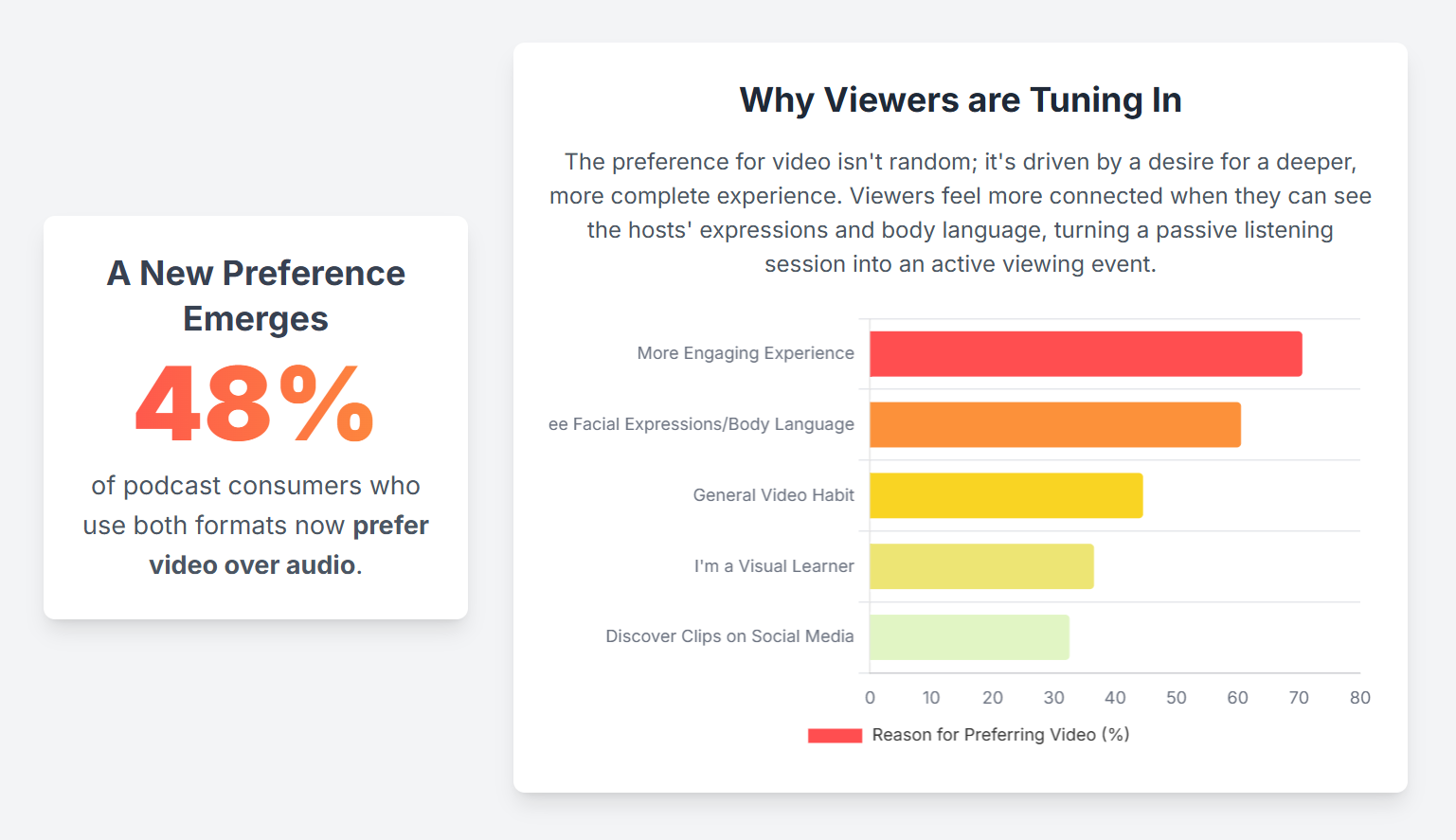
Image Credit: Finchley Studio
The Psychology of Connection: Building Trust and Authenticity
Video creates a richer and more intimate viewing experience by transmitting a layer of information that audio alone cannot capture: non-verbal communication. Facial expressions, body language, and subtle reactions provide viewers with a deeper understanding of the speaker's intent and emotional state.2 Some psychological analyses suggest that facial cues provide more data to the human brain than spoken language, allowing for a more profound connection with the content and its creators.3
This additional layer of visual information is instrumental in building authenticity and trust. A study conducted at University College London in the early 2000s compared the level of trust participants felt toward advice delivered via different media. The findings revealed that video induced the highest level of trust, surpassing audio, text, and avatars.17 By seeing the host, the audience can connect a face to the voice, which humanizes the brand and makes the host appear more relatable and credible.18 This visual presence transforms the host from a disembodied voice into a "trusted friend," strengthening the parasocial relationship that is key to listener loyalty.17 The audience feels less like a passive listener and more like an active participant in the conversation, observing the dynamics and interplay between hosts and guests in real time.17
The Gen Z Catalyst: A Generation Wired for Video
While the appeal of visual connection is universal, the primary demographic driving the video podcast boom is Gen Z. Having grown up in a media environment dominated by video-first platforms like YouTube and TikTok, their content consumption habits are inherently visual. Statistical evidence confirms their profound influence on this trend.
According to the Edison Podcast Metrics report, YouTube has surpassed all other platforms to become the most popular destination for podcast consumption in the United States, capturing 31% of weekly listeners aged 13 and up, ahead of Spotify (27%) and Apple Podcasts (15%).21 This shift is overwhelmingly powered by younger audiences. A staggering
84% of Gen Z monthly podcast listeners report consuming podcasts that include a video component.21
Their motivations for preferring video are explicit. Nearly half (49%) of this demographic state that video helps them better understand the tone and context of the conversation through visual cues, while 45% report feeling more connected to the hosts when they can see them.21 This preference is corroborated by data from the UK, where a YouGov survey found that 47% of listeners aged 18-24 prefer video podcasts, a stark contrast to the mere 12% of listeners aged 55 and over who share that preference.22 For this generation, video is not an accessory; it is an expectation.
Evolving Consumption Patterns: The Rise of Hybrid Media
The transition to video podcasting is not a simple replacement of one format with another. Instead, it reflects the emergence of a more sophisticated, hybrid model of media consumption where audiences demand flexibility. The data reveals that most consumers are now "format-agnostic," moving fluidly between watching and listening based on their context.
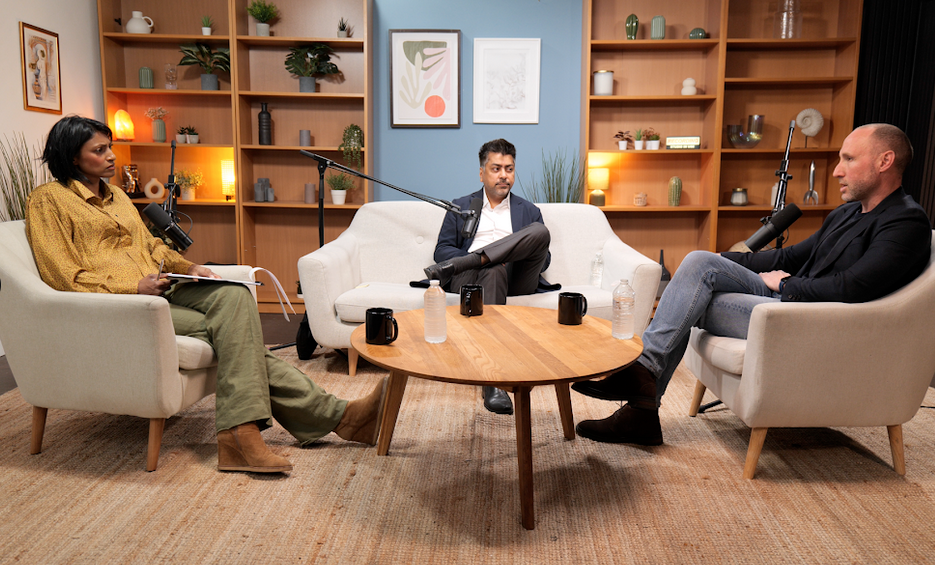
Image Credit: Finchley Studio
A 2025 study from Coleman Insights and Amplifi Media found that 77% of podcast consumers now alternate between audio and video formats for the same shows. Only 23% of the audience consumes podcasts exclusively in one format.12 This hybrid behavior is crucial. Many users engage with video podcasts passively; a Signal Hill survey noted that about 30% of listeners have the video playing in the background or minimized on their device while they focus on the audio.11 Even on a video-native platform like YouTube, a majority of users (58%) consume podcasts by listening to the audio-only or with the video minimized.11
This behavior indicates that the primary value for the audience is the option of video, not the constant necessity of it. A listener can actively watch a key segment of an interview to see a guest's reaction, then revert to passive listening while driving or working.23 This adaptability makes the video podcast a superior media object, capable of fitting into more moments of a person's day than either an audio-only or a video-only format could alone. The popularity of the medium is therefore not a sign that video is "killing" audio. Rather, it shows that audiences desire a richer, more flexible content experience. The most successful video podcasts are those that function perfectly as an audio show but provide a visual layer that rewards, but does not require, the viewer's active attention.
Enhanced Comprehension and Retention
For certain genres of podcasts, particularly those focused on education, technology, finance, or any subject involving complex data, the visual element moves from a "nice-to-have" to a near-necessity. The ability to display charts, diagrams, screen captures, or b-roll footage can dramatically improve an audience's ability to understand and retain information.4 For example, a podcast discussing design principles is inherently more effective when the audience can see the examples being described.13 By adding a visual layer, creators can make their content more impactful, valuable, and memorable, catering to visual learners and clarifying complex topics in a way that audio alone cannot achieve.24
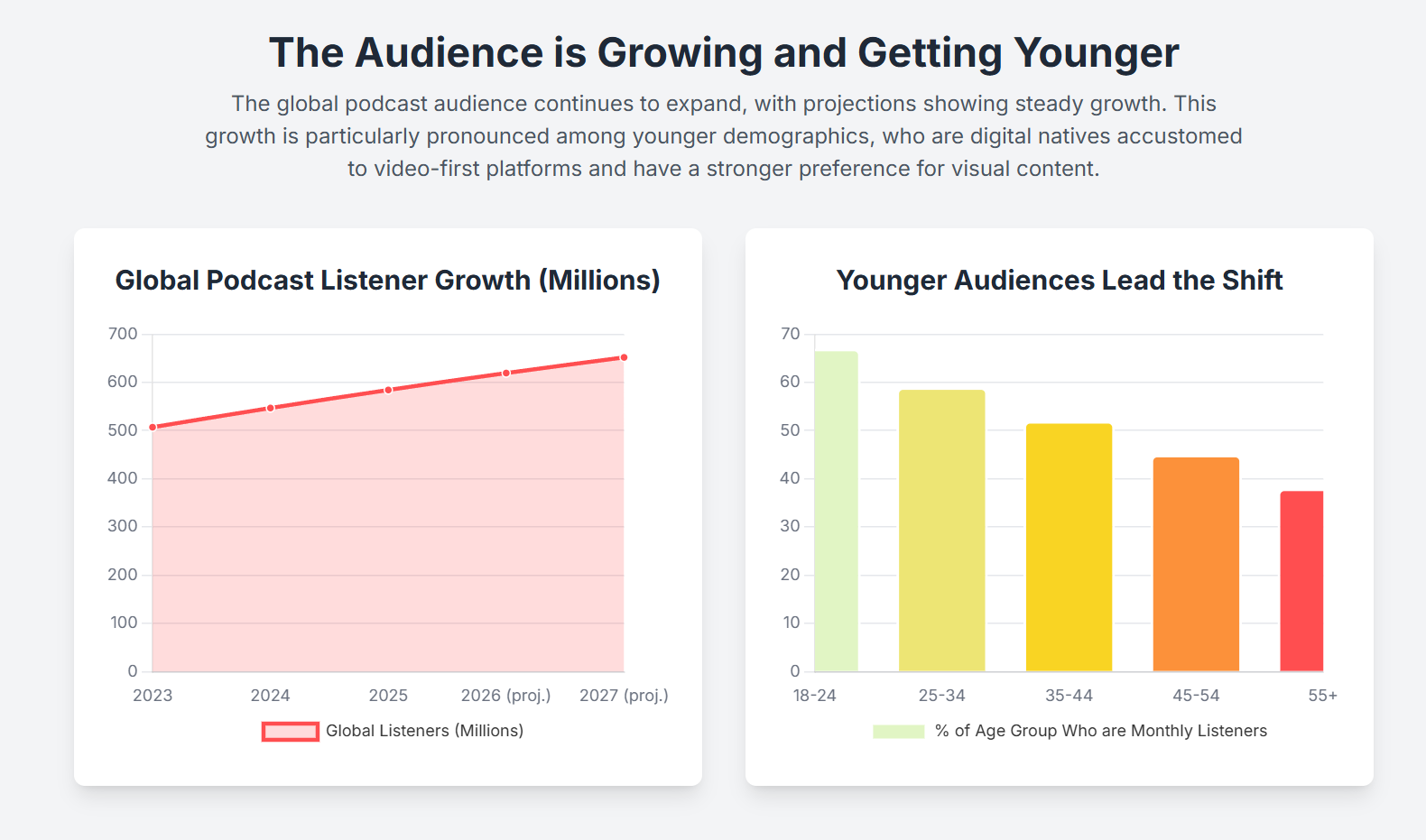
Image Credit: Finchley Studio
The Creator Calculus: Strategic Advantages of Video Podcasting
The shift toward video is not solely a response to audience demand; it is also driven by a compelling set of strategic and financial incentives for content creators. In an increasingly saturated media market, video provides a powerful toolkit for enhancing discoverability, maximizing content ROI, building a stronger brand, and driving tangible business outcomes. Adopting a video strategy is no longer a peripheral choice but a central calculation in building a sustainable media presence.
Amplifying Reach and Discoverability: The YouTube SEO Engine
Perhaps the most significant strategic advantage of video podcasting is its ability to solve the single greatest challenge facing the audio-only format: discoverability.25 Traditional podcast directories like Apple Podcasts and Spotify primarily rely on charts, curated features, and word-of-mouth, making it exceedingly difficult for new or niche shows to gain traction.26
YouTube fundamentally alters this dynamic. As the world's second-largest search engine, it operates on a search-first model.26 By creating a video version of their podcast, creators can tap into YouTube's formidable search and recommendation algorithms, allowing their content to be discovered based on topic, guest, or keywords, not just the title of the show.2 This creates a level playing field where the quality and relevance of the content can drive organic growth. Furthermore, video content is increasingly favored in Google's main search results, providing an additional, powerful SEO benefit.13
The data unequivocally supports YouTube's role as the premier engine for podcast discovery. Research from SoundsProfitable reveals that 66% of weekly podcast consumers find their favorite video podcasts on YouTube. Even more telling is that nearly half (48%) of listeners who consume 75% or more of their content in audio-only format still report discovering their favorite podcasts on YouTube.21 This makes a presence on the platform a strategic imperative for any creator serious about audience growth.
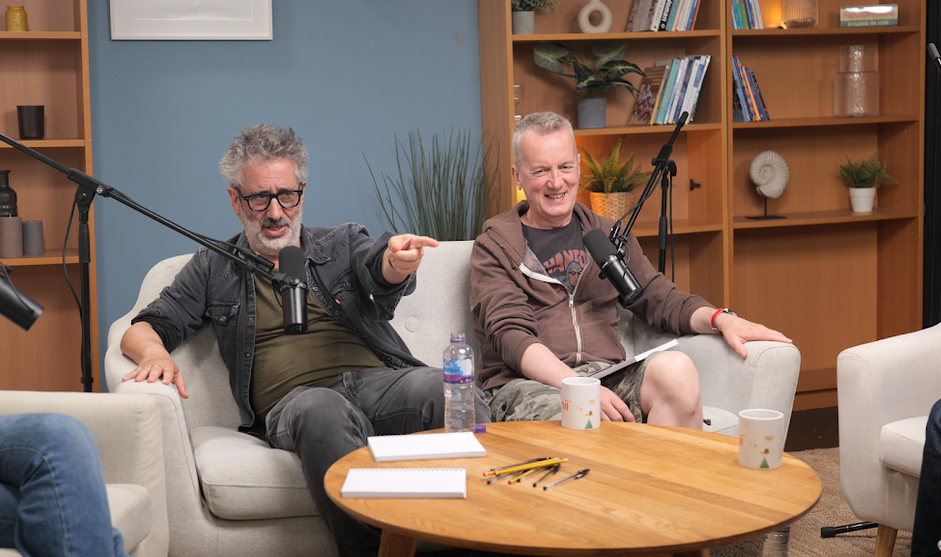
Image Credit: Finchley Studio
The Content Repurposing Engine: Maximizing ROI
A long-form video podcast episode is an exceptionally efficient "pillar" asset. From a single recording session, a creator can generate a multitude of content pieces tailored for various platforms, a strategy known as content atomization.2 This dramatically increases the return on investment for the initial production effort.
The full-length video serves as the anchor content on YouTube. From this master file, creators can extract numerous short, vertical video clips (30-60 seconds) highlighting the most compelling moments. These clips are perfectly formatted for discovery on platforms like TikTok, YouTube Shorts, and Instagram Reels, acting as promotional teasers that drive traffic back to the full episode.4 The audio can be stripped to create the traditional audio-only podcast for distribution on all major podcasting apps. The automatically generated transcript can be edited into a full blog post for SEO purposes, and key quotes can be turned into text-based or image-based graphics for social media platforms like X (formerly Twitter) and LinkedIn.4 This workflow transforms one piece of content into a comprehensive, multi-platform marketing campaign, saving creators an immense amount of time and resources.4
Elevating Brand Authority and Personality
Video provides a far richer medium for brand expression than audio alone.16 The visual elements of a video podcast—including the set design, on-screen graphics and logos, lighting style, and even the host's attire—all contribute to building a cohesive and recognizable brand identity.5 This visual consistency helps to foster brand recognition and elevates the perceived professionalism and authority of the show.18 In an era increasingly populated by AI-generated text and audio, the ability to see the authentic human faces behind a brand builds a level of trust and credibility that is difficult to achieve otherwise.18
Driving Higher Engagement and Action
The strategic advantages of video extend to direct audience engagement and conversion. Social media platforms are inherently visual and are optimized for video content, not audio clips.3 Features like muted autoplay in social feeds mean that a moving image is far more likely to capture a user's attention than a static image with an audio file.3 This makes video content more engaging and significantly more shareable, amplifying its organic reach.19
This higher engagement translates into more effective calls-to-action (CTAs). A video allows a host to both say and show what they want the audience to do, whether it's visiting a website, using a promo code, or checking out a product.25 This dual-modality approach can lead to higher conversion rates. Indeed, some data suggests that video is a more powerful medium for driving commercial activity. One analysis claims that viewers are approximately 75% more likely to make a purchase after seeing a product in a video compared to hearing about it in a podcast.13 A YouGov survey reinforces this, finding that 39% of consumers are more likely to research a product advertised in a video podcast versus an audio one.22
These creator-side advantages create a powerful, self-reinforcing growth loop. A creator adopts video to leverage YouTube's superior discoverability. The resulting video asset is then easily repurposed into short-form clips for social media promotion. These clips act as effective funnels, driving new viewers back to the long-form content on YouTube. This increased viewership and engagement signals to YouTube's algorithm that the content is valuable, prompting it to recommend the videos to an even wider audience. This virtuous cycle—where discoverability enables promotion, which in turn fuels greater discoverability—is a core dynamic explaining the format's explosive growth and its strategic superiority over audio-only podcasting for many creators.
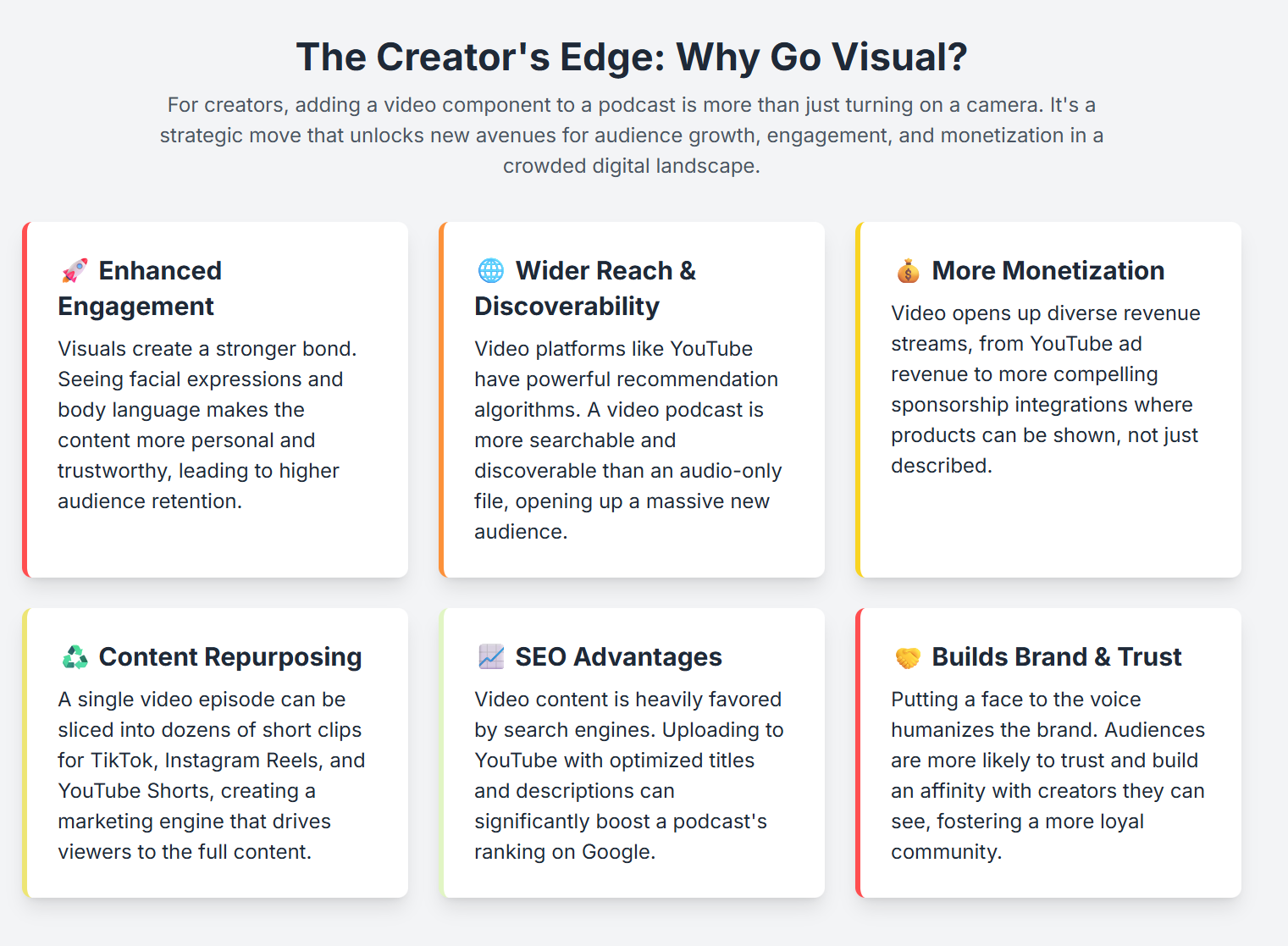
Image Credit: Finchley Studio
The Platform Effect: How YouTube and Spotify Architected the Video Podcast Boom
The rise of video podcasting cannot be fully understood without analyzing the pivotal role of the major distribution platforms. While creators and audiences provide the supply and demand, it is the infrastructure, algorithms, and corporate strategies of platforms like YouTube and Spotify that have shaped the ecosystem, accelerated the trend, and defined the rules of engagement. Their distinct approaches have created a new competitive landscape for audio and video content.
YouTube: The De Facto Search Engine for Podcasts
YouTube's dominance in the video podcasting space grew organically from its core identity as a video search engine. It offered a solution to the podcasting industry's most persistent problem—discoverability—long before it implemented podcast-specific features.
Search-First Ecosystem: Unlike traditional podcast apps that are structured like directories, YouTube functions as the world's second-largest search engine.26 This allows content to surface based on user queries related to topics, guests, or specific questions, rather than just the name of the podcast. This search-driven discovery model is a massive advantage for independent creators and niche shows, which can find an audience based on the relevance of their content.26 According to Sounds Profitable, 52% of podcast listeners say they discover new shows through YouTube, a figure second only to personal recommendations.26
Algorithmic Promotion: YouTube's recommendation algorithm is a powerful engine for organic growth. It prioritizes user engagement signals—such as watch time, audience retention, and click-through rate—over the sheer size of a channel's subscriber base.29 If a video resonates with an initial audience and keeps them watching, the algorithm will promote it to a wider network of similar viewers, creating a potential for exponential growth that is largely absent on traditional audio platforms.26
Dedicated Podcast Features: Recognizing its emerging role in the space, YouTube has invested in features to formalize its support for podcasting. The introduction of dedicated "Podcast Playlists" allows creators to signal to the algorithm that their content is episodic, which can lead to inclusion on the official YouTube Podcasts page and in the YouTube Music app.29
Robust Analytics & Community: YouTube provides creators with an unparalleled suite of free analytics tools. Data on audience demographics, traffic sources, and minute-by-minute audience retention allows creators to understand what is working and optimize their content strategy accordingly.26 Furthermore, the platform's robust comment section fosters a vibrant community, enabling direct interaction between creators and their audience in a way that is missing from most podcast apps.26
Monetization Infrastructure: YouTube offers a mature and accessible monetization ecosystem. Creators can earn revenue through a variety of built-in streams, including a share of advertising revenue (AdSense), channel memberships (subscriptions), live stream features like Super Chat, and an integrated merchandise shelf.2
Spotify's Strategic Pivot to Video
As the long-standing leader in audio streaming, Spotify initially viewed video as an accessory to its core podcasting business. However, faced with YouTube's rapid encroachment, the company has executed a significant strategic pivot, aggressively investing in video to defend its user base and compete directly for video-centric audiences.
Image Credit: Finchley Studio
From Audio-First to Format-Agnostic: Spotify's strategy has evolved beyond simply adding a video player. The company has invested heavily in securing video content, including signing deals with prominent YouTube-native creators. This signals a broader ambition: to transform Spotify from an audio-first service into a comprehensive media platform where users can consume both audio and video content without needing to switch apps.23 The goal is not just to serve existing podcast listeners who want video, but to attract video-native audiences away from YouTube.
User Experience: A key feature of Spotify's video implementation is the ability for users to seamlessly switch between full-screen video and an audio-only mode.34 This design directly caters to the hybrid consumption patterns of modern audiences, allowing them to watch when they can and listen when they need to multitask.23 For new users, Spotify's discovery algorithms also appear to be prioritizing video content more heavily, an effort to acclimate a YouTube-accustomed audience to the platform.34
Creator Incentives: To compete with YouTube's established monetization model, Spotify is introducing new financial incentives for video creators. This includes a plan for performance-based payouts, which would reward creators directly for the traction their video content gains, mirroring the YouTube Partner Program.35 Additionally, by offering ad-free video viewing to its massive base of premium subscribers, Spotify provides creators with access to a highly engaged audience that is less likely to be deterred by ad interruptions.35
Integration and Accessibility: The Spotify for Podcasters platform serves as the central hub for creators to upload and manage their video episodes, supporting standard formats like.mov and.mp4.6 The platform also offers integrations with third-party recording tools like Riverside, streamlining the workflow from production to distribution.15
A Comparative Analysis of Platform Ecosystems
The divergent paths of YouTube and Spotify have resulted in two distinct platform strategies. YouTube's dominance in video podcasting was a "pull" phenomenon; creators were naturally drawn to the platform because its existing search and discovery infrastructure solved their biggest marketing challenges. Spotify's entry into video is a strategic "push"; as the incumbent audio leader, it is compelled to build a competitive video offering to prevent user erosion and defend its market position.
This leads to different core value propositions for creators. YouTube is primarily an engine for audience acquisition and top-of-funnel discovery. Its strength lies in its ability to introduce a show to new audiences through search and recommendations. Spotify, on the other hand, is evolving into a platform for audience retention and multi-format convenience. Its key feature is the seamless audio-video switching experience, which serves an existing, loyal audience.
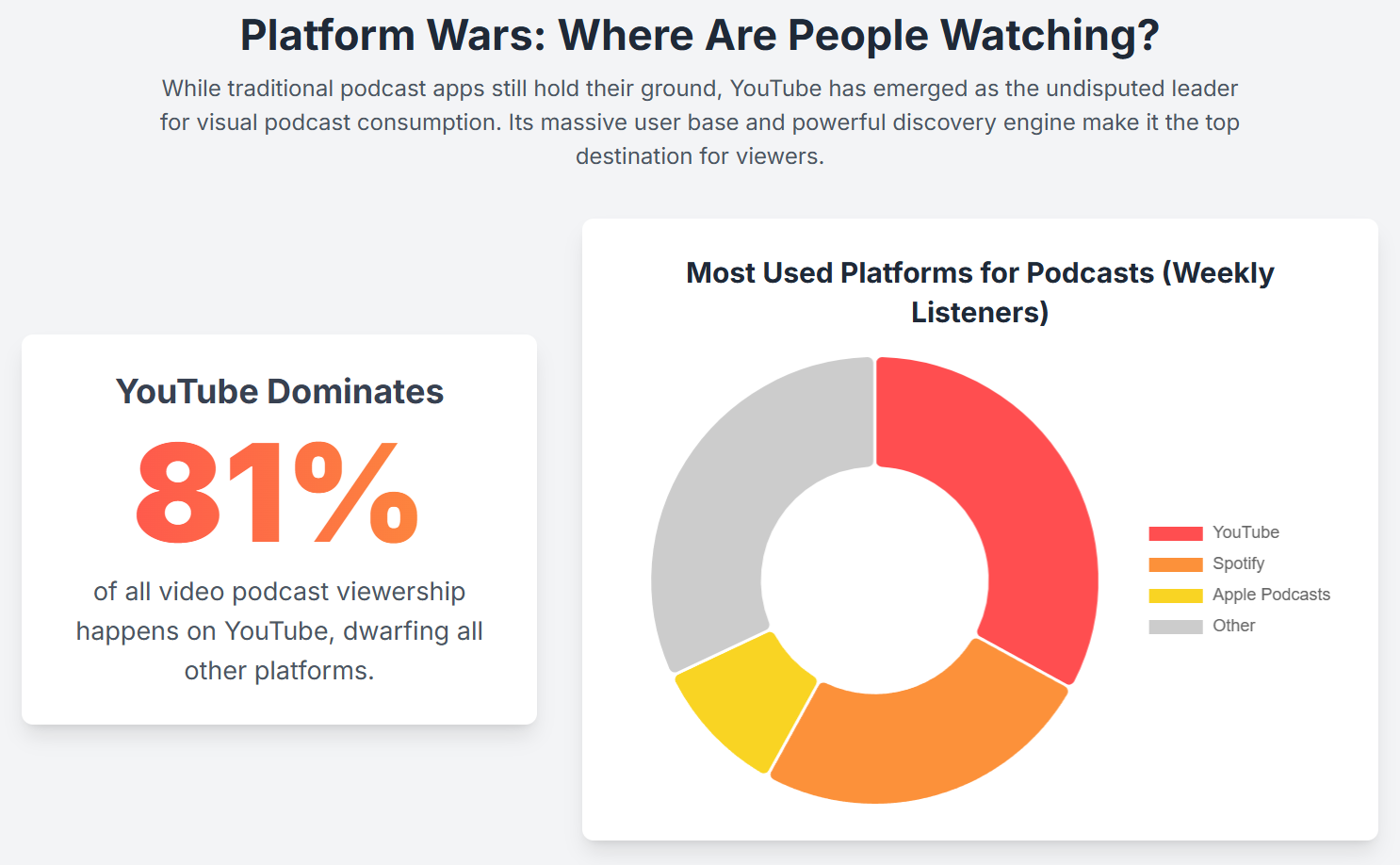
Image Credit: Finchley Studio
Therefore, the optimal strategy for many creators is not to choose one platform over the other but to use them in tandem. They can leverage YouTube's powerful discovery tools to grow their audience and then serve that audience on Spotify with a premium, flexible consumption experience.
The Technology Catalyst: Lowering Barriers and Democratizing Production
The explosion in video podcasting would not have been possible without a concurrent revolution in production technology. A confluence of advancements in hardware, software, and artificial intelligence has dramatically lowered the cost and complexity of creating professional-quality video content. This democratization of production tools has been a critical enabler, empowering a new generation of creators to enter the visual medium.
The Rise of Accessible Pro-Grade Equipment
Historically, high-quality video production was the domain of professionals with access to expensive equipment. Today, the barrier to entry has been significantly reduced. While high-end cinema cameras and studio microphones remain costly, creators can now achieve a professional look and sound with consumer-grade gear.
High-definition webcams, mirrorless cameras designed for content creators (such as the Sony ZV-1), and even the cameras on modern smartphones are capable of producing excellent video quality.15 On the audio front, affordable and high-quality USB microphones like the Samson Q2U have made broadcast-quality sound accessible to creators on a budget.7 Similarly, basic three-point lighting setups using inexpensive ring lights or softbox kits can transform a home office into a presentable studio.15 This accessibility of pro-grade equipment has removed one of the largest historical hurdles to video creation.
The Software Revolution: Cloud-Based and All-in-One Platforms
Even more transformative than the hardware has been the evolution of production software. The emergence of cloud-based remote recording platforms like Riverside, Zencastr, and SquadCast has been a paradigm shift for the podcasting industry.3 These platforms solve the critical problem of recording high-quality audio and video with remote guests. By recording each participant's audio and video tracks locally on their own computer and then uploading them to the cloud, these tools bypass the instability of internet connections, ensuring that the final recording is pristine and free of glitches, regardless of bandwidth issues.36
This technology has effectively eliminated the geographical and financial barriers associated with traditional studio recording. Creators can now produce professional, multi-person interview shows from anywhere in the world, without the need for a physical studio. Furthermore, these platforms are increasingly becoming all-in-one production suites, integrating recording, text-based editing, automatic transcription, and content repurposing tools into a single, streamlined workflow, further simplifying the creative process.28
The AI Transformation: The Next Frontier of Production Efficiency
Artificial intelligence is poised to be the next major catalyst in video production, promising to automate the most time-consuming and technical aspects of the post-production process and further reduce costs.37
Automated Editing: The editing process, which traditionally requires hours of meticulous work, is being revolutionized by AI. New tools can automatically remove filler words ("ums," "ahs"), long silences, and mouth noises from audio tracks.7 The advent of text-based editing is particularly game-changing; platforms can generate a transcript of a recording, and creators can edit the video simply by deleting words or sentences from the text document, with the corresponding video clips being automatically removed.36
Content Generation & Repurposing: AI is also streamlining the marketing and promotion workflow. AI tools can now automatically generate show notes, episode summaries, blog posts, and social media captions directly from a recording's transcript.28 More advanced features, like Riverside's "Magic Clips," use AI to analyze a long-form video, identify the most engaging or shareable moments, and automatically edit them into short-form vertical videos ready for social media.28
Cost Reduction: The financial impact of AI is profound. For certain types of content, AI video generation tools can reduce production costs by as much as 97-99% compared to traditional agency methods.39 AI-powered avatars and voice cloning can create multilingual content or facilitate corrections without the need for expensive reshoots or dubbing services, making global distribution more feasible for independent creators.39
These technological advancements are fundamentally altering the role of the content creator. Historically, video production demanded a high degree of technical proficiency in camera operation, lighting, audio engineering, and complex editing software. The new generation of automated and AI-powered tools handles many of these technical burdens. This frees the creator from the role of "technician" and allows them to focus on their core strengths as a "strategist"—concentrating on content ideation, guest curation, audience engagement, and overall brand strate
Image Credit: Finchley Studio
gy. This shift makes success in video podcasting less about technical mastery and more about creative vision and marketing acumen, opening the door for a wider and more diverse pool of talent.
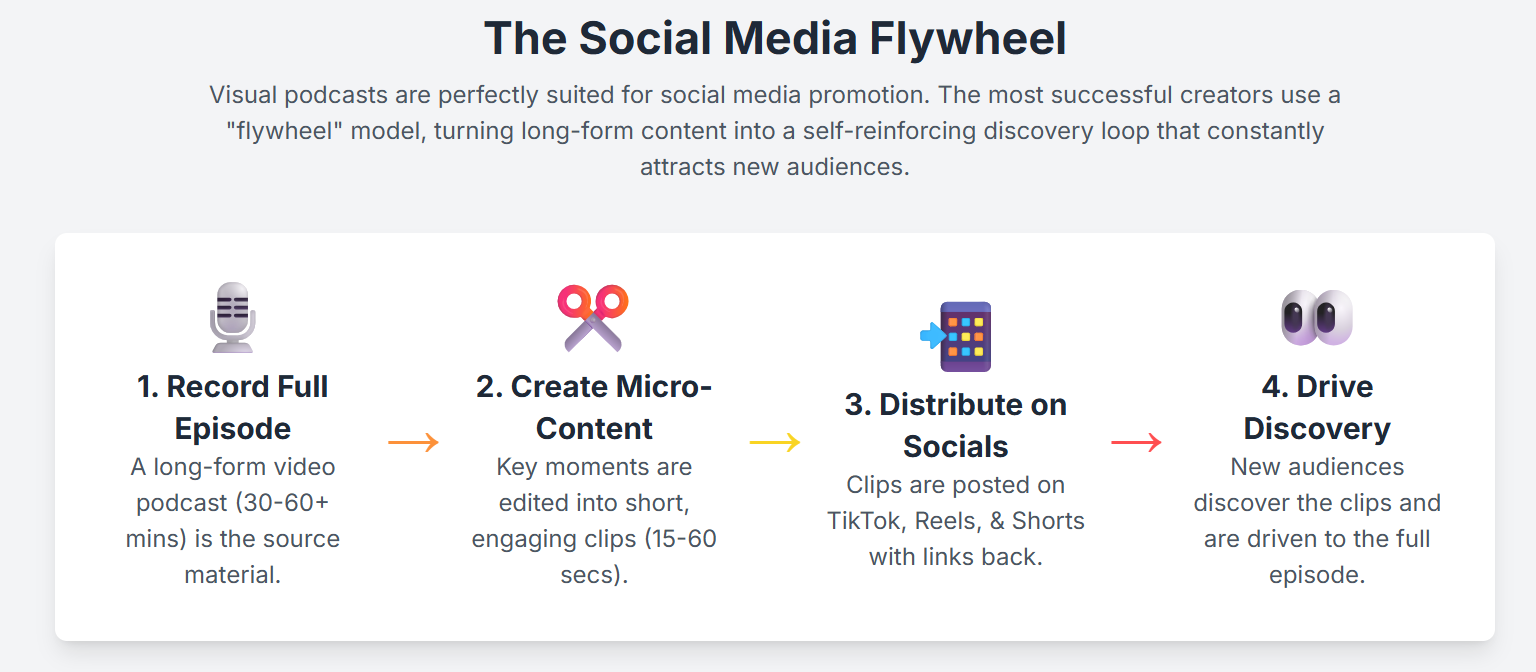
Image Credit: Finchley Studio
Monetization and Growth in the Visual Era: A Strategic Framework
The transition to a visual medium has not only changed how podcasts are made and consumed but has also fundamentally expanded the opportunities for growth and monetization. By leveraging the unique advantages of video, creators can build more diversified revenue streams and implement more effective growth strategies, transforming their podcast from a hobby into a sustainable media business.
Diversified Revenue Streams Enhanced by Video
Video unlocks a broader and often more lucrative set of monetization options than are available to audio-only creators.2
Platform Ad Revenue: The most direct financial benefit is access to programmatic ad revenue sharing on platforms like YouTube. Through the YouTube Partner Program, creators earn a percentage of the revenue from ads shown on their videos, providing a baseline income stream that is not available on most traditional podcast hosting platforms.2
Sponsorships & Brand Deals: Video enhances the value of sponsorships. Brands can benefit from visual product placements, on-screen logos, or demonstrations by the host. The ability to show a product in use is often more compelling than a simple audio mention, which can allow creators to command higher rates for host-read ads.28
Affiliate Marketing: Video is a powerful tool for affiliate marketing. Hosts can visually demonstrate products or software, making their endorsements more persuasive. The use of on-screen text, clickable links in the description, or even QR codes can make it easier for the audience to act on a recommendation, potentially increasing conversion rates for affiliate partnerships.13
Direct-to-Consumer Sales: Video provides a direct channel to sell products and services to a loyal audience.
Merchandise: Selling branded merchandise like t-shirts, mugs, and hats is more effective when the hosts can wear or use the products on camera, acting as their own best advertisement.41
Digital Products & Courses: Creators can leverage their authority to sell digital products like e-books, templates, or online courses that expand on their podcast's content. The video podcast serves as a powerful top-of-funnel marketing tool to generate leads for these higher-ticket items.28
Memberships & Subscriptions: A recurring revenue stream can be established by offering premium content to paying members. Through platforms like Patreon or YouTube's Channel Memberships, creators can offer perks such as ad-free episodes, exclusive behind-the-scenes video content, or live Q&A sessions with the hosts.28
Best Practices for YouTube Channel Growth (2025)
To capitalize on these opportunities, creators must adopt a strategic approach to managing their presence on YouTube, the primary engine for video podcast growth. The following best practices are essential for optimizing a channel for discovery and retention.29
Niche Down: In a crowded market, specificity is a superpower. Begin with a highly focused topic and a clearly defined target audience. This attracts a more dedicated listenership and makes the show more appealing to niche advertisers.42
Optimize for the "Click": The battle for attention on YouTube is won or lost at the point of impression. Craft compelling, SEO-driven titles that are under 75 characters to avoid being truncated. Titles should communicate a clear value proposition and create curiosity.30 Pair them with simple, high-contrast thumbnails that feature no more than three key visual elements and are easily legible on a small screen. Avoid using generic episode numbers or guest names in the title unless the guest is a household name.27
Optimize for Retention: Hooking the viewer in the first 30 seconds is critical. Start episodes with a strong teaser or a clear summary of the value the viewer will receive. To maintain engagement throughout long-form content, break up the visual monotony with b-roll, on-screen graphics, or camera angle changes. Use YouTube's "Chapters" feature to help viewers navigate to sections of interest, which improves the user experience and provides valuable data on which topics are most popular.27
Leverage YouTube's Tools: Fully utilize the platform's features. Organize episodes into a designated "Podcast Playlist" to signal the format to the algorithm. Upload a full transcript of every episode to maximize SEO value. Actively engage with the audience in the comments section to build community. Consistently create and post YouTube Shorts repurposed from the main episodes to act as a discovery funnel.29
Consistency is Key: Maintain a predictable and regular publishing schedule. This not only trains the audience to anticipate new content but also signals to the YouTube algorithm that the channel is active, which can help build momentum and increase the likelihood of being recommended.29
Conclusion: Building a Sustainable Media Brand in the Visual Age
The ascent of the video podcast is not a transient trend but a durable evolution of the medium. It is the result of a powerful confluence of factors: a deep-seated audience desire for more authentic connection, the strategic imperatives for creators to maximize reach and revenue, the economic and algorithmic forces of dominant platforms, and the democratization of production technology.
Success in the modern content landscape requires creators to adopt a format-agnostic mindset. They are no longer just "podcasters" but the architects of multifaceted media brands. In this new paradigm, the video podcast serves as the ideal cornerstone. It is a uniquely versatile asset that functions as a hub for engaging long-form content, a catalyst for community building, and an efficient engine for a diverse array of promotional materials that can fuel an entire content ecosystem. The future of podcasting is not a choice between audio and video; it is an integration of both. The future is not just audible; it is visible.
Essentially, visual podcasts have become more popular because they are more discoverable, more engaging, and more profitable than their audio-only counterparts.
Here are the key reasons for their rise.
Image Credit: Finchley Studio
## 1. The Power of YouTube as a Discovery Engine
The single biggest reason for the rise of the visual podcast is YouTube. It's the world's second-largest search engine, and it's where people go to find answers and be entertained.
Why it matters: Traditional audio-only podcasts are mostly found on platforms like Apple Podcasts and Spotify, which are notoriously poor for helping new listeners discover shows. By putting a visual podcast on YouTube, you make your content searchable. A potential listener can find your show by searching for a guest's name or a topic you've discussed, something that is far less effective on audio-only platforms.
## 2. The Rise of "Clip Culture" on Social Media
The way people discover new podcasts has fundamentally changed. Today, growth is driven by short, compelling clips on platforms like TikTok, Instagram Reels, and YouTube Shorts.
Why it matters: These platforms are video-first. A 60-second video clip showing the dynamic interaction between a host and a guest—their laughter, reactions, and body language—is infinitely more engaging and shareable than a static audiogram (a waveform over an image). Creating these high-impact clips is a core growth strategy, and it's only possible with a video recording from a professional studio like Finchley Studio.
## 3. Deeper Audience Connection and Engagement
Video creates a much stronger and more personal connection between the creators and their audience.
Why it matters: Seeing a host's facial expressions and the non-verbal cues between guests adds a rich layer of context and intimacy that audio alone cannot capture. This deeper connection builds a more loyal and engaged community around your show. It turns passive listeners into an active, dedicated audience that feels like they truly know the hosts.
## 4. Expanded Monetization and Branding Opportunities
For creators looking to turn their podcast into a business, video opens up a world of new opportunities.
Why it matters:
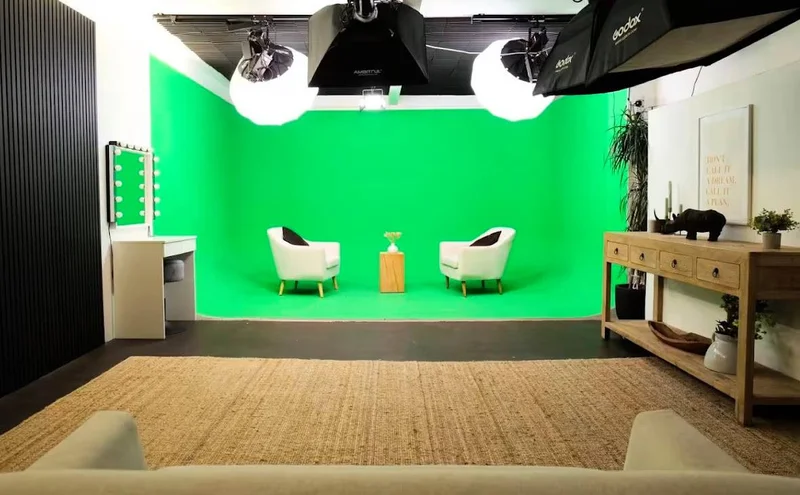
Better Sponsorships: Brands pay a premium for video integrations, where their product can be visually featured on a professional set like our Lounge Studio or CEO Set.
YouTube Ad Revenue: A successful YouTube channel can generate a significant and direct stream of income from ad revenue.
Stronger Branding: The visual elements of your show—the set design, your on-screen style, the graphics—all contribute to building a powerful and recognizable brand.
While the audio is still the heart of the podcast, the visual component has become the key to its growth, reach, and success in today's media landscape.
Create Your Professional Visual Podcast at Finchley Studio
Ready to tap into the power of video? At Finchley Studio, we specialise in producing high-quality visual podcasts that are designed to grow. Our commitment to excellence is why organisations like the BBC and Lloyds Bank trust us with their productions. See what our clients are saying in our Google reviews and on Trustpilot.
We offer a diverse range of meticulously designed studios perfect for any visual podcast:
Our professional Video Editing Service can transform your recording into a polished final episode, complete with compelling social media clips to drive your growth. The team at Finchley Studio is here to ensure your vision is realised perfectly.
Ready to create a visual podcast that connects and grows?
Find Us Easily: Our studio is conveniently located just a two-minute walk from Finchley Central on the Northern Line and is adjacent to the Travelodge London Finchley. We also offer one free parking space per booking.
what3words: orders.yards.jokes
Stay Connected: Follow our journey and see behind-the-scenes content on our social media channels:
Have questions? Check our FAQ or get in touch directly.
WhatsApp: +447587827200
Phone: +447587827200
Email: [email protected]
Works cited
blog.spreaker.com, accessed September 25, 2025, https://blog.spreaker.com/what-is-a-video-podcast-and-why-is-it-important/#:~:text=In%20its%20simplest%20form%2C%20a,podcasts%20were%20originally%20audio%2Dbased.
What is Video Podcasting? - Wondercraft AI, accessed September 25, 2025, https://www.wondercraft.ai/blog/what-is-video-podcasting
What is a Video Podcast? | Castos, accessed September 25, 2025, https://castos.com/video-podcast/
Video Podcast: What Is It, How To Get Started and Why | Lower Street, accessed September 25, 2025, https://lowerstreet.co/blog/video-podcast
What is Video Podcasting? | Updated for 2025 - Podcastle, accessed September 25, 2025, https://podcastle.ai/blog/video-podcasting/
Spotify Video Podcast: A Guide for Creators | Lower Street, accessed September 25, 2025, https://lowerstreet.co/blog/spotify-video-podcasts
Audio-Only Podcast vs Video Podcast - Pros, Cons and Actionable Tips - Podsqueeze, accessed September 25, 2025, https://podsqueeze.com/blog/audio-only-podcast-vs-video-podcast/
Vlog vs Podcast: Differences & Mic Tips for 2025 Creators - Maono, accessed September 25, 2025, https://www.maono.com/blogs/news/vlog-vs-podcast-differences-mic-tips-for-2025-creators
www.maono.com, accessed September 25, 2025, https://www.maono.com/blogs/news/vlog-vs-podcast-differences-mic-tips-for-2025-creators#:~:text=Vlog%20vs%20Podcast%3A%20What's%20the,or%20during%20a%20long%20commute.
Difference Between Podcast and Vlogging - Tutorials Point, accessed September 25, 2025, https://www.tutorialspoint.com/difference-between-podcast-and-vlogging
Nearly Three-Quarters of Podcast Audiences Play the Video, Too, for Some Reason, accessed September 25, 2025, https://www.thewrap.com/audience-podcasts-play-video-listen-audio/
New report find 77% of podcast consumers now alternate between audio and video, accessed September 25, 2025, https://podnews.net/press-release/state-of-video-podcasting-25
Vlogging vs. Podcasting: Which is Right for You? - Youpreneur.com - How to Build, Market and Monetize Your Personal Brand!, accessed September 25, 2025, https://www.youpreneur.com/vlogging-vs-podcasting-which-is-right-for-you/
Podcasts vs Vlogging (2025): Which One To Start? - Demand Sage, accessed September 25, 2025, https://www.demandsage.com/podcasts-vs-vlogging/
Video Podcasting on Spotify: A Complete Guide for Creators, accessed September 25, 2025, https://www.cohostpodcasting.com/resources/video-podcasting-on-spotify
A Marketer's Guide to Video Podcasts: Everything You Need to Know, accessed September 25, 2025, https://www.quillpodcasting.com/blog-posts/video-podcasts
Video Podcasting: Why Start One & How Can You Benefit? [Free ..., accessed September 25, 2025, https://riverside.com/blog/benefits-of-starting-a-video-podcast
Why Does Your Brand Need a Video Podcast? - Sweet Fish Media, accessed September 25, 2025, https://www.sweetfishmedia.com/blog/why-does-your-brand-need-a-video-podcast
3 Benefits to Video Podcasting Strategies - Podbean Blog, accessed September 25, 2025, https://blog.podbean.com/video-podcasting-strategies/
The rise of video podcasts: people-watching reimagined or a necessary evolution?, accessed September 25, 2025, https://www.midiaresearch.com/blog/the-rise-of-video-podcasts-people-watching-reimagined-or-a-necessary-evolution
From Audio To Visual, Gen Z Drives The YouTube Podcast Boom ..., accessed September 25, 2025, https://radioink.com/2024/10/23/from-audio-to-visual-gen-z-drives-youtubes-podcast-boom/
Are podcasts going visual? - YouGov, accessed September 25, 2025, https://business.yougov.com/content/52585-are-podcasts-going-visual
Beyond video podcasts: Spotify's investment in video creators reveals its format agnosticism, accessed September 25, 2025, https://www.midiaresearch.com/blog/beyond-video-podcasts-spotifys-investment-in-video-creators-reveals-its-format-agnosticism
Video Podcast Spotify: Best Practices, FAQs, and Key Tips - Ausha, accessed September 25, 2025, https://www.ausha.co/blog/video-podcast-spotify/
What are the Major Benefits of a Video-First Podcast Compared to a Standard Show?, accessed September 25, 2025, https://riverside.com/blog/major-benefits-of-a-video-first-podcast
How to Optimize Your Podcast on YouTube, accessed September 25, 2025, https://www.cohostpodcasting.com/resources/optimize-your-podcast-on-youtube
YouTube Podcasts: Best Practices from Top Video Podcasters - Riverside, accessed September 25, 2025, https://riverside.com/blog/youtube-podcast
Monetizing My Podcast: What Worked, What Didn't, and What I'd Do ..., accessed September 25, 2025, https://blog.beehiiv.com/p/how-to-monetize-a-podcast
How (and Why) to Grow a Podcast on YouTube: 2025 Guide, accessed September 25, 2025, https://www.headliner.app/blog/2025/03/26/how-to-grow-podcast-on-youtube-guide/
How to Create YouTube Video Podcasts That Perform - Social Media Examiner, accessed September 25, 2025, https://www.socialmediaexaminer.com/how-to-create-youtube-video-podcasts-that-perform/
How to Start a Podcast on YouTube | 2025 Best Practices for Audio & Video Podcasts, accessed September 25, 2025, https://www.youtube.com/watch?v=DxkWokK3w_4
Audio vs. video podcasts - benefits and shortcomings - Solutium, accessed September 25, 2025, https://solutium.rs/en/audio-vs-video-podcasts-benefits-and-shortcomings/
How to Start a YouTube Podcast in 2025: Ultimate Guide, accessed September 25, 2025, https://lowerstreet.co/how-to/start-a-youtube-podcast
Understanding Spotify Video – The User Perspective - Sounds ..., accessed September 25, 2025, https://soundsprofitable.com/article/understanding-spotify-video/
What does Spotify's Pivot to Video Mean for Podcasters? - Podcastle, accessed September 25, 2025, https://podcastle.ai/blog/spotify-promotes-video-podcasts/
New Video Technology Trends: Stay Ahead in 2025 - Riverside, accessed September 25, 2025, https://riverside.com/blog/new-video-technology
How AI has changed video production across the board? - lv productions, accessed September 25, 2025, https://www.lv-prod.com/blog/how-ai-is-transforming-video-production
The Evolution of Video Production: Trends and Technologies to Look Out for in 2025, accessed September 25, 2025, https://www.osvstudios.com/the-evolution-of-video-production-trends-and-technologies-to-look-out-for-in-2025
AI Video Generation vs. Traditional Production: Cost Breakdown ..., accessed September 25, 2025, https://www.vidboard.ai/ai-video-generation-vs-traditional-costs-2025/
The Cost of Traditional vs. AI-Generated Video Production - Zebracat, accessed September 25, 2025, https://www.zebracat.ai/post/traditional-vs-ai-generated-video
9 Tried-and-True Ways How to Monetize a Podcast in 2025 | Printful, accessed September 25, 2025, https://www.printful.com/blog/how-to-monetize-podcast
The Ultimate Guide to Starting a Podcast in 2025 (8 Things You MUST Do!), accessed September 25, 2025, https://elizabethmccravy.com/starting-a-podcast-in-2025/