1. Introduction: The Evolution of London Podcast Production
The digital media landscape in the United Kingdom has undergone a fundamental transformation over the past five years. We have transitioned from an era where podcasting was primarily an auditory experience—consumed passively via headphones on the London Underground—to a "video-first" content ecosystem. In 2026, a "podcast" is no longer defined solely by an RSS feed and an MP3 file. It is a multi-faceted digital asset that exists simultaneously as a long-form 4K video on YouTube, a series of vertical clips on TikTok and Instagram Reels, and a high-fidelity audio experience on Spotify and Apple Podcasts.1
This paradigm shift has profound implications for marketing directors, independent creators, and agency producers operating in the capital. The requirements for studio hire London have escalated in complexity. It is no longer sufficient to rent a quiet room with a USB microphone. Today's content creators demand broadcast-grade lighting grids, multi-camera 4K workflows, acoustically isolated environments, and aesthetic set designs that reinforce brand authority.3
However, this demand for higher production values collides with the harsh economic reality of operating in Central London. The traditional media hubs of Soho (W1) and Shoreditch (EC1) have become increasingly inhospitable to agile creators and Small-to-Medium Enterprises (SMEs). Escalating commercial rents, the expansion of the Ultra Low Emission Zone (ULEZ), and the prohibitive cost of the Congestion Charge have created a "Central London Premium" that can double the cost of a production without adding on-screen value.2
Consequently, a new creative corridor has emerged in North London. Stretching from the industrial-chic warehouses of Finsbury Park and the creative enterprise zones of Wood Green to the accessible suburbs of Finchley, this region now hosts a vibrant ecosystem of high-specification, affordable podcast studios and video studios. These facilities offer a strategic alternative to the West End, providing broadcast-quality infrastructure at a fraction of the cost, often with superior logistical accessibility.6
This report serves as a definitive operational manual for hiring a podcast studio in North London. It provides a forensic analysis of the market, dissecting the technical specifications of current industry standards, the hidden economic costs of studio rental, and the logistical realities of North London transport links. Our analysis is grounded in a detailed review of current pricing models, equipment lists, and user experiences, ensuring that you can secure a facility that delivers professional results while optimizing your production budget.
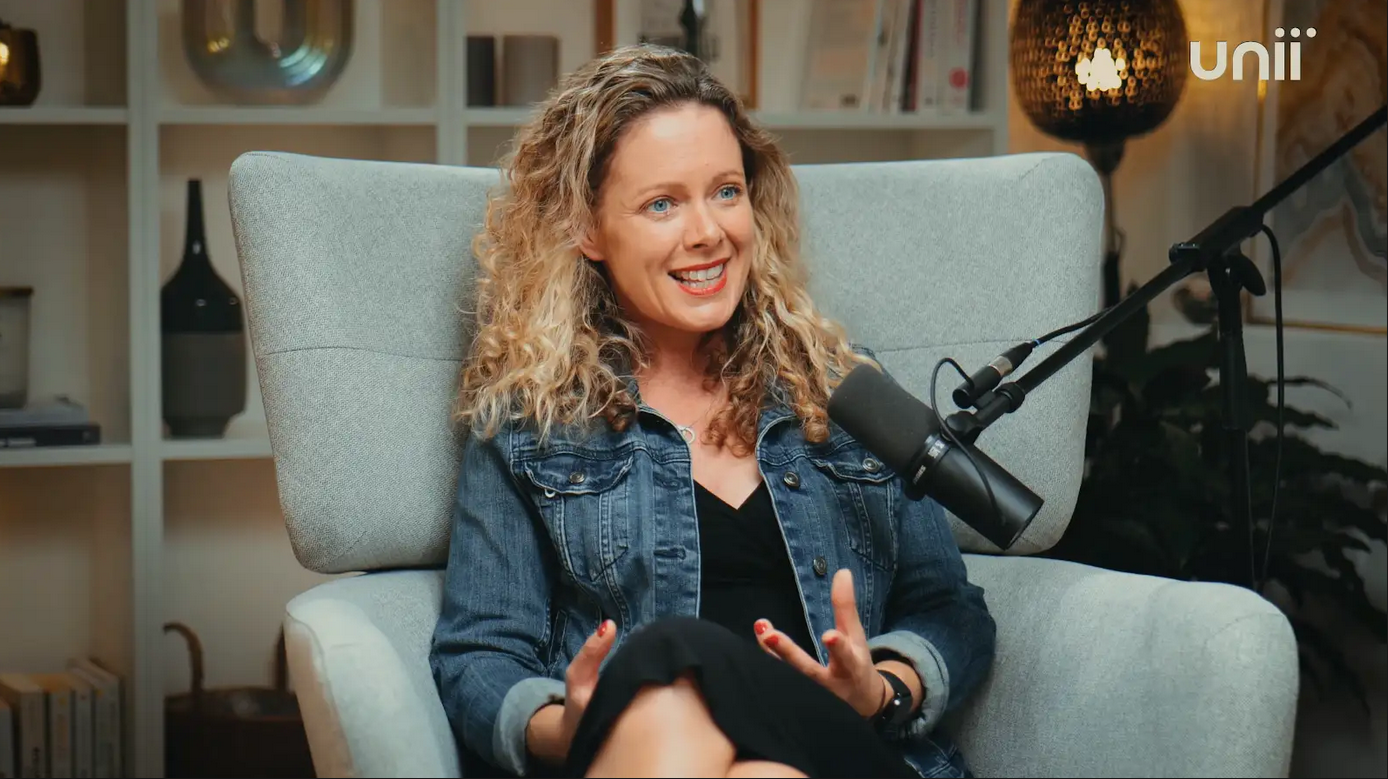
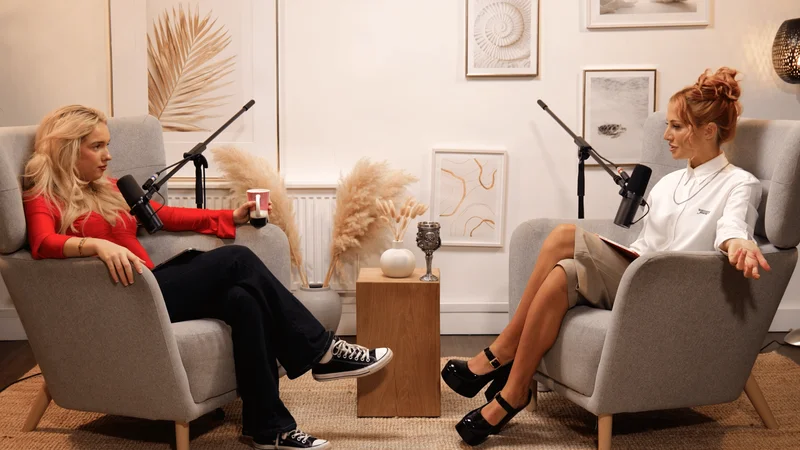
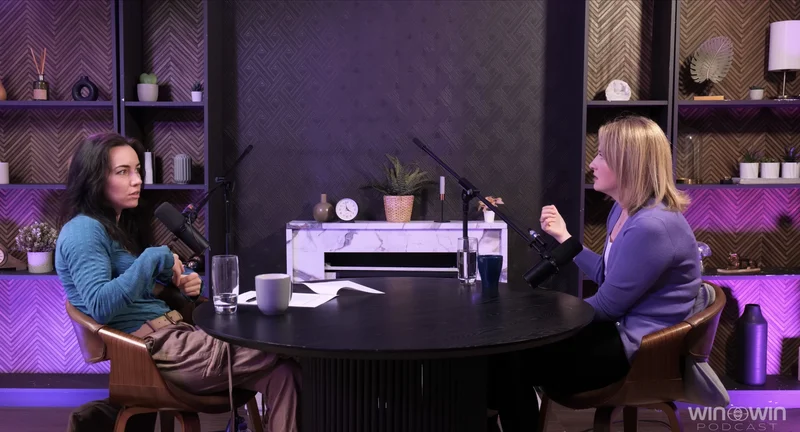
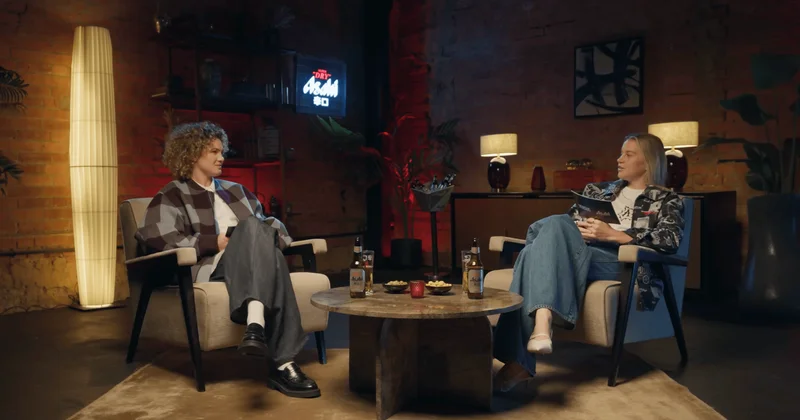
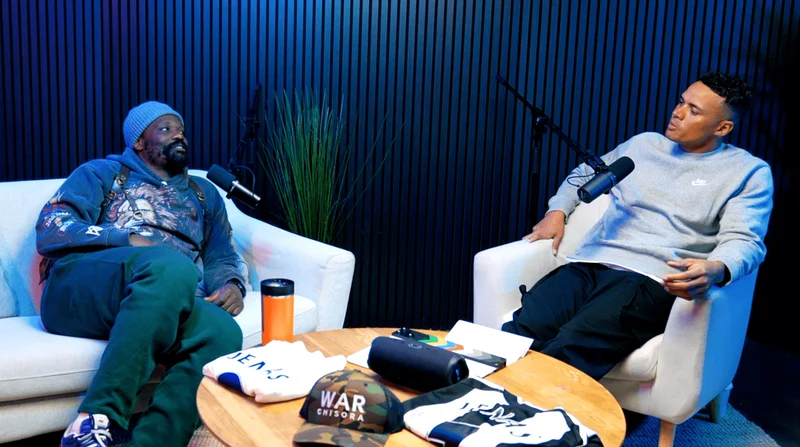
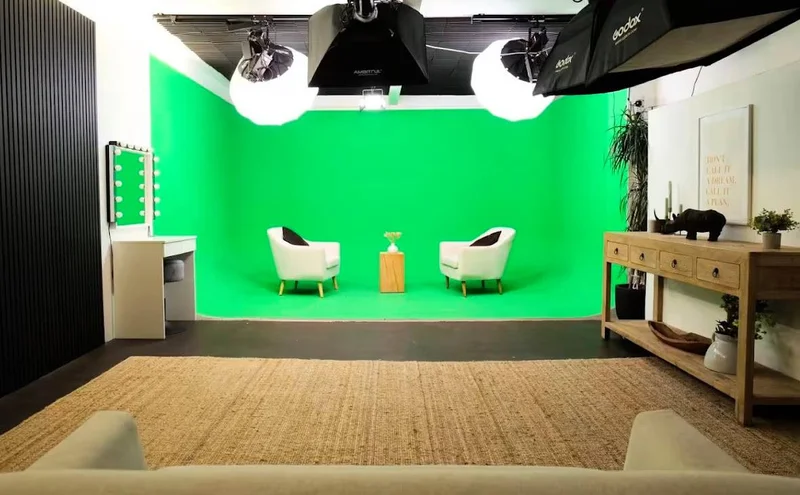
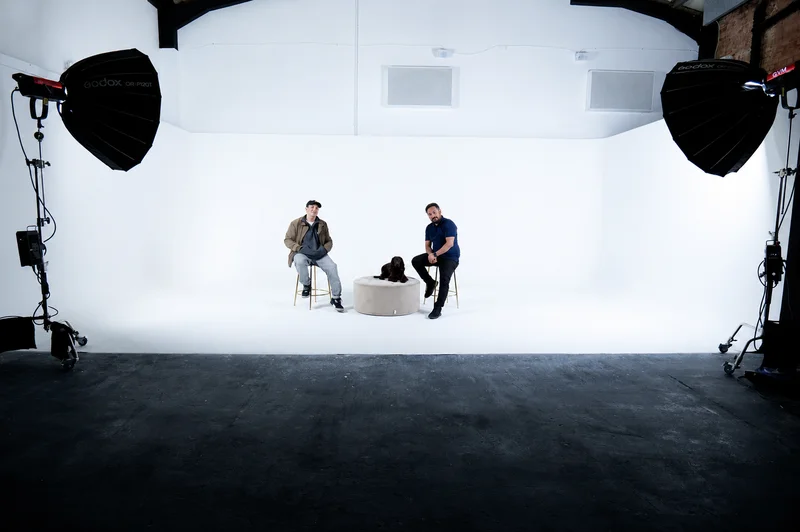
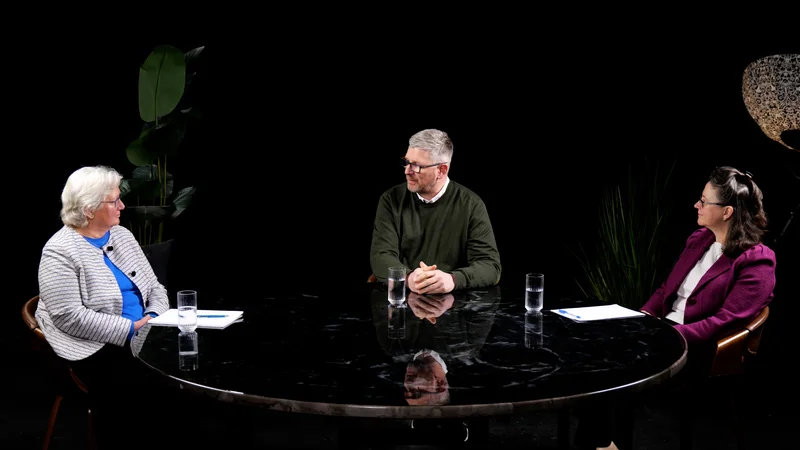
Finchley Studio (Dialogue set): book this setup for your podcast
2. The Strategic Geography of North London Studio Hire
When evaluating a location for London podcast production, one must look beyond the studio walls. The logistical friction associated with getting talent, crew, and equipment to the venue is a critical success factor. North London offers distinct advantages over the congested center, provided one understands the specific transport dynamics of its key creative hubs.
2.1 The Central London Bottleneck vs. The Northern Corridor
The operational overhead for a production in Central London is often underestimated. For a standard four-hour recording session involving a host, a guest, and a producer, the ancillary costs of a Soho location can exceed the studio hire fee itself.
The Congestion and Parking Tax As of 2026, the daily charge for driving into the Congestion Charge Zone (CCZ) remains a significant overhead, typically £15.00 per vehicle.2 For a production team using two vehicles—one for talent and one for equipment—this immediately adds £30.00 to the budget before a single microphone is powered on. Furthermore, parking in boroughs like Westminster or Hackney is notoriously difficult and expensive. On-street parking can cost upwards of £4.90 to £8.00 per hour, meaning a four-hour session could incur parking costs of £30.00 to £60.00 per vehicle.5
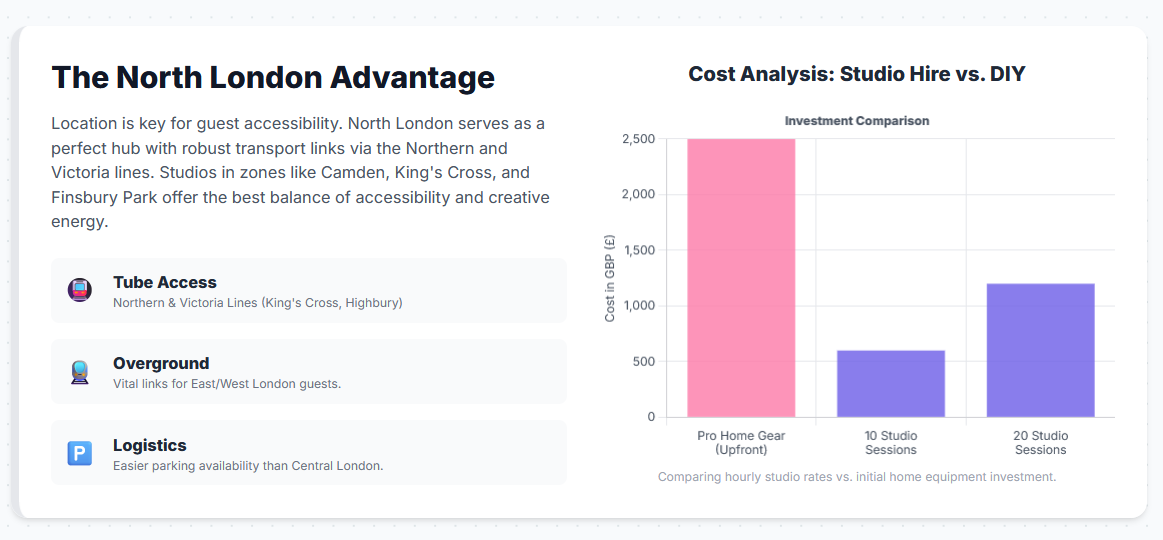
The North London Accessibility Dividend North London—specifically the N4 (Finsbury Park), N22 (Wood Green), and N3 (Finchley) postcodes—offers a strategic alternative. These areas function as "Creative Enterprise Zones," a designation supported by the Mayor of London to foster affordable creative workspaces.6
Congestion Charge Exemption: Studios in Wood Green and Finchley are situated outside the Congestion Charge zone. This results in an immediate saving of £15.00 per vehicle per session.2
Parking Availability: Unlike the restrictive red routes of Central London, North London boroughs often offer simplified parking solutions. Studios like Finchley Production Studio explicitly highlight "one free parking space per booking" and proximity to low-cost station car parks.5 For high-profile guests who drive, the ability to park directly outside the venue for an easy load-in/load-out is a critical convenience factor that reduces stress and improves performance.
2.2 Deep Dive: Key Creative Hubs in North London
The North London market is not a monolith; it is composed of distinct neighborhoods, each with a unique character and logistical profile.
2.2.1 Wood Green (N22): The Industrial Creative Hub
Wood Green has evolved into a dense cluster of artists, makers, and digital producers, supported by initiatives like the "Creative Corners" tour.8 The area is characterized by converted warehouses and light-industrial spaces, such as the Chocolate Factory and Blue House Yard.9
Transport Logistics: Wood Green is served by the Piccadilly Line. The journey from Leicester Square to Wood Green takes approximately 21 minutes, with trains running every 5 minutes.10 This is often faster than navigating a taxi through Central London traffic.
Bus Connectivity: The area is served by major bus routes like the N29 from Cambridge Circus, although this journey can take 35+ minutes.10 The Piccadilly Line is the recommended mode of transport for reliability.
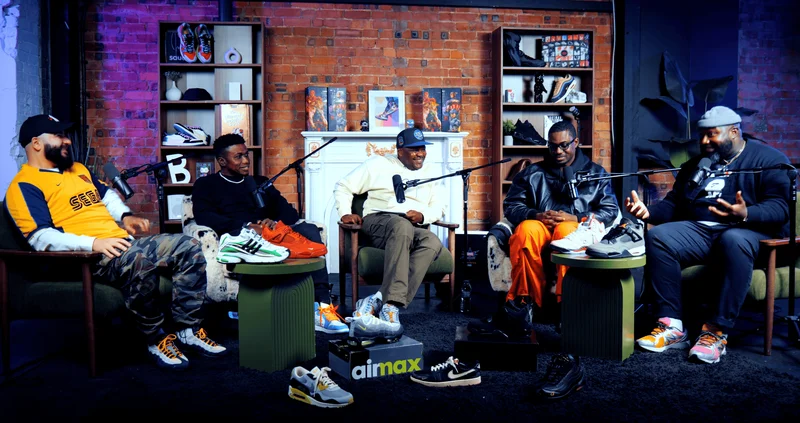
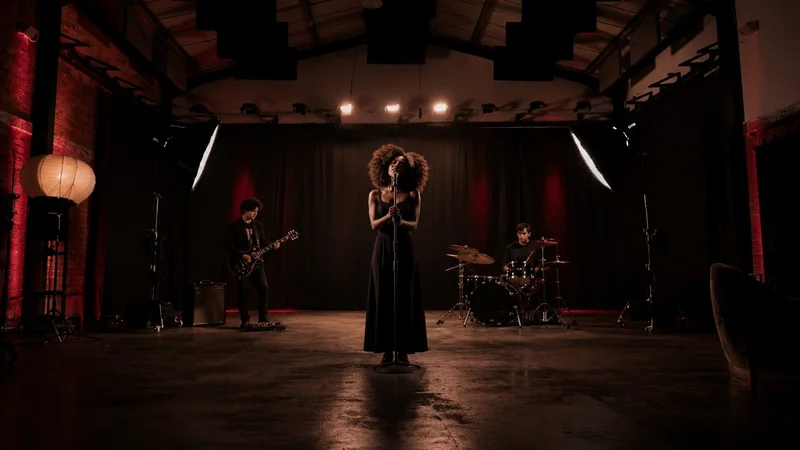
Vibe: The aesthetic here is distinct—exposed brick, raw industrial features, and an authentic "maker" vibe that appeals to modern "video-first" podcasters who reject the sterile, corporate look of traditional boardrooms.
2.2.2 Finsbury Park (N4): The Hyper-Connected Gateway
Positioned as a gateway between Central and North London, Finsbury Park has leveraged its supreme connectivity to attract tech-forward studios like Mango Studios LDN.11
Connectivity: Finsbury Park Station is a major interchange, serving the Victoria Line, Piccadilly Line, and National Rail. It is described as a "very well connected station," making it arguably the most accessible hub for guests traveling from different parts of the city.11
Local Ecosystem: The area creates a "village" feel with independent cafes and access to green space (Finsbury Park itself), which is conducive to relaxed, conversational content. The presence of cultural assets like the Park Theatre fosters a community of actors and writers, contributing to a vibrant creative atmosphere.7
2.2.3 Finchley (N3): The Accessible Suburban Fortress
Finchley represents a strategic pivot to "North London Accessibility".5
Transport: The Northern Line (High Barnet branch) connects King's Cross to Finchley Central in roughly 20 minutes. The area is also served by a robust bus network (routes 13, 125, 143, 460) connecting to surrounding boroughs.5
The Driver’s Choice: This hub is particularly attractive for productions involving equipment or high-profile talent who drive, offering free parking and easy access from the North Circular road, avoiding the inner-city gridlock entirely.
2.3 Noise Pollution: The Urban Acoustic Challenge
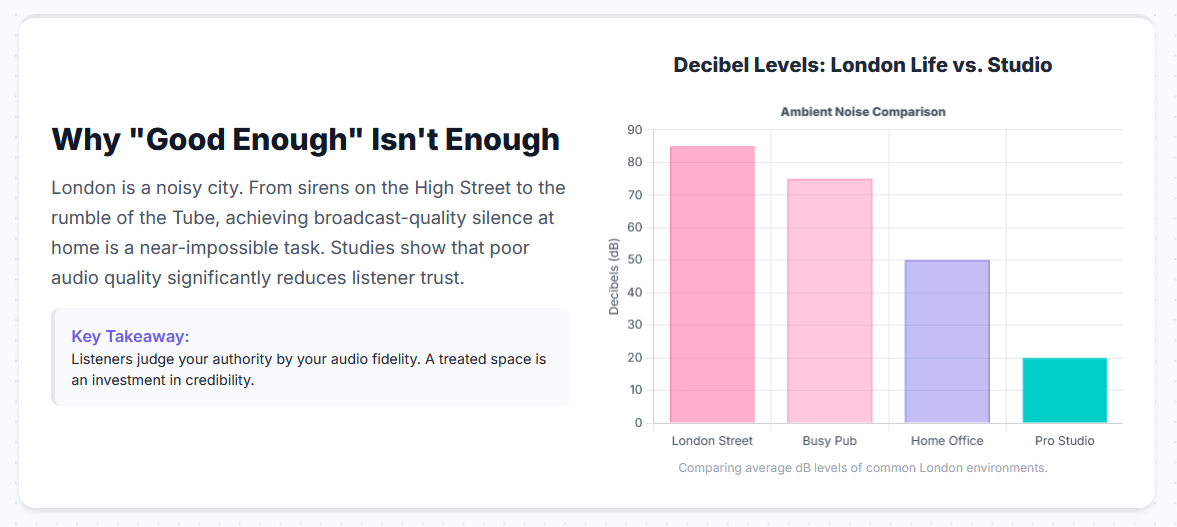
One of the most critical, yet frequently overlooked, factors in podcast studio selection is the acoustic environment. London is an inherently noisy city. A studio in a busy area like Shoreditch or near a major arterial road in Whitechapel faces a constant battle against low-frequency rumble (LFR) from buses and heavy goods vehicles (HGVs), as well as structure-borne noise from the Underground.12
The Distinction Between Soundproofing and Acoustic Treatment
Many budget studios market themselves as "soundproofed" when they are merely "acoustically treated." This distinction is vital for professional audio recording.
Acoustic Treatment: This involves placing foam panels, bass traps, or diffusers on walls to control internal sound reflections. It reduces echo and reverb, ensuring the voice sounds "dry" and professional. However, it does nothing to stop the sound of a passing siren or a neighbor's drill from entering the microphone.13
Soundproofing: This involves structural isolation—often a "room-within-a-room" construction with floating floors, mass-loaded vinyl, and triple-glazing—to physically block external noise transmission.
The North London Advantage Residential and light-industrial pockets in North London (like the quiet mews in Finchley or the backstreets of Wood Green) inherently suffer less from the relentless decibel load of Central London. A studio located in a quiet cul-de-sac in N3 naturally has a lower noise floor than a studio on Shoreditch High Street 15, reducing the reliance on aggressive electronic noise gating which can degrade audio quality. When booking, always ask if the studio is "soundproofed" (isolated) or just "treated," especially if your session is during peak traffic hours.13
3. Technical Infrastructure: The Standards of 2026
To produce a "professional" podcast in the current market, the equipment specification is non-negotiable. The days of plugging two USB microphones into a laptop are over for commercial-grade productions. When hiring a video studio or recording studio in North London, you must verify that their inventory meets the following 2026 industry standards.

Finchley Studio (Dialogue set): book this setup for your podcast
3.1 The Audio Chain: Achieving Broadcast Fidelity
The hallmark of a professional podcast is the "rich," "warm," and "authoritative" vocal tone often associated with radio broadcasting. This is achieved through a specific chain of hardware that users should look for in studio equipment lists.
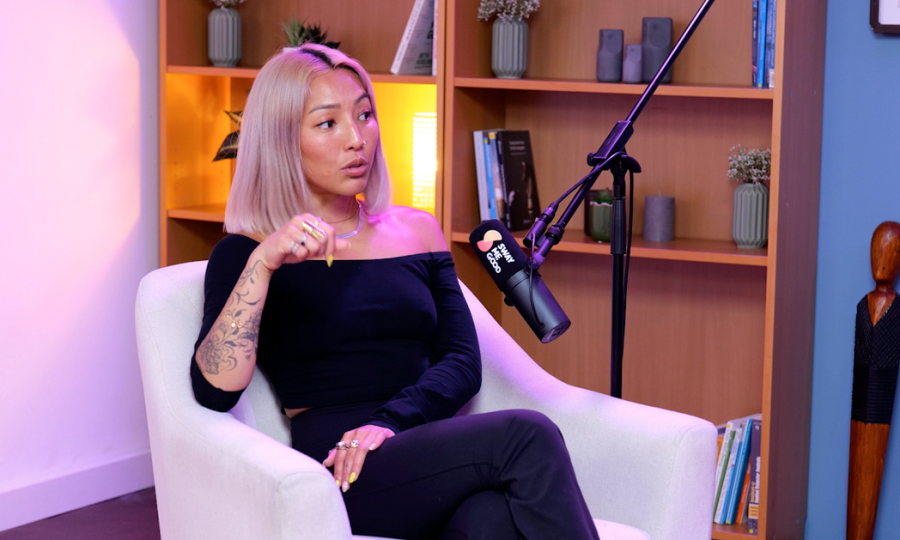
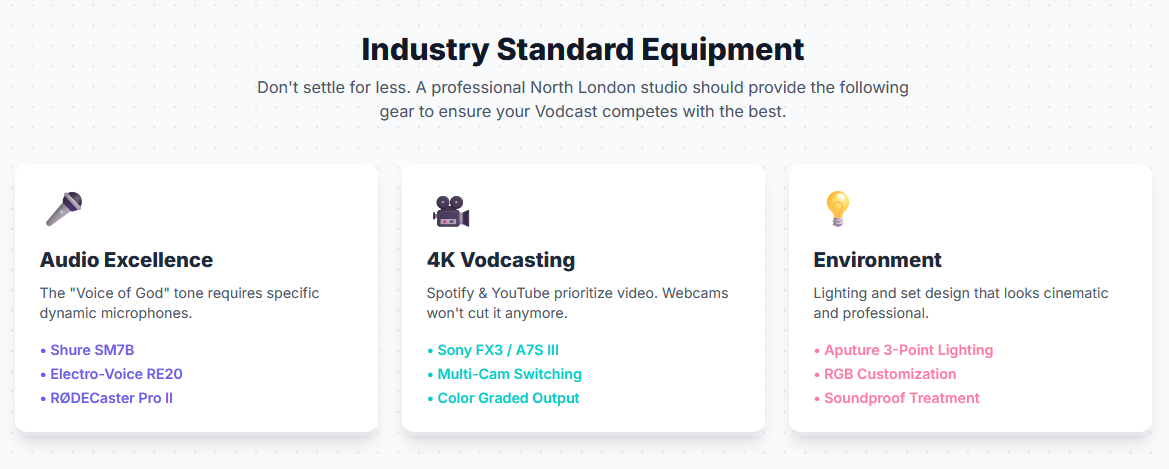
The Microphone Standard: Shure SM7B The Shure SM7B remains the undisputed king of podcast microphones, featured in top-tier studios like Nostars and Mango Studios.3
Why it matters: It is a dynamic microphone with a cardioid pattern. Unlike sensitive condenser microphones (like the RØDE NT1), the SM7B is designed to reject background noise and room ambience. This makes it the ideal choice for studios that may not be perfectly soundproofed. It requires significant gain (amplification), often necessitating a high-end preamp or a "Cloudlifter" to produce a clean signal without hiss.17
Alternatives: The Electro-Voice RE20 (classic radio sound) and the RØDE Procaster are acceptable alternatives found in studios like Pirate Studios.18 However, the SM7B is the visual signifier of a "serious" podcast, adding perceived value to the video feed.
Audio Interfaces and Mixers
RØDECaster Pro II: This integrated production console has become the standard for mid-range and self-service studios. It allows for multi-track recording, instant triggering of sound effects, and "mix-minus" functionality, which is essential for bringing in remote guests via phone or Zoom without audio feedback.11
DAW Integration: For studios offering an engineer (e.g., Nostars, Finchley), the recording is typically captured directly into a Digital Audio Workstation (DAW) like Logic Pro X.3 This allows for non-destructive editing and higher fidelity processing than a standalone recorder.
3.2 The Video Chain: The 4K Imperative
With YouTube and Spotify Video becoming primary discovery engines, the visual component is as important as the audio. A "Video Studio" must provide more than just a webcam.
Camera Sensors
Blackmagic Pocket Cinema Camera 6K: Found in high-value studios like Nostars 3, these cameras offer a "cinematic" look with high dynamic range and shallow depth of field (blurry background), which separates the subject from the set. This aesthetic is far superior to standard camcorders or webcams and signals high production value.
Sony FX3 / FX6: Found in premium studios like Podshop 20, these are industry workhorses known for excellent autofocus and low-light performance. Their reliability makes them a favorite for uncrewed or self-service setups where manual focus pulling is impossible.
Lighting The difference between an amateur and professional video is often lighting. Look for studios using Godox or Aputure LED panels with softboxes.11 Hard lighting creates unflattering shadows; soft, diffused lighting is essential for facial definition. RGB (color-changing) lights are a popular feature for branding the background, allowing you to match the studio's ambient light to your brand colors.20
3.3 Data Standards: The ProRes vs. H.264 Debate
A critical, often ignored, technical detail is the recording format (codec). This has massive implications for your post-production workflow and storage costs. Studios will typically offer one or both of these formats, and your choice depends on your post-production capabilities.
H.264 / H.265 (Long-GOP):
Pros: Small file sizes make it easy to transfer and store. Ideal for long conversations where storage space is a concern.
Cons: Highly compressed. If you try to color grade the footage heavily, it may fall apart (banding/artifacts). It is computationally expensive for editing computers to process, often requiring the creation of "proxies" for smooth editing.21
Apple ProRes (Intra-frame):
Pros: "Visually lossless" quality. Each frame is compressed individually, making it incredibly smooth to edit. Supports 10-bit color for professional grading, allowing you to recover highlights and shadows.21
Cons: Massive file sizes. A 1-hour multi-cam shoot in 4K ProRes can easily exceed 300GB.24
Implication for Studio Hire: If a studio records in ProRes (common with Blackmagic cameras at Nostars or Mango), you must bring a high-speed SSD (Solid State Drive) like a Samsung T7 or SanDisk Extreme with at least 1TB of space.20 A standard USB stick will not be fast enough to write the data, and transferring hundreds of gigabytes to the cloud at the studio could take hours, incurring overtime fees.
4. The Economics of Studio Hire: A Forensic Audit
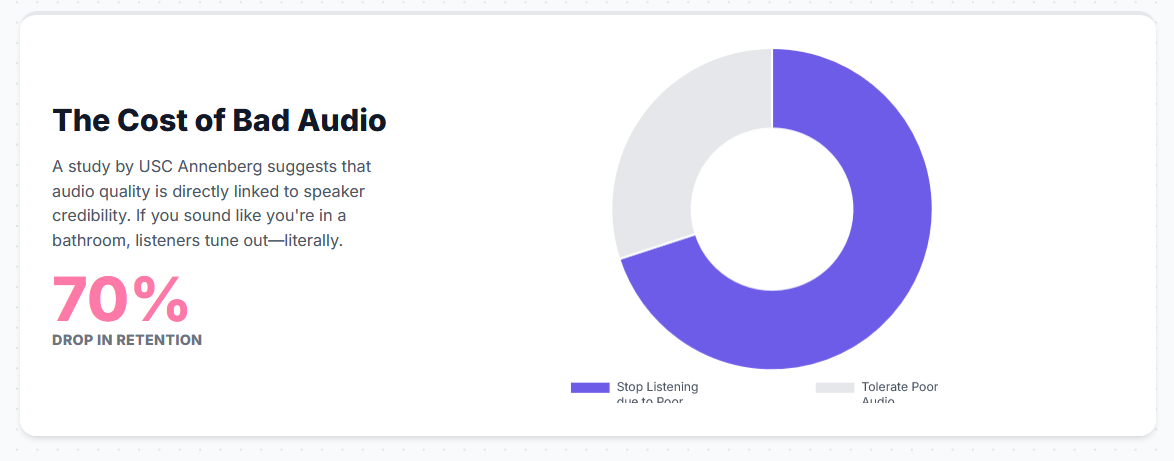
The advertised headline rate of a podcast studio is rarely the final price you will pay. To budget effectively, one must understand the tiered pricing models and the pervasive "hidden" costs in the London market.
4.1 Market Tiering and Base Rates
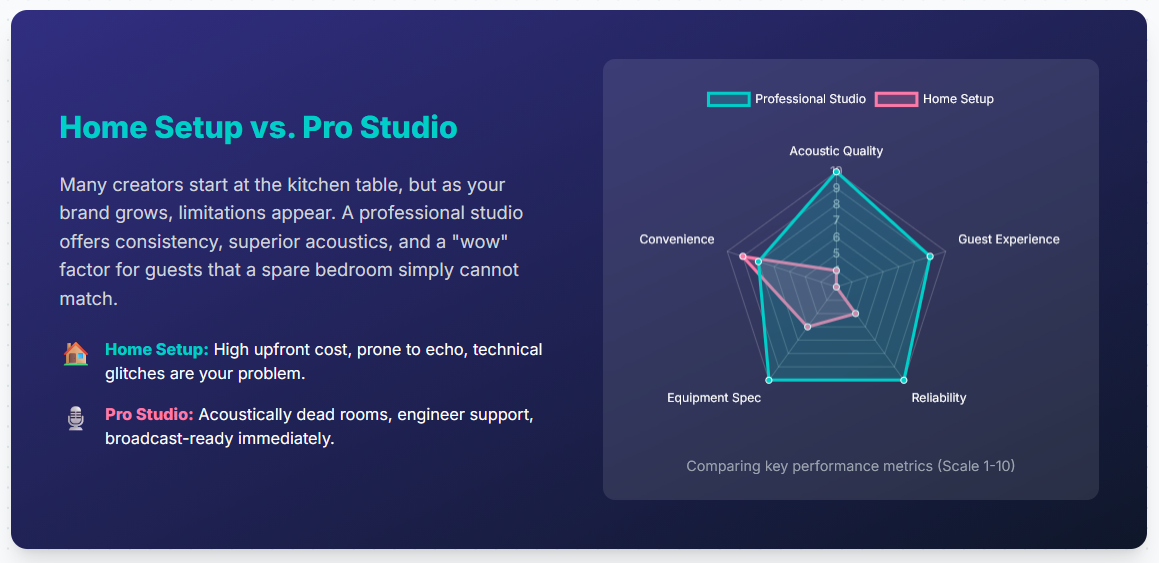
The market in North London effectively segments into four distinct tiers based on service level and infrastructure.1
Tier 1: The "Dry Hire" Budget Tier (£15 - £40 per hour)
Examples: Imhotep Studio (Willesden) @ £15/hr 25, Nostars (Wood Green) @ £30/hr 3, Pirate Studios (Camden/Wembley).18
Proposition: You rent the room and the gear. You are the engineer.
Pros: Extremely affordable. 24/7 access (Pirate). Nostars offers incredible value by including filming in the base price.
Cons: High risk of user error. No technical support if a mic fails. No file backup. Acoustic isolation is often minimal (e.g., thin walls in a co-working complex).
Hidden Costs: Pirate Studios requires you to bring your own SD card or laptop. Nostars charges £15/hr extra for an engineer.4
Tier 2: The Mid-Range / "A La Carte" Tier (£50 - £90 per hour)
Examples: London Podcast Studios (Whitechapel) @ £69/hr 26, Podshop (Liverpool St) @ £50/hr 20, Mango Studios (Finsbury Park) @ £59/hr.11
Proposition: Professional environment with optional add-ons.
Pros: Better gear (RØDECaster, better lighting). Staff on site to "get you started."
Cons: The base price is often "Audio Only." Adding video capabilities usually jumps the price by £30-£50/hr. An engineer is an expensive add-on (£49-£59/hr).
Trap: A "£50/hr" studio can quickly become £150/hr once you add video, an engineer, and file transfer services.
Tier 3: The Premium / "Concierge" Tier (£100 - £170+ per hour)
Examples: Finchley Production Studio 2, Premiere Podcast Studios.11
Proposition: "Walk in, walk out." Engineer included. Multi-cam switching included.
Pros: Total peace of mind. High-end branding (CEO sets). Soundproofing is usually broadcast standard.
Cons: High hourly rate.
Value: When you factor in the cost of hiring a freelance videographer/sound engineer separately, these inclusive packages often represent better value for corporate or high-stakes productions.
4.2 The "Hidden Costs" Checklist
When comparing quotes for studio hire London, you must factor in the following ancillary charges which are standard in the London market.4
Table 4.1: Common Ancillary Studio Costs
Insight: A "£50/hr" self-service booking at a mid-range studio for 2 hours might actually cost: £100 (Rental) + £50 (Video add-on) + £25 (SD Hire) + £35 (VAT) = £210.00. Always calculate the fully loaded cost.
5. Detailed Studio Profiles: The North London Selection
Based on the research criteria of affordability, technical specifications, and location, the following studios represent the best options in North London for different user personas.
5.1 The Budget Disruptor: Nostars Studios (Wood Green)
Location: Wood Green (N22).
Price: £30/hr (Audio). Packages available (e.g., 2 hours for £60).
The Proposition: Nostars is a market disruptor. Remarkably, they include "Free Filming" with a 6K Blackmagic camera in their base price.3 This is arguably the best value-for-money proposition in London, as most studios charge significantly extra for video.
Equipment: The studio is equipped with industry-standard Shure SM7B microphones and runs Logic Pro X on Apple M1 Mac minis. They also provide a 55-inch Samsung "The Frame" display, allowing creators to easily brand the space with their logo.3
Analysis: The inclusion of a 6K camera for £30/hr is unheard of in the current market. The trade-off is likely the service level—it is primarily a "dry hire" model where you are expected to know how to operate the gear, or pay a small premium (£15/hr) for an engineer.4 Located in Wood Green, it benefits from the creative resurgence of the area and easy access via the Piccadilly Line.
5.2 The Flexible All-Rounder: Mango Studios LDN (Finsbury Park)
Location: Finsbury Park (N4), 2 mins from station.
Price: Starts at £25/hr (Audio), rising to £129/hr for 3-camera video.11
The Proposition: Mango Studios offers incredible connectivity and flexibility. Being 2 minutes from Finsbury Park station means access to Victoria and Piccadilly lines, making it easy for guests coming from anywhere in London. The studio operates 24/7, catering to side-hustlers and late-night creators.
Equipment: The studio features 4 x Shure SM7B microphones, Blackmagic Cinematic Cameras, and the RØDECaster Pro 2 for multi-track recording. Lighting is provided by high-quality Godox professional studio lights.11
Analysis: Mango Studios utilizes a "tiered" approach. You can enter at a very low price point but can scale up to a full TV-style production. The 24/7 availability is a major competitive advantage. Furthermore, bookings include support from a "Podcast Studio Manager" to set up the session, adding a layer of safety that pure dry-hire studios lack.
5.3 The Automated Network: Pirate Studios (Camden / Wembley)
Location: Multiple N-postcodes (Camden, Wembley, Hackney, Dalston).18
Price: Dynamic pricing, generally low (£10-£20/hr range depending on time).
The Proposition: Pirate is the "McDonald's" of studios—consistent, ubiquitous, and automated. It is completely self-service, bookable via app, and open 24/7.
Equipment: Note that Pirate typically uses RØDE Procaster microphones (not SM7Bs) and the RØDECaster Pro.18
Analysis: Pirate is perfect for practice, audio-only pilots, or late-night recording due to its low cost and 24/7 access. However, it generally lacks video infrastructure (cameras/lights) in its standard podcast rooms, making it less suitable for "Vodcasts" unless you bring your own video rig. The acoustics are generally good, but isolation between rooms can sometimes be an issue in their busy hubs.
5.4 The Corporate Choice: Finchley Production Studio (Finchley)
Location: Finchley (N3).
Price: ~£99/hr (Video inclusive).2
The Proposition: This studio positions itself as the "North London Accessibility" solution. It explicitly targets the frustration of Central London driving by offering free parking and a location outside the Congestion Charge zone.
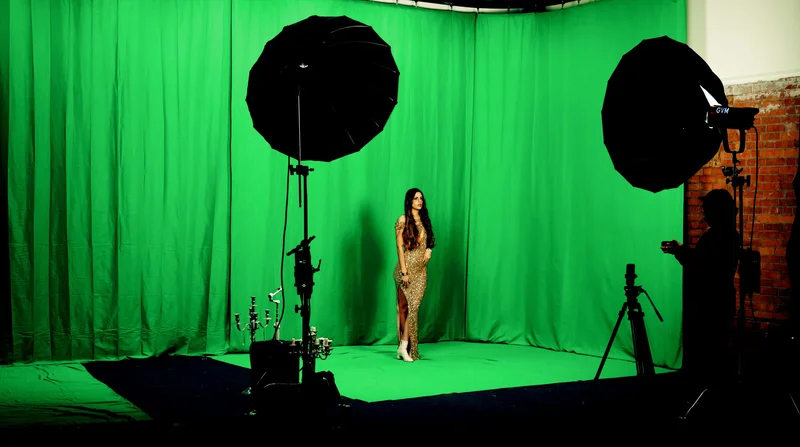
Equipment: High-end video sets (CEO, Brick, Green Screen), 4K cameras, and an Engineer included in the rate.2
Analysis: The inclusion of an engineer and video in the £99 rate makes it highly competitive with the "Mid-Range" studios once you factor in their add-ons. It is ideal for B2B podcasts or interviews with high-net-worth guests who will appreciate the parking and lack of congestion charge. The "concierge" service model minimizes technical risk for the client.
6. Pre-Production Logistics: Ensuring a Smooth Session
Hiring the studio is only the first step. To ensure the investment yields a return, the pre-production phase must be managed with precision.
6.1 Transport and Arrival Strategy
London transport is volatile. A guest arriving 20 minutes late to a 1-hour booking ruins the session and wastes money.
Buffer Time: Always advise guests to arrive 15-20 minutes early. Most studios (like London Podcast Studios) charge strictly by the minute for overruns, with rates as high as £1.99 per minute.26
Route Planning:
To Wood Green: The Piccadilly Line is reliable, but the N29 bus from Central London can take 35+ minutes and is prone to traffic.10 Stick to the Tube.
To Finchley: The Northern Line (High Barnet branch) is fast (20 mins from King's Cross). Driving is viable due to parking availability.
Parking: If you or your guest is driving, pre-book parking. While North London is easier, finding a spot on a high street during school run hours can still be difficult. Confirm if the studio has a dedicated bay (like Finchley) or if you need the RingGo app for street parking.5
6.2 Guest Amenities and Comfort
A comfortable guest gives a better interview. North London offers excellent local amenities often overlooked.
Coffee: Do not rely on studio instant coffee. In Wood Green and Finsbury Park, scout independent cafes nearby. For example, Finsbury Park has a vibrant scene of independent cafes on Stroud Green Road that can serve as excellent pre-show meeting spots.7
Temperature: Small podcast booths get hot, especially with video lights. Ensure the studio has air conditioning (AC) that is quiet. Noisy AC is a common ruin of audio recordings, forcing you to choose between sweating or ruining the audio.28
6.3 Legal and Compliance: The Release Form
Never hit record without a signed release form.
Why? If a guest later decides they dislike the episode, they can demand you take it down. A standard "Guest Release Form" grants you the right to use their image and voice in perpetuity across all media.29
Studio Policy: Some studios (like Podshop) may have policies regarding content ownership or liability. Ensure you own the raw files, not the studio.
7. Post-Production and Data Management
The session is done. Now you have 200GB of data. What happens next?
7.1 The "Transfer Gap"
A major pain point in 4K video podcasting is the time it takes to offload footage.
Scenario: You record for 2 hours on 3 cameras in 4K.
Data Volume: ~100GB - 300GB (depending on codec).
Transfer Speed: A standard USB 3.0 stick transfers at ~100MB/s. It would take nearly an hour to copy the files.
The Solution: You must bring a high-speed NVMe SSD (e.g., Samsung T7 Shield) which writes at 1000MB/s.20 This reduces transfer time to minutes.
Studio Fees: If you don't have a drive, the studio will often upload files to the cloud (WeTransfer/Dropbox). This can take 24-48 hours and may incur a fee (£25-£45).29
7.2 Editing Workflows
Audio Sync: If you recorded audio separately (WAV files) and video (MP4/MOV), they need to be synced. Professional studios usually provide a "clapperboard" slate at the start. Some premium studios offer an "Audio/Video Sync" service for ~£20/hr 26, which is a valuable timesaver if you aren't an experienced editor.
AI Enhancement: Tools like Adobe Podcast Enhance or Auphonic can clean up audio, but they shouldn't be relied upon to fix bad recording environments. A good studio recording should need minimal processing—just EQ and compression.30
8. Conclusion: Strategic Recommendations
In 2026, the barrier to entry for podcasting is low, but the barrier to growth is high quality. Audiences expect 4K video, crisp audio, and professional set design. North London has emerged as the most strategic location for creators to access this level of production value without the suffocating costs of Central London.
By choosing a studio in Wood Green, Finsbury Park, or Finchley, you are effectively engaging in geographical arbitrage—paying "Zone 3/4 prices" for "Zone 1 quality." However, diligence is required. You must scrutinize the "Audio Only" base rates, prepare your data storage logistics, and understand the difference between soundproofing and acoustic treatment.
Summary of Recommendations by Persona:
The Bootstrapper / Solo Creator: Choose Nostars Studios (Wood Green). The £30/hr price point with free 6K filming is unbeatable. Strategy: Record in batches, bring your own hard drive, and learn the basics of the equipment to avoid engineer fees.
The "Side Hustle" Interviewer: Choose Mango Studios LDN (Finsbury Park). The 24/7 access and transport links make it compatible with a 9-5 schedule. Strategy: Start with audio-only and upgrade to video packages as your audience grows.
The Corporate Marketer / Agency: Choose Finchley Production Studio or Premiere Podcast Studios. You cannot afford technical failure or a guest struggling to park. The "Concierge" model protects your reputation. Strategy: Pitch the location to guests as "easy access, no Congestion Charge, private parking."
The voice of London is moving North. By leveraging these insights, you can produce broadcast-quality content that rivals the biggest names in the industry, all while keeping your budget intact.
9. Frequently Asked Questions (FAQ)
9.1 Pricing and Costs
Q: What is the realistic cost of a 1-hour video podcast session in North London?
A: For a mid-range studio with video capabilities, expect to pay between £80 and £120 total per hour. This includes the base rate (~£60), video add-on (~£30), and VAT. Budget studios like Nostars can bring this down to ~£30-£40 if you are self-sufficient.
Q: Do I need to pay a deposit? A: Yes, most studios require payment in full upfront or a deposit (e.g., £25) to secure the slot, especially for viewings.11 Cancellation policies typically require 48 hours to 7 days notice for a refund.
9.2 Technical Questions
Q: Can I live stream my podcast from these studios? A: Yes, many mid-range and premium studios (like Mango Studios and Outset) offer live streaming services.4 This usually requires a dedicated engineer to manage the stream encoding, costing an extra £50-£90/hr.
Q: What happens if I forget my SD card?
A: Most studios sell or rent SD cards (£20-£25). However, relying on this is risky as they may not have the speed class required for 4K video. Always bring two high-speed cards of your own.
9.3 Location and Logistics
Q: Is North London noisy for recording?
A: It can be. Studios near high streets (like Seven Sisters Rd in Finsbury Park) can suffer from siren noise. Look for studios that explicitly mention "Soundproofing" or "Isolation" rather than just "Acoustic Treatment." Studios located in mews or industrial estates (like in Wood Green) are generally quieter.
Q: Is there parking available?
A: Studios in Finchley and Wood Green often have better parking situations (free or cheap street parking) compared to Finsbury Park or Shoreditch. Always check the studio's specific "Find Us" page before driving.
Q: Are the studios accessible for disabled guests? A: Many converted warehouse studios in North London are on upper floors without lifts. Purpose-built facilities or ground-floor studios in business parks are more likely to be wheelchair accessible. Always verify with the venue manager.3