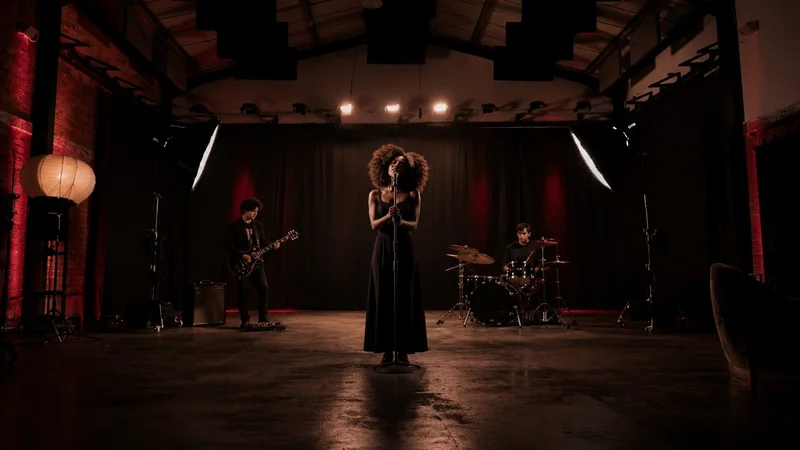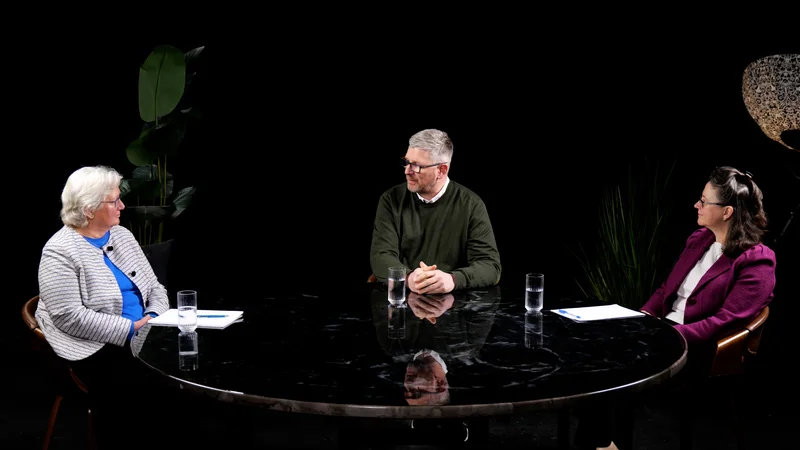
When it comes to podcasting, the quality of your sound plays a crucial role in keeping your audience engaged. Recording in a professional podcast studio not only gives you access to high-quality acoustics but also top-tier equipment that is essential for producing clear, crisp audio. This is the distinct advantage of using a dedicated recording studio over a home setup. In this article, we’ll explore the various types of equipment available in a professional setting, focusing on the benefits they provide for serious podcasters looking to elevate their sound.
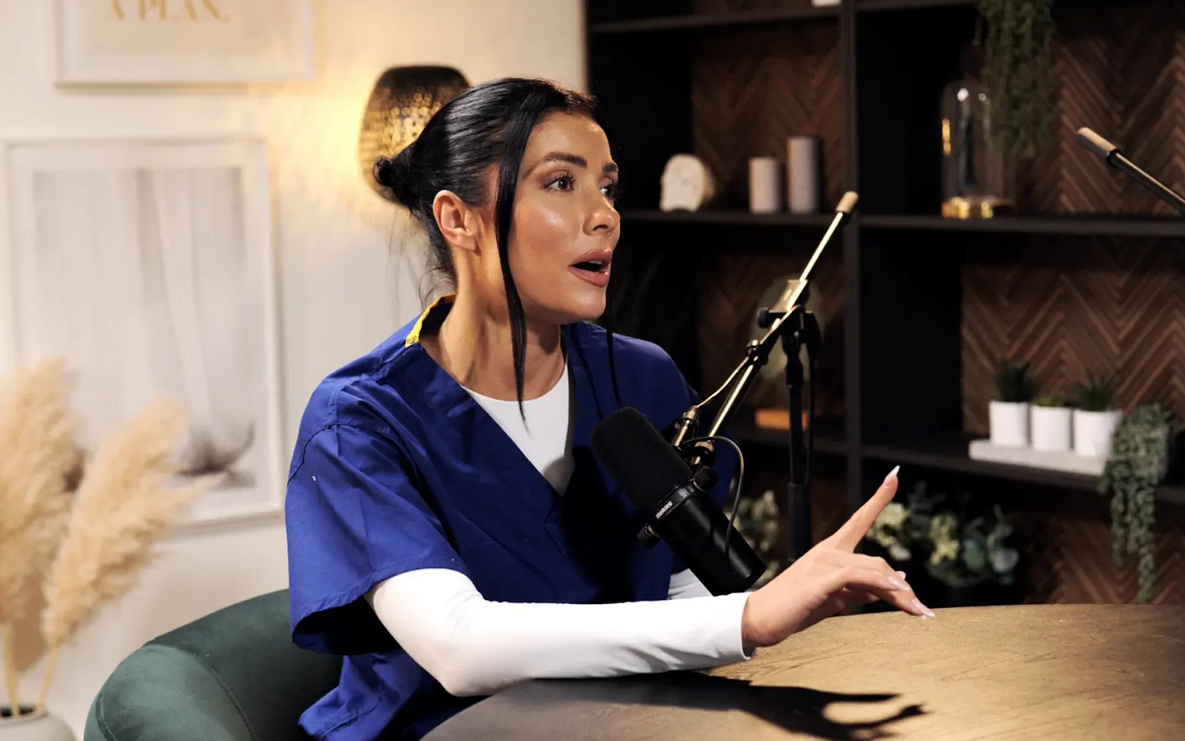
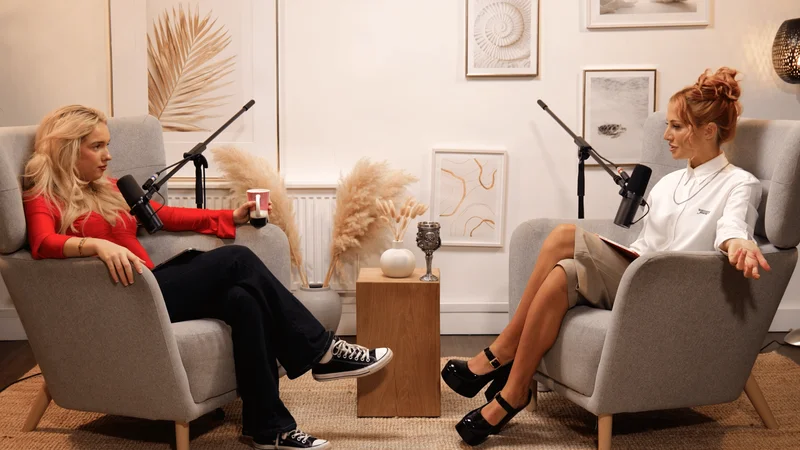
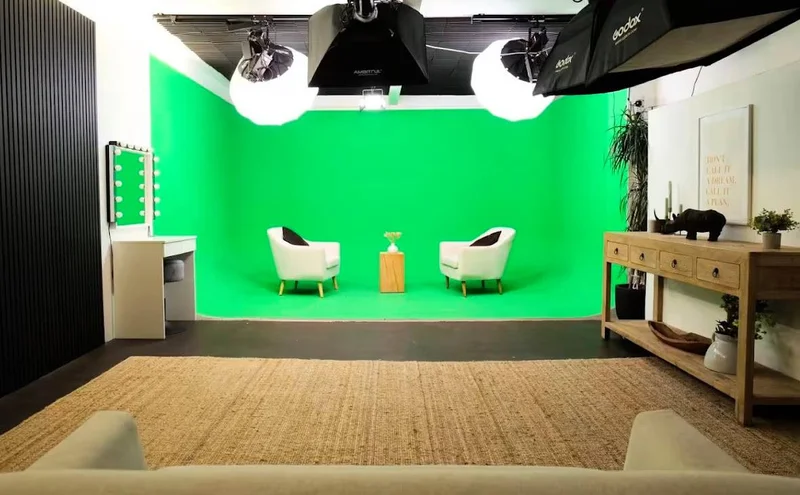
Finchley Studio (CEO Set): book this setup for your podcast
1. Professional Microphones: The Voice of Your Show
One of the most critical pieces of equipment in any recording studio is the microphone. Professional-grade microphones capture sound with far more clarity and precision than most consumer-grade mics. In studios like Finchley Studio, you’ll find industry-standard microphones like the Rodecaster Pro or Shure SM7B, known for their ability to capture clear vocals with minimal background noise. Choosing the right microphone is key to a successful session in a podcasting studio.
Microphones in studios are typically dynamic or condenser mics, each suited for different recording environments:
Dynamic Microphones are great for noisy environments and provide excellent sound isolation, making them ideal for the often-animated discussions within a podcast studio.
Condenser Microphones are more sensitive and better suited for capturing detailed audio in quieter, controlled recording studio settings.
2. Audio Interfaces and Mixers: The Command Center
In a professional podcast studio, audio interfaces and mixers are essential for managing multiple audio sources. They act as a bridge between the microphones and your recording software, ensuring the audio is captured cleanly and with optimal levels.
An audio interface converts the analog signals from the microphone into digital signals that your computer can process. High-end interfaces, such as those available at Finchley Studio, ensure minimal latency and loss of audio quality during this conversion process—a crucial component of any modern recording studio.
A mixer allows podcasters to control multiple audio inputs, making adjustments to the levels, EQ, and other audio parameters. This is especially useful when you’re recording with multiple microphones or have a guest panel discussion in the Dialogue Room of the podcasting studio.
3. Professional Headphones: Monitoring for Perfection
Monitoring your audio in real-time is essential for ensuring everything sounds right during the recording session. Professional recording studios are equipped with high-quality closed-back headphones that isolate external noise and allow you to hear exactly what the microphones are capturing. This capability is paramount in a high-stakes podcast studio environment.
At Finchley Studio, you’ll have access to headphones that are tuned for accuracy, ensuring that you can hear even the slightest imperfections in your recording. This enables you to make adjustments as needed, helping you avoid audio issues that might be difficult to fix during post-production.
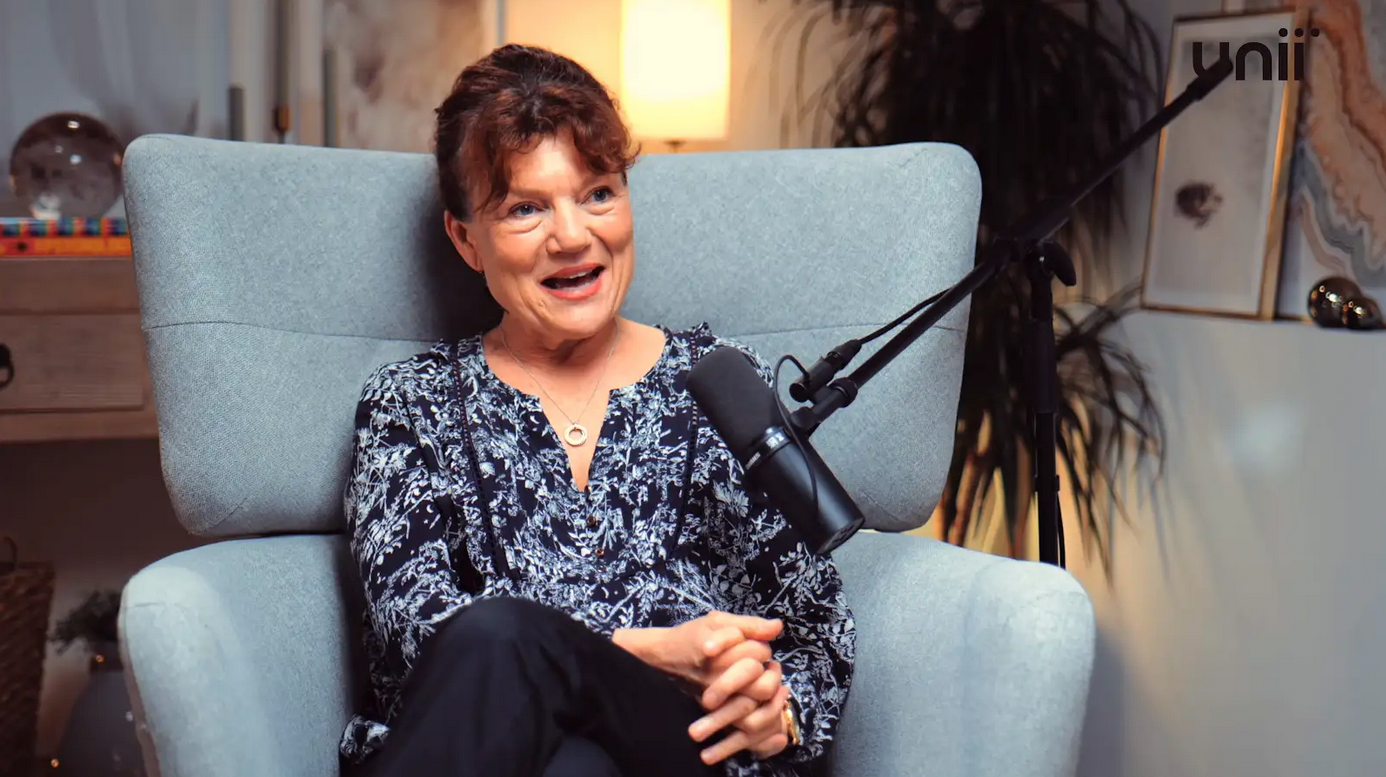
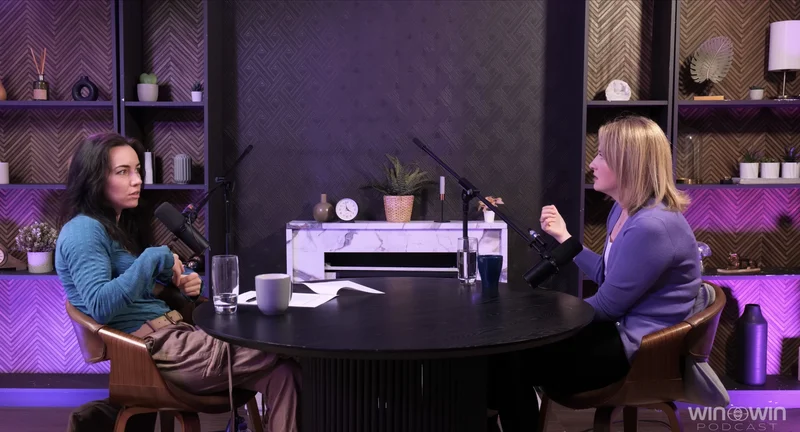
Finchley Studio (Dialogue set): book this setup for your podcast
4. Soundproof Booths and Acoustic Treatment: The Quiet Foundation
A key advantage of recording in a professional podcast studio is the acoustic treatment. Studios are specifically designed to reduce echoes, reverberation, and background noise, providing a clean and controlled environment for recording.
Soundproof booths and acoustic panels ensure that your podcast will be free from distractions and unwanted sounds, something that’s nearly impossible to achieve in a home recording setup. The Dialogue Room at Finchley Studio, for instance, is equipped with soundproofing and adaptable lighting, making it the perfect podcasting studio for interviews, panels, and conversation-driven content.
5. Pop Filters and Shock Mounts: Protecting the Audio Integrity
To ensure clean audio with minimal distortion, every professional recording studio provides pop filters and shock mounts. A pop filter is placed in front of the microphone to reduce plosive sounds—those hard "p" and "b" sounds that can cause distortion when speaking close to the mic.
A shock mount holds the microphone in place while isolating it from vibrations, desk noise, or accidental bumps. This helps maintain consistent audio quality throughout the recording session, demonstrating the meticulous detail found in a dedicated podcast studio.
6. Digital Recorders and Backup Systems
Some professional recording studios also offer digital recorders as a backup recording method. These devices capture your audio independently of your computer or interface, ensuring that your recording is preserved in case of technical issues with the primary setup. This is a valuable, fail-safe tool for podcasters who cannot afford to lose a valuable take due to a technical glitch—a reliability feature expected of a premium podcasting studio.
7. Computers and Recording Software
Most professional podcast studios are equipped with powerful computers and industry-standard recording software to capture and edit your podcast. Popular software options include Pro Tools, Adobe Audition, and Logic Pro, all of which are capable of handling complex audio projects with multiple tracks.
At Finchley Studio, our technical team ensures that everything in the recording studio is set up and ready for you, allowing you to focus on your content while we handle the technical details.
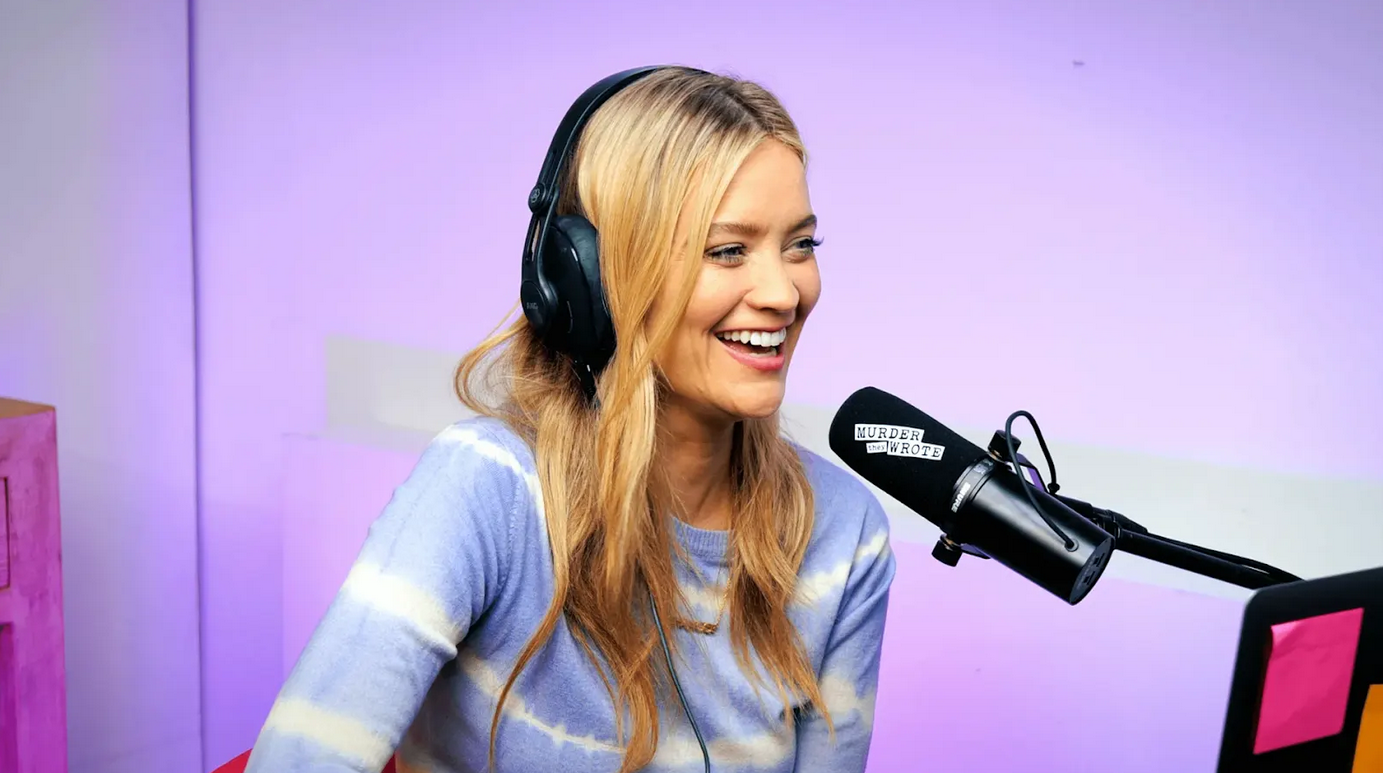
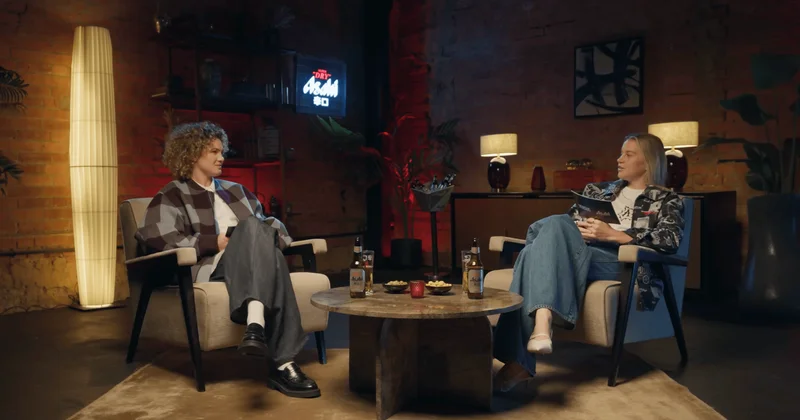
See the 'Murder They Wrote' podcast setup used by Laura Whitmore and Iain Stirling from BBC at Finchley Studio (Gathering setup). Watch Murder They Wrote at BBc sound , Spotify , Apple podcasts , Youtube , Instagram , Amazon music
Book this setup for your podcast
8. Video Equipment for Vodcasts: Expanding Your Reach
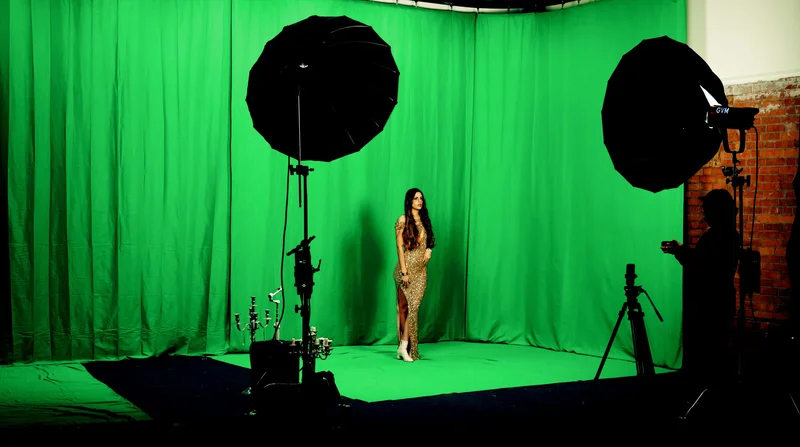
For podcasters interested in producing video content alongside their audio recordings (often referred to as a "vodcast"), professional podcasting studios also provide video recording equipment. This includes high-definition cameras, lighting setups, and green screens, allowing you to create a visually engaging version of your podcast.
The Dialogue Room's adaptable lighting allows you to customize the look and feel of your video content, ensuring it matches the tone of your recording studio session.
9. Sound Engineers: The Human Equipment
While not a physical piece of equipment, having a sound engineer on hand is one of the most valuable resources in a professional podcast studio. A sound engineer ensures that your recording session runs smoothly, making adjustments to levels, monitoring the recording in real-time, and troubleshooting any technical issues that may arise.
At Finchley Studio, our expert sound engineers work alongside you in the recording studio, ensuring that your podcast is recorded to the highest possible standard. This takes the pressure off you to manage technical details and allows you to focus entirely on creating great content within the podcasting studio environment.
Conclusion
When booking a professional recording studio, you are not simply paying for space; you are gaining access to a curated inventory of high-end equipment engineered to deliver broadcast-quality results that are unattainable in standard home environments. The key equipment available in a top-tier London studio falls into three main categories: Audio Capture, Visual Capture, and Control/Monitoring.
1. Audio Capture: The Foundation of Quality
The primary goal is capturing pristine vocals, free from room noise or interference.
Microphones (Transducers): Professional studios feature industry-standard dynamic microphones, such as the Shure SM7B, or high-end condensers. These are essential for voice work, ensuring clarity and mitigating room noise.
Mixers/Preamps: Dedicated mixers and preamplifiers (preamps) provide clean gain control and superior sound shaping compared to consumer-grade interfaces. This ensures the audio signal is optimized before it is recorded, adhering to strict loudness standards.
Acoustic Treatment: While not equipment in the traditional sense, the acoustic panels and sound isolation infrastructure are critical parts of the audio environment, guaranteeing the 'dry' sound needed for professional quality. This is the infrastructure that allows a space like the Dialogue Room to sound flawless.
2. Visual Capture: The Vodcast Standard
For modern content, video quality must match audio quality (a necessary standard upheld by clients like the BBC and Lloyds bank).
Multi-Camera Systems: Studios offer at least three professional cameras (often 4K or higher resolution) set up for multiple angles, allowing for dynamic cuts and visual engagement.
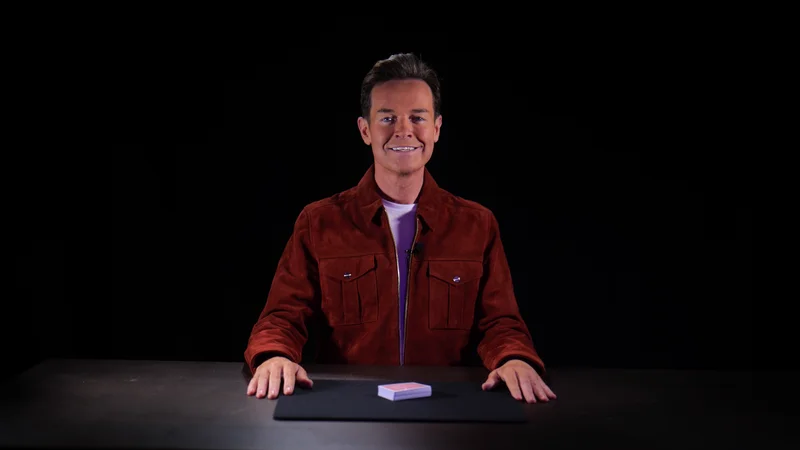
Cinematic Lighting: Specialized lighting fixtures are essential for flattering subjects, eliminating harsh shadows, and setting the aesthetic tone of the background (e.g., the mood set by the Blackwood Studio).
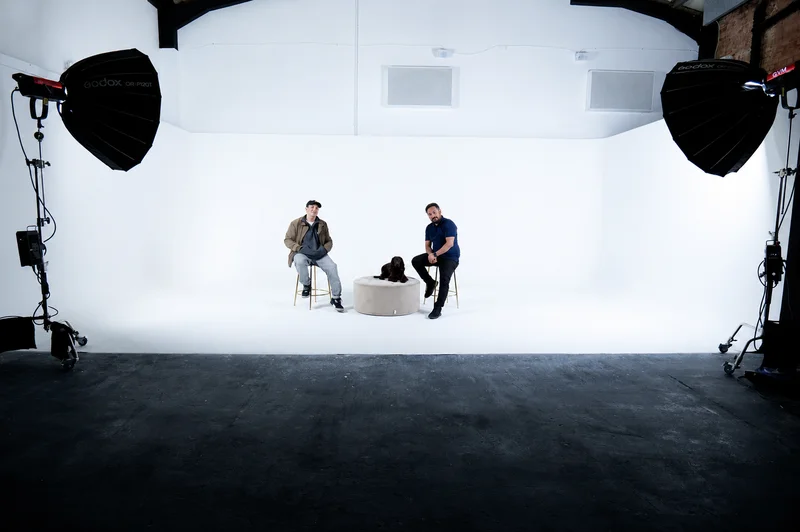
Specialized Backdrops: Beyond standard sets, infrastructure includes technical backdrops like the Green Screen Cove or the seamless White Infinity Cove for customized visuals.
3. Control and Workflow
The control room equipment ensures the session is managed flawlessly and the output is synchronized.
Dedicated Recorders: Professional multi-track recorders capture clean, separate audio tracks for every speaker, providing maximum flexibility in post-production.
Monitoring Systems: High-quality headphones and studio monitors allow the host and engineer to hear exactly what is being recorded without latency, preventing technical errors.
On-Site Engineering: The most valuable "equipment" is the human expertise. A dedicated engineer ensures all this complex gear is running perfectly, allowing the producer to focus entirely on the content. This commitment to efficiency is further supported by optional services like the in-house Video Editing Service.