Part I: The Architect of Audio: Defining the Modern Podcast Engineer
The exponential growth of the podcasting medium has created a highly competitive digital landscape where production quality is no longer a luxury but a fundamental prerequisite for success.1 Within this environment, the audio engineer has emerged as a pivotal figure, transcending the traditional role of a technician to become an indispensable creative and strategic partner. In the global media hub of London, where the standard for content is exceptionally high, the expertise of a podcast audio engineer is the critical differentiator between a broadcast that captures an audience and one that is lost in the noise.3 This analysis will deconstruct the multifaceted role of the audio engineer, examining their function not as a mere operator of equipment, but as the architect of a podcast's sonic identity, whose influence permeates every stage of the production lifecycle.
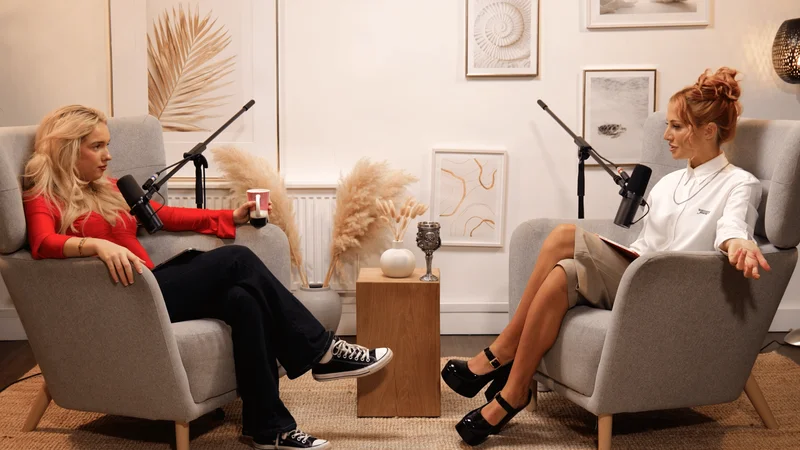
Image Credit: Finchley Studio
Beyond the Technician: The Engineer as Creative Partner
The modern podcast audio engineer is fundamentally responsible for shaping the "sonic identity" of a production, a task that encompasses the entire technical and creative process of recording, editing, mixing, and mastering audio content to achieve a polished, professional standard.2 Their role is to meticulously manage the technical aspects of sound to realize the creative vision of the host and producer, translating artistic intent into an engaging and immersive auditory experience.2 This requires a sophisticated blend of distinct but interconnected skills.
Technical proficiency forms the bedrock of their expertise. A comprehensive understanding of audio engineering principles—from acoustics and signal flow to the intricacies of digital audio workstations (DAWs) and processing plugins—is non-negotiable.5 This technical knowledge must be paired with a "keen ear," an acute sensitivity to the nuances of sound that allows the engineer to identify and correct subtle imperfections that might otherwise detract from the listener's experience.2 Furthermore, the dynamic and often unpredictable nature of recording sessions demands strong, logical problem-solving skills. Whether troubleshooting a crackling cable, eliminating unexpected feedback, or salvaging a poorly recorded track, the engineer must be able to diagnose and resolve technical issues quickly and calmly, often under the pressure of a live session.5
Beyond these technical capabilities, the most effective audio engineers possess exceptional communication and collaboration skills. They act as a crucial bridge between the creative and technical domains, working closely with hosts, producers, and guests to understand the project's goals and guide performers toward achieving the best possible audio capture.6 By assuming full responsibility for the technical workflow, the engineer liberates the creative team from a significant cognitive burden. This division of labor is a cornerstone of professional production; it allows hosts and guests to focus entirely on the content of their conversation, leading to more natural, engaging, and authentic performances.11 In essence, the engineer's presence enhances not only the sound quality but the very quality of the content itself, fostering an environment where creativity can flourish without technical distraction.
The Production Trinity: A Phased Approach to Sonic Excellence
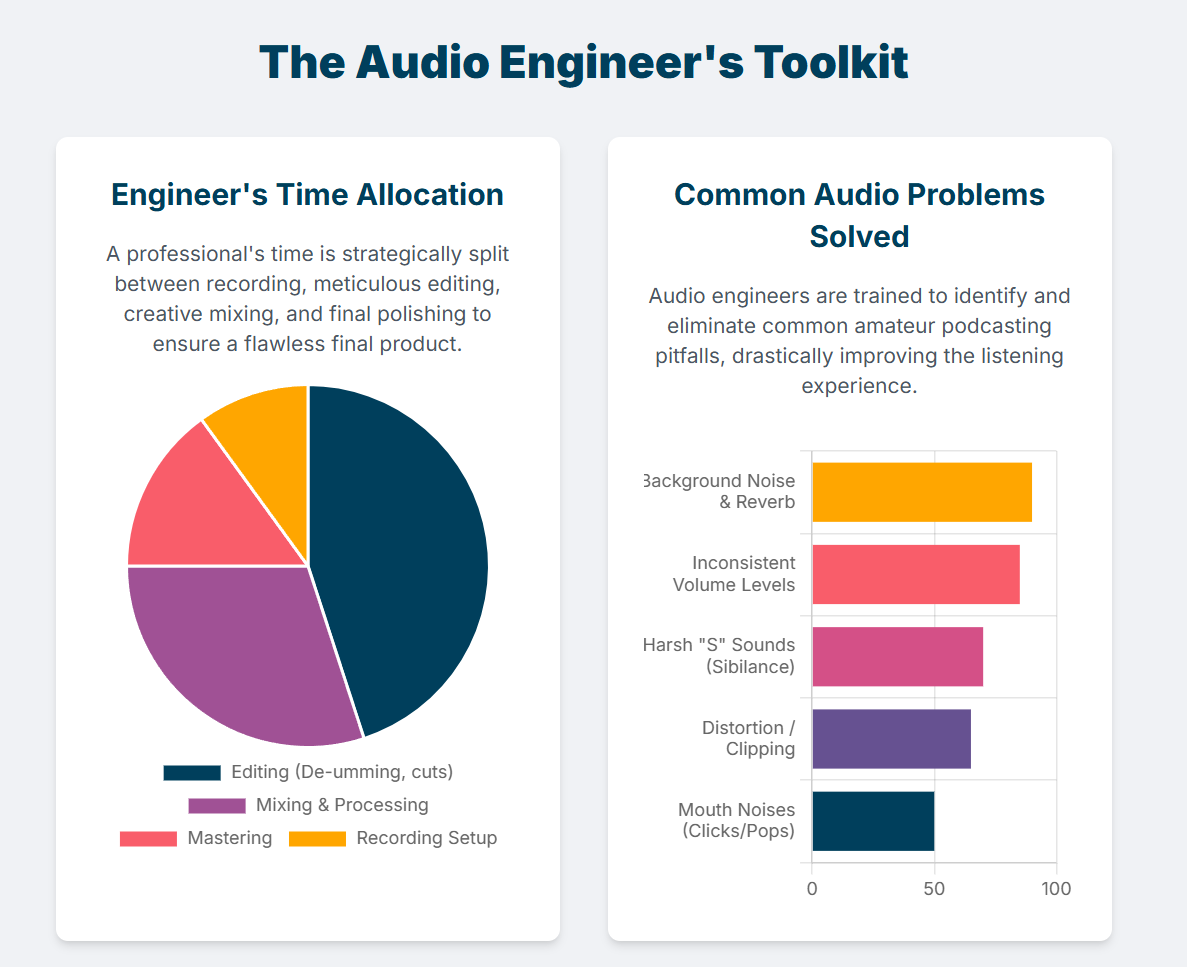
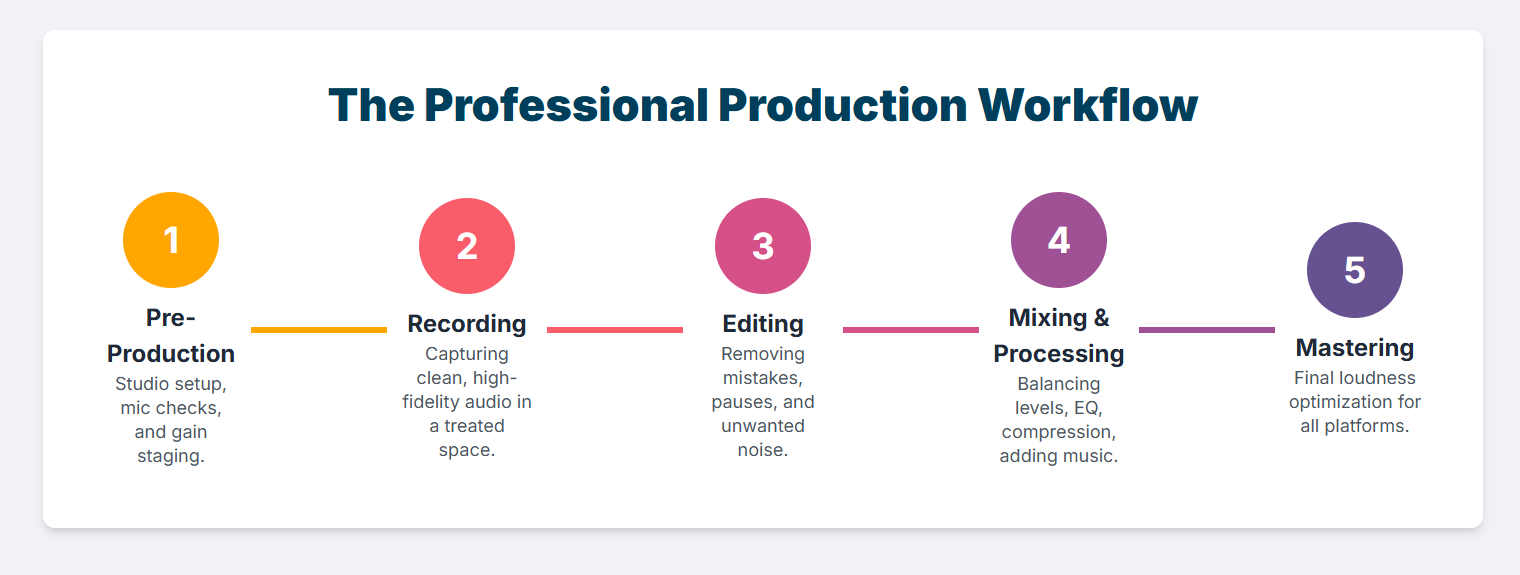
The work of a podcast audio engineer is not a single, monolithic task but a structured, multi-phase process designed to ensure quality and consistency from conception to distribution. This workflow can be understood as a "production trinity," comprising pre-production, production, and post-production.15 Each phase involves a distinct set of responsibilities and objectives, with the success of each stage being heavily dependent on the meticulous execution of the one preceding it. This systematic approach is fundamental to achieving broadcast-quality results and serves as a comprehensive risk management strategy. The procedural nature of the workflow—from pre-session equipment checks to methodical post-production cleanup—is a proactive defense against the numerous potential points of failure in the audio chain. A faulty cable, an incorrect gain setting, or an untreated room can introduce problems that are either impossible or extremely time-consuming to fix later. Therefore, the engineer's role is not just that of an artist but also a guardian of the project's technical integrity, protecting the investment of time, money, and creative energy made by the entire production team.
Pre-Production – The Blueprint for Success
The pre-production phase is the foundational stage where the groundwork for a successful recording is laid. It is here that an experienced engineer can preemptively solve problems before they occur. This phase begins with consultation and strategic planning, where the engineer collaborates with the producer and host to understand the podcast's creative vision, format (e.g., solo narration, interview, audio drama), and desired sonic character.6 This initial dialogue informs crucial decisions regarding equipment selection and studio setup, ensuring the chosen tools and environment are perfectly matched to the project's goals.11
Following the strategic planning, the engineer prepares the physical recording environment. This involves more than simply placing microphones; it includes a critical assessment of the room's acoustics to identify potential issues like reverberation (echo) or ambient noise from air conditioning or external traffic.18 In a professional studio, this environment is already controlled, but the engineer is still responsible for optimizing the setup within that space. The final step in pre-production is the rigorous technical setup and testing of the entire signal chain. This involves running all necessary cables, connecting microphones, audio interfaces, and mixing consoles, and ensuring the Digital Audio Workstation (DAW) is configured correctly.9 A thorough soundcheck is conducted, and all equipment is tested—ideally 24 hours in advance of the session—to confirm it is in perfect working order, thereby minimizing the risk of technical failures during the recording itself.24
Production (The Recording Session) – Capturing Pristine Audio
The production phase, or the recording session itself, is where the meticulous planning of pre-production comes to fruition. The primary objective during this stage is to capture the cleanest, highest-quality source audio possible, as the most effective way to solve audio problems is to prevent them at the point of capture.13 The engineer's role during the session is active and multifaceted, requiring constant vigilance and technical precision.
A key responsibility is managing microphone technique. The engineer guides speakers on maintaining an optimal distance from the microphone, typically between 4 and 12 inches, and positioning themselves slightly off-axis to the microphone's capsule.13 This technique is crucial for achieving a warm, clear vocal tone while minimizing plosives—the distracting bursts of air created by 'p' and 'b' sounds—and other mouth noises.21 In a multi-microphone setup, the engineer ensures that each microphone is oriented correctly to reject sound from other speakers, a critical step in preventing "crosstalk" or "bleed" that can complicate the mixing process.13
Simultaneously, the engineer is responsible for one of the most critical technical tasks in audio recording: gain staging. This is the process of setting the input level, or gain, for each microphone to ensure the captured signal is strong enough to overcome the inherent noise floor of the equipment but not so loud that it "clips" or distorts the digital recording.29 The industry standard is to aim for average vocal levels to register around
−18 dBFS (decibels relative to Full Scale) on the DAW's meters, with the loudest peaks not exceeding −6 dBFS.29 Proper gain staging is the absolute foundation of a professional recording, as digital clipping is irreversible and can render an audio file unusable. Throughout the session, the engineer operates the mixing console or DAW, continuously monitoring these levels, adjusting headphone mixes to ensure performers are comfortable, and instantly troubleshooting any technical issues that may arise.10 For podcasts that are live-streamed, this role expands to include managing the audio feed being broadcast to platforms like YouTube or Twitch, adding another layer of real-time responsibility.33
Post-Production – The Art of Refinement
Post-production is the transformative phase where the raw, unedited audio from the recording session is meticulously sculpted into a polished, professional, and distributable product. This stage is often the most labor-intensive and is where the engineer's artistic and technical skills are most prominently displayed.11
The process begins with editing. In collaboration with the producer, the engineer cleans the raw audio tracks, a process that involves removing mistakes, verbal stumbles, and distracting filler words such as "ums" and "ahs".2 Long, unnatural pauses are tightened, and any unwanted background noises that were captured during the recording—a cough, a siren, a page turn—are carefully excised to ensure the narrative flows smoothly and maintains listener engagement.11
Next comes mixing, the process of balancing and blending all the disparate audio elements into a single, cohesive auditory experience.13 The engineer adjusts the volume levels of each speaker to ensure consistency, uses panning to place voices and sounds within the stereo field, and integrates additional elements like theme music, advertisements, and sound effects.2 This is where the podcast's sonic landscape is truly built, creating a dynamic and immersive experience that aligns with the show's brand and tone.11
The final and most critical stage is mastering. This is the last step of quality control before the episode is released to the public. The engineer applies final, subtle adjustments to the overall sound of the mixed track, optimizing its loudness, dynamic range, and tonal balance.2 The goal of mastering is to ensure the podcast sounds great on any playback system—from high-end headphones to a car stereo or a smartphone speaker—and maintains a consistent sonic signature with all other episodes in the series.10 This includes ensuring the final audio file adheres to the specific loudness standards required by major distribution platforms like Apple Podcasts and Spotify, a crucial technical requirement for professional distribution.2
Part II: The Sonic Toolkit: Equipment and Techniques for Broadcast-Quality Audio
The creation of broadcast-quality podcast audio is dependent on a combination of high-grade equipment, sophisticated software, and the expert application of scientific principles of sound. An audio engineer's toolkit is a carefully curated ecosystem, from the initial point of capture at the microphone to the final digital file delivered to the listener. Understanding the components of this toolkit—and the techniques used to wield them—is essential to appreciating the technical craft that underpins professional podcast production.
The Professional Signal Chain: From Microphone to Monitor
The signal chain is the path that audio takes from its acoustic source to its final recorded form. The quality of each component in this chain is critical, as the overall quality is only as strong as its weakest link.
Microphones – The Point of Capture
The microphone is the first and arguably most important piece of equipment in the signal chain, responsible for converting sound waves into an electrical signal. The choice of microphone has a profound impact on the final sound. In professional podcasting, two main types of microphones are used:
Dynamic Microphones: These microphones are rugged, less sensitive to background noise, and excellent at handling high sound pressure levels. Their inherent ability to reject room reflections and ambient sound makes them the industry standard for podcasting, especially in environments that are not perfectly acoustically treated.22 The most revered models in professional studios include the
Shure SM7B and the Electro-Voice RE20, both broadcast legends known for their warm, rich vocal reproduction. Other popular and high-quality options include the Rode PodMic and Heil PR40.38Condenser Microphones: These microphones are more sensitive and capture a greater level of detail and high-frequency content, resulting in a "sparklier" sound. However, this sensitivity makes them prone to picking up unwanted room noise and reflections, meaning they are best suited for use in professionally designed, acoustically treated studios.22 Common choices for controlled environments include the
Rode NT1-A and the Audio-Technica AT2020.38
Professional microphones almost exclusively use an XLR connection, a robust, three-pin connector that provides a balanced audio signal, which is less susceptible to interference over long cable runs. This contrasts with USB microphones, which contain a built-in audio interface and connect directly to a computer. While convenient, USB mics are generally considered a consumer or "prosumer" option. However, hybrid models like the Shure MV7+ and the Samson Q2U offer both XLR and USB connectivity, providing a flexible bridge between amateur and professional setups.38
Audio Interfaces – The Digital Gateway
For microphones using an XLR connection, an audio interface is an essential piece of hardware. This device serves as the bridge between the analog world of the microphone and the digital world of the computer. Its primary functions are to:
Provide Power: Supply 48V "phantom power" if required by a condenser microphone.
Amplify the Signal: Use a built-in microphone preamplifier ("preamp") to boost the weak signal from the microphone to a usable level. The quality of the preamp is paramount, as a low-quality one can introduce noise and hiss into the recording.
Convert the Signal: Employ an analog-to-digital (A/D) converter to transform the electrical signal into digital data that the computer can process.
Key considerations when choosing an interface are the quality and cleanliness of its preamps, its A/D conversion resolution (with 24-bit/192kHz being a professional standard), and its ability to operate with low latency (minimal delay).40 Industry-standard models for home and professional studios include the
Focusrite Scarlett series (particularly the 2i2 model), which is lauded for its excellent preamps and value, and the Audient iD series.40 For higher-end professional applications, interfaces from
Universal Audio's Apollo line are common.40
For podcasting specifically, all-in-one production consoles like the Rode Rodecaster Pro II and Rodecaster Duo have become immensely popular. These devices combine a multi-channel audio interface, high-quality preamps, a physical mixer with faders, and programmable sound pads for triggering effects or music into a single, streamlined unit designed explicitly for the podcasting workflow.40
The Digital Domain: DAWs and Specialized Plugins
The Digital Audio Workstation (DAW) is the software centerpiece of the modern studio. It is the virtual environment where the engineer records, edits, mixes, and masters the audio.10 While many DAWs exist, a few have established themselves as leaders in the professional podcasting and broadcast space:
Pro Tools: Developed by Avid, Pro Tools has long been considered the global industry standard for professional music and post-production. Its powerful and precise editing tools, robust mixing environment, and widespread adoption in high-end facilities make it a top choice for many engineers.6
Adobe Audition: This DAW is specifically designed for broadcast, video post-production, and podcasting. It features a comprehensive suite of tools for audio restoration and cleanup, an intuitive multitrack editing interface, and seamless integration with Adobe's video editing software, making it a favorite for video podcasters.24
Logic Pro: An Apple-exclusive DAW, Logic Pro is renowned for its user-friendly interface, vast library of included plugins and sounds, and powerful feature set at a competitive price point. It is a popular choice for Mac-based engineers and producers.6
Reaper: Known for its efficiency, affordability, and extreme customizability, Reaper has garnered a loyal following among independent audio professionals. It offers a full suite of professional features without the high cost of some of its competitors.36
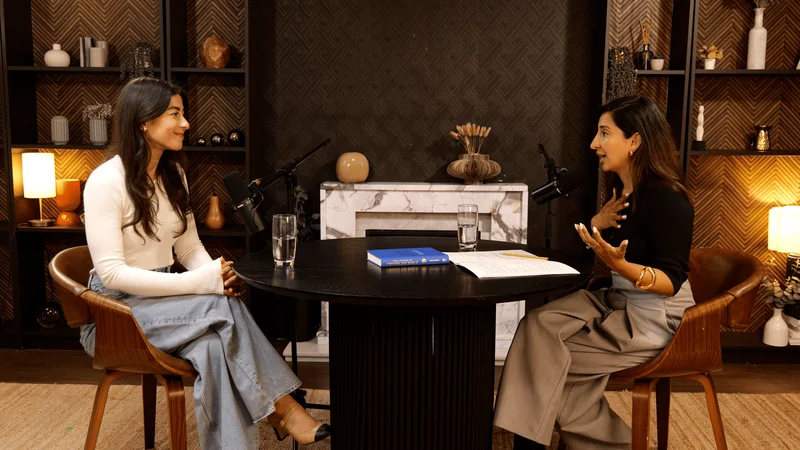
Image Credit: Finchley Studio
Within the DAW, engineers use plugins—smaller, specialized pieces of software—to perform specific tasks. While DAWs come with a suite of native plugins, professional engineers often rely on third-party tools for critical tasks. For audio repair and restoration, the undisputed industry standard is the iZotope RX suite. This powerful collection of tools allows engineers to surgically remove background noise, de-reverberate a room, eliminate clicks and hums, repair clipped (distorted) audio, and solve a myriad of other common audio problems with a level of precision that is often impossible with standard DAW tools.36
Sculpting the Voice: Core Processing Techniques
Once the clean, high-quality audio is captured and imported into the DAW, the engineer employs a series of core processing techniques to shape and enhance the vocal recordings. This is not about artificial effects but about clarifying and controlling the natural sound of the human voice.
Noise Reduction and Restoration
The first step in any post-production workflow is to clean the audio. Even in a professional studio, recordings can contain subtle background noise from ventilation systems, computer fans, or electrical hum.2 Using specialized plugins like those in iZotope RX, the engineer can create a "noise profile" from a moment of silence in the recording and then intelligently reduce that specific noise from the entire track without negatively affecting the quality of the voice.2 This process is crucial for creating a clean, professional sonic foundation.
Equalization (EQ) – Tonal Shaping
Equalization, or EQ, is the process of adjusting the balance of different frequencies in an audio signal. It is the engineer's primary tool for sculpting the tonal character of a voice, correcting problems, and enhancing clarity.2 The professional approach to EQ is typically subtractive first:
High-Pass Filter (HPF): The most common first step is to apply a high-pass filter. This filter cuts all frequencies below a certain point, effectively removing low-frequency rumble from traffic, microphone bumps, or air conditioning that the human voice does not produce. For vocals, this filter is typically set between 80 Hz and 100 Hz.46
Subtractive EQ: Before boosting any frequencies, an engineer will scan the frequency spectrum to identify and cut any unpleasant-sounding resonances. "Muddy" or "boomy" sounds are often found between 200 Hz and 400 Hz, while "boxy" or "nasal" tones can reside between 500 Hz and 1 kHz. By making precise, narrow cuts in these areas, the engineer can significantly improve the clarity and naturalness of the voice without adding anything artificial.47
Additive EQ: After cleaning up the signal, gentle, wide boosts may be applied to enhance desirable qualities. A slight boost in the 1 kHz to 4 kHz range can improve presence and intelligibility, helping the voice cut through a mix, while a very subtle boost in the higher frequencies (above 8 kHz) can add a sense of "air" or sparkle.46
Dynamics Control (Compression) – Achieving Consistency
The human voice is naturally dynamic; it ranges from quiet whispers to loud laughter. While this is natural, it can create an inconsistent listening experience, forcing the audience to constantly adjust their volume.50
Compression is the tool used to solve this problem. It automatically reduces the volume of the loudest parts of the audio while leaving the quieter parts untouched, thereby reducing the overall dynamic range.2 This results in a more consistent, controlled, and professional sound.
Engineers manipulate several key parameters on a compressor to achieve this:
Threshold: The volume level (in dB) at which the compressor begins to work. Any audio that exceeds the threshold will be compressed.51
Ratio: This determines how much the signal is reduced once it crosses the threshold. For podcasts, a gentle ratio between 3:1 and 5:1 is common. A 4:1 ratio means that for every 4 dB the signal goes over the threshold, the output will only increase by 1 dB.52
Attack and Release: These settings control how quickly the compressor reacts. The attack time determines how fast it clamps down on a loud sound, while the release time determines how long it takes to let go once the sound falls back below the threshold. For vocals, a relatively fast attack and medium release are typical to catch peaks without sounding unnatural.52
The goal of compression in podcasting is to be transparent; the listener should not "hear" the compressor working. Instead, they should simply experience a smooth, easily intelligible vocal that is consistent in volume.52
De-Essing – Taming Sibilance
Sibilance refers to the high-frequency hissing sounds produced by 's', 'sh', and 't' consonants. In a recording, these sounds can be overly harsh and piercing, causing listener fatigue.48 A
de-esser is a specialized type of frequency-conscious compressor that targets only these specific sibilant frequencies (typically in the 4 kHz to 10 kHz range) and reduces their volume without affecting the rest of the vocal signal.53 Applying a de-esser is a standard finishing touch that makes the final vocal track much more pleasant to listen to.
The Final Polish: Mastering for Global Distribution
Mastering is the final, crucial stage in the audio production chain. It is the bridge between the final mix and the public release, ensuring the podcast is technically prepared for distribution on all major platforms.2 The primary goals of mastering are to optimize the overall loudness to a competitive commercial level, to ensure the tonal balance translates well across all playback systems, and to maintain sonic consistency across every episode of a podcast series.10
A fundamental shift in audio mastering has been the universal adoption of loudness normalization by major streaming platforms like Apple Podcasts, Spotify, and YouTube. In the past, producers often engaged in a "loudness war," compressing audio heavily to make their track sound louder than others. Today, this practice is obsolete and counterproductive. Platforms now analyze the perceived loudness of every track and automatically adjust its playback volume to match a specific target level.57 This has democratized loudness but professionalized the art of dynamic control. The engineering challenge is no longer about achieving maximum loudness, but about creating a dynamic, punchy, and clear mix that sounds excellent
at the platform's target level. An amateurishly "crushed" loud mix will simply be turned down by the platform, resulting in a lifeless, flat sound. Conversely, a professionally mastered track with well-managed dynamics will be turned up or down appropriately, retaining its impact and clarity. The engineer's skill in this final stage has thus become a key competitive differentiator.
The modern standard for measuring perceived loudness is LUFS (Loudness Units Full Scale). This sophisticated algorithm measures loudness in a way that closely corresponds to human hearing.60 Adhering to LUFS targets is a non-negotiable technical requirement for professional podcast distribution. While targets can vary slightly, the accepted industry standard for podcasts is to master to an integrated loudness of
−16 LUFS. This is the specific recommendation from Apple Podcasts, the largest podcasting platform.60 Additionally, the audio's
True Peak level must not exceed −1.0 dBTP. This provides essential "headroom" to prevent the audio from clipping and distorting after it undergoes the data compression (e.g., to MP3 or AAC format) used by streaming services.59 While Spotify normalizes to a slightly louder
−14 LUFS, mastering to −16 LUFS ensures compatibility everywhere and prevents a louder master from being turned down, which can sometimes negatively affect its dynamic integrity.59
Part III: The London Hub: A Market Analysis of the Capital's Podcasting Ecosystem
London stands as a premier global capital for media, and its podcasting industry reflects this status through a mature, diverse, and highly competitive ecosystem.3 For creators and brands committed to producing high-quality content, the city offers an unparalleled concentration of professional facilities, expert talent, and strategic opportunities. The role of the audio engineer is deeply embedded within this ecosystem, with the city's infrastructure and market dynamics shaping the nature and scope of their work. An analysis of London's podcasting landscape reveals a sophisticated market that caters to every level of production, from independent creators to the world's largest media corporations.
The Studio Landscape: A Spectrum of Professional Spaces
The physical infrastructure for podcast production in London is extensive, offering a wide spectrum of studios that vary in size, capability, and service model. This diversity allows producers to select an environment that precisely matches their project's budget, technical requirements, and aesthetic goals.
High-End, Full-Service Studios: At the apex of the market are world-class facilities that provide a complete, high-touch production experience. Dean St. Studios in Soho, with its rich musical history, now offers its top-tier recording environment to podcasters, including advanced services like Dolby Atmos mixing.63
TYX Studios, located within the Tileyard creative community, functions as a comprehensive production hub, supporting projects for major players like Spotify Originals, BBC Sounds, and Warner Music.64 Similarly,
Premiere Podcast Studios in Shoreditch offers a "concierge service," where a dedicated engineer is included with every booking to manage all technical aspects, catering to high-profile clients and brands that demand a seamless, professional experience.66 These studios are the destination for corporate clients and major media companies such as Audible and Sony Music, for whom brand image and flawless execution are paramount.63Boutique and Independent Studios: The majority of the market is composed of professional, independent studios available for hourly or daily hire. These facilities are the workhorses of the London podcasting scene. Studios such as Outset Studio (with locations in London Bridge and Shoreditch), London Podcast Studios (Whitechapel), and Podshop Studios (near Old Street) provide acoustically treated rooms, broadcast-quality microphones, and multi-camera 4K video setups as standard.69 They typically offer the flexibility of hiring the space with or without an on-site engineer, catering to both experienced production teams and creators who need technical support.
Creative Hubs and Community Spaces: A significant trend in the London market is the emergence of studios that are more than just recording spaces; they are creative communities. Acast Studios London in Hoxton and The Qube (with locations in Canary Wharf, Acton, and Elephant & Castle) exemplify this model. They offer not only state-of-the-art recording facilities but also co-working areas, networking events, and a collaborative environment.74 This "Community as a Service" approach appeals to creators who value professional development and industry connections alongside high-quality infrastructure, representing a shift in what producers seek from a studio relationship.67
Affordable and Accessible Options: For independent creators, startups, and those on a tighter budget, London has a vibrant market of smaller, more affordable studios. Platforms like Tagvenue and Peerspace list hundreds of such spaces across the city, with some available for as little as £25-£40 per hour.69 While they may not offer the same level of service or amenities as the premier studios, they provide access to professional-grade equipment and acoustically treated rooms, representing a crucial entry point for emerging talent.
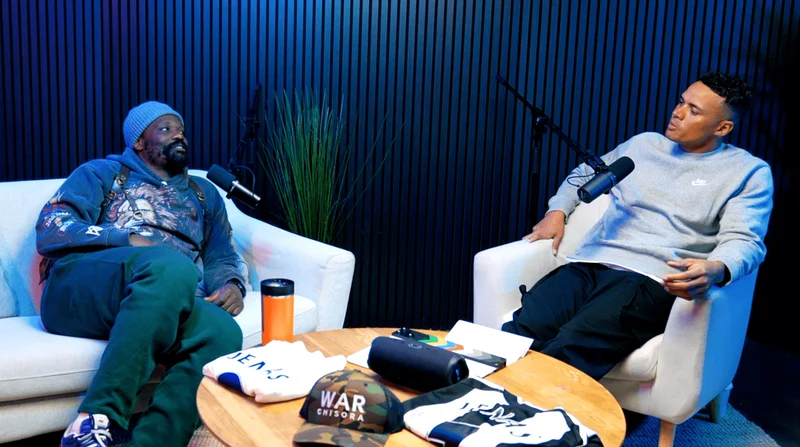
Image Credit: Finchley Studio
This diverse landscape reveals a market that has bifurcated into two primary models. The first is "Infrastructure as a Service," providing high-quality rooms and equipment for experienced producers who bring their own creative and technical teams. The second, and increasingly prevalent, model is "Production as a Service," where studios act as end-to-end partners for brands and creators who lack in-house expertise. The audio engineer is central to both models. In the former, their role is one of expert technical facilitation, ensuring the studio's equipment performs flawlessly for the client. In the latter, the engineer is an integral part of a larger strategic team, contributing to creative decisions, sound design, and post-production in a way that directly serves the client's brand objectives. This specialization within the engineering role is a clear indicator of the London market's maturity.
Services & Specializations: Beyond the Recording Booth
The evolution of the London podcast studio market is clearly visible in the expanding scope of services on offer. The model has shifted decisively from simple "dry hire" (renting an empty, equipped room) to providing comprehensive, end-to-end production partnerships that guide a project from initial idea to public distribution.
Nearly all professional studios in London now offer a core package that includes both audio and high-definition (typically 4K) video recording, access to an on-site engineer for technical support, and a suite of post-production services, including editing, mixing, and mastering.63 However, many leading studios now function as full-fledged production companies, offering a much deeper level of strategic support:
Pre-Production and Creative Development: Companies like Create Productions and The Podcast Company UK work with clients from the very beginning, assisting with ideation, market research, scripting, and format development to ensure the podcast concept is viable and targeted effectively.17
Distribution and Marketing Strategy: Recognizing that production is only half the battle, studios like TYX Studios and Podshop offer services that extend into the post-release phase. This includes preparing files for seamless upload to all major hosting platforms, writing show notes, advising on SEO best practices, and, crucially, creating short, engaging social media clips (audiograms and videograms) designed to drive audience growth and engagement.17
Advanced Audio and Remote Solutions: The market's technical sophistication is evident in specialized offerings. The availability of Dolby Atmos mixing at studios like Dean St. indicates a push towards more immersive and cinematic audio experiences.63 Furthermore, the demand for flexibility has led many studios, such as Podshop, to develop robust
remote and on-location recording solutions, allowing them to bring professional-grade equipment and engineering expertise directly to a client's office or event, anywhere in the UK.71
Market Dynamics and Key Trends
Several powerful trends are currently shaping the competitive dynamics of the London podcasting market, influencing both the services offered by studios and the evolving role of the audio engineer.
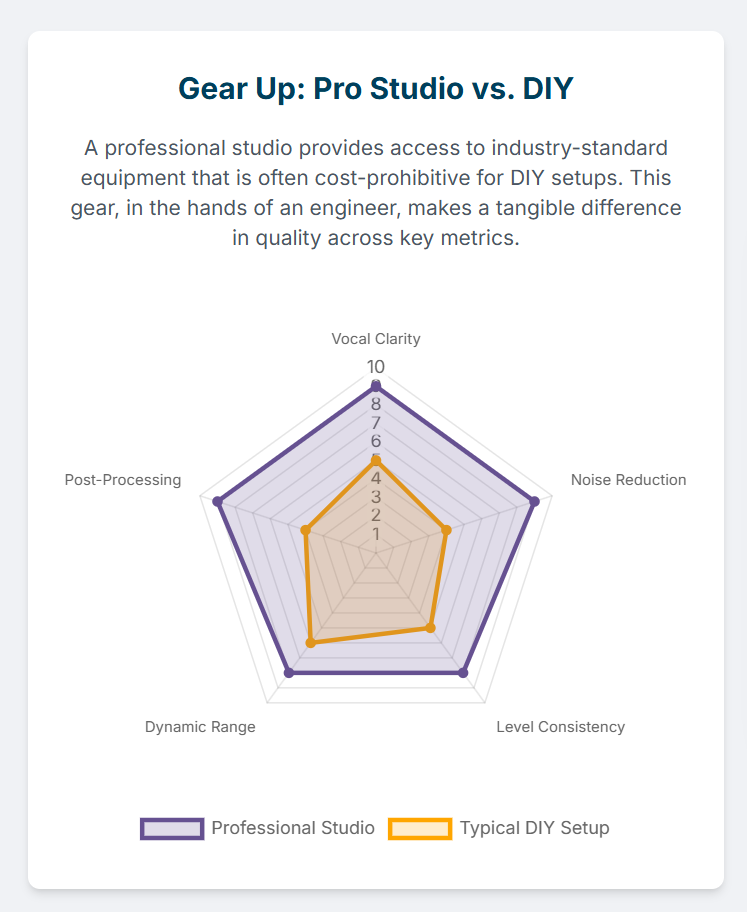
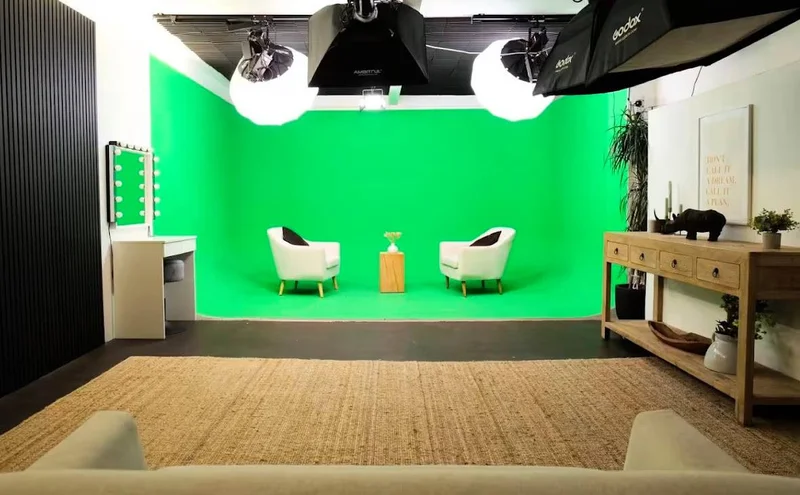
Image Credit: Finchley Studio
The Ubiquity of Video: Video is no longer a niche add-on but a core component of professional podcast production. The expectation from both creators and audiences is that a podcast will have a high-quality visual element for distribution on platforms like YouTube and for creating social media content.67 As a result, studios are competing not just on the quality of their audio gear but on the sophistication of their multi-camera 4K video capabilities, the aesthetic appeal of their sets, and their ability to offer features like customizable backdrops and live-streaming. This trend directly expands the audio engineer's responsibilities, often requiring them to manage video feeds, ensure flawless audio-video synchronization, and collaborate with videographers.
The Rise of Branded and Corporate Content: A significant driver of growth in the London market is the increasing use of podcasts by businesses for marketing, internal communications, and establishing thought leadership.67 Corporate clients demand a high level of professionalism, reliability, and a frictionless experience, particularly when hosting high-profile guests. This has fueled the demand for the full-service, concierge-style studio model and has reinforced the value of the expert audio engineer, whose presence guarantees a smooth, technically sound session that reflects positively on the client's brand.67
Technological Sophistication as Standard: Features that were once considered premium are rapidly becoming baseline expectations. Seamless integration of remote guests with studio-quality audio, robust live-streaming capabilities, and dynamic video backdrops are now common offerings.67 Studios must continuously invest in technology to remain competitive, and engineers must constantly update their skills to master these new and evolving workflows.
Part IV: The Professional Path: Building a Career in London's Audio Scene
The thriving podcasting ecosystem in London offers a viable and potentially lucrative career path for skilled audio engineers, but it is one defined by intense competition, long hours, and the need for a diverse skillset that extends beyond pure technical ability. Success in this market requires a combination of formal training, practical experience, continuous professional development, and a keen understanding of the industry's business realities.
Career Trajectory and Specializations
The career path for a podcast audio engineer in London typically begins with foundational, experience-building roles. Many aspiring engineers start as interns or assistants in recording studios, learning the practicalities of session setup, client interaction, and studio workflow firsthand.10 From these entry-level positions, they can progress into roles with more responsibility, such as a
Studio Engineer, responsible for the day-to-day technical operation of a facility, or a Recording Engineer, who focuses specifically on capturing high-quality audio during sessions.9
As an engineer gains experience, opportunities for specialization emerge. Many choose to focus on the post-production process, becoming experts in Mixing or Mastering.9 A particularly creative and increasingly in-demand specialization is that of a
Sound Designer. With the rise of narrative podcasts, audio dramas, and highly produced branded content, there is a growing need for professionals who can go beyond simple dialogue editing to create rich, immersive soundscapes using music, sound effects, and Foley.11 This role requires a more artistic sensibility and a deep understanding of how sound can be used to tell a story and evoke emotion.
Many of the most experienced and reputable audio engineers in London operate on a freelance basis. This path offers greater autonomy and potentially higher earnings, but it requires the engineer to build a strong portfolio, cultivate a network of clients, and manage their own business affairs.9 The competitive nature of the London market means that a successful freelance engineer must not only be technically excellent but also a skilled networker and project manager.
Economic Realities: Salaries and Rates
The remuneration for podcast audio engineers reflects the high-skill, high-pressure nature of the work, with a notable salary premium for those working in London compared to the rest of the UK. Across the United Kingdom, average salaries for audio engineers are generally cited in the range of £38,000 to £44,000 per year.44
However, data specific to the London market indicates significantly higher earning potential. Average salaries in the capital are estimated to be between £54,000 and £62,000 annually.84 This "London premium" is a reflection of the higher cost of living and the concentration of high-budget corporate and media clients in the city. For those who reach the top of the profession, the rewards can be substantial, with senior-level engineers (typically with 8+ years of experience) earning average salaries upwards of £76,000.86
This earning potential comes at a cost. The work-life balance can be demanding, with long and irregular hours being the norm. In a professional studio environment, working days of 10 to 14 hours are commonplace, often including evenings and weekends to accommodate client schedules.9 This demanding schedule requires a genuine passion for the craft and a high degree of resilience.
Education and Professional Development
While a formal degree is not a strict prerequisite for a career in audio engineering—as practical experience and a strong portfolio can be equally valuable—the competitive London market means that a solid educational foundation is a significant advantage. The city is home to several world-class institutions offering specialized training:
Formal Education: The Institute of Contemporary Music Performance (ICMP) offers a BA (Hons) in Audio Engineering and Production, providing a comprehensive grounding in everything from audio theory and signal flow to advanced studio recording techniques and live sound engineering.8 For those seeking postgraduate study, the
University of Westminster offers a highly regarded MA in Audio Production, which is accredited by the industry body JAMES and recognized internationally.88Vocational and Short Courses: For more focused, skills-based training, a variety of options are available. The London School of Business and Administration (LSBA) offers a Professional Certificate in Sound Design in Podcasting, aimed specifically at this growing specialization.82 Other providers, like
Media Training Ltd, offer short, intensive courses on specific industry-standard software, such as Adobe Audition, which can be an efficient way for engineers to upskill or for professionals in adjacent fields to gain a foundational understanding of audio production.44
Given the rapid pace of technological change in the audio industry, continuous professional development is not just beneficial but essential. Professional organizations play a crucial role in this. The Audio Engineering Society (AES) is the leading global body for audio professionals, and its UK section provides a vital hub for engineers in London. The AES hosts conferences, technical workshops, and networking events, offering invaluable opportunities for engineers to stay current with the latest technologies, techniques, and industry trends.90
Ultimately, the high cost of living and the sheer density of talent in London mean that technical excellence is merely the baseline for entry. To build a sustainable and successful career, an engineer must also develop a strong business acumen. Whether working freelance or as part of a studio team, skills in project management, effective client communication, budget negotiation, and personal branding are just as critical as the ability to perfectly EQ a vocal track. Career advancement in London's competitive audio scene depends on this holistic, entrepreneurial skillset.
Part V: The Listener's Brain: The Strategic Imperative of Sonic Excellence
The preceding analysis has detailed the intricate role of the audio engineer, the sophisticated tools they employ, and the vibrant market in which they operate. However, the ultimate justification for this level of professional dedication lies not in the technical specifications of a microphone or the features of a DAW, but in the mind of the listener. Professional audio engineering is not merely an aesthetic choice; it is a strategic imperative grounded in the psychology of human listening. In the saturated podcast market, superior audio quality is the foundation upon which listener engagement, trust, and commercial viability are built.
The Psychology of Listening: Cognitive Friction and Engagement
The human brain has a finite capacity for processing information. When audio quality is poor—characterized by distracting background noise, inconsistent volume levels, excessive echo, or harsh frequencies—the listener is forced to expend a significant amount of mental energy simply to decipher the words being spoken. This phenomenon is known as "cognitive friction" or "listening effort".54
Research in cognitive psychology demonstrates that this increased cognitive load has severe negative consequences for engagement. When the brain is working harder to comprehend the audio, fewer resources are available to engage with the actual content, leading to mental fatigue and a dramatic reduction in information retention.54 One study noted that up to 40% of a listener's cognitive resources could be diverted to basic comprehension when faced with poor audio, leaving little room for deeper engagement with the ideas being presented.91
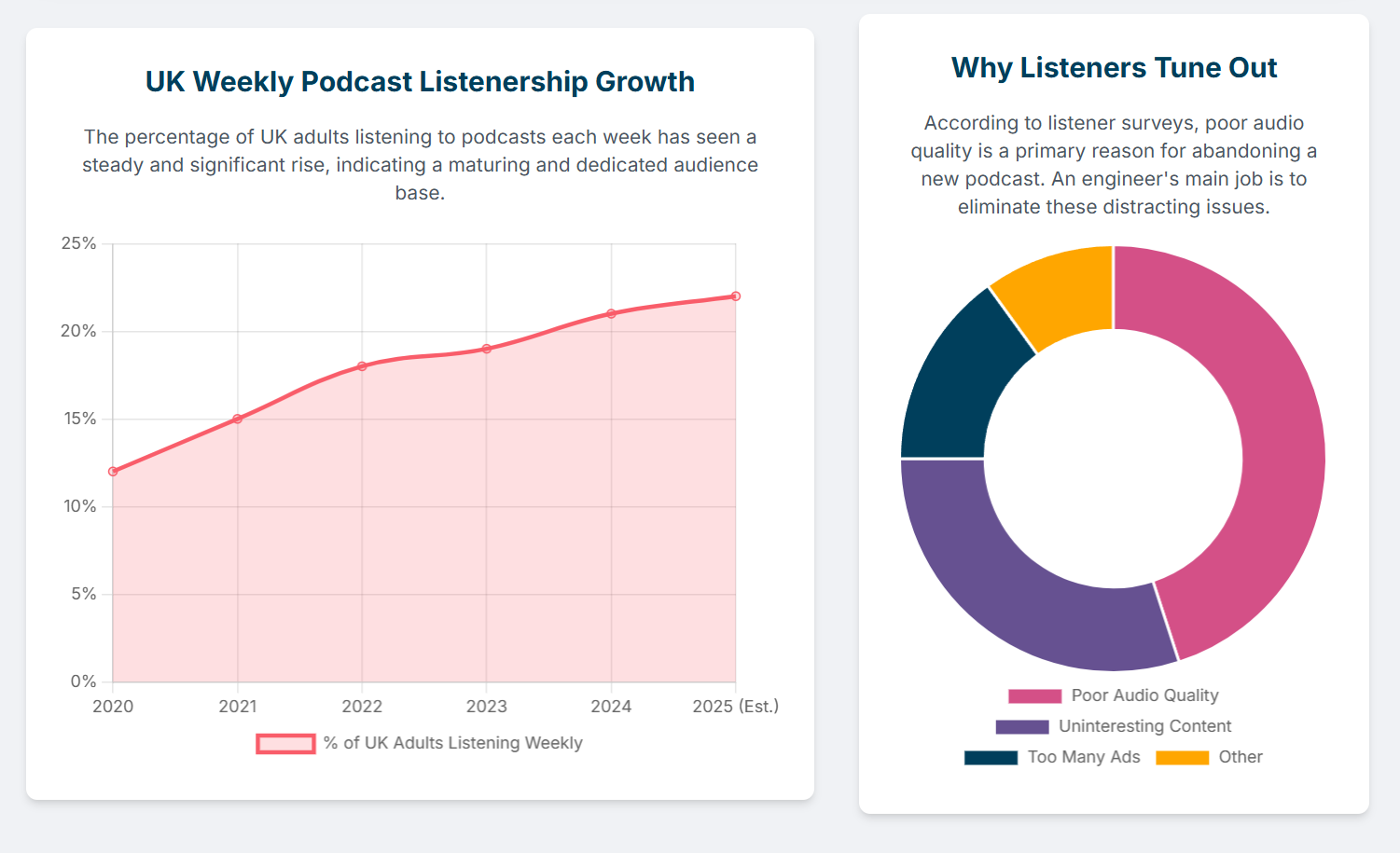
The result is listener abandonment. Multiple studies and surveys have confirmed that poor audio quality is one of the single most cited reasons for listeners to stop listening to a podcast episode, often within the first few minutes.54 The work of the audio engineer—in meticulously cleaning up background noise, balancing levels through compression, and creating a clear, consistent sound—directly serves to minimize this cognitive friction. By delivering a polished and effortless listening experience, the engineer allows the audience to focus entirely on the host's message, story, or conversation, which is the fundamental prerequisite for any form of meaningful engagement.13
Building Trust and Credibility Through Audio
The impact of audio quality extends beyond mere comprehension into the subconscious realm of perception and trust. Listeners instinctively associate high-quality sound with professionalism, authority, and credibility.37 A podcast with crisp, clear, and well-balanced audio signals to the audience that the creator takes their craft seriously and respects the listener's time. Conversely, amateurish audio with buzzing, echoes, or unstable volume levels can subconsciously undermine the host's authority, regardless of the quality of their content.92
This is not anecdotal; it is a measurable psychological effect. A 2023 study published in the Journal of Audio Engineering found that when presented with identical content, 73% of listeners rated the speaker with professional-quality audio as "highly knowledgeable." When the same content was presented with poor-quality audio, only 36% of listeners gave the speaker the same rating.91 This perception gap is profound. It demonstrates that the audio engineer's work directly influences how an audience perceives a host's expertise and, by extension, the trustworthiness of their brand. For corporate and branded podcasts, this link between audio quality and brand reputation is particularly critical. Investing in professional audio engineering is an investment in the brand's image, communicating a commitment to quality that enhances credibility in the eyes of the audience.13
Case Studies in Sonic Success
While it can be difficult to isolate audio quality as the sole variable for success, the correlation between high production values and strong performance metrics is undeniable. Case studies of successful branded podcasts consistently highlight high engagement rates as a key outcome of professional production, a process in which audio engineering is a core component.
For example, the branded podcast "Fireweed" by BCIT achieved an extraordinary 98% listen-through rate per episode, while Staffbase's "Infernal Communication" saw a 90% average consumption rate.80 Similarly, a revamped podcast for RBC saw a 500% increase in listenership after an investment in higher production quality.80 These figures are indicative of an audience that is not just sampling the content but is deeply engaged from start to finish. This level of retention is nearly impossible to achieve when listeners are battling the cognitive friction of poor audio. The work of production houses like Great Feeling Studios, which successfully transformed a live event into a high-quality weekly podcast and radio show for "No Small Endeavor," demonstrates how a professional production process is instrumental in securing national distribution deals and building a sustainable audience.95
These examples illustrate a clear principle: professional audio engineering creates the necessary conditions for a virtuous cycle of growth. It is an act of respect for the audience's time and attention. Listeners who feel respected and can engage with content effortlessly are more likely to listen for longer periods, finish entire episodes, and subscribe to the show.80 This core group of engaged listeners is then far more likely to recommend the podcast to others, driving organic, word-of-mouth growth.91 This growing, loyal, and highly engaged audience is, in turn, significantly more attractive to potential advertisers and sponsors, creating a path to commercial viability.54 Therefore, the investment in a skilled audio engineer is not simply an operational cost; it is the catalyst for the entire growth engine of a successful podcast.
Conclusion
The role of the audio engineer in a London podcasting studio is a complex and critical function that has evolved far beyond technical operation. They are the custodians of a podcast's sonic quality, acting as creative partners, meticulous technicians, and strategic assets whose work is fundamental to a project's success. From the preemptive planning of pre-production and the precise execution of the recording session to the artistic refinement of post-production, the engineer's expertise is the invisible force that transforms raw conversation into a polished, professional, and engaging listening experience.
In the highly competitive and technologically advanced London market, this role is more vital than ever. The city's world-class studio infrastructure, combined with the high expectations of both corporate clients and a discerning listenership, has elevated the standard for audio production. The modern engineer in this ecosystem must be proficient not only in the core techniques of equalization, compression, and mastering but also in navigating the complexities of video integration, live streaming, and the specific loudness requirements of global distribution platforms.
Ultimately, the value of professional audio engineering is rooted in a deep understanding of the listener. By eliminating cognitive friction, the engineer makes content accessible and enjoyable, fostering the deep engagement that leads to audience loyalty and growth. By creating a sound that is clear and credible, they build the subconscious trust that underpins a host's authority and a brand's reputation. In the crowded soundscape of modern media, where content is abundant but attention is scarce, the skill of the audio engineer is what ensures a voice is not just recorded, but truly heard. For any creator or brand serious about making an impact in podcasting, investing in professional audio engineering is not an expense—it is the foundational investment in the quality, credibility, and long-term success of their work.
When you listen to a chart-topping podcast, the audio is effortlessly clear and perfectly balanced. Every voice is warm and present, and there are no distracting background noises or technical glitches. This seamless quality isn’t magic—it’s the result of a hidden but essential craft: professional audio engineering.
So, what does the person "behind the soundboard" in a professional podcasting studio London actually do? Their role is far more than just pressing the record button. They are the guardians of your sound, performing critical tasks before, during, and after your session to ensure a flawless final product.
## 1. Before You Record: The Setup and Sound Check
The foundation of a great recording is laid long before you start your conversation. This is where the engineer’s technical expertise is crucial.
Mic Placement: The engineer will select and position the best microphones (like the industry-standard Shure SM7B) for each person's voice, ensuring optimal distance and angle to capture a rich tone while minimising plosives (harsh 'p' sounds).
Gain Staging: This is a core engineering skill. The engineer meticulously sets the input level (gain) for each microphone. The goal is to get the strongest, cleanest signal possible without it "clipping" (distorting). Proper gain staging is the key to a professional, hiss-free recording.
Creating the Headphone Mix: They create a perfect, delay-free headphone mix so that you and your guests can hear yourselves clearly, which is vital for a natural and confident performance.
## 2. During the Recording: Active Monitoring and Quality Control
While you are focused on your content, the engineer is focused entirely on the technical quality of the recording in real-time.
"Riding the Levels": People speak at different volumes. If one guest is much quieter or another gets excited and speaks loudly, the engineer will subtly adjust their levels on the mixer to maintain a smooth, consistent, and well-balanced conversation.
Live Troubleshooting: With a set of trained ears and reference headphones, the engineer is listening for any potential problems—a buzzing cable, a mobile phone interference, a rustling script. They can identify and fix these issues on the spot, saving the recording from a flaw that might otherwise be discovered hours later in the edit. This is a key benefit of having an expert from Finchley Studio in the room with you.
## 3. After You Finish: File Management and Post-Production Prep
The engineer's job doesn't end when you say your final words. They ensure the successful conclusion of the session and prepare your content for the next stage.
Secure File Delivery: They are responsible for correctly saving, organising, and labelling all the multi-track audio and video files from your session and ensuring they are safely transferred to your hard drive.
A Seamless Handover to Post-Production: The engineer’s knowledge of the session is invaluable. If you're using an in-house Video Editing Service, the engineer can provide the editor with notes on the best takes or any issues to look out for, creating a highly efficient workflow.
The audio engineer is the unsung hero of a professional podcast. They are your technical partner, your quality controller, and your safety net, allowing you to relax and focus on what you do best: creating a great show.
Record with Expert Engineering Support at Finchley Studio
Now that you understand the vital role of an audio engineer, you can see the value of a full-service recording session. At Finchley Studio, our full-service packages include a dedicated, professional engineer to manage every technical aspect of your recording. This commitment to quality is why organisations like the BBC and Lloyds Bank trust us with their productions. See what our clients are saying in our Google reviews and on Trustpilot.
Our diverse range of meticulously designed sets are all available with full engineering support to guarantee a flawless result:
Our professional Video Editing Service can take your perfectly engineered files and create a polished final product. The team at Finchley Studio is here to ensure your vision is realised perfectly.
Ready to record with the peace of mind that comes with expert technical support?
Find Us Easily: Our studio is conveniently located just a two-minute walk from Finchley Central on the Northern Line and adjacent to the Travelodge London Finchley. We offer one free parking space per booking.
what3words: orders.yards.jokes
Stay Connected: Follow our journey and see behind-the-scenes content on our social media channels:
Have questions? Check our FAQ or get in touch directly.
WhatsApp: +447587827200
Phone: +447587827200
Email: [email protected]
Works cited
future-school.in, accessed September 18, 2025, https://future-school.in/blogs/podcast-engineering-a-booming-industry-for-sound-engineers/#:~:text=The%20demand%20for%20skilled%20podcast,engaging%20audio%20essential%20for%20retention.
Podcast Engineering: A Career Path in the Booming Audio Industry, accessed September 18, 2025, https://future-school.in/blogs/podcast-engineering-a-booming-industry-for-sound-engineers/
Podcast Studio London for Professional Audio Engineering, accessed September 18, 2025, https://www.finchley.co.uk/finchley-learning/podcast-studio-london-for-professional-audio-engineering
future-school.in, accessed September 18, 2025, https://future-school.in/blogs/podcast-engineering-a-booming-industry-for-sound-engineers/#:~:text=This%20includes%20recording%2C%20editing%2C%20mixing,shaping%20a%20podcast's%20sonic%20identity.
Audio engineer - Wikipedia, accessed September 18, 2025, https://en.wikipedia.org/wiki/Audio_engineer
Example Job Description for Audio Engineer - Yardstick, accessed September 18, 2025, https://www.yardstick.team/job-description/audio-engineer
Audio Engineer Job Description (Updated 2023 With Examples) | RTDNA, accessed September 18, 2025, https://careers.rtdna.org/career/audio-engineer/job-descriptions
BA (Hons) Audio Engineering and Production - ICMP, accessed September 18, 2025, https://www.icmp.ac.uk/course/ba-hons-audio-engineering-and-production
Sound engineer job profile | Prospects.ac.uk, accessed September 18, 2025, https://www.prospects.ac.uk/job-profiles/sound-engineer
Audio Engineer: Skills, Salary & How to Succeed - Careers In Music, accessed September 18, 2025, https://www.careersinmusic.com/audio-engineer/
Podcast Audio Engineer Jobs: Career Info & Role Description ..., accessed September 18, 2025, https://lowerstreet.co/careers/podcast-audio-engineer
Audio Engineer - Podcast Glossary - Story Ninety-Four, accessed September 18, 2025, https://www.storyninetyfour.com/podcast-glossary/audio-engineer
What is Audio Engineering? - Quill Podcast Agency, accessed September 18, 2025, https://www.quillpodcasting.com/blog-posts/audio-engineering
Podcast Audio Engineer – Deliver High-Quality Sound, Every Episode - Stealth Agents, accessed September 18, 2025, https://stealthagents.com/podcast-audio-engineer/
Workflows of Successful Podcasters (& What We Can Learn!), accessed September 18, 2025, https://www.thepodcasthost.com/planning/workflows-of-successful-podcasters/
Podcast Engineers | Podcast Editing Service, Management, & Production, accessed September 18, 2025, https://www.podcastengineers.com/
THE PODCAST COMPANY - Bespoke video and audio podcast ..., accessed September 18, 2025, https://thepodcastcompany.co.uk/
Podcast Studio Acoustic Design: The Perfect Environment - Sound Zero, accessed September 18, 2025, https://sound-zero.com/podcast-studio-acoustic-design/
Podcast Studio Acoustics, accessed September 18, 2025, https://overtoneacoustics.com/collections/podcast-studio-acoustics
independentpodcast.network, accessed September 18, 2025, https://independentpodcast.network/training/podcast-editing-101-how-to-remove-background-noise/#:~:text=Use%20a%20directional%20microphone%3A%20Use,Minimize%20bare%20hard%20surfaces.
10 Tips for a Great Sounding Podcast - iZotope, accessed September 18, 2025, https://www.izotope.com/en/learn/10-tips-for-a-great-sounding-podcast
How to Kill Background Noise When Recording a Podcast, accessed September 18, 2025, https://www.thepodcasthost.com/recording-skills/reduce-intermittent-background-noise-podcast-recordings/
www.careersinmusic.com, accessed September 18, 2025, https://www.careersinmusic.com/audio-engineer/#:~:text=This%20includes%20running%20cables%2C%20placing,to%20avoid%20distortion%20or%20noise.
Audio Engineering for Podcasting: Tips and Techniques for Producing Engaging Podcasts, accessed September 18, 2025, https://www.mi.edu/in-the-know/audio-engineering-podcasting-tips-techniques-producing-engaging-podcasts/
Guide to Podcast Production > DINFOS Pavilion > Checklist, accessed September 18, 2025, https://pavilion.dinfos.edu/Checklist/Article/3065888/guide-to-podcast-production/
www.presonus.com, accessed September 18, 2025, https://www.presonus.com/blogs/technical/microphone-tips-and-tricks-for-podcasting#:~:text=As%20a%20general%20rule%2C%20if,sit%20a%20little%20further%20back.
Microphone Technique for Podcasters - University Center for Teaching and Learning, accessed September 18, 2025, https://teaching.pitt.edu/resources/microphone-technique-for-podcasters/
Podcast Microphone Positioning and Accessories, accessed September 18, 2025, https://thepodcastconsultant.com/blog/podcast-microphones-position-accessories
Guide to gain staging in audio production - Avid, accessed September 18, 2025, https://www.avid.com/resource-center/gain-staging-guide
Gain staging: what it is and how to do it - iZotope, accessed September 18, 2025, https://www.izotope.com/en/learn/gain-staging-what-it-is-and-how-to-do-it
Gain Staging for Beginners - How to Clean up Your Mixes - Soundtrap Blog, accessed September 18, 2025, https://blog.soundtrap.com/gain-staging-for-beginners/
What does a recording engineer do? - CareerExplorer, accessed September 18, 2025, https://www.careerexplorer.com/careers/recording-engineer/
Live Podcast Platform | Easy Live Episodes - Riverside, accessed September 18, 2025, https://riverside.com/tools/live-podcast
Podcast roles and responsibilities - Caspian Studios, accessed September 18, 2025, https://www.caspianstudios.com/caspian-blog/podcast-roles-and-responsibilities
Audio Engineer wanting to get into podcast editing/producing - Reddit, accessed September 18, 2025, https://www.reddit.com/r/podcasting/comments/n6c2od/audio_engineer_wanting_to_get_into_podcast/
Ultimate Guide to Podcast Production - iZotope, accessed September 18, 2025, https://www.izotope.com/en/learn/podcast-production-guide-part2
Benefits of Professional Podcast Mastering - PodKick, accessed September 18, 2025, https://www.podkick.com/blog/podcast-mastering-professional-benefits
The Best Podcast Microphones for All Abilities and Budgets, accessed September 18, 2025, https://www.thepodcasthost.com/equipment/the-best-podcasting-microphones-on-the-market/
How to find the best podcast microphone for you! - SoundAndGo, accessed September 18, 2025, https://soundandgo.com/en/how-to-find-the-best-podcast-microphone-podcasting/
Best audio interface 2025: For home recording and more | MusicRadar, accessed September 18, 2025, https://www.musicradar.com/news/the-best-audio-interfaces
What is a Work From Home Podcast Audio Engineer job? - ZipRecruiter, accessed September 18, 2025, https://www.ziprecruiter.com/e/What-is-a-Work-From-Home-Podcast-Audio-Engineer-job
New to Podcast Production – Looking for Tips on Mixing, Mastering and Sound Design : r/sounddesign - Reddit, accessed September 18, 2025, https://www.reddit.com/r/sounddesign/comments/1iqqirt/new_to_podcast_production_looking_for_tips_on/
Mixing Music | Music Production, Audio Engineering, & Music Business - Apple Podcasts, accessed September 18, 2025, https://podcasts.apple.com/us/podcast/mixing-music-music-production-audio-engineering-music/id1469092311
Courses For Audio Engineers - Media Training Ltd, accessed September 18, 2025, https://mediatraining.ltd.uk/audio-engineer-courses
Improving Podcast Sound Quality: Tips, Tricks, and Experiences - Reddit, accessed September 18, 2025, https://www.reddit.com/r/podcasting/comments/1d2gi8l/improving_podcast_sound_quality_tips_tricks_and/
wavve.co, accessed September 18, 2025, https://wavve.co/advanced-podcast-editing-techniques-for-professional-sound/#:~:text=Equalization%20(EQ)&text=Proper%20EQ%20can%20make%20your,vocals%20more%20intelligible%20and%20present.
How to EQ a Podcast - StreamGeeks, accessed September 18, 2025, https://streamgeeks.us/how-to-eq-a-podcast/
EQ for Podcasting | Podigy, accessed September 18, 2025, https://www.podigy.co/podcasters-eq
Tips on EQing your vocals - podcasts - Reddit, accessed September 18, 2025, https://www.reddit.com/r/podcasts/comments/9b6j00/tips_on_eqing_your_vocals/
www.glow.fm, accessed September 18, 2025, https://www.glow.fm/guides-tutorials/how-to-use-compression-for-better-podcast-sound#:~:text=With%20compression%2C%20your%20podcast's%20loudest,laughing%2C%20is%20an%20enjoyable%20experience.
What is Audio Compression? A Guide to Compressors for Podcasters and Audio Engineers, accessed September 18, 2025, https://www.resound.fm/blog/what-is-audio-compression
How to Use Compression for Better Podcast Sound - Glow.fm, accessed September 18, 2025, https://www.glow.fm/guides-tutorials/how-to-use-compression-for-better-podcast-sound
De-Essing for Podcasting - Podigy, accessed September 18, 2025, https://www.podigy.co/de-essing-for-podcasts
How to Improve Your Podcast Audio Quality, accessed September 18, 2025, https://www.cuepodcasts.com/post/improve-podcast-audio-quality
www.izotope.com, accessed September 18, 2025, https://www.izotope.com/en/learn/the-dos-and-donts-of-de-essing#:~:text=A%20de%2Desser%20operates%20by,it%20detects%20harsh%20piercing%20sibilance.
What is de-essing? The dos and don'ts of using a de-esser - iZotope, accessed September 18, 2025, https://www.izotope.com/en/learn/the-dos-and-donts-of-de-essing
What are LUFS? A simple guide for podcasters - Resound.fm, accessed September 18, 2025, https://www.resound.fm/blog/what-are-lufs
Mastering for Spotify, Apple Music & More – the Loudness of the Pros - HOFA-College, accessed September 18, 2025, https://hofa-college.de/en/blog/mastering-for-spotify-apple-music-more-the-loudness-of-the-pros/
Loudness normalization on Spotify, accessed September 18, 2025, https://support.spotify.com/us/artists/article/loudness-normalization/
www.resound.fm, accessed September 18, 2025, https://www.resound.fm/blog/what-are-lufs#:~:text=The%20Audio%20Engineering%20Society%20recommends,maximum%20limit%20of%20%2D14%20LUFS.
Podcast Loudness Standard: Perfecting Your Sound in 2025 - Descript, accessed September 18, 2025, https://www.descript.com/blog/article/podcast-loudness-standard-getting-the-right-volume
Audio requirements - Apple Podcasts for Creators, accessed September 18, 2025, https://podcasters.apple.com/support/893-audio-requirements
Podcasting Studio in London - Dean St. Studios, accessed September 18, 2025, https://www.deanst.com/podcasting-studio-in-london/
Podcast Production Services in London | For Brands & Creators, accessed September 18, 2025, https://tyxstudios.com/podcast-production
London Podcast Studios | Podcast Recording From £80/hr!, accessed September 18, 2025, https://tyxstudios.com/podcast-studio-london
Podcast Studio For Hire in Central London | Shoreditch, accessed September 18, 2025, https://premierepodcaststudios.com/
Choosing a Podcast Studio London - Finchley Studios, accessed September 18, 2025, https://www.finchley.co.uk/finchley-learning/choosing-a-podcast-studio-london
Global Podcast Division - Sony Music, accessed September 18, 2025, https://www.sonymusic.com/podcasts/
The 16 Best Podcast Studios for Hire in London | Tagvenue UK, accessed September 18, 2025, https://www.tagvenue.com/hire/podcast-studios/london
Outset Studio: Podcast Studio From £84/hr | London & Manchester, accessed September 18, 2025, https://outsetstudio.com/
Podshop: Podcast Production Companies | Podcast Editing, accessed September 18, 2025, https://www.podshoponline.co.uk/
www.londonpodcaststudios.co.uk, accessed September 18, 2025, https://www.londonpodcaststudios.co.uk/#:~:text=The%20London%20Podcast%20Studios%20are,and%20The%20City%20of%20London!
London Podcast Studio | Podcast Recording From £69/hr!, accessed September 18, 2025, https://www.londonpodcaststudios.co.uk/
Acast Studios London, accessed September 18, 2025, https://www.acast.com/en/acast-studios-london
Recording & Podcast Studios London | Explore Qube Studios, accessed September 18, 2025, https://www.theqube.com/studios
36 Best Podcast Studios for Hire in London, England - Peerspace, accessed September 18, 2025, https://www.peerspace.com/uk/spaces/gb/london--england/podcast-studio
Podcast Studio Hire | London | Equipment & Engineer included, accessed September 18, 2025, https://podcaststudiohire.co.uk/
Podcasts - Create Productions Ltd., accessed September 18, 2025, https://createproductions.com/audio/podcast/
13 Podcast Studios In London For Hire - DesignMyNight, accessed September 18, 2025, https://www.designmynight.com/london/blog/podcast-studios-london
Case Studies of Successful Branded Podcasts - JAR Audio, accessed September 18, 2025, https://jarpodcasts.com/branded-podcast-case-studies/
Sound Designer | Lower Street, accessed September 18, 2025, https://lowerstreet.co/roles/sound-designer
"Sound Design in Podcasting: Professional Certificate Program", accessed September 18, 2025, https://www.lsba.org.uk/Home/CourseDetail?courseId=4466
uk.jooble.org, accessed September 18, 2025, https://uk.jooble.org/salary/podcast-audio-engineer#:~:text=Podcast%20audio%20engineer%20salaries&text=If%20we%20look%20at%20the,or%20%C2%A321.7%20per%20hour.
Check average podcast audio engineer salary rate on Jooble, accessed September 18, 2025, https://uk.jooble.org/salary/podcast-audio-engineer
Average Audio Engineer Salary in the UK - Reed.co.uk, accessed September 18, 2025, https://www.reed.co.uk/average-salary/average-audio-engineer-salary
Audio Engineer Salary in London, United Kingdom (2025) - SalaryExpert, accessed September 18, 2025, https://www.salaryexpert.com/salary/job/audio-engineer/united-kingdom/london
Urgent! Podcast audio engineer jobs in London - September 2025 - 172 current vacancies - Jooble, accessed September 18, 2025, https://uk.jooble.org/jobs-podcast-audio-engineer/London
10 Audio Engineering degrees in London (2025) - Study Abroad, accessed September 18, 2025, https://www.educations.com/audio-engineering/united-kingdom/england/london
Cert HE Audio Engineering and Production | ICMP London, accessed September 18, 2025, https://www.icmp.ac.uk/course/certhe-audio-engineering-and-production
Conferences - AES - Audio Engineering Society, accessed September 18, 2025, https://aes2.org/event/conferences/
The Psychology of Audio: Why Listeners Connect with Quality Sound - Podcast Provisions, accessed September 18, 2025, https://podcastprovisions.com/blogs/news/the-psychology-of-audio-why-listeners-connect-with-quality-sound
Why Some Podcasts Succeed – And Why Audio Quality Matters Most - Kaotica Eyeball, accessed September 18, 2025, https://www.kaoticaeyeball.com/pages/why-some-podcasts-succeed-and-why-audio-quality-matters-most
Why Audio Quality is More Important Than You Think - Be a Better Podcaster with Jamie and Jaayne, accessed September 18, 2025, https://podcasttips.ca/episode/why-audio-quality-is-more-important-than-you-think
The Importance of Sound Quality in Podcasting - Wavve.co, accessed September 18, 2025, https://wavve.co/the-importance-of-sound-quality-in-podcasting/
Podcast Case Studies | Success Stories by Great Feeling Studios, accessed September 18, 2025, https://www.greatfeelingstudios.com/casestudies