Executive Summary
In the contemporary media landscape of London, the definition of a "recording studio" has undergone a profound transformation. No longer the exclusive domain of musicians and broadcasters, these facilities have evolved into critical infrastructure for a diverse array of professionals—from legal teams conducting high-stakes depositions and medical boards discussing patient data, to corporate executives managing crisis communications and whistleblowers documenting testimony. The common thread binding these disparate users is the absolute necessity for confidentiality, acoustic integrity, and technical reliability. This report provides an exhaustive analysis of the secure recording environment ecosystem in London. It explores the intersection of acoustic engineering, digital cybersecurity, and operational tradecraft required to guarantee privacy in one of the world's busiest cities. We examine the specific challenges posed by London's unique sonic ecology—from the subsonic rumble of the Underground to the spectral density of urban traffic—and detail the architectural solutions required to mitigate them. Furthermore, we provide a deep-dive technical assessment of the industry-standard hardware (such as the Sony Cinema Line and Shure amplification systems) that safeguards the fidelity of sensitive content. Finally, we offer a strategic overview of the logistical and economic factors influencing studio selection, providing a roadmap for creators and professionals seeking a sanctuary for their most sensitive work.
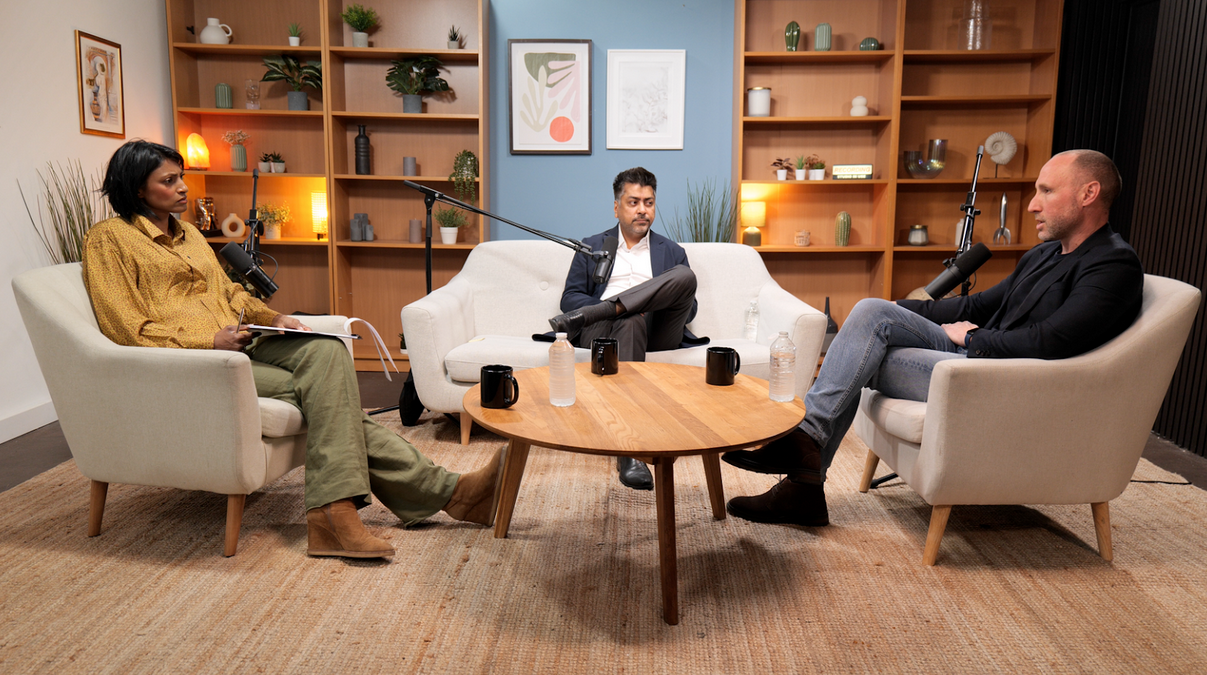
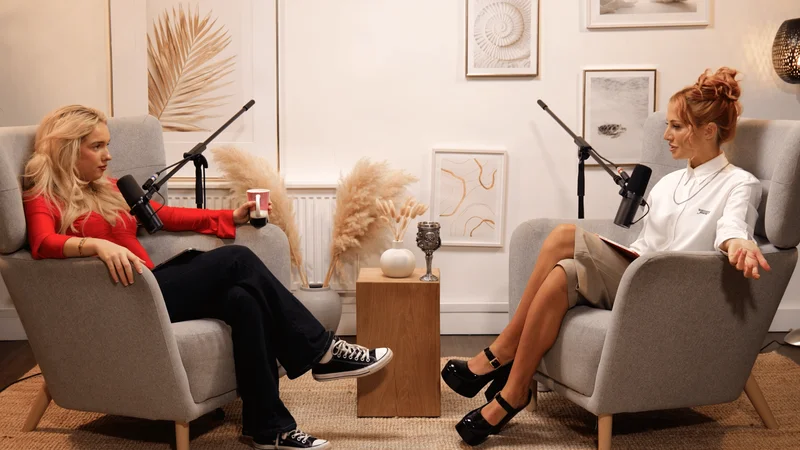
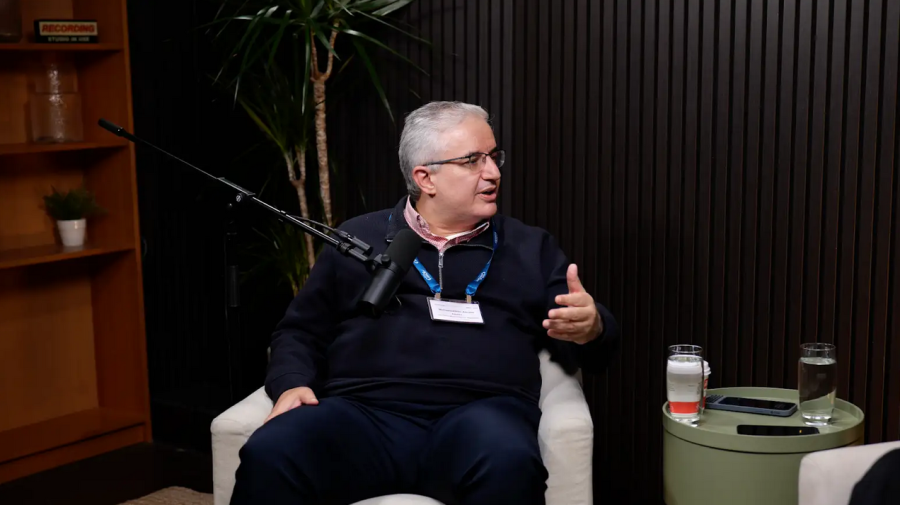
See the 'No ordinary tech podcast ' from Lloyds Banking Group by Rohit D (AI Leader for Lloyds Banking Group) and DR. shini somara (Pro-Chancellor of Brunel University) . at Finchley Studio (Lounge setup). Book this setup for your podcast.
1. The Acoustic Ecology of London: Challenges for Professional Production
London is a city of layers, both historical and sonic. For a professional recording studio, the primary adversary is not merely volume, but the specific, complex character of the city's noise floor. Achieving a "zero-noise" environment—essential for the credibility of sensitive recordings—requires a nuanced understanding of these external threats.
1.1 The Spectral Profile of Urban Noise
The auditory landscape of London is dominated by low-frequency energy, a result of heavy mechanical infrastructure and transport networks. Unlike high-frequency sounds (such as bird calls or distant sirens), which are easily attenuated by standard building materials, low-frequency sound waves possess high energy and long wavelengths, allowing them to penetrate masonry and glass with ease.
1.1.1 The "Tube Rumble" Phenomenon
A pervasive issue for central London studios, particularly those in Soho and the West End, is structure-borne vibration from the London Underground. This phenomenon, known colloquially as "Tube rumble," typically manifests in the 30Hz to 60Hz frequency range. It is not always audible to the naked ear as a distinct sound but is readily picked up by large-diaphragm condenser microphones, appearing in recordings as a low-end mud or intermittent "thump."
- Mechanism: The steel wheels of the train on steel rails generate vibration energy that travels through the tunnel lining, into the surrounding soil, and couples with the foundations of nearby buildings. This energy then radiates from the walls and floors of the studio as airborne sound.
- Implication for Sensitive Topics: In a podcast or video interview dealing with grave subject matter, this subsonic intrusion acts as a subconscious irritant to the listener, degrading the perceived professionalism of the content. For forensic audio or legal depositions, such artifacts can obscure critical nuances in speech.
1.1.2 The Siren Effect and Transient Noise
While the Underground provides a constant low-level threat, London's surface traffic presents high-amplitude transient spikes. Emergency service sirens in the UK utilise a specific "wail" and "yelp" frequency sweep (typically 600Hz to 1500Hz) designed to cut through background noise. This frequency range occupies the same spectral band as the human voice (specifically the intelligibility range of vowels and consonants).
- The Disruption: A siren bleeding into a recording cannot be easily removed without damaging the vocal track. In a "sensitive topic" scenario—such as a victim impact statement or a confidential mental health discussion—the sudden intrusion of a siren can break the speaker's psychological flow, shattering the safe space created by the interviewer.
1.2 The Physics of Isolation: Soundproofing vs. Treatment
To combat these threats, high-end studios must employ rigorous architectural defenses. It is critical to distinguish between two often-conflated concepts: soundproofing and acoustic treatment.
1.2.1 Soundproofing (Isolation)
Soundproofing is the science of blocking sound energy from entering or leaving a space. It relies on the principles of Mass, Damping, Decoupling, and Air-Tightness according to Acoustical Surfaces.
- Decoupling (Room-within-a-Room): To defeat structure-borne noise like the Tube, a professional podcast studio or video studio must be mechanically isolated from the host building. This involves constructing a "floating floor" on resilient rubber or spring mounts, and building inner walls that do not touch the outer structural shell. This breaks the path of vibration transmission.
- Mass and Damping: Walls are typically constructed with multiple layers of high-density plasterboard (drywall), sandwiched with a viscoelastic damping compound (such as Green Glue) that converts sound energy into minute amounts of heat.
- The "Fish Tank" Analogy: A useful analogy for clients is to imagine the studio as a fish tank within a swimming pool. The goal of soundproofing is to ensure that the water (sound) from the pool does not leak into the tank, and vice versa. Even a pinhole leak (an air gap under a door or around a cable duct) compromises the entire system.
1.2.2 Acoustic Treatment (Internal Fidelity)
Once the noise is kept out, the sound inside the room must be managed. This is the domain of acoustic treatment according to SoundGuys.
- Absorption: Porous materials (open-cell foam, mineral wool, fabric-wrapped fiberglass) are used to absorb sound waves, preventing them from bouncing off hard surfaces and creating echoes. This is essential for the "dry," authoritative "radio voice" associated with professional broadcasting.
- Diffusion: In larger spaces, such as a video studio or live room, simply absorbing all sound can make the room feel unnaturally "dead" or claustrophobic. Diffusers are geometric surfaces that scatter sound waves in multiple directions, maintaining a natural sense of space without distinct echoes according to Acoustic Geometry.
|
Feature |
Soundproofing (Isolation) |
Acoustic Treatment (Control) |
|
Primary Objective |
Prevent sound transmission through boundaries. Bose Professional |
Control sound reflection within the boundary. SoundGuys |
|
Key Materials |
Mass Loaded Vinyl (MLV), Resilient Channels, Acoustic Sealant. Acoustical Surfaces |
Bass Traps, Poly-cylindrical Diffusers, Acoustic Foam. Acoustic Geometry |
|
Relevance to Confidentiality |
Critical: Prevents eavesdropping and external disruption. Bose Professional |
Secondary: Ensures clarity of the recorded message. Finchley Studios |
|
Installation Phase |
Construction/Structural. Reddit |
Fit-out/Finishing phase. Sonic Box Studios |
1.3 The "Trust Signal" of Silence
In the context of London podcast production, audio quality acts as a proxy for competence. A recording marred by the hiss of a cheap preamp, the rumble of traffic, or the echo of an untreated room creates "subconscious friction" for the listener. For brands discussing finance, law, or sensitive medical data, this friction can be fatal to credibility. A silence-engineered environment signals authority; it suggests that the speaker is in a position of power and that the information is valuable enough to warrant professional protection.
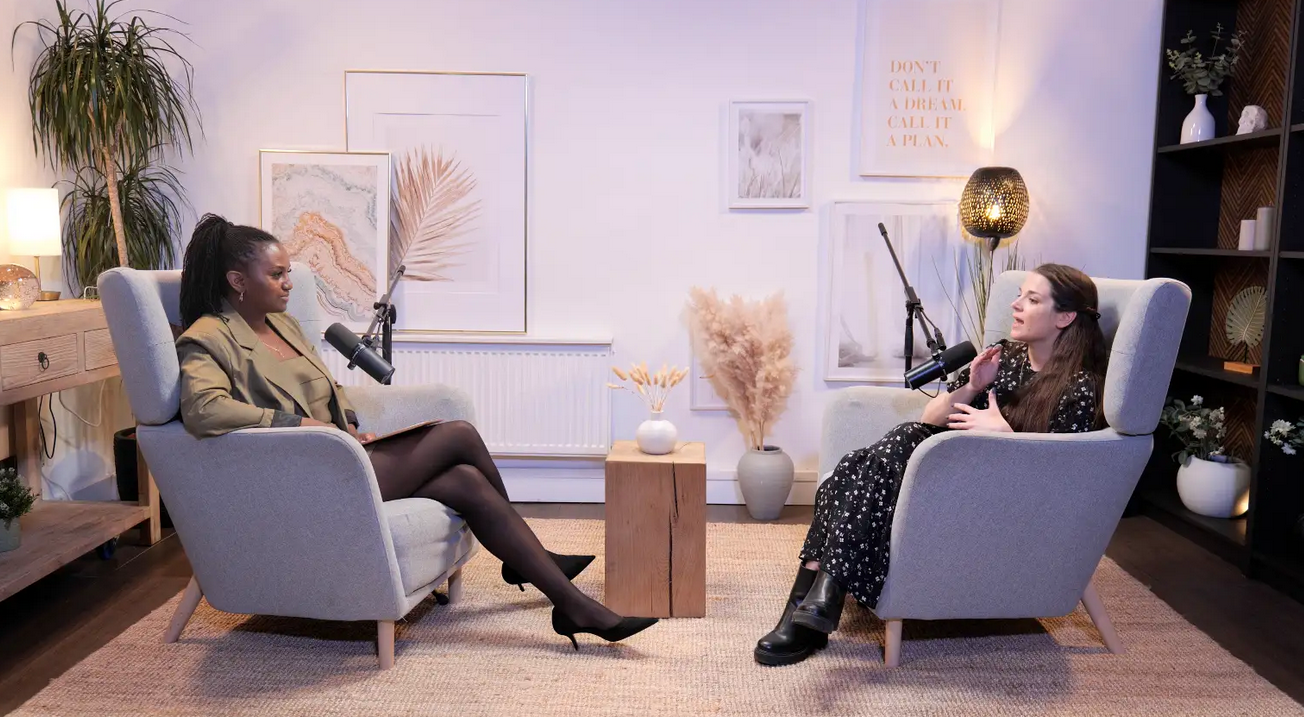
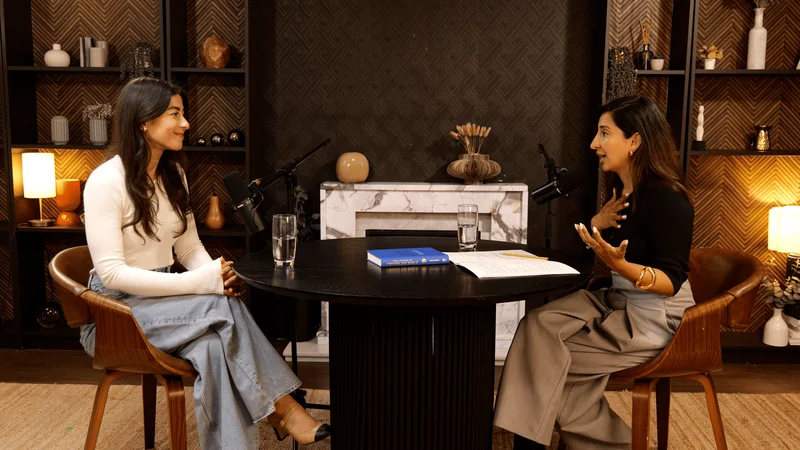
Finchley Studio (Dialogue set): book this setup for your podcast
2. The Architecture of Silence: Studio Design Principles
Beyond the walls themselves, the internal systems of a secure studio must be designed to support both technical excellence and human comfort.
2.1 Acoustically Treated HVAC Systems
One of the most common failure points in semi-professional studios is the climate control system. High-intensity production lights and AV equipment generate significant heat, requiring robust air conditioning. However, standard HVAC systems generate turbulent air noise ("whoosh") and mechanical hums.
- Low-Velocity Airflow: To maintain a noise floor suitable for sensitive recording (typically NC-15 or lower), air speed in the ducts must be kept below 300 feet per minute (FPM) according to Soundproof Your Studio. This requires oversized ductwork to move large volumes of air slowly.
- Baffle Boxes and Silencers: Air must pass through serpentine "baffle boxes" lined with absorptive material before entering the studio. These tortuous paths strip acoustic energy from the airflow while allowing the air itself to pass freely.
- Independent Zoning: The studio's HVAC should be on a separate zone from the rest of the building to prevent "crosstalk"—where sound from a lobby or adjacent office travels through the ductwork into the secure room according to YouTube.
2.2 Trauma-Informed Spatial Design
When recording sensitive topics—such as interviews with survivors of trauma, whistleblowers, or patients discussing mental health—the physical environment significantly impacts the quality of the testimony and the well-being of the participant. Trauma-informed design moves beyond aesthetics to create a space of psychological safety according to Mentally Healthy Productions.
2.2.1 Lighting and Ambience
Harsh, flickering fluorescent lighting is a known stressor. A secure studio should employ tunable LED lighting (high CRI, flicker-free) that can be adjusted to a warmer colour temperature (e.g., 3200K) to create a calming, domestic atmosphere according to Gensler. The ability to dim lights or change colours can help a guest transition from the high-alert state of arrival to a more contemplative state suitable for recording according to Giggster.
2.2.2 Furniture and Layout
The "interrogation room" dynamic—two people sitting face-to-face across a narrow table—can be confrontational.
- Side-by-Side Configuration: Providing the option for guests to sit at a 45-degree angle or side-by-side can reduce social pressure and make disclosure easier according to Pathways-US.
- Tactile Comfort: Furniture should avoid clinical, cold materials (like chrome and plastic) in favour of fabrics and soft textures. High-backed chairs can provide a sense of "refuge" and physical containment, which is grounding for anxious subjects according to Allsteel.
- Sightlines: Guests should have a clear view of the exit (avoiding feelings of entrapment) but should not be exposed to the bustle of a corridor or control room window, which can trigger hyper-vigilance according to Allsteel.
3. Visual and Auditory Privacy: Technical Hardware Standards
The selection of equipment in a studio hire London context is not merely about technical specifications; it is about choosing tools that facilitate discretion, reliability, and intimacy.
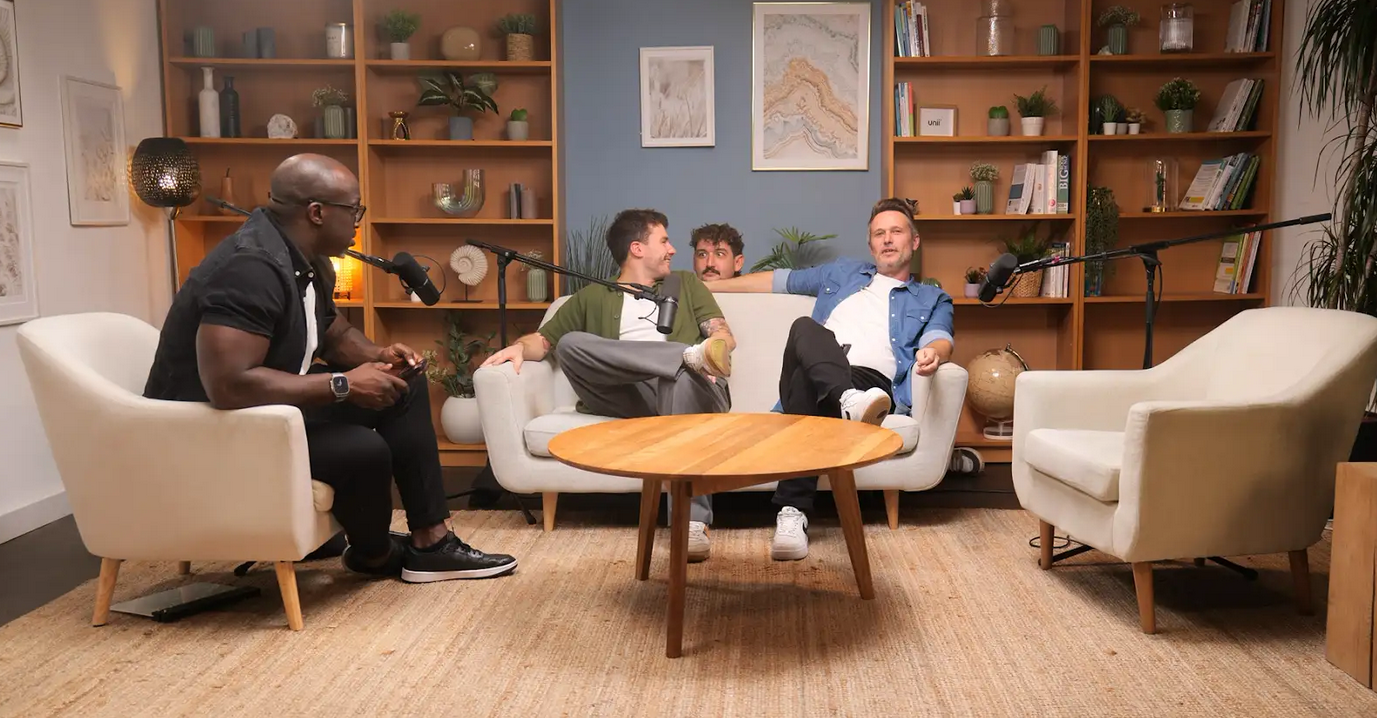
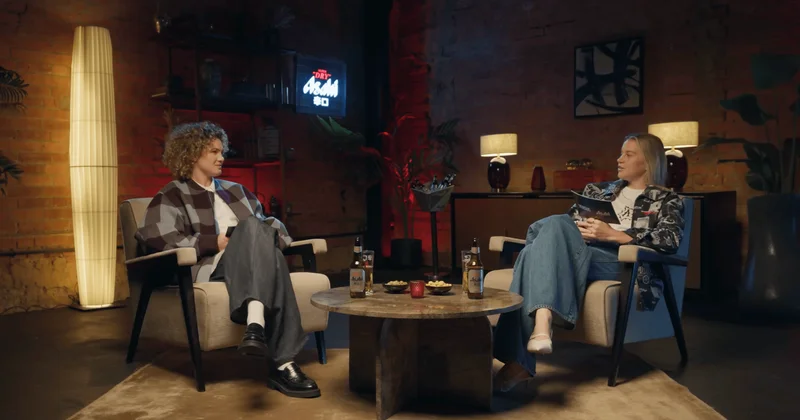
Finchley Studio (Lounge set): book this setup for your podcast
3.1 Microphones: The Instrument of Intimacy
For sensitive topics, the microphone must capture the nuance of the human voice without imposing a barrier between the speaker and the listener.
3.1.1 The Industry Standard: Shure SM7B/SM7dB
The Shure SM7B (and the preamp-equipped SM7dB) is the ubiquitous choice for podcast studios globally, and for good reason according to Premiere Podcast Studios.
- Technical Advantage: It is a dynamic microphone with a cardioid polar pattern. Unlike sensitive condenser mics, it has low sensitivity to distant sounds, effectively rejecting the "room sound" and focusing entirely on the speaker according to YouTube. Its internal air suspension shock isolation virtually eliminates mechanical noise transmission from the stand.
- The "Broadcast" Tone: It imparts a slight "proximity effect" boost to the lower frequencies, giving voices a warm, authoritative, and intimate quality that listeners associate with trust according to YouTube.
- Relevance to Confidentiality: Its low output and tight pattern mean it is less likely to pick up off-axis whispers or sounds from the control room, ensuring that only the intended speech is recorded.
3.1.2 The Nuanced Alternative: Earthworks Ethos
For projects requiring a higher degree of realism—such as medical voiceovers or deep-dive biographical interviews—some studios deploy the Earthworks Ethos according to YouTube.
- Technical Advantage: This is a condenser microphone with a faster transient response, capturing the "air" and subtle details of speech (like lip smacks and breath) that a dynamic mic might smooth over.
- Trade-off: It requires a strictly controlled acoustic environment, as it will reveal any imperfections in the room's treatment.
|
Microphone Model |
Type |
Best Use Case |
Benefits for Sensitive Topics |
|
Shure SM7dB |
Dynamic |
Podcasting, Roundtable Discussions |
High rejection of background noise; forgiving of mic technique; visually iconic. PodcastVideos.com |
|
Earthworks Ethos |
Condenser |
Narration, Audiobooks, Intimate Interviews |
"In-the-room" realism; high clarity; modern aesthetic. YouTube |
|
Electro-Voice RE20 |
Dynamic |
Broadcast Radio, Voiceover |
Variable-D technology minimizes proximity effect; consistent tone off-axis. Learn Light and Sound |
3.2 Camera Systems: Discreet High-Fidelity
In the age of the "visualised podcast" and 4K vodcasting, the camera must deliver cinematic quality without intimidating the subject.
3.2.1 The Sony Cinema Line (FX3/FX6)
The Sony FX3 and FX6 have displaced traditional DSLRs and broadcast cameras in high-end video studios according to Sony.
- Form Factor: The FX3 is incredibly compact, lacking the imposing size of a TV camera. This helps guests forget they are being filmed, fostering more natural and open conversation according to Sony.
- Reliability: The FX6 features active cooling and no recording time limits. For a sensitive interview that might run for three hours without a break (to maintain emotional continuity), this reliability is non-negotiable according to Bunker Hill Media.
- Low Light Performance: Both cameras feature "dual native ISO" sensors, allowing them to shoot in relatively dim, moody lighting (which aids guest comfort) without introducing video noise according to Reddit.
3.2.2 Silent Lighting
Traditional tungsten lights generate heat (causing sweating and discomfort) and require dimmers that can buzz. Modern studios use high-CRI (Color Rendering Index) LED fixtures like the Aputure Nova or amaran series according to VELLO. These units are fanless or have "silent mode" settings, ensuring that the lighting rig does not raise the noise floor of the recording according to ZDNET.
3.3 Infrastructure: SDI vs. HDMI
Reliability in the signal chain is crucial. While consumer gear uses HDMI, professional studios utilise SDI (Serial Digital Interface) cabling according to OBSBOT.
- Locking Connectors: SDI cables lock into place (BNC connectors), preventing accidental disconnections if a guest kicks a cable or a camera is moved.
- Long Runs: SDI can transmit uncompressed 4K video over 100 meters without signal degradation, allowing the noisy server racks and recorders to be located far away from the quiet recording room according to OBSBOT.
4. Digital Chain of Custody: Cybersecurity in Media Production
Once the words are spoken and recorded, they become data. In a secure recording studio, the protection of this data is as important as the physical security of the building. For clients such as whistleblowers, pre-IPO companies, or legal teams, a data leak is catastrophic.
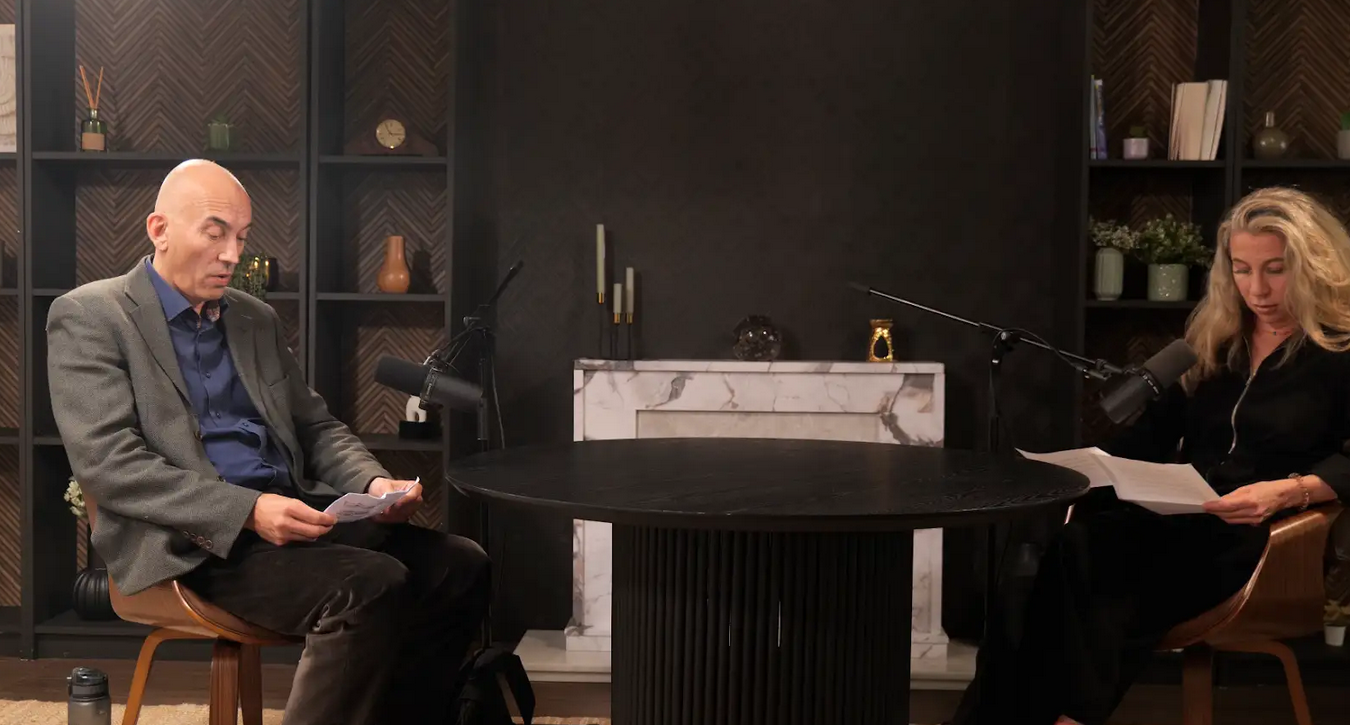
Finchley Studio (CEO Set): book this setup for your podcast
4.1 Encryption and Transfer Protocols
The practice of handing over a physical SD card or emailing a WeTransfer link is insufficient for high-security projects.
- Managed File Transfer (MFT): Studios use enterprise-grade solutions like Signiant, Aspera, or GoAnywhere according to Signiant. These use UDP (User Datagram Protocol) acceleration to move massive 4K video files securely and quickly, bypassing the latency issues of TCP/IP.
- Encryption: Data is encrypted both "at rest" (on the studio's servers) and "in transit" (during upload). AES-256 encryption is the standard according to Progress Software.
- Audit Trails: These systems provide a tamper-evident log of exactly who accessed a file, when it was downloaded, and by whom—a critical requirement for legal chain-of-custody according to Progress Software.
4.2 Air-Gapped Workflows
For the highest tier of confidentiality (e.g., national security related interviews or sensitive IP), studios offer "air-gapped" editing suites according to London South Bank University.
- Definition: An air-gapped computer is physically isolated from any unsecured networks, including the public internet. This makes remote hacking impossible.
- Workflow: Data is ingested via secure, scanned drives. Editors work in the isolated environment, and the final export is transferred out via a secure physical medium or a dedicated, monitored "data diode" connection.
4.3 ISO Standards and Compliance
Clients should look for studios that adhere to international standards:
- ISO 27001: The gold standard for Information Security Management Systems (ISMS). It demonstrates that the studio has a systematic approach to managing sensitive data, including risk assessment and staff training according to Media Education Foundation.
- ISO 27701: An extension specifically for Privacy Information Management, crucial for studios handling GDPR-sensitive personal data (PII) according to BSI.
- UK GDPR: Compliance with the "security principle" of the UK GDPR is mandatory. This includes having processes to restore access to data after an incident and regular testing of security measures according to ICO.
5. Operational Security and Human Protocols
Technology is only as secure as the people operating it. A "confidentiality assured" studio must have rigorous human protocols in place.

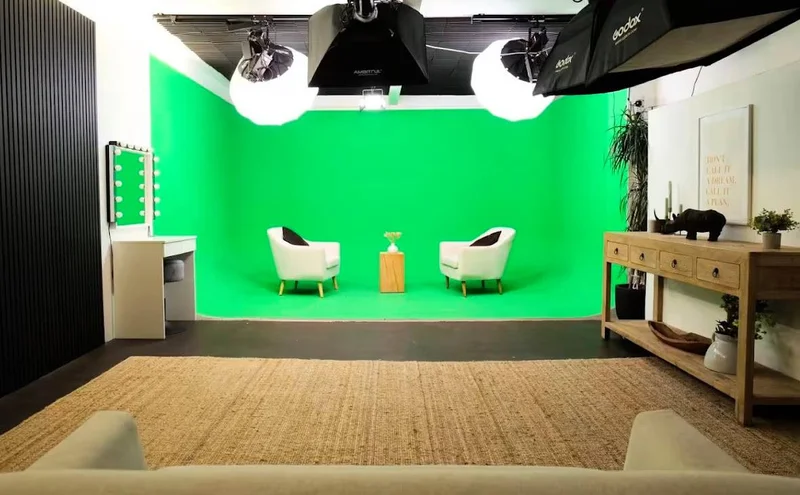
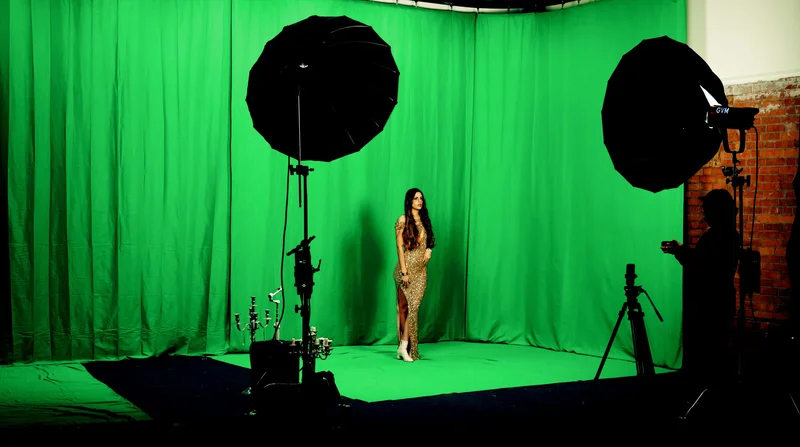
Finchley Studio (Green Screen Cove): book this setup for your podcast
5.1 Staff Vetting and Non-Disclosure Agreements (NDAs)
Every individual who might overhear a session or handle a drive—from the lead engineer to the receptionist—must be bound by strict confidentiality agreements.
- Studio-Wide NDAs: Reputable studios typically have blanket NDAs for all employees. However, for specific high-stakes projects, it is standard practice for the client to request that all staff interacting with the project sign a project-specific NDA according to Finchley Studios.
- Project Aliases: To prevent accidental leaks (e.g., a runner mentioning "The Apple Project"), sensitive productions are assigned code names or aliases in the booking system and on all physical asset labels according to Sony Pictures.
5.2 Physical Access Control and VIP Logistics
Privacy begins before the guest enters the room.
- Private Entrances: High-profile guests (celebrities, politicians) require ingress routes that bypass public waiting areas. Studios like Abbey Road and various boutique London facilities offer private loading docks or VIP entrances according to Abbey Road Studios.
- Full Studio Buyout: For absolute privacy, clients can book a "lockout" or "buyout." This reserves the entire facility—including lounges, corridors, and amenities—ensuring that no other clients or unvetted individuals are present on the premises according to Sharesy.
- Paparazzi Countermeasures: Some studios offer secure, gated courtyards or underground car parks where guests can transfer from vehicle to studio without being visible from the street according to London Locations.
6. Sector-Specific Applications
The requirement for security manifests differently across various industries. A professional London podcast production facility must be versatile enough to adapt to these specific needs.
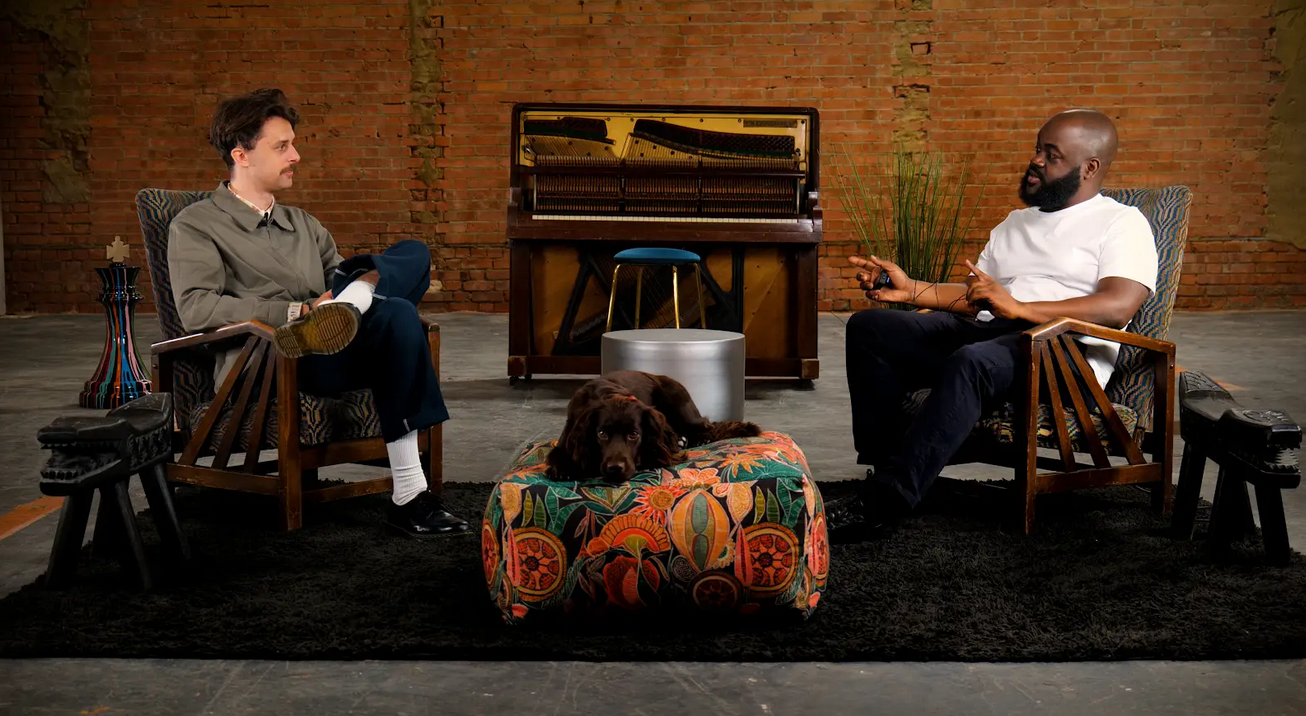
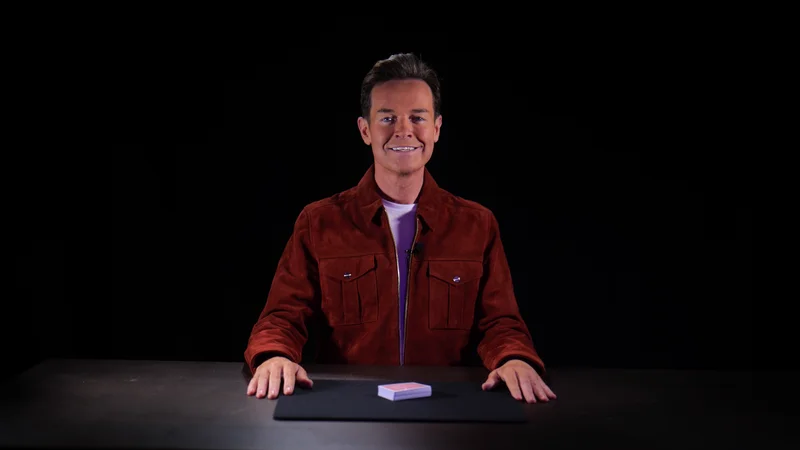
Finchley Studio (The Brick Studio): book this setup for your podcast
6.1 Legal Depositions and Judiciary Standards
London is a global hub for arbitration and litigation. US depositions conducted in London require strict adherence to the Federal Rules of Civil Procedure (FRCP).
- The Videographer's Role: The legal videographer is an officer of the court. They must ensure the recording is continuous, unedited, and includes a formal "read-in" stating the date, time, and case number according to Lexitas.
- Admissibility: "Zoom depositions" recorded locally on a laptop are often inadmissible due to the lack of chain-of-custody certification. A professional studio provides a certified master recording that can stand up to scrutiny in court according to Lexitas.
- Picture-in-Picture (PIP): For complex fraud or patent cases, the studio must be able to record a split-screen showing the witness and the evidence document simultaneously according to Legal Multimedia Services.
6.2 Medical Communications and Patient Privacy
When recording medical education content or patient case studies, the stakes are personal and ethical.
- Consent Frameworks: The studio must support the clinician in obtaining valid informed consent. This includes ensuring the patient understands exactly where the video will be shown (e.g., "internal training only" vs. "public website") according to The MDU.
- Anonymisation: Editors must be skilled in blurring faces or redacting on-screen text to remove Personally Identifiable Information (PII) in accordance with GMC guidelines according to GMC.
6.3 Corporate Crisis Management
When a company faces a PR crisis, the "holding statement" or CEO apology video must be produced rapidly and often in secret.
- The "War Room" Environment: Studios can function as off-site command centres. The "green room" becomes a strategy room where legal and comms teams draft responses. The studio provides a secure, broadcast-quality link for the CEO to go live to news networks or internal stakeholders without the press camping outside the company HQ according to PWorld.
7. The London Market: Logistics, Accessibility, and Economics
Selecting the right recording studio in London involves balancing prestige, convenience, and cost.
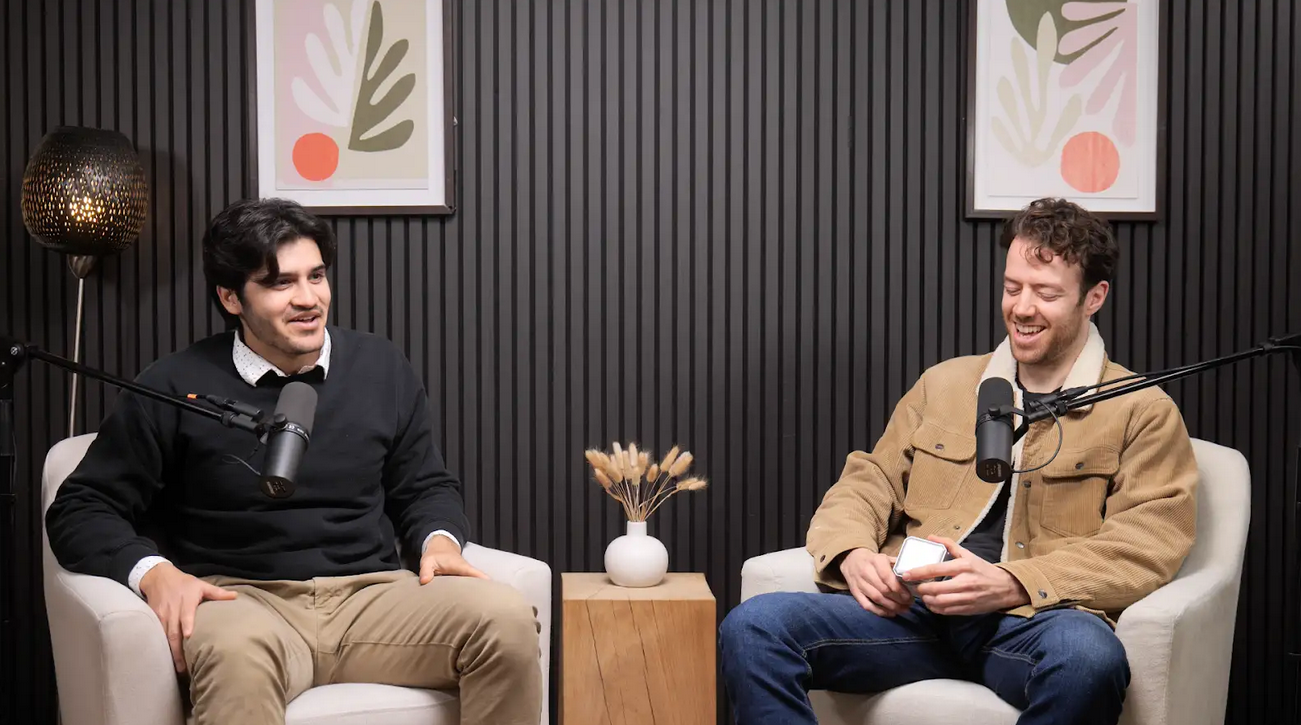
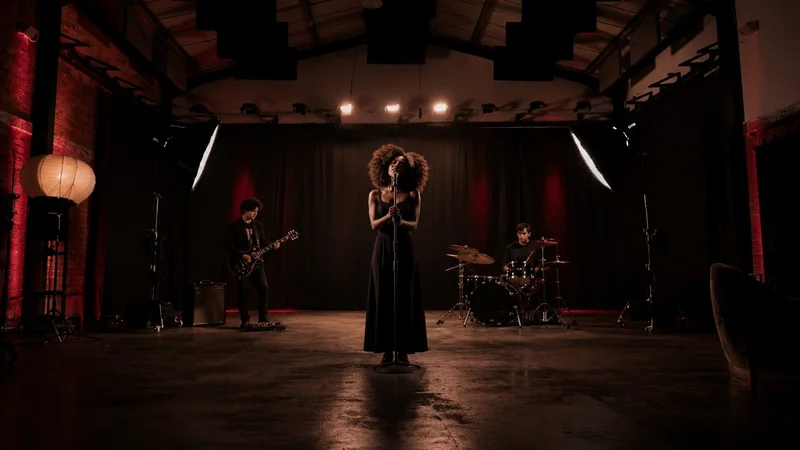
Finchley Studio (Blackwood): book this setup for your podcast
7.1 Location Dynamics: The Centre vs. The Periphery
- Central London (Soho/Fitzrovia/Shoreditch):
- Pros: Proximity to media agencies, prestigious address, historic "vibe" (e.g., Dean Street, Abbey Road) according to Dean St. Studios.
- Cons: High noise floor (Tube/sirens), difficult parking, Congestion Charge (£15/day), ULEZ charges according to Finchley Studios.
- Best For: High-budget ad campaigns, celebrity interviews where the talent is already in town.
- North/West London (Zones 2-4):
- Pros: "Drive-in" access with on-site parking, quieter noise floor, larger spaces (industrial conversions), lower rates according to Finchley Studios.
- Cons: Travel time from central hotels.
- Best For: Long-form podcasts, multi-day shoots, vehicle-heavy productions.
7.2 Accessibility Standards
A welcoming studio must be accessible to all contributors. This includes:
- Physical Access: Step-free access, wide corridors for wheelchairs, and accessible restrooms are legal requirements and ethical imperatives according to Sharesy.
- Sensory Access: For neurodivergent guests, the ability to control lighting and sound levels in waiting areas is a key feature of an inclusive environment according to Allsteel.
7.3 Pricing Models and Value Propositions
London studio pricing is tiered based on exclusivity and equipment.
|
Tier |
Typical Rate (London) |
Inclusions |
Ideal For |
|
Budget / Dry Hire |
£30 - £60/hour |
Room & basic mic only. No engineer. |
Hobbyists, startups, rough drafts. TYX Studios |
|
Professional Package |
£75 - £150/hour |
Engineer, Shure SM7Bs, 4K Cameras, Lighting. |
Corporate podcasts, branded content. Premiere Podcast Studios |
|
Premium / Broadcast |
£200+/hour |
Senior Engineer, Control Room, ISO certification, Concierge. |
Broadcast TV, High-end audiobooks, Celebrity talent. Tagvenue UK |
|
Full Day Buyout |
£800 - £2,500+ / day |
Exclusive building access, full privacy, catering. |
Sensitive legal/medical work, A-list interviews. Finchley Studios |
8. Conclusion and Strategic Recommendations
The provision of a "secure recording environment" in London is a sophisticated service that transcends simple room hire. It is a convergence of:
- Acoustic Isolation: Defeating the urban noise floor to create a sanctuary of silence.
- Technical Excellence: Deploying industry-standard tools (Sony, Shure, SDI) that guarantee fidelity and reliability.
- Data Sovereignty: Protecting the digital asset through encryption, air-gapping, and strict chain-of-custody.
- Human Trust: Creating a psychologically safe, trauma-informed space managed by vetted professionals.
For creators and organisations dealing with sensitive topics, the studio is a partner in risk management. Investing in a facility that offers "Confidentiality Assured" is not a luxury—it is due diligence. Whether safeguarding the identity of a whistleblower, preserving the testimony of a witness, or protecting the reputation of a global brand, the right studio ensures that the only thing that leaves the room is the story you choose to tell.

Finchley Studio (URBAN LOUNGE): book this setup for your podcast
Frequently Asked Questions (FAQ)
What specific soundproofing measures are needed for a London studio?
London studios require "room-within-a-room" construction to decouple the recording space from the building's structure, preventing "Tube rumble" and traffic vibration. Walls should be high-mass, damped with compounds like Green Glue, and sealed with acoustic caulk to prevent airborne noise leakage according to Acoustical Surfaces.
How do professional studios protect client data?
Studios use Managed File Transfer (MFT) systems with end-to-end AES-256 encryption for sending files. For highly sensitive data, they offer air-gapped editing suites (disconnected from the internet) and strictly enforce ISO 27001 compliant data handling protocols according to Signiant.
Can I hire a studio for a legal deposition in London?
Yes. Professional studios in London can provide certified legal videographers who follow US Federal Rules of Civil Procedure (or UK equivalent) standards. This includes creating an unedited master recording, read-in scripts, and Picture-in-Picture (PIP) evidence display, ensuring admissibility in court according to Lexitas.
What is the best microphone for recording sensitive interviews?
The Shure SM7B (or SM7dB) is the industry standard due to its excellent rejection of background noise and warm, intimate tone. For even greater detail and realism in a controlled room, the Earthworks Ethos is a premium condenser alternative according to PodcastVideos.com.
How much does it cost to hire a secure video podcast studio in London?
Rates vary by tier. A basic audio booking starts around £60/hour. A full 4K video podcast package with an engineer typically ranges from £150 to £250/hour. For total privacy, "full day buyouts" (exclusive use of the building) can range from £800 to over £2,000 per day depending on the facility according to Finchley Studios.
What is "trauma-informed design" in a studio context?
It involves designing the studio to minimise stress and triggers for guests discussing difficult topics. This includes using soft, non-institutional furniture, warm tunable lighting (avoiding harsh strobes), clear sightlines to exits, and offering side-by-side seating arrangements to reduce social pressure according to Allsteel.