Executive Summary: The Visual Turn in London’s Audio Market
The trajectory of the digital content industry has undergone a seismic structural shift, moving aggressively from an audio-exclusive format to a visual-dominant ecosystem. For a high-end multimedia production facility operating within the competitive geography of the capital, this transition represents the single most critical operational pivot of the decade. This report, titled Podcast recording Strategic Analysis: Lighting, provides an exhaustive, expert-level examination of the technical, psychological, and commercial imperatives driving the modern podcast studio market. It is designed not merely as a technical manual, but as a strategic blueprint for securing market leadership in London podcast production.
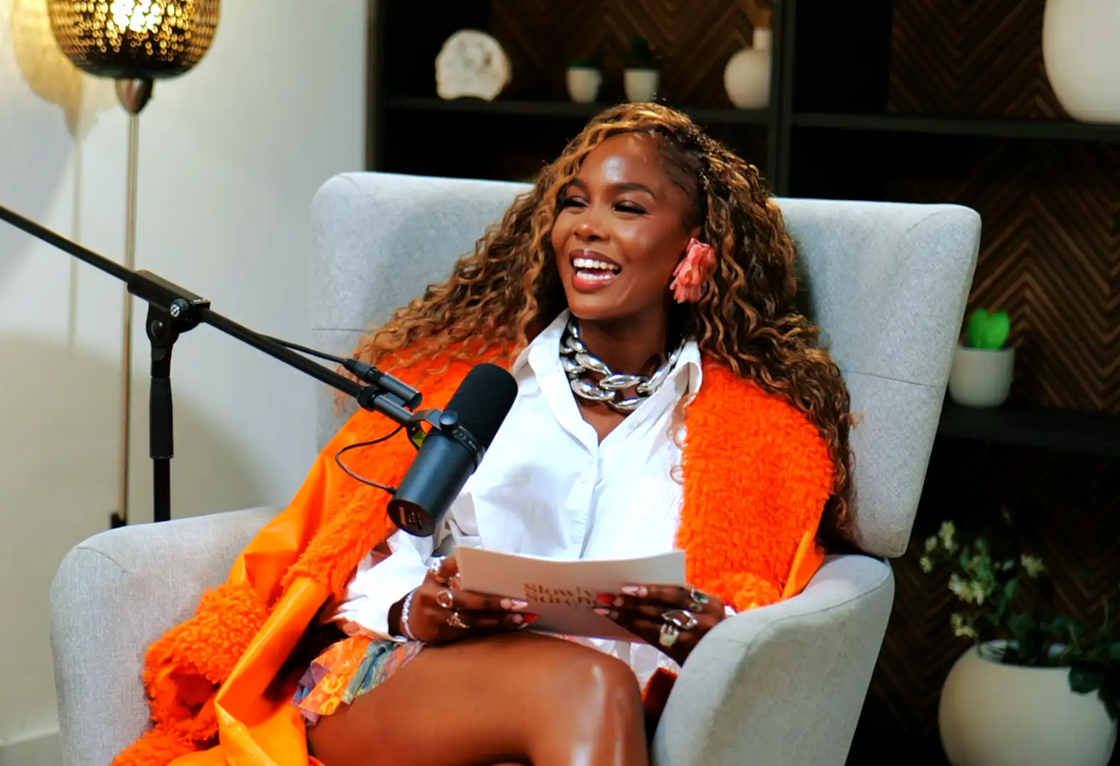
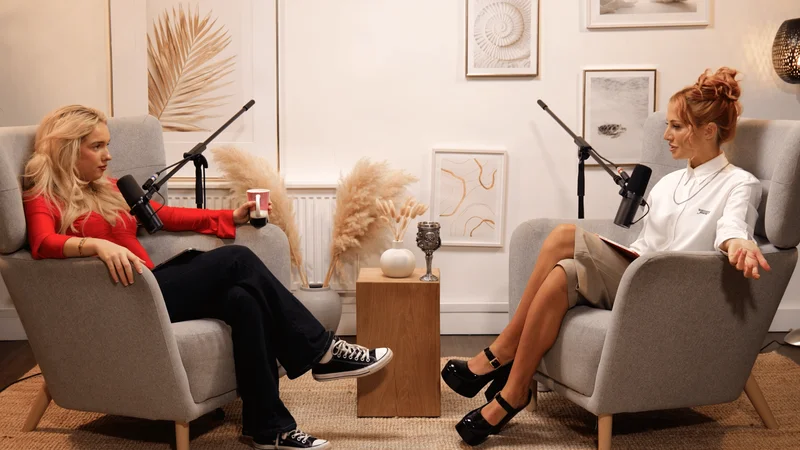
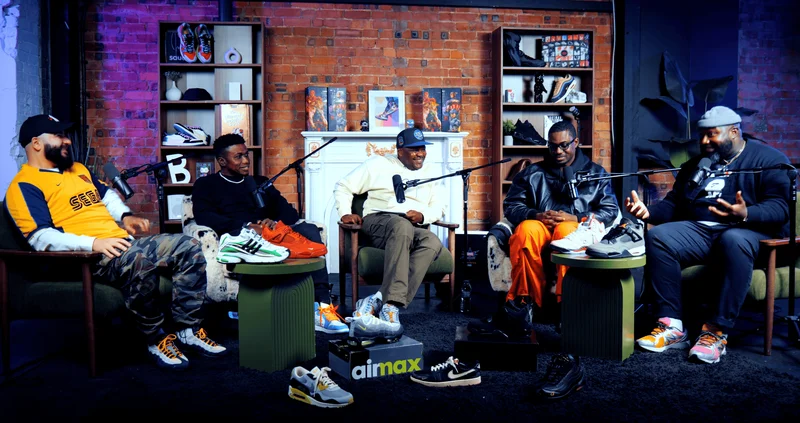
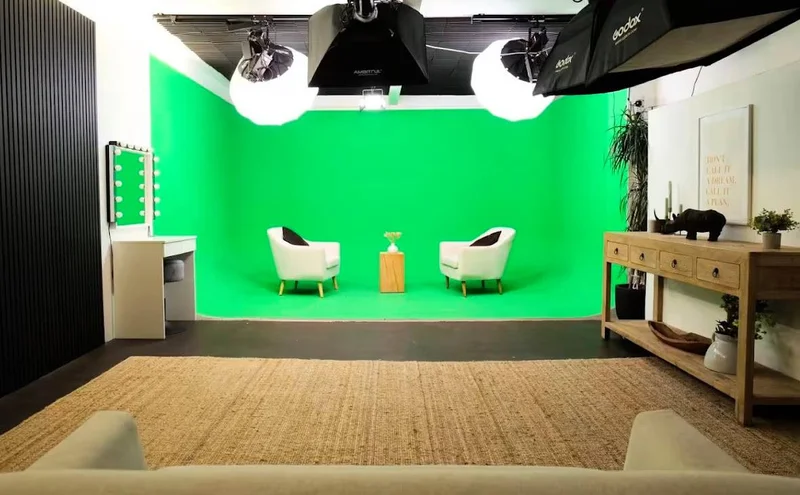
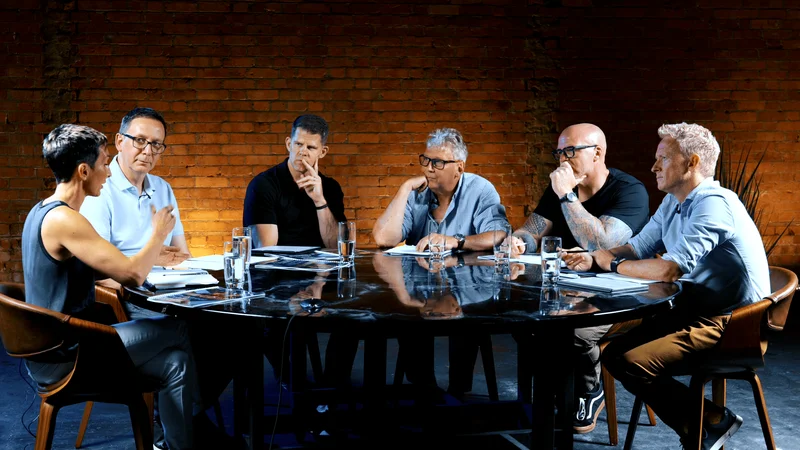
Finchley Studio (Dialogue set): book this setup for your podcast
In 2026, the differentiation between "bedroom content" and professional broadcast material is no longer defined solely by audio fidelity—a metric that has been largely democratized by affordable pre-amps and digital processing—but by visual authority. Lighting is the primary architect of this authority. As the "vodcast" (video podcast) format solidifies its position as the preferred consumption method for Gen Z and Millennial audiences, the commercial viability of a recording studio is now inextricably linked to its video infrastructure. Data suggests that video podcasts engage viewers significantly longer than audio-only formats, with mobile retention rates for video outperforming audio by a factor of 2.7.1 Consequently, the ability to deliver cinematic, retention-driving visuals is the primary lever for commanding premium rates in the studio hire London sector.
This analysis navigates the complex intersection of physics, psychology, and local architecture. It addresses the unique challenges of the London property market—from the acoustic nightmares of Victorian conversions to the lighting deficiencies of basement studios—and proposes robust, data-backed solutions. By synthesizing market data on pricing tiers, technical specifications on high-fidelity color rendering, and psychological studies on viewer attention, this report outlines how a facility can optimize its lighting strategy to maximize client ROI and secure long-term B2B contracts.
Section 1: The Visual Economy of Podcasting
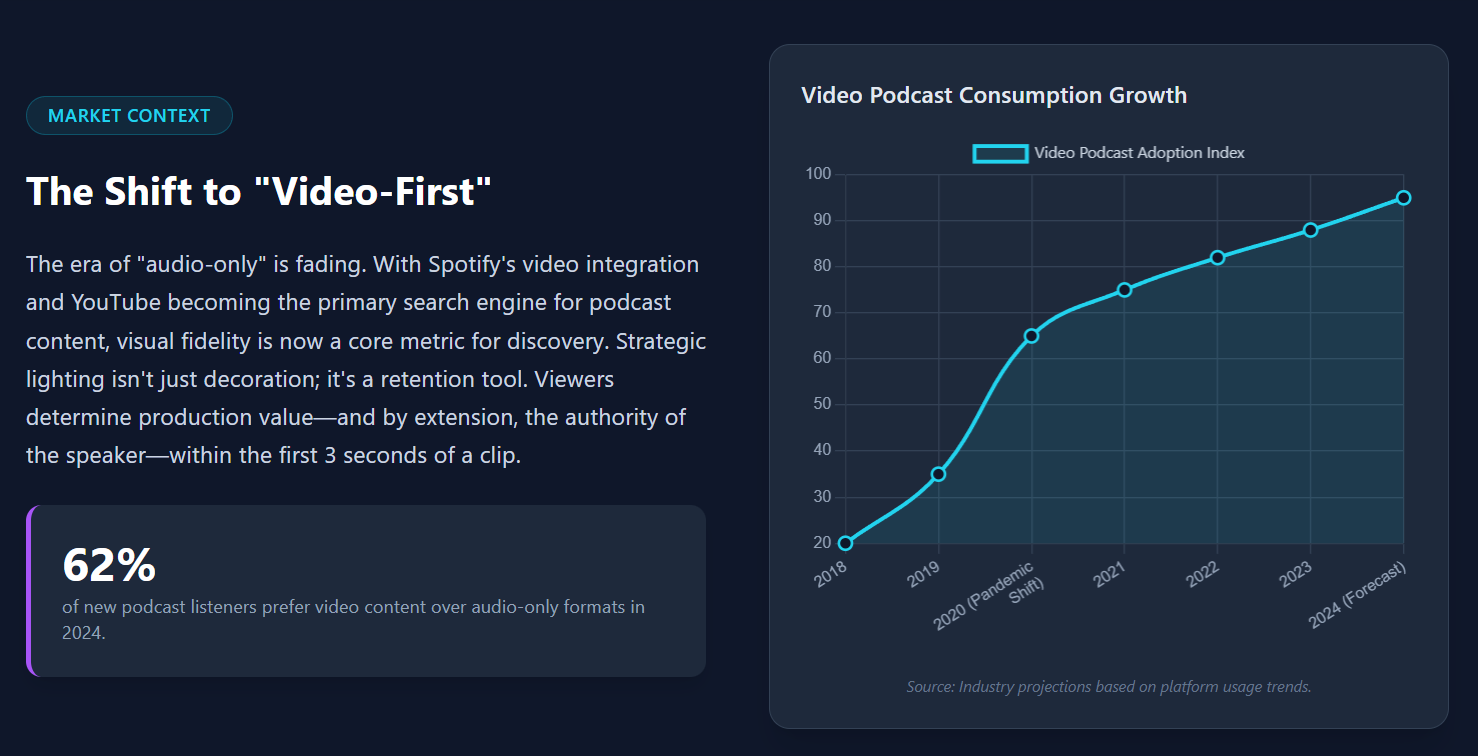
1.1 The Structural Shift from Audio-First to Video-Dominant
The podcasting landscape has evolved from a passive, background medium into a primary foreground activity, driven largely by the algorithmic preferences of platforms like YouTube and Spotify. This shift has fundamentally altered the economics of podcast studio operation. Where once a soundproof booth and a high-quality signal chain were sufficient, the modern market demands a "broadcast-grade" visual product. This evolution is not merely aesthetic; it is economic. The "Cost of Attention" analysis indicates that while the production overhead for video podcasts is significantly higher—often exceeding audio-only budgets by 77% per hour—the return on investment regarding viewer retention and sponsorship potential is disproportionately higher.1
In the context of London podcast production, this shift creates a bifurcated market. On one side are legacy audio studios scrambling to retrofit video capabilities, often resulting in compromised lighting angles and poor visual depth. On the other are purpose-built video studio spaces that integrate lighting grids, 4K camera chains, and distinct set designs from the outset. The latter group commands the premium end of the market. For instance, while budget audio-only facilities in zones like Wood Green or Whitechapel may charge as little as £30 per hour for basic access, premium video-capable suites in central hubs like London Bridge and Shoreditch command rates upwards of £180 per hour.2 This price elasticity is driven almost entirely by the visual production value, of which lighting is the most visible component.
The visual economy is also driven by discoverability. YouTube has surpassed Apple Podcasts and Spotify as the primary discovery engine for new shows.4 The platform's algorithm heavily favors high-retention video content, which is intrinsically linked to production quality. A poorly lit video, characterized by flat contrast or low color fidelity, increases the viewer's cognitive load, leading to faster drop-off rates. Conversely, cinematic lighting that utilizes depth, texture, and color contrast acts as a "visual anchor," keeping the viewer engaged. Research supports this, showing that video podcasts achieve average viewer retention rates of 62%, a metric that is critical for algorithmic promotion.1
1.2 Monetization Dynamics and Sponsorship Premiums
The imperative for high-quality lighting is further underscored by the disparity in monetization potential between audio and video formats. Sponsorship rates, measured in Cost Per Mille (CPM), are significantly higher for video integrations.
Audio Programmatic: Standard audio-only programmatic ads typically yield CPMs between $15 and $25. These are often treated as commodity inventory by advertisers.1
Video Integration: Video inventory opens up multiple revenue streams, including YouTube AdSense, which generates an estimated $18.60 CPM for video podcasts compared to $12.40 for audio-only.6 More importantly, video allows for direct product placement and visual brand integration, which can command bespoke sponsorship rates far exceeding standard CPM models.
For a high-end studio hire London facility, this data provides a compelling sales narrative for prospective clients. By investing in a facility that offers superior lighting and video capabilities, clients are not just paying for a recording service; they are investing in an asset that generates higher revenue. Brands are increasingly risk-averse and seek "brand-safe" environments that look professional. A studio that offers a polished, television-quality aesthetic signals this safety, making it easier for podcasters to secure high-value sponsors. The ability to offer a "turnkey" solution—where lighting, cameras, and audio are synchronized to professional standards—is a key differentiator in a crowded market.1
1.3 Competitive Analysis of the London Studio Market
The London market is broadly segmented into four tiers, each defined by its service level and technical infrastructure. Understanding this hierarchy is essential for positioning a high-end facility.
Table 1: Comparative Market Analysis of London Podcast Studios (2025/2026)
For a high-end facility, the target is clearly the "Premium Commercial" and "Luxury" segments. The gap between the Mid-Range and Premium tiers is defined almost exclusively by the quality of the visual output. While a Mid-Range studio might offer "video recording," it often lacks the nuanced lighting control—such as hair lights, negative fill, and practical background lighting—that distinguishes high-end content. Bridging this gap requires a strategic investment in lighting infrastructure that allows for depth, mood, and customization.8
Section 2: The Physics of Professional Lighting
To justify premium rates, a facility must utilize equipment and techniques that surpass what clients can achieve in a home setup. This requires a deep understanding of the physics of light and how it interacts with modern digital camera sensors.
2.1 Color Fidelity: Beyond CRI
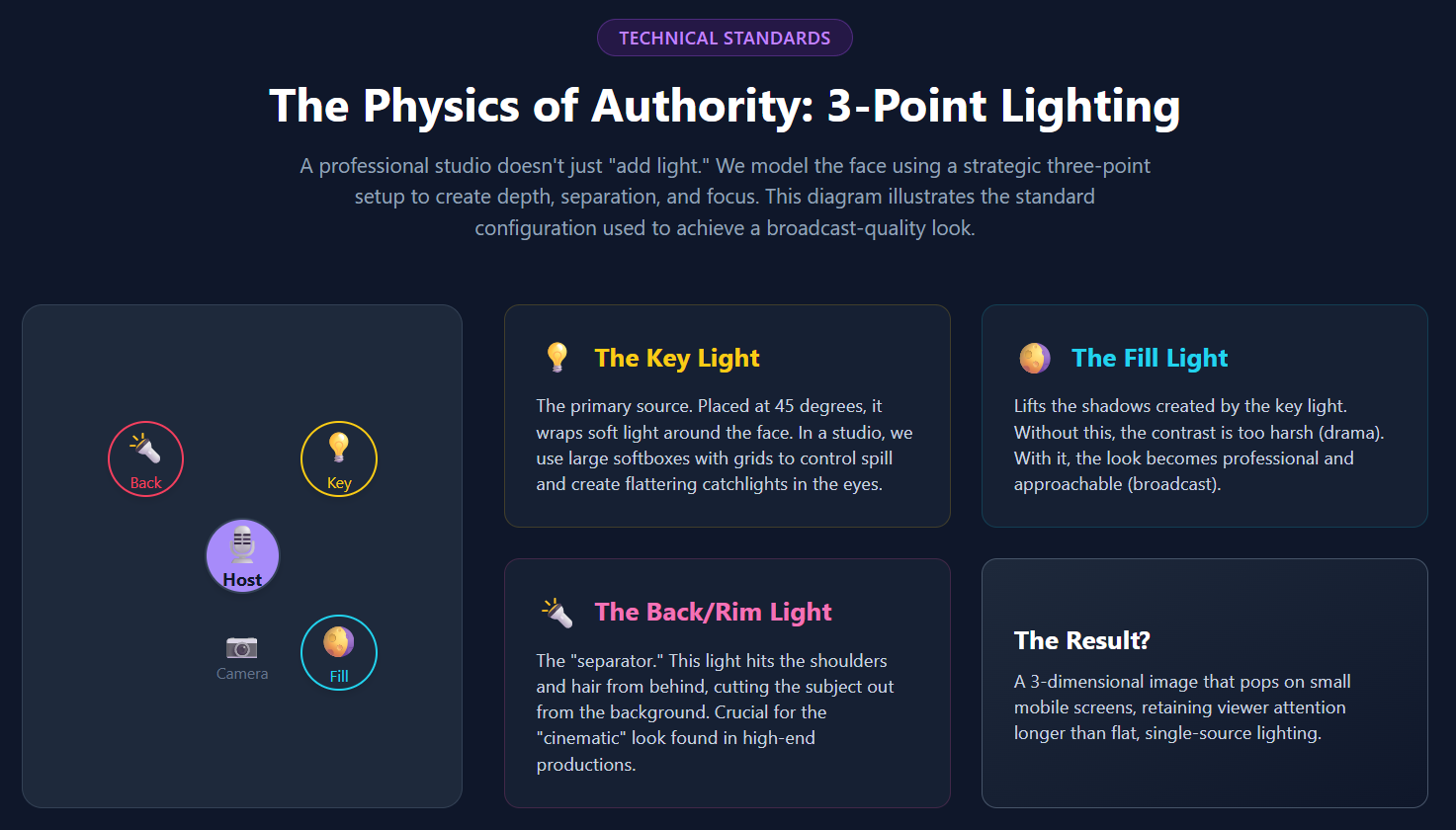
In the realm of professional video, the Color Rendering Index (CRI) is no longer the sole benchmark for quality. While CRI measures how accurately a light source reveals colors compared to a natural source, it is biased towards the human eye and often fails to account for the specific spectral response of digital sensors.
TLCI (Television Lighting Consistency Index): This metric is critical for a video studio. TLCI simulates the response of a generic camera sensor rather than the human eye. A light fixture might appear "white" to the eye (High CRI) but possess spectral spikes in the green or magenta spectrum that a camera sensor will amplify, leading to sickly skin tones that are difficult to correct in post-production. For a premium facility, mandating a TLCI score of 97+ for all key lighting fixtures is essential to ensure broadcast-quality skin tones straight out of the camera.11
SSI (Spectral Similarity Index): This emerging standard measures how closely a light source matches the spectral curve of a reference source (like the sun or a tungsten bulb). This is particularly important when mixing different light sources, such as matching a practical desk lamp with a professional key light. High SSI scores ensure that different lights blend seamlessly without creating strange color casts in the shadows.11
2.2 The Psychology of Color Temperature
The color temperature of studio lighting, measured in Kelvin (K), is a powerful psychological tool that influences how the audience perceives the content.
Warm Light (2700K - 3200K): This range evokes intimacy, trust, and comfort. It mimics the light of a fire or incandescent bulb, creating a "fireside chat" atmosphere. This is the aesthetic favored by long-form interview podcasts like The Diary of a CEO, where the goal is to make the guest feel relaxed and vulnerable. Psychologically, warm lighting can lower the viewer's cortisol levels, fostering a sense of safety and connection.12
Neutral/Daylight (4000K - 5600K): This range signals authority, clarity, and objectivity. It is the standard for news, technology, and business content, such as The Rest is Politics. It mimics natural daylight, creating an energetic and alert atmosphere. However, pushing too far into the cool spectrum (>6000K) can make the environment feel sterile or clinical, potentially alienating the viewer.14
Strategic Insight: A versatile London podcast production facility must offer the ability to switch between these moods instantly. Installing Bi-Color or RGBWW fixtures allows the studio to adapt the environment to the specific genre of the podcast—warm for a wellness show, neutral for a fintech update. This flexibility is a key selling point for clients with diverse content portfolios.16
2.3 Hard vs. Soft Light: The Flattery Factor
The quality of light—hard vs. soft—is the primary determinant of how flattering the image is for the talent.
Soft Light: Created by large diffusion sources (softboxes, octaboxes), soft light wraps around the subject's face, filling in wrinkles and blemishes. This is the industry standard for "beauty" lighting and is essential for high-profile guests who are conscious of their on-camera appearance. In a studio hire London context, offering large, soft light sources is a direct service to the client's ego and brand image.14
Hard Light: Produced by small, direct sources, hard light creates sharp shadows and high contrast. While generally avoided for key lighting in interviews, it is used strategically as a "rim light" or "hair light" to carve the subject out of the background, adding three-dimensional depth to the image. This separation is crucial in small studio spaces where the subject cannot be physically far from the background wall.14
Section 3: The London Context – Architecture and Infrastructure
Operating a high-end multimedia facility in London presents unique challenges dictated by the city's architecture and infrastructure. Addressing these constraints is vital for delivering a professional product.
3.1 The "London Noise" and Acoustic Isolation
London's soundscape is characterized by a high noise floor, including the low-frequency rumble of the Tube network and the intermittent high-frequency noise of sirens and traffic.
The Tube Factor: Studios located near underground lines often suffer from structure-borne vibration that manifests as a low-frequency hum in recordings. This is particularly problematic in Victorian conversions where structural isolation is difficult. Professional studios mitigate this by building "room-within-a-room" floating structures, but lighting plays a role here too. To maintain acoustic integrity, studios are often sealed, windowless boxes. This necessitates a lighting design that compensates for the lack of natural cues, preventing the "bunker" feel that can fatigue guests.18
Street Noise: Areas like Shoreditch and the Square Mile are prone to siren noise. While acoustic treatment handles the sound, the visual isolation required (blackout blinds, window plugs) reinforces the need for high-quality artificial lighting to create a pleasant environment.19
3.2 Residential vs. Commercial Constraints
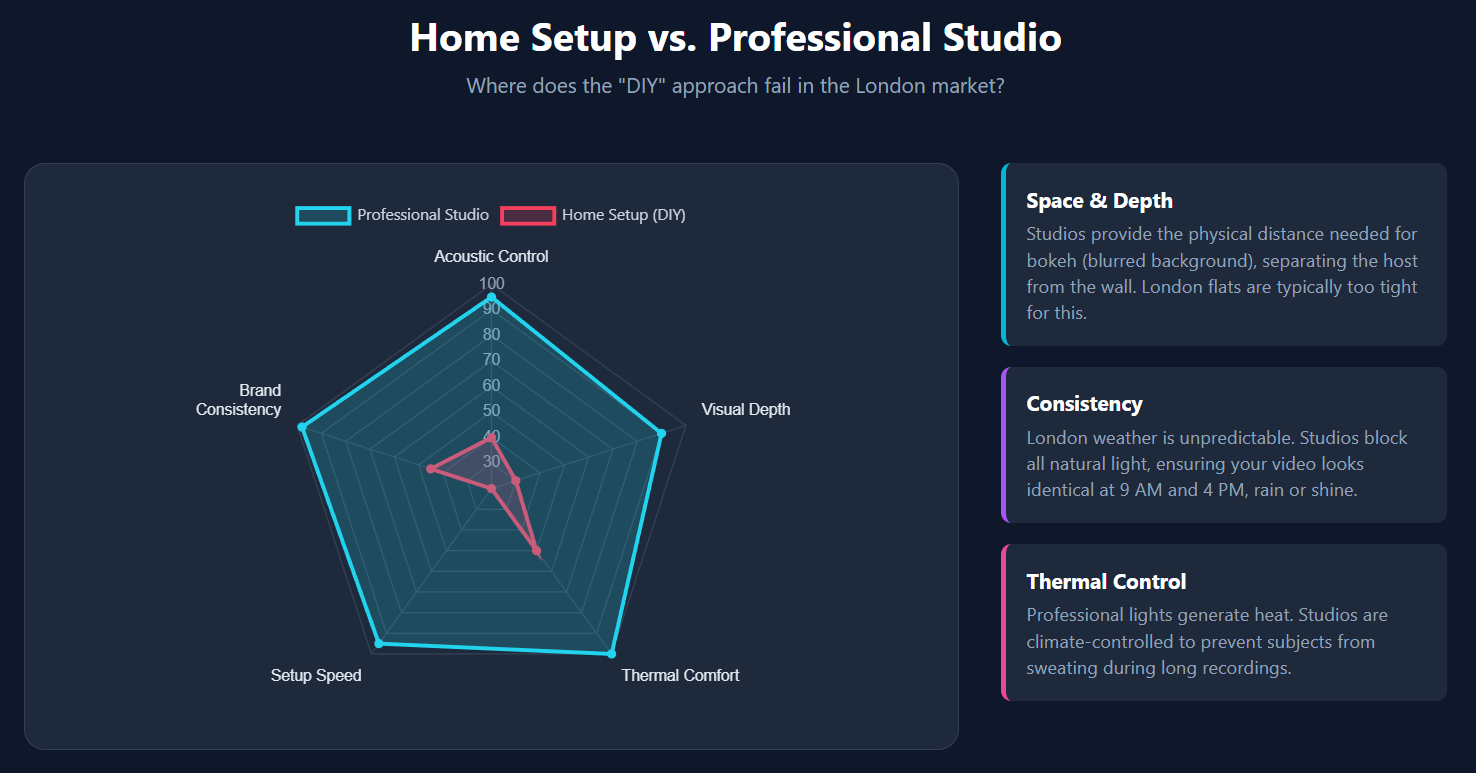
Many creators attempt to launch podcasts from home studios, but London's housing stock imposes severe limitations that a professional facility can exploit as a competitive advantage.
Victorian Conversions: These properties often feature high ceilings, which are aesthetically pleasing but acoustically challenging due to reverb. More critically, they often lack the electrical infrastructure to support a comprehensive lighting grid without tripping domestic breakers. A professional recording studio offers dedicated 3-phase power or high-amperage circuits, ensuring reliability.20
Space and Depth: A cinematic video look relies on "depth of field"—the blurring of the background to focus attention on the subject. This requires physical distance between the subject and the background wall, typically 6-10 feet. Most London bedrooms or spare rooms simply do not have this depth. A professional studio offers the physical volume required to position backlights and background lights effectively, creating the separation that defines high-end video.22
3.3 The Basement Studio: Biophilic Lighting Solutions
Basements are popular locations for studios in London due to their natural soundproofing properties. However, the lack of natural light can cause "temporal disorientation" for guests, leading to drops in energy during long recording blocks.
Strategic Solution: Implement "Biophilic Lighting Design." This involves using tunable white LEDs to mimic the natural progression of daylight (e.g., cooler in the morning, warmer in the afternoon). By washing walls with simulated daylight and using practical lamps to create pools of warmth, a basement studio can replicate the psychological comfort of a daylight studio without the acoustic risks of real windows. Techniques such as placing LED panels behind false windows or using "skylight" panels can significantly improve the user experience.23
Section 4: Strategic Lighting Architectures
A premier London podcast production facility must offer modular, adaptable lighting setups to accommodate a wide range of formats, from intimate solo monologues to dynamic panel discussions.
4.1 The Classic 3-Point Setup
This is the foundational setup for most corporate and interview-style podcasts. It ensures the subject is clearly visible and separated from the background.
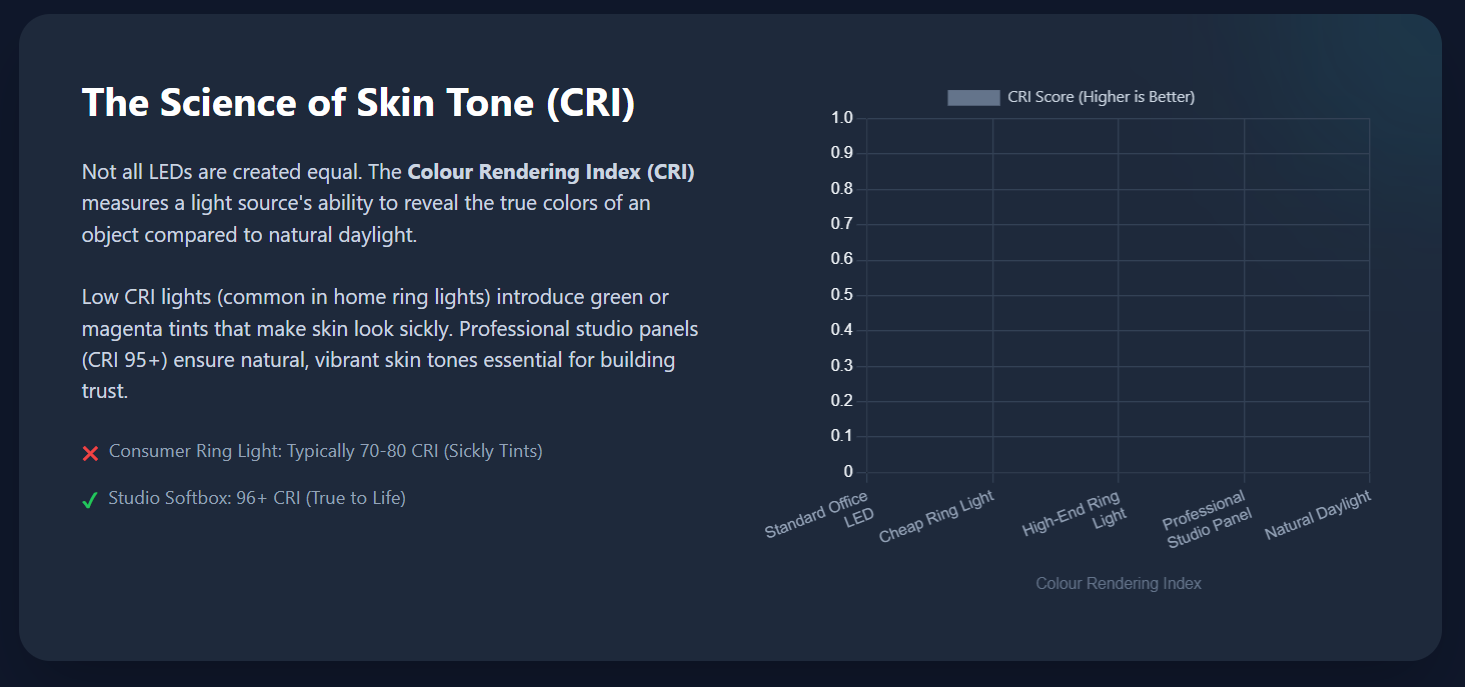
Key Light: The primary source, positioned at a 45-degree angle to the subject and slightly above eye level. This models the face, creating a flattering mix of light and shadow.14
Fill Light: Placed on the opposite side of the key light, typically at 50% intensity. Its role is to soften the shadows created by the key light, preventing the "drama" from becoming too harsh.14
Back/Rim Light: Positioned behind the subject, aiming at the back of the head and shoulders. This creates a halo effect that separates the subject from the background, adding crucial depth to the image.14
4.2 The "Cinematic" Setup (The "Diary of a CEO" Aesthetic)
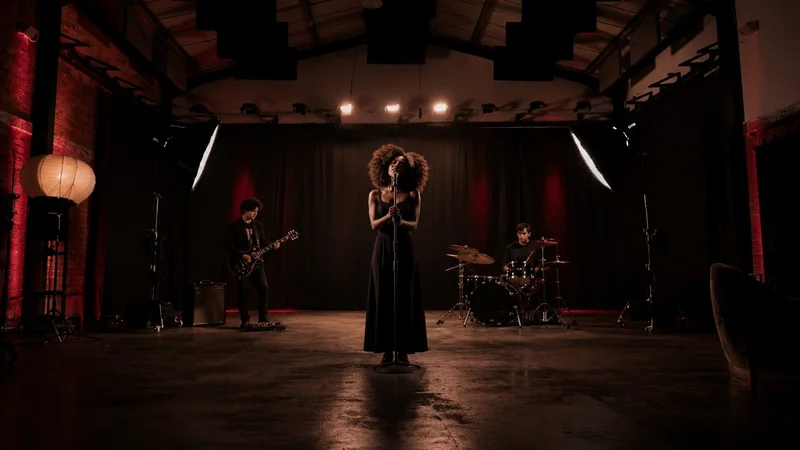
Currently highly in demand, this style prioritizes mood and atmosphere over uniform illumination. It is characterized by high contrast and a "film-look."
Large Soft Source: The key light is often a very large source (e.g., 120cm Octabox) placed close to the subject. This creates a rapid fall-off of light, wrapping the face softly while leaving the background relatively dark.13
Negative Fill: Instead of adding light to the shadow side, a black flag or "floppy" is used to block ambient light reflection. This deepens the shadows, increasing the contrast ratio and adding a sense of drama.25
Practical Lighting: The background is lit primarily by "practical" sources—lamps, neon signs, or LED tubes—visible in the shot. These provide points of interest and bokeh without washing out the scene.13
4.3 Multi-Guest / Roundtable Configurations
Lighting a panel of 3-4 people is exponentially more complex than lighting a single subject. The primary challenge is avoiding cross-shadows where one person's key light becomes a blinding backlight for the person opposite them.
China Balls / Lanterns: A spherical softbox suspended overhead is a highly effective solution. It pushes soft light outward in 360 degrees, providing an even base level of illumination for everyone at the table.26
Cross-Keying: Strategically placing lights at the corners of the room allows a single fixture to serve as a key light for one subject and a rim light for another, maximizing efficiency.
Grid Control: Every softbox in a multi-person setup must be equipped with a honeycomb grid. This restricts the beam angle of the light, ensuring it hits only the intended subject and does not spill onto the walls or other guests. This control is essential for maintaining contrast in a small space.27
Table 2: Strategic Lighting Configurations by Podcast Genre
Section 5: Equipment Ecosystems and Procurement Strategy
For a commercial facility, equipment choices must balance performance, durability, and brand recognition. Clients often judge a studio's quality by the brands they see on the equipment list.
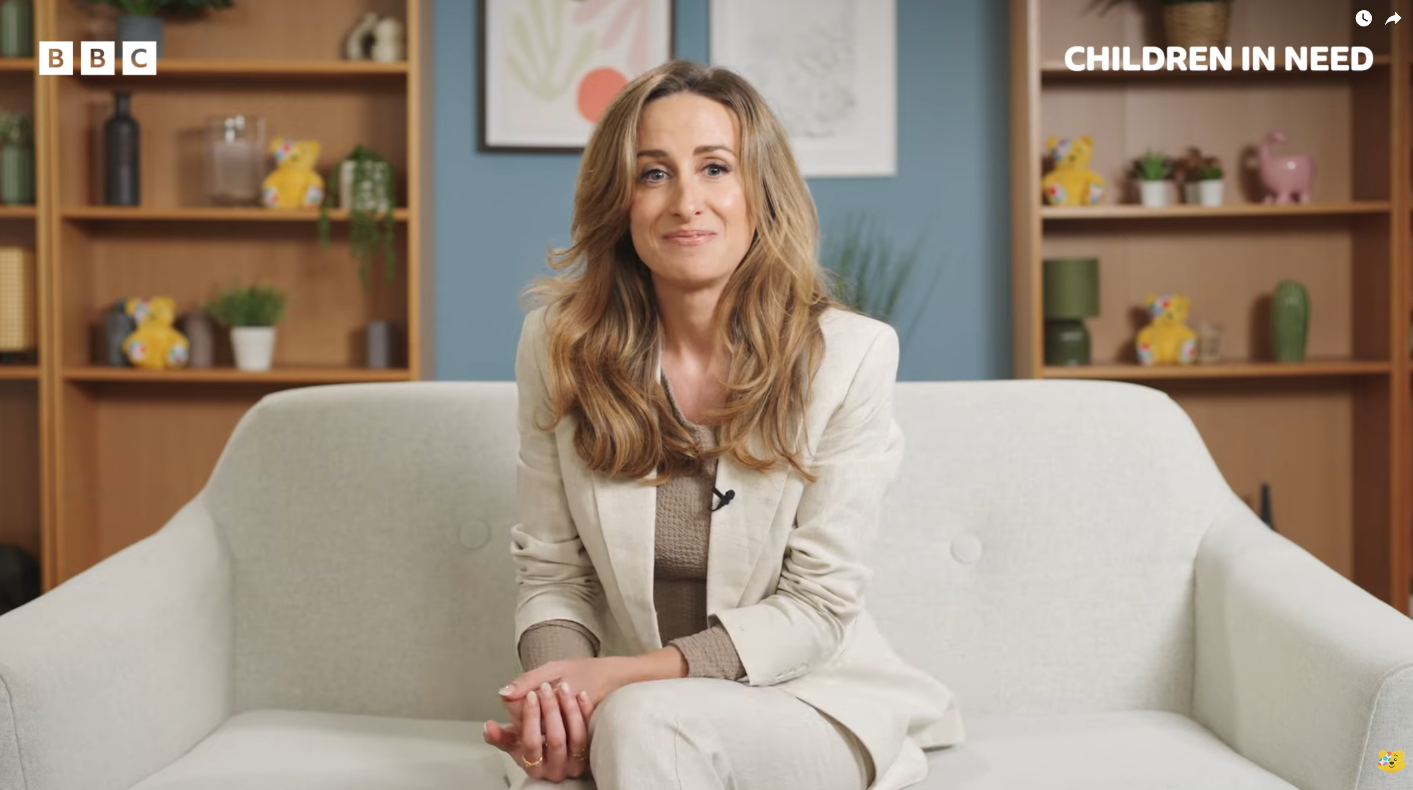
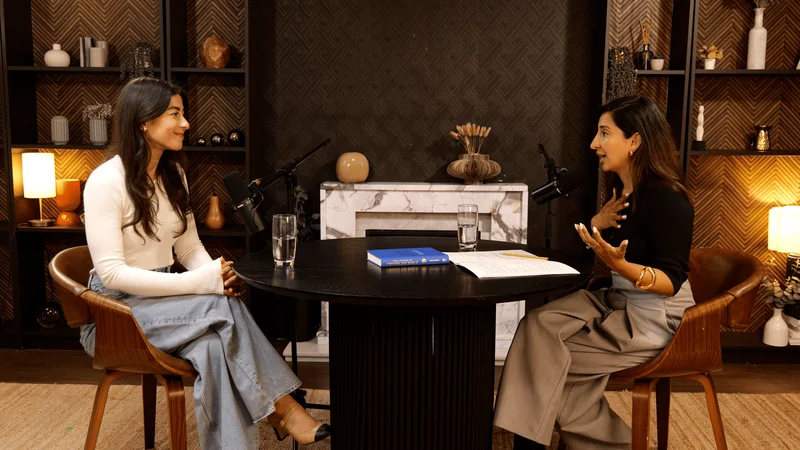
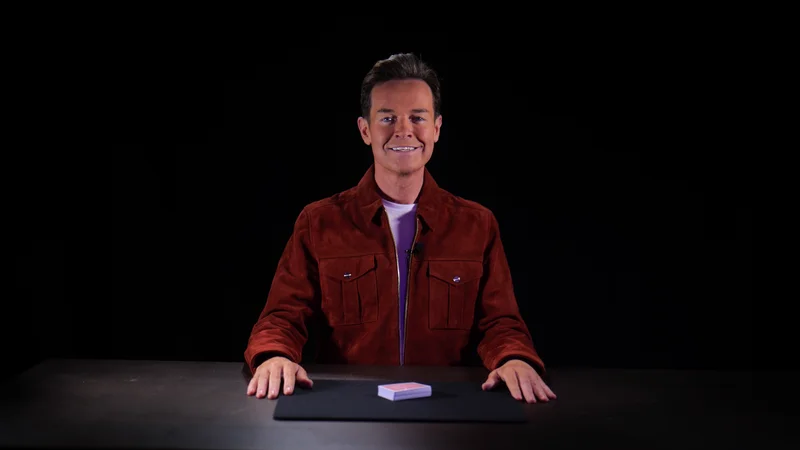
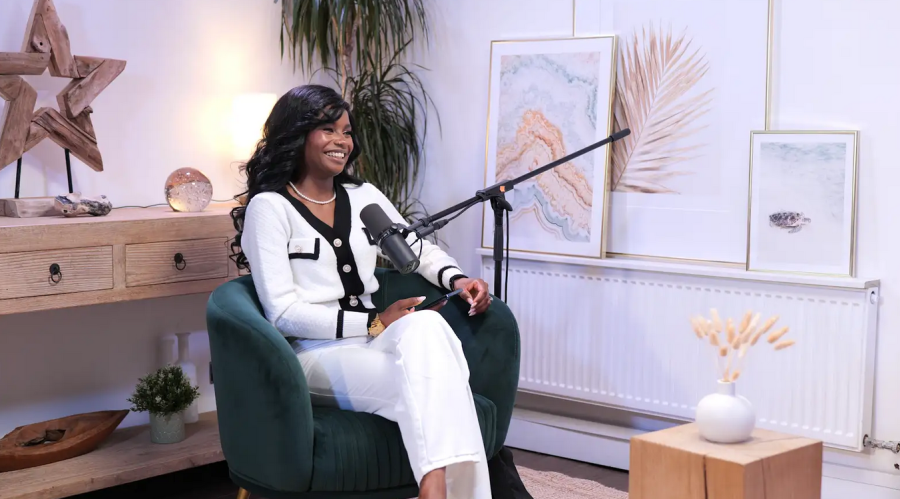
See the 'BBC Children in Need' podcast setup used by Dr Julie from BBC at Finchley Studio (Lounge setup). Book this setup for your podcast
5.1 Primary Lighting Ecosystems
Aputure: The current industry standard for podcasting and independent video production. Their ecosystem is highly valued for the Sidus Link app, which allows a single operator to control every light in the studio (intensity, color, effects) from an iPad. This is a massive workflow advantage for studio hire London facilities running single-operator sessions.
Key Fixtures: Aputure LS 600d/x for main key lights (power to punch through large softboxes); Amaran P60c/x for panel lights (compact fill); Amaran T2c/T4c tubes for background accents.13
Nanlite: A strong competitor, particularly known for their PavoTube line. These RGB tube lights are ubiquitous in modern set design for adding splashes of color to backgrounds. They are robust, battery-operable, and offer excellent color fidelity.29
Godox: A budget-friendly alternative that offers good performance but often lacks the rugged build quality required for a rental environment where gear is handled daily by different clients.8
5.2 Essential Modifiers and Grip
The quality of the light is determined more by the modifier than the fixture itself.
Deep Parabolic Softboxes: (90cm or 120cm) These are essential for creating the focused yet soft light that characterizes the modern "podcast look."
Lanterns: As discussed, these are critical for roundtable setups.26
Honeycomb Grids: In the tight confines of many London studios, grids are non-negotiable for controlling light spill and maintaining contrast.27
Flags and Scrims: Essential for negative fill and blocking unwanted light from windows or other sources.25
5.3 Infrastructure and Mounting
Floor space is at a premium in London. Cluttering the studio floor with C-stands creates trip hazards and makes the room feel smaller.
Ceiling Rail Systems / Pantographs: Installing a rail system allows lights to be suspended from the ceiling and moved into position effortlessly. This keeps the floor clear for talent and cameras, creates a cleaner look for wide shots, and allows for rapid reconfiguration of the space.26
DMX Integration: For premium studios, implementing a DMX control console allows for complex lighting cues. An engineer can trigger a lighting change for a specific segment of the show (e.g., dimming the lights for a "deep dive" questions segment), adding a layer of production value that self-service studios cannot match.16
Section 6: Operational Strategy and Workflow
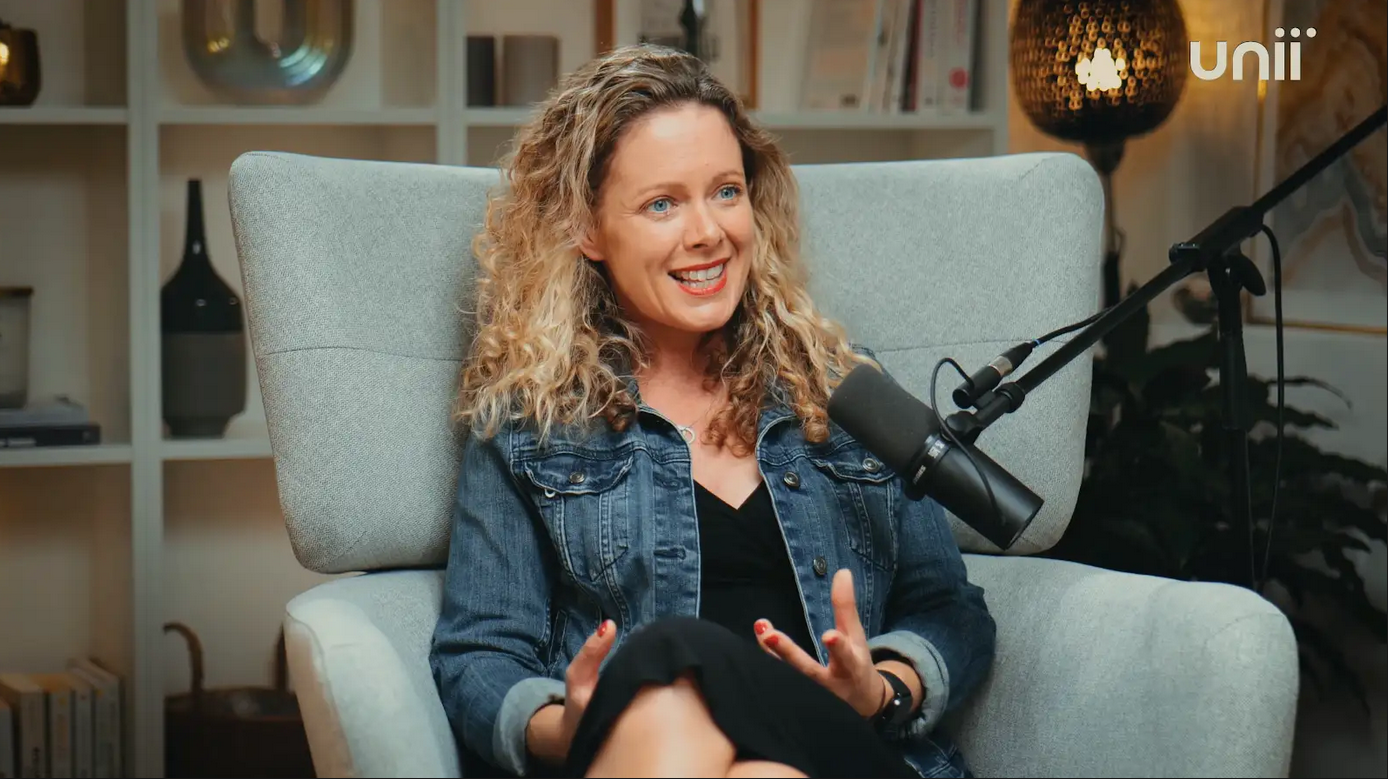
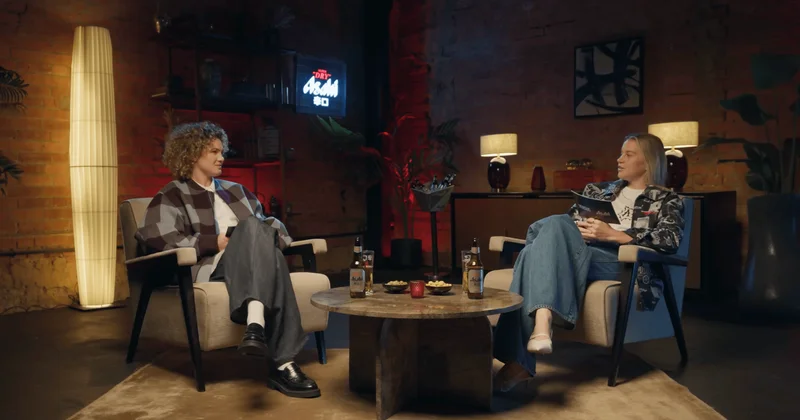
Finchley Studio (Dialogue set): book this setup for your podcast
6.1 Heat Management and Silent Operation
One of the hidden challenges of lighting a soundproof studio is heat. Traditional tungsten lights generate immense heat, which requires aggressive air conditioning. However, AC units generate noise, which compromises audio quality.
Operational Imperative: The studio must exclusively use high-efficiency LED fixtures. Modern LEDs run cool, significantly reducing the thermal load on the room. This allows for the use of lower-powered, silent HVAC systems (often utilizing baffled ducting to trap sound), ensuring a comfortable environment for talent without ruining the recording.
6.2 Streamlined Turnaround and Presets
To maximize revenue, a London podcast production facility must be able to handle rapid changeovers between clients.
Smart Presets: Utilizing systems like Sidus Link or a DMX board, the studio should have pre-programmed scenes (e.g., "Corporate Blue," "Wellness Warm," "High Contrast"). This reduces the setup time for lighting from 30 minutes to 30 seconds, allowing for tighter booking slots and higher daily turnover.32
Cable Management: All cabling should be permanent and routed through ceiling or floor channels. Loose cables ("spaghetti") not only look amateurish but pose a disconnection risk during sessions. A clean studio inspires client confidence.33
6.3 Staffing Models: Self-Service vs. Engineered
London studios typically operate on a tiered staffing model.
Self-Service: The client arrives, lights are set to a standard "safe" preset, and they operate the equipment themselves. This is a high-margin, low-effort model but risks quality control.
Engineered Sessions: A dedicated technician monitors audio levels and camera feeds. Crucially, they also monitor lighting. If a cloud blocks the sun (in a windowed studio) or a guest starts to sweat, the engineer can dynamically adjust exposure or dim the lights. This level of service commands the highest hourly rates and is a key differentiator for premium facilities.8
Section 7: Future-Proofing and Emerging Trends
The broadcast landscape is evolving rapidly, and a forward-thinking studio must anticipate these changes.
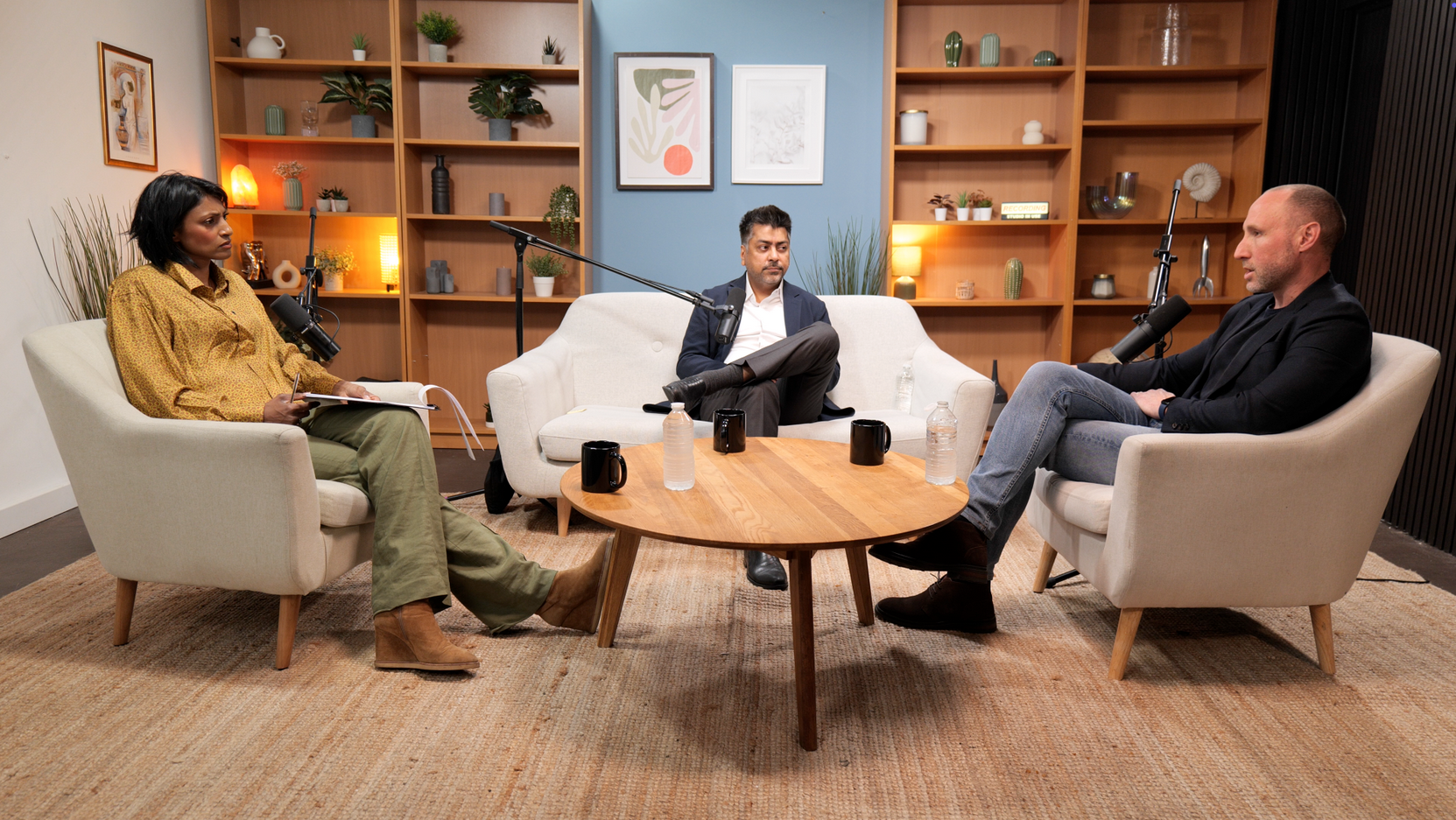
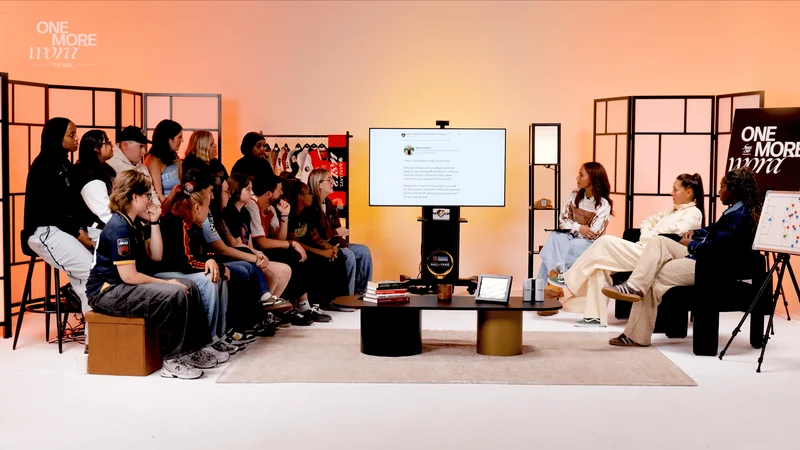
See the 'No ordinary tech podcast ' from Lloyds Banking Group by Rohit D (AI Leader for Lloyds Banking Group) and DR. shini somara (Pro-Chancellor of Brunel University) . at Finchley Studio (Lounge setup). Book this setup for your podcast.
7.1 Virtual Production and LED Walls
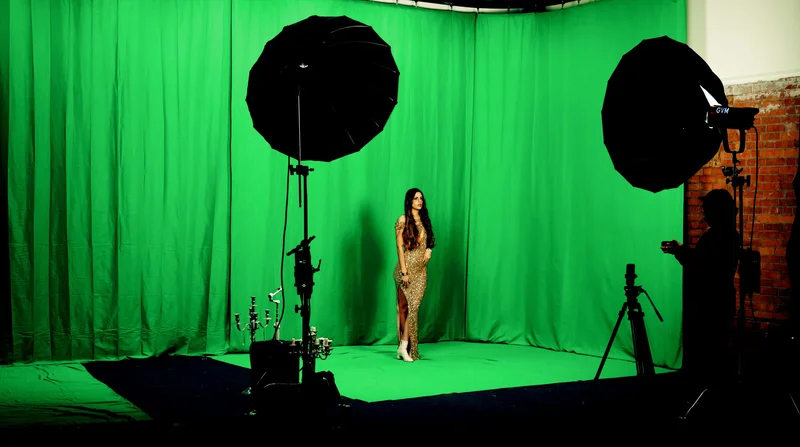
While physical sets are standard, the top tier of the market is moving toward Virtual Production (VP). This involves using high-resolution LED walls as backgrounds instead of green screens. This allows a client to "be" in a penthouse apartment or a forest at the touch of a button, with the lighting from the LED wall actually illuminating the talent for a seamless blend. While a significant investment, this offers ultimate flexibility for a studio hire London facility.34
7.2 AI and Automated Systems
Artificial Intelligence is beginning to impact production workflows.
Automated Camera Tracking: PTZ (Pan-Tilt-Zoom) cameras that automatically frame the active speaker are becoming more common. Lighting for these systems must be broader and more even to accommodate the subject's movement without them walking into shadows.10
Post-Production Relighting: Emerging AI tools allow for some relighting in post-production, but they cannot fix fundamental issues like poor directionality or hard shadows. The studio's value proposition remains its ability to "capture it perfectly in camera," saving the client expensive post-production hours.11
Section 8: Comprehensive FAQ
Based on search data and user intent, these FAQs address the specific concerns of potential clients in the London market.
Q1: Why does professional studio lighting look better than my ring light at home?
A: It comes down to surface area and diffusion. A ring light is a relatively small, hard source that can flatten facial features and create unnatural "halo" reflections in the eyes. Professional studio lighting uses large softboxes (often 3-4 feet wide) to create a soft, wrapping light that models the face in three dimensions, hiding skin textures and separating the subject from the background. This creates the "Netflix look" versus the "webcam look".14
Q2: I wear glasses. will studio lights cause glare?
A: Not if positioned correctly. A professional studio engineer will place key lights at a higher angle (typically 45-60 degrees) so that the reflection bounces downward, missing the camera lens. We also use large, diffused sources rather than point-source LEDs to minimize the intensity of any potential hotspots.33
Q3: Can I customize the lighting colors to match my brand identity?
A: Absolutely. Our studio utilizes Full-Spectrum RGBWW lighting technology. We can dial in your specific brand hex codes for background accent lights (e.g., "Spotify Green" or "Coca-Cola Red") while keeping the talent's skin tones perfectly natural and accurate. This allows for instant on-brand visual identity.32
Q4: Do I really need 4K video for a podcast?
A: While audio remains the core product, 4K video is the standard for "future-proofing" your content. Recording in 4K allows editors to "punch in" (crop) on a wide shot to create a close-up without losing resolution. This simulates a multi-camera production using a single camera, significantly increasing production value and viewer retention.9
Q5: Is natural light better than artificial studio light?
A: Natural light is beautiful but notoriously inconsistent. In London, weather conditions can change rapidly, altering the exposure and color temperature of your video mid-sentence. Studio lighting offers 100% consistency. We can recreate the soft look of window light using daylight-balanced LEDs, but with total control over intensity and stability, ensuring your final edit looks seamless.35
Q6: What is the difference between "Audio Only" and "Video Podcast" studio hire?
A: Audio-only studios are typically smaller, acoustically dead spaces that may not be aesthetically treated. Video podcast studios are larger to allow for camera depth, visually designed with textures and set dressing, and equipped with silent lighting grids and 4K camera chains. The premium rate for video reflects the specialized infrastructure and larger footprint required.2
Q7: How much does it cost to hire a video podcast studio in London?
A: Rates vary by tier. Budget self-service studios can start around £60-£80 per hour. Professional, engineer-assisted studios with cinematic lighting and 4K cameras typically range from £120 to £180+ per hour. This premium covers the cost of broadcast-grade reliability, technical support, and high-end aesthetics.2
Q8: Can you handle remote guests with video?
A: Yes. We integrate remote guests into the studio workflow using specialized software (like Riverside.fm or vMix) displayed on large monitors. We light the monitor and the host to ensure the visual eyelines match, creating the illusion that the remote guest is "in the room" with you.10
Conclusion: The Strategic Advantage
For a high-end multimedia production facility in London, lighting is not merely a utility; it is a retention strategy. In a content market saturated with low-effort productions, the visual fidelity of a podcast acts as a powerful proxy for the quality and authority of the information it contains. By investing in high-TLCI infrastructure, biophilic design for basement spaces, and versatile RGB ecosystems, a studio does not just rent space—it rents authority.
The convergence of high CPMs for video content, the dominance of YouTube as a discovery platform, and the specific architectural constraints of the London property market create a "perfect storm" of opportunity for professional studios. By solving the "Cave Effect" of windowless rooms and offering "Diary of a CEO" level aesthetics that are impossible to replicate in a Victorian bedroom, a facility positions itself not just as a service provider, but as a critical partner in the client's brand growth. The future of podcasting is bright, and for the studios that master the physics and psychology of that brightness, the commercial outlook is equally luminous.
Works cited
A strategic analysis proving the ROI of video podcasting by correlating cinematic 4K visuals with measurable audience retention rates and sponsorship value. - Finchley Studios, accessed January 15, 2026, https://www.finchley.co.uk/finchley-learning/visual-podcast/a-strategic-analysis-proving-the-roi-of-video-podcasting-by-correlating-cinematic-4k-visuals-with-measurable-audience-retention-rates-and-sponsorship-value
accessed January 15, 2026, https://outsetstudio.com/podcast-studio-london-bridge/#:~:text=Hiring%20a%20podcast%20studio%20starts,starts%20at%20%C2%A3180%2Fhr.
How much does it cost to rent a podcast studio London?, accessed January 15, 2026, https://www.finchley.co.uk/finchley-learning/how-much-does-it-cost-to-rent-a-podcast-studio-london
State of Video Podcasts 2025: Key Trends, Insights & Strategies - Sweet Fish Media, accessed January 15, 2026, https://www.sweetfishmedia.com/blog/the-2025-state-of-video-podcasts
Podcast Advertising Rates 2026: Costs, CPMs & Sponsorship | - Wyatt Matters, accessed January 15, 2026, https://www.wyattmattersshow.com/podcast-advertising-rates/
100+ Video Podcast Growth Statistics for 2025 - Zebracat, accessed January 15, 2026, https://www.zebracat.ai/post/video-podcast-growth-statistics
Hire Podcast Pro Room Studio in London | Nostars, accessed January 15, 2026, https://nostars.uk/podcast-pro-room/
Podcast Studios In Central London - Podshop, accessed January 15, 2026, https://www.podshoponline.co.uk/services/podcast-studio
Podcast Studio Central London | London Bridge | 7+ Years Trusted, accessed January 15, 2026, https://outsetstudio.com/podcast-studio-london-bridge/
London Podcast Studio | Studio Hire in King's Cross - Spiritland Productions, accessed January 15, 2026, https://spiritlandproductions.com/studio/
Mastering Your Light: A Deep Dive into Video Lighting Parameters - GVM Official Site, accessed January 15, 2026, https://gvmled.com/video-lighting-parameters-cri-tlci-cct-explained/
The Psychology of Cinematic Lighting: How Light Influences Emotion | BVS Film Productions, accessed January 15, 2026, https://bvsfilmproductions.com/the-psychology-of-cinematic-lighting-how-light-influences-emotion/
Easy Cinematic Lighting Setup for Video Podcasts (Just 3 Lights!) - PSS Creative Media, accessed January 15, 2026, https://pss.media/blog/easy-cinematic-lighting-setup-for-video-podcasts-with-just-3-lights
Video Lighting: How to Setup & The Best Lighting Kits - Riverside, accessed January 15, 2026, https://riverside.com/blog/video-lighting
Lighting for Video: How It Changes Mood, Message and Trust - Spiel Creative, accessed January 15, 2026, https://www.spielcreative.com/blog/lighting-in-video-production/
Podcast Lighting: How to Build a Professional Setup on Any Budget - Ikan International, accessed January 15, 2026, https://ikancorp.com/podcast-lighting-guide/
Podcast light: Three basics to know for better podcasts - COLBOR, accessed January 15, 2026, https://www.colborlight.com/blogs/articles/podcast-light-basics
Tube Noise Complaints in London, accessed January 15, 2026, https://www.london.gov.uk/who-we-are/what-london-assembly-does/questions-mayor/find-an-answer/tube-noise-complaints-london
Disturbed by noise in the Square Mile? - City of London, accessed January 15, 2026, https://www.cityoflondon.gov.uk/services/environmental-health/noise-pollution/disturbed-by-noise-in-the-square-mile
What to Know Before Buying a Flat in a London Conversion, accessed January 15, 2026, https://morguard.co.uk/blog/f/what-to-know-before-buying-a-flat-in-a-london-conversion
The Quiet Revolution Happening In London's Victorian Lofts - Fresh Design Blog, accessed January 15, 2026, https://www.freshdesignblog.com/2025/10/the-quiet-revolution-happening-in-londons-victorian-lofts/
WARNING - Diffusion Can Make Home Recording Worse - Soundproof Your Studio, accessed January 15, 2026, https://www.soundproofyourstudio.com/blog/warning-diffusion-can-make-home-recording-worse
Basement Lighting: How to Brighten Up Dark, Windowless Spaces | FA Design Build, accessed January 15, 2026, https://fadesignbuild.com/basement-lighting-how-to-brighten-up-dark-windowless-spaces/
6 Ways to Mimic Natural Light in a Windowless Room - Light Supplier, accessed January 15, 2026, https://www.lightsupplier.co.uk/blogs/lighting/6-ways-to-mimic-natural-light-in-a-windowless-room
Advanced Documentary Interview Lighting | BTS Breakdown - YouTube, accessed January 15, 2026, https://www.youtube.com/watch?v=bLeWuFSPg-w
Lighting for a video podcast round table? - Creative COW, accessed January 15, 2026, https://creativecow.net/forums/thread/lighting-for-a-video-podcast-round-tableae/
Podcast lighting equipment: What are needed for a pro look, accessed January 15, 2026, https://momanx.com/blogs/moman-ideas/podcast-lighting-equipment-what-are-needed
Professional Podcast Setup: Podcast Lighting Tips - Boomcaster, accessed January 15, 2026, https://www.boomcaster.com/professional-podcast-setup-podcast-lighting-tips/
Best Lights for Video Podcasting | B&H eXplora, accessed January 15, 2026, https://www.bhphotovideo.com/explora/lighting/buying-guide/best-lights-for-video-podcasting
Home Sweet Studio: 11 Considerations When Building Your Ideal Home Recording Space – Redfin | Blog - My House Radio, accessed January 15, 2026, https://www.myhouseradio.fm/2024/01/08/home-sweet-studio-11-considerations-when-building-your-ideal-home-recording-space-redfin-blog/
Building a Home Recording Studio? Here's What You Need. - Berklee College of Music, accessed January 15, 2026, https://www.berklee.edu/berklee-now/news/building-a-home-studio-start-here
Podcast Background Lighting Ideas: Add Ambiance & Depth to Your Studio - GVM, accessed January 15, 2026, https://gvmled.com/podcast-studio-lighting-guide/
Podcast Lighting Setup Tips for a Professional Look - United Wolves Productions, accessed January 15, 2026, https://unitedwolvesproductions.com/podcast-lighting-setup-tips-for-a-professional-look/
Acast Studios London, accessed January 15, 2026, https://www.acast.com/en/acast-studios-london
Comparing Natural Light vs. Studio Lighting in Photography - Finchley Studios, accessed January 15, 2026, https://www.finchley.co.uk/finchley-learning/comparing-natural-light-vs-studio-lighting-in-photography
Natural vs Studio Lighting: Best Choice for Product Photography, accessed January 15, 2026, https://commercialphotography.in/blog/natural-light-vs-studio-lighting-best-choices-for-commercial-shoots/