Executive Summary
The digital media landscape is currently navigating a seismic structural shift where the traditional boundaries of "podcasting"—historically defined by audio-only RSS distribution—are dissolving into a multi-modal content ecosystem dominated by video on demand (VOD). This transformation is driven by a convergence of platform incentives, changing consumer behaviors, and the economic imperatives of attention capture. This report provides an exhaustive analysis of the Return on Investment (ROI) associated with video podcasting, specifically examining the correlation between visual elements and audience retention rates, the escalating costs of production, and the complex monetization dynamics that define the modern creator economy.
Our analysis, synthesizing data from global market studies, platform analytics, and production cost reports, suggests that while the production overhead for video podcasts is significantly higher—often exceeding audio-only budgets by a factor of 77% per hour of attention—the returns in terms of viewer retention, discoverability, and engagement offer a compelling value proposition for those capable of bridging the capital gap. The data indicates that video podcasts achieve average viewer retention rates of 62%, with mobile retention rates performing 2.7 times higher than audio-only formats. However, the economic viability of this shift depends heavily on leveraging the "watch time" algorithms of platforms like YouTube to offset lower per-impression advertising rates compared to traditional host-read audio sponsorships.
This report dissects these variables to provide a comprehensive economic model of the modern video podcast, moving beyond surface-level statistics to explore the second and third-order effects of visual integration on brand lift, audience loyalty, and long-term asset value.
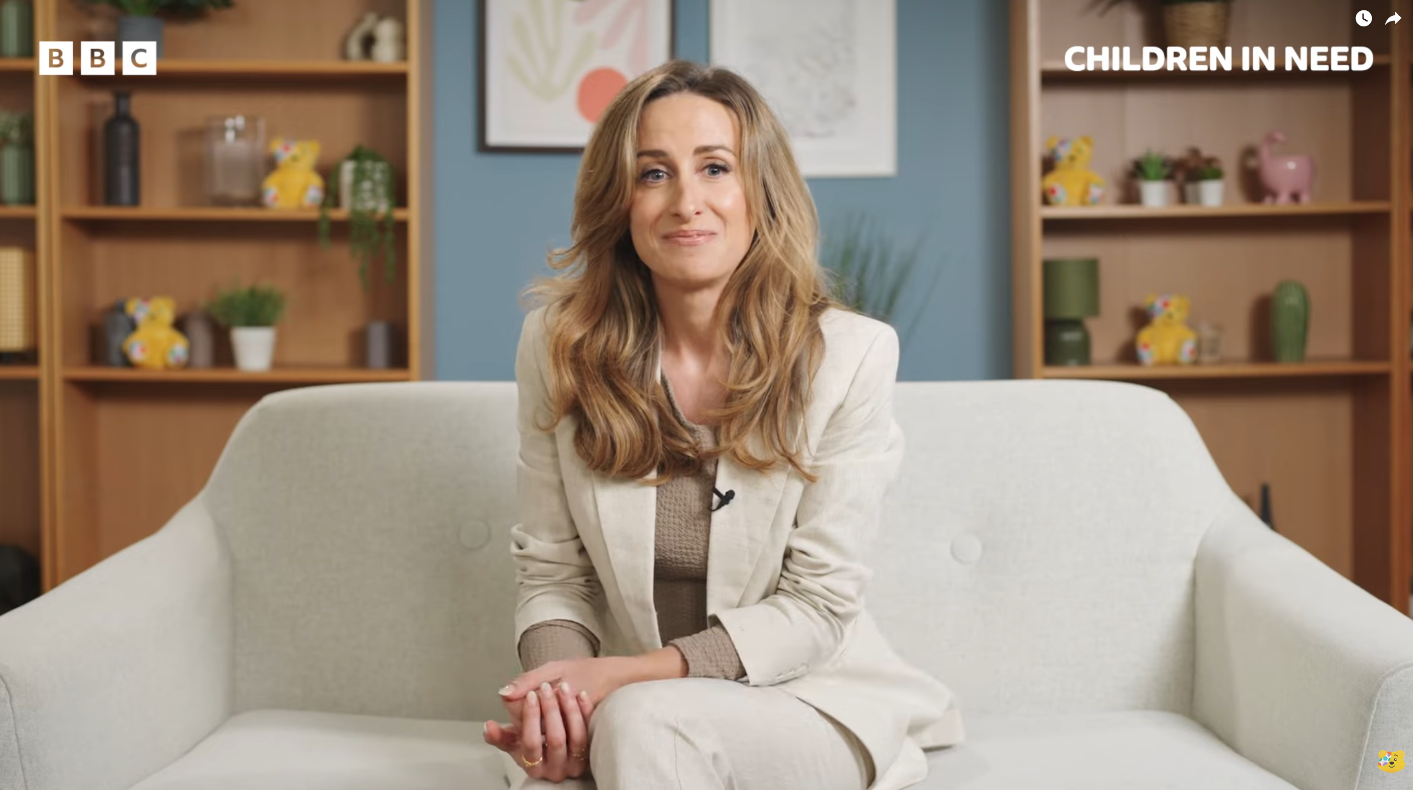
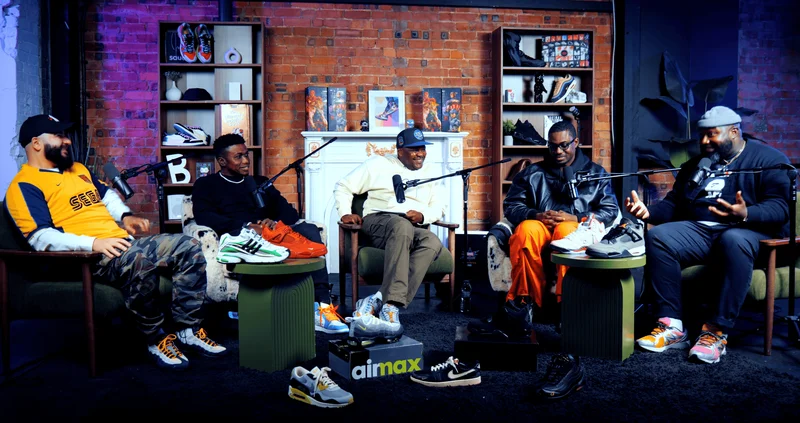
See the 'BBC Children in Need' podcast setup used by Dr Julie from BBC at Finchley Studio (Lounge setup). Book this setup for your podcast
1. The Structural Shift: From Audio-First to Video-Dominant
The definition of a podcast has fundamentally expanded. What was once an exclusively auditory medium, consumed passively during commutes or chores, has morphed into a primary visual entertainment format. This shift is not merely aesthetic; it represents a fundamental change in how attention is harvested and monetized in the digital economy. The "podcast" is no longer defined by its distribution mechanism (RSS) but by its content format: long-form, conversational, and increasingly, visual.
1.1 Market Adoption and Growth Trajectories
The adoption of video podcasting is accelerating at a rate that suggests a permanent restructuring of the market rather than a temporary trend. As of 2025, video podcasting has demonstrated a robust growth rate of 42% year-over-year in overall consumption.1 This surge is indicative of a broader migration of audiences who are increasingly agnostic about the medium—audio or video—provided the content remains accessible on their preferred platforms.
The production sector has responded aggressively to this demand signal. Over the past three years, global video podcast production has increased by 64%.1 To contextualize this shift: in 2020, video podcasts constituted a mere 18% of all podcast content; by 2025, they account for 36% of the market.1 This doubling of market share in half a decade underscores a supply-side recognition that visual components are no longer optional enhancements but core requirements for competitive visibility in a saturated attention economy.
The scale of the podcasting industry itself provides the backdrop for this transition. With more than 584 million listeners worldwide in 2025—a figure expected to reach 619 million by 2026 2—the addressable market is vast. The industry is projected to be valued at $17.59 billion by 2030.2 Within this expanding pie, video is capturing a disproportionate share of engagement. The number of video podcasts in the top 30 charts has doubled year-over-year since 2022, and today, podcasts without a video component struggle to break into the top ranks of discoverability.

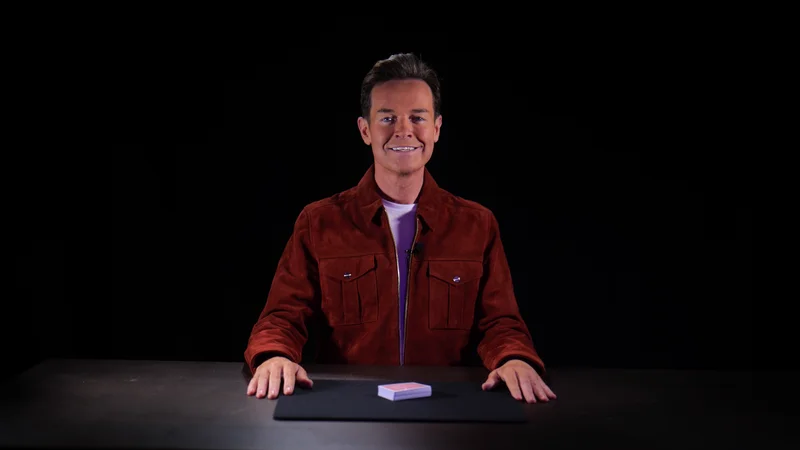
Finchley Studio (CEO Set): book this setup for your podcast
1.2 Platform Migration: The YouTube Effect
The most significant driver of the video pivot is the ascendancy of YouTube as the primary destination for podcast consumption. Historically, Apple Podcasts and Spotify held a duopoly over the medium. However, recent data reveals a tectonic shift: YouTube has emerged as the preferred podcast listening service in the U.S., with 31% of weekly listeners choosing it as their primary platform, surpassing both Spotify (27%) and Apple Podcasts (15%).5
This migration has profound implications for discoverability. Unlike RSS feeds, which largely rely on chart rankings and opaque algorithmic suggestions, YouTube functions as the world's second-largest search engine. Consequently, podcasts with visual elements benefit from SEO (Search Engine Optimization) and visual recommendation engines that are far more sophisticated than their audio counterparts. The data indicates that 60% of weekly podcast listeners now prefer podcasts with video 6, and YouTube is uniquely positioned to service this preference.
The implications of this platform dominance are multifaceted:
Algorithmic Discovery: YouTube's algorithm prioritizes "Watch Time" and "Click-Through Rate" (CTR). Video podcasts, which often feature engaging thumbnails and visual hooks, are better optimized for these metrics than static audio files with cover art.
Search Intent: Users increasingly use YouTube to search for specific topics discussed in podcasts. A video title optimized for search (e.g., "How to fix retention rates") is more likely to surface a video podcast clip than an audio episode buried in an RSS feed.
Cross-Pollination: YouTube allows for the seamless integration of "Shorts" (vertical micro-content) that link directly to the long-form video. This creates an internal funnel that audio platforms are only just beginning to replicate.
1.3 Generational Preferences and Demographic Shifts
The shift toward video is most pronounced among younger demographics, signaling that this is a generational evolution in media consumption. Among Gen Z monthly podcast listeners, a staggering 84% engage with podcasts that have a video component.5 This is not a preference for "clips" alone; it extends to full-length episodes.
Furthermore, the reasons for this preference are rooted in information richness. Nearly half of this demographic (49%) explicitly states that video provides a better understanding of context and tone through facial expressions and gestures.5 In an era of digital communication where nuance is often lost, the visual layer of a podcast—the raised eyebrow, the smirk, the leaning in—provides critical semantic data that audio alone cannot convey. Additionally, 45% of Gen Z listeners feel more connected to podcasters through video 5, highlighting the "parasocial" acceleration that visual media facilitates.
This demographic trend is not limited to the United States. While North America remains a stronghold, markets in China and Latin America are predicted to surpass North American listener numbers between 2025 and 2026.2 These markets often have mobile-first, video-centric internet cultures, further reinforcing the global necessity of video podcasting.

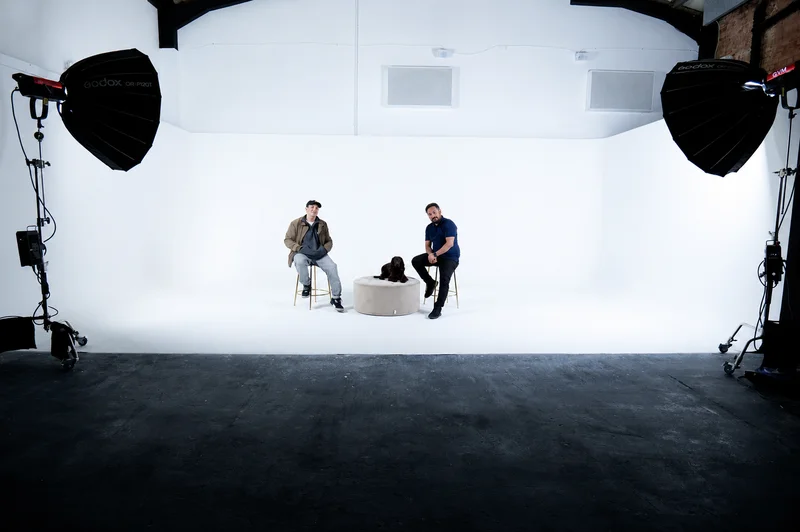
Finchley Studio (White Infinity Cove): book this setup for your podcast
2. Retention Economics: The Visual Multiplier
The core metric for evaluating the success of video podcasting—and the primary justification for its increased cost—is audience retention. Retention is the upstream metric that drives every downstream success indicator, from algorithmic impressions to advertising revenue. In the attention economy, the ability to hold a viewer's gaze is the ultimate currency.
2.1 The Retention Discrepancy
The data reveals a stark and quantifiable contrast in retention performance between audio and video formats. Average viewer retention for video podcasts is now 2.7 times higher than for audio-only formats on mobile devices.7 This multiplier effect is attributed to the cognitive engagement required by visual stimuli. While audio allows for—and effectively encourages—passive multitasking (listening while driving, cleaning, or exercising), video demands active focus. This active engagement reduces the likelihood of the user "tuning out" or switching tasks, thereby extending the consumption session.
An analysis of episode retention rates provides granular insight into viewer behavior. The average viewer retention rate for a video podcast episode stands at 62%.1 This figure is exceptionally high compared to general short-form video content or standard YouTube vlogs, validating the "long-form" hypothesis: that modern audiences are willing to invest significant time in content that offers depth, provided there is sufficient visual engagement to maintain their attention.
The relationship between episode length and retention is counter-intuitive. One might expect retention to degrade as length increases. However, the data suggests a "U-shaped" or inverted curve preference for depth.
Data Source: 1
This data suggests that the "long-form conversation" is a distinct asset class in digital media. The 68% retention on 45+ minute episodes implies that video podcasts are competing not just with other podcasts, but with streaming television services (Netflix, Hulu) for prime leisure time.
2.2 Visual Anchoring and Psychological Engagement
The superiority of video retention is rooted in "visual anchoring." Visual elements, specifically the faces of the hosts and guests, create a "parasocial" bond that audio alone struggles to replicate at speed. As noted, 45% of Gen Z listeners feel more connected to podcasters through video.5 This connection is mediated by the "mirror neuron" system; seeing a host laugh or show empathy triggers a stronger emotional response in the viewer than hearing the audio alone.
However, this engagement is fragile. Retention drops precipitate when the visual field remains static for too long. The "talking head" format, while standard, requires dynamic intervention to maintain the 2.7x retention multiplier. Strategies such as changing camera angles, performing digital zooms, or using graphical overlays every few seconds are necessary to re-capture focus.8 This requirement for visual dynamism complicates the production workflow—a single static camera is often insufficient for maximizing retention—but is essential for maintaining the high engagement rates cited above.
A host looking directly into the camera creates a sense of direct address, fostering intimacy and trust.9 This visual intimacy is a powerful retention tool, turning the passive act of listening into a simulated active conversation.
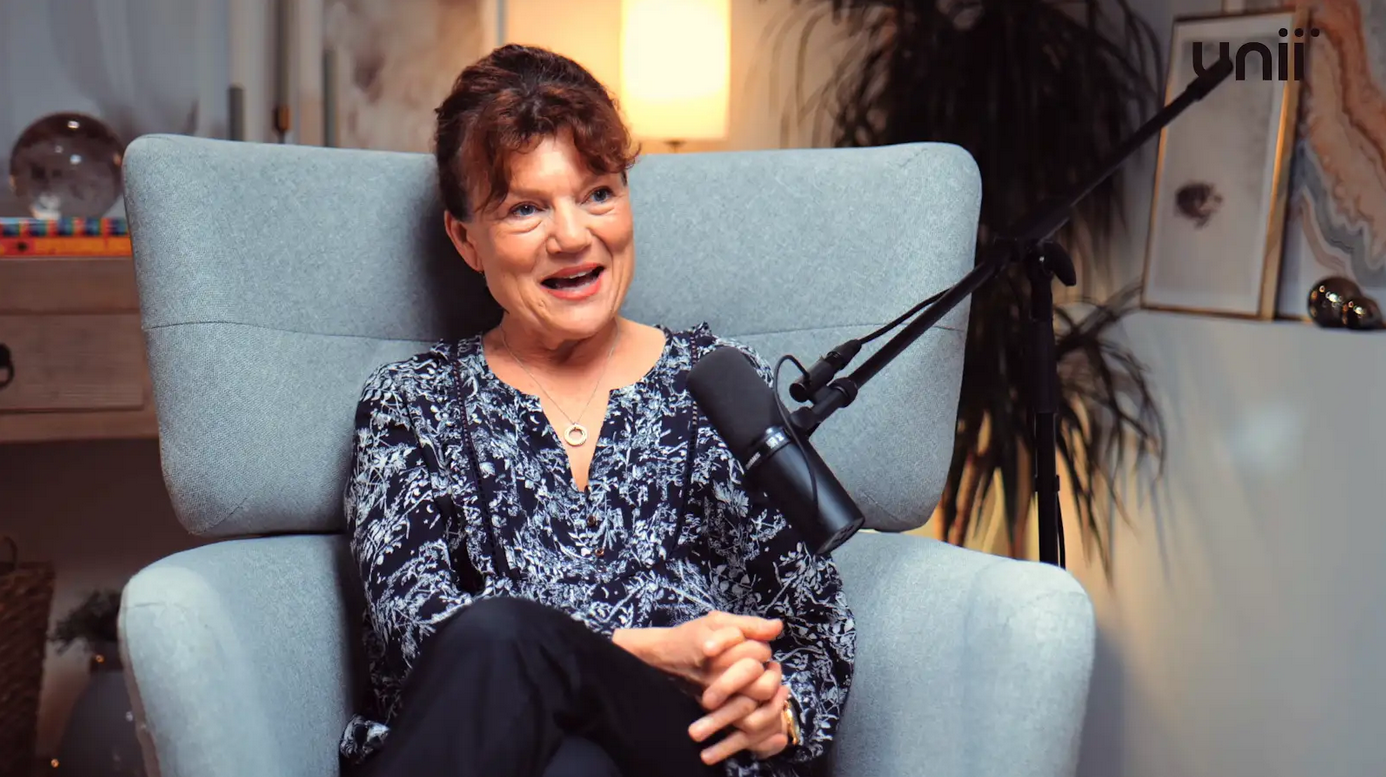
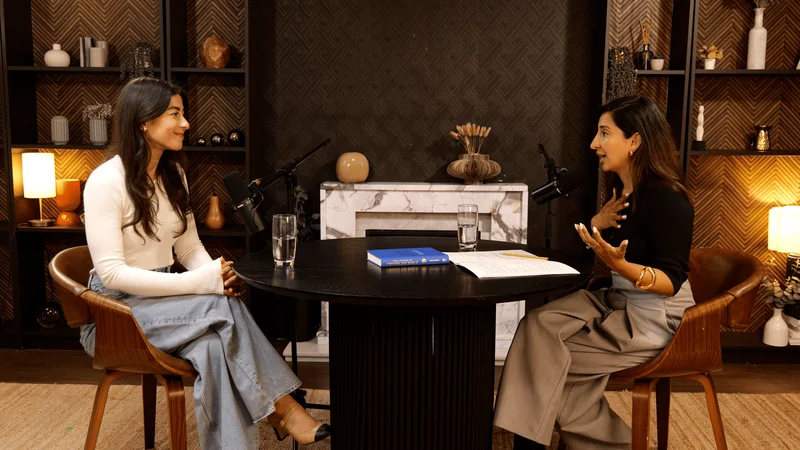
Finchley Studio (Dialogue set): book this setup for your podcast
2.3 The Role of Micro-Content in Retention
Video podcasts generate a secondary stream of retention through "micro-content"—short clips distributed on platforms like TikTok, Instagram Reels, and YouTube Shorts. Podcasts with visual elements are 38% more likely to be shared across social media.7 This shareability creates a retention funnel; viral clips with high retention rates drive traffic back to the long-form episode, creating a virtuous cycle of discovery and consumption.
This micro-content also serves a retention function in itself. High-performing shorts (with 70-85% completion rates) signal to algorithms that the source channel is high-quality.8 Furthermore, the ability to display charts, diagrams, and b-roll footage during these clips—and the main episode—dramatically improves comprehension.10 For educational or business podcasts, this visual utility creates "value-based retention," where the viewer stays to see the data being discussed, not just to hear the conversation.
3. The Cost of Attention: Production and Investment Analysis
While retention metrics overwhelmingly favor video, the ROI calculation must account for the significantly elevated input costs. Producing high-quality video assets introduces capital expenditures (CapEx) and operating expenses (OpEx) that do not exist in audio-only workflows. The transition to video is not merely a "feature add"; it is a shift in the production business model.
3.1 The "Cost of Attention" Metric
A pivotal finding in recent industry analysis is the "Cost of Attention." This metric synthesizes production budget, time, and team size against the consumption hours generated to determine the efficiency of the format. Research indicates that Audio/Video shows cost 77% more per hour of audience attention than their audio-only counterparts.11
This 77% premium is a critical figure for any ROI analysis. It implies that for a video podcast to be economically superior to an audio podcast, it must generate nearly double the revenue or brand value to justify the expenditure. If a video podcast costs 77% more to produce but only yields 20% more revenue, the ROI is negative compared to the audio baseline. This finding challenges the assumption that every podcast must be on video; rather, it suggests video is a high-stakes tier of podcasting suitable for brands with sufficient runway to absorb higher production costs while building the audience scale required to monetize that attention.
3.2 Capital Expenditure: Studio and Equipment Comparison
The barrier to entry for video is quantifiable and significantly higher than audio. A basic audio setup (USB microphone, free software) can be achieved for approximately $100. In contrast, a video setup requiring lighting, cameras, tripods, and props ranges from $500 to $2,000 for a rudimentary home studio.12
For professional productions, particularly those aimed at corporate or high-end brand marketing, the divergence in studio rental costs is evident. In the London market, a global hub for media production, the cost differential between audio-only and video-enabled studios highlights this premium.
Data derived from London studio market rates including London Podcast Studios, Outset Studio, and Finchley Studio.13
The presence of a professional studio environment is not merely a vanity metric; it directly correlates with perceived authority. 4K visuals, soundproofing, and professional lighting are signaled as indicators of "broadcast quality".15 This level of polish is often necessary to attract high-profile guests who expect a media experience commensurate with their status, and to secure premium sponsorships.
3.3 Operational Complexity: Single vs. Multi-Camera
Operational costs are heavily influenced by the complexity of the camera setup. A single-camera setup is cost-effective and offers creative control but risks visual stagnation, which can harm retention.18 It forces the editor to rely on digital zooms or overlays to create movement, which can degrade image quality if not shot in high resolution (4K or higher).
Conversely, multi-camera productions (switching angles between speakers) are dynamic and "easy to watch," significantly reducing the perception of episode length.19 The ability to cut to a reaction shot or a close-up of the speaker adds emotional weight and pacing variance.
However, multi-camera workflows drastically increase post-production labor. Editors must synchronize audio, match color grades across cameras (which may look different due to lighting angles), and make creative decisions on thousands of angle switches per episode.18 While AI tools like AutoPod are emerging to automate camera switching, manual refinement is often required to ensure the cuts match the emotional beat of the conversation.20 This added labor—often doubling or tripling the editing time compared to a single track—is a primary contributor to the 77% higher cost of attention.
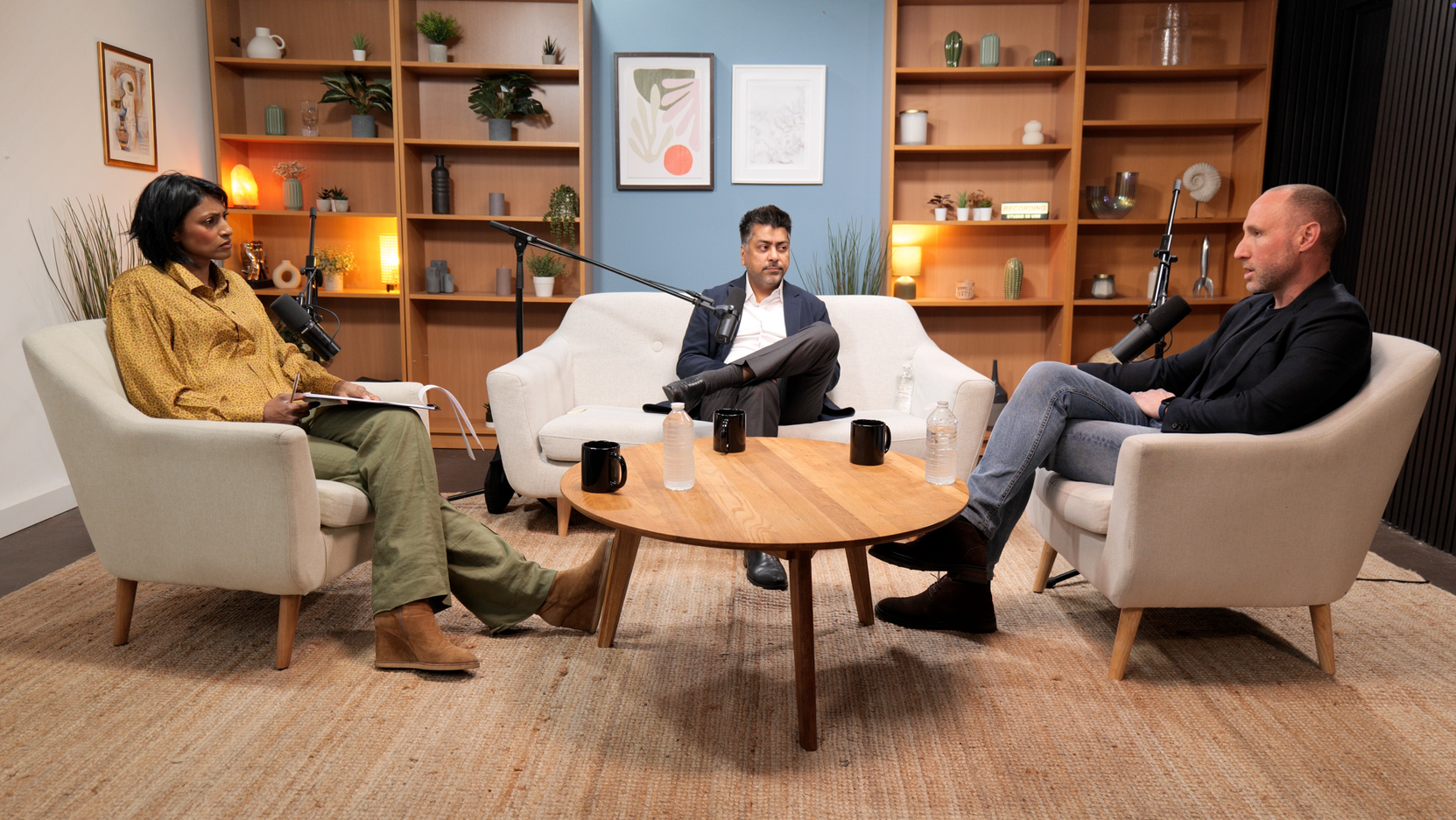
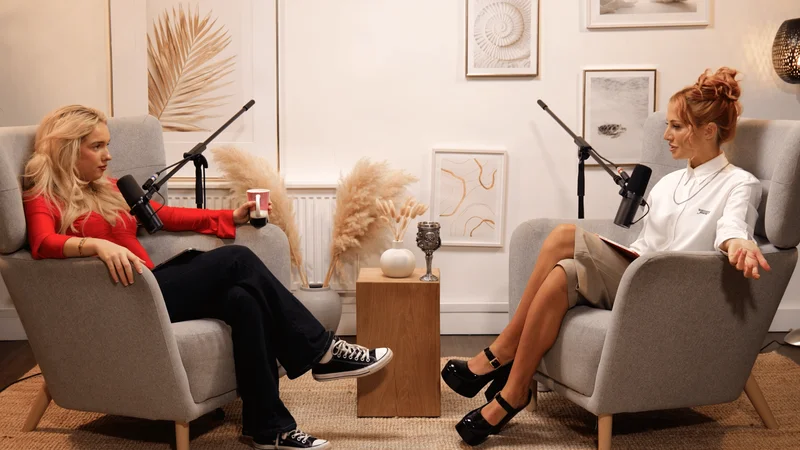
See the 'No ordinary tech podcast ' from Lloyds Banking Group by Rohit D (AI Leader for Lloyds Banking Group) and DR. shini somara (Pro-Chancellor of Brunel University) . at Finchley Studio (Lounge setup). Book this setup for your podcast.
3.4 The Hidden Cost of Lighting and Set Design
Beyond cameras, lighting plays a pivotal but often underestimated role in the cost structure and retention ROI. Proper lighting extends the dynamic range of the camera sensor, ensuring that both bright and dark areas of the image retain detail.21 Poor lighting that forces the eye to strain or adjust can lead to viewer fatigue and drop-offs.
Furthermore, the use of video necessitates "set design." Unlike audio, where the environment is invisible, video reveals the recording space. This requires investment in aesthetics—branded backgrounds, furniture, and acoustic treatments that look good on camera (e.g., avoiding ugly foam panels in favor of architectural acoustic solutions). This adds to the initial CapEx and ongoing maintenance of the visual brand identity.
4. Monetization Dynamics: Calculating the Return
The "Return" in ROI is realized through direct revenue (advertising, programmatic, subscriptions) and indirect value (brand equity, conversion). The monetization mechanics for video podcasts differ structurally from audio podcasts, creating a complex arbitrage landscape.
4.1 CPM Disparities: Audio vs. Video
There is a significant arbitrage opportunity—or disadvantage, depending on the perspective—in advertising rates. Traditional audio podcast advertising, particularly host-read spots, commands a premium CPM (Cost Per Mille), largely due to the intimacy and trust associated with the medium.
Audio Host-Read Ads: $25 - $40 CPM. These are considered the "gold standard" of podcast advertising, with high conversion rates.22
Audio Programmatic Ads: $15 - $25 CPM. These are pre-recorded ads inserted dynamically.24
YouTube (Video) Ads: $5 - $8 CPM (estimated). This refers to the programmatic AdSense revenue shared with creators.24
On the surface, audio appears to have a better ROI per impression. A podcast with 10,000 downloads could theoretically earn $250-$400 per host-read ad spot, whereas a YouTube video with 10,000 views might only generate $50-$80 in AdSense revenue. This disparity often leads creators to question the value of video.

Finchley Studio (Dialogue set): book this setup for your podcast
4.2 The Volume and RPM Counter-Balance
However, the CPM comparison is incomplete without factoring in volume and Revenue Per Mille (RPM). YouTube's discovery algorithm allows for viral growth that is structurally impossible in RSS feeds. A video might generate 100,000 views through algorithmic recommendation (browse features, suggested videos), while the audio version remains stagnant at 5,000 downloads. In this scenario, the lower CPM of video is offset by the sheer scale of inventory.
Furthermore, the actual revenue realized by creators on YouTube (RPM) varies significantly by geography and niche, often exceeding the estimated $5 CPM. The United Kingdom, a key market, shows strong RPM figures.
YouTube CPM vs. RPM in Key Markets (2025 Estimates):
Data Source: 27
The United Kingdom's RPM of ~$7.12 means creators earn significantly for every 1,000 views. If a UK-based finance podcast (a high-paying niche) achieves 50,000 views, the AdSense revenue alone (~$356) begins to compete with audio sponsorship rates, especially when combined with the long-tail nature of YouTube views. Unlike audio downloads, which typically spike in the first 30 days and then flatline, YouTube videos can generate revenue for years through search traffic.
4.3 The Sponsorship Premium of Visuals
Beyond programmatic ads, video podcasts unlock "visual sponsorship integrations" that are impossible in audio. This includes product placement (e.g., beverages on the table, branded apparel, tech gadgets in the background) and screen-share demonstrations.
Podcasts with YouTube simulcasts attract 14% more direct response advertisers and have an 8% higher renewal rate than audio-only podcasts.29 This indicates that advertisers are seeing better results from multi-channel campaigns. The ability to show the product—to hold it up to the camera, demonstrate its features, or wear it—adds a layer of validation that audio description lacks.
Brands perceive higher value in video because of "Brand Lift." Surveys indicate that host-read ads are 4.4 times more effective than standard digital ads, and visual reinforcement amplifies this effect.30 The ability to see the host interacting with a product builds a higher degree of trust, influencing purchase intent. Visual branding in podcasts—consistent logos, colors, and overlays—also reinforces brand recall, making the sponsorship more valuable to the advertiser.31
4.4 Spotify's Monetization Evolution
Spotify has aggressively entered the video space to compete with YouTube, creating a second monetization front. The platform has seen average daily streams of video podcasts increase by 39% year-over-year.33 Critically, Spotify's monetization program now includes performance-based payouts for video, mirroring YouTube's model.34
This creates a dual-platform revenue opportunity for the same video file. Creators can upload their video to YouTube (monetizing via AdSense and Sponsorships) and to Spotify (monetizing via Spotify's Partner Program and audio ads). This "write once, publish twice" model significantly improves the ROI of the initial video production cost.
5. Engagement and Algorithmic Implications
The ROI of video podcasting is also measured in "algorithmic currency"—specifically, watch time. Platforms like YouTube and Spotify are incentivizing video content because it increases "time-on-platform," a metric they value above almost all others.
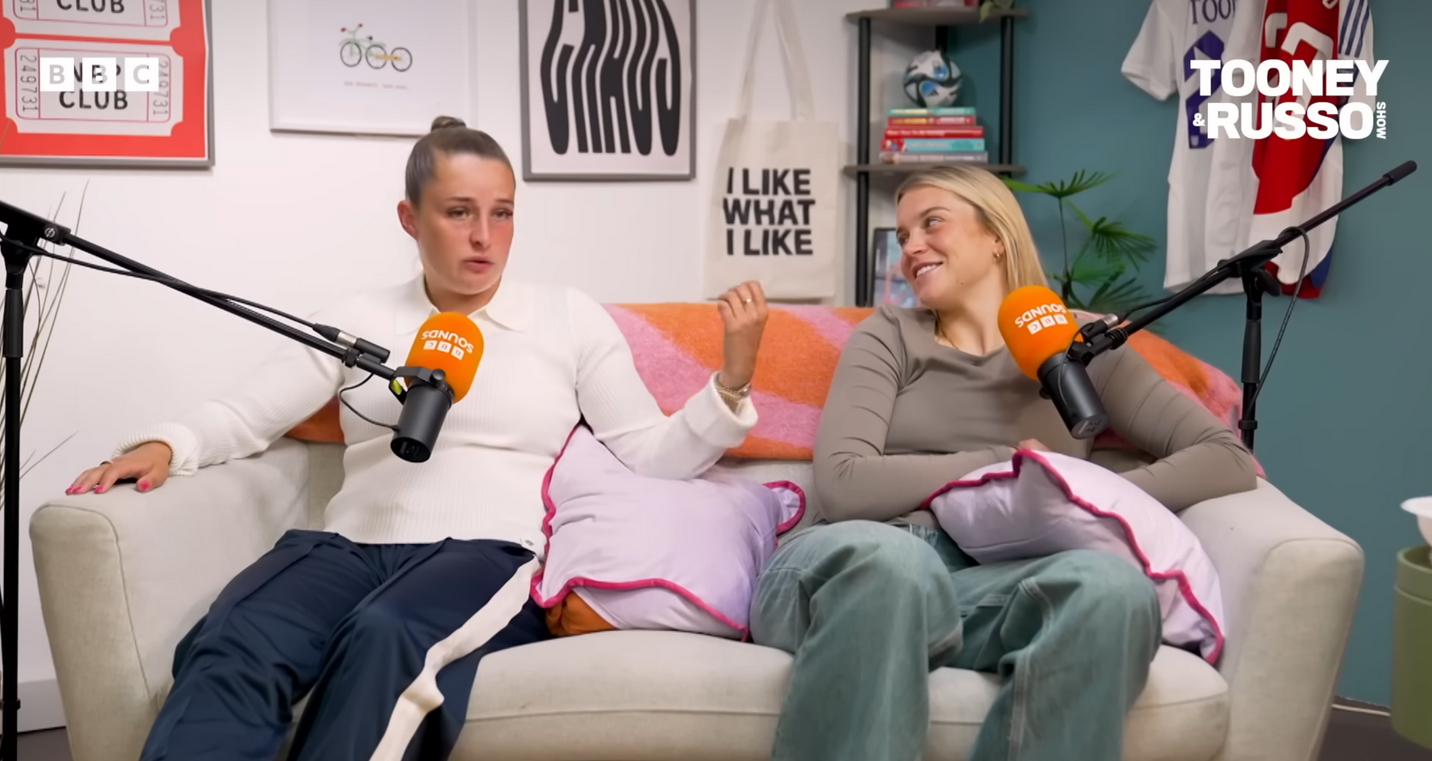
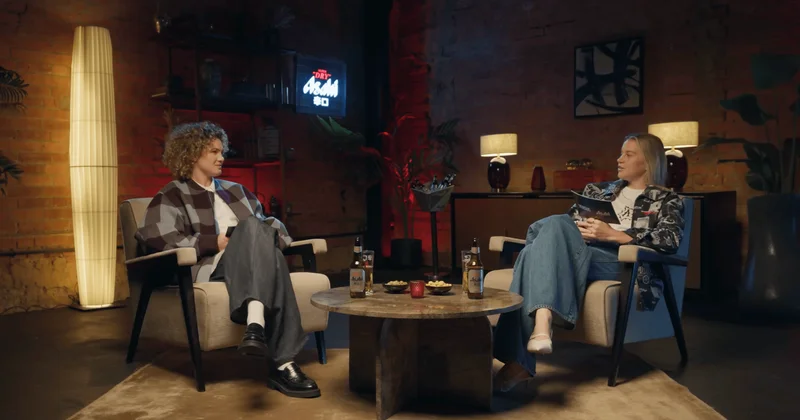
See the 'The Tooney & Russo Show' from BBC and Lionesses Ella Toone and Alessia Russoat from England national football team at Finchley Studio (Lounge setup). Book this setup for your podcast. Watch 'The Tooney & Russo Show' at BBc sound , Spotify , Youtube, Amazon music.
Book this setup for your podcast
5.1 Watch Time as the Primary Metric
Algorithmically, "audience retention" is the score used to decide if a piece of content is distributed to new audiences.8 High watch time and completion rates indicate relevance and value. For creators, optimizing for retention—through lighting, audio quality, and pacing—is essential to unlock "free" marketing via the algorithm.
Lighting and Retention: As noted, proper lighting extends the dynamic range. If a video is poorly lit, causing the viewer to squint or struggle to see facial expressions, retention drops. The "Cost of Attention" is thus linked to technical proficiency.21
Pacing and Structure: Videos with high average view duration (AVD) outperform those with low AVD, regardless of total view count.35 The goal is to keep the viewer past the critical drop-off points. The data shows that episodes over 45 minutes have a 68% retention rate 1, suggesting that once a viewer is "hooked" past the introduction, the algorithm rewards the content with massive reach.
5.2 The "Simulcast" Strategy and Discoverability
The most effective strategy identified in the research for maximizing engagement is the simulcast model. Since 77% of podcast consumers alternate between audio and video 36, producing a video asset allows the creator to serve both consumption behaviors.
The video asset acts as a "discovery engine." YouTube's search capabilities allow new audiences to find the show based on topics or keywords. Once discovered, these users may subscribe on YouTube or migrate to an audio platform for convenience. This cross-platform migration is supported by data showing that YouTube is the #1 podcast discoverability platform.4 Without a video presence, a podcast effectively hides itself from the world's second-largest search engine.
5.3 Vertical Integration for Mobile Growth
To maximize the ROI of the expensive video footage, creators must utilize vertical video (9:16). Creators who format episodes for vertical-first viewing (or repurpose horizontal clips into vertical formats) see a 44% increase in mobile watch time.1
This involves a post-production workflow where the horizontal podcast recording is sliced into clips for TikTok, Instagram Reels, and YouTube Shorts. These clips act as top-of-funnel marketing. A viral Short with 1 million views (monetized at a low rate) can drive thousands of subscribers to the long-form channel (monetized at a high rate) and the audio feed (monetized at the highest rate). The cost of the initial video production is thus amortized across multiple revenue streams.
6. Diversity, Demographics, and Market Gaps
The shift to video also illuminates—and potentially exacerbates—demographic disparities in the podcasting landscape. A report by the USC Annenberg Inclusion Initiative found that of the top 100 podcasts in 2024, hosts were overwhelmingly white (64%) and male (77%).37 This homogeneity presents a market inefficiency and an ROI opportunity.
Data indicates that total monthly podcast listening is actually lower among white respondents (52%) compared to Hispanic, Asian, and Black respondents (who scored at least 62%).37 This suggests a massive, underserved audience that is highly engaged but under-represented in top-tier content.
Video podcasting creates an opportunity to address this gap visually. By seeing diverse hosts, audiences can instantly identify with creators who look like them, potentially accelerating the "parasocial" bonding process. Brands looking for high ROI should target these underserved demographics, where engagement is higher and competition for ad space may be lower than in the saturated "white male" comedy or business niches.
7. Technical Optimization for ROI
To realize the potential ROI of video, technical execution must meet the "broadcast quality" threshold that modern audiences expect.
7.1 Lighting and Visual Fidelity
As established, lighting is not cosmetic; it is a retention mechanic. The use of daylight-balanced LED walls or softboxes helps cameras operate at their optimal ISO, reducing noise and increasing perceived resolution.38 Video screens and monitors in the shot must be color-calibrated to match the lighting to avoid color casts that look amateurish.
7.2 Audio Quality in a Video World
Ironically, audio quality becomes more important in video. While listeners might forgive a slightly grainy video, "bad audio" is a primary driver of churn. In a professional studio setting, soundproofing and high-end microphones (like the Shure SM7B or MV7, often cited in studio listings 39) ensure that the audio is pristine. Home studios must invest in acoustic treatment to dampen echoes; a video that sounds like it was recorded in a bathroom will have low retention regardless of the visual quality.15
7.3 The Role of AI in Production
Artificial Intelligence is lowering the "Cost of Attention" by automating labor-intensive tasks. Tools that offer AI-powered editing, transcript-based cutting, and automated camera switching are becoming standard.2 Utilizing these tools can help independent creators bridge the gap between the 77% higher cost of video and their limited budgets, effectively improving the ROI by reducing OpEx.
8. Strategic Synthesis: The "Build vs. Buy" Decision
For creators and brands, the path to ROI involves a critical decision: build a private studio or rent a professional facility.
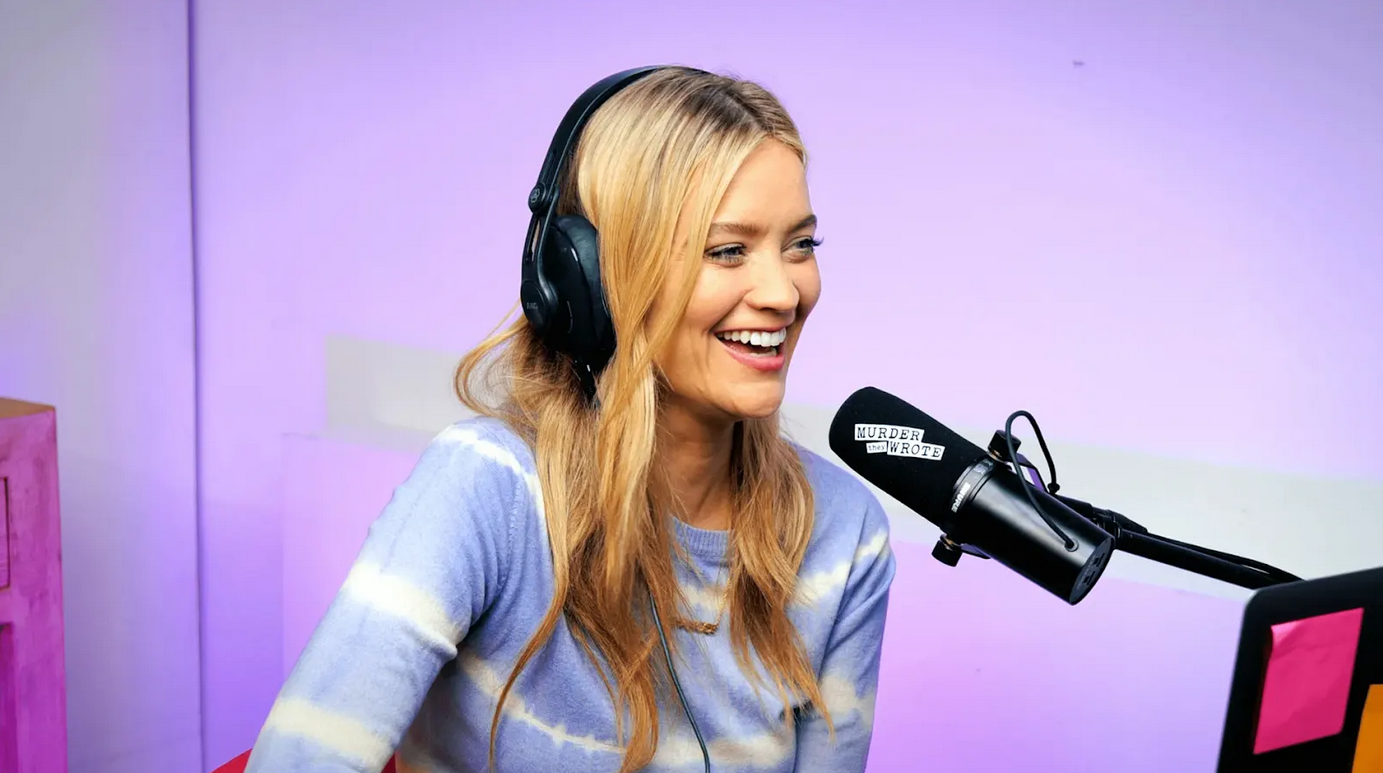
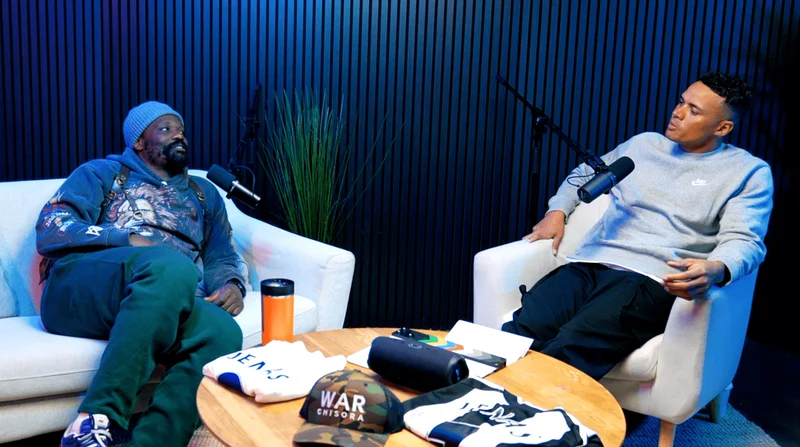
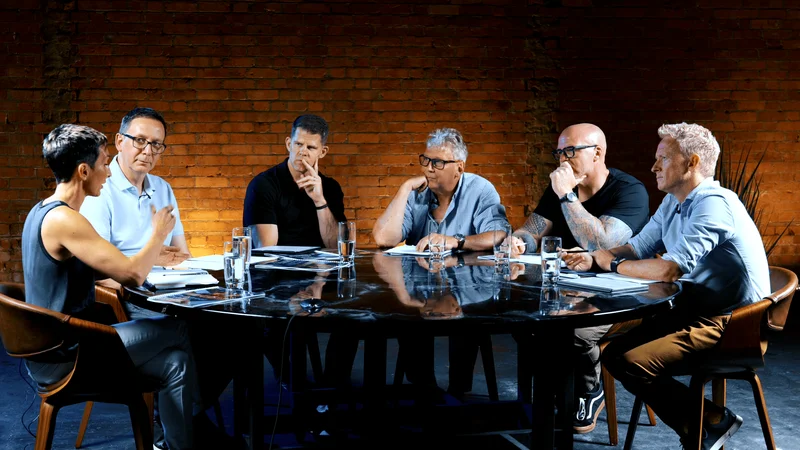
See the 'Murder They Wrote' podcast setup used by Laura Whitmore and Iain Stirling from BBC at Finchley Studio (Gathering setup). Watch Murder They Wrote at BBc sound , Spotify , Apple podcasts , Youtube , Instagram , Amazon music
Book this setup for your podcast
8.1 The Rental Argument
For productions releasing weekly or seasonal content, renting a studio often yields a better ROI.
Low CapEx: No upfront investment in cameras ($4,000+), lighting ($2,000+), or acoustic construction ($5,000+).
Professional Consistency: Access to engineers who ensure nothing goes wrong.
Cost Efficiency: Renting a high-end video studio for £150/hour for 4 hours a month (£600) is often cheaper than the depreciation and rent of a dedicated private space.14
Networking: Studios often serve as community hubs, offering networking opportunities that can lead to guest swaps and cross-promotion.41
8.2 The Build Argument
For daily creators or networks producing multiple shows, building becomes necessary to control OpEx.
Control: Total flexibility to record 24/7.
Brand Identity: A custom set that is unique to the show, rather than a generic "studio look."
Long-term ROI: Once the gear is paid off, the marginal cost of an episode drops to near zero (excluding labor).
Conclusion
The ROI of video podcasting is positive, but it is a long-term play contingent on scale, execution, and strategic distribution. The data confirms a strong correlation between visual elements and audience retention, with video commanding a 62% retention rate and a 2.7x mobile retention multiplier over audio. This retention is the engine that drives algorithmic discovery on YouTube, unlocking audiences that are structurally inaccessible to the audio-only ecosystem.
However, the 77% higher cost of attention mandates that video podcasters cannot rely solely on traditional CPM models to be profitable. A video podcast that simply replicates the audio business model (host-read ads, RSS downloads) will likely suffer from margin compression due to the higher production costs.
To achieve a healthy ROI, creators must leverage the visual format to access:
High-volume inventory via YouTube's recommendation engine to offset lower CPMs with higher RPM volume.
Visual sponsorship premiums and renewal rates that exceed standard audio benchmarks.
Cross-platform repurposing (vertical clips) to drive organic growth and reduce customer acquisition costs.
Dual-platform monetization (YouTube + Spotify) to maximize revenue per asset.
In 2025, video is not merely a "value-add" but a defensive necessity. With 60% of listeners preferring video and YouTube dominating discovery, the risk of not investing in video is the eventual obsolescence of the show's growth engine. Thus, the investment in visuals—while costly—is correlated not just with retention, but with the survival and long-term appreciation of the media asset itself. The future of the "podcast" is visible, and the returns belong to those who can afford to keep the lights on.
The shift from audio-only podcasts to video podcasts (vodcasts) is not merely a trend; it is a strategic business decision with a measurable Return on Investment (ROI) driven by improved audience retention and discoverability. For UK creators, making the transition to professional video requires understanding the direct correlation between visual quality and viewer engagement metrics.
The Retention Advantage of Video
Data consistently shows that high-quality visual components dramatically increase the time a user spends consuming content. This is due to several psychological factors:
- Increased Connection: Seeing the speaker's facial expressions and body language builds a stronger parasocial relationship between the host and the viewer, making the content feel more intimate and valuable.
- Enhanced Discoverability: Video content, especially clips optimized for platforms like YouTube, TikTok, and Instagram, has a far greater reach than audio, driving new traffic to the core podcast feed.
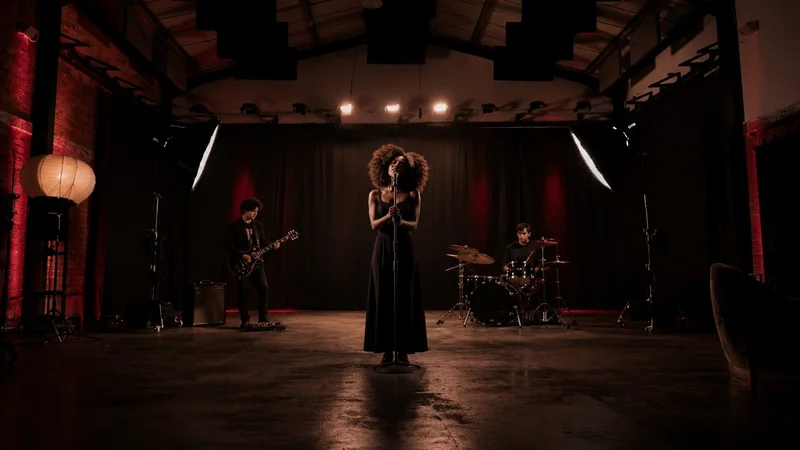
- Visual Context: Multi-camera setups and aesthetically pleasing backdrops—such as the sleek executive look of the CEO SET or the dramatic feel of the Blackwood Studio—improve the viewing experience, signaling professionalism and higher production standards.
Measuring the ROI in Practice
The ROI of video is not just about views; it's about retention metrics, such as:
- Average View Duration (AVD): Professional, multi-camera vodcasts typically maintain higher AVDs because the viewer is less likely to switch off when presented with engaging, dynamic visuals.
- Conversion Rate: Viewers who stay engaged with high-quality video are more likely to subscribe to the audio podcast, follow social media channels, or respond to mid-roll calls to action.
- Brand Authority: Using professional infrastructure—the kind relied upon by organizations like the BBC and Lloyds bank—lends immediate authority to the creator, justifying higher ad rates and securing premium sponsors.
To achieve this ROI, the technical quality must be flawless. Compromising on video (e.g., using a single phone camera or poor lighting) will actively harm retention. The strategic solution is to leverage dedicated spaces that guarantee 4K multi-camera capture and expert engineering, maximizing the visual impact for every pound spent.
We hope this analysis of video podcasting's ROI guides your future production decisions. To take your production to the next level, the right environment is key. We invite you to see what makes Finchley Studio the top choice for creators. As a professional podcast recording studio, Finchley Studio is built to handle all your production needs.
We're trusted by industry leaders and regular clients like the BBC and Lloyds bank, who rely on our professional spaces. We offer a diverse range of unique, pre-lit sets to match any brand or aesthetic. Explore our spaces to find your perfect fit:
- Dialogue Room: For intimate 2-4 person conversations.
- LOUNGE STUDIO: A relaxed, versatile set for up to 5 people.
- CEO SET: Premium, sleek, and executive.
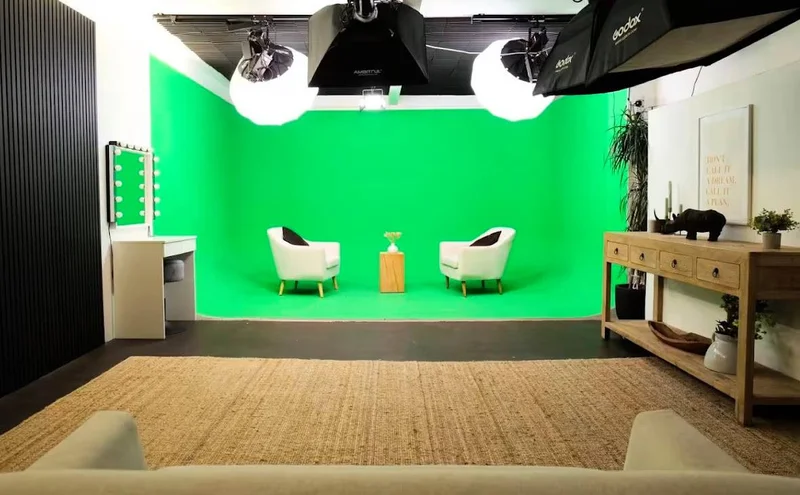
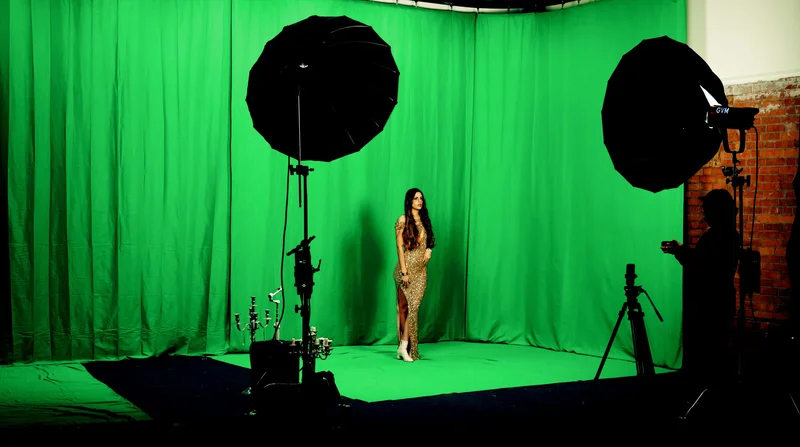
- Green Screen Cove: A pre-lit, curved studio for seamless virtual backgrounds.
- Blackwood Studio: A sophisticated, modern set with a striking black wood backdrop.
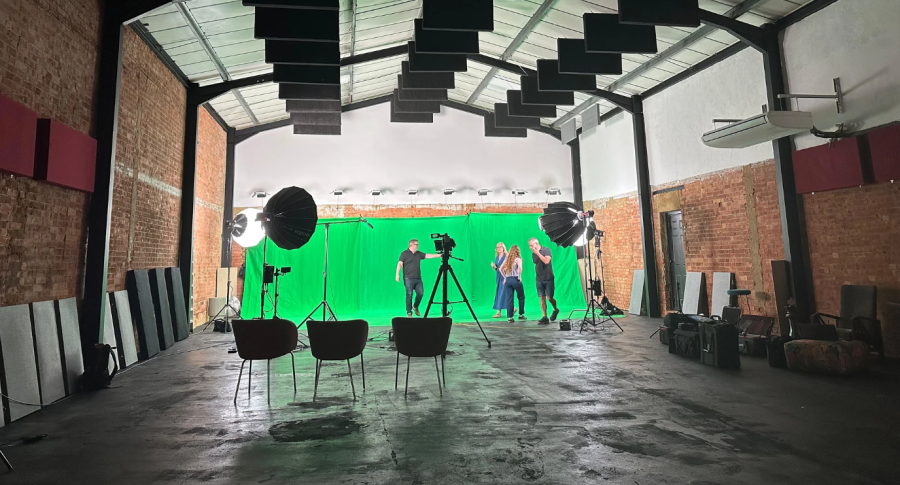
- THE BRICK STUDIO: A 180m² warehouse space with authentic red brick.
- White Infinity Cove: For clean, minimalist, edge-free visuals.
- BLACKOUT SET: Full light control for dramatic, high-contrast content.
- GATHERING STUDIO: A professional space for larger roundtable discussions.
- GIANT GREEN SCREEN: One of London's largest green screens in our 180m² warehouse.
- GIANT BLACKOUT: Our 180m² warehouse for large-scale, controlled dark sets.
Once your recording is complete, let our expert team handle the rest. Our professional Video Editing Service will make your content shine, with a two-week turnaround guaranteed. Choosing Finchley Studio means choosing a seamless experience from start to finish. We're proud of the community we've built at Finchley Studio. Don't just take our word for it—see what other producers have to say about their experience on our Google review page and Trust Pilot.
Finding us is simple. We are conveniently located just Two minutes from Finchley Central (https://tfl.gov.uk/tube/stop/940GZZLUFYC/finchley-central-underground-station?lineId=northern) on the Northern Line. We offer One free parking space per booking, and for those travelling, we are Adjacent to Travelodge London Finchley . You can find our exact location on Google map, Apple maps, [suspicious link removed], or using our What 3 words address.
Stay connected with our creative community and see behind-the-scenes content by following us on Instagram, YouTube, TikTok, LinkedIn, and X (Twitter). Have any questions before you book? Check our FAQ page, chat with us directly on WhatsApp, or give us a call at +447587827200. You can also send us an Email. Ready to elevate your podcast? Your next great episode starts here. Book now to secure your spot in one of London's premier podcast studios.
100+ Video Podcast Growth Statistics for 2025 - Zebracat, accessed November 20, 2025, https://www.zebracat.ai/post/video-podcast-growth-statistics Podcast Statistics and Trends for 2025 (& Why They Matter) - Riverside, accessed November 20, 2025, https://riverside.com/blog/podcast-statistics Podcast Statistics You Need To Know in 2025 - Backlinko, accessed November 20, 2025, https://backlinko.com/podcast-stats State of Video Podcasts 2025: Key Trends, Insights & Strategies - Sweet Fish Media, accessed November 20, 2025, https://www.sweetfishmedia.com/blog/the-2025-state-of-video-podcasts YouTube is the Preferred Podcast Listening Service - Edison Research, accessed November 20, 2025, https://www.edisonresearch.com/youtube-is-the-preferred-podcast-listening-service/ YouTube vs Spotify: Which Is The Best For Podcasts? - Affiverse, accessed November 20, 2025, https://www.affiversemedia.com/youtube-vs-spotify-which-is-the-best-for-podcasts/ accessed November 20, 2025, https://www.zebracat.ai/post/video-podcast-growth-statistics#:~:text=Average%20viewer%20retention%20for%20video,be%20shared%20across%20social%20media. Why audience retention feels harder than ever - Podcastle, accessed November 20, 2025, https://podcastle.ai/blog/audience-retention-challenges/ Video podcasts in audiovisual strategy - Watchity, accessed November 20, 2025, https://www.watchity.com/blog/video-podcasts-in-audiovisual-strategy/ why visual podcast has become more popular? - Finchley Studios, accessed November 20, 2025, https://www.finchley.co.uk/finchley-learning/visual-podcast/why-visual-podcast-has-become-more-popular The Cost of Attention: Podcast Marketing Academy & Lower Street ..., accessed November 20, 2025, https://podcastmarketingacademy.com/podcast-marketing-academy-lower-street-publish-new-report-detailing-the-roi-of-audio-vs-video-podcasts/ Audio-Only Podcast vs Video Podcast - Pros, Cons and Actionable Tips - Podsqueeze, accessed November 20, 2025, https://podsqueeze.com/blog/audio-only-podcast-vs-video-podcast/ accessed November 20, 2025, https://www.finchley.co.uk/finchley-learning/how-much-does-it-cost-to-rent-a-podcast-studio-london Is a Podcasting Studio London Worth the Investment? A Cost-Benefit Analysis, accessed November 20, 2025, https://www.finchley.co.uk/finchley-learning/is-a-podcasting-studio-london-worth-the-investment-a-cost-benefit-analysis The Benefits of Using a Professional Podcast Studio vs. DIY Setup | Umbrella Creative, accessed November 20, 2025, https://umbrellacreative.com.au/the-benefits-of-using-a-professional-podcast-studio-vs-diy-setup/ What is the Difference Between Podcasts Recorded at Home and Recorded in a Studio?, accessed November 20, 2025, https://www.finchley.co.uk/finchley-learning/what-is-the-difference-between-podcasts-recorded-at-home-and-recorded-in-a-studio 4k Videography Podcast Studio London Benefits - Finchley Studios, accessed November 20, 2025, https://www.finchley.co.uk/finchley-learning/4k-videography-podcast-studio-london-benefits Choosing Between Single vs. Multi-Camera Productions - Ikan International, accessed November 20, 2025, https://ikancorp.com/single-vs-multi-camera-productions/ Thoughts on single camera vs multi cam in podcasting for YouTube - Reddit, accessed November 20, 2025, https://www.reddit.com/r/podcasting/comments/1f1hoxe/thoughts_on_single_camera_vs_multi_cam_in/ Preferences for multicam vs. non-multicam presentation of video podcast? - Reddit, accessed November 20, 2025, https://www.reddit.com/r/podcasting/comments/17b39e1/preferences_for_multicam_vs_nonmulticam/ How Lighting Affects Your Video Quality - Perfect Connections, Inc - Central & Northern New Jersey Commercial & Home Security Systems, accessed November 20, 2025, https://www.perfectconnectionsinc.com/video-quality/ The Ultimate Guide [2025] - Podcast Advertising, accessed November 20, 2025, https://advertise.acast.com/news-and-insights/podcast-advertising-the-ultimate-guide Podcast Advertising Rates 2025: Costs, CPMs & Sponsorship | - Wyatt Matters, accessed November 20, 2025, https://www.wyattmattersshow.com/podcast-advertising-rates/ accessed November 20, 2025, https://www.reddit.com/r/podcasting/comments/177btcj/how_much_money_can_you_make_with_sponsorship/#:~:text=Strictly%20audio%2C%20a%20CPM%20(cost,CPM%2C%20from%20what%20I%20remember. Podcast Advertising Rates Explained - ADOPTER Media, accessed November 20, 2025, https://adopter.media/podcast-advertising-rates-explained/ How much money can you make with sponsorship? : r/podcasting - Reddit, accessed November 20, 2025, https://www.reddit.com/r/podcasting/comments/177btcj/how_much_money_can_you_make_with_sponsorship/ YouTube CPM & RPM Rates 2025: Average, Niches, Countries & More - Lenos, accessed November 20, 2025, https://www.lenostube.com/en/youtube-cpm-rpm-rates/ How Much Youtube pay for views from the United Kingdom? - - The Marketing Heaven, accessed November 20, 2025, https://themarketingheaven.com/youtube-pay-for-views-from-the-united-kingdom/ The definitive guide to finding profitable podcast sponsorship opportunities - Magellan AI, accessed November 20, 2025, https://www.magellan.ai/news-insights/the-definitive-guide-to-finding-profitable-podcast-sponsorship-opportunities How Brands Are Using Podcast Sponsorships to Drive Engagement - OptimoreGroup, accessed November 20, 2025, https://optimoregroup.com/how-brands-are-using-podcast-sponsorships-to-drive-engagement/ Why Your Podcast Needs a Visual Identity - Spreaker Blog, accessed November 20, 2025, https://blog.spreaker.com/podcast-visual-identity/ Why Your Podcast is a Brand (Whether You Realize It or Not), accessed November 20, 2025, https://morganfranklin.media/why-your-podcast-is-a-brand-whether-you-realize-it-or-not/ 250000 Video Podcasts and Counting: Creators and Audiences Are Embracing Video Content on Spotify, accessed November 20, 2025, https://newsroom.spotify.com/2024-06-28/250000-video-podcasts-and-counting-creators-and-audiences-are-embracing-video-content-on-spotify/ What does Spotify's Pivot to Video Mean for Podcasters? - Podcastle, accessed November 20, 2025, https://podcastle.ai/blog/spotify-promotes-video-podcasts/ What is more valuable: views, watch time, or average view duration? : r/NewTubers - Reddit, accessed November 20, 2025, https://www.reddit.com/r/NewTubers/comments/qql50m/what_is_more_valuable_views_watch_time_or_average/ Why The Rise Of Video Podcasting Is Not Killing Audio | Coleman Insights, accessed November 20, 2025, https://colemaninsights.com/coleman-insights-blog/why-the-rise-of-video-podcasting-is-not-killing-audio Audio vs. Video Podcast ROI, Threads Improves Podcast Links, & More - Sounds Profitable, accessed November 20, 2025, https://soundsprofitable.com/the-download/audio-vs-video-podcast/ LIGHTING FOR LIVE STREAMS, accessed November 20, 2025, https://www.martin.com/resource/lighting-for-live-streams-white-paper.pdf Qube | Meeting Style Podcast Studio, London | Off-Site - Peerspace, accessed November 20, 2025, https://www.peerspace.com/pages/listings/6849928221411dacb830f961 The Rise of Video Podcasting: What Content Creators Need to Know, accessed November 20, 2025, https://podcasthawk.com/the-rise-of-video-podcasting-what-content-creators-need-to-know/ Podcast Studio London: Networking Opportunities for Creators - Finchley Studios, accessed November 20, 2025, https://www.finchley.co.uk/finchley-learning/podcast-studio-london-networking-opportunities-for-creatorsWorks cited