Executive Summary
The digital media landscape of London in 2026 bears little resemblance to the nascent podcasting industry of the previous decade. What began as a democratized medium—defined by low barriers to entry and a "do-it-yourself" ethos—has matured into a sophisticated, multi-tiered broadcast sector. As global consumption habits shift decisively toward video-first formats (vodcasting) and short-form content discovery, the technical and operational demands on production facilities have escalated exponentially. For a high-end multimedia production facility in London, the competitive advantage is no longer secured solely through the acquisition of premium hardware. In an era where prosumer technology has narrowed the gap between home setups and professional environments, the true differentiator lies in human capital: the specialized technical staff who design, manage, and optimize the production ecosystem.
This strategic analysis serves as an exhaustive blueprint for operating a market-leading podcast studio and video studio within the M25. It posits that the "Concierge Model" of staffed production is not merely a service upgrade but a fundamental operational necessity for attracting high-net-worth individuals, corporate entities, and professional broadcasters. By integrating advanced acoustic physics, cognitive psychology, and rigorous risk management frameworks, this report demonstrates how technical expertise transforms a rental space into a strategic partner for client growth.
The analysis is structured to provide a granular examination of the London market, dissecting the tiered competitive landscape and the specific challenges posed by the city's acoustic environment. It explores the intricate signal chains required for broadcast-grade fidelity, the legal imperatives of operating in the UK jurisdiction, and the future-proofing strategies necessary to navigate the rise of AI and spatial audio. Through this lens, the report establishes that technical staff are the custodians of quality, the enablers of talent performance through "cognitive offloading," and the architects of long-term commercial sustainability.
Section 1: The London Market Landscape and Competitive Tiers
1.1 The Evolution of the London Studio Sector
The proliferation of podcasting in the United Kingdom has created a dense and highly competitive marketplace, particularly within London. However, this density has not resulted in a homogenized offering. Instead, the market has stratified into distinct tiers, each serving a specific client persona with vastly different technical requirements and service expectations. Understanding this hierarchy is critical for any facility aiming to capture the premium segment of the market.
At the foundational level, the Budget and Self-Service Tier caters to hobbyists and early-stage creators. Facilities in this bracket, such as certain unstaffed rooms in shared workspaces or automated booths, operate on a "dry hire" basis. The value proposition is purely transactional: access to a sound-treated room and basic equipment at the lowest possible cost, often ranging from £30 to £60 per hour.1 In this model, the client acts as their own engineer, producer, and data manager. While economically efficient for the provider due to low labor costs, this model is fraught with technical risk. The absence of on-site supervision means that common errors—such as improper gain staging, unformatted memory cards, or focus drift on cameras—go unchecked, often resulting in unusable assets. For a high-end facility, this tier represents a non-addressable market; competing on price with automated booths degrades brand equity and attracts clients with low lifetime value.
The Mid-Range Market represents the transition from hobbyist to semi-professional. Studios in this category, such as London Podcast Studios in Whitechapel or Outset Studio in London Bridge, offer a hybrid operational model.3 Here, technical staff are typically present on-site to facilitate the initial setup but may not remain in the control room for the duration of the recording unless an additional fee is paid.1 Rates in this tier reflect the increased overhead, typically hovering between £80 and £120 per hour depending on the complexity of the video setup.1 The clientele includes independent professionals, SMEs, and seasoned content creators who possess some technical literacy but require a more reliable infrastructure than a home setup can provide. The strategic weakness of this tier lies in the variability of the client experience; without a dedicated engineer monitoring the session, quality assurance is inconsistent.

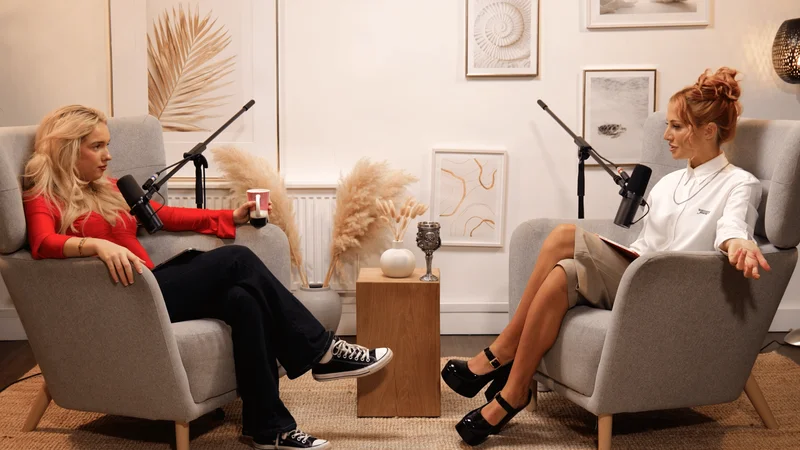
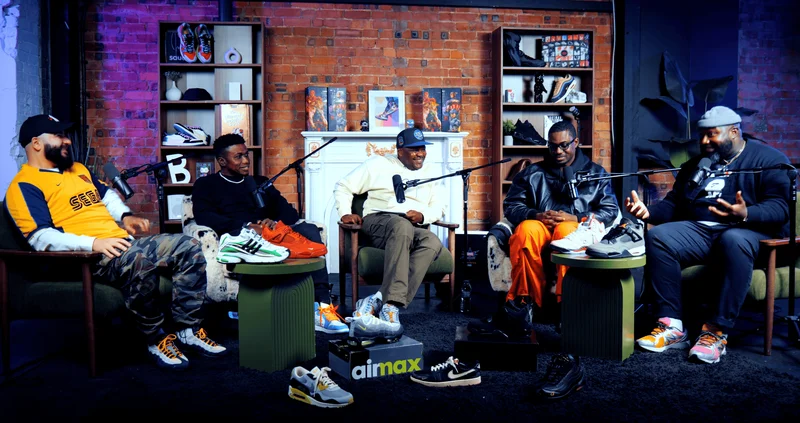
See the 'BBC Children in Need' podcast setup used by Dr Julie from BBC at Finchley Studio (Lounge setup). Book this setup for your podcast
The Elite and Premium Tier, exemplified by facilities like Premiere Podcast Studios in Shoreditch, Spiritland Productions in King's Cross, and Finchley Studio in North London, operates on a fundamentally different logic.1 In this segment, the "Concierge Service" is the standard operating procedure. Rates frequently exceed £150 per hour, but this pricing is inclusive of a dedicated, highly skilled audio engineer and often a video producer.1 The value proposition here is risk mitigation and performance enhancement. Corporate clients, A-list talent, and global brands do not purchase "studio time"; they purchase the certainty of a flawless product. The presence of technical staff transfers the entire burden of technical execution from the talent to the facility. This tier competes on prestige, location (often leveraging the cultural capital of neighborhoods like Shoreditch or Soho), and the "white glove" experience.6 For a high-end facility, this is the only viable positioning strategy.
1.2 The "Acoustic Hostility" of the Metropolis
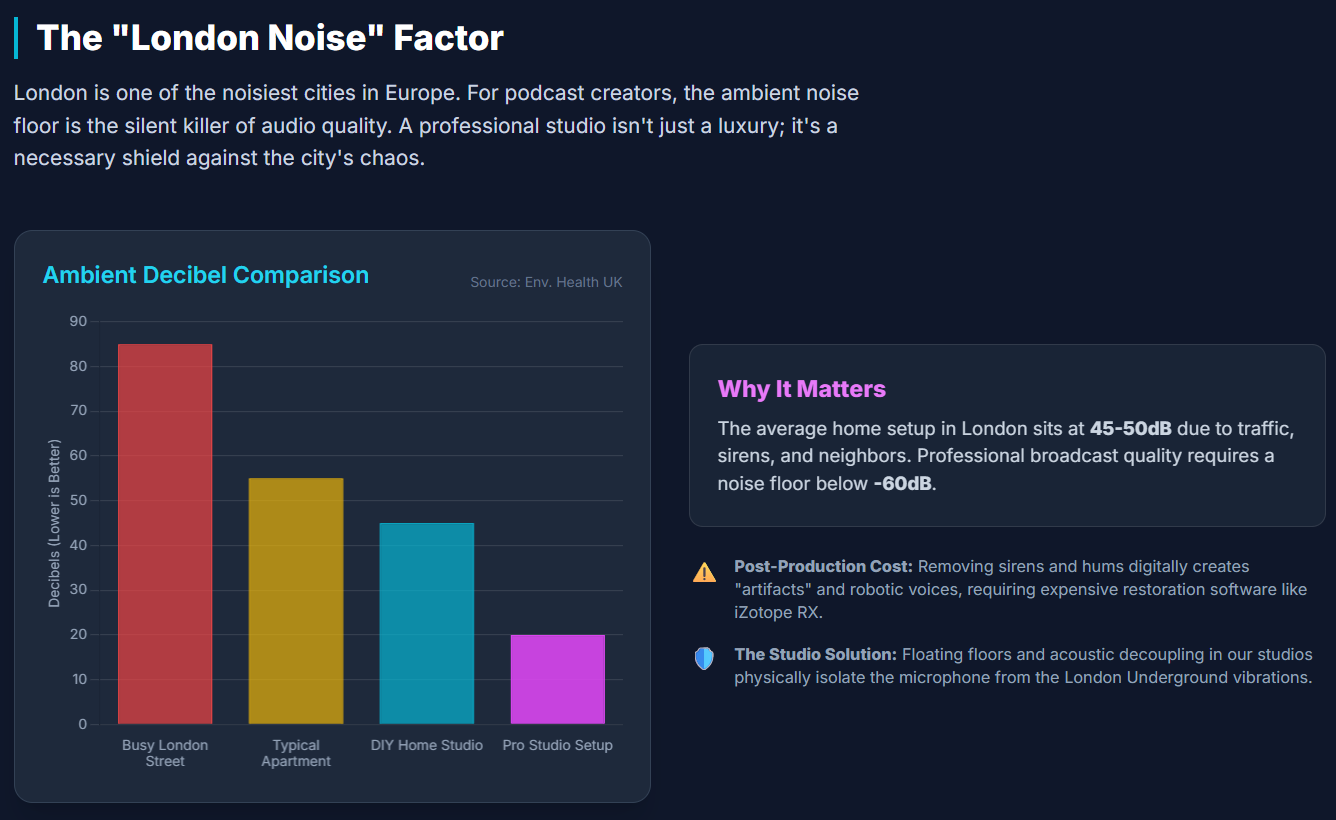
A primary driver for the professionalization of the podcast studio market in London is the city's inherent acoustic hostility. London is a chaotic sonic environment characterized by a high noise floor—the relentless hum of urban life that pervades even well-constructed residential buildings. The sources of this noise are manifold: the low-frequency rumble of the London Underground and Overground networks, the intermittent roar of flight paths (particularly Heathrow and City Airport), the sirens of emergency vehicles, and the dense construction activity that defines the city's skyline.8
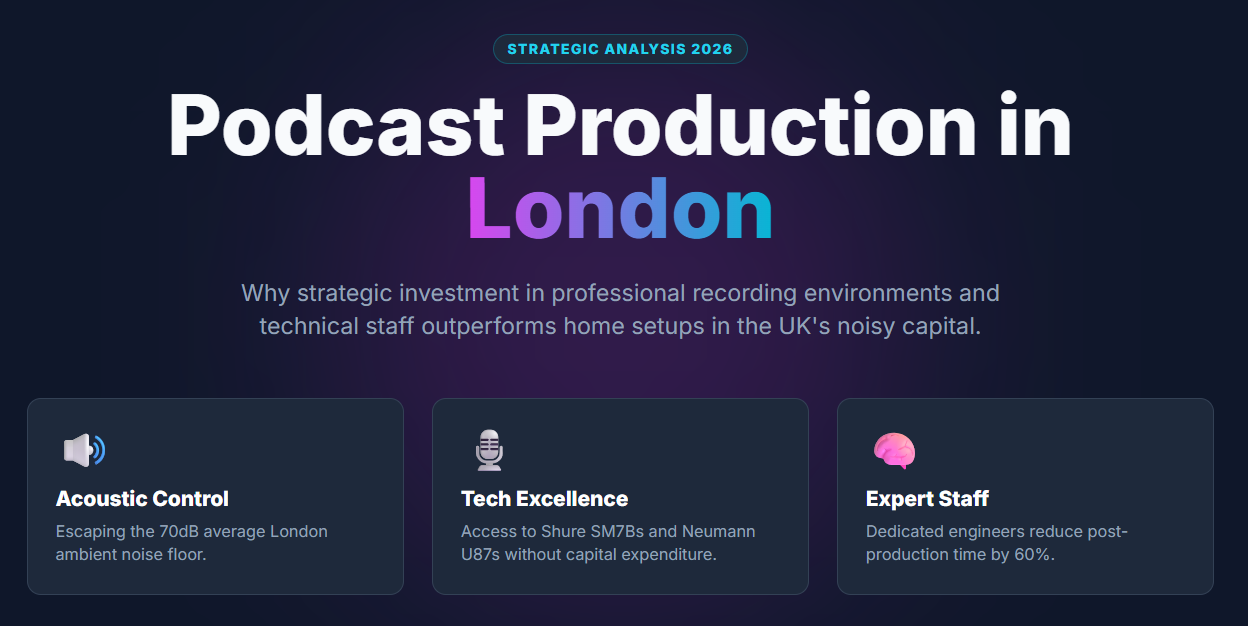
For the "prosumer" attempting to record broadcast-quality audio at home, these environmental factors present insurmountable challenges. A typical London flat or office might have a noise floor of -40dB to -30dB, significantly higher than the -60dB standard required for professional audiobooks and high-end podcasts.10 While digital noise reduction tools have advanced, they cannot fully remove the complex, broadband noise of a passing ambulance without introducing digital artifacts (the "underwater" sound) that degrade the integrity of the voice.9
This reality creates a powerful marketing narrative for the professional studio. The facility is not just renting equipment; it is renting silence. Achieving this silence requires heavy infrastructure investment that is impossible to replicate in a domestic setting. High-end studios employ "room-within-a-room" construction methodologies, utilizing floating floors to decouple the recording space from the building's structural vibrations.5 Technical staff play a crucial role in validating this investment. An experienced engineer understands the physics of sound transmission and can explain to a client why their home setup, despite having expensive foam on the walls, still captures the sound of the bus outside. By distinguishing between "soundproofing" (isolation) and "acoustic treatment" (internal reflection control), staff position the studio as an acoustic fortress essential for professional credibility.8
1.3 The Strategic Shift to Vodcasting
The transformation of podcasting from an audio-only medium to a visual one—often termed "vodcasting"—is the single most significant trend shaping the industry in 2026. Data indicates that a substantial proportion of podcast consumption now occurs on video-first platforms. YouTube has become the primary search engine for podcast discovery, and platforms like Spotify have aggressively integrated video capabilities.11
This shift has profound implications for studio infrastructure and staffing. A facility that markets itself solely as an audio recording space is rapidly becoming obsolete. The modern video studio must be a broadcast-grade television set, capable of producing 4K multi-camera content that rivals traditional television in visual fidelity. This transition introduces a layer of complexity that necessitates specialized technical staff. An audio engineer, while skilled in signal flow, may lack the competency to manage color temperature, lighting ratios, and the massive data rates associated with 4K video files.14
Furthermore, the "Clips Economy" drives the demand for high-end video production. In the current algorithmic landscape, long-form content is discovered primarily through short-form vertical clips on TikTok, Instagram Reels, and YouTube Shorts.12 These clips serve as the marketing funnel for the full episode. Consequently, the studio environment must be designed not just for horizontal (16:9) capture but also for vertical (9:16) extraction. This requires strategic camera placement, framing considerations, and lighting designs that ensure the subject looks premium even when cropped. Technical staff must be adept at "shooting for the edit," ensuring that the raw material captured in the studio can be efficiently transformed into viral marketing assets.15
Section 2: Acoustic Physics and Infrastructure Engineering
2.1 The Physics of Isolation: Defeating the London Noise Floor
The foundational asset of any high-end podcast studio is its isolation. In the context of London, this is an engineering challenge of the highest order. The physics of sound transmission dictates that "mass" and "decoupling" are the only effective mechanisms for stopping noise.10
Mass Law states that the heavier a barrier is, the more energy is required to vibrate it, and thus, less sound passes through. High-end studios utilize materials far exceeding standard construction grades. While a typical partition wall might use standard gypsum board, a studio wall will employ high-density acoustic plasterboard, often layered with Mass Loaded Vinyl (MLV)—a limp, heavy material specifically designed to add non-resonant mass.5 Structural timber is often upgraded from standard C16 to C32 density to support this additional weight and reduce resonance.5
Decoupling is the process of mechanically separating the inner studio shell from the outer building structure. Sound travels efficiently through solid connections—studs, joists, and concrete slabs act as bridges for vibration. To counter this, professional studios build a "box within a box." The inner walls do not touch the outer walls; they stand on their own independent frames. The ceiling is suspended on resilient hangers that absorb vibration from the floor above. Most critically, the floor itself is "floated." Using neoprene pucks, high-density springs, or specialized acoustic matting, the studio floor is lifted off the building's concrete slab.5 This breaks the path of transmission for structure-borne noise, such as the low-frequency rumble of the Tube or heavy goods vehicles, which can travel for miles through the ground.
Technical staff must be intimate with this infrastructure. When a client asks why the studio costs £150 per hour, the answer lies in the floating floor and the MLV-lined walls. The engineer's ability to demonstrate the "silence" by comparing a raw mic feed with the noise outside is a powerful sales tool.

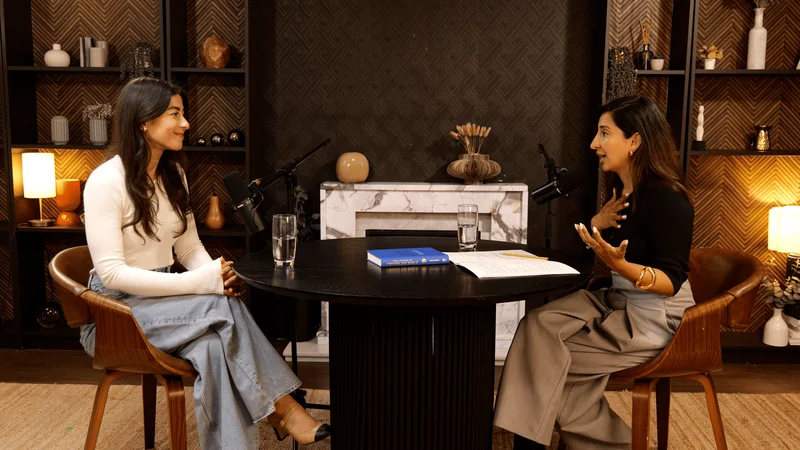
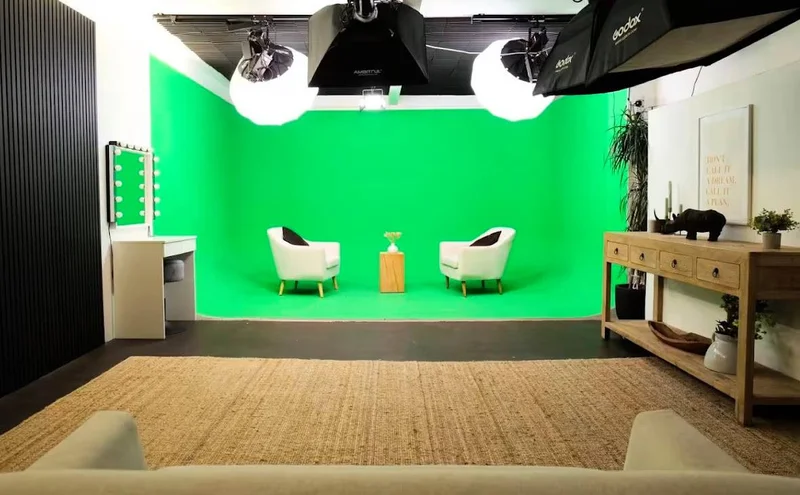
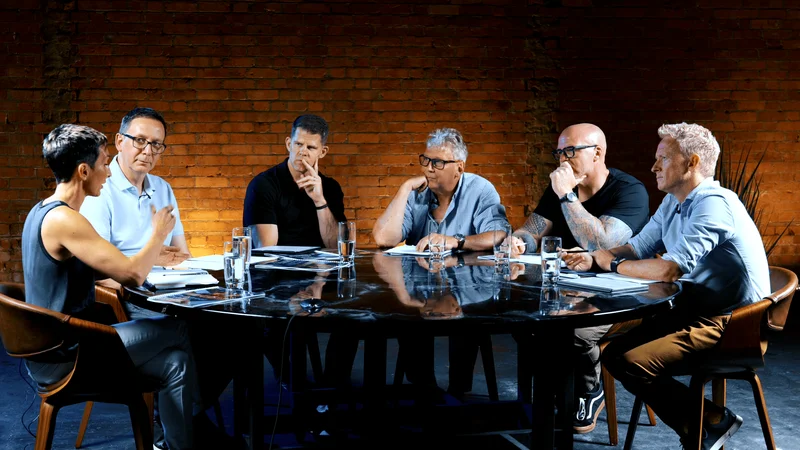
Finchley Studio (Dialogue set): book this setup for your podcast
2.2 Acoustic Treatment: Controlling the Internal Sonic Environment
Once the noise is kept out, the sound generated inside the room must be controlled. An isolated concrete box is acoustically disastrous; it acts as an echo chamber with a long reverberation time (RT60), destroying speech intelligibility. Acoustic treatment is the science of managing these internal reflections.8
Absorption is the primary tool for podcast studios. Porous materials like high-density mineral wool (e.g., Rockwool RW5, 100kg/m³) are used to trap sound energy. As sound waves enter the fibrous material, friction converts the acoustic energy into minute amounts of heat, preventing the wave from reflecting back into the room.5 This is essential for removing "flutter echo"—the high-frequency ringing sound that occurs between parallel hard surfaces. The goal is to create a "dry" vocal sound, free from the "boxy" or "bathroom-like" quality of untreated rooms.8
Bass Management is the second critical component. Low-frequency sound waves have long wavelengths (a 100Hz wave is roughly 3.4 meters long) and are difficult to absorb. They tend to accumulate in corners, creating "standing waves" or "room modes" where bass frequencies are either booming or completely cancelled out depending on where the speaker sits.8 "Bass traps"—dense, often membrane-based absorbers placed in corners—are essential infrastructure. Without them, a podcast voice can sound muddy and unintelligible, regardless of the quality of the microphone.
Diffusion is often used in larger, premium spaces to retain a sense of natural "air." Rather than absorbing all sound (which can make a room feel oppressively "dead"), diffusers scatter sound waves in random directions. This maintains a natural spectral balance, ensuring the recording sounds professional and lively rather than suffocated.8
2.3 HVAC and Air Handling
A frequently overlooked aspect of studio infrastructure is the HVAC (Heating, Ventilation, and Air Conditioning) system. In a sealed, airtight room with multiple people and high-output lighting, temperatures rise quickly. However, standard air conditioning units are too noisy for recording.8 High-end facilities utilize low-velocity, high-volume air handling systems with baffled ductwork to silence the airflow. Technical staff manage this environment proactively, ensuring the room remains comfortable for talent without compromising the noise floor—a delicate balance that self-service studios often fail to achieve.5
Section 3: The Technical Hardware Ecosystem
3.1 The Audio Signal Chain
The difference between a prosumer setup and a professional studio is often defined by the signal chain—the path the audio takes from the source to the digital file.
Microphones: The First Line of Capture
The choice of microphone is a strategic decision made by the technical staff based on the specific acoustic environment and the voice of the talent.
Dynamic Microphones (e.g., Shure SM7B, Electro-Voice RE20): These are the industry standard for podcasting. They operate using a moving coil and magnet, making them robust and capable of handling high sound pressure levels. Crucially, they have low sensitivity and a cardioid polar pattern, meaning they reject off-axis noise and room reflections effectively.5 This makes them ideal for multi-speaker setups where "crosstalk" (Mic A picking up the person speaking into Mic B) is a concern.
Condenser Microphones (e.g., Neumann U87, Rode NT2A): These use an electrically charged capsule to capture sound. They are far more sensitive and have a faster transient response, capturing the "air" and nuanced detail of a voice.7 However, this sensitivity is a double-edged sword; they will capture lip smacks, chair squeaks, and any imperfections in the room's acoustics. High-end studios typically stock both, with engineers selecting the appropriate tool for the session.19
Preamps and Processing
Before the signal reaches the computer, it must be amplified. Professional studios use high-quality preamps (e.g., Neve, API, or high-end integrated units like the Rodecaster Pro II) that provide "clean gain" with minimal self-noise.3 This is particularly important for dynamic mics like the Shure SM7B, which are notoriously "gain hungry."
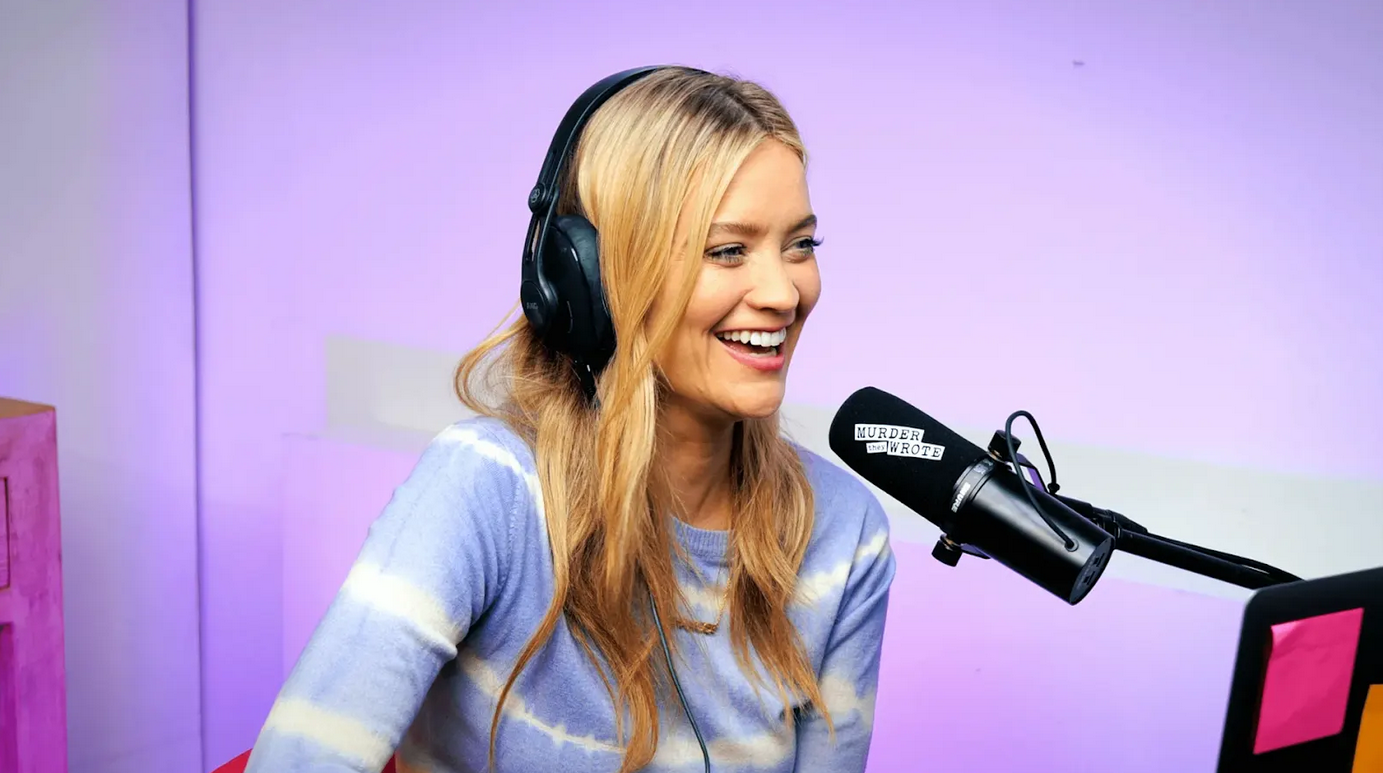
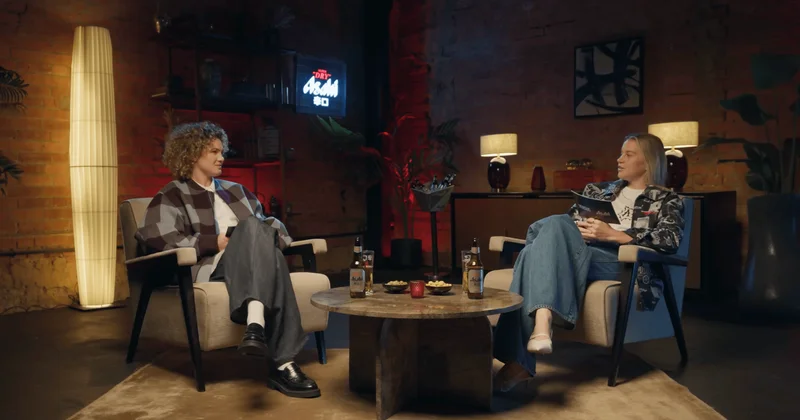
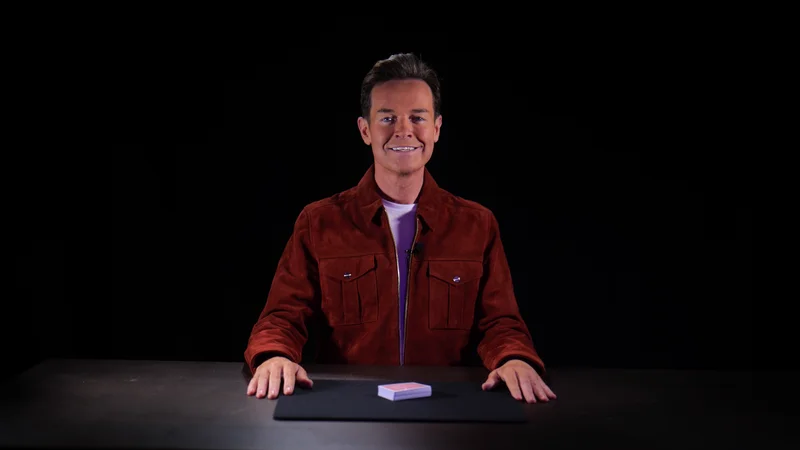
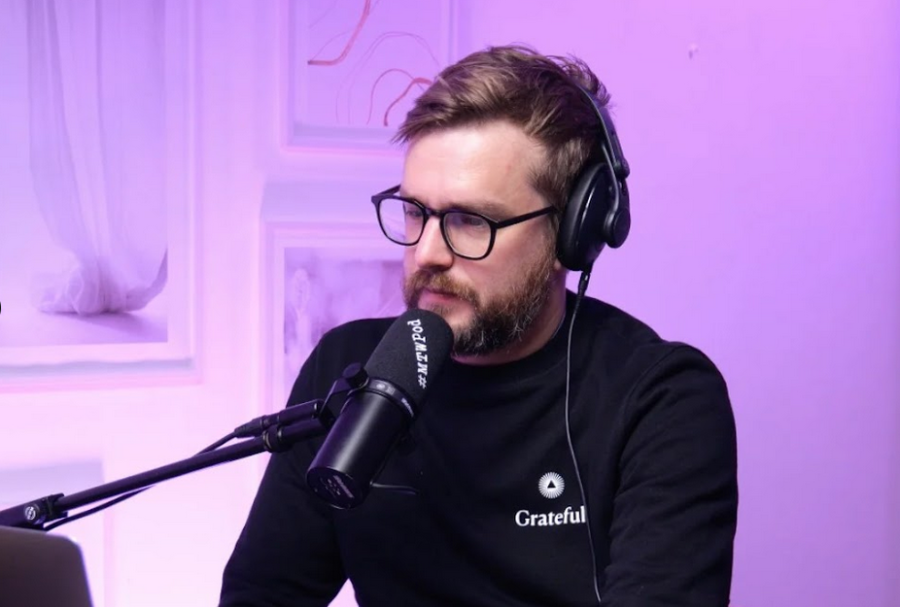
See the 'Murder They Wrote' podcast setup used by Laura Whitmore and Iain Stirling from BBC at Finchley Studio (Gathering setup). Watch Murder They Wrote at BBc sound , Spotify , Apple podcasts , Youtube , Instagram , Amazon music
Converters and 32-Bit Float
The transition to digital is managed by Analog-to-Digital (A/D) converters. A key technological advancement in 2026 is the widespread adoption of 32-bit float recording. Devices like the Zoom F8n Pro allow for such a massive dynamic range that digital clipping (distortion caused by signals exceeding 0dBFS) is virtually impossible.3 This technology acts as a failsafe for unscripted content; if a guest suddenly laughs loudly or shouts, a standard 24-bit recording might be ruined by distortion, whereas a 32-bit float file can be normalized in post-production with no loss of quality. Technical staff leverage this to ensure that no "magic moment" is ever lost to technical failure.21
3.2 The Video Signal Chain: Cinema Fidelity
The visual standard for high-end vodcasting has moved beyond the "webcam" look to a "cinematic" aesthetic.
Camera Systems
Studios in the Elite tier have moved to cinema-line cameras such as the Sony FX6 or Sony FX30.3
Sensor Size: These cameras utilize Super 35mm or Full-Frame sensors. The physics of a large sensor allow for a shallow depth of field (bokeh), blurring the background and separating the subject. This creates a perceived "production value" that subconsciously signals quality to the viewer.17
Dynamic Range: Cinema cameras capture 15+ stops of dynamic range. This means they can simultaneously resolve the detail in a guest's black shirt and the bright studio lights without crushing shadows or blowing out highlights—a common failure point for cheaper DSLRs or webcams.17
Lighting Architecture
Lighting is the brush with which the video producer paints.
3-Point Lighting: The standard professional setup involves a Key Light (main source), Fill Light (softens shadows), and Backlight/Hair Light (separates subject from background).
Color Science: High-end studios use LED panels (e.g., Aputure, Nanlite) with high CRI (Color Rendering Index) and TLCI (Television Lighting Consistency Index) ratings (95+). This ensures that skin tones look natural and healthy. Cheaper lighting units often have a green or magenta tint that makes subjects look sickly, a defect that is difficult to correct in post-production.14
Brand Integration: Modern lighting design incorporates RGB tube lights and panels. Technical staff can instantly change the room's accent lighting to match the client's brand colors (e.g., Coca-Cola red or Spotify green), providing a bespoke "branded" look without the cost of physical set construction.14
3.3 Remote Integration Technologies
In a post-pandemic world, hybrid workflows are standard. It is common for a host to be in the London studio while the guest joins from New York.
Mix-Minus: A critical technical requirement is the "mix-minus" feed. This setup sends the full audio mix minus the remote guest's own voice back to them. Without this, the guest would hear their own voice echoing back with a delay, making speech impossible. Technical staff configure this routing using advanced digital mixers or software like Dante Virtual Soundcard.17
Local Recording: Platforms like Riverside.fm or SquadCast are used to record the guest's audio and video locally on their device, which is then uploaded to the cloud. This bypasses internet compression and dropouts, ensuring the remote guest sounds and looks as if they were in the studio. Staff manage this process, troubleshooting the guest's local setup remotely before the recording begins.23
Section 4: Human Capital: The Strategic Necessity of Staff
4.1 The Cognitive Load Argument
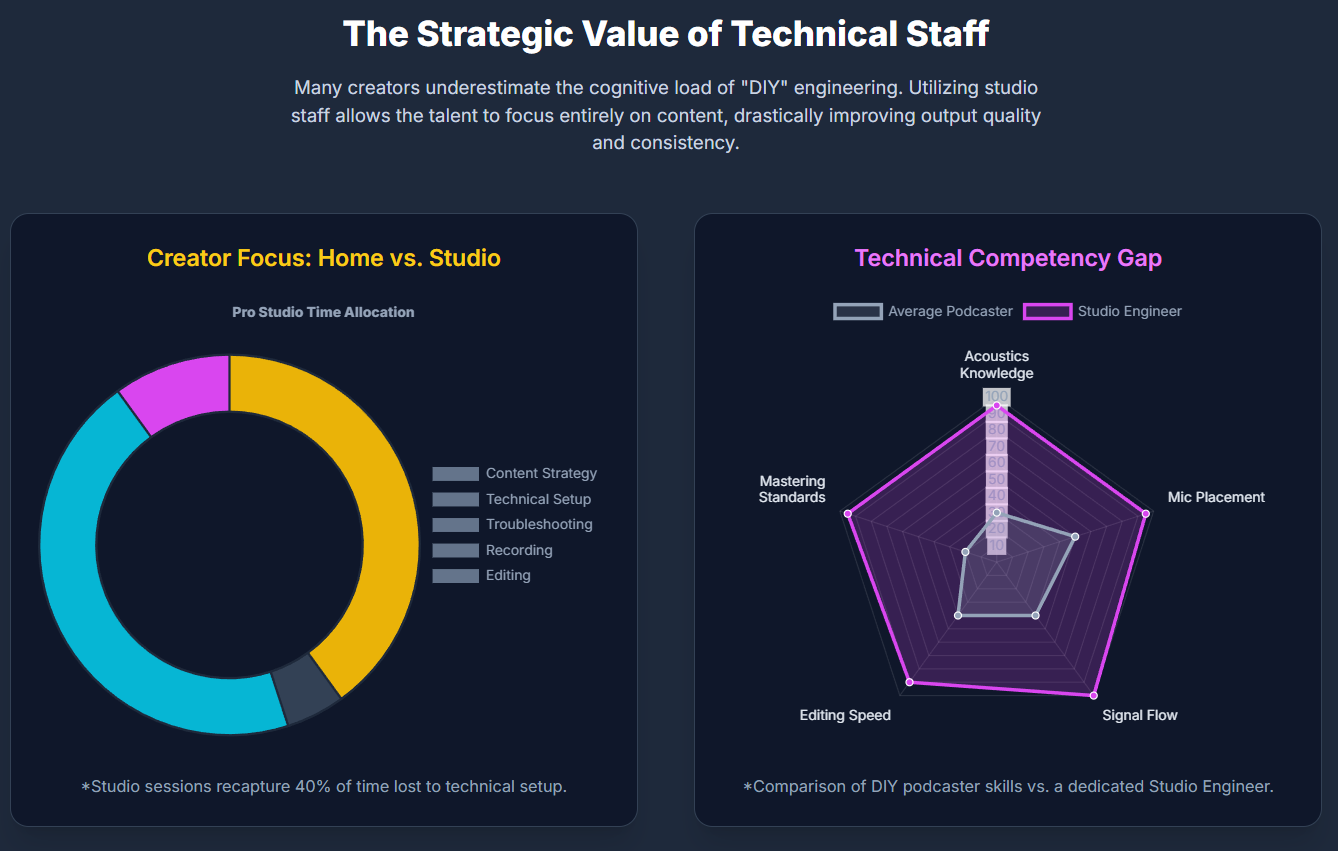
The most compelling argument for the "Concierge" model lies in the field of cognitive psychology. Cognitive Load Theory posits that the human working memory has a limited capacity.25 For a podcast host, the cognitive demands of an interview are high: they must listen actively, formulate the next question, monitor the guest's emotional state, and maintain the narrative arc.
When a host also attempts to function as the engineer—monitoring audio levels, checking camera focus, watching battery indicators—they experience "split attention." This cognitive overload degrades performance across all tasks. The host becomes a distracted interviewer, missing nuanced cues, and a mediocre engineer, missing technical glitches.27
By employing technical staff, the studio enables Cognitive Offloading. The host delegates the entire technical domain to the engineer. This liberation of mental resources allows the talent to enter a state of "flow," resulting in a more engaging, natural, and higher-quality conversation. This performance enhancement is a key value proposition for premium studios: "We handle the tech so you can handle the talent".27
4.2 Role Definitions in a Premium Facility
To deliver the Concierge experience, distinct technical roles must be defined and staffed with precision.
The Audio Engineer
The Audio Engineer is the technical anchor of the session. Their primary mandate is sonic fidelity and signal integrity.
Responsibilities: Microphone selection and placement, gain staging, real-time monitoring for plosives or sibilance, managing the "mix-minus" for remote guests, and ensuring redundant backups are recording.29
Soft Skills: The engineer often acts as the "therapist" in the room, putting nervous guests at ease. Their demeanor must be calm, authoritative, and invisible—stepping in only when necessary to correct an issue without breaking the flow of the session.31
The Video Producer / Visual Director
In the vodcast era, the visual component requires a dedicated specialist.
Responsibilities: Designing the lighting schema, operating the multi-camera switcher (e.g., ATEM Mini Extreme ISO), managing focus peaking, and ensuring data integrity for large video files.14
Strategic Value: The Visual Director ensures the content is "platform-ready." They frame shots specifically for vertical cropping (TikTok/Reels), ensuring the client maximizes the marketing value of the session.15
The Podcast Producer
Distinct from the technical roles, the Podcast Producer focuses on the creative and editorial aspects.
Responsibilities: Show development, script supervision, guest research, and narrative structure. During the recording, they may direct the host, suggesting retakes or clarifying points for the audience.31
Revenue Opportunity: Offering a "Producer" service is a high-margin add-on. Many corporate clients possess subject matter expertise but lack storytelling skills. A staff producer bridges this gap, ensuring the content is engaging and structured.32
4.3 The "Concierge" Service Model
The Concierge model transforms the studio transaction from a product rental to a service experience.
Mechanism: The service begins before the client arrives. Staff configure the room to the client's specifications (lighting colors, furniture layout), test all lines, and ensure refreshments are available. When the client walks in, they simply sit down and speak.
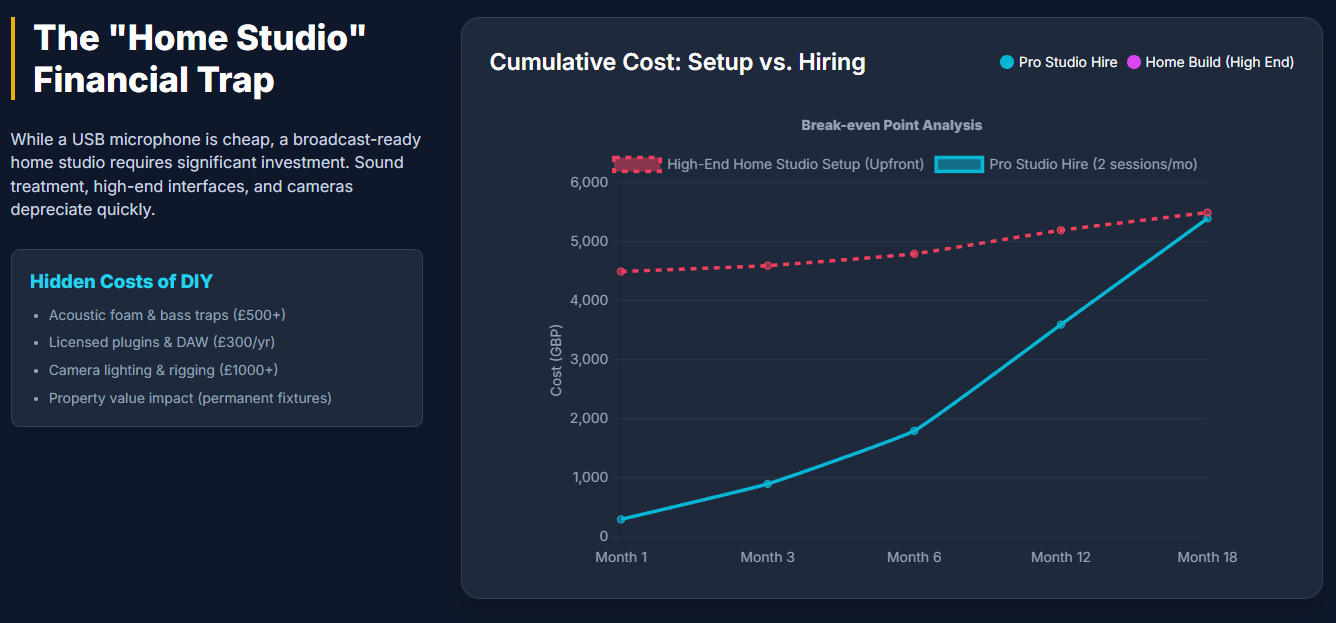
Client Benefit: This eliminates "setup stress." There is no fumbling with cables, no troubleshooting of software drivers, and no anxiety about whether the recording is actually working. The client's time is optimized for content creation, not technical administration.5
Operational Benefit: For the facility, this model protects the asset base. Professional handling of expensive microphones and cameras significantly reduces wear and tear compared to self-service usage. It also allows for tighter booking schedules, as professionals can turn around a room in minutes rather than the unpredictable time taken by a novice.4
4.4 Recruitment and Training for 2026
Recruiting for a multimedia facility in 2026 requires identifying "hybrid" talent. The siloed audio engineer who knows nothing of video is a liability.
Hybrid Competency: Staff must be fluent in both signal chains. An audio engineer must understand frame rates and sync; a video producer must understand sample rates and noise floors.
Network Literacy: With the prevalence of AoIP (Audio over IP) and Dante networks, staff require IT skills. Managing IP addresses, bandwidth for live streams, and cloud-based file transfer protocols is now part of the daily workflow.4
Client-Facing Polish: In the Elite tier, staff interact with CEOs, politicians, and celebrities. Training in hospitality, discretion, and non-disclosure protocols is as important as technical training. The ability to "read the room"—knowing when to chat and when to be invisible—is a critical soft skill.31
Section 5: Operational Strategy and Commercial Models
5.1 Pricing Strategies and Revenue Architecture
The financial sustainability of a high-end studio relies on a diversified revenue model that captures value at multiple points in the production lifecycle. Analysis of London competitors reveals three primary pricing structures.
The Transactional Model (Hourly Rate)
This is the baseline model for ad-hoc bookings.
Pricing: Elite studios charge £150+ per hour for a fully staffed audio/video session.1
Strategy: This model serves as the entry point for new clients. However, it is volatile and relies on constant sales volume. To maximize yield, studios often impose minimum booking times (e.g., 2 hours) to ensure operational efficiency.1
The Membership and Retainer Model
To stabilize cash flow, studios like The Qube and London Podcast Studios have pioneered membership models.34
Structure: Clients pay a recurring monthly fee (e.g., £399 - £999) in exchange for a credit allocation of studio hours and priority booking access.34
Strategic Advantage: This locks the client into the studio's ecosystem, increasing Lifetime Value (LTV) and reducing churn. It also fosters a community effect, where members network and collaborate, further entrenching them in the facility.35
Corporate Retainers: For enterprise clients, studios offer "Season Packages." A brand commits to a 12-episode season, paying upfront or on a retainer basis. This allows the studio to allocate resources efficiently and guarantees revenue.31
The Full-Service Production Agency Model
The highest margin potential lies in evolving from a facility to an agency.
Inclusions: In this model, the studio handles the entire value chain: concept development, recording, editing, distribution, and marketing.
Pricing: Project-based fees often ranging from £5,000 to £15,000+ per season.
Value: The client buys a "business outcome" (a launched podcast) rather than a "process" (studio time). This positions the studio as a strategic partner rather than a vendor.31
5.2 The Post-Production Economy
In 2026, the recording is merely the raw material. The real commercial value is often unlocked in post-production.
The "Clips" Package: With the dominance of algorithmic discovery, every long-form episode must spawn 3-10 short-form clips. Studios offer "Micro-Content" add-ons, where editors extract viral moments, caption them, and format them for TikTok/Reels. This is a high-value, high-margin service that solves a major pain point for clients.14
Data Management and Archiving: Handling 4K multi-cam footage generates terabytes of data. Studios monetize this by charging for "Data Handling" (transferring files to client drives) and offering "Deep Storage" (archiving raw footage for 12 months) as a premium insurance service for corporate clients.4
5.3 Articulating ROI to Clients
To justify premium rates, technical staff and sales teams must be equipped to articulate the Return on Investment (ROI) to prospective clients.
Brand Authority: High-production value acts as a signal of competence. For B2B podcasts, a broadcast-quality show enhances brand trust, leading to higher conversion rates and shorter sales cycles.36
Content Efficiency: A single hour in the studio creates a month's worth of content assets (full episode, blog posts, social clips, newsletters). When viewed through this lens, the cost per asset is low.38
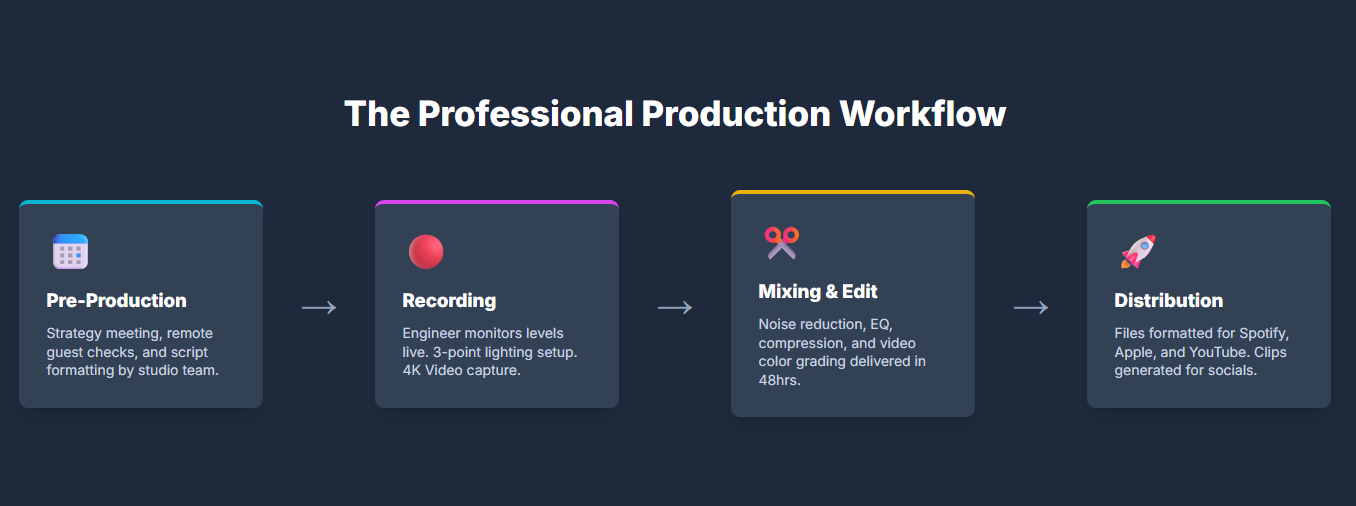
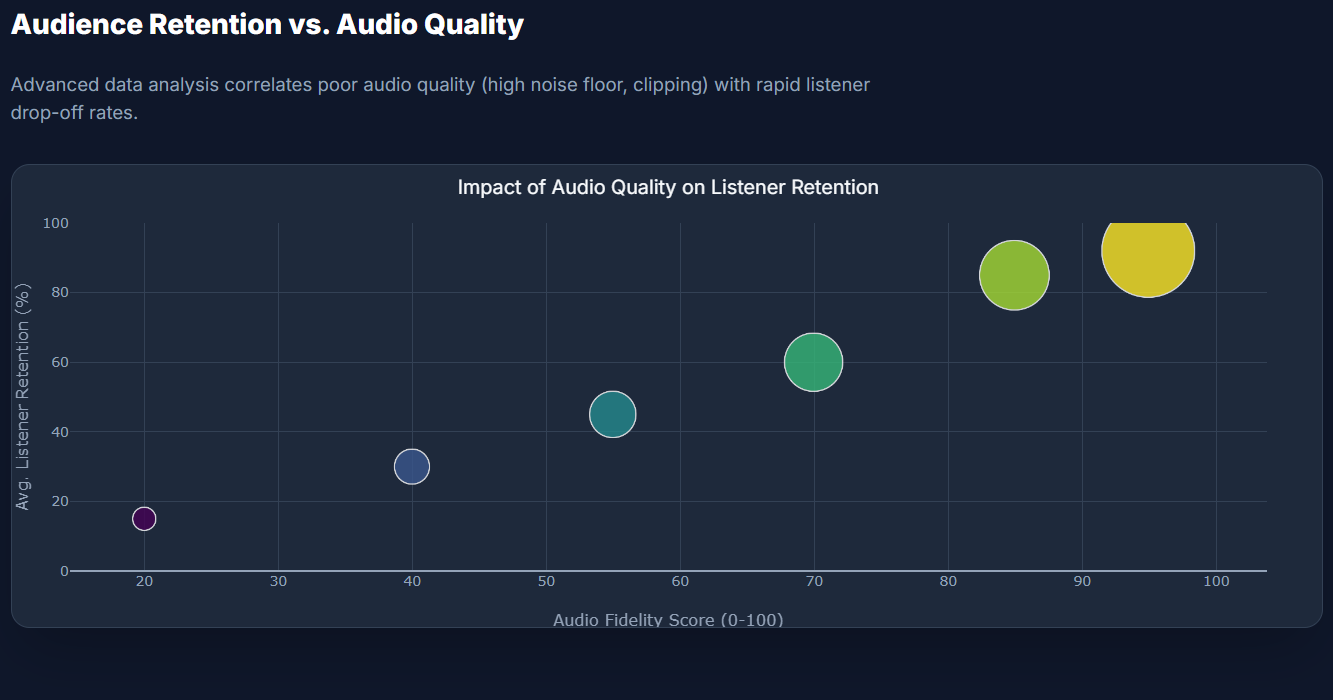
Audience Retention: Poor audio is the primary driver of listener churn. Professional engineering ensures the content is listenable, boosting completion rates and algorithmic ranking.11
Section 6: Legal, Compliance, and Risk Management
Operating a commercial media facility in the UK involves navigating a strict regulatory environment. Compliance is not just a legal necessity but a marker of professionalism that reassures corporate clients.
6.1 Insurance Frameworks
A comprehensive insurance portfolio is non-negotiable for protecting the business and its clients.
Public Liability Insurance: This is essential for any facility open to the public. It covers the studio against claims of injury (e.g., a client tripping over a cable) or damage to client property. Coverage limits of £5 million to £10 million are standard for London facilities dealing with high-profile individuals.40
Employers' Liability Insurance: This is a mandatory legal requirement in the UK for any business with staff. It protects against claims from employees who suffer injury or illness as a result of their work.40
Professional Indemnity: This is critical for the "Concierge" model. It protects the studio if a client alleges that professional negligence (e.g., accidentally deleting files, corrupted audio) caused them financial loss. For corporate contracts, this coverage is often a prerequisite for vendor onboarding.42
Commercial Producer’s Indemnity (CPI): For high-budget productions, this covers costs associated with shoot cancellation due to circumstances beyond control (e.g., talent illness, transport strikes). Offering this as an option or including it in high-tier packages adds significant value.43
Hired-In Equipment: If the studio rents specialty lenses or lighting for a specific shoot, or if clients bring their own gear, liability must be clear. "Hired-In" policies cover this equipment against theft or damage.44
6.2 Licensing and Copyright
Music Licensing (PPL PRS): In the UK, playing recorded music in a public business requires "TheMusicLicence" from PPL PRS. This applies even to background music in the studio reception or music used during a live stream. Failure to license is a copyright infringement.45
Release Forms: A professional video studio must manage the rights to the content it captures. Standard terms should include a "Location Release" granting the client the right to film on the premises. Conversely, the studio should require "Talent Releases" if it intends to use any behind-the-scenes footage for its own marketing.46
6.3 GDPR and Data Security
The handling of client footage constitutes data processing under the UK GDPR. High-end studios must have robust data governance policies. This includes secure storage of video files (which may contain sensitive unreleased information), protocols for data deletion after a set period, and ensuring that cloud transfer services (e.g., WeTransfer, Dropbox) are GDPR compliant. Technical staff must be trained in these data security protocols to prevent leaks, which would be catastrophic for the studio's reputation.46
Section 7: Future Horizons and Technological Integration
7.1 AI as a Force Multiplier
By 2026, Artificial Intelligence is not a replacement for technical staff but a powerful tool that augments their capabilities.
Automated Rough Cuts: Tools like Descript and Riverside use AI to transcribe audio and allow for text-based video editing. Technical staff can use these to generate rough cuts in minutes, presenting the client with a working draft immediately after the session.12
Voice Isolation: Advanced AI noise reduction algorithms (e.g., Adobe Enhance) allow for usable recordings even in less-than-perfect acoustic environments. While not a substitute for physical isolation, these tools provide a safety net for "on-location" or remote recordings.14
Generative Content: AI is used to generate show notes, summaries, chapter markers, and even social media captions automatically. Staff can curate this output, delivering a comprehensive "content pack" to the client with minimal manual effort.12
7.2 Spatial and Immersive Audio
The frontier of audio storytelling lies in spatial formats. With platforms like Apple Podcasts and Audible supporting Dolby Atmos and Binaural audio, high-end studios are upgrading their monitoring environments.
Infrastructure: This requires 7.1.4 speaker configurations and specialized mixing skills. Studios like TYX and The Qube are already positioning themselves as leaders in this space.6
Strategic Fit: Offering spatial audio capabilities attracts high-budget audio drama and documentary producers who require immersive soundscapes, distinguishing the facility from standard podcast rooms.12
7.3 The "Visualized Radio" Concept
The convergence of radio and video has birthed the concept of "Visualized Radio." Studios are no longer designed as sterile sound booths but as vibrant, visually engaging sets. The aesthetic is a hybrid of a cozy lounge and a high-tech broadcast deck. Flexible furniture, RGB lighting that can be instantly rebranded, and large screens for displaying remote guests or branding assets are standard. This flexibility allows one room to serve a horror podcast in the morning and a fintech corporate briefing in the afternoon, maximizing asset utilization.3
Conclusion
The market trajectory for podcast and video production in London points toward a singular conclusion: the commoditization of hardware has shifted the locus of value from equipment to expertise. In 2026, a studio cannot compete on the basis of owning a Sony camera or a Shure microphone; these are accessible to the mass market. The competitive advantage of a high-end multimedia facility resides in its Technical Staff and the Service Infrastructure they inhabit.
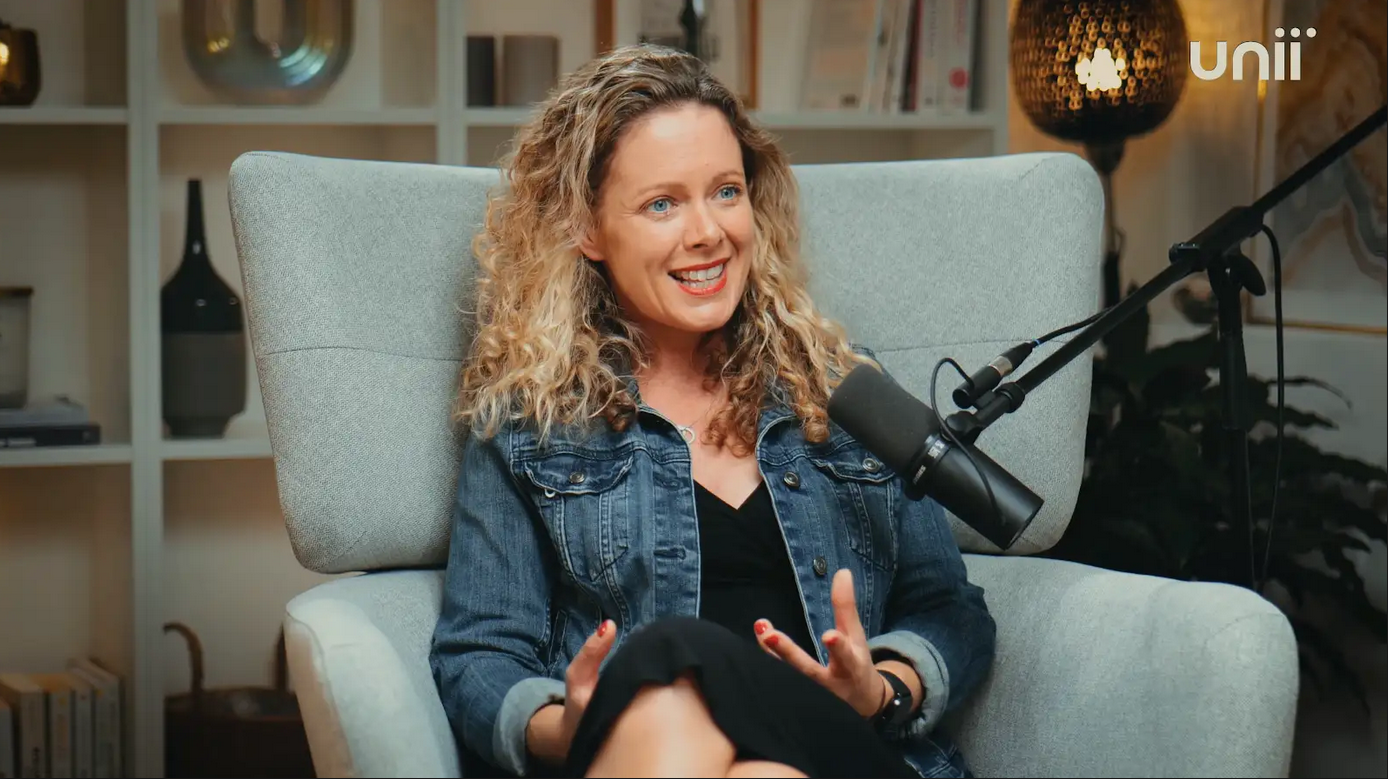
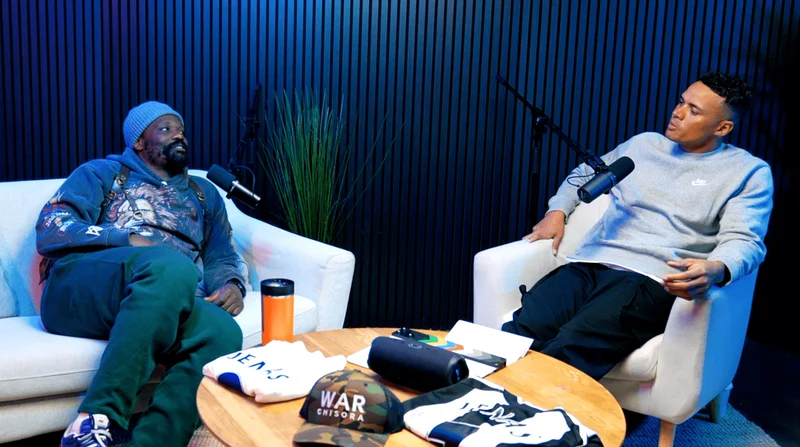
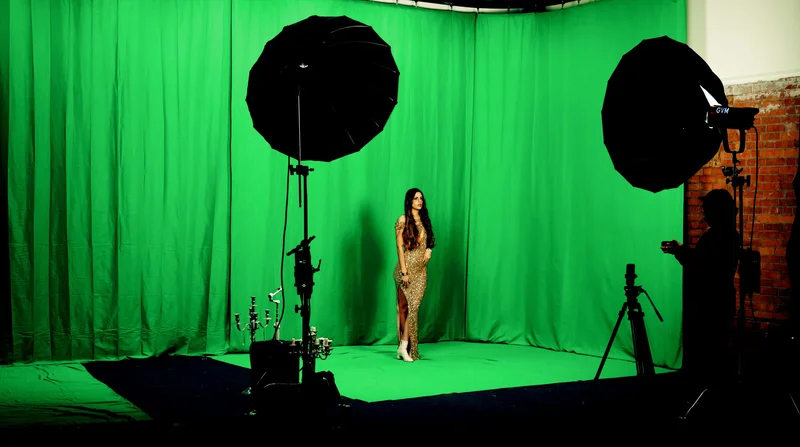
Finchley Studio (Dialogue set): book this setup for your podcast
The "Budget" tier will continue to serve the hobbyist through automation and low prices. However, the "Elite" tier must double down on the Concierge Model. By staffing studios with cross-disciplinary experts who manage risk, optimize quality, and offload the cognitive burden from the talent, a facility transforms itself from a vendor of space into a partner in production.
This strategy requires a holistic approach: investing in heavy acoustic infrastructure to defeat London's noise floor, adopting a cinema-grade video workflow to feed the "clips economy," and wrapping the entire operation in a robust legal and insurance framework that reassures the risk-averse corporate client. As the industry continues to professionalize, the studios that thrive will be those that offer not just a quiet room, but a comprehensive, anxiety-free creative ecosystem.
Summary of Strategic Recommendations (Table 1)
Competitive Landscape Analysis (Table 2)
Technical Staff Competency Framework (Table 3)
Equipment & Infrastructure Standards (Table 4)
Works cited
Podcast Studio London Rates and Policy - Finchley Studios, accessed January 15, 2026, https://www.finchley.co.uk/finchley-learning/podcast-studio-london-rates-and-policy
Cheap vs. Premium: Comparing the Top 8 London Podcast Studio Options, accessed January 15, 2026, https://www.finchley.co.uk/finchley-learning/visual-podcast/cheap-vs-premium-comparing-the-top-8-london-podcast-studio-options
Podcast Studio Central London | London Bridge | 7+ Years Trusted, accessed January 15, 2026, https://outsetstudio.com/podcast-studio-london-bridge/
London Podcast Studio | The Home of Podcasting!, accessed January 15, 2026, https://www.londonpodcaststudios.co.uk/podcast-studio-recording-faqs
Podcast Studio in London | Professional Audio & Video Services, accessed January 15, 2026, https://premierepodcaststudios.com/podcast-studio-london/
Best Podcast Studios in London (Updated for 2026), accessed January 15, 2026, https://tyxstudios.com/blog/best-podcast-studios-in-london
TYX Studios | Podcast, Music & Photography Studios in London, accessed January 15, 2026, https://tyxstudios.com/
Choosing the Right Space for Your Podcast - London Media Lounge, accessed January 15, 2026, https://londonmedialounge.co.uk/choosing-the-right-space-for-your-podcast/
Podcast Studio London for Professional Audio Engineering - Finchley Studios, accessed January 15, 2026, https://www.finchley.co.uk/finchley-learning/podcast-studio-london-for-professional-audio-engineering
Podcast Studios Explained: From Microphones to Soundproofing, accessed January 15, 2026, https://www.finchley.co.uk/finchley-learning/visual-podcast/podcast-studios-explained-from-microphones-to-soundproofing
2025 Podcast Advertising Guide: Effectiveness, Statistics & More - Ad Results Media, accessed January 15, 2026, https://www.adresultsmedia.com/news-insights/is-podcast-advertising-effective/
Podcast Trends 2025: Key Innovations Transforming the Audio World, accessed January 15, 2026, https://www.bostonbrandmedia.com/news/podcast-trends-2025-key-innovations-transforming-the-audio-world
Must-Know Podcast Statistics in 2025 - Loopex Digital, accessed January 15, 2026, https://www.loopexdigital.com/blog/podcast-statistics
Video Podcasting Equipment: How to Integrate Audio + Video in 2026 (Complete Guide), accessed January 15, 2026, https://mytranscriptionplace.com/blog/video-podcasting-equipment-how-to-integrate-audio-video-in-2026-complete-guide
How to Choose the Best Podcast Studio in London: A Complete 2025 Guide, accessed January 15, 2026, https://www.blueprintstudioslondon.com/blog/how-to-choose-the-best-podcast-studio-in-london-a-complete-2025-guide
Podcast Statistics 2025: 99+ Stats & Insights [Expert Analysis] - Marketing LTB, accessed January 15, 2026, https://marketingltb.com/blog/statistics/podcast-statistics/
London Podcast Studios Explained: What to Expect From a Premium Space, accessed January 15, 2026, https://www.finchley.co.uk/finchley-learning/visual-podcast/london-podcast-studios-explained-what-to-expect-from-a-premium-space
The Vital Role of Acoustic Treatment in Podcast Recording - Primacoustic, accessed January 15, 2026, https://www.primacoustic.com/resources/the-vital-role-of-acoustic-treatment-in-podcast-recording/
Choosing a Podcast Studio London - Finchley Studios, accessed January 15, 2026, https://www.finchley.co.uk/finchley-learning/choosing-a-podcast-studio-london
What Equipment Do I Need for a Podcast? | Guide for 2026 - TYX Studios, accessed January 15, 2026, https://tyxstudios.com/blog/guide-to-podcast-equipment
Podcast Studio in Shoreditch | East London, accessed January 15, 2026, https://outsetstudio.com/east-london-podcast-studio-shoreditch/
Best Podcast Equipment & Setup for 2026, accessed January 15, 2026, https://www.thepodcasthost.com/equipment/podcast-equipment-guide/
Best Podcast Equipment for Beginners & Pros in 2026 - All Budgets - Riverside, accessed January 15, 2026, https://riverside.com/blog/podcast-equipment
How to Record a Podcast | Podcast Audio Production Guide - TYX Studios, accessed January 15, 2026, https://tyxstudios.com/blog/how-to-record-a-podcast
What Is Cognitive Offloading? How AI Is Taking Over Our Mental Load | Taskade Blog, accessed January 15, 2026, https://www.taskade.com/blog/cognitive-offloading
Cognitive Load Theory Meets AI: Designing Better Learning Experiences - Mindsmith, accessed January 15, 2026, https://www.mindsmith.ai/blog/cognitive-load-theory-meets-ai-designing-better-learning-experiences
Why Podcasters Should Use a Professional Recording Studio, accessed January 15, 2026, https://www.finchley.co.uk/finchley-learning/visual-podcast/why-podcasters-should-use-a-professional-recording-studio
Cognitive offloading: The brain and its digital helpers, accessed January 15, 2026, https://www.ergo.com/en/radar-magazine/digitalisation-and-technology/2025/cognitive-offloading-mental-performance-digital-helpers
accessed January 15, 2026, https://lowerstreet.co/careers/podcast-audio-engineer#:~:text=An%20engineer%20will%20work%20side,story%20through%20additional%20audio%20elements.
What's the Difference Between Audio Engineers and Music Producers? - Musicians Institute, accessed January 15, 2026, https://www.mi.edu/in-the-know/whats-difference-audio-engineers-music-producers/
Podcast Production Services in London | For Brands & Creators, accessed January 15, 2026, https://tyxstudios.com/podcast-production
10 reasons to hire a podcast production company for your project, accessed January 15, 2026, https://podcastpioneers.com/post/10-reasons-to-hire-a-podcast-production-company-for-your-project/
Real Benefits of Using a Professional Studio for Podcast, accessed January 15, 2026, https://gcorpmedia.com/knowledge-center/the-real-benefits-of-using-a-professional-studio-for-podcast/
Memberships & Discounts — London Podcast Studio | The Home of Podcasting!, accessed January 15, 2026, https://www.londonpodcaststudios.co.uk/membership
Podcast Studio Membership | Qube London, accessed January 15, 2026, https://www.theqube.com/membership/podcasters
accessed January 15, 2026, https://www.lemonlight.com/blog/video-podcast-roi-turning-conversations-into-high-performing-visual-content/#:~:text=Hard%20ROI%3A%20Time%2C%20Spend%2C,57%25%20higher%20brand%20consideration
Brands, Here's How to Measure Podcast ROI, accessed January 15, 2026, https://jarpodcasts.com/brands-heres-how-to-measure-podcast-roi/
Why Does Your Brand Need a Video Podcast? - Sweet Fish Media, accessed January 15, 2026, https://www.sweetfishmedia.com/blog/why-does-your-brand-need-a-video-podcast
Video Podcast ROI: Turning Conversations Into High-Performing Visual Content, accessed January 15, 2026, https://www.lemonlight.com/blog/video-podcast-roi-turning-conversations-into-high-performing-visual-content/
Recording Studio Insurance - from £4.83 a month - Protectivity, accessed January 15, 2026, https://www.protectivity.com/product/recording-studio-insurance/
Business insurance for TV and commercial film production professionals - Hiscox UK, accessed January 15, 2026, https://www.hiscox.co.uk/business-insurance/tv-film-production
Podcaster Insurance, accessed January 15, 2026, https://modeinsurance.co.uk/podcaster-insurance/
One-off Production Insurance Packages - Williamson Carson, accessed January 15, 2026, https://williamsoncarson.co.uk/production-companies-insurance/one-off-production-insurance-companies-insurance/
Hired in Equipment Insurance | Performance Film & Media, accessed January 15, 2026, https://www.performance-insurance.com/our-cover/hired-in-equipment-insurance/
Get a licence to play live or recorded music - GOV.UK, accessed January 15, 2026, https://www.gov.uk/licence-to-play-live-or-recorded-music
Location Releases & Studio-Filming Regulations in the UK: Navigating Legal Pitfalls, accessed January 15, 2026, https://soundstagestudios.co.uk/location-releases-studio-filming-regulations-in-the-uk-navigating-legal-pitfalls/
Podcast Studios In Central London - Podshop, accessed January 15, 2026, https://www.podshoponline.co.uk/services/podcast-studio
2026 Audio Engineer vs. Music Producer: Explaining the Difference - Research.com, accessed January 15, 2026, https://research.com/advice/audio-engineer-vs-music-producer