The landscape of B2B marketing in 2026 has transitioned from the era of mass broadcasting to an era of strategic, high-precision relationship engineering. Central to this shift is the "pipeline-first" podcast, a methodology that redefines the purpose of digital audio and video content. Rather than viewing a podcast as a medium for reaching an anonymous mass audience, sophisticated London-based enterprises now utilise the recording studio as a strategic engine for business development and account-based marketing. This evolution is particularly resonant in the London market, where the global nexus of finance, technology, and media demands a sophisticated approach to attention and trust. The transition from vanity metrics, such as download counts, to value metrics, such as influenced pipeline and attributed revenue, marks the maturity of the medium from a creative hobby to a central pillar of the corporate sales funnel. Fame.so

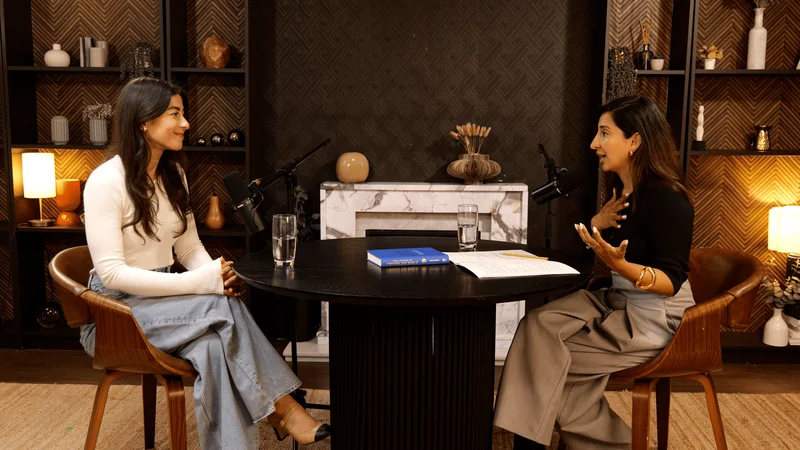
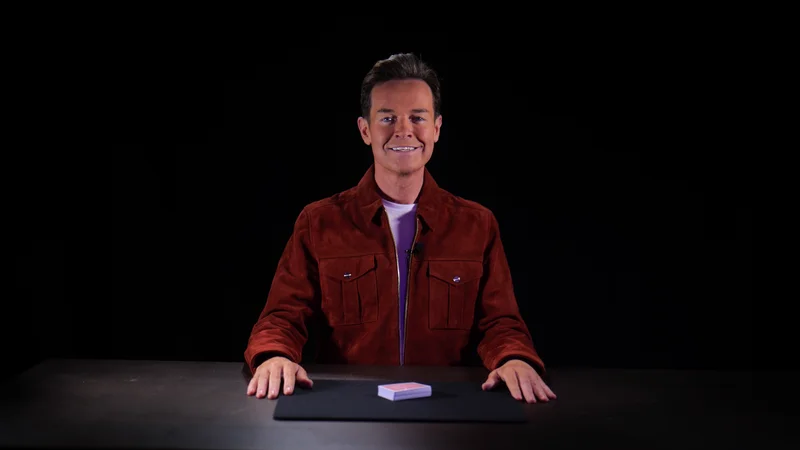
See the 'BBC Children in Need' podcast setup used by Dr Julie from BBC at Finchley Studio (Lounge setup). Book this setup for your podcast
The Strategic Framework of Pipeline-First Podcasting
The fundamental disconnect in traditional B2B podcasting often stems from a lack of alignment between content production and revenue targets. Most programmes launch with vague objectives such as "thought leadership" or "brand awareness," which frequently serve as excuses for poor performance in the eyes of the boardroom. A pipeline-first strategy, however, ruthlessly aligns every guest invitation, topic choice, and distribution channel with the company's ideal customer profile (ICP) and specific revenue goals. The objective is not to find an audience for the content, but to use the content as a vehicle to build high-trust relationships with named accounts. Fame.so
The Shift from Audience to Relationship
In the high-stakes environment of London's professional services and SaaS sectors, the value of a single qualified conversation with a C-suite executive far outweighs the benefit of thousands of anonymous listeners. Pipeline-first podcasting operates on the principle that the interview itself is the primary sales tool. By inviting a high-value prospect to be a guest in a premium London podcast studio, a brand initiates a relationship built on collaboration rather than solicitation. This "high-trust" medium allows for a 45-minute deep-dive conversation that would be impossible to secure through traditional outbound sales methods. Finchley Studios
|
Strategy Component |
Traditional Podcasting |
Pipeline-First Podcasting |
|
Primary Goal |
Audience growth and downloads. |
Relationship building and pipeline. |
|
Guest Selection |
Industry influencers and celebrities. |
Prospects, customers, and strategic partners. |
|
Success Metric |
Monthly downloads and CPM. |
Influenced pipeline and attributed revenue. |
|
Content Focus |
Broad industry topics. |
Specific pain points of the ICP. |
|
ROI Timeline |
Long-term (12-24 months). |
Short-term (90-day relationship cycles). |
Research indicates that approximately 38% of business leaders utilise podcasts specifically to inform their procurement decisions. Furthermore, when podcast activities are directly connected to revenue outcomes, the results are quantifiable. For example, a cybersecurity firm that aligned its guest strategy with a $2 million quarterly pipeline goal reported $680,000 in attributed pipeline within just four months, with 40% of that value originating directly from relationships initiated during the recording process. Fame.so
Integrating Podcast Analytics with the Revenue Stack
The maturity of London podcast production in 2026 is reflected in the sophistication of its measurement. Traditional metrics tell a team who pressed play, but they do not identify who is writing the cheques. Fame.so A pipeline-first approach requires the integration of podcast engagement data with the corporate CRM (Customer Relationship Management) system. This allows for the tracking of "Influenced Pipeline"—opportunities where decision-makers engaged with podcast content before entering the formal sales process—and "Attributed Revenue," which captures closed-won deals where podcast touchpoints played a documented role. Fame.so
|
Key Revenue Metric |
Definition |
Impact on Strategy |
|
Influenced Pipeline |
Deals where decision-makers engaged with content. |
Validates content relevance to the ICP. |
|
Attributed Revenue |
Closed deals with documented podcast touchpoints. |
Provides direct proof of ROI to the CFO. |
|
Guest-to-Opportunity Rate |
Percentage of guests who become sales opportunities. |
Refines the guest sourcing process. |
|
Content Mileage Ratio |
Number of social assets derived from one session. |
Measures operational efficiency of the studio. |
For enterprise deals with 6-12 month cycles, influenced pipeline tracking reveals the true impact of the medium. A Chief Financial Officer who listens to three episodes and shares one internally is assigned a higher engagement score than an anonymous downloader. This data allows sales teams to prioritise accounts based on genuine engagement rather than mere proximity. Fame.so
Search Intent and the London Multimedia Landscape
Selecting a podcast studio in London is no longer a simple search for a quiet room; it is a search for a broadcast environment that validates a brand's authority. The query "podcast studio London" represents a diverse spectrum of user journeys, each with distinct psychological motivations and technical requirements.

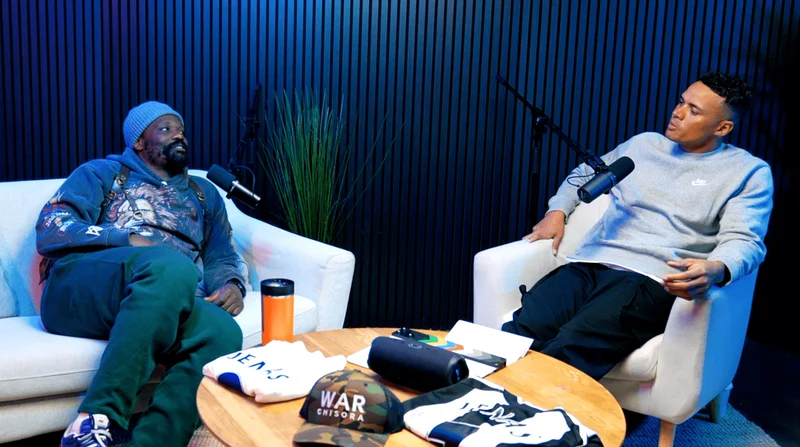
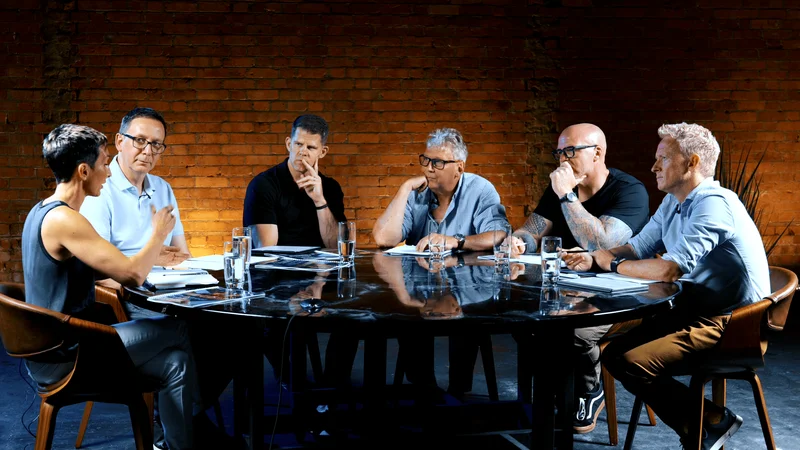
Finchley Studio (Dialogue set): book this setup for your podcast
Identifying the Visual Authority Seeker
The primary target for high-end multimedia production facilities is the "Visual Authority" seeker. This user is typically a brand leader or marketing executive who is terrified of appearing amateurish in a saturated market. They benchmark their desired output against high-status programmes like "The Diary of a CEO" or "The Joe Rogan Experience". Their primary concern is not the specific brand of microphone used, but the visual "status" conveyed by the video. They seek a video studio that offers texture and high-end design elements, such as exposed brickwork, neon signage, tailored lighting, and professional set dressing. Finchley Studios
The Logistical Pragmatist and City Friction
In a city as geographically complex as London, logistical ease is often the deciding factor in studio selection. The "Logistical Pragmatist" values convenience and time-efficiency as much as technical quality. They have likely experienced the friction of Central London—the stress of the Congestion Charge, the difficulty of transporting heavy equipment on the Underground, and the exorbitant costs of parking in areas like Soho or Shoreditch. For these users, a studio hire London option that explicitly markets its "logistical ease"—such as on-site parking, ground-floor access, and a location outside the Congestion Charge zone—becomes a massive differentiator.
|
User Persona |
Key Keywords |
Primary Motivation |
|
Visual Authority Seeker |
4K video studio, set design London, corporate podcast. |
Brand prestige and professional validation. |
|
Logistical Pragmatist |
Studio with parking, North London studio, accessible studio. |
Convenience, time-saving, and stress reduction. |
|
Transactional Utility Seeker |
Cheap podcast studio, self-service booth, room hire. |
Price sensitivity and basic functionality. |
The "Transactional Utility" seeker views the studio as a commodity. While they search for the lowest price point—often around £30 per hour—they frequently underestimate the technical complexities involved in 4K video lighting and file management. High-end facilities often frame these budget, self-service options as "high risk," highlighting how the inclusion of a professional engineer serves as an insurance policy against lost files or poor audio quality.
The London Logistical Equation: Location as Strategy
London is a city of distinct "villages," and the friction of transport significantly influences the success of a pipeline-first podcast. If a guest—who may be a high-net-worth individual or a busy executive—finds the journey to the studio stressful, it will negatively impact the quality of the interview and the resulting relationship.
The Central London Bottleneck
Traditional media hubs like Soho (W1) and Shoreditch (E1) offer prestige but impose a significant "access tax" on production. Driving into the Congestion Charge zone costs £15 daily, while the Ultra Low Emission Zone (ULEZ) adds another £12.50 for non-compliant vehicles. Parking in these areas is notoriously difficult and expensive; on-street rates in Westminster can exceed £8 per hour, and daily rates in secure car parks often surpass £50. A four-hour recording session can easily incur £70 in hidden logistical costs before a single microphone is switched on.
The North London Advantage
In contrast, studios located in the North London "Creative Arc"—areas like Finchley or Barnet—offer a logistical haven. By providing free or low-cost parking and ground-floor access, these facilities remove the cognitive load associated with Central London travel. A stressed guest gives a poor interview; a guest who can drive to the door and be greeted with a professional concierge experience is far more likely to engage in the high-value conversation required for a pipeline-first strategy. Finchley Studios
|
Cost Factor |
Central London (Soho/Shoreditch) |
North London (Finchley/Barnet) |
|
Congestion Charge |
£15.00 |
£0.00 |
|
ULEZ (If applicable) |
£12.50 |
£0.00 |
|
Parking (4 Hours) |
£32.00 - £60.00 |
£0.00 - £5.00 |
|
Estimated Access Tax |
£44.50 - £87.50 |
£0.00 - £5.00 |
Furthermore, the "Tube Rumble"—the structure-borne vibration from London's underground network—is a persistent threat to audio quality in Central London lofts. Professional recording studio facilities must invest in "room-within-a-room" construction and floating floor sections to decouple the recording space from the city's subterranean vibrations, ensuring a "noise floor" that meets broadcast standards.
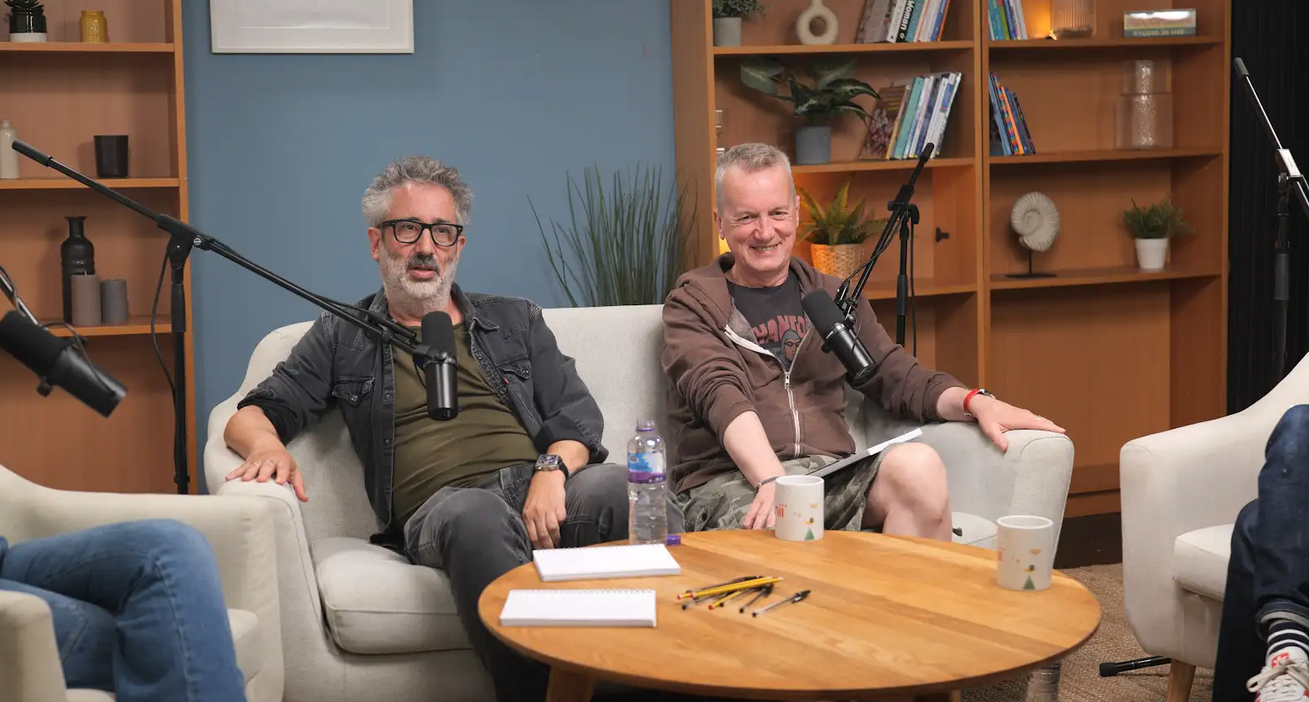
Finchley Studio (Lounge set): book this setup for your podcast
Technical Excellence: The 2026 Production Standard
In the "video-first" era, the technical specification of a studio is the differentiator between a "Zoom room" and a genuine production facility. For a pipeline-first podcast, the quality of the visual asset is paramount for social media repurposing and YouTube discoverability. Finchley Studios
The Visual Stack: Sony Cinema Line and 4K Capture
The industry standard for visual podcasting in 2026 is defined by the Sony Cinema Line, particularly the FX6 and FX3 models. These cameras are preferred for their ability to shoot in 4K resolution for extended periods without overheating, and their full-frame sensors which deliver the "lush" and "cinematic" depth of field that conveys brand authority. Sony
|
Equipment Category |
Industry Standard (2026) |
Benefit to the Creator |
|
Main Cameras |
Sony FX6/FX3 |
Cinematic 4K visuals and skin tone accuracy. |
|
Secondary Camera |
Sony FX30/ZV-E1 |
AI-powered auto-framing for vertical clips. |
|
Microphones |
Shure SM7B / EV RE20 |
Urban noise rejection and broadcast warmth. |
|
Vision Mixer |
ATEM Mini Extreme ISO |
Real-time multi-cam switching and instant editing. |
|
Lighting |
Aputure / Godox LED |
DMX-controlled, flicker-free, adjustable colour. |
The Sony FX6 is often used for "hero" shots due to its built-in electronic ND filters and SDI output, which fits seamlessly into professional studio workflows. The FX3, being palm-sized, is ideal for tight multi-camera setups where unobtrusive equipment is necessary to keep the guest at ease. Sony For studios offering live streaming, these cameras are often paired with bonded internet connections to ensure stream stability, bypassing the unreliability of standard Wi-Fi. Finchley Studios
The Audio Chain: Rejecting the Urban Soundscape
London's sonic signature—characterised by sirens, aircraft, and traffic—requires a specific approach to microphone selection. The Shure SM7B remains the "gold standard" because its dynamic cardioid pattern and internal shock mounting are designed to reject off-axis noise and electromagnetic hum. Castos For guests who move around, the Electro-Voice RE20 is preferred due to its "Variable-D" technology, which eliminates the proximity effect and ensures a consistent sound regardless of the guest's distance from the microphone. Castos
The use of balanced XLR cables is a non-negotiable standard in professional recording studios. These cables utilise two signal wires and a ground wire to protect against the massive electronic interference found in a city as technologically dense as London. Riverside.fm High-end facilities also provide "Cloudlifters" or high-gain preamps (like those in the Zoom F8n Pro) to ensure these low-output dynamic microphones have a clean, noise-free signal. Castos
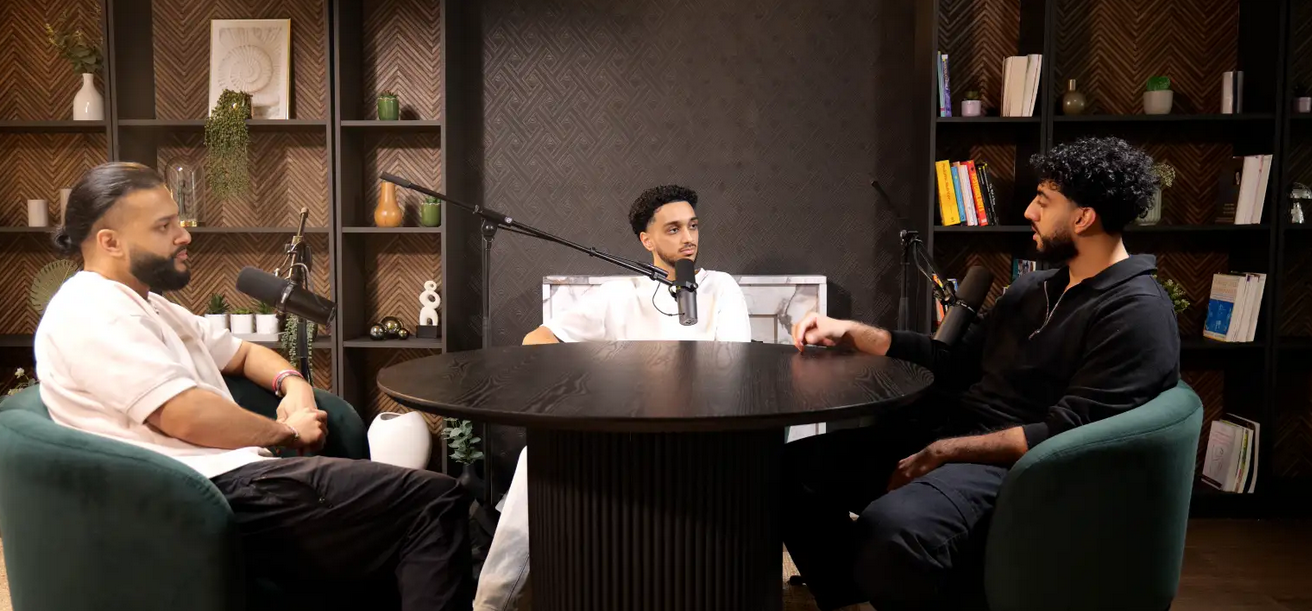
Finchley Studio (CEO Set): book this setup for your podcast
The Economics of Studio Hire: Tiers and Transparency
The London studio market in 2026 is stratified into distinct tiers. Understanding these tiers is essential for creators to avoid the "data traps" and hidden surcharges that can derail a production budget. Finchley Studios
|
Service Tier |
Hourly Rate |
Expected Features |
|
Tier 1: Budget / Dry Hire |
£30 - £60 |
Room only; unstaffed; bring-your-own gear/SD cards. |
|
Tier 2: Standard Professional |
£70 - £120 |
Engineer included; Shure SM7B; 4K Sony cameras. |
|
Tier 3: Premium / Full-Service |
£150 - £300+ |
Senior producer; multi-cam switching; luxury green room. |
|
Tier 4: Membership Model |
£100/mo base |
Discounted rates; community access; co-working space. |
The "Total Cost of Production" (TCP) often exceeds the advertised hourly rate. For example, some Shoreditch studios advertise a low "room rate" of £50 per hour but add a £45 "file transfer fee" if the client does not provide their own SD cards. Others may charge an "engineer surcharge" of £30 per hour, which is often mandatory for video sessions. Professional facilities in 2026 are moving toward "all-in" pricing to build trust with corporate procurement teams. Finchley Studios
The Data Logistics of 4K Video
In the age of 4K video, data handling is a significant operational hurdle. A one-hour session using three 4K cameras can generate between 100GB and 200GB of ProRes data. High-end London studios now offer instant file delivery via high-speed fibre connections, allowing the production team to leave the studio with their "rushes" already uploading to the cloud. This avoids the delay and expense of physical hard drive transfers.
Content Repurposing: The "Shoot Once, Publish Everywhere" Engine
A pipeline-first podcast is the "anchor" for a broader content ecosystem. The real ROI of a studio session is realised in the weeks following the recording, as the long-form interview is atomised into dozens of high-value social assets. Finchley Studios
The Multi-Platform Distribution Loop
YouTube has surpassed Spotify and Apple Podcasts as the primary destination for podcast discovery, used by 33% of weekly listeners in 2026. Podcast.co Consequently, every London podcast production must be "video-first." A single 45-minute interview in a professional video studio should ideally generate:
- One Long-Form Episode: High-quality 4K video for YouTube and high-fidelity audio for RSS feeds.
- 3 to 8 Short-Form Clips: Vertical 9:16 videos optimised for LinkedIn, TikTok, and Instagram Reels. Studios using 6K cameras allow editors to crop a vertical slice from a horizontal frame without losing HD quality.
- One SEO-Optimised Blog Post: A detailed summary or transcript that targets specific search keywords to capture "Zero-Click" searches. Whitehat SEO
- Three to Five Social Posts: Quote cards and "talking head" snippets for LinkedIn to drive engagement with target accounts. Scrappy ABM
Creators who treat their show as a system rather than a single file are best positioned to grow. This "repurposing habit" ensures that the investment in a professional studio is multiplied across all marketing channels. Podcast.co
AI Integration in the 2026 Workflow
Artificial Intelligence is no longer an experiment; it is a standard component of the studio workflow. AI-assisted tools are used for "show packaging"—generating titles, chapters, and summaries that are extractable by generative search engines. Podcast.co Furthermore, real-time AI audio enhancement is being integrated into studio consoles to clean up background noise during live streams, while "Super-Resolution" upscaling can improve the machine-readability of text overlays in video content.
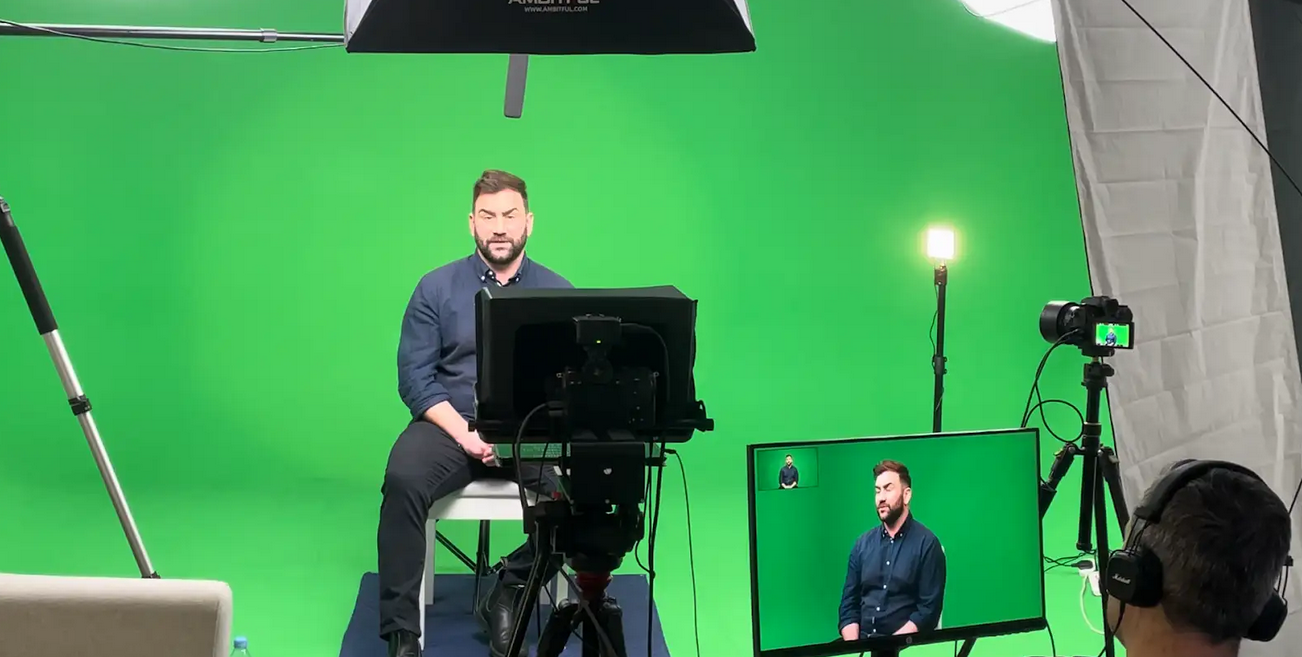
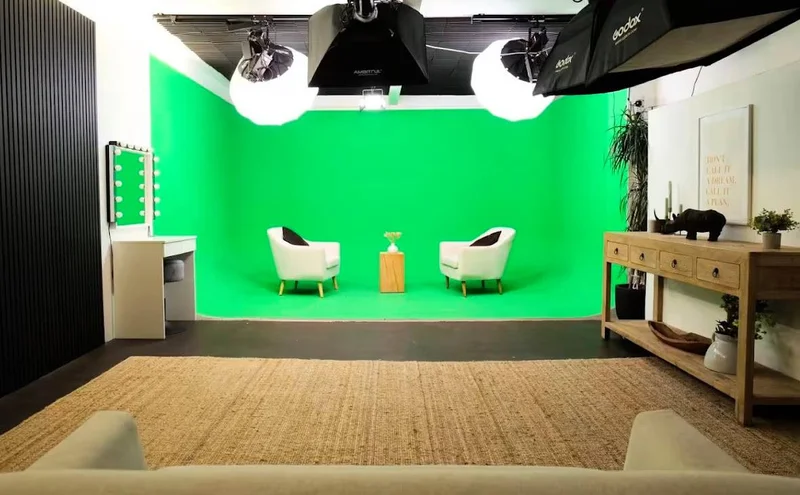
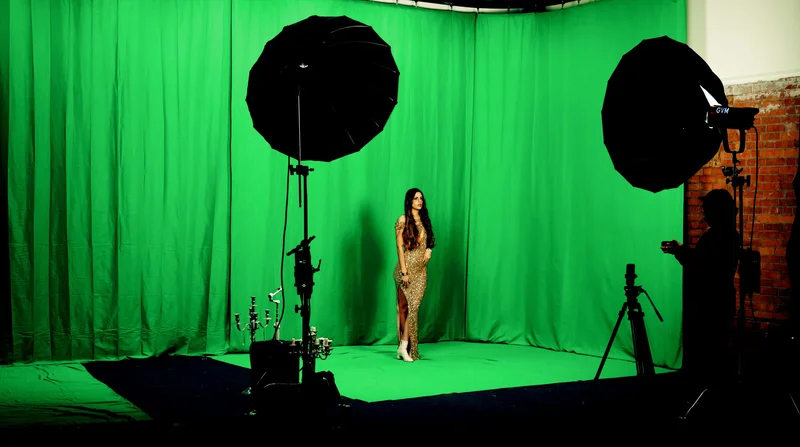
Finchley Studio (Green Screen Cove): book this setup for your podcast
Operational Logistics and Client Experience (CX)
For high-net-worth guests and corporate executives, the technical specifications are merely "hygiene factors." The true differentiator is the "Client Experience"—the soft infrastructure of hospitality and professionalism that surrounds the production.
The Concierge Model and Inclusivity
Leading multimedia production facilities in London have adopted the "Concierge" model, adapting principles from the luxury hospitality sector. This includes:
- Acoustic Isolation and Comfort: A room with controlled reverb and low noise is less over-stimulating for neurodiverse guests. Lighting must be dimmable and free of flicker (using high-refresh-rate LEDs) to prevent sensory overload. Finchley Studios
- Accessibility: While many Soho lofts lack lifts, a modern facility must offer step-free access and wide doorways (min 926mm) to accommodate diverse mobility needs.
- Health and Safety: Post-2020, high-flow rate air extraction systems and negative pressure environments have become the standard to ensure the well-being of guests in soundproofed rooms. Finchley Studios
- Data Security: For corporate clients, proof of Public Liability Insurance and GDPR-compliant data handling frameworks are essential for procurement approval.
The Aesthetic of Retention: 2026 Design Trends
The "Visual Authority" seeker is increasingly moving away from the "gritty" industrial aesthetic of early podcasting. The 2026 standard for studio design focuses on "The Aesthetics of Retention," including:
- Limewash Walls: Providing a high-end, textured background that looks premium on 4K cameras.
- Slatted Wood Panels: Combining acoustic diffusion with a modern, organic visual style.
- Intelligent Neon: Customisable lighting that can be branded with a client's colours at the touch of a button. Finchley Studios
Case Studies: B2B Networking and Revenue Growth
The power of the pipeline-first model in London is best illustrated through real-world applications in high-competition sectors.
Case Study: The Cybersecurity Account-Based Podcast
A London-based cybersecurity firm transitioned from a generic "thought leadership" podcast to a targeted account-based strategy. By proactively inviting CISOs (Chief Information Security Officers) from their top 50 target accounts as guests, they moved the medium from a marketing expense to a sales catalyst. The result was a 40% contribution to their quarterly pipeline from guest relationships alone, with three enterprise deals worth $340,000 closed within nine months. Fame.so
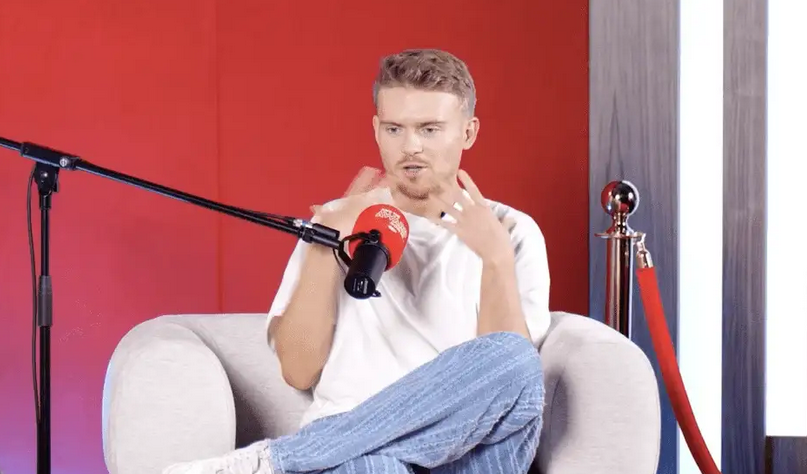
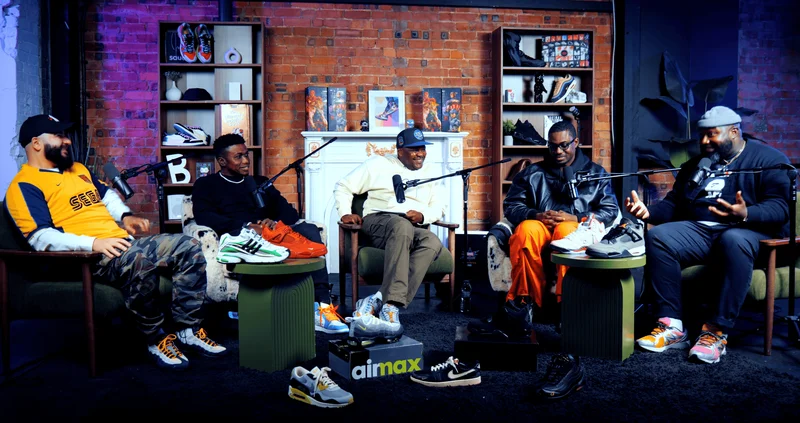
Finchley Studio (The Brick Studio): book this setup for your podcast
Case Study: Professional Service Authority in Shoreditch
A tax consultancy service, RCK Partners, utilised a professional studio in Shoreditch to produce "She Does Tech," a programme spotlighting women in technology. By hosting industry leaders—including the Head of FinTech for the UK Government—the firm built a network of high-value connections that positioned them as a central authority in the London tech ecosystem.
Case Study: The SaaS "Money Cluster" Strategy
A SaaS company utilised a "Money Cluster" approach, where one pillar podcast episode was supported by 6-10 pieces of content targeting specific buyer objections and "jobs-to-be-done." This systematic repurposing led to a 3.7x higher content ROI, with the podcast directly influencing 22% of new logo acquisitions in its first year. Fame.so
Frequently Asked Questions
How much does it cost to hire a podcast studio in London?
Pricing varies wildly based on service levels. Budget self-service booths typically range from £25 to £60 per hour. Standard professional studios with a dedicated engineer and 4K cameras usually cost between £70 and £120 per hour. Premium, full-service facilities offering luxury amenities and live-switching can exceed £150 to £300 per hour. Always check if the rate includes file transfer and if VAT is included in the quoted price.
Do I really need an engineer for my podcast recording?
While self-service is possible for those with high technical proficiency, an engineer acts as an "insurance policy." In a professional London podcast production, an engineer manages the gain levels, monitors for "Tube Rumble" or external sirens, and ensures the 4K video is properly exposed and backed up. For high-stakes B2B interviews where the relationship with the guest is the priority, an engineer allows the host to focus entirely on the conversation. Finchley Studios
What is a "Pipeline-First" podcast?
It is a B2B podcast strategy where the primary goal is not audience size, but relationship building with specific target accounts. By inviting prospects as guests, companies use the recording studio as a neutral, high-trust environment to initiate a sales cycle. Success is measured in influenced pipeline and attributed revenue rather than download counts. Fame.so
Why is video so important for podcasts in 2026?
YouTube is now the world's most used platform for podcasting. Podcast.co Video podcasts foster a stronger emotional connection and allow for the creation of short-form "vertical" clips (Reels/TikTok/LinkedIn), which are the primary drivers of discovery in 2026. Finchley Studios A video studio setup with 4K cameras (like the Sony FX6) is now the benchmark for brand authority. Sony
Is there parking available at London studios?
Parking is one of the biggest pain points for creators. Central London studios (Soho/Shoreditch) rarely offer on-site parking and are subject to the £15 daily Congestion Charge. Studios in North London (Finchley/Barnet) often dominate the "logistical ease" niche by offering free or low-cost parking and ground-floor access, which is a significant draw for high-value guests.
Conclusion: The Strategic Choice of a London Production Partner
The evolution of the "pipeline-first" podcast represents a fundamental maturing of the medium. In 2026, the podcast is no longer a side project; it is the anchor of a brand's authority and a primary tool for high-value account acquisition. Success in the London market requires a sophisticated balance between technical excellence, logistical pragmatism, and a revenue-aligned strategy.
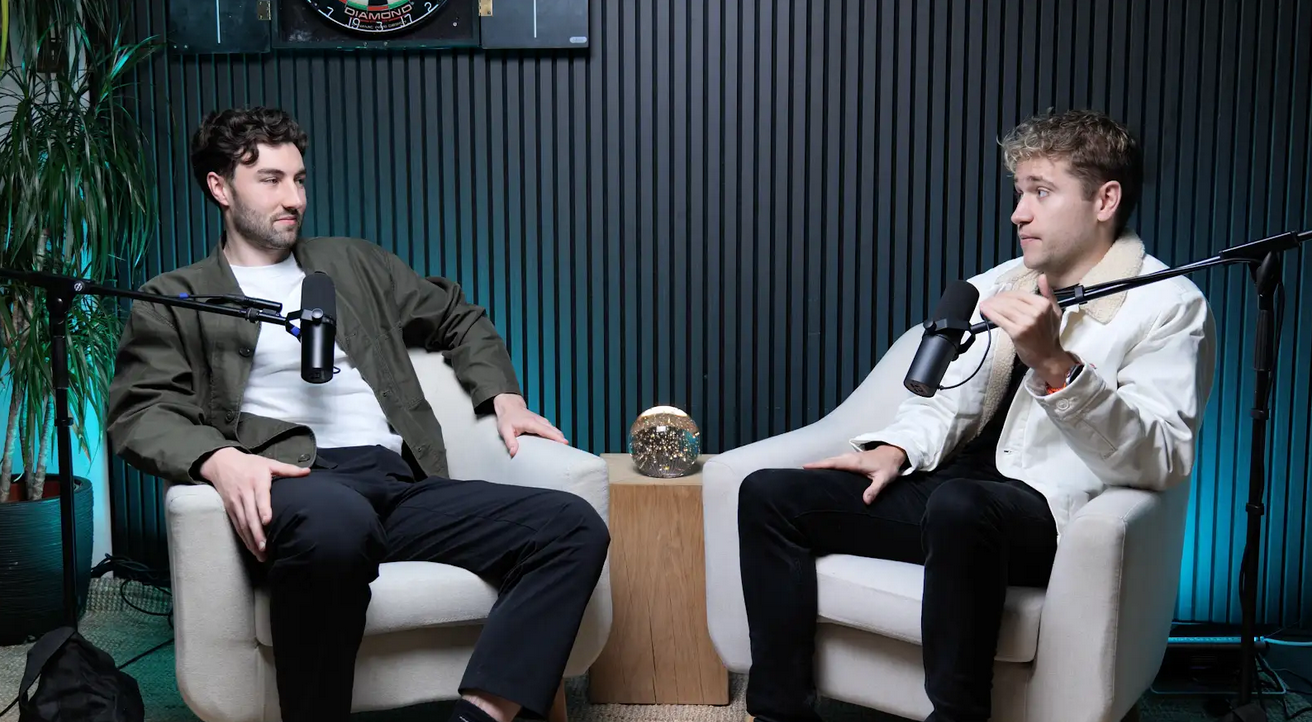
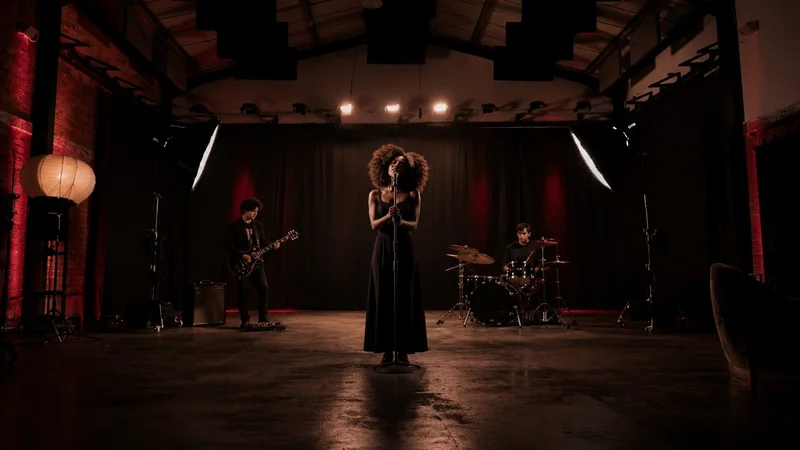
Finchley Studio (Blackwood): book this setup for your podcast
Summary of Key Insights
- Revenue over Reach: A single qualified conversation with a prospect in the studio is worth more than 10,000 anonymous downloads. Align your guest list with your ICP. Fame.so
- Visual Authority is Mandatory: YouTube and short-form video are the primary discovery engines. Invest in a studio with a Sony Cinema Line stack and professional set design to validate your brand.
- Logistics impact Performance: The friction of Central London can derail an interview. Prioritise studios that offer "logistical ease"—on-site parking, ground-floor access, and locations outside the Congestion Charge zone.
- Acoustics are an Engineered Product: Ensure your studio uses "room-within-a-room" construction to reject London's "Tube Rumble" and street noise.
- Repurpose for ROI: A 45-minute studio session should fuel a month of content across YouTube, LinkedIn, and TikTok. Treat your show as a multi-platform system. Podcast.co
The choice of a multimedia production facility is a high-stakes operational decision. By prioritising "Smart Accessibility," rigorous acoustic engineering, and a hospitality-led experience, brands can safeguard their production quality and ensure their message cuts through the noise of the digital landscape.