In the highly demanding disciplines of acoustic engineering, broadcast media, and high-fidelity sound reproduction, the integrity of the audio signal serves as the foundational metric of success. Whether capturing the nuanced transient response of a symphony orchestra or recording the intimate, spoken-word dynamics in a modern Podcast studio, the equipment chain is only as robust as its weakest link. Historically, profound attention and vast financial resources have been lavished upon microphones, preamplifiers, digital-to-analog converters, and loudspeakers. Yet, the physical conduits connecting these discrete components—the cables—are frequently relegated to an afterthought, dismissed by some practitioners as passive, perfectly transparent pipelines. Scientific analysis and empirical measurement, however, reveal a vastly different reality. Cables are not merely neutral conduits; they are complex electronic components possessing intrinsic electrical properties that actively shape, filter, and potentially degrade the signals passing through them.

See the 'BBC Children in Need' podcast setup used by Dr Julie from BBC at Finchley Studio (Lounge setup). Book this setup for your podcast
The debate surrounding high-end cabling often oscillates between subjective audiophile mysticism and rigid, reductionist skepticism. However, when grounded in the rigorous disciplines of physics, metallurgy, and electromagnetism, it becomes unequivocally clear that superior cable design significantly impacts signal fidelity (Ricable).
This comprehensive report examines the physical principles of audio transmission, the material science of conductors and dielectrics, and the profound impact of electromagnetic interference (EMI) within dense urban environments. By analyzing the rigorous infrastructural requirements of a professional Recording studio, evaluating the high-bandwidth digital demands of a contemporary Video studio, and assessing the specific acoustical and electrical challenges inherent to operating a London podcast studio, this document establishes a definitive, science-based consensus on why high-end cabling is an operational necessity rather than a luxury. The analysis will demonstrate that in the realm of high-fidelity audio and video production, cables are active components that fundamentally shape the sonic and visual signature of the final broadcast product.
The Physics of Audio Signal Transmission
To fully comprehend why cables impact sound quality, one must transition from simplified, introductory models of electricity to the precise realities of electromagnetic physics. An audio signal is an alternating current (AC) representing complex, multi-frequency waveforms typically ranging from 20 Hz to 20,000 Hz, with harmonic overtones extending far beyond the limits of human hearing. The transmission of these impulses must preserve maximum signal integrity while minimizing external interference. The fidelity of this transmission is governed by three primary reactive and resistive parameters: Resistance, Capacitance, and Inductance.
Electrical Resistance and the Joule Effect
Electrical resistance is a scalar physical quantity that measures a conductor's opposition to the flow of electric current. For a cylindrical conductor, such as an audio or speaker cable, resistance is mathematically defined by the relationship:
$R=\rho\frac{L}{S}$
Where $P$ represents the electrical resistivity of the specific material used, $L$ is the physical length of the cable, and $S$ is the cross-sectional area of the conductor. Resistance is arguably the most fundamental factor affecting the timbre, detail, and low-frequency clarity of sound. A small cross-sectional area increases resistance due to two primary phenomena: electron repulsion, where negatively charged electrons repel each other when compressed into a tight space, and scattering, where electrons collide with the crystalline lattice of the conductor, altering their optimal trajectory (Ricable).
In the context of speaker cables, where high current must be delivered from an amplifier to a low-impedance acoustic load (typically 4 to 8 ohms), series resistance is the paramount engineering concern. High series resistance severely reduces the amount of power delivered to the speaker driver and negatively influences the amplifier's damping factor. The damping factor is the ratio of the load impedance to the amplifier's internal output impedance. A compromised damping factor leads to a loss of electromechanical control over the speaker's woofer cone, resulting in resonant overhang, which translates audibly to "muddy" or poorly defined low frequencies. Furthermore, the presence of resistance generates heat through the Joule effect, where the power dissipated is calculated as $P=R\cdot I^{2}$ (Ricable). Consequently, high-end audio manufacturers meticulously minimize resistance by utilizing exceptionally high-purity materials and optimal wire gauges, ensuring the signal remains intact and dynamically lossless throughout its journey (Ricable).
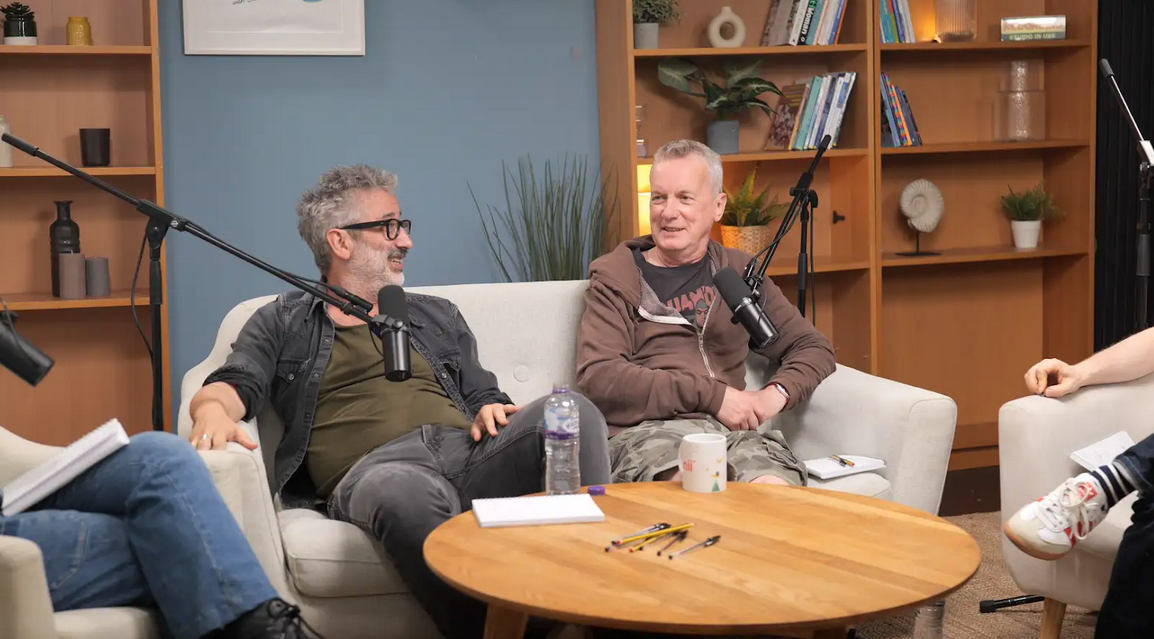
Finchley Studio (Lounge set): book this setup for your podcast
Capacitance: The Storage Dilemma
Capacitance, measured in Farads (F), quantifies the ability of a conducting body to temporarily accumulate and store an electrical charge when subjected to an electric potential difference. In an unbalanced audio cable, the central conductor and the outer shield act as the parallel plates of a capacitor, separated by the insulating material, which functions as the dielectric. For parallel cylinders, which represents the typical geometry in balanced audio cables, capacitance is determined by the formula:
$C=\pi\epsilon\frac{l}{arcosh(\frac{d}{2R})}$
Where $l$ is the length of the cable, $d$ is the distance between the conductors, $R$ is the radius of the conductors, and $\epsilon$ is the relative permittivity (dielectric constant) of the insulating material (Ricable).
In alternating current circuits, excessive capacitance acts as a parasitic low-pass filter. It causes frequency-dependent phase shifts in the signal and essentially "dampens" or rolls off high-frequency information. This results in a smearing of the audio signal, destroying the crisp transient attacks, the harmonic decay of cymbals, and the perceived "air" or spatial dimensionality that characterizes high-fidelity analog recordings. To combat this storage dilemma, premium cable manufacturers utilize specialized insulation materials—such as cross-linked polyethylene or foamed Teflon—with exceptionally low dielectric constants (Ricable). By combining advanced dielectrics with precise geometric spacing between conductors, high-end cables preserve the integrity of high-frequency details, allowing the audio to remain clear and dynamically responsive (Ricable).
Inductance: The Magnetic Influence
Inductance, measured in Henries (H), dictates a cable's inherent resistance to rapid changes in current flow due to the magnetic field generated around the conductor. According to Lenz's Law, a variation in current over time induces an electromotive force (EMF) that actively opposes the change. In an audio cable conveying complex, rapidly changing musical waveforms, the energy stored within this inductive system is mathematically expressed as $W=\frac{1}{2}Li^{2}$.
Inductance inevitably interacts with a cable's inherent capacitance to form a resonant LC circuit. This parasitic circuit can dramatically color the sound by subtly accentuating certain frequencies while attenuating others. High inductance specifically hinders the rapid transmission of high frequencies and transient peaks. The physical length of the cable exacerbates this effect; a 20-foot instrument cable inherently possesses higher inductance than a 3-foot patch cable simply because there is more physical material for the signal to pass through, creating a larger magnetic field. Conductor size and overall geometry also play crucial roles; thicker conductors provide a larger surface area for high-frequency signal flow (due to the skin effect), reducing inductance. Furthermore, coaxial and star-quad designs inherently feature lower inductance due to their concentric and symmetrical conductor arrangements, which facilitate magnetic field cancellation.
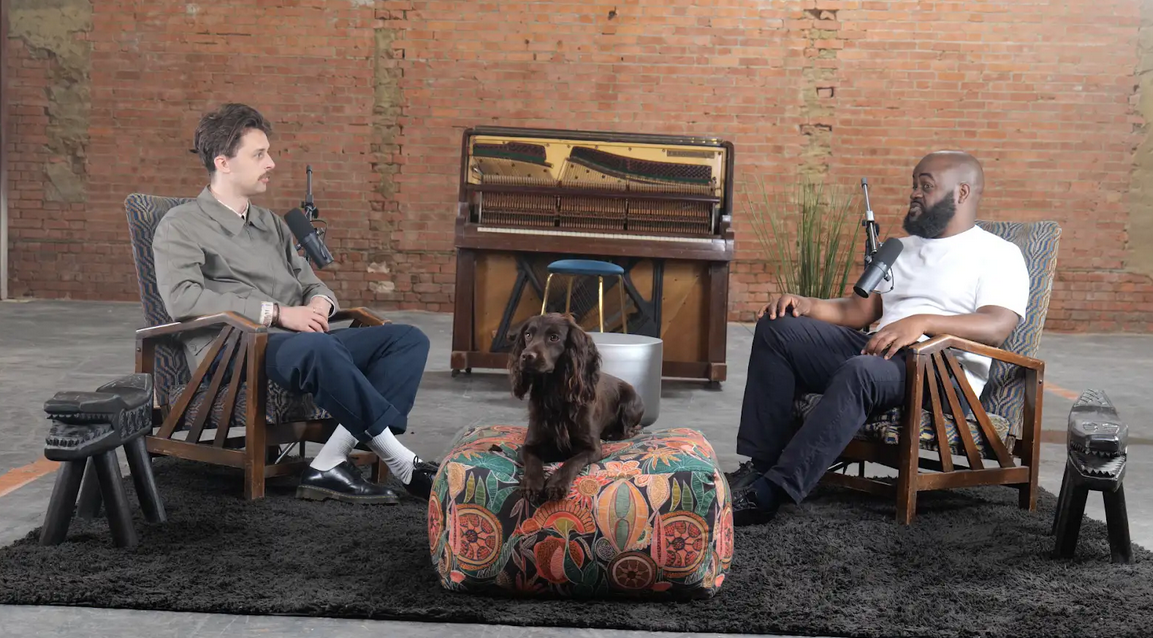
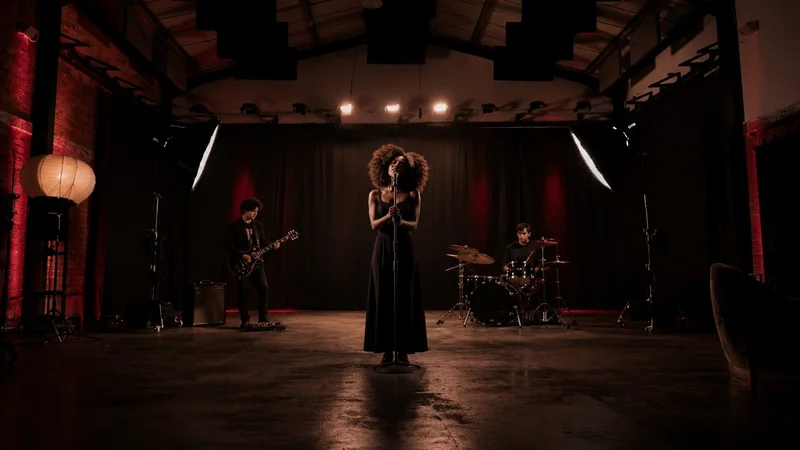
Finchley Studio (The Brick Studio): book this setup for your podcast
When these three fundamental factors—Resistance, Capacitance, and Inductance—are combined within an alternating current regime, they form the total Impedance (Z) of the cable, defined mathematically as $Z=R+jX$ where $X$ is the complex reactance (Ricable).
The Waveguide Model of Electromagnetic Energy
For decades, the standard "water in a pipe" analogy was deployed to describe audio transmission, operating on the assumption that electrical energy travels strictly inside the positive conductor and returns via the negative conductor. However, modern physicists and leading acoustic engineers, such as Dr. Malcolm Hawksford in his seminal "Essex Echo - Unification Tracks 1-4" papers, apply the vastly more accurate waveguide model of electromagnetic propagation. This advanced model demonstrates that electromagnetic energy actually flows between the conductors, guided by the dielectric material, rather than exclusively inside the metal wire itself.
This paradigm shift is critical to understanding cable performance. The simplistic R, C, L parameters are often derived from gross mathematical assumptions that fail to account for the highly complex, low-frequency circuit analysis required for precise physics applications in high-end audio. High-end cable manufacturers engineer their products with this waveguide model in mind, optimizing the dielectric properties and the electromagnetic field propagation to achieve unparalleled sonic transparency.
Material Science: Conductors, Plating, and Dielectrics
The physical composition of a cable establishes its absolute baseline performance limit. In high-stakes commercial environments, such as a Recording studio london, the choice of raw materials dictates not only the sonic signature of the recordings but also the mechanical longevity of the studio's infrastructural investments.
Conductor Metallurgy: Copper vs. Silver
The core conductive material of almost all professional audio cables is copper. Standard commercial cables typically use Electrolytic Tough Pitch (ETP) copper, which boasts a purity of 99.9% to 99.95%. While adequate for consumer applications, high-end cables elevate this standard by exclusively utilizing Oxygen-Free Copper (OFC). OFC undergoes a stringent metallurgical refining process that removes microscopic oxygen impurities, resulting in a cleaner, more uniform crystalline structure. This highly pure material offers superior conductivity, minimal signal loss, significantly reduced inter-granular distortion, and excellent resistance to internal corrosion over extended periods (Decker & Sons). Sonically, high-purity copper is highly prized by audio engineers for delivering a balanced, warm, natural, and smooth sound, making it the industry standard for general tracking and mixing applications (Decker & Sons).
Silver, however, is the most conductive metal on earth, marginally surpassing even the purest copper (Decker & Sons). Consequently, pure silver or silver-plated copper cables provide extraordinary high-frequency performance and rapid transient response. In critical listening environments, silver cables are often described as yielding a brighter, more clinically precise, and highly detailed sonic characteristic (Decker & Sons). However, silver presents specific chemical and mechanical challenges. While it oxidizes just like copper, silver oxide remains a highly effective electrical conductor (audioG Magazine). This means that while a silver cable may tarnish cosmetically over time, it will continue to perform electrically without a noticeable degradation in sound quality, whereas copper oxide acts as an insulator that impedes signal flow (audioG Magazine).

On the mechanical side, pure silver is highly malleable and more fragile than copper, making it inherently susceptible to internal micro-fractures and wear and tear if repeatedly coiled, bent, or stepped on (audioG Magazine). Therefore, silver is heavily favored in permanent, high-end, static audiophile systems or mastering suites, while durable OFC copper remains the pragmatic choice for dynamic setups where cables endure rigorous physical handling (audioG Magazine).
Connector Plating Technologies and Tribology
The physical point of connection between a cable and a hardware device (such as an amplifier, console, or interface) is highly vulnerable to signal degradation, primarily due to galvanic corrosion, oxidation, and contact resistance. High-end cables employ specialized metallurgical plating on their connectors (XLR, TRS, RCA) to permanently mitigate these issues.
Gold Plating: Gold is the premier, uncompromising choice for high-end equipment (Rasantekaudio). While slightly less conductive than pure silver or pure copper, gold possesses absolutely exceptional anti-oxidation properties and virtually eliminates galvanic corrosion. This ensures a highly stable, secure, and durable electrical connection over decades of use, maintaining pristine signal integrity at the most critical junction point in the chain (Ricable).
Rhodium Plating: Rhodium is an exceptionally hard, rare precious metal. It offers uncompromising corrosion resistance and extreme mechanical durability (Rasantekaudio). It is heavily utilized in high-wear professional environments where cables are constantly plugged and unplugged hundreds of times a week, such as in professional patchbays or touring rigs.
Nickel Plating: Nickel is physically hard, highly wear-resistant, and very cost-effective, making it the standard coating for mass-consumer audio products (Rasantekaudio). However, it severely lacks the superior electrical conductivity and sonic transparency characteristics of gold or rhodium, making it unsuitable for critical mastering or high-fidelity recording applications.
The Electromagnetic Battlefield: EMI and RFI in Urban Studios
In the modern digital media landscape, acoustic purity is under constant assault from invisible, highly invasive adversaries: Electromagnetic Interference (EMI) and Radio Frequency Interference (RFI). These issues are severely magnified in dense urban environments. A Podcast studio london operating within the extreme acoustic and electrical density of Zones 1 and 2 faces a formidable engineering challenge to maintain a silent noise floor (Finchley).
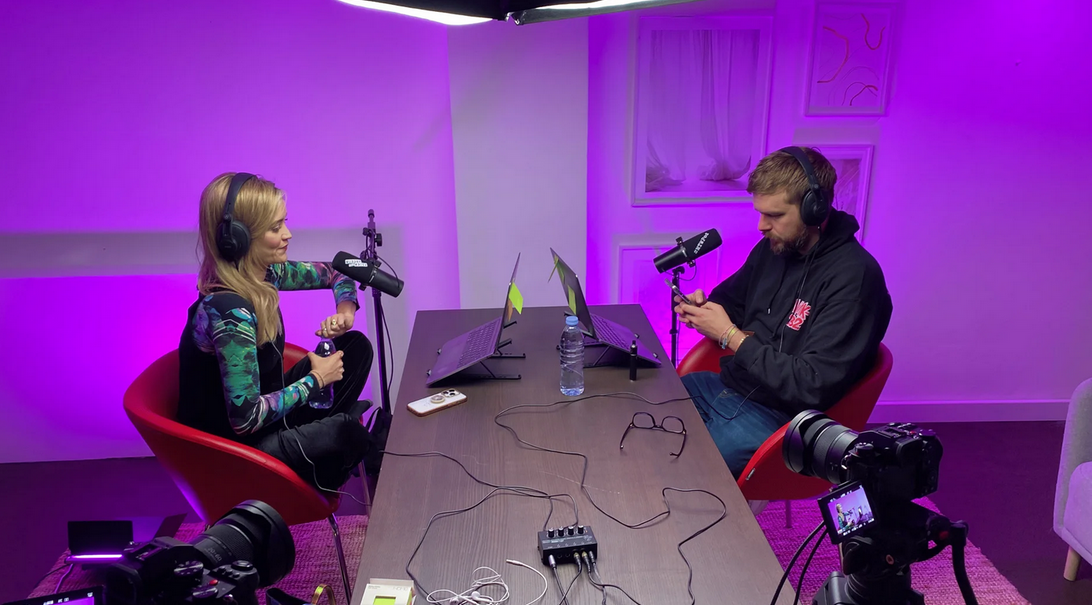
See the 'Murder They Wrote' podcast setup used by Laura Whitmore and Iain Stirling from BBC at Finchley Studio (Gathering setup). Watch Murder They Wrote at BBc sound , Spotify , Apple podcasts , Youtube , Instagram , Amazon music
The urban atmosphere is saturated with aggressive spectral spikes from modern "Rumbler" emergency vehicle sirens, widespread 5G cellular network towers, gigabit Wi-Fi routers, and the pervasive low-frequency electromagnetic hum generated by the national power grid and public transportation systems. For example, a London Recording studio situated above or near the London Underground must contend with massive, fluctuating electromagnetic fields (Wilby Jones). The rapid acceleration and deceleration of electrical particles through the high-voltage electricity distribution lines of the Underground trains induce severe electromagnetic fields capable of penetrating standard building materials (Wilby Jones). This invisible force induces audible artifacts—such as 8kHz squeals, modulated radio frequencies, or pervasive 60Hz/50Hz hums—directly into the coils of sensitive microphone preamplifiers and electric guitar pickups (EEVblog).
Advanced Shielding Strategies
To vigorously defend the fragile audio signal from this hostile environment, high-end cables employ sophisticated, multi-layered shielding techniques. Shielding acts as a Faraday cage around the internal conductors, capturing external electromagnetic energy and shunting it harmlessly to the ground plane before it can penetrate the inner core and corrupt the audio waveform (Belram).
Foil Shielding: Utilizes a thin layer of aluminum or Mylar. It provides 100% surface coverage and is highly effective against high-frequency RFI (I Love Music). However, it is mechanically fragile and offers poor flexibility. Repeated bending can tear the foil, rendering it useless. It is best suited for permanent, in-wall studio installations (I Love Music).
Braided Shielding: Consists of tightly woven strands of copper wire. It offers excellent protection against low-frequency EMI and remains highly durable and flexible (I Love Music). High-end brands like Gotham utilize an advanced technique known as double-Reussen shielding—two separate layers of pure copper wire wound tightly in opposing directions to achieve near-perfect rejection of external magnetic noise (Studio Electronics).
Spiral/Wrapped Shielding: Features copper strands wrapped in a single, continuous direction. It is extremely flexible and cost-effective, but vastly less durable over time (I Love Music). Repeated coiling can cause physical gaps to open in the shield wrap, allowing EMI to leak into the signal path.
The Star Quad Advantage: Symmetry in Noise Rejection
For professional studios operating in high-interference environments, standard twisted-pair balanced cables (featuring one positive, one negative, and one ground conductor) are frequently insufficient to maintain a pristine noise floor. The definitive engineering solution lies in Star Quad geometry. Unlike traditional cables, a Star Quad cable features four internal conductors tightly twisted together in a highly specific, symmetrical star-shaped pattern (Clark Wire & Cable).
This physical arrangement tightly binds the conductors, forcing the two positive and two negative wires to occupy the exact same physical space relative to external magnetic fields. This symmetry exponentially improves the cable's Common Mode Rejection Ratio (CMRR). When external EMI penetrates the outer shield, it induces a perfectly identical voltage spike across all four conductors simultaneously. The receiving equipment's differential amplifier then perfectly phase-cancels this common noise out, leaving only the pure audio signal (Clark Wire & Cable).
Empirical tests demonstrate that top-tier Star Quad cables, such as those manufactured by Canare, Mogami, or Van Damme, reduce magnetically induced noise by 20 to 30 dB compared to standard twisted-pair cables. This extreme noise rejection effectively renders adjacent dimmer switch buzz, transformer hum, and mobile phone interference completely inaudible.

Finchley Studio (Dialogue set): book this setup for your podcast
However, this unparalleled noise rejection comes at a strict physical cost: the four-conductor design dramatically increases the cable's internal inter-conductor capacitance (The Emotiva Lounge). Over exceptionally long cable runs (exceeding 100 feet), this higher capacitance acts as a filter, leading to a slight attenuation of very high frequencies (Reddit). Therefore, acoustic engineers and studio integrators must perform a delicate balancing act: utilizing Star Quad cables strictly for critical, noise-sensitive, low-voltage microphone runs, while employing low-capacitance standard twisted-pair cables for high-level line signals and extremely long-distance interconnects (Audio Science Review).
Architectural and Infrastructural Paradigms in Commercial Facilities
The distinction between a budget consumer-grade setup and a professional commercial facility is starkly evident in their respective architectural and infrastructural choices. When corporate clients, major record labels, or high-profile broadcasters book a studio, they are purchasing a highly engineered environment that guarantees a flawless end product, completely insulated from the chaos of the outside world.

Finchley Studio (Lounge set): book this setup for your podcast
Acoustic Decoupling and the Noise Floor
A premium London podcast studio or Video studio must execute absolute structural decoupling to achieve broadcast-quality silence. This involves exhaustive "room-in-room" construction methodologies. The internal studio walls, floor, and ceiling are physically separated from the host building's structure using neoprene isolators and floating concrete slabs. For instance, structural vibrations from the London Underground are mitigated using specialized elastomeric sleeper pads, such as the Sylodyn pads manufactured by Getzner Werkstoffe (Getzner). These pads are installed directly onto the train tracks to isolate the track superstructure, drastically reducing vibration transmission through the London bedrock into the recording studios situated above (Getzner). In scenarios where extreme EMI from electrified train lines persists, architectural engineering may require the construction of massive Faraday cages. Wilby & Jones recently documented the construction of an 18-room studio facility in central London completely encapsulated within a custom conductive metal Faraday cage to block the electromagnetic fields generated by the mainline railway below (Wilby Jones).
The acoustic specifications of a professional studio deeply contrast with budget or home setups. A facility like the Finchley Studio utilizes triple-pane, laminated, angled glass, solid core doors with magnetic acoustic seals, and silent, low-velocity baffled HVAC systems to achieve an STC (Sound Transmission Class) rating of 45+ (Finchley Studios). This guarantees zero noise leakage from adjacent corridors and absolutely no internal slapback echo, ensuring a warm, authoritative vocal recording (Finchley Studios). In contrast, a budget setup relying on hollow core doors, standard double glazing, and thin foam tiles will suffer from severe audio bleed, muddy low-end resonances, and an unacceptably high noise floor (Finchley Studios). Furthermore, a dedicated facility like the Vorboss podcast studio in Liverpool Street provides complete environmental control alongside enterprise-grade 10Gbps wired internet connectivity to facilitate flawless remote broadcasting (Vorboss).
High-End Equipment Ecology: Case Studies in Cable Deployment
The true test of a studio's infrastructure is its ability to seamlessly interconnect hundreds of pieces of highly sensitive analog and digital equipment without introducing ground loops, hum, crosstalk, or phase distortion. This requires a bespoke, uncompromised cabling infrastructure.
At world-renowned facilities like Abbey Road Studios and AIR Studios, the equipment selection is legendary and demands the highest caliber of connectivity. Abbey Road's Studio Two houses an unprecedented array of vintage and modern outboard gear, including Fairchild 660 limiters, Neve 33609 stereo compressors, classic Pultec EQP 1A equalizers, and an arsenal of Coles 4038 ribbon microphones (Scribd). Ribbon microphones, such as the Coles 4038, possess exceptionally low electrical output signals, making them incredibly vulnerable to capacitance-induced signal loss and environmental EMI.
To protect these fragile signals, Abbey Road Studios is famously wired with over 2,300 meters of Van Damme Blue Series Studio Grade Multicore and Van Damme Tour Grade Classic XKE Starquad microphone cables (Audio Media International). These cables are meticulously engineered to withstand the rigorous mechanical demands of constant repatching while providing pristine sonic transparency (VDC Trading). Similarly, AIR Studios relies on premium cabling to support its Dynaudio 7.1.4 Dolby Atmos surround system, connected to massive Pro Tools HDX rigs and an AMS Neve DFC Gemini console featuring 48 faders and 500 paths (AIR Studios).
Beyond Van Damme, several other elite cable manufacturers dominate the professional landscape:
Gotham Audio Cable: Known for its highly complex construction, double-Reussen shielding, and 38-gauge stranded copper conductors, Gotham is a highly prestigious European brand (Studio Electronics). It is heavily favored for massive analog mixing desk installations, resulting in arguably the lowest noise floors attainable in large control rooms, completely free of RF interference and ground buzz (Studio Electronics).
Mogami and Canare: Widely considered the absolute industry standards for perfect electrical neutrality, immense flexibility, and mechanical durability (Mogami Cable). Mogami Gold and Platinum series cables are ubiquitous in world-class facilities (Mogami Cable). Many professional studios purchase Mogami or Canare wire in bulk spools, relying on highly skilled wire technicians to meticulously solder custom point-to-point connections to Neutrik or Switchcraft TT patchbays (Audio Science Review). In these environments, the microscopic perfection of the technician's solder joints is often considered just as critical as the cable itself (Reddit).
Digital Video Infrastructure for the Visual Broadcast
The definition of a professional studio has evolved dramatically in the contemporary media era. Today, a premier london Video studio or visual podcast facility must synchronize pristine, multi-channel audio with ultra-high-definition, multi-camera video streams. As production resolutions push relentlessly from 1080p HD to 4K UHD, and increasingly toward 8K archival standards, the data bandwidth requirements for cabling increase exponentially, necessitating a complete paradigm shift from traditional analog cables to ultra-high-speed digital architectures (Finchley).
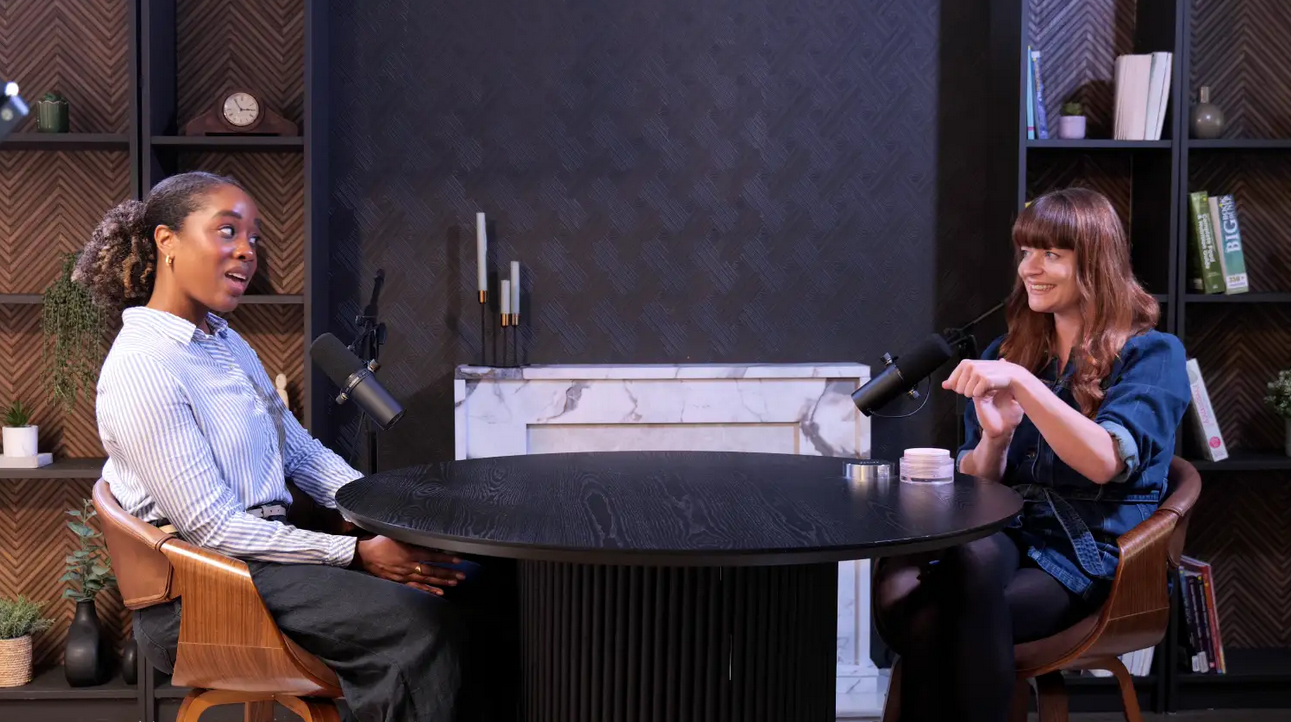
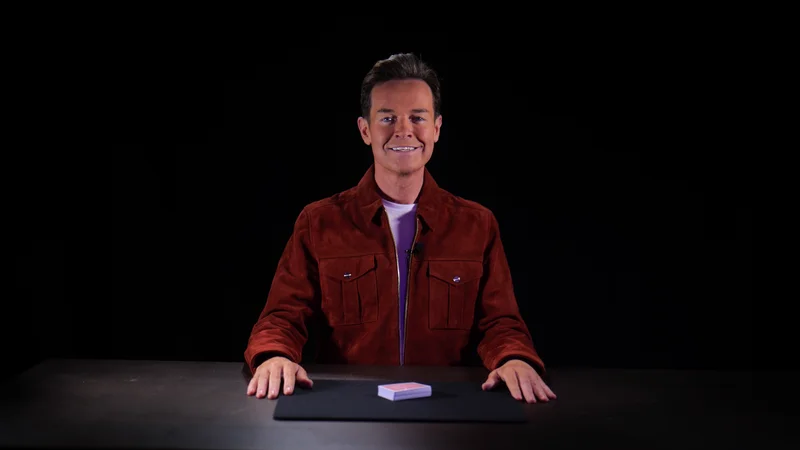
Finchley Studio (CEO Set): book this setup for your podcast
The SDI vs. Fiber Optic Paradigm
For uncompressed, zero-latency digital video transmission within a professional Video studio london environment, Serial Digital Interface (SDI) over specialized 75-ohm coaxial cable remains the uncompromising professional standard (NYC Systems Integration). SDI seamlessly embeds up to 16 channels of perfectly synchronized, uncompressed digital audio directly into the video signal, ensuring absolute lip-sync during complex live broadcasts and multi-camera shoots (SC&T).
The rapid evolution of SMPTE SDI standards closely reflects the industry's voracious appetite for data bandwidth:
3G-SDI: Transmits data at 2.97 Gbps, natively supporting 1080p resolution at 60 frames per second. This remains highly reliable over standard, high-quality coaxial runs up to roughly 100 meters (SC&T).
12G-SDI: Transmits data at a staggering 12 Gbps, supporting full 4K UHD resolution at 60fps over a single cable. This is the current benchmark requirement for high-end video studio equipment and live production switchers (SC&T).
24G-SDI: Transmits at 24 Gbps, an emerging standard built for the future-proof handling of 8K video at 120fps (SC&T).
While 12G-SDI represents a marvel of electrical engineering, pushing 12 gigabits of data per second through copper wire introduces severe signal attenuation challenges over long physical distances. High-frequency digital signals are exceptionally susceptible to signal degradation, packet loss, and timing jitter. For long cable runs across massive broadcast facilities, multi-stage event spaces, or between isolated live rooms and distant server racks, the industry strictly transitions to Fiber Optic cabling (NYC Systems Integration).
Fiber optics utilize rapid pulses of light traveling through strands of highly extruded glass, fundamentally changing the transmission medium. Because fiber transmits photons rather than electrons, it possesses virtually limitless bandwidth capabilities, supports multi-kilometer cable runs with zero signal degradation, and is completely, biologically immune to the electromagnetic and radio frequency interference that severely plagues copper cables in dense urban environments (NYC Systems Integration). Modern studios frequently utilize optical fiber converters, such as the Blackmagic Mini Converter Optical Fiber 12G, to seamlessly switch 12G-SDI electrical signals to optical signals for long-haul, zero-loss routing (YouTube).
Networked Audio and the Audio over IP (AoIP) Revolution
In the audio domain, the traditional analog multicore "snake"—a massive, incredibly heavy trunk containing dozens of individual copper audio lines, vulnerable to capacitance loss and EMI—is rapidly being replaced by Audio over IP (AoIP) protocols. The most dominant and robust of these protocols is Audinate's Dante (Dante).
Dante operates over standard Commercial Off-The-Shelf (COTS) Gigabit Ethernet networks (utilizing Cat5e, Cat6, or fiber optic infrastructure), allowing hundreds of channels of uncompressed, high-fidelity audio to be routed bi-directionally through a single, inexpensive network cable (iStream Video). This network architecture is fundamentally transformative for a modern Podcast studio or commercial recording facility.
First, Dante offers unprecedented scalability and flexibility. Audio routing is entirely handled via intuitive software matrices, effectively eliminating the need for rigid, hardwired analog patchbays (iStream Video). A freelance producer can simply plug their laptop into the studio's Dante network via a single Ethernet port and instantly gain two-way access to the studio's high-end A/D converters, analog consoles, and racks of vintage outboard gear without requiring complex, physical recabling (Dante Support).
Second, the issue of analog signal degradation is entirely eliminated. Because Dante transmits encapsulated digital packets rather than continuous analog voltages, the historical issues of capacitive high-frequency roll-off, inductive resonance, and EMI noise injection are completely removed from the transmission path (iStream Video). As long as the network packets arrive at their destination, the audio is a mathematically perfect reproduction of the source.
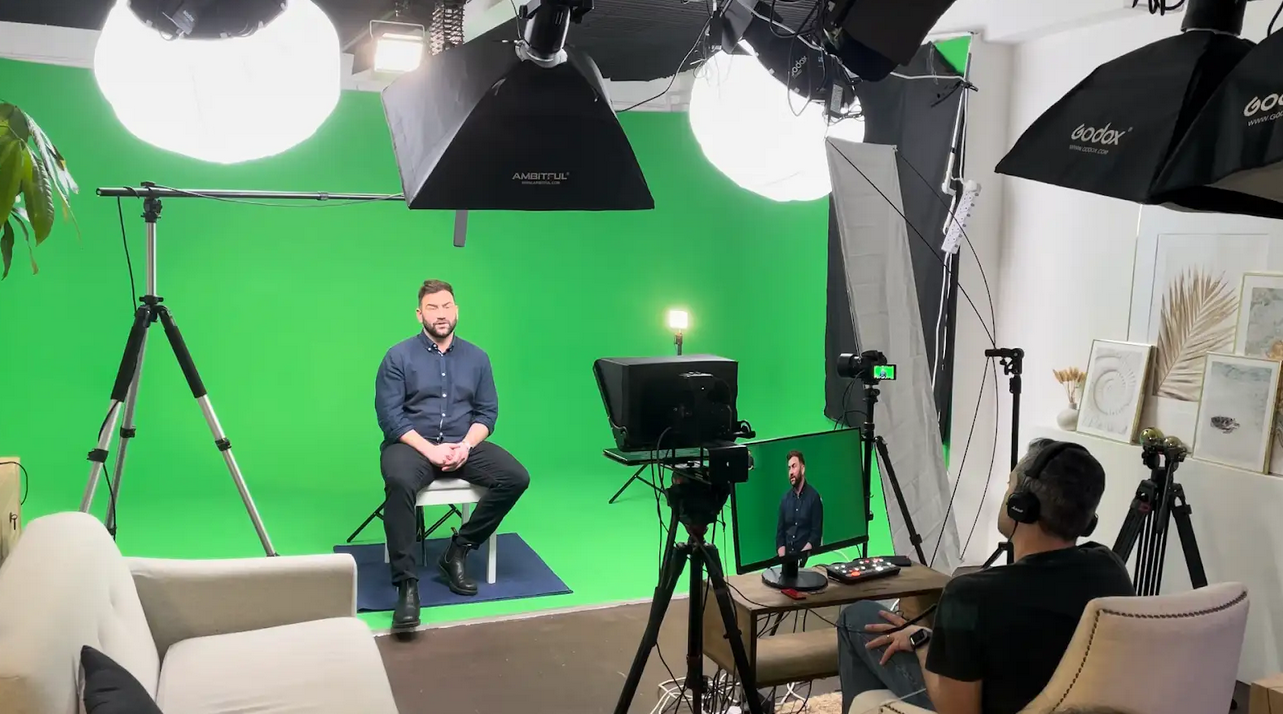
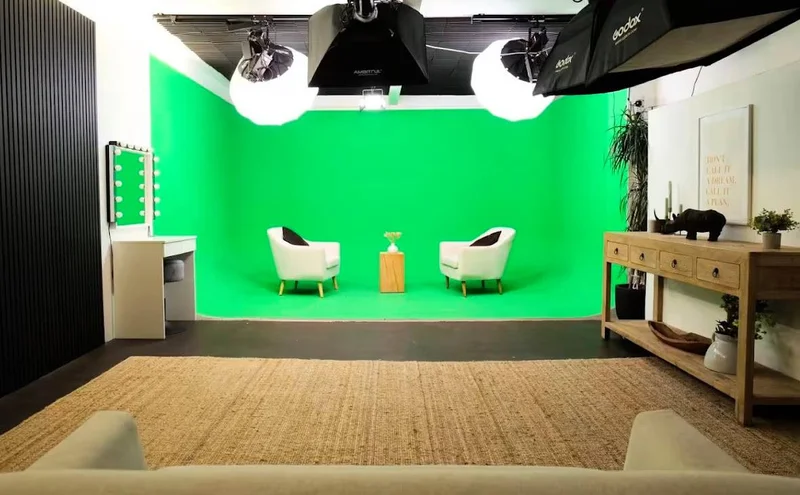
Finchley Studio (Green Screen Cove): book this setup for your podcast
Finally, Dante achieves extraordinary sub-millisecond latency, making it strictly suitable for real-time live tracking, broadcast, and latency-sensitive in-ear monitoring for musicians on the studio floor (iStream Video). This combination of pristine digital fidelity and ultimate routing flexibility has made AoIP the backbone of modern facility design in London and worldwide (Dante Support).
The Mechanics of Cable Management and Infrastructural Longevity
The highest-quality cable in the world will inevitably fail if it is poorly managed. In a high-traffic commercial environment, the sheer volume of interconnects requires rigorous, standardized organizational protocols. Poor cable management leads directly to physical stress on fragile connectors, dangerous thermal build-up behind equipment racks, tripping hazards on the studio floor, and cross-talk induced by running low-voltage audio signals parallel to high-voltage AC power lines (TFI Custom Fabrication).
Top-tier studio design in 2025 emphasizes highly strategic cable routing and dedicated containment systems (Cableduct Limited). A fundamental, unbreakable rule of professional studio wiring is spatial separation: audio lines, digital data lines, and power lines must be routed in separate, physically designated trunking pathways (Bridge Cable). If power and sensitive audio lines must inevitably cross, they are engineered to do so at a strict 90-degree perpendicular angle to absolutely minimize the magnetic induction of 50Hz/60Hz mains hum into the audio signal (Bridge Cable).
For cable bundling and rack management, professional system integrators strictly forbid the use of plastic zip-ties. Zip-ties are easily overtightened, which cuts into the cable's outer protective jacket, crushes the delicate dielectric insulation, and permanently alters the cable's precise internal geometry (which directly alters its capacitance and impedance profiles) (TFI Custom Fabrication). Instead, reusable hook-and-loop (Velcro) straps, such as the industry-standard Cord-Lox, are exclusively utilized. These soft straps provide gentle, non-damaging tension, allow for rapid re-patching during fast-paced studio sessions, and facilitate extensive color-coded identification systems to separate analog, digital, and power lines instantly (TFI Custom Fabrication).
Furthermore, elite custom cabling installations—such as those meticulously executed by firms like Yellow Technology for premier studios—emphasize extreme longevity through traditional, highly skilled manufacturing processes (Yellow Technology). Custom cable lengths are cut to exact specifications to prevent "cable spaghetti"—the hazardous accumulation of excess cable loops behind desks that actively act as antennas for RFI (Bridge Cable). Proper mechanical termination, robust strain relief, and pristine, cold-free solder joints at the Mosses & Mitchell jackfields ensure that the physical infrastructure can withstand decades of grueling daily commercial use without a single failure (Yellow Technology).
Psychoacoustics and the Measurable Audio Debate Synthesized
The high-end audio industry is perpetually embroiled in a polarized debate regarding the actual audible threshold of cable performance. Skeptics, often leaning heavily on simplified R, C, L measurements, argue that any properly constructed cable of adequate wire gauge will sound completely identical to a luxury, high-end audiophile cable. They assert that perceived sonic differences are primarily psychological illusions, deeply rooted in confirmation bias, expectation bias, and the placebo effect (Reddit). To them, if it cannot be measured by a standard frequency response chart, it simply cannot be heard.
However, categorically dismissing the impact of premium cabling ignores advanced psychoacoustics, time-domain resolution, and complex circuit interactions. While gross frequency amplitude variations between cables might indeed be minuscule, the human ear and brain are incredibly, exquisitely sensitive to the time-domain. Humans can detect a staggeringly small 15-microsecond difference in sound arrival time between the left and right ears, a crucial evolutionary mechanism originally developed for spatial threat localization (Reddit). When a cable's high capacitance or poor dielectric material causes microscopic phase smearing, group delay, or transient smearing, the spatial imaging, three-dimensional depth, and precise "soundstage" of the audio are immediately compromised, even if the basic frequency response curve appears perfectly flat on standard laboratory test equipment (Coluber Cable).
Dr. Kunchur's rigorous, peer-reviewed scientific studies on interconnect cable measurements provide hard empirical backing to these subjective claims, proving mathematically that physical variations in cable geometry, shielding, and materials produce measurable differences in the signal that align perfectly with the known thresholds of human auditory perception (YouTube).
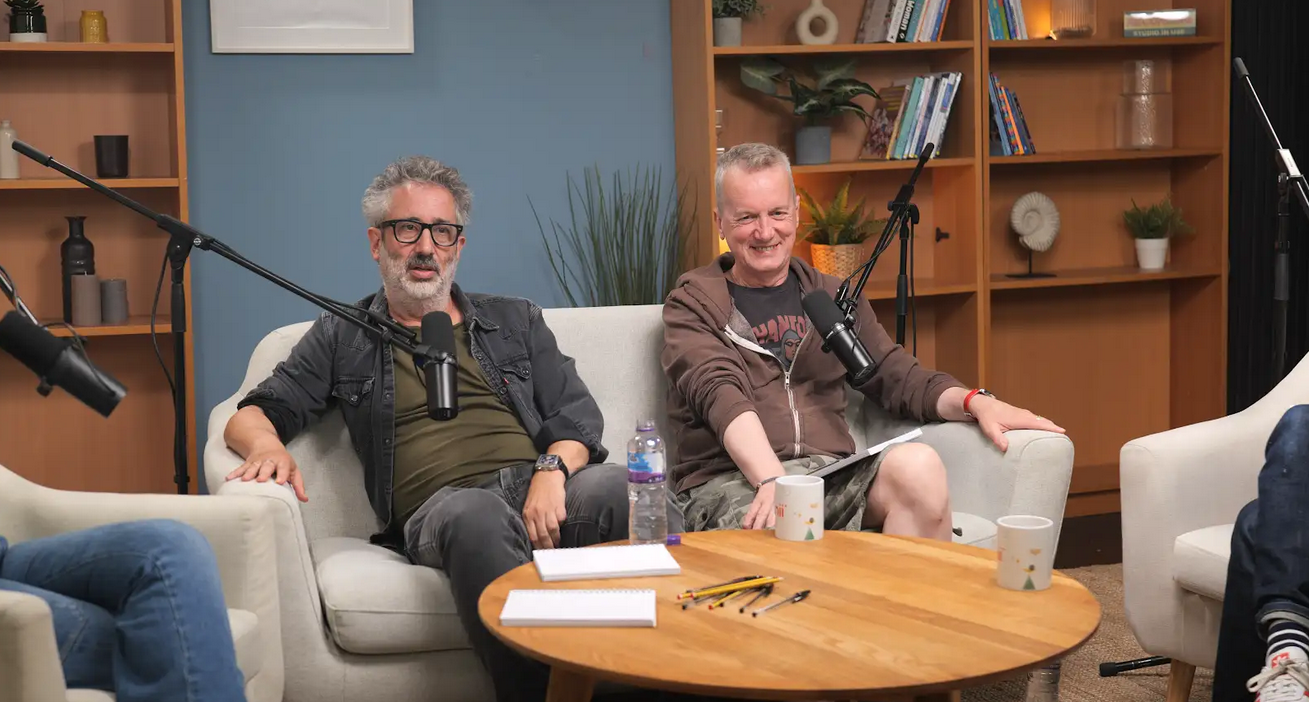
Finchley Studio (Lounge set): book this setup for your podcast
Furthermore, a cable does not exist in a vacuum; it operates dynamically within a tightly coupled three-component electrical system consisting of the Source, the Cable, and the Load. Because the complex output impedance of the source device and the input impedance of the receiving load interact dynamically with the cable's highly reactive properties (capacitance and inductance), the cable effectively acts as an active, tuned filtering component that absolutely alters the system's overall sonic profile (Audio Resurgence).
In a commercial London Recording studio, the subjective audiophile debate is largely bypassed in favor of absolute, measurable reliability and risk mitigation. Audio engineers and broadcast producers demand cables that deliver a wide soundstage, punchy, clean transients, and deep, articulate bass without introducing a single decibel of external noise (Coluber Cable). They actively choose premium brands like Mogami, Canare, and Van Damme not for esoteric, unquantifiable magic, but for peerless double-Reussen shielding, robust connector tribology, and guaranteed, unwavering signal integrity across hundreds of simultaneous recording channels.
Conclusion
The proposition that high-end cabling significantly impacts sound and video quality is not a construct of clever marketing hyperbole, but a concrete reality deeply grounded in the immutable laws of physics, material science, and electromagnetism. The journey of a fragile audio signal from a sensitive microphone capsule to a digital recording medium is fraught with severe physical obstacles: resistive power loss, capacitive phase smearing, inductive high-frequency attenuation, and the aggressive, unrelenting onslaught of environmental EMI and RFI.
For content creators, musicians, and broadcast professionals operating within a premier Podcast studio, a London podcast studio, or a high-end Video studio, the professional stakes are exceptionally high. In densely populated, RF-saturated environments like London Zones 1 and 2, utilizing standard, unshielded, or poorly constructed wiring essentially acts as laying down an antenna for urban noise, destroying the pristine, broadcast-quality noise floor required for modern, competitive media production.
The deliberate deployment of highly pure Oxygen-Free Copper or Silver conductors, rhodium and gold-plated anti-corrosive connectors, advanced double-braided shielding, and highly symmetrical Star Quad geometries represents a calculated, necessary engineering response to these severe physical challenges. Moreover, as the industry boldly bridges the analog-digital divide—seamlessly integrating massive vintage analog consoles with 12G-SDI 4K video networks and lightning-fast Dante AoIP infrastructures—the mathematical precision and physical durability of the cabling architecture becomes the absolute determinant of overall system reliability.

Finchley Studio (CEO Set): book this setup for your podcast
Ultimately, high-end audio and video cabling does not artificially enhance or sweeten a signal; rather, it performs the far more difficult, scientifically demanding task of preventing degradation. By maintaining perfect phase coherency, preserving microscopic high-frequency transients, and utterly rejecting external interference, premium cabling ensures that the raw emotion, dynamic detail, and acoustic truth of a performance are captured exactly as they occurred in the room. In the rigorous, high-stakes domain of professional audio and video production, cables are the vital, pulsing arteries of the studio, and their uncompromising quality directly dictates the lifeblood of the art.