Executive Summary
The digital content landscape of 2026 demands a level of production fidelity that was once the exclusive domain of broadcast television. For London-based creators, brands, and businesses, the decision to invest in a proprietary home studio or leverage the existing infrastructure of professional rental facilities is no longer merely a lifestyle choice—it is a critical financial and strategic calculation. While the "bedroom producer" narrative remains culturally potent, the economic reality of operating in one of the world's most expensive and acoustically challenging cities dictates a different approach.
This comprehensive report provides a forensic analysis of the "Studio Hire vs. Home Build" dichotomy within the Greater London context. By synthesizing data on residential rental yields, acoustic construction specifications, energy price caps, equipment depreciation schedules, and operational logistics, we demonstrate that for the vast majority of professional use cases—specifically video podcasting and high-end brand communications—the rental model offers superior cost efficiency, risk mitigation, and creative output. We explore the hidden "sunk costs" of home soundproofing, the relentless depreciation of 4K imaging assets, and the tangible impact of environment on guest performance. Ultimately, this report argues that in a mature creator economy, agility and liquidity are paramount, making the "asset-light" rental strategy the optimal path for sustainable growth.
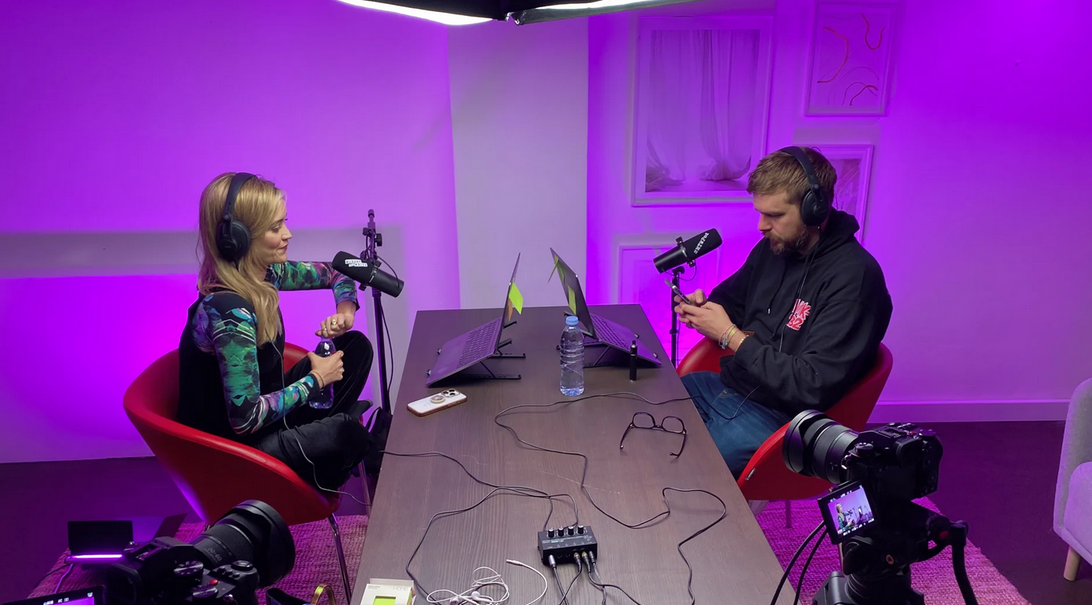
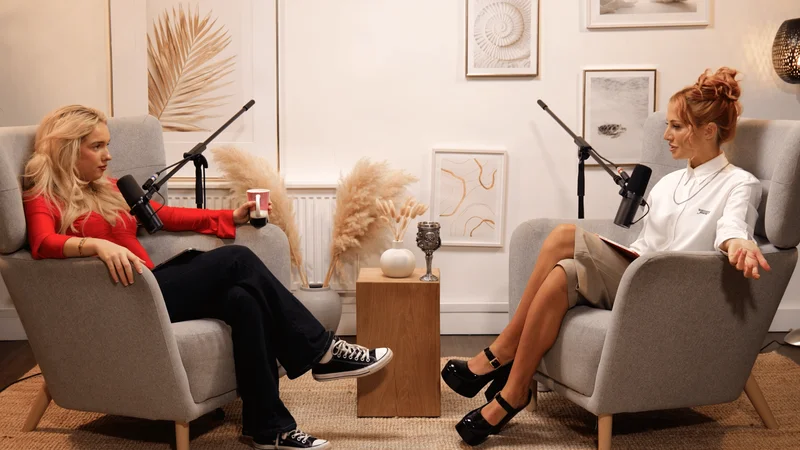
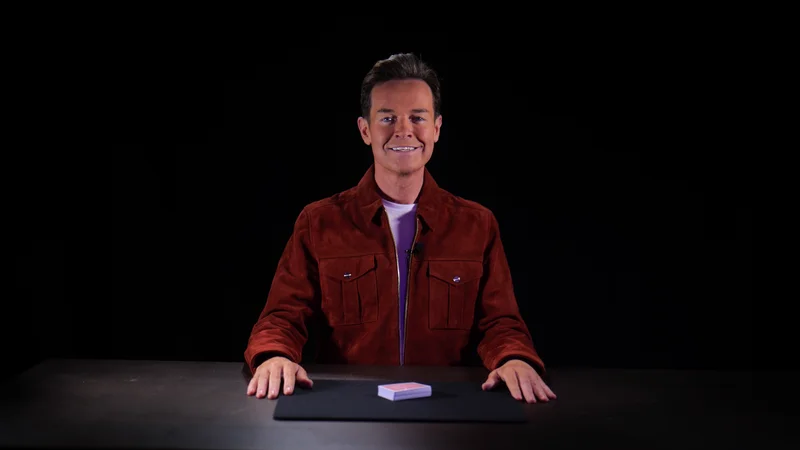
See the 'Murder They Wrote' podcast setup used by Laura Whitmore and Iain Stirling from BBC at Finchley Studio (Gathering setup). Watch Murder They Wrote at BBc sound , Spotify , Apple podcasts , Youtube , Instagram , Amazon music
1. The Strategic Context: The Evolution of "Broadcast Quality" in 2026
To understand the economic argument, one must first appreciate the shift in technical expectations. The era of the grainy webcam and the echoing Zoom call, necessitated by the pandemic of the early 2020s, has ended. Audiences have returned to an expectation of polish. In 2026, "content" is synonymous with high-fidelity, multi-camera video production that competes directly with streaming services for watch time. AWISEE
1.1 The Video-First Imperative
The podcasting medium has undergone a bifurcation. While audio-only RSS feeds remain relevant for commuters, discovery algorithms on platforms like YouTube, TikTok, and Instagram Reels prioritize video.
Visual Retention: Data suggests that video podcasts retain audiences significantly longer than static audio visualizers. However, this introduces a visual standard. Listeners will tolerate a lower bitrate audio if the content is good, but viewers will ruthlessly click away from poorly lit, out-of-focus video.
The 4K Standard: High-definition (1080p) is now considered the minimum viable product, with 4K (UHD) becoming the standard for future-proofing content. This shift imposes massive hardware requirements, moving the barrier to entry from a £100 webcam to a £10,000 camera rig.
Dolby Atmos and Spatial Audio: Leading studios like TYX and Forever Audio are now equipping facilities for Dolby Atmos, anticipating the rise of spatial audio in VR and AR headsets. Finchley Studios Replicating a 7.1.4 Atmos monitoring setup at home is financially unfeasible for 99% of independent creators.
1.2 The "Professionalization" of the Creator Economy
The market is no longer dominated by hobbyists. It is populated by "Creator-Entrepreneurs" and corporate brands launching communication channels.
Corporate Comms: Businesses use podcasts for internal comms, B2B marketing, and thought leadership. For a CEO or Founder, the opportunity cost of fiddling with SD cards or troubleshooting a hum in the audio is unacceptably high.
Brand Perception: In a saturated market, production value serves as a proxy for authority. A podcast recorded in a acoustically dead, professionally lit studio signals competence. One recorded in a living room with visible domestic clutter signals amateurism.
2. The London Acoustic Ecosystem: A Physics Problem
The most significant, yet most often underestimated, barrier to a successful home studio in London is the city itself. London is loud, dense, and constructed from materials that are hostile to sound isolation.
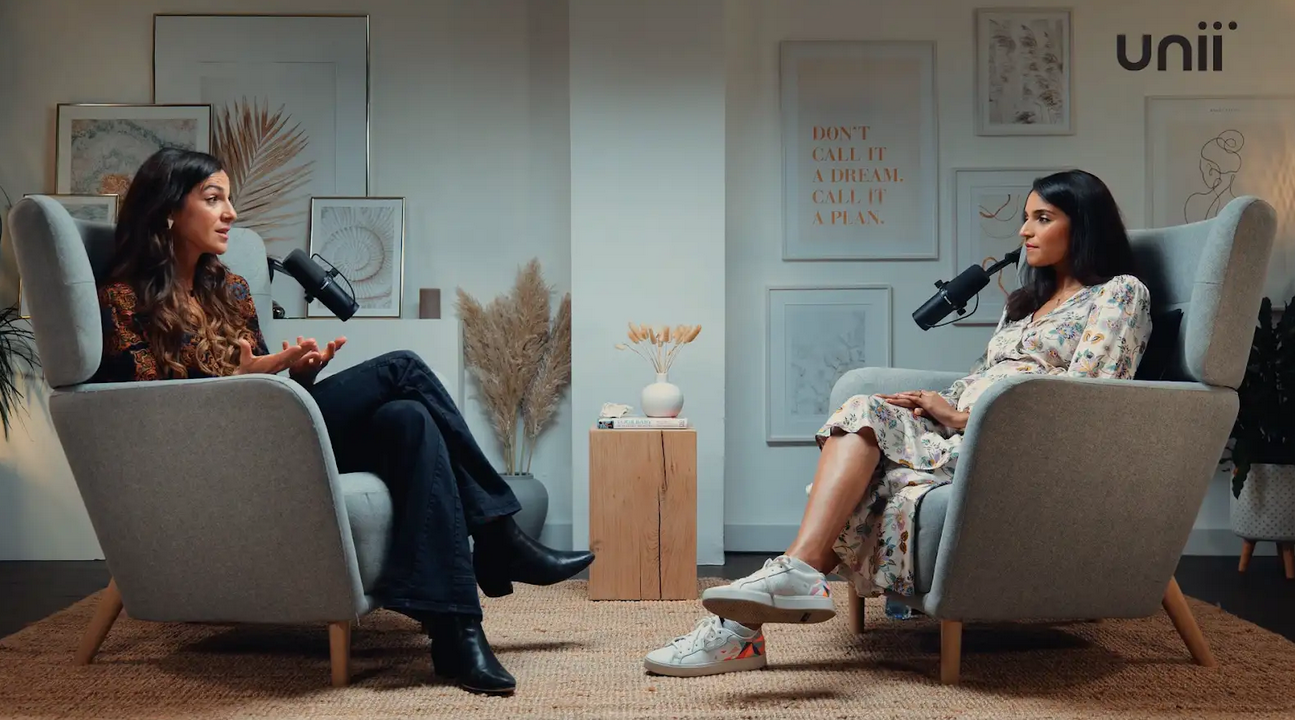
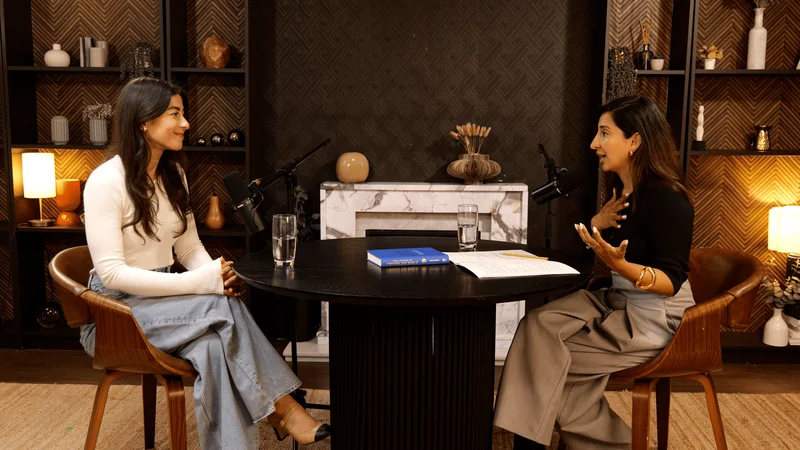
Finchley Studio (Dialogue set): book this setup for your podcast
2.1 The Density and Noise Pollution Matrix
Unlike the suburban sprawl of American cities, where basements offer natural earth-insulated quiet, Londoners live on top of one another.
Borough-Specific Noise Data: Noise complaints are a leading quality-of-life issue in the capital. In the Royal Borough of Kensington & Chelsea, noise complaints have reached rates as high as 731.3 per 1,000 people. Even in "quieter" residential boroughs like Havering or Barnet, the baseline ambient noise level is often too high for professional condenser microphones, which are sensitive enough to pick up a ticking watch from across a room.
The "Neighbour" Factor: In a terraced house or flat conversion, you are acoustically coupled to your neighbours. A home studio is at the mercy of their schedule. If the neighbour decides to renovate, mow the lawn, or have a crying baby, your recording session is effectively cancelled. Professional studios operate in controlled industrial zones or purpose-built sound shells where this variable is eliminated.
2.2 The Victorian Housing Stock Challenge
A significant portion of London's desirable housing stock consists of Victorian and Edwardian structures. While aesthetically pleasing, they are acoustically porous.
Suspended Timber Floors: Most London homes use timber joists for flooring. This creates a drum-like effect where impact noise (footsteps) resonates through the entire structure. To isolate a microphone from this "structure-borne" noise requires building a "floating floor"—a complex construction project involving layers of high-density mineral wool, neoprene isolators, and heavy boarding. mu:zines
Flanking Transmission: Sound does not just travel through walls; it travels around them. In London terraces, shared chimney stacks and continuous floor joists act as highways for sound. You might soundproof a wall perfectly, but if the sound travels up the chimney and down into your room (flanking), the investment is wasted.
The Window Weakness: Traditional sash windows are single-glazed and notoriously leaky. Even modern double glazing often fails to block the low-frequency rumble of a passing bus or heavy goods vehicle (HGV). Professional studios utilize triple-glazed, angled acoustic glass or windowless "box-in-box" designs to achieve the necessary Signal-to-Noise Ratio (SNR). Select Recording Studios
2.3 The Transport Infrastructure Assault
London's transport network is a marvel of connectivity and a nightmare for audio engineers.
The Heathrow Flight Path: Vast swathes of affluent West and South London (Richmond, Fulham, Clapham, Windsor) lie directly beneath the Heathrow flight paths. Aircraft can pass as low as 3,000-5,000 feet every 90 seconds during peak operations. A sensitive microphone like the Neumann U87 (often found in pro studios like TYX) will capture this aircraft noise, rendering the take unusable or requiring heavy, artifact-inducing noise reduction software in post-production.
The Tube Rumble: The London Underground creates low-frequency vibrational energy that travels through the earth and into building foundations. In areas like Camden, Islington, and Soho, this "rumble" can be felt even when it cannot be heard. Professional studios in these areas (e.g., Pirate Studios in Camden) are built on isolated concrete slabs specifically designed to decouple the building from the ground vibration—a feat impossible to replicate in a residential leasehold.
3. The Economics of Silence: Construction vs. Treatment
A crucial distinction must be made between Acoustic Treatment and Soundproofing. This misunderstanding is the primary source of wasted budget for DIY builders.
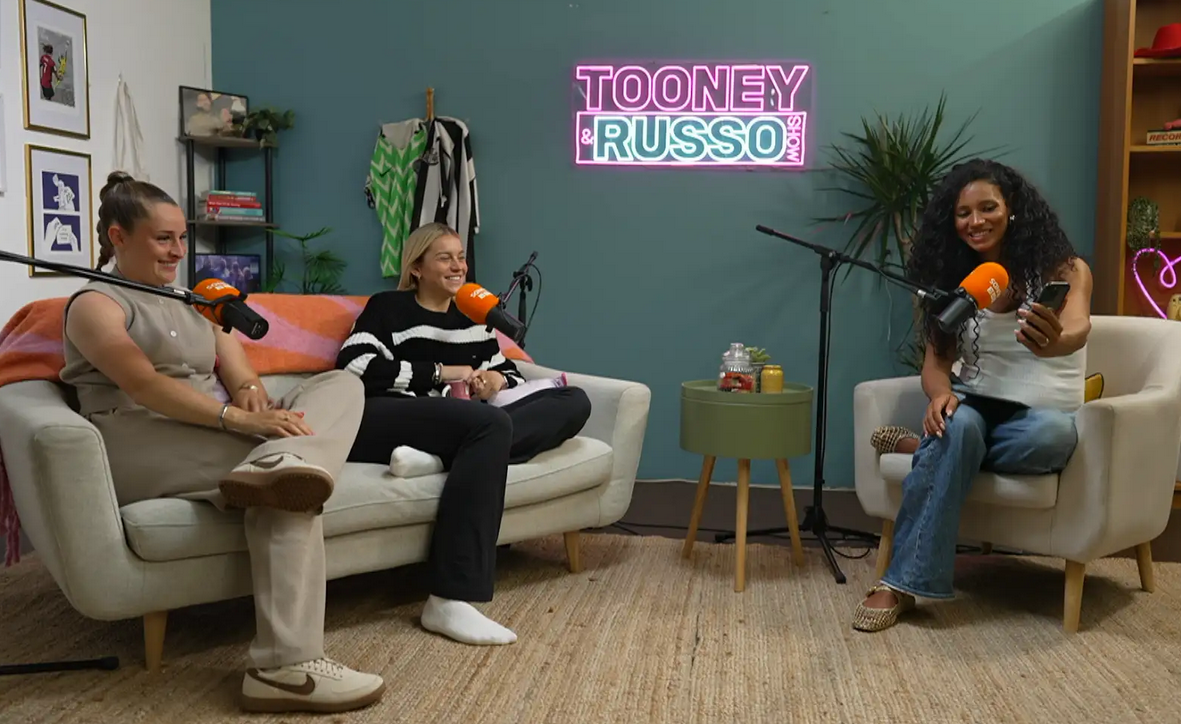
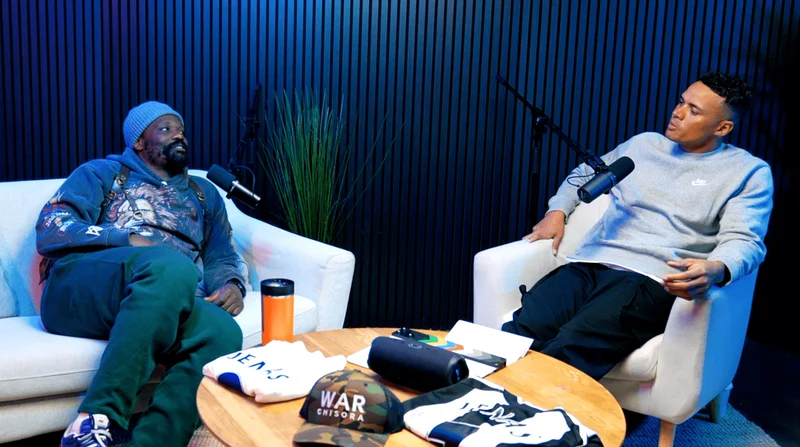
Finchley Studio (Lounge set): book this setup for your podcast
3.1 Acoustic Treatment (The "Easy" Part)
Acoustic treatment controls the sound inside the room. It involves placing absorption materials (foam, mineral wool) to stop the voice from echoing.
Cost: A basic kit for a small room from providers like Gik Acoustics or Advanced Acoustics might cost between £150 and £500. GB Foam Direct
Limitation: This does nothing to stop noise entering the room. You will have a great sounding voice, recorded over the sound of a police siren.
3.2 Soundproofing (The "Expensive" Part)
Soundproofing (Isolation) prevents sound from entering or leaving. It requires mass and airtightness.
The "Room-Within-A-Room": To achieve professional isolation (STC 60+), you must build a sealed room inside your existing room that touches nothing. This involves framing new walls, floating the floor, and hanging a new ceiling on resilient channels.
Cost of Construction: Professional estimates for soundproofing a standard London room range from £11,000 to £20,000. Checkatrade Even a prefabricated garden studio, often touted as a solution, costs £1,900 - £4,000 per square metre once soundproofing is factored in. Rockwood Garden Studios
The "Sunk Cost" Trap: In a rental property—which constitutes a huge portion of London accommodation—this investment is 100% dead money. You cannot take the walls with you. Even in an owned property, turning a bedroom into a windowless, heavy-doored bunker may actually devalue the home for future residential buyers.
Key Insight: For the price of soundproofing a single room (£15,000), a creator could rent a premium studio like Finchley (approx. £109/hr) for over 130 hours. If recording weekly, that is nearly three years of production covered, with zero construction risk and zero loss of residential space.
4. The Real Estate Premium: The Opportunity Cost of Space
Space in London is among the most expensive commodities on earth. Allocating square footage to a studio incurs a hidden "implied rent" that is rarely calculated in DIY budgets.
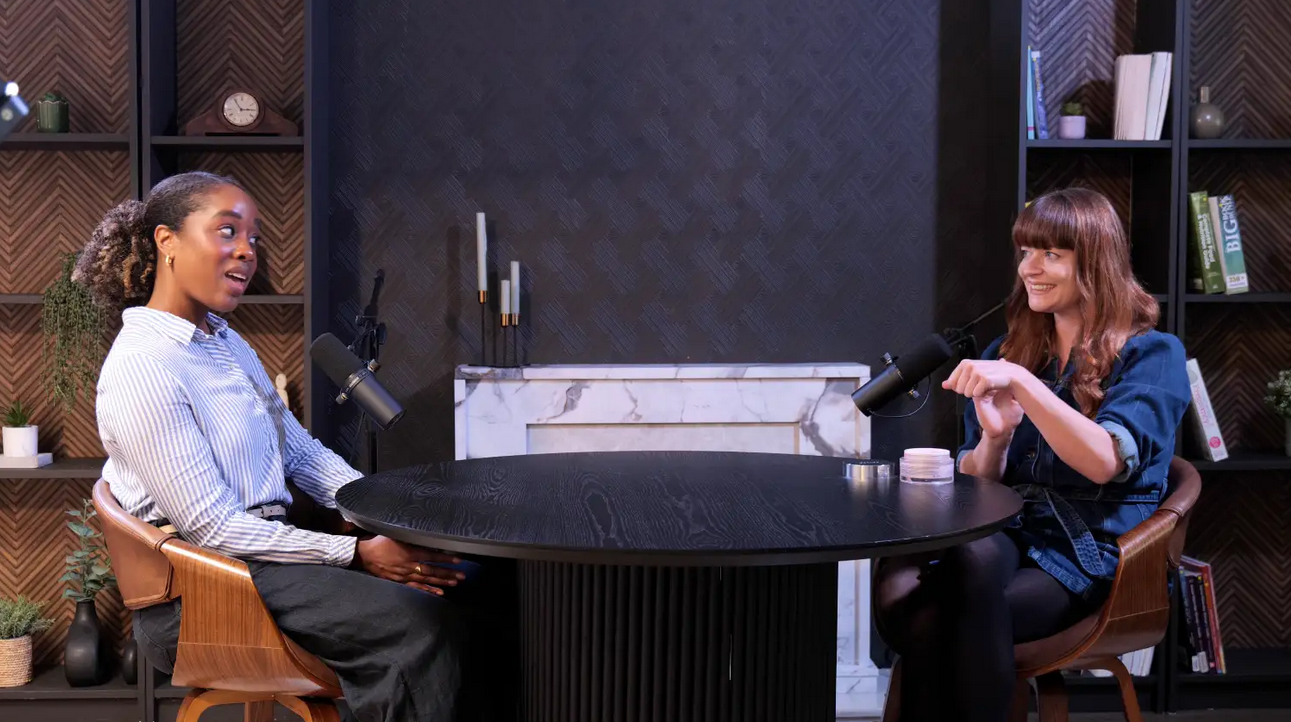
Finchley Studio (CEO Set): book this setup for your podcast
4.1 The Cost of the "Spare Room"
In 2025/2026, the average monthly rent in London exceeds £2,129. HomeLet In premium boroughs like Westminster, it tops £3,251. Piccadilly Estates
Square Footage Valuation: If a dedicated studio room represents 15-20% of a flat's floor plan, the "cost" of housing that studio is effectively £300 - £650 per month in rent alone.
The Efficiency Ratio: A home studio sits idle for the vast majority of the week. If a creator records for 4 hours a week, the space is utilized for only 2.3% of its available time. The remaining 97.7% of the time, that expensive London floor space is dead weight.
Studio Hire Efficiency: The rental model allows you to pay only for utilization. You are effectively outsourcing the cost of the idle real estate to the studio owner, who monetizes it across multiple clients to achieve efficiency.
4.2 The "Hybrid Room" Compromise
Many creators attempt to mitigate this by creating a "hybrid" room (e.g., Bedroom/Studio or Office/Studio).
The Setup Friction: A hybrid room requires setting up lights, tripods, and microphones before every session and striking them afterwards. This friction is the number one cause of "Podfade." When the barrier to hitting "record" involves 45 minutes of furniture moving, creators simply record less often.
Visual Consistency: In a hybrid room, it is difficult to maintain visual continuity. If a bookshelf changes, or the daylight shifts, or a bed is visible in the reflection of a frame, the "broadcast" illusion is broken. Professional studios offer permanent sets where the lighting and props are locked off, ensuring every episode looks identical to the last.
5. The Technology Arms Race: CapEx and Depreciation
The standard for "pro" gear has skyrocketed. A USB microphone is no longer sufficient for brand-level work. The Capital Expenditure (CapEx) required to replicate a facility like Outset Studio or London Podcast Studios is formidable.
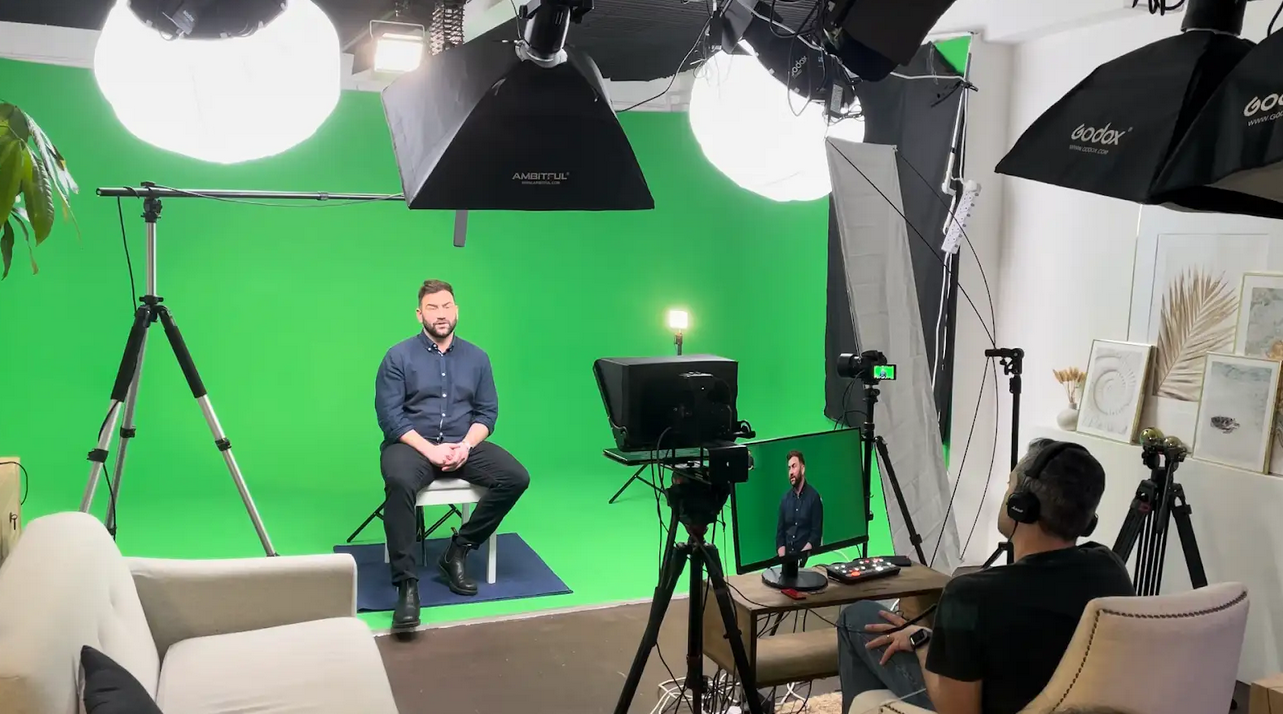
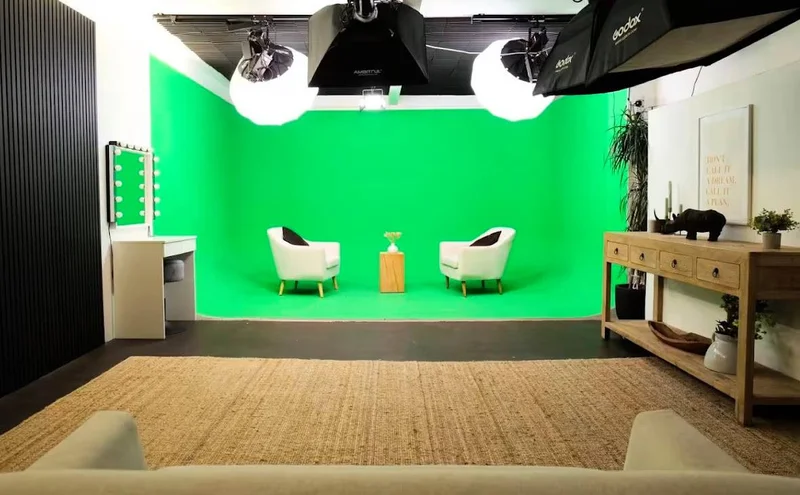
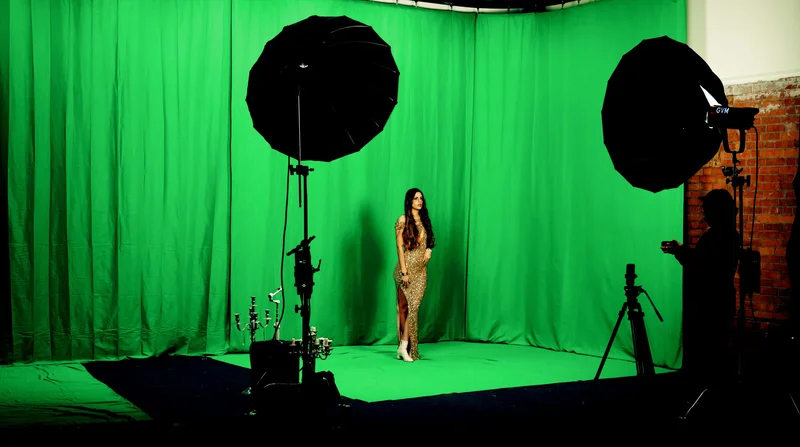
Finchley Studio (Green Screen Cove): book this setup for your podcast
5.1 The 4K Video Ecosystem
Video is the primary cost driver.
Camera Bodies: The industry workhorse for 2025/2026 video podcasts is the Sony FX3 or Sony A7S III. These cameras offer dual native ISO (essential for low light) and reliable autofocus. Sony UK
Unit Cost: ~£3,299 per body.
Multi-Cam Requirement: A standard interview setup requires three angles (Host, Guest, Wide).
Total Body Cost: £9,897.
Lenses: Professional "look" requires fast glass. The Sony FE 24-70mm f/2.8 GM II is a standard choice. Sony UK
Unit Cost: ~£1,899.
Total Lens Cost: £5,697.
Support & Rigs: Tripods, cages, power solutions (V-mount batteries), and media. Estimated Cost: £1,500+.
5.2 The Audio Signal Chain
Microphones: The Shure SM7B is the ubiquitous podcast mic. Bax Music
Unit Cost: ~£340.
4-Person Setup: £1,360.
Processing: These microphones are "gain hungry" and often require lifters (e.g., Cloudlifters) and high-quality preamps. The RØDECaster Pro II is the standard integrated console. Thomann UK
Unit Cost: ~£499.
5.3 Depreciation: The Silent Budget Killer
Technology is a depreciating liability, not an asset.
The Depreciation Curve: Professional camera equipment typically loses 30-40% of its value in the first year. Canon A £15,000 investment in camera gear today will be worth roughly £9,000 next year.
Obsolescence: Camera technology moves fast. By the time a home user has amortized the cost of their FX3s, the industry may have moved to 8K, 12-bit RAW, or Spatial Video standards, rendering the setup dated.
The Rental Shield: Renting insulates the creator from this risk. Studio owners like Finchley are compelled by market competition to constantly upgrade their inventory. Finchley Studios For an hourly fee, you gain access to the latest £50,000 specification without holding the depreciation bag.
6. Operational Expenditures (OpEx): The Hidden Costs of DIY
Building the studio is only the entry fee. Running it incurs ongoing costs.
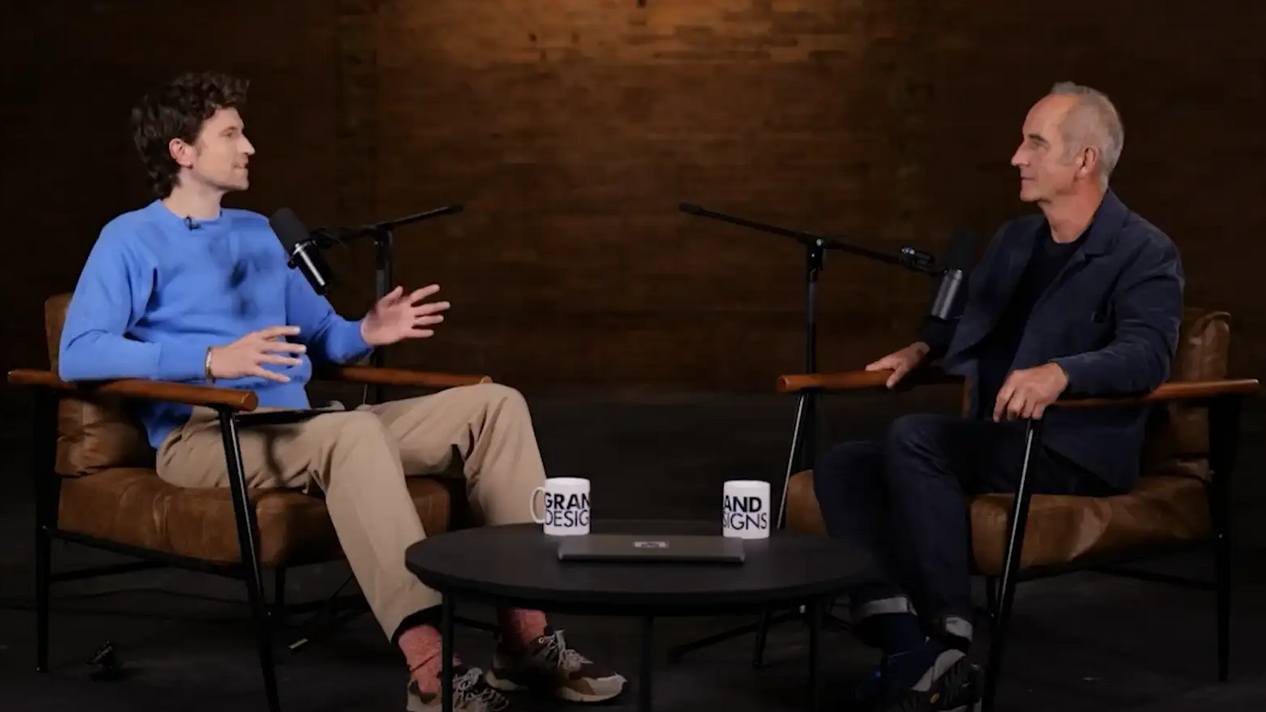
Finchley Studio (The Brick Studio): book this setup for your podcast
6.1 Energy Costs in 2026
Electricity Rates: The average unit rate for electricity in London is approximately 25.13 pence per kWh, with a daily standing charge of ~43.76p. MoneySuperMarket
Consumption: A professional video studio is energy-intensive.
Lighting: A setup using 3x Aputure 300x or Amaran 200x lights eBay/Aputure can draw significant power.
Climate Control: A soundproofed room is a sealed thermal box. It requires active air conditioning to remain habitable. A portable AC unit consumes ~1kWh per hour.
Workstations: High-end rendering PCs draw 600W+.
The Bill: Running a home studio for 20 hours a month, plus climate control and editing time, adds a noticeable premium to the monthly utility bill. Studio hire fees are all-inclusive.
6.2 Insurance and Liability
Theft Risk: London has high rates of burglary, and a home filled with £20,000 of resaleable tech is a target.
Premiums: Specialist camera insurance covers theft, accidental damage, and breakdown. Policies from providers like Hiscox or Photoguard can cost £300 - £600 per year for this level of cover. Hiscox UK
Public Liability: If you invite guests to your home studio, you are liable for their safety. If a guest trips over a cable and breaks an ankle, you could be sued. Commercial Public Liability insurance is mandatory for studios but an extra cost for home users. AXA UK
7. The Intangible Assets: Brand, Psychology, and Networking
Beyond the spreadsheet, professional studios offer "soft" benefits that directly impact the success of the content.
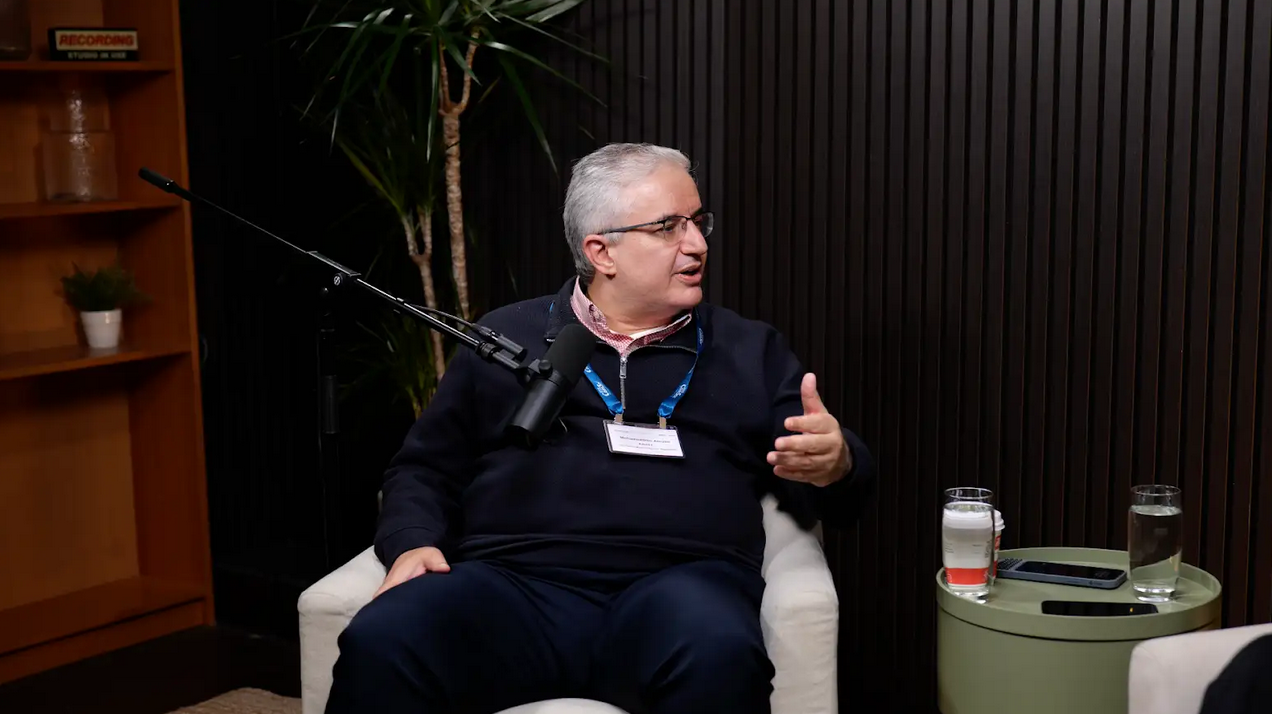
Finchley Studio (Blackwood): book this setup for your podcast
7.1 The "VIP Guest" Experience
London is a global media hub. If your podcast strategy involves interviewing high-profile guests—CEOs, authors, influencers—the environment matters.
The "Living Room" Problem: Inviting a stranger to your private home can be awkward, unprofessional, and raises security concerns. "Come to my flat in Balham" sets a very different expectation than "Meet me at the studios in King's Cross."
The Studio Concierge: Facilities like TYX or The Ministry offer concierge services, waiting lounges, barista coffee, and a bustling creative atmosphere. TYX Studios This puts guests at ease, elevates the perceived value of the production, and makes them more likely to share the content with their own networks. A guest treated like a star performs like a star.
7.2 The "Walk-In, Walk-Out" Workflow
Time is a creator's scarcest resource.
Home Workflow: A home shoot involves: moving furniture, setting up lights, testing audio levels, blackout blinding windows, recording, breaking down gear, and transferring files. A 1-hour recording can consume 3 hours of logistical labour.
Studio Workflow: You arrive. The engineer has the lights set and the mics sound-checked. You record. You leave. The studio handles the data transfer. The focus remains 100% on the content, not the tech.
The "Engineer" Variable: Having an engineer (available at studios like Outset and Finchley) ensures quality control. Finchley Studios They monitor gain staging, check focus, and handle redundancy. In a DIY setup, if the camera overheats or the mic clips, you often don't realize until the guest has left.
7.3 Networking and Community
Studios are hives of activity. Recording at a hub like Tileyard or Pirate Studios places you in physical proximity to other creators, producers, and potential collaborators. TYX Studios The "water cooler" moments in studio breakout areas often lead to cross-promotion opportunities, guest swaps, and industry intel that you would never access from a spare room.
8. Comprehensive Financial Models: The 3-Year Analysis
To definitively answer the "Rent vs. Build" question, we must model the finances over a standard production cycle.
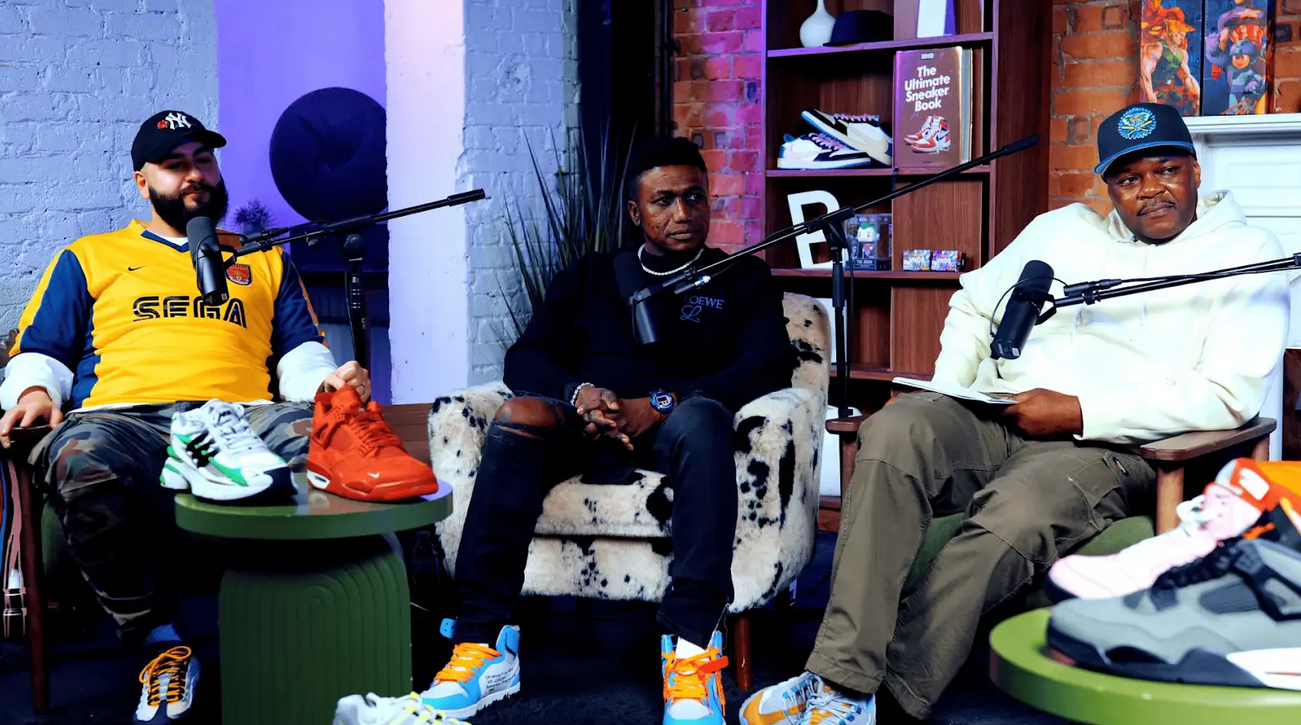
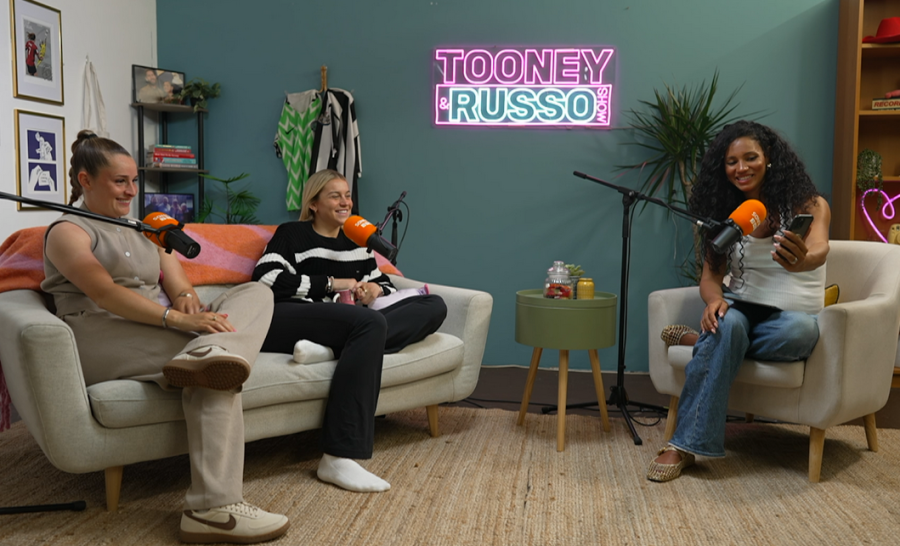
Finchley Studio (URBAN LOUNGE): book this setup for your podcast
Scenario: The "Weekly Professional Video Podcast"
Assumptions:
Frequency: Weekly episodes (4 per month).
Duration: 2-hour recording sessions.
Format: 3-camera 4K video + 4-person audio.
Timeline: 12 Months (48 episodes).
Table 1: Model A - The Home Build (Professional Spec)
Note: Assumes a spare room is available (excluding rent).
Table 2: Model B - Professional Studio Hire
Note: Based on "Gold/Commercial" mid-tier packages @ ~£130/hr (avg). Finchley Studios
The Break-Even Analysis
Year 1 Delta: Building a home studio costs £19,120 more upfront than renting for a full year.
Break-Even Point: You would need to record consistently for nearly 2.5 years (approx. 30 months) before the home studio becomes cheaper than renting.
Risk Adjustment: This calculation assumes zero equipment failure, zero rent increases, and—crucially—that the podcast survives 2.5 years. Industry statistics regarding "podfade" suggest that most podcasts cease production before episode 10. Finchley Studios
Liquidity Preference: The "Rent" model preserves over £30,000 of working capital in Year 1. For a business or creator, that cash flow could be better spent on marketing the podcast (paid social, PR) rather than on depreciating hardware.
9. Navigating the London Market: A Tiered Guide
The London studio market is segmented to suit different budgets and needs.

Finchley Studio (White Infinity Cove): book this setup for your podcast
Tier 1: The Automated Self-Service (Budget)
Examples: Pirate Studios (Dalston, Camden, Wembley), Podshop (Hackney). TYX Studios
Cost: ~£30 - £50 per hour.
The Offer: "Plug and Play." Sound-treated booth, RodeCaster Pro, static lighting. 24/7 access via app.
Pros: Extremely affordable, flexible hours, no human interaction required.
Cons: No engineer assistance (you are on your own if tech fails), basic camera setups (often webcams or basic DSLRs), industrial locations.
Best For: Solo podcasters, audio-only formats, bootstrapping startups.
Tier 2: The Managed Professional (Mid-Market)
Examples: Finchley Studio (North London), London Podcast Studios (Whitechapel), Outset Studio (London Bridge). Finchley Studios
Cost: ~£80 - £150 per hour.
The Offer: Engineer assistance for setup (and often duration), 4K cameras (Sony FX3/Blackmagic), varied sets (brick, lounge, neon), Green Room, file transfer services.
Pros: Broadcast quality video, professional support, variety of "looks" for branding, reliable fibre internet.
Cons: Fixed booking slots (less flexibility than 24/7), 2-hour minimums often apply.
Best For: Branded video podcasts, interview series, creators wanting a "TV look" without the TV price.
Tier 3: The Elite Broadcast (Premium)
Examples: TYX (King's Cross), Premiere Podcast Studios (Shoreditch), The Ministry. TYX Studios
Cost: £170+ per hour.
The Offer: Full concierge, dedicated engineer throughout, Dolby Atmos capability, post-production integration, prestigious location, bar/cafe on site.
Pros: The ultimate guest experience, flawless technical execution, high-end microphones (Neumann U87s), networking with elite industry players.
Cons: High cost.
Best For: Corporate comms, celebrity talent, high-budget productions, agencies.
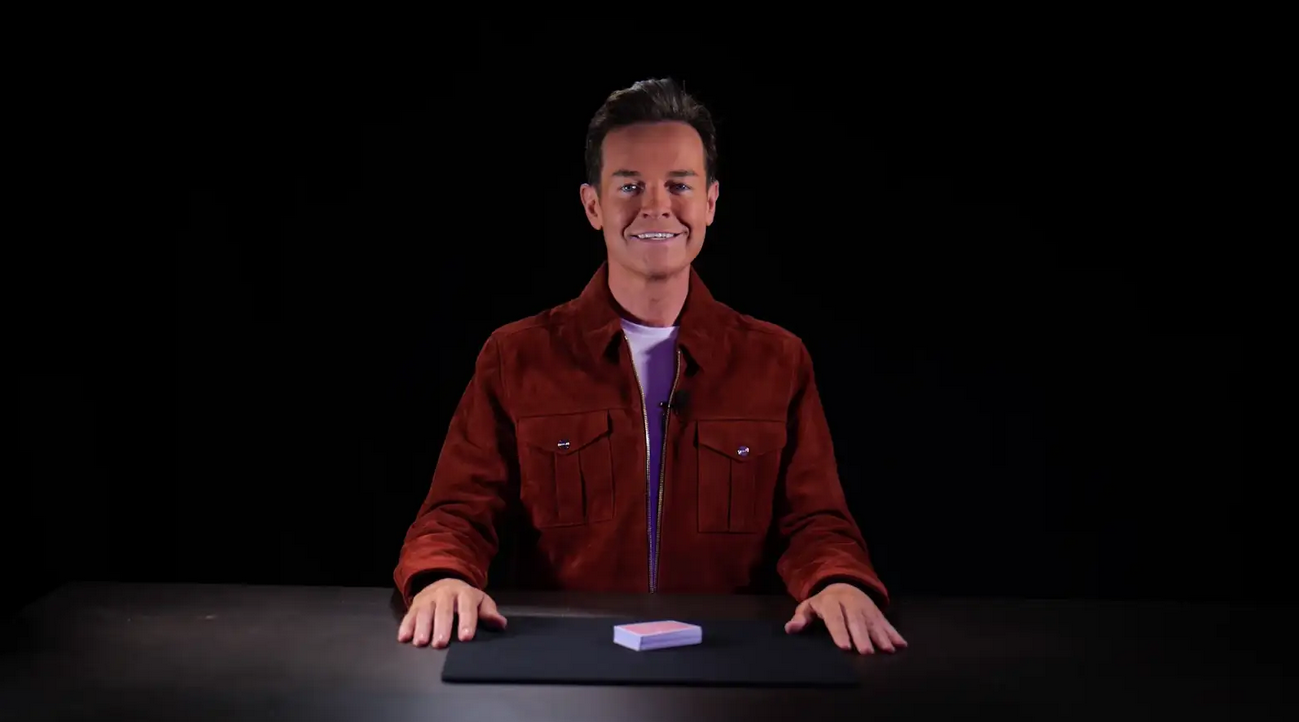
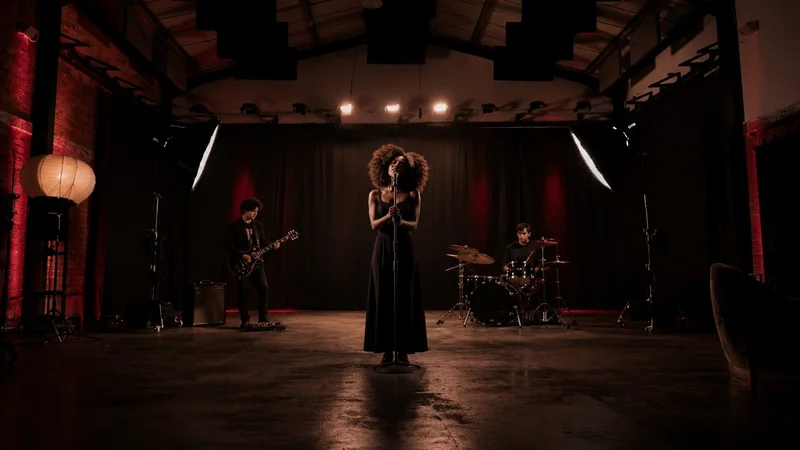
Finchley Studio (Blackout Set): book this setup for your podcast
10. FAQ: Expert Answers to Common Queries
Q1: Can I just record on my iPhone in a quiet hotel room?
A: You can, but the result will not be competitive. "Quiet" to a human ear is not "quiet" to a microphone. Hotel rooms lack acoustic treatment, resulting in "room reverb" that sounds amateur. Furthermore, iPhone video lacks the depth of field and dynamic range of the large-sensor cameras used in studios. For a brand, the £100 spent on a studio is an insurance policy for your reputation. Finchley Studios
Q2: What happens if I need to cancel a booking?
A: Policies vary. Automated studios like Pirate often allow cancellation up to 4 hours before for credit. Traditional managed studios like Finchley or London Podcast Studios typically require 48 hours to 7 days notice for a refund. Always check the specific "Force Majeure" and cancellation terms before booking. TYX Studios
Q3: Do I own the footage recorded in a rental studio?
A: Yes. In almost all standard hire agreements, you own the intellectual property (IP) of the recording immediately. The studio claims no rights to your content. However, they may charge a fee if you ask them to store the raw files on their servers for an extended period.
Q4: How do I get my files after a session?
A: Video files are huge (often 50GB-100GB per hour for multi-cam 4K).
Best Practice: Bring a high-speed SSD (Samsung T7 or SanDisk Extreme) formatted to ExFAT. The engineer will transfer files immediately after the shoot.
Cloud Option: Some studios offer WeTransfer or Dropbox links, but uploading 100GB takes time. Do not rely on this if you need a quick turnaround. Finchley Studios
Q5: Is it worth paying extra for an engineer?
A: For video podcasts, absolutely. An engineer manages focus, lighting, audio levels, and redundancy. If you are the host, you cannot interview a guest while simultaneously checking if Camera B is overheating. The engineer allows you to be the "talent." In mid-tier studios like Finchley, the engineer is often included in the video package price. Finchley Studios
Q6: What about parking and transport?
A: Central London studios (Shoreditch, Soho) rarely offer parking, or if they do, it is expensive. Studios further out (e.g., Finchley, Wembley) often provide on-site parking, which is a huge benefit if you are bringing props or guests. Always check the studio's "Plan Your Visit" page. Finchley Studios
11. Conclusion: The Smart Money Rents
In the 2026 London landscape, the "Home Studio" is increasingly a romantic anachronism for professional video podcasting. The convergence of high real estate costs, strict acoustic requirements, and the rapid depreciation of 4K imaging technology makes the DIY route a financial liability for all but the most frequent content producers.
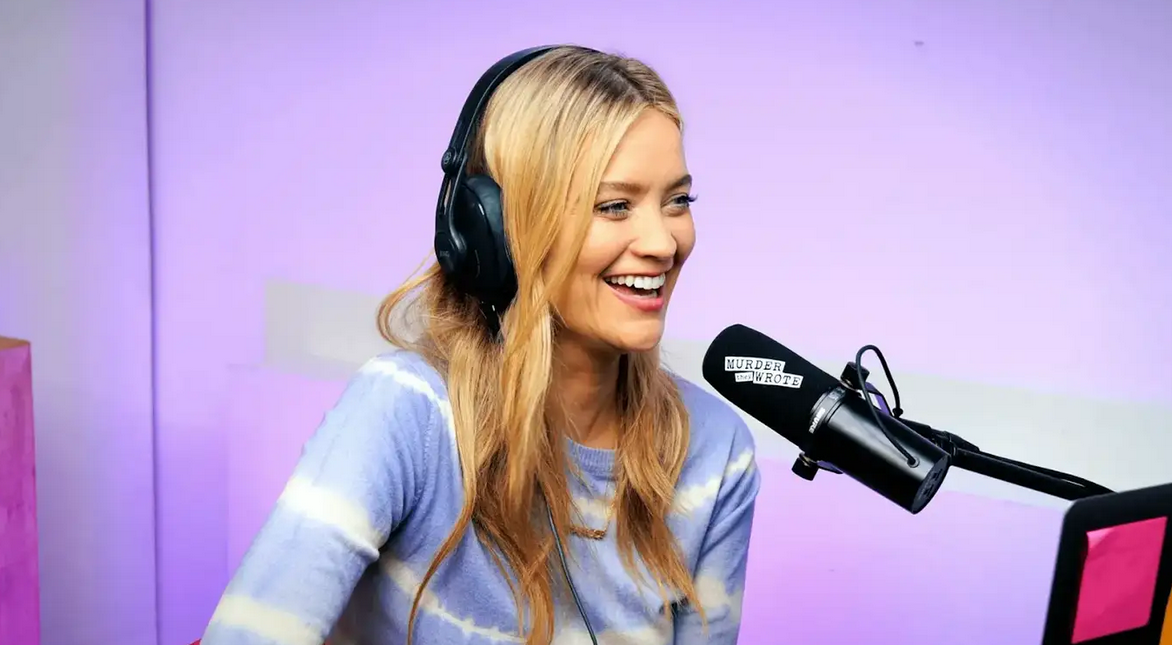
Finchley Studio (Gathering): book this setup for your podcast
For the aspiring or established creator, the value proposition of Studio Hire London is clear:
Financial Agility: Convert massive fixed CapEx (£30k+) into manageable, scalable OpEx.
Quality Assurance: Guarantee broadcast-quality sound and vision that cuts through the algorithmic noise.
Professional Perception: Leverage the prestige of a studio environment to book better guests and impress sponsors.
Focus: Reclaim hours of technical troubleshooting and setup time to focus on what actually matters—the conversation.
The verdict is definitive: In a city as loud, expensive, and fast-paced as London, you should own your IP, but rent your infrastructure.
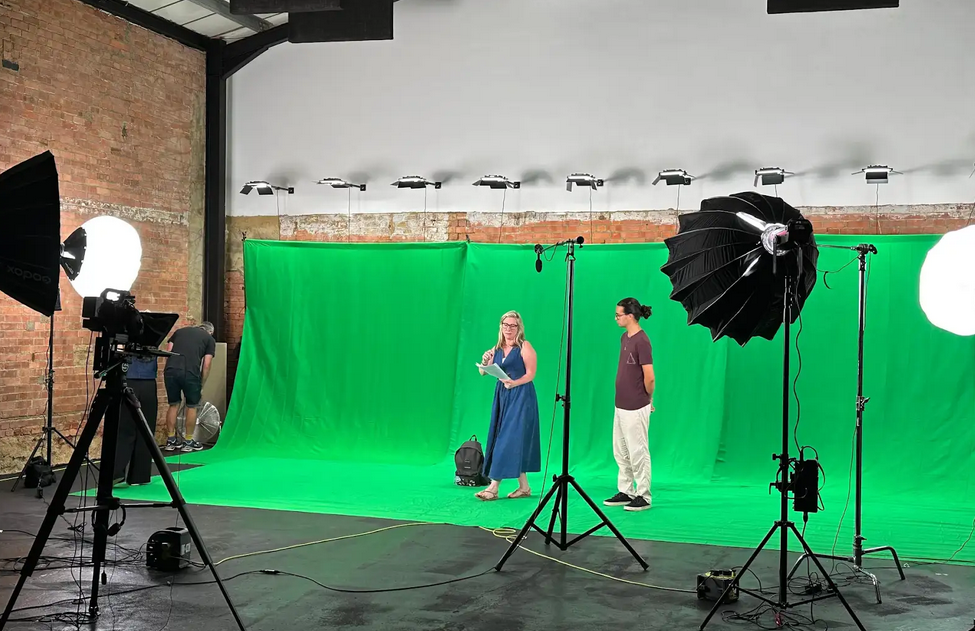
Finchley Studio (Giant Green Screen): book this setup for your podcast
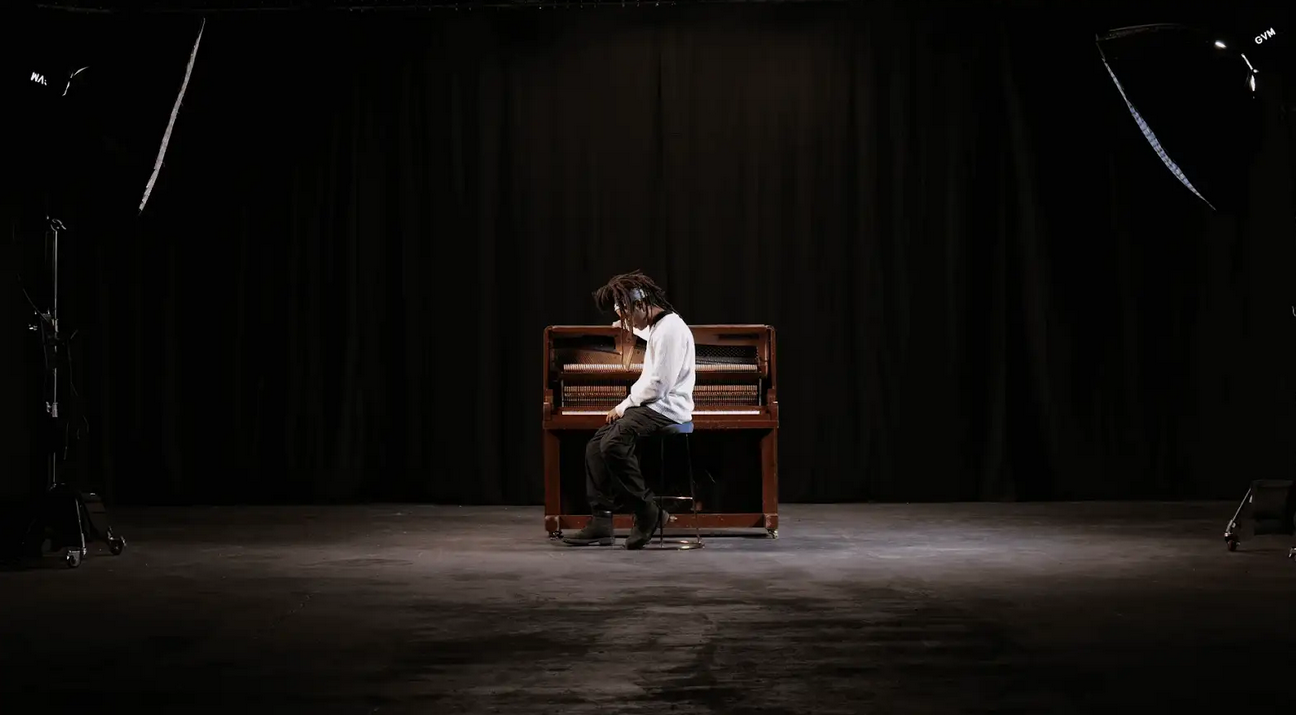
Finchley Studio (Giant Blackout Set): book this setup for your podcast