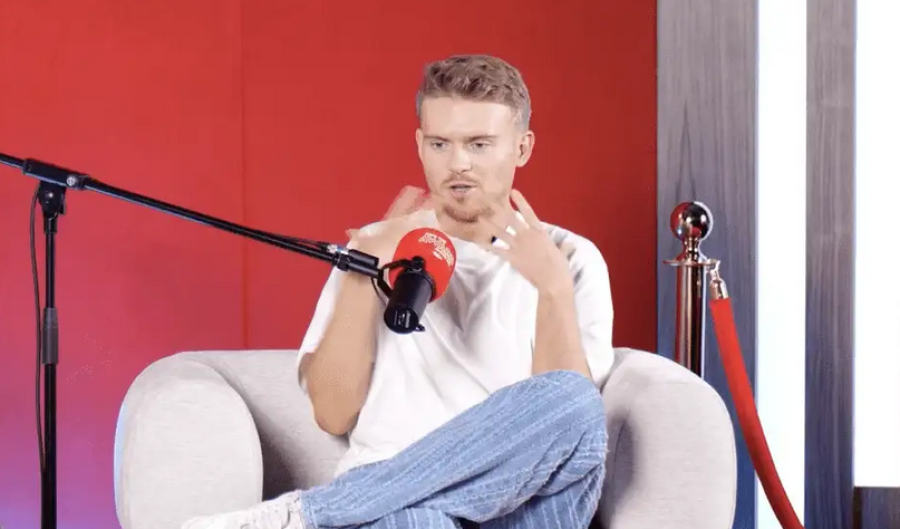
In the contemporary digital ecosystem, audio fidelity has transcended its former status as a mere technical metric to become the primary arbiter of brand authority. For the content creator operating within the hyper-competitive media landscape of London, the auditory quality of a production serves as an immediate, subconscious signal of credibility to the audience. Whether one is producing a corporate thought-leadership series in The City or a narrative journalism piece in Shoreditch, the listener's retention is inextricably linked to the purity of the signal. Finchley Studios
This report presents an exhaustive analysis of the technological and environmental factors that distinguish amateur "bedroom" recordings from professional broadcast-standard productions. Specifically, it interrogates the "hidden technology"—the symbiotic relationship between high-end dynamic microphones, inline signal activators like the Cloudlifter, and professional preamplifiers—that forms the backbone of the modern podcast studio and recording studio. Furthermore, it contextualizes these technical requirements within the specific acoustic challenges of the London metropolis, arguing that the decision to utilize studio hire London services is not merely a logistical convenience, but a strategic imperative for any entity seeking to establish a dominant voice in the market.
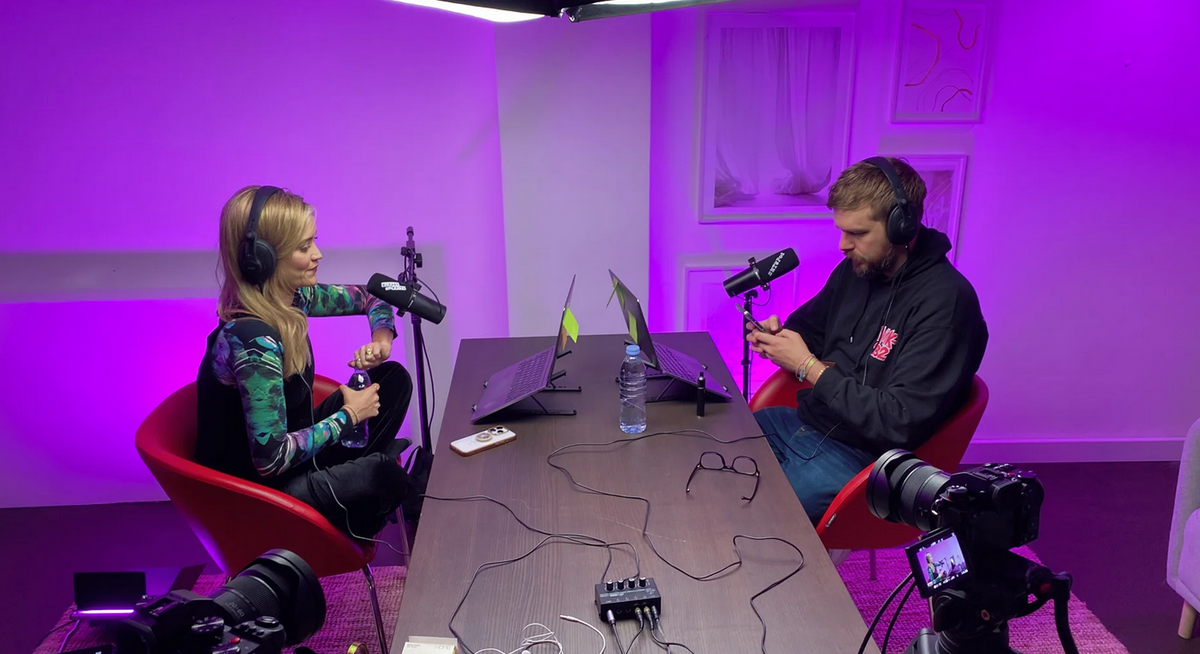
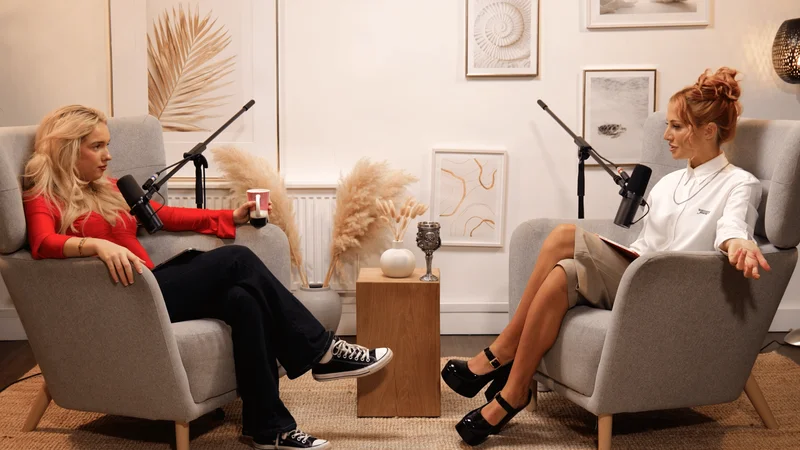
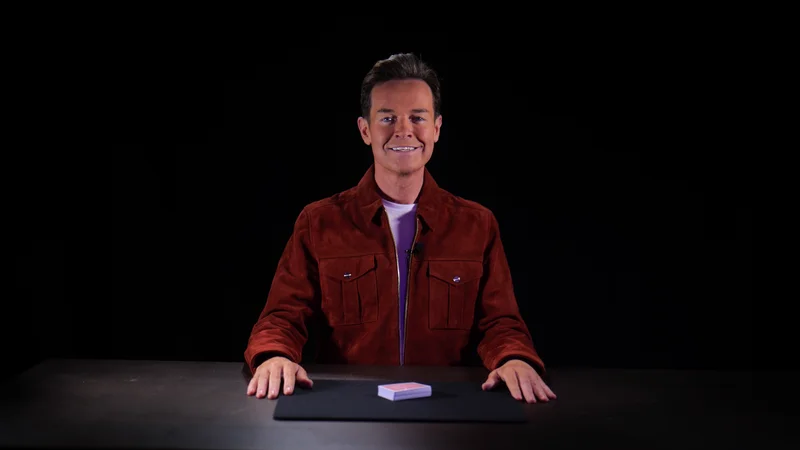
See the 'Murder They Wrote' podcast setup used by Laura Whitmore and Iain Stirling from BBC at Finchley Studio (Gathering setup). Watch Murder They Wrote at BBc sound , Spotify , Apple podcasts , Youtube , Instagram , Amazon music. Book this setup for your podcast
The Psychology of Sound and Retention
The modern consumer of audio content—whether via podcast, vodcast, or audiobook—possesses a highly sophisticated, if often unconscious, set of expectations. Research indicates that poor audio quality, characterized by background noise, room echo (reverb), or electrical hiss, creates a cognitive load that rapidly accelerates listener fatigue. In the context of London podcast production, where thousands of new shows are launched annually, this "friction" is often the deciding factor between a subscriber and a casual browser who clicks away after thirty seconds. Finchley Studios
The human voice, when captured through a signal chain that preserves its dynamic range and harmonic richness, commands attention. This phenomenon is rooted in the physics of the equipment itself. The subtle "air" provided by a high-end preamplifier or the absolute silence between words afforded by proper gain staging creates an intimacy that mimics physical proximity. Achieving this in a city defined by its sonic chaos—from the low-frequency rumble of the Underground to the piercing spectral spike of emergency sirens—requires a multifaceted engineering approach that is rarely achievable in a residential setting.
The London Acoustic Context: A Hostile Environment for Audio
To understand why specialized hardware like Cloudlifters and professional preamps are essential, one must first appreciate the "adversary": the ambient noise floor of London itself. The capital is not just loud; it is loud across the entire frequency spectrum, presenting a unique set of challenges for the audio engineer.
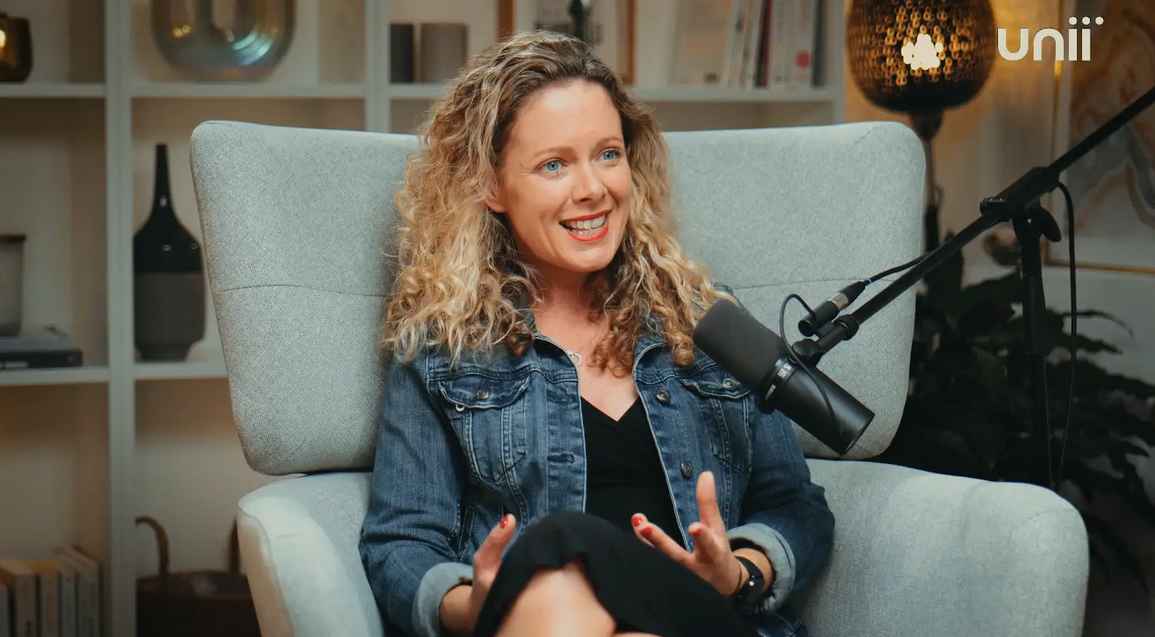
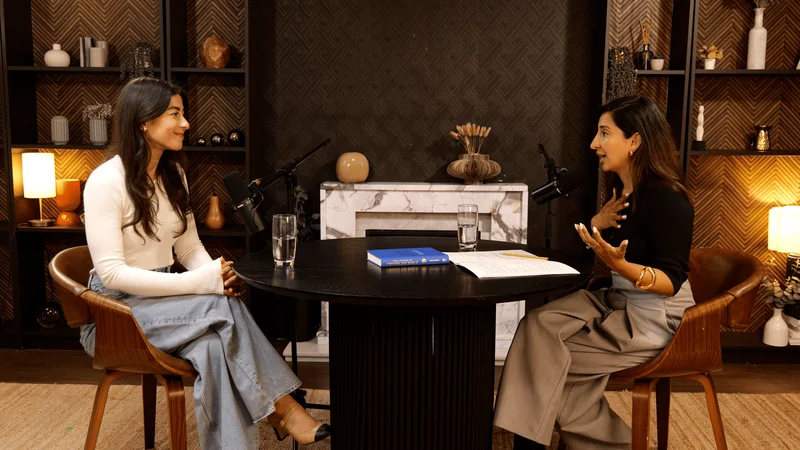
Finchley Studio (Dialogue set): book this setup for your podcast
The Low-Frequency Threat: Transport and Geology
A significant portion of London's housing stock, particularly the coveted Victorian and Georgian conversions found in creative hubs like Camden, Islington, and Hackney, rests on foundations that are intimately connected to the transport network. The London Underground, particularly the deep-level lines like the Northern and Victoria lines, transmits low-frequency vibrations (structure-borne noise) through the earth and into the structural skeletons of buildings. Finchley Studios
While the human ear might perceive this as a faint shudder, a sensitive microphone diaphragm picks it up as a persistent, muddy "hum" around 40Hz-80Hz. This frequency range is particularly damaging because it occupies the same sonic space as the fundamental frequencies of the human male voice. CrumplePop Attempting to remove this noise in post-production often results in a thin, robotic vocal tone, as the "body" of the voice is excised along with the rumble. Professional recording studio facilities mitigate this through "floating floor" architecture—physically decoupling the recording space from the building's foundation—a solution that is structurally and financially impossible for most residential tenants.
The High-Frequency Assault: The "Rumbler" Siren
In recent years, London emergency services have adopted "Rumbler" sirens and other wide-spectrum warning systems designed to penetrate modern vehicle soundproofing. These sounds are engineered to be heard; they cut through standard double glazing with ease. For a home-based creator, a recording session is a game of chance, constantly interrupted by the unpredictable intrusion of sirens, which necessitates stopping and re-recording, breaking the natural flow of conversation. The professional podcast studio relies on mass-loaded vinyl, acoustic glass, and air-gapped walls to attenuate these high-frequency intrusions by upwards of 60dB. This isolation is the blank canvas upon which the microphone paints; without it, even the most expensive equipment is rendered ineffective. Finchley Studios
The Physics of the Signal Chain: The Dynamic Microphone's Dilemma
At the heart of the "broadcast sound" lies the dynamic microphone, specifically models like the Shure SM7B, Electro-Voice RE20, and various ribbon microphones. CrumplePop These microphones are ubiquitous in London podcast production studios for a specific reason: they are physically heavy and have low sensitivity. CrumplePop
Sensitivity and the "Gain Hungry" Beast
Sensitivity in microphones is a measure of how much electrical output is generated for a given acoustic input. CrumplePop Condenser microphones, which are common in music studios for recording acoustic guitars or breathy vocals, are highly sensitive. They operate on a capacitance principle, where a lightweight diaphragm moves easily in response to sound waves, requiring very little amplification. LEWITT
However, in a spoken-word context—especially one involving multiple speakers—high sensitivity can be a liability. A sensitive condenser mic will pick up the sound of lips parting, the rustle of clothes, and the distant hum of a refrigerator. CrumplePop By contrast, a dynamic microphone like the Shure SM7B uses a moving coil attached to a heavy diaphragm. CrumplePop It requires significantly more acoustic energy to move that mass. This physical inertia gives the microphone its legendary "rejection" capabilities; it hears the person directly in front of it and ignores the off-axis noise of the room. CrumplePop
The trade-off for this rejection is a drastically reduced electrical output. The signal leaving an SM7B is microscopic—often around -59dBV/Pa. CrumplePop To bring this signal up to a "line level" usable by a computer or mixing desk, it requires a massive amount of amplification, typically between 60dB and 80dB. CrumplePop
The Noise Floor of the Preamplifier
This is where the "home setup" typically fails and the professional studio hire London facility excels. Every amplifier has a "noise floor"—a level of background hiss generated by the thermal motion of electrons within its components. CrumplePop When a preamplifier is asked to provide 60dB or more of gain (often called "diming" the preamp, or turning it to 100%), it strains the circuit. CrumplePop
On consumer-grade interfaces (such as the entry-level Focusrite Scarlett 2i2 3rd Gen or similar budget units found in bedrooms), the preamps become noticeably noisy when pushed past 80% of their capacity. CrumplePop The result is a recording where the voice is audible, but it is underpinned by a persistent layer of static or hiss. CrumplePop This is the "amateur signature" that brands seek to avoid. Finchley Studios
Professional studios solve this problem through two primary methods:
- Using ultra-high-end preamplifiers with exceptionally low Equivalent Input Noise (EIN) ratings. Vintage King
- Utilizing inline signal activators (Cloudlifters) to distribute the amplification load. LEWITT
The Cloudlifter: Mechanisms of Transparent Gain
The Cloudlifter (specifically the CL-1) has achieved an almost cult-like status in the podcasting world, often misunderstood as a "magic box" that fixes bad audio. In reality, it is a precision-engineered tool designed to address the impedance and gain mismatches described above. LEWITT

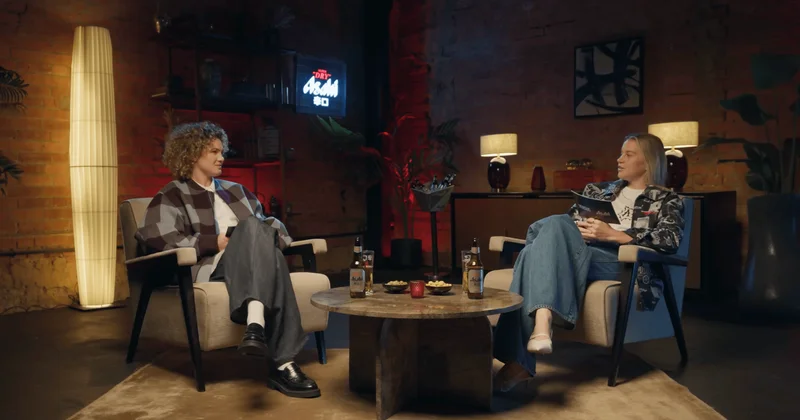
Finchley Studio (Lounge set): book this setup for your podcast
JFET Technology and Phantom Power Harvesting
The Cloudlifter acts as an intermediary stage between the microphone and the main preamplifier. Its internal circuitry relies on JFET (Junction Field-Effect Transistor) topology. CrumplePop Unlike transformers or tubes, which color the sound, JFETs are capable of providing amplification that is electrically transparent. CrumplePop
The device operates by "harvesting" the 48V phantom power sent from the mixing console or audio interface. LEWITT In a standard setup, this 48V current is intended to power condenser microphones. Dynamic microphones like the SM7B do not require phantom power and, in fact, ignore it. CrumplePop The Cloudlifter intercepts this voltage and uses it to power its internal JFET amplifier circuit, converting that energy into roughly +25dB of "clean" gain for the audio signal. LEWITT
The "Buffer" Effect: Impedance Matching
Beyond simple volume boosting, the Cloudlifter serves a critical function in "impedance matching". CrumplePop The impedance load that a microphone "sees" at the preamp input can drastically affect its tone. Reddit If the impedance is too low, the microphone can sound thin or muffled. By placing the Cloudlifter immediately after the microphone, the mic interacts with the Cloudlifter's optimized input impedance rather than the potentially variable impedance of the preamp or a long cable run. Reddit
This is particularly vital in a professional video studio or recording studio environment where cable runs might be 10, 20, or 30 meters long to reach the control room. Reddit Without a buffer, the signal from a passive dynamic mic would degrade over that distance, picking up electromagnetic interference (EMI) and losing high-frequency detail. Reddit The Cloudlifter boosts the signal at the source, ensuring it is robust enough to travel through the studio infrastructure without degradation. Reddit
Why Not Just Turn Up the Preamp?
A common question from clients booking a podcast studio is why the studio uses Cloudlifters if they already own expensive consoles. Reddit The answer lies in the concept of "gain staging". CrumplePop Even high-end preamps like the API 512c or the Neve 1073 perform best when they are not running at maximum capacity. Pushing a Neve preamp to +80dB introduces significant harmonic distortion. While this distortion is often "musical," it might not be desired for a clean, corporate podcast. By using a Cloudlifter to provide the first 25dB of gain, the Neve preamp only needs to provide another 30-40dB to reach recording levels. YouTube This allows the engineer to operate the main preamp in its "sweet spot"—the range where it offers the best balance of tone and noise performance. Vintage King
|
Device |
Role in Signal Chain |
Gain Provided |
Power Source |
Primary Benefit |
|
Shure SM7B |
Transducer (Sound to Voltage) |
N/A (Lossy) |
Passive |
High noise rejection; broadcast tone. CrumplePop |
|
Cloudlifter CL-1 |
Inline Activator |
+25dB (Fixed) |
Phantom Power (48V) |
Lowers noise floor; optimizes impedance. LEWITT |
|
Neve 1073 LB |
Microphone Preamplifier |
Up to +80dB (Variable) |
Rack Power |
Adds weight, warmth, and authority. Vintage King |
|
Audio Interface |
A/D Converter |
0dB (Unity) |
Mains/USB |
Digitizes signal for DAW (Digital Audio Workstation). CrumplePop |
The Preamplifier Wars: Choosing a Sonic Character
While the Cloudlifter provides the transparent lift, the preamplifier provides the personality. In the ecosystem of London podcast production, the choice of preamplifier is a deliberate artistic decision that shapes how the listener perceives the host. Vintage King
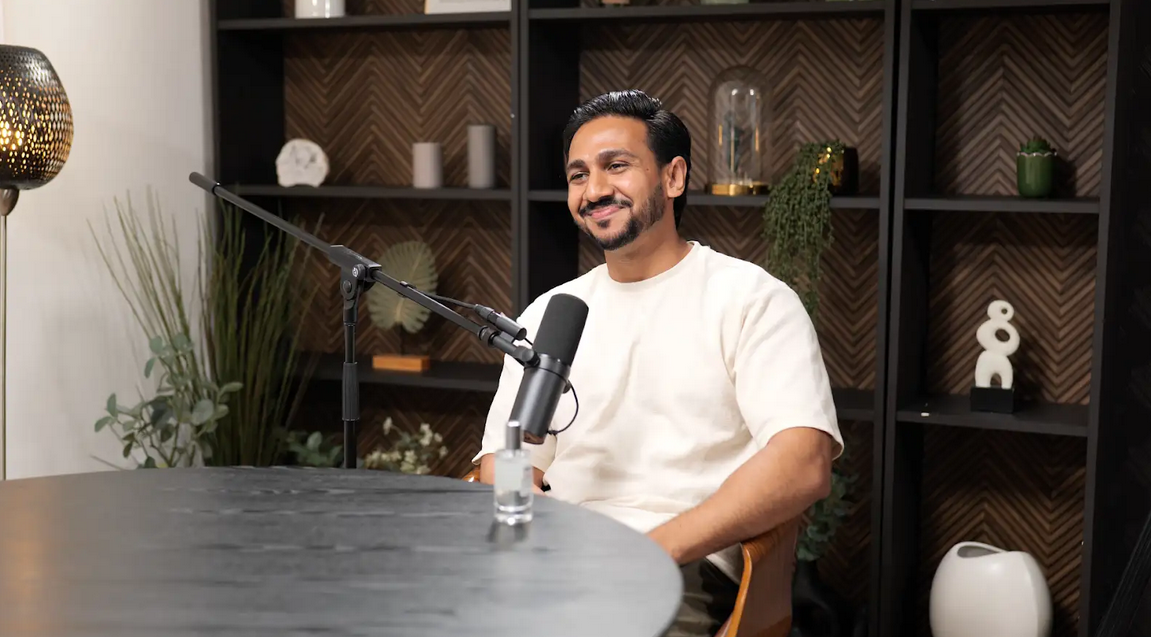
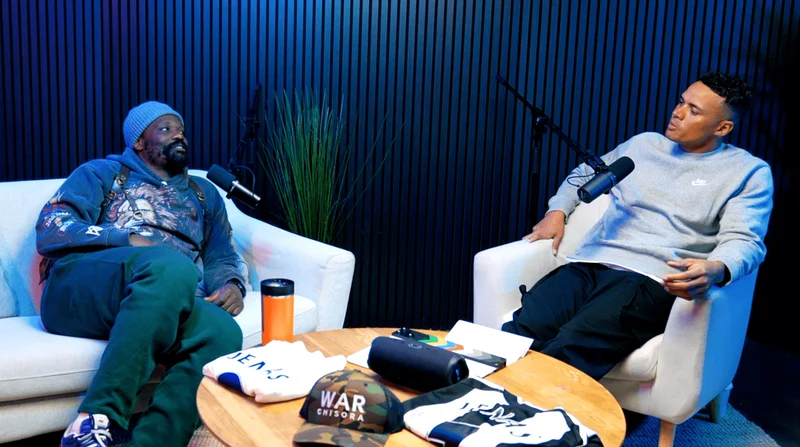
Finchley Studio (CEO Set): book this setup for your podcast
The Neve Sound: Authority and Warmth
Walk into a high-end facility like Dean St. Studios or Premiere Podcast Studios, and you will likely encounter preamplifiers based on the Neve 1073 architecture. Designed by Rupert Neve in the 1970s, this circuit uses large transformers that saturate when driven. Vintage King For the human voice, this saturation manifests as a thickening of the low-mids and a smoothing of the high frequencies. It makes a thin voice sound robust and a harsh voice sound velvet-like. In a corporate context, this "Neve sound" subconsciously conveys authority and stability. It is the sound of the BBC newsreader, the seasoned documentarian, and the trusted advisor. When you hire a recording studio equipped with these units, you are effectively buying a sonic "suit and tie" for your voice. Vintage King
The API Sound: Punch and Clarity
Conversely, studios focused on energetic, conversational content—such as comedy podcasts or sports commentary—often favor the API (Automated Processes Inc.) sound, typified by the API 512c. Vintage King API preamps utilize discrete op-amps (specifically the 2520 op-amp) rather than the heavy transformers found in Neve designs. Sweetwater This results in a "faster" transient response. Vintage King Transients are the initial burst of energy in a sound—the "T" in "Talk" or the "P" in "Podcast." The API captures these with aggressive precision, resulting in a sound that is described as "punchy," "forward," and "in-your-face". Vintage King For a video studio producing content for social media (TikTok, Instagram Reels), where the audio must cut through the noise of a user scrolling through a feed, the API preamp is often the superior choice. It places the vocal right at the front of the mix without requiring excessive compression. Vintage King
The SSL SuperAnalogue: The Modern Standard
A third contender, often found in modern broadcast hubs like TYX Studios, is the Solid State Logic (SSL) SuperAnalogue preamp. Finchley Studios Unlike Neve (warmth) or API (punch), SSL strives for absolute purity. Solid State Logic The SSL signal path is designed to have a frequency bandwidth that extends well beyond human hearing (often up to 200kHz), ensuring that there is absolutely no phase shift or coloration within the audible spectrum. Solid State Logic This "what you hear is what is there" approach is favored for video studio work involving "Vodcasts," where the visual fidelity of 4K cameras must be matched by equally high-fidelity, transparent audio. Solid State Logic It allows for maximum flexibility in post-production, as the signal has not been "painted" with a specific vintage tone during recording. Vintage King
The Modern Vodcast Studio: Integrating Audio and Video
The evolution of the podcast into the "Vodcast" (Video Podcast) has fundamentally shifted the requirements for studio hire London. Finchley Studios The "hidden tech" of audio must now integrate seamlessly with a visual infrastructure that rivals television production.

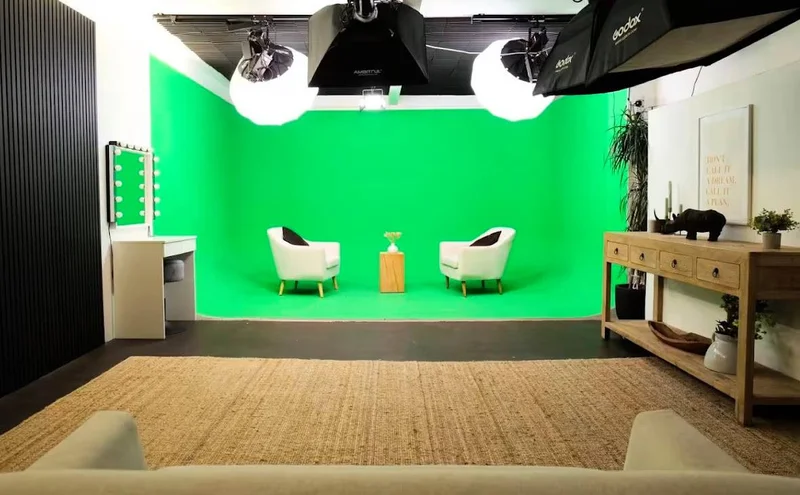
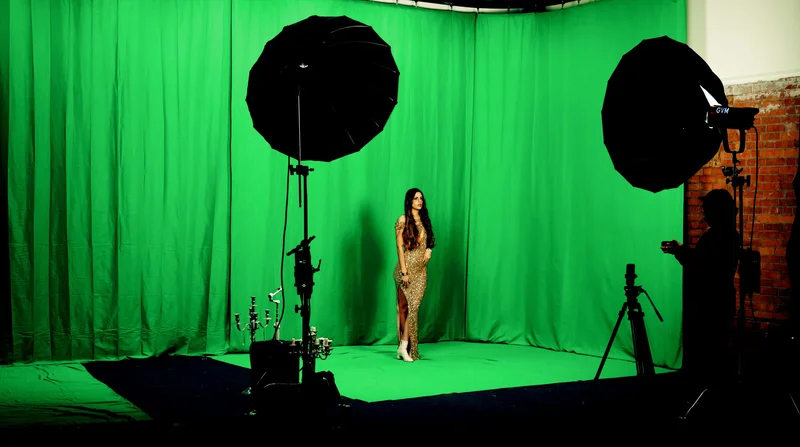
Finchley Studio (Green Screen Cove): book this setup for your podcast
The Challenge of Sync and Sensory Cohesion
In a vodcast, the audience's brain is processing two data streams simultaneously: the visual of the speaker's lips moving and the audio of their voice. Finchley Studios Even a discrepancy of a few milliseconds (latency) creates a "lip-flap" effect that is deeply unsettling and destroys credibility. Next Media Professional studios utilize centralized clocking systems to ensure that the audio interface (recording the mics) and the video switchers (recording the cameras) are perfectly synchronized. Furthermore, the choice of microphone becomes a visual decision. The Shure SM7B is often chosen not just for its sound, but because its shape is recognized by audiences as the "professional standard," acting as a visual prop that signals "this is a serious show". Finchley Studios
4K Video and the "Cinematic" Look
The standard for video studio rental in London has moved to 4K resolution. Finchley Studios Studios like Premiere Podcast Studios and Outset Studio deploy multi-camera setups using sensors that offer a "cinematic" depth of field (blurred background). Finchley Studios Cameras such as the Sony FX3 or Canon C70 are popular because they offer reliable autofocus—essential when a podcaster leans forward to laugh or reclines in their chair. Finchley Studios
However, high-resolution video is unforgiving. It reveals every detail, which means the lighting must be exquisite. Professional studios use soft-box lighting grids (often brands like Aputure or Nanlite) mounted on ceiling rails to keep the floor clear. Finchley Studios This lighting is "tuned" to the skin tones of the guests, ensuring they look healthy and vibrant—a stark contrast to the harsh, shadowed look of a webcam or ring-light setup at home. Finchley Studios
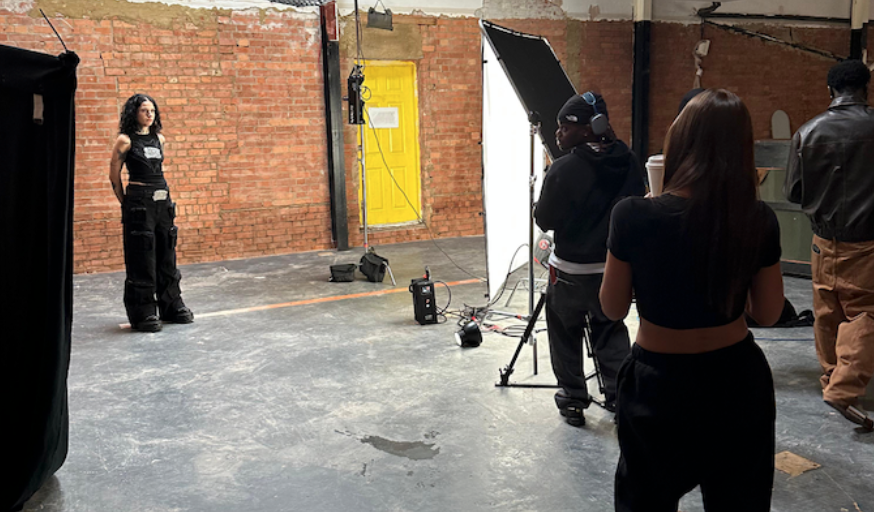
Finchley Studio (The Brick Studio): book this setup for your podcast
The Economic Reality: Buy vs. Hire in the London Market
For the aspiring creator or the business marketing manager, the question often arises: "Should we build our own studio or hire one?" In London, the answer is heavily skewed by the realities of the property market. Finchley Studios
The Cost of Silence
To replicate the acoustic isolation of a professional studio in a London flat or office requires substantial construction work. A true "room-within-a-room" build, involving floating floors, resilient channels, and acoustic glazing, typically costs between £11,000 and £20,000 for a single room. Finchley Studios This is a capital expenditure (CapEx) that is effectively lost if the property is rented. You cannot take soundproof walls with you when your lease ends. Furthermore, in a residential context, such heavy modification can actually devalue a property, as future buyers may not want a windowless, airtight bunker in their spare bedroom.
The "Dry Hire" vs. "Wet Hire" Model
Studio hire London services offer a flexible operating expenditure (OpEx) model. Prices vary based on the level of service:
- Dry Hire / Self-Service (£30 - £84/hr): You rent the room and the equipment, but you operate it yourself. This is ideal for experienced creators who know how to gain-stage a preamp and operate a camera switcher. Finchley Studios
- Wet Hire / Engineered (£100 - £190/hr): This includes a sound engineer and/or videographer. Finchley Studios The value here is risk mitigation. The engineer is responsible for the levels, the focus, and the file management. If a file is corrupted or a mic clips, it is their responsibility to fix it. For corporate clients, this insurance is invaluable. Finchley Studios
|
Cost Factor |
Home Studio Build (London) |
Professional Studio Hire |
|
Acoustics |
£11k - £20k (Sunk Cost) Finchley Studios |
Included in hourly rate |
|
Equipment (Audio) |
£2k - £5k (Mics, Interface, Preamps) |
£50k+ (Neve/SSL consoles, High-end Mics) Finchley Studios |
|
Equipment (Video) |
£4k - £10k (Cameras, Lights) |
£20k+ (Cinema Cameras, Rail Lighting) Finchley Studios |
|
Maintenance |
Personal responsibility |
Studio responsibility |
|
Flexibility |
Static location |
Scale up/down as needed |
Future Trends: The Evolution of London Audio
The landscape of London podcast production is not static. As technology evolves, so too do the studios that serve the creators. TYX Studios
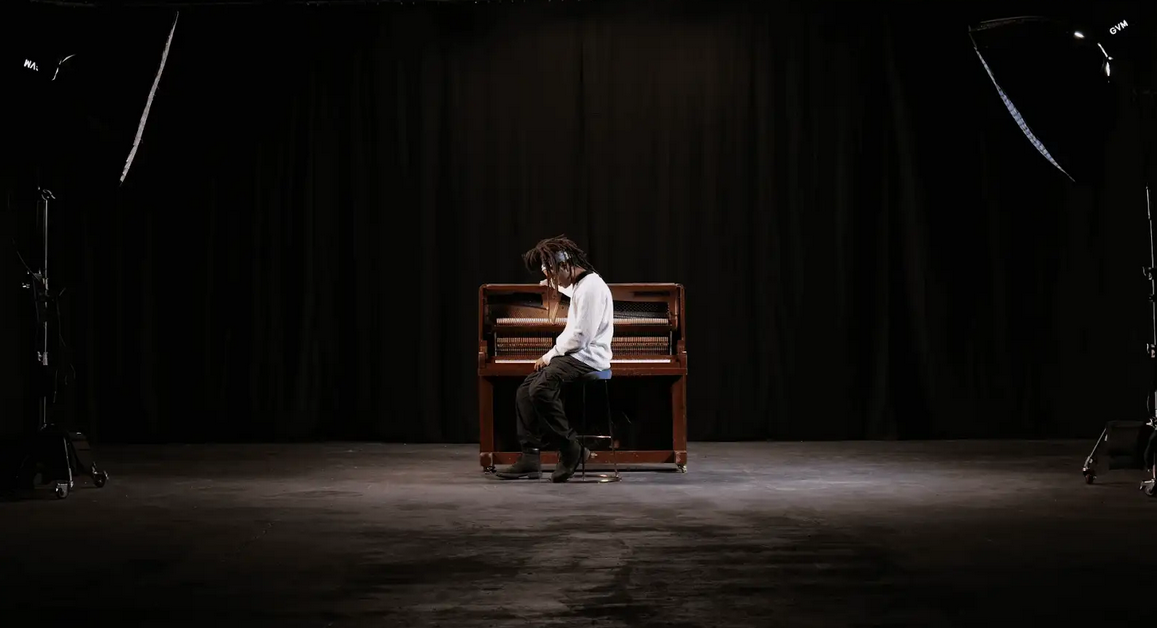
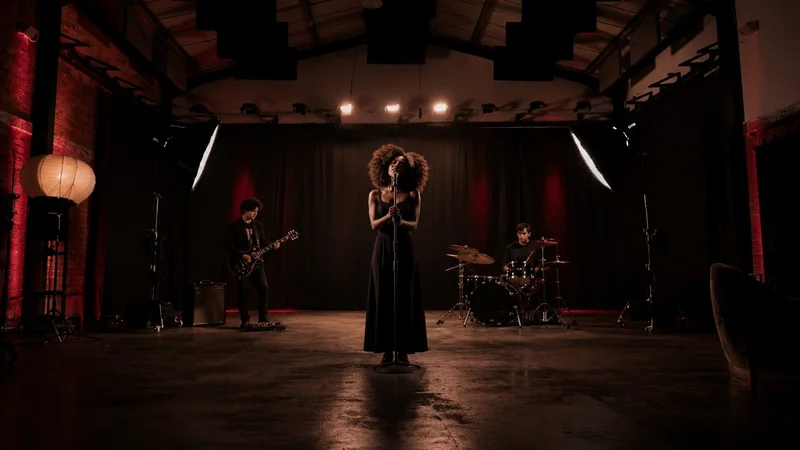
Finchley Studio (Giant Blackout Set): book this setup for your podcast
Spatial Audio and Dolby Atmos
The next frontier is spatial audio. Studios like Dean St. Studios and TYX are already equipping their rooms for Dolby Atmos mixing. This allows podcasts to be immersive, with sound effects placed in a 360-degree field around the listener. While currently a niche for high-end narrative drama, it is expected to trickle down to mainstream interviewing, where spatial placement can help listeners distinguish between multiple speakers more easily. Finchley Studios
AI vs. Hardware
Artificial Intelligence (AI) noise reduction is improving, but it has not replaced the need for good hardware. AI processing often introduces "artifacts"—digital gurgles or robotic phrasing—when it has to work too hard to remove heavy noise. The consensus among London professionals is that "garbage in, garbage out" still applies. AI is best used as a polish, not a rescue boat. The physical rejection of a Shure SM7B combined with the clean gain of a Cloudlifter remains the only way to guarantee a pristine source file that is future-proof.
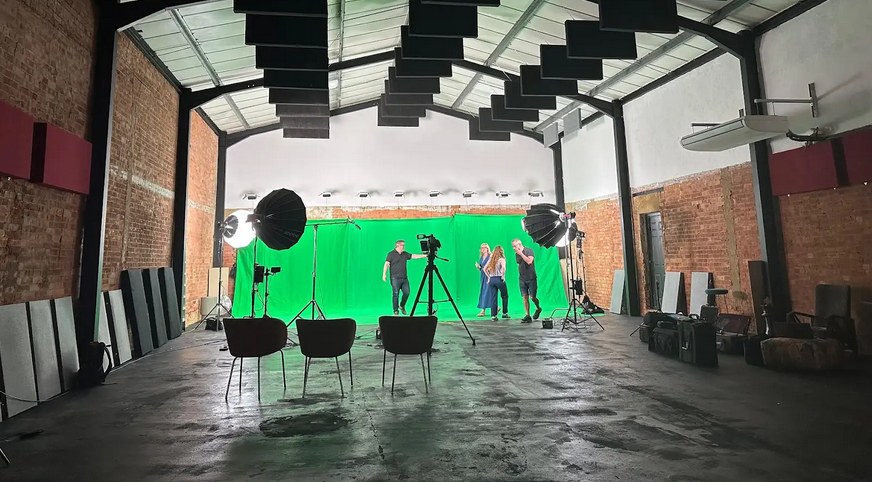
Finchley Studio (Giant Green Screen): book this setup for your podcast
Frequently Asked Questions (FAQ)
Based on search data and common inquiries from London creators. Next Media
Q: My Shure SM7B sounds too quiet even with the volume turned up. Do I need a Cloudlifter?
A: If you are using a standard USB interface (like a Scarlett 2i2 or similar), the answer is almost certainly yes. CrumplePop These interfaces typically max out at 56dB of gain, while the SM7B thrives with 60dB+. Podcastage Without a Cloudlifter, you will have to turn the gain to 100%, which introduces a loud "hiss" (preamp noise) into your recording. The Cloudlifter adds 25dB of clean gain before the preamp, solving this issue instantly. LEWITT
Q: Can I use a Cloudlifter with a condenser microphone?
A: No. A Cloudlifter requires Phantom Power (48V) to operate, but it does not pass that power through to the microphone. LEWITT Condenser mics need Phantom Power to work. If you plug a condenser mic into a Cloudlifter, you will get no sound. Cloudlifters are strictly for dynamic (e.g., SM7B) and ribbon microphones. LEWITT
Q: Is soundproofing really necessary if I record at night in London?
A: Nighttime brings different noise, not silence. While traffic might decrease, sirens actually become more audible as the ambient hum of the city drops. Additionally, boilers, fridges, and neighbors' plumbing are often louder at night in quiet flats. A professional recording studio offers 24/7 isolation, ensuring consistent sound regardless of the time. Finchley Studios
Q: Why do London studios charge so much for "Video" vs. "Audio Only"?
A: Video adds exponential complexity. It requires expensive 4K cameras, enormous amounts of data storage (video files are massive compared to audio), and specialized lighting setups that consume significant electricity and setup time. Finchley Studios Furthermore, syncing audio and video requires more processing power and often a dedicated operator to ensure focus and framing remain perfect throughout the session. Finchley Studios
Q: What is the difference between "Soundproofing" and "Acoustic Treatment"?
A: Soundproofing stops noise getting in or out (e.g., thick walls, air gaps, heavy doors). Acoustic Treatment controls how sound behaves inside the room (e.g., foam panels to stop echo). You can treat a bedroom to stop echo for £200, but you will still hear the police siren outside. A professional studio has both.
Q: Can I just fix the noise in post-production?
A: To a degree, yes, but at a cost. Heavy noise reduction removes frequencies from your voice, making you sound "underwater" or robotic (often called "the Zoom sound"). The goal of a professional podcast studio is to capture a signal so clean that no restoration is needed, preserving the rich, human texture of your voice. Finchley Studios
Conclusion: The ROI of Sonic Excellence
In the final analysis, the technology behind crystal clear vocals—the Cloudlifters, the Neve transformers, the floating floors—is not about gear fetishism. It is about respect for the audience. When a listener puts on headphones, they are inviting the creator into their head. A recording that is marred by hiss, rumble, or echo breaks that trust. Finchley Studios
For the London-based creator, the city offers both the greatest challenges (noise) and the greatest resources (world-class studios). By stepping out of the bedroom and into a professional facility, you are not just renting equipment; you are accessing a heritage of engineering excellence that ensures your message is heard exactly as you intended—with authority, clarity, and impact. Finchley Studios
Whether you are looking to record a pilot episode or a season-long corporate vodcast, the investment in professional studio hire London pays dividends in brand perception and audience retention. We invite you to experience this difference firsthand. Book a session at our London facility today, and let us show you what your voice is truly capable of.