In the high-stakes environment of London's corporate sector, where the pace of decision-making is accelerated by the city's status as a global financial and cultural hub, the mechanisms of leadership communication are undergoing a profound transformation. The era of the "all-staff email"—often sterile, easily misinterpreted, and frequently ignored—is giving way to a medium that restores the nuance, empathy, and authenticity of human connection: the internal podcast. Across the capital, from the glass-walled boardrooms of Canary Wharf to the creative lofts of Shoreditch, Chief Executive Officers and leadership teams are stepping into the professional podcast studio to articulate their vision directly into the ears of their workforce.
This shift is not a fleeting trend but a strategic response to the fragmentation of the modern workplace. With hybrid working models now entrenched across the UK, the physical "town hall" meeting has lost its ubiquity. Leaders are finding that to maintain cultural cohesion and strategic alignment in 2025 and 2026, they must inhabit the digital spaces where their employees already spend their time. The "CEO's Voice" is no longer just a metaphor for authority; it is becoming a literal, auditory anchor for the distributed workforce.
For the London-based executive, however, the transition to audio-first communication presents a unique set of challenges. The city itself—vibrant, noisy, and logistically complex—conspires against high-quality recording in traditional office environments. The "hum" of the metropolis, the acoustic limitations of modern architecture, and the rising bar for technical excellence demand a move away from amateur setups and toward the controlled, broadcast-quality environment of a professional recording studio. This report provides an exhaustive analysis of why London firms are making this investment, the technical and strategic considerations required for success, and how the premier production facilities in the capital are facilitating this new era of corporate transparency.
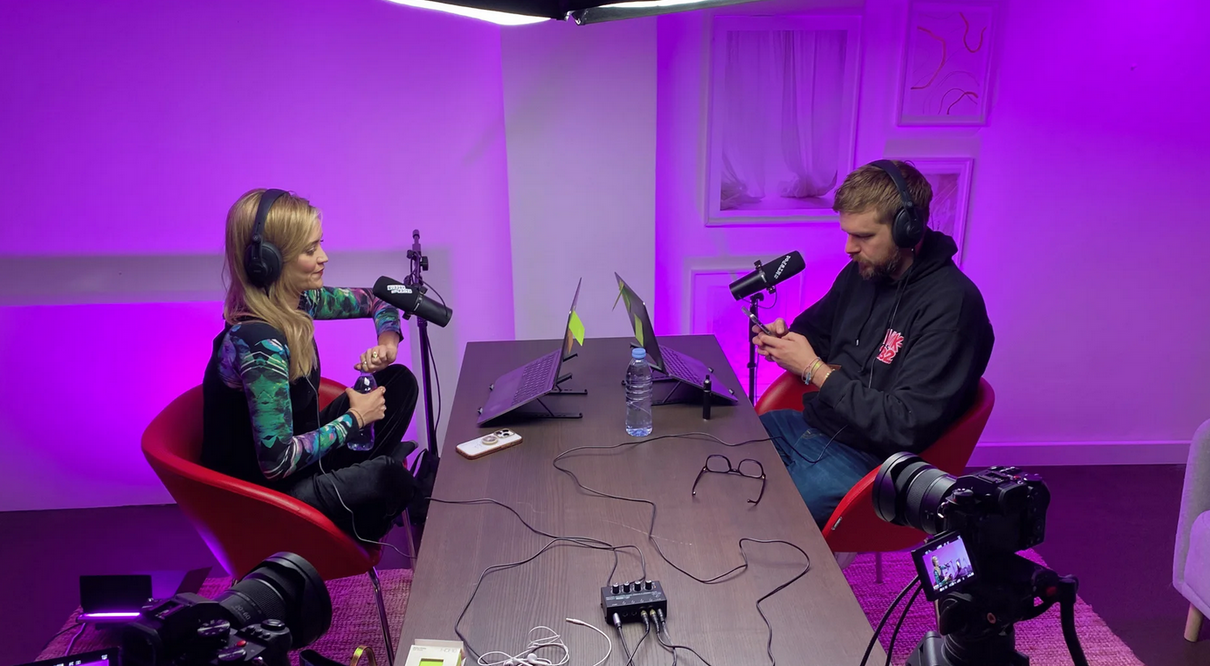
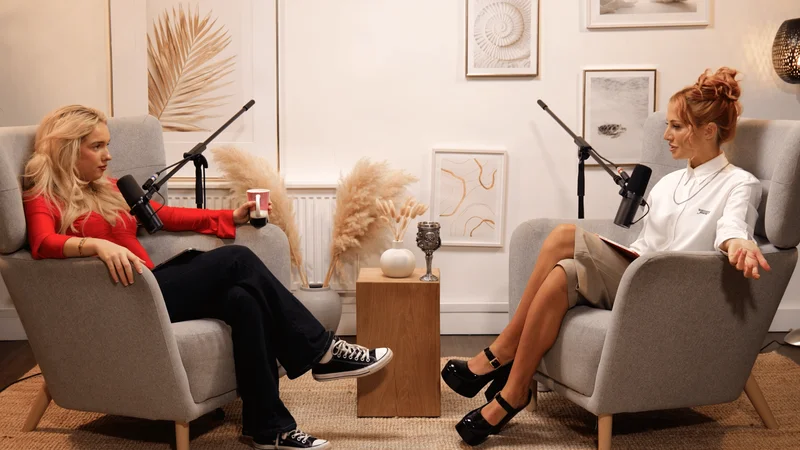
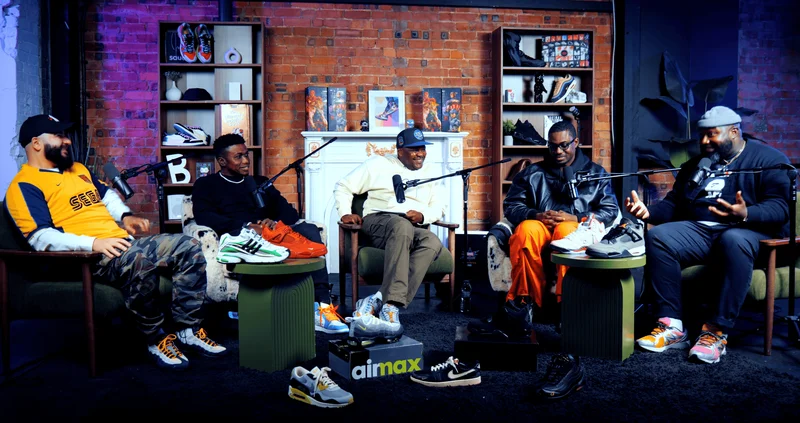
See the 'Murder They Wrote' podcast setup used by Laura Whitmore and Iain Stirling from BBC at Finchley Studio (Gathering setup). Watch Murder They Wrote at BBc sound , Spotify , Apple podcasts , Youtube , Instagram , Amazon music
1. The Strategic Imperative: The Shift from Text to Audio
The adoption of internal podcasts is driven by a convergence of technological maturity, shifting consumption habits, and a deepening understanding of the psychology of engagement. As organisations navigate the complexities of 2025—including stricter regulations on third-party data tracking and the rising importance of "contextual" advertising—internal communication channels are being reimagined as high-value media platforms in their own right [Stock Stop LTD].
1.1 The "Tone Gap" in Leadership Communication
A primary catalyst for the "internal podcasting revolution" is the recognized failure of text to convey emotional nuance. In the realm of leadership, "tone" is a critical component of trust. Research indicates that empathy—a trait increasingly demanded of the C-suite—is notoriously difficult to transmit via email or newsletter. The absence of vocal inflection, pacing, and emphasis often leads to misinterpretation, increased employee anxiety, and a perceived distance between leadership and the workforce [Supporting Cast].
When a CEO addresses sensitive topics—such as mental health initiatives, restructuring, or societal injustice—text often feels cold, corporate, and defensive. In contrast, audio allows for the transmission of micro-expressions: the pause before a difficult admission, the warmth in a greeting, or the genuine enthusiasm for a new project. This "authenticity" is the currency of modern leadership. By utilizing a high-end podcast studio, leaders can strip away the corporate veneer and speak human-to-human, fostering a sense of psychological safety and connection that is impossible to achieve through the written word [uStudio].
1.2 Cognitive Load and Retention: The Science of Listening
The effectiveness of the audio medium is rooted in cognitive processing. Academic research suggests that audio listening can achieve significantly higher retention rates compared to speed-reading techniques [Listening.com]. While text allows for rapid scanning, it often results in surface-level comprehension. Audio, by its linear nature, forces a deeper level of engagement.
The following table:
|
Metric |
Text/Reading |
Audio/Listening |
Insight & Implication |
|
Retention Potential |
Lower (prone to scanning) |
Up to 73% Higher |
Audio encourages "active" consumption, leading to better long-term recall of strategic goals [Listening.com]. |
|
Comprehension |
High for complex data |
High for narrative |
Audio excels at conveying the "why" and "how" behind decisions, whereas text is better for raw data [PMC]. |
|
Emotional Connection |
Low |
Very High |
The "grain" of the voice builds a parasocial bond, increasing trust in the leader's message. |
|
Accessibility |
Requires visual focus |
Eyes-Free |
Allows consumption during "dead time" (commuting, exercise), increasing the total addressable audience within the firm [uStudio]. |
Data from 2025 indicates that the "speed of messaging" often utilized in crisis communications—flooding channels with rapid text updates—can undermine credibility if it lacks context. Audio provides a structural advantage by slowing down the consumption process, allowing the leader to control the narrative pacing and ensure that complex ideas are fully articulated before the listener moves on.
1.3 UK Podcast Consumption Trends 2025/2026
The appetite for audio content in the United Kingdom has reached a tipping point, creating a fertile ground for corporate adoption. Employees are already conditioned to consume information through earbuds. According to [Edison Research], the medium has achieved massive reach:
- Ubiquity: 71% of individuals in the UK aged 16+ have consumed a podcast, with 51% listening in the last month and 33% in the last week [Edison Research].
- Platform Dominance: Spotify remains the preferred platform for 33% of listeners, followed by YouTube (20%) and BBC Sounds (15%) [Edison Research].
- The "Living Room" Shift: Listening on Smart TVs has doubled since 2023, indicating that podcasts are becoming a shared, lean-back experience rather than just a solitary mobile activity [Edison Research].
- In-Car Integration: With 38% of UK vehicles now equipped with Apple CarPlay or Android Auto, the "drive time" slot has become a prime window for corporate messaging [Edison Research].
For the London firm, this means the CEO's message is no longer tethered to a desk. It can be consumed on the Northern Line, during a run in Hyde Park, or while driving to a client meeting in Reading. This flexibility is a key solver for "screen fatigue," allowing employees to stay informed without adding to their visual cognitive load [uStudio].
2. The London Context: The Case for Professional Studio Hire
While the demand for internal podcasts is global, the execution of these projects in London presents specific local challenges. The capital is a loud, crowded, and architecturally complex environment. For a firm attempting to record broadcast-quality audio in-house, two major hurdles inevitably arise: the city's noise floor and the acoustics of modern office design.

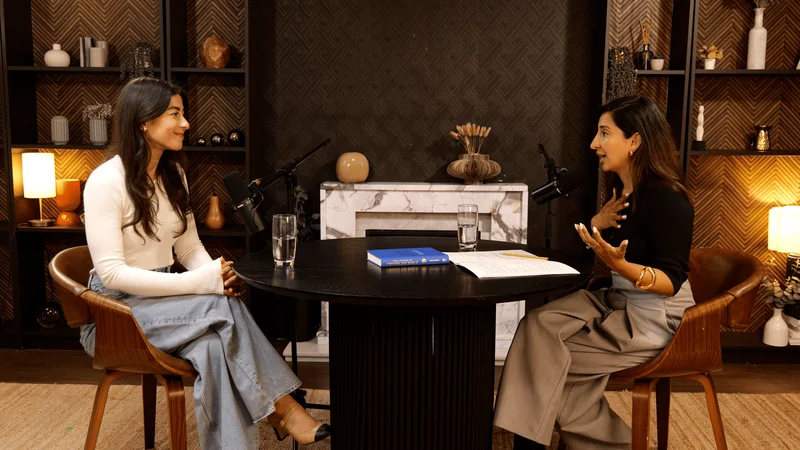
Finchley Studio (White Infinity Cove): book this setup for your podcast
2.1 The "London Noise Floor": Battling the Decibels
London is alive with sound. The ambient noise level in the city averages approximately 66 dB, with a constant urban "hum" of around 60 dB sustained even in quieter moments [Arts.ac.uk]. This sonic backdrop is composed of a cacophony of sources: the relentless rumble of road traffic, the piercing sirens of emergency vehicles, construction drilling, and the subsonic vibration of the London Underground [Arts.ac.uk].
For audio recording, this presents a critical problem. Professional microphones—such as the large-diaphragm condensers often favored for their rich tone—are incredibly sensitive. They do not just capture the speaker; they capture the environment.
Noise Sources and Their Impact on Recording:
- The Tube: The Northern Line is notoriously loud, with acoustically hard station surfaces amplifying the noise. This low-frequency rumble can travel through building foundations and manifest as an unremovable "mud" in a recording [Arts.ac.uk].
- Traffic & Sirens: London's road network generates a fluctuating noise profile (Lden) that is unpredictable. A siren passing an office window can ruin a perfect take, forcing the CEO to stop and reset—breaking the flow of an authentic conversation [Centre for London].
- The "Sonic Illusion": Londoners are often habituated to this noise, creating a "sonic illusion" where they believe a room is quiet. However, a microphone has no such filter. It records the reality of the 60 dB floor, resulting in an amateurish product that fatigues the listener [Arts.ac.uk].
A professional podcast studio in London is engineered specifically to defeat this environment. Through the use of "room-within-a-room" construction, floating floors, and heavy mass-loaded vinyl insulation, these spaces achieve a Noise Criteria (NC) rating that is virtually silent [Finchley.co.uk]. This allows for a "clean canvas" where the only thing recorded is the speaker's voice, free from the intrusion of the city outside.
2.2 The "Glass Room Problem": Why Meeting Rooms Fail
The architectural trend in London's prime office spaces—from The Shard to the creative hubs of Fitzrovia—favors glass. Floor-to-ceiling windows and glass-walled meeting rooms offer spectacular views and natural light, but they are acoustically disastrous for recording [Eurhythmics].
The Physics of Failure:
- Hard Reflection: Glass is a hard, non-porous surface. When a CEO speaks in a glass room, sound waves bounce immediately off the walls, ceiling, and table. This creates "early reflections" that arrive at the microphone milliseconds after the direct sound, causing "comb filtering" (a hollow, metallic sound) [Eurhythmics].
- Reverberation Time (RT60): In an untreated glass room, sound lingers. This "reverb" acts as a blur, masking the clarity of speech. Low frequencies build up in corners, making voices sound boomy and indistinct [Eurhythmics].
- Privacy Leakage: Glass partitions are poor insulators. Confidential discussions about strategy or personnel can easily be heard in the adjacent open-plan office, creating a security risk [Advanced Acoustics].
- Algorithmic Artifacts: While software like Zoom attempts to cancel out echo, it often fails in severe glass environments, leading to "pumping" or "gating" artifacts where the voice cuts in and out robotically [Eurhythmics].
Attempting to "fix" a glass room with makeshift solutions (like foam panels) is rarely effective because the fundamental geometry and materials of the room are fighting the physics of sound [Advanced Acoustics]. A dedicated recording studio or video studio eliminates these variables entirely, providing a controlled acoustic environment that guarantees intelligibility and warmth [Digital Vision AV].
2.3 Logistics and the "Sunk Cost" Trap of DIY
Faced with these challenges, some firms consider building a dedicated studio within their London office. However, a financial analysis often reveals this to be a "sunk cost" trap, particularly given the high cost of London real estate [Finchley.co.uk].
Cost Comparison: DIY In-House Build vs. Professional Studio Hire
|
Cost Category |
DIY Office Build (London) |
Professional Studio Hire (Annual) |
Notes |
|
Real Estate |
High (~£800/mo in lost desk space value) |
Included |
In a rental property, you cannot take the soundproof walls with you when you move [Finchley.co.uk]. |
|
Construction |
£11,000 - £20,000 |
Included |
Professional soundproofing (floating floors, isolation clips) is capital intensive [Finchley.co.uk]. |
|
Equipment |
£5,000+ |
Included |
Cameras, mics, lights, and interfaces depreciate quickly [Paragon Creative Studios]. |
|
Staffing |
£45,000+ (Engineer Salary) |
Included in "Wet Hire" |
Requires hiring or retraining staff to manage the tech [Finchley.co.uk]. |
|
Maintenance |
Variable |
Included |
Equipment failure in-house causes delays; studios have backups [Finchley Studios]. |
|
Flexibility |
Low |
High |
Studios offer scalability (audio-only today, multi-cam video tomorrow) [Paragon Creative Studios]. |
|
Guest Experience |
Variable |
Premium |
Professional studios offer hospitality, waiting areas, and a "wow" factor for guests [Finchley Studios]. |
For a standard production schedule (e.g., 48 episodes a year), studio hire London services offer a predictable operational expense (OPEX) of approximately £12,000 - £15,000, avoiding the massive upfront capital expenditure (CAPEX) and the risk of obsolescence [Finchley.co.uk].
3. Technical Excellence: Defining the Professional Standard (2025/2026)
In the mature podcast market of 2025, "good enough" audio is no longer acceptable. Listeners, accustomed to the high production values of mainstream broadcasts (like The Daily or Diary of a CEO), have a low tolerance for poor quality. For an internal podcast to command respect, it must sound and look professional. This requires a strict adherence to industry standards for hardware and signal processing.

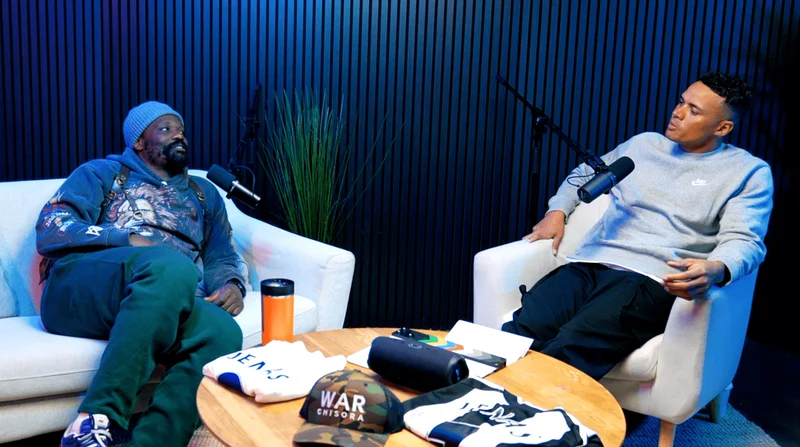
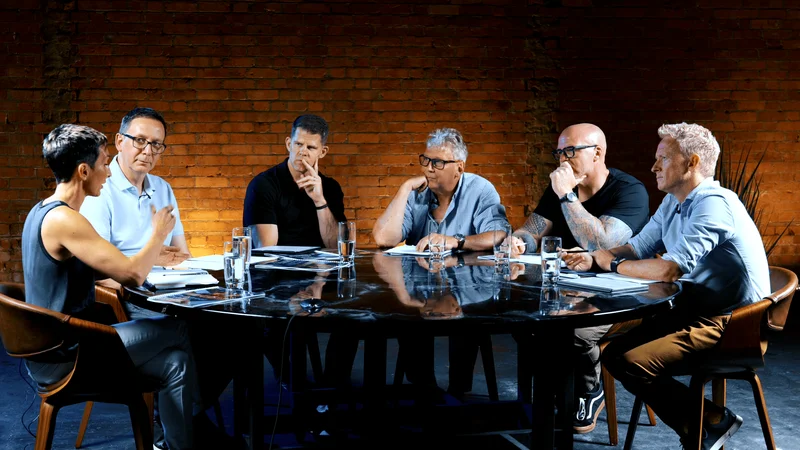
Finchley Studio (Dialogue set): book this setup for your podcast
3.1 The "Executive Voice": Microphone Selection
The choice of microphone is personal and strategic. It must flatter the speaker's voice while rejecting the ambient noise of the room.
- Shure SM7B/SM7dB: The undisputed industry standard for podcasting. It is a dynamic microphone with a cardioid polar pattern, meaning it rejects sound from the rear and sides. Its "warm" proximity effect gives executives a radio-ready authority. The 2025 model (SM7dB) includes a built-in preamp to boost the signal without adding noise [The Podcast Haven]. Best for: Untreated rooms or executives who want that classic "broadcast" sound.
- Neumann BCM 705: A high-end dynamic microphone designed specifically for broadcast. It offers a "silky smooth resonance" and a hypercardioid pattern that is even more focused than the SM7B [B&H Photo]. It brings a level of clarity and "air" to the voice that is often preferred for female executives or those with softer vocal timbres [Sweetwater].
- Electro-Voice RE20: Famous for its "Variable-D" technology, which eliminates the proximity effect (the bass boost that happens when you get close to the mic). This allows the speaker to move around more freely without the tone changing, ideal for animated speakers [The Podcast Haven].
3.2 The Rise of Vodcasting: 4K Video Standards
Video is no longer an optional add-on; it is a primary driver of engagement. 72% of internet users prefer video content over text, and video podcasts ("vodcasts") allow leaders to use facial expressions and body language to reinforce their message [London Media Lounge].
For London podcast production, the camera standard has shifted to full-frame cinema lines.
- Sony FX6: The "Netflix Approved" gold standard for studio work. It features built-in ND filters (crucial for controlling light in studios with windows), professional SDI outputs for live switching, and timecode support for syncing multiple angles perfectly [Bunker Hill Media].
- Sony FX3: A compact cinema camera that shares the same sensor as the FX6 but in a smaller body. It is often used for "B-Cam" angles or portable "walk-and-talk" segments. Its internal cooling fan prevents overheating during long recording sessions—a critical feature that separates it from standard mirrorless cameras [Bunker Hill Media].
3.3 Lighting and Atmosphere: The "3-Point" Setup
To look professional, the subject must be separated from the background. This is achieved through lighting [YouTube].
- Key Light: The main light source (e.g., Aputure 300D II or Amaran 200X-S) placed at a 45-degree angle. It should use a large softbox to wrap soft light around the face, hiding wrinkles and creating a flattering look [YouTube].
- Fill Light: A softer light on the opposite side to fill in shadows.
- Rim/Hair Light: A light placed behind the subject to create a "halo" effect on the hair and shoulders, separating them from the background and adding depth to the image [YouTube].
- Practical Lights: Background elements like the Aputure B7c bulbs or LED strips add color and "vibe" to the set, reinforcing the brand palette [YouTube].
3.4 Loudness Standards: Understanding LUFS
Delivering audio that is consistent with platform standards is crucial to prevent "listener fatigue." If a podcast is too quiet, listeners have to crank up the volume (bringing up the noise floor). If it is too loud, it assaults the ears. The standard unit of measurement is LUFS (Loudness Units relative to Full Scale).
- Apple Podcasts: Recommends -16 LUFS (±1 dB). This is the de facto standard for stereo podcasts [Descript].
- Spotify: Normalizes audio to -14 LUFS. If you master to -16, Spotify may turn it up, potentially introducing limiting artifacts [Beats To Rap On]. However, most producers stick to -16 LUFS as a safe middle ground.
- BBC Sounds / Broadcast: If the content is intended for repurposing on BBC radio or TV, it must meet the strict EBU R128 standard of -23 LUFS. This is significantly quieter than online podcasts. Professional studios will often print two masters: one for "Web" (-16 LUFS) and one for "Broadcast" (-23 LUFS) to ensure compliance across all channels [NUGEN Audio].
4. Strategic Application: Beyond the "Update"
The most successful internal podcasts do not merely recite the quarterly results; they tell the story of the company. They are strategic tools used for change management, crisis communication, and cultural cohesion.
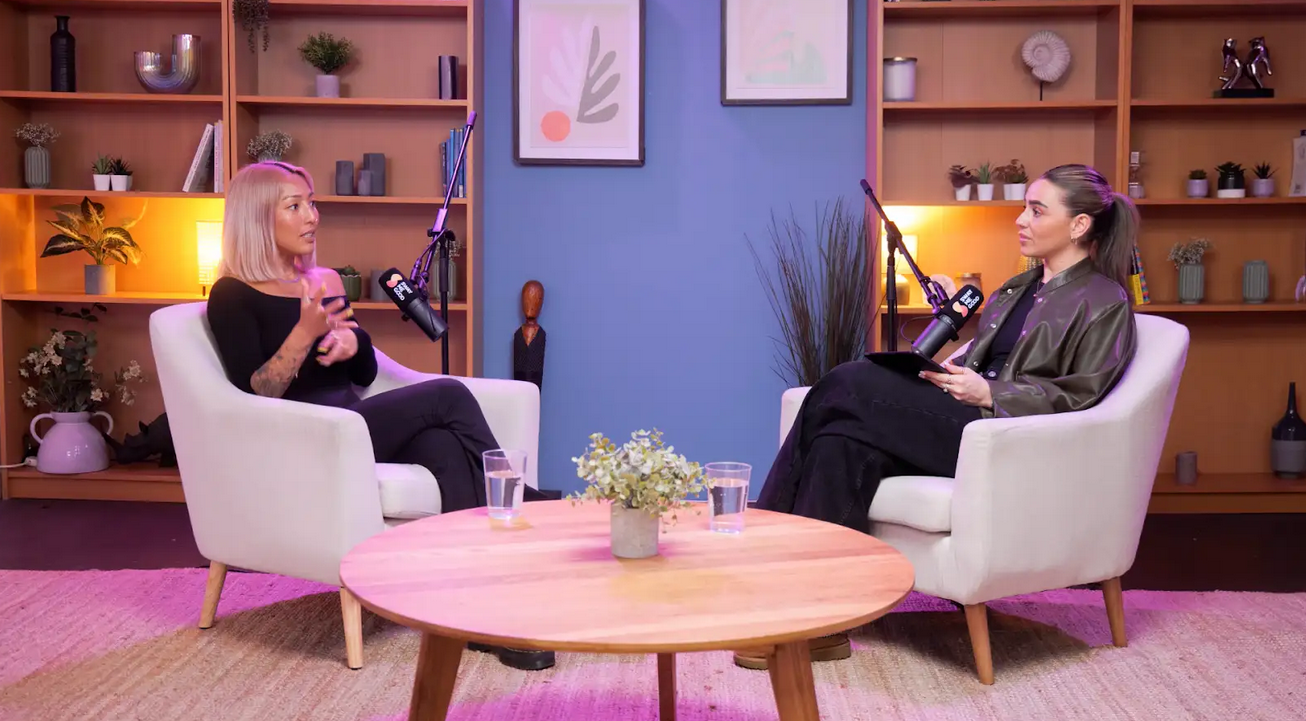
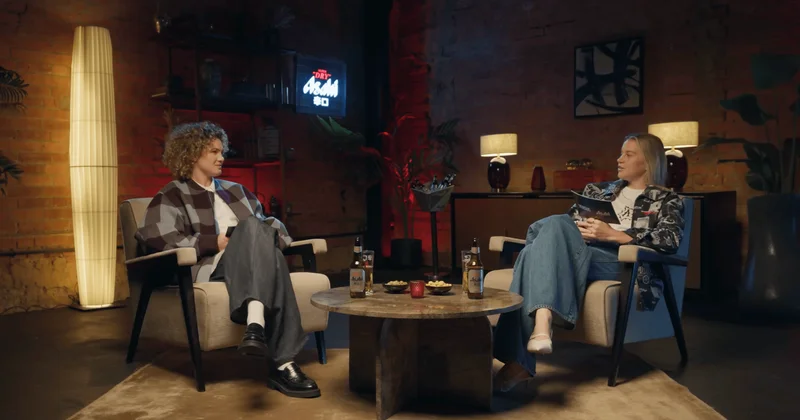
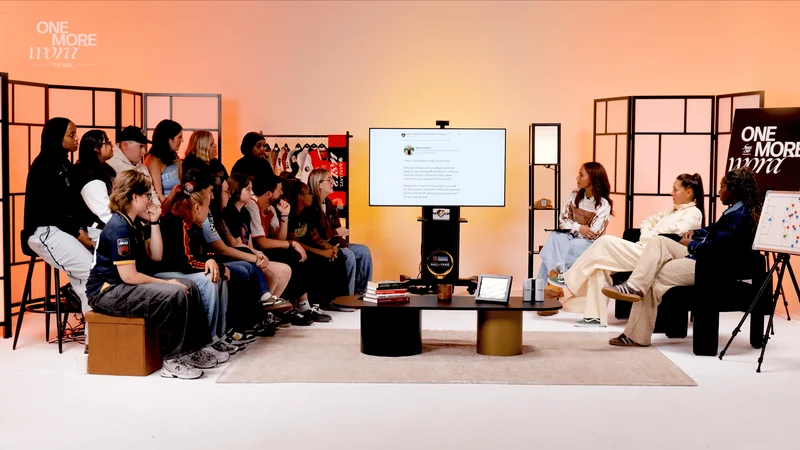
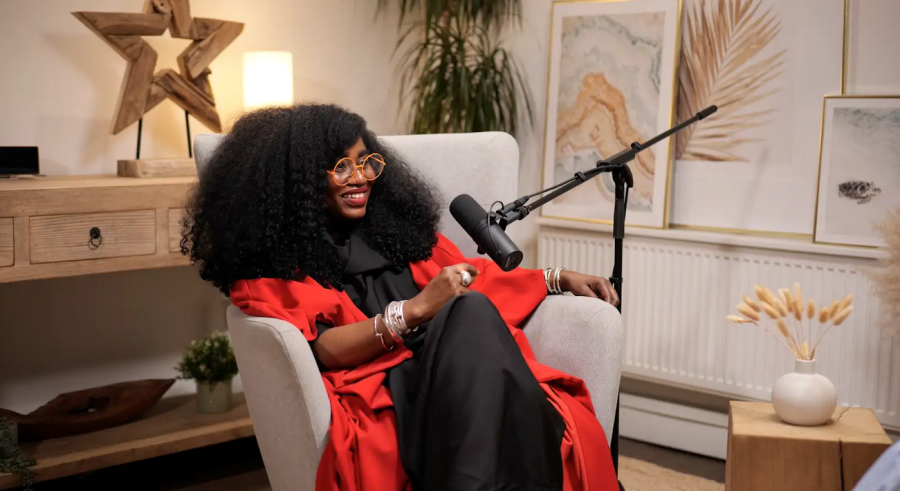
Finchley Studio (Lounge set): book this setup for your podcast
4.1 Change Management and Digital Transformation
Organisations are in a constant state of flux. Whether it is a digital transformation or a merger, change breeds uncertainty. Change management podcasts are highly effective because they allow leaders to explain the "why" behind the change in a conversational, non-threatening way [The Grossman Group].
- Example: A "Change Management Series" can feature interviews with the project leads, explaining the benefits of the new ERP system or the reasoning behind a restructure. This demystifies the process and reduces resistance [The Grossman Group].
- Case Study: American Airlines uses its "Tell Me Why" podcast to explain the rationale behind operational decisions directly to staff, bridging the gap between the boardroom and the tarmac [Bengo Media].
4.2 Crisis Communication: Controlling the Narrative
In moments of crisis, speed and tone are everything. The "Golden Hour" of crisis response demands that leadership addresses the issue before rumor fills the void.
- The Trap of Speed: Rushing out a text statement can backfire if the tone is wrong (e.g., the United Airlines "re-accommodate" disaster). Audio allows the CEO to convey genuine remorse, empathy, and control.
- The Podcast Solution: A rapid-response podcast episode (recorded remotely or in a studio) allows the leader to speak directly to employees, reassuring them and providing context that cannot be leaked as easily or misinterpreted as a memo [Digiday]. During the COVID-19 pandemic, many CEOs used weekly audio updates to share their own vulnerabilities and mental health challenges, significantly strengthening their bond with staff [Digiday].
4.3 Onboarding and Culture Building
Podcasts are an excellent tool for onboarding new hires ("pre-boarding"). Sending a new starter a playlist of "The History of Our Company" or "Meet the Leadership Team" allows them to absorb the culture before day one [uStudio].
- Format: "The Magazine Programme" works well here, featuring segments from different departments, "day in the life" stories, and fun Q&As [Fresh Air Group].
- Case Study: Aegon UK created a "Big Tune-In Show" that functioned like a TV magazine, bringing thousands of colleagues together and boosting engagement scores through entertainment rather than dry instruction [Institute of Internal Communication].
4.4 Creative Formats and Naming
To capture attention, the podcast must be packaged like a consumer product.
- Naming: Move away from "The CEO Update." Use titles that evoke curiosity or authority: Boardroom Broadcast, The Strategy Sessions, Word on the Watercooler, London Unplugged, Walk and Talk with [CEO Name] [Shopify].
- Formats:
- The Fireside Chat: Intimate, unscripted, focus on values [Quill Podcasting].
- The Deep Dive: 20-minute focus on a single strategic topic [Pager.fm].
- The "Town Hall" Replay: Editing a live event into a digestible audio package.
5. Security, Compliance, and Distribution
A critical concern for London firms, particularly in the financial and legal sectors, is security. Internal podcasts often contain material non-public information (MNPI) that must not leak.
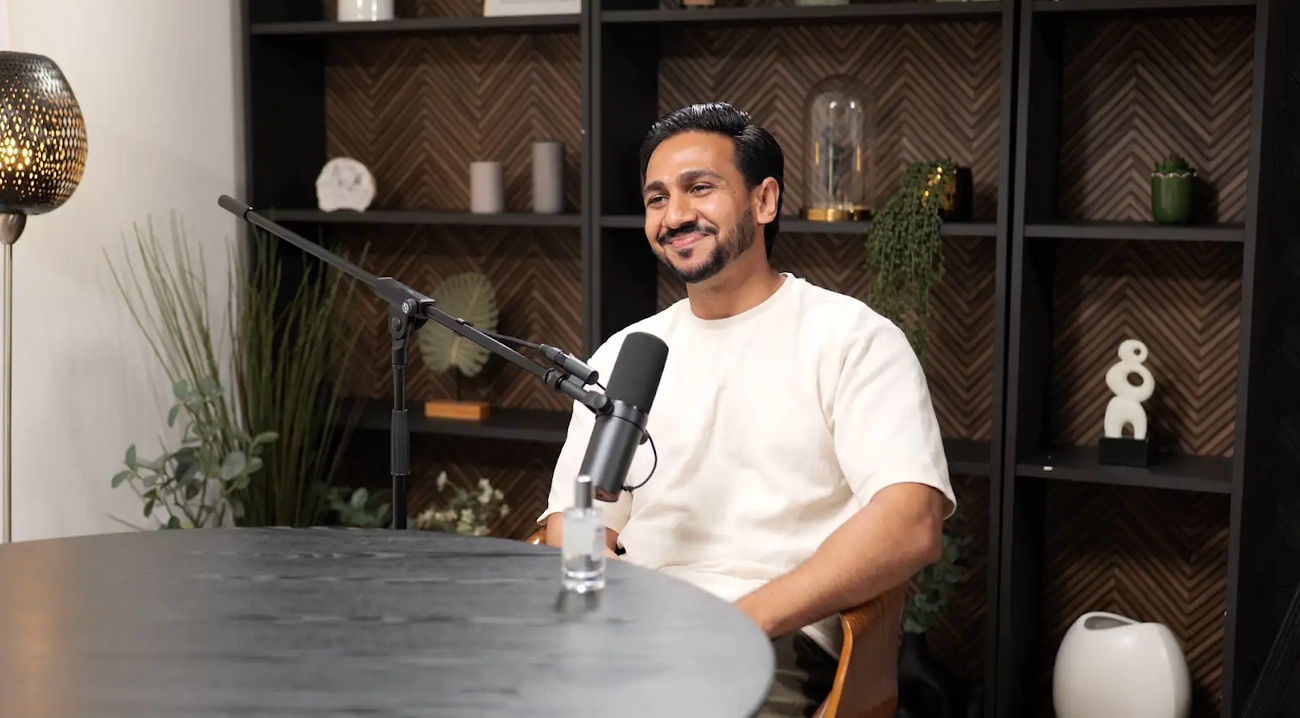
Finchley Studio (CEO Set): book this setup for your podcast
5.1 ISO 27001 and Data Security
When selecting a podcast production partner or hosting platform, ISO 27001 certification is the gold standard. It demonstrates that the provider has rigorous information security management systems (ISMS) in place [Akita].
- NDAs: Professional studios in London are accustomed to working with high-profile clients. They should offer strict Non-Disclosure Agreements and "blackout" privacy options where no other clients are present in the building during recording [DSI London].
- GDPR: Even for internal data, compliance with GDPR is mandatory. Ensure the hosting platform handles listener data (email, listening habits) in accordance with UK data laws [Podnews].
5.2 Secure Hosting Platforms
You cannot simply upload an internal podcast to Spotify public feeds. You must use "Private Podcasting" technologies.
- CoHost (by Quill): Built for brands/agencies, offers advanced analytics and B2B focus [Content Allies].
- Libsyn Pro: Enterprise-grade hosting with robust SSO (Single Sign-On) integration. This ensures that if an employee leaves the company and their email is deactivated, they instantly lose access to the podcast feed [Content Allies].
- Captivate: Offers excellent growth tools and private feeds for internal teams [Content Allies].
- Transistor: Allows for multiple private podcast feeds under one account, useful for different departments [Content Allies].
6. Production Workflow: From Concept to Earbuds
Creating a broadcast-quality episode requires a disciplined workflow. A typical timeline for a high-end corporate podcast episode spans several weeks, though professional studio hire London services can compress the production phase significantly.
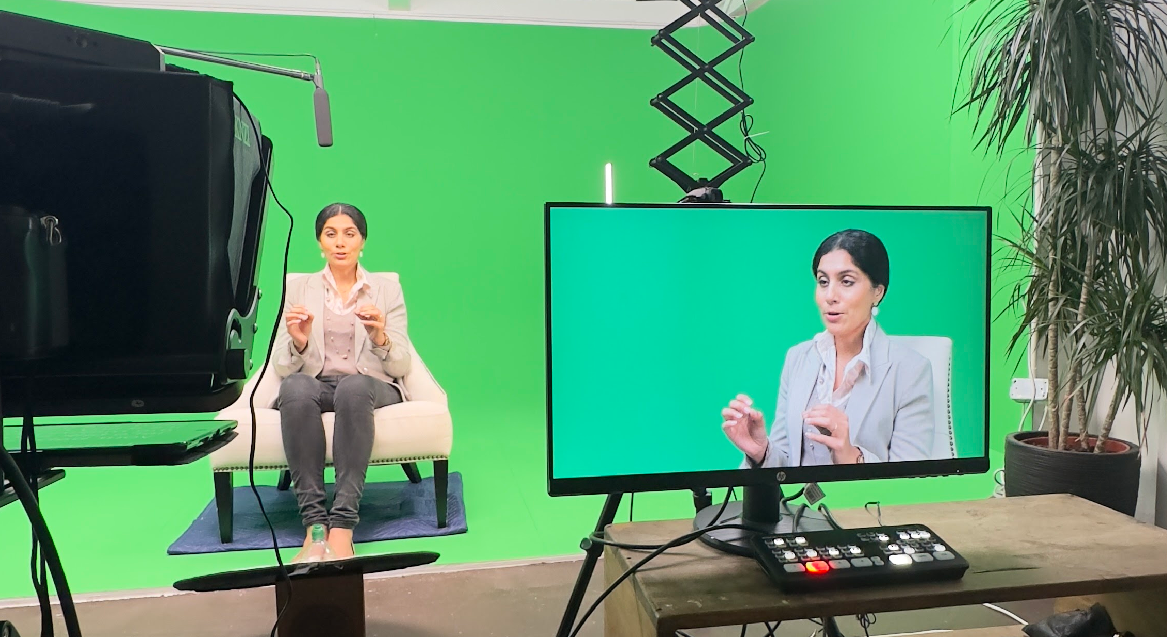
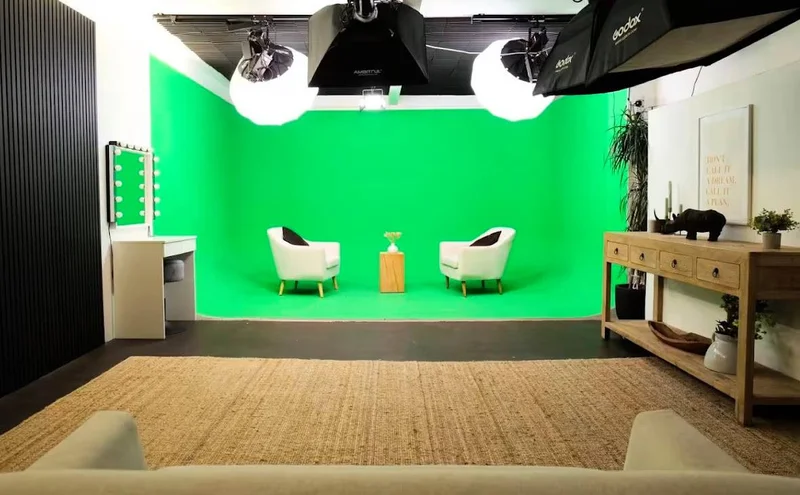
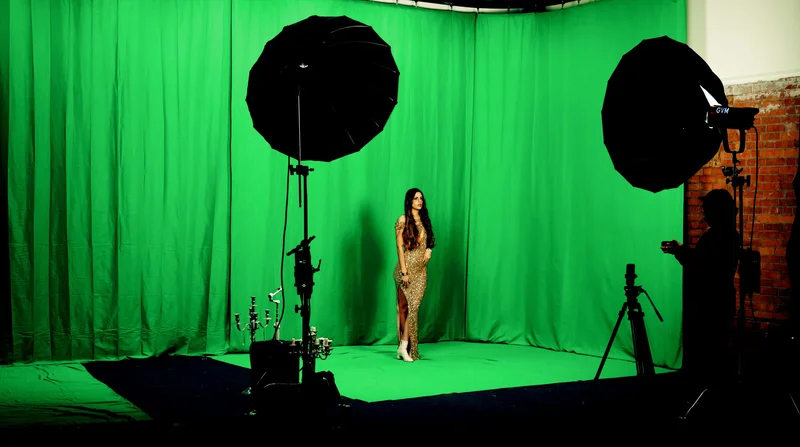
Finchley Studio (Green Screen Cove): book this setup for your podcast
6.1 The Workflow Timeline
|
Phase |
Action Items |
Time Estimate |
Professional Support Benefit |
|
Strategy |
Topic selection, guest booking, scripting/briefing [Fame.so]. |
1-2 Weeks |
Agencies help refine the "hook" and structure [Shout Communications]. |
|
Pre-Production |
Technical prep, lighting plan, travel to studio. |
1 Day |
Studio ensures gear is prepped and tested [Finchley Studios]. |
|
Recording |
The session itself (audio + video). |
2-4 Hours |
"Wet Hire" engineers handle focus, levels, and backups [Outset Studio]. |
|
Post-Production |
Editing, mixing, colour grading, sound design [Come Alive Creative]. |
3-5 Days |
Professional editors remove "ums," fix pacing, and mix to -16 LUFS. |
|
Review |
Stakeholder sign-off (Legal/Comms). |
1 Week |
Online review platforms speed up feedback. |
|
Distribution |
Upload to secure host, show notes, internal comms push. |
1 Day |
Automated publishing via SSO platforms [Content Allies]. |
6.2 The "Wet Hire" Advantage
In the London studio market, "Wet Hire" refers to booking the studio with an engineer. For corporate clients, this is virtually essential.
- Risk Mitigation: The engineer monitors audio levels in real-time, preventing the "digital clipping" that ruins recordings [Finchley Studios].
- Live Switching: For video podcasts, a studio can live-switch between cameras during the recording. This creates a "live-to-tape" file that requires minimal editing, drastically reducing post-production costs and turnaround time [Finchley Studios].
- Backup Systems: Professional studios run redundant recording systems. If one fails, the session is saved. An office DIY setup rarely has this redundancy [Finchley Studios].
7. The Business Case: ROI and Value
Finally, the decision to launch an internal podcast must be backed by a business case. The Return on Investment (ROI) is measured not in ad revenue, but in engagement, alignment, and efficiency.
- Efficiency: If a podcast replaces a 1-hour all-hands meeting that 1,000 employees attend, and reduces it to a 20-minute on-demand listen, the company saves 660 hours of productivity per episode [uStudio].
- Alignment: Audio ensures that the CEO's message is heard exactly as intended, without the "game of telephone" distortion that happens as information cascades down through middle management [uStudio].
- Cost Effectiveness: Compared to the £65,000+ year-one cost of building and staffing a high-end internal studio (real estate, gear, salary), hiring a professional studio for ~£12,000 a year (based on 48 sessions) is a significantly more efficient use of capital [Finchley.co.uk].
Frequently Asked Questions (FAQ)
Q: Why can't we just record this on a laptop in a meeting room?
A: London meeting rooms, especially glass-walled ones, suffer from severe acoustic issues like reverberation and "comb filtering" that make audio hard to understand [Eurhythmics]. Additionally, the average London background noise level of 66 dB (sirens, traffic) will be audible on the recording, making it sound amateurish [Arts.ac.uk]. Professional studios offer soundproofing and acoustic treatment that laptops cannot replicate.
Q: What is the difference between a "Podcast Studio" and a "Video Studio"?
A: A podcast studio is primarily optimised for audio, featuring soundproofing, microphones on boom arms, and a table setup. A video studio adds professional lighting grids, backdrops, and cinema cameras [Premiere Podcast Studios]. For modern "vodcasts," you need a hybrid space that offers both.
Q: How do we ensure only our employees can hear the podcast?
A: You must use an enterprise hosting platform like Libsyn Pro, CoHost, or Transistor that supports "Private Podcasting" [Content Allies]. These platforms integrate with your company's SSO (Single Sign-On) system, ensuring that only active employees with valid credentials can access the feed.
Q: How much does it cost to hire a studio in London?
A: Prices vary. Audio-only studios in London can start from £30-£80 per hour. Full video podcast studios with 4K cameras and lighting typically range from £100 to £180+ per hour [Outset Studio]. Always check if the price includes an engineer ("Wet Hire"), as this adds immense value.
Q: What equipment should we look for in a studio?
A: Look for industry-standard gear: Shure SM7B or Neumann BCM 705 microphones for audio [The Podcast Haven]; Sony FX6 or FX3 cameras for video [Bunker Hill Media]; and high-quality lighting brands like Aputure [YouTube].
Q: Can we film remotely if the CEO is travelling?
A: Yes, remote recording platforms like Riverside.fm or SquadCast allow for high-quality local recording [YouTube]. However, for the "hero" content from the CEO, a studio session is always preferred for the highest fidelity.
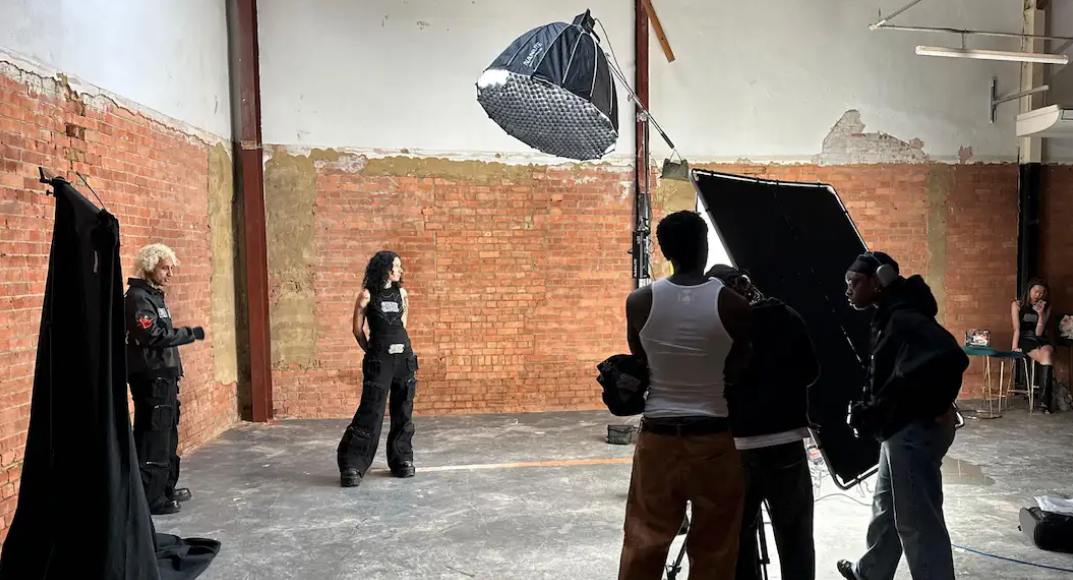
Finchley Studio (The Brick Studio): book this setup for your podcast
Conclusion & Call to Action
The voice of the CEO is a powerful instrument. In a world of text overload and remote disconnection, it has the power to cut through the noise, build trust, and align a workforce behind a shared mission. But in a city as demanding as London, that voice deserves to be heard with clarity, authority, and professionalism.
The shift to internal podcasting is not just about adopting new technology; it is about adopting a new mindset of transparency and accessibility. By partnering with a professional London podcast production facility, firms can bypass the technical hurdles of noise, acoustics, and security, and focus on what matters most: the message.
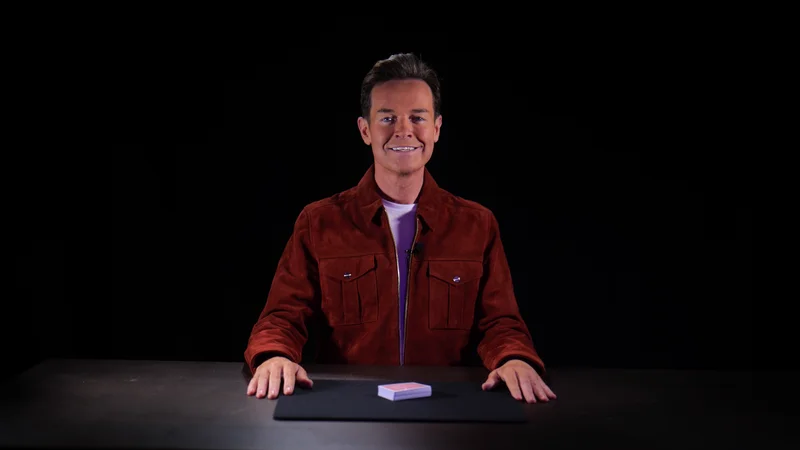
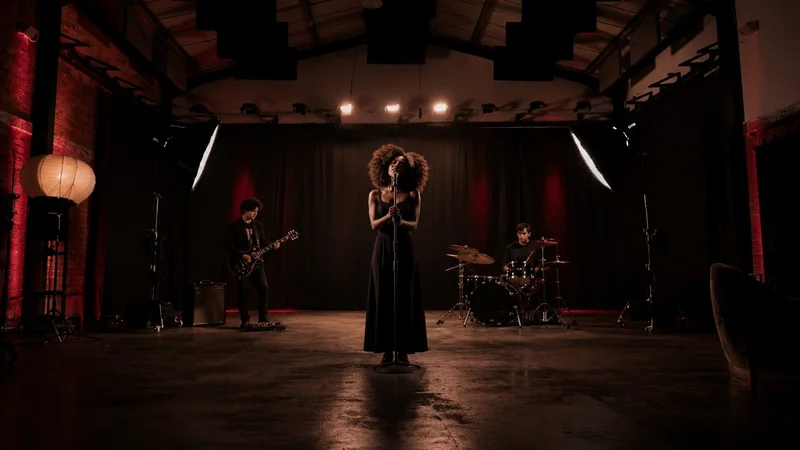
Finchley Studio (Blackwood): book this setup for your podcast