1. Introduction: The Strategic Imperative of Professional Audio in the Capital
In the hyper-competitive digital ecosystem of 2025 and 2026, the concept of the "podcast" has undergone a radical transformation. No longer defined merely by RSS feeds and audio-only MP3s, the modern podcast has evolved into a multi-modal "content engine"—a foundational media asset that drives brand authority, audience retention, and conversion across a spectrum of platforms from Spotify and Apple Podcasts to YouTube, TikTok, and LinkedIn. For businesses, influencers, and thought leaders operating within London, this evolution presents a dual-edged sword: the potential for global reach is unprecedented, but the barrier to entry for "broadcast quality" has risen to a level that demands professional infrastructure.
This report provides an exhaustive strategic analysis of the podcast recording, editing, and post-production landscape, with a specific focus on the unique operating environment of London, UK. It is designed for marketing directors, brand strategists, and serious creators who recognize that in an attention economy, technical fidelity is not a luxury—it is the baseline for credibility.

1.1 The Shift to "Visualised Audio"
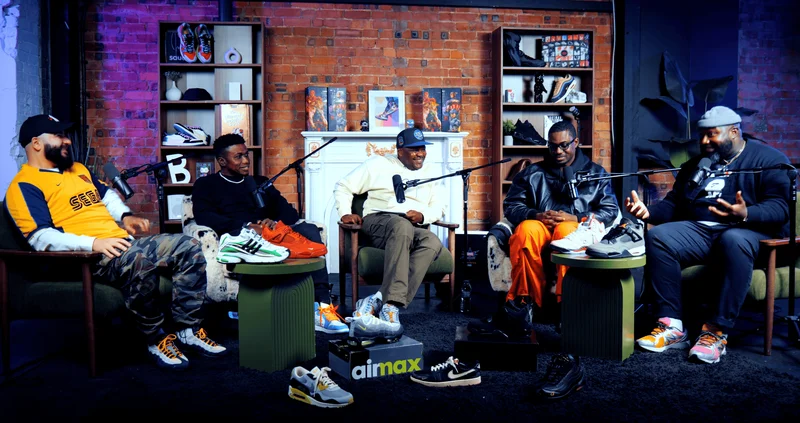
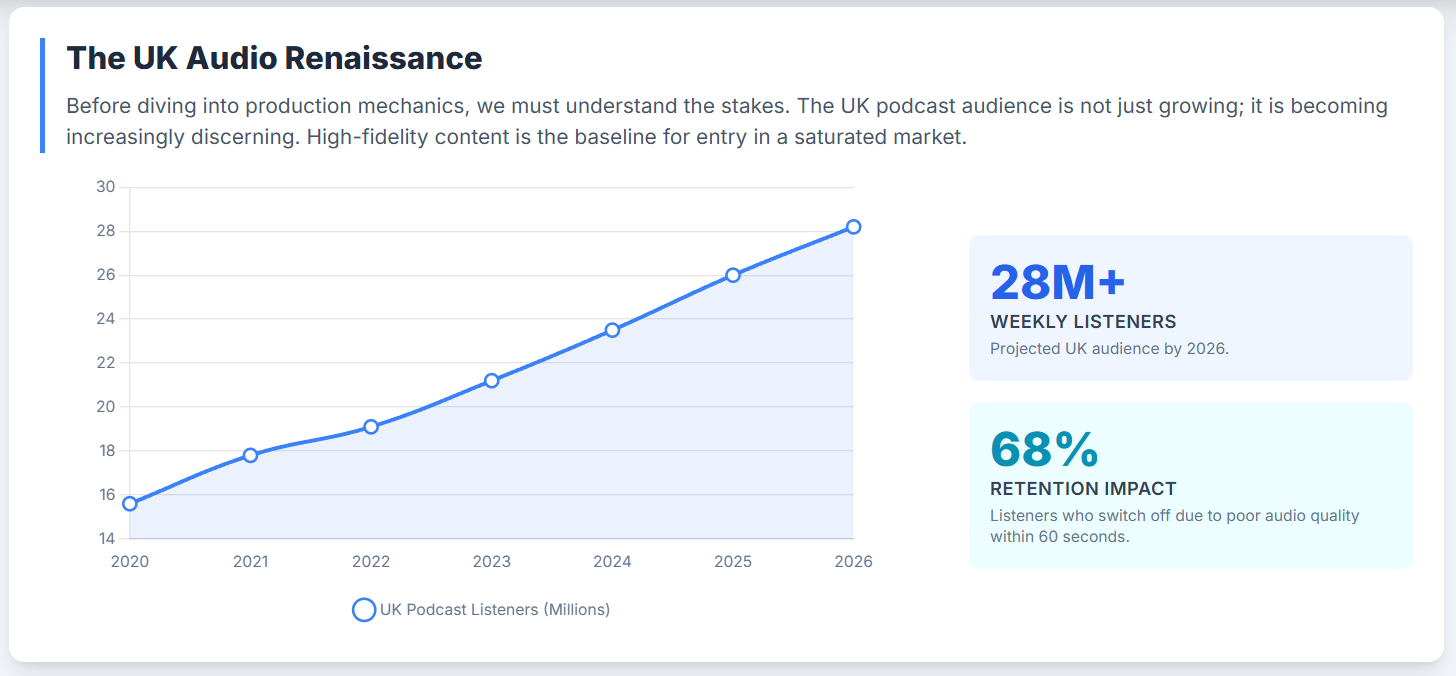
The most profound shift in the sector is the move toward "Visualised Audio" or "Vodcasting." Industry data indicates that a significant plurality of podcast consumption now occurs on video-first platforms. Spotify’s aggressive expansion into video and YouTube’s dominance as a search engine for podcast content mean that a podcast is now something to be watched as much as heard.1 This fundamentally changes the requirements for studio hire London. A space can no longer just be quiet; it must be visually aesthetic, properly lit, and equipped with 4K cinema-line cameras. The strategic implication is clear: while audio fidelity retains the listener, visual fidelity captures the scroller.
1.2 The London Context: A Unique Acoustic and Logistical Environment
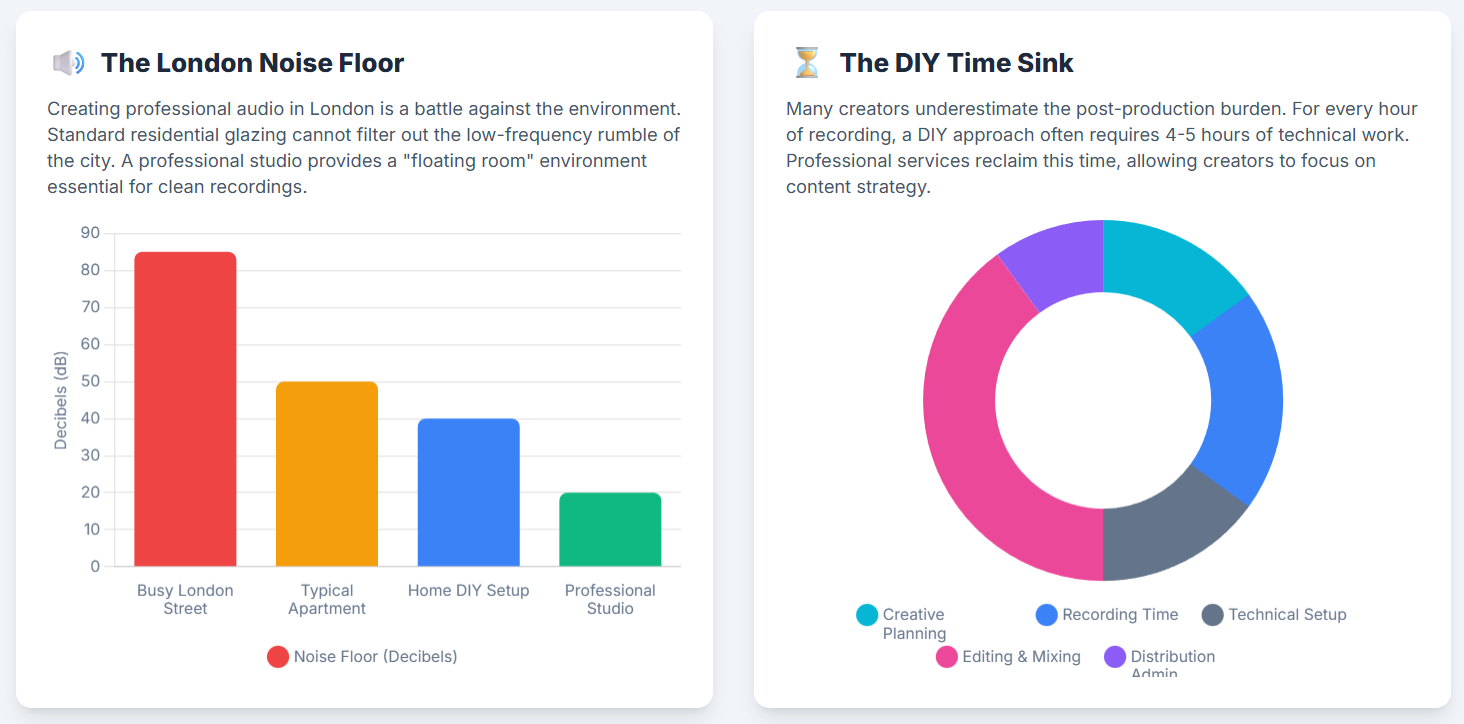
London is not merely a backdrop; it is an active participant in the production process, often an adversarial one. The city’s acoustic signature—the "London Noise Floor"—is a composite of low-frequency rumble from the Underground network, the relentless drone of heavy traffic in Zones 1 and 2, and the overhead roar of flight paths into Heathrow and City Airport.2 Achieving a "clean" recording in this environment requires more than simple foam tiles; it demands structural isolation and professional engineering.
Furthermore, the logistical friction of the capital—navigating the Ultra Low Emission Zone (ULEZ), the Congestion Charge, and the scarcity of parking—plays a critical role in the operational viability of a podcast strategy.3 This report will dissect these local variables to help you navigate the complex market of London podcast production, ensuring that your investment yields a product that stands shoulder-to-shoulder with global media standards.
2. The London Podcast Ecosystem: Geospatial and Market Analysis
The geography of London’s podcasting infrastructure is dictated by a trade-off between prestige, accessibility, and acoustic viability. Understanding this ecosystem is critical for selecting a podcast studio that aligns with a production's logistical needs and budget.
2.1 The "London Noise Floor" and Acoustic Physics
One of the primary drivers for the robust studio rental market in London is the extreme difficulty of achieving silence in a residential or corporate setting. The "noise floor" refers to the measure of the signal created from the sum of all the noise sources and unwanted signals within a measurement system. In London, this is a significant engineering challenge.
Subterranean Interference: The London Underground and Overground networks generate significant vibrational energy. This low-frequency energy travels through the earth and into the foundations of buildings, manifesting in recordings as a low-end "rumble" or "hum" that is difficult to remove in post-production without degrading the voice quality. Studios in areas like Shoreditch or London Bridge, often located in repurposed railway arches or Victorian warehouses, must employ "room-within-a-room" construction—floating floors and decoupled walls—to mechanically isolate the recording space from the building's shell.3
The Urban Canyon Effect: In the dense streets of Central London, sound reverberates off glass and masonry, amplifying traffic noise. Emergency sirens, which are frequent in Zone 1, occupy the same frequency range as the human voice (1kHz–4kHz), making them impossible to edit out transparently.
Aviation Noise: West London and parts of South London sit directly under the Heathrow flight path. For a home setup or a standard office meeting room, a passing A380 creates a 60-90 second window of unusable audio. Professional studios utilize heavy mass-loaded vinyl and multi-layered drywall to dampen this intrusion.4
Therefore, the "luxury" of a podcast studio in London is often defined not by its espresso machine, but by its mass. A "soundproofed" studio in London is a significant engineering feat compared to a studio in a quiet rural area. This justifies the premium pricing found in professional facilities.4
2.2 Studio Tier Classification: Navigating the Market
The market for studio hire London is stratified into three distinct tiers. Understanding these helps in aligning budget with strategic goals.
Tier 1: The Prestige Lifestyle Hubs (Central London)
Located in media-heavy districts like Soho, Fitzrovia, and King's Cross.
Strategic Function: These studios are designed to impress. They are the venue of choice when hosting A-list celebrities, CEOs of FTSE 100 companies, or high-profile politicians. The value proposition here is the "guest experience."
Features: Concierge service, green rooms with premium hospitality, and high-end interior design (often utilizing trends like limewash and fluted wood panelling). Technically, they offer broadcast-standard isolation and connectivity (ISDN, Source Connect).
Logistics: High friction for driving. The Congestion Charge and expensive parking (£10+/hour) make them best accessed via public transport or executive taxi services.
Examples: Spiritland Productions, The Qube, and specific facilities in Tileyard.7
Pricing: Premium, often exceeding £150–£300 per hour.4
Tier 2: The High-Value Professional & Concierge (Outer Zones/Hubs)
Located in accessible hubs like Finchley (North), Wandsworth (South), or Stratford (East).
Strategic Function: These studios focus on efficiency and removing friction for the creator. They are the "workhorses" of the industry, serving SMEs, agencies, and serious content creators.
Features: Professional-grade equipment (often identical to Tier 1, such as Sony FX6 cameras and Shure SM7B mics) but with lower real estate overheads. They frequently provide free parking—a massive value-add in London—and are located near major transport links (e.g., Northern Line, Jubilee Line). The service model is "concierge," meaning an engineer is typically included to handle the technical workflow.
Logistics: Excellent for "park and record" workflows. The availability of parking makes them ideal for productions with heavy equipment or guests traveling from outside London.
Examples: Finchley Production Studio, Outset Studio (London Bridge/Shoreditch branches).3
Pricing: Mid-range, typically £100–£150 per hour.3
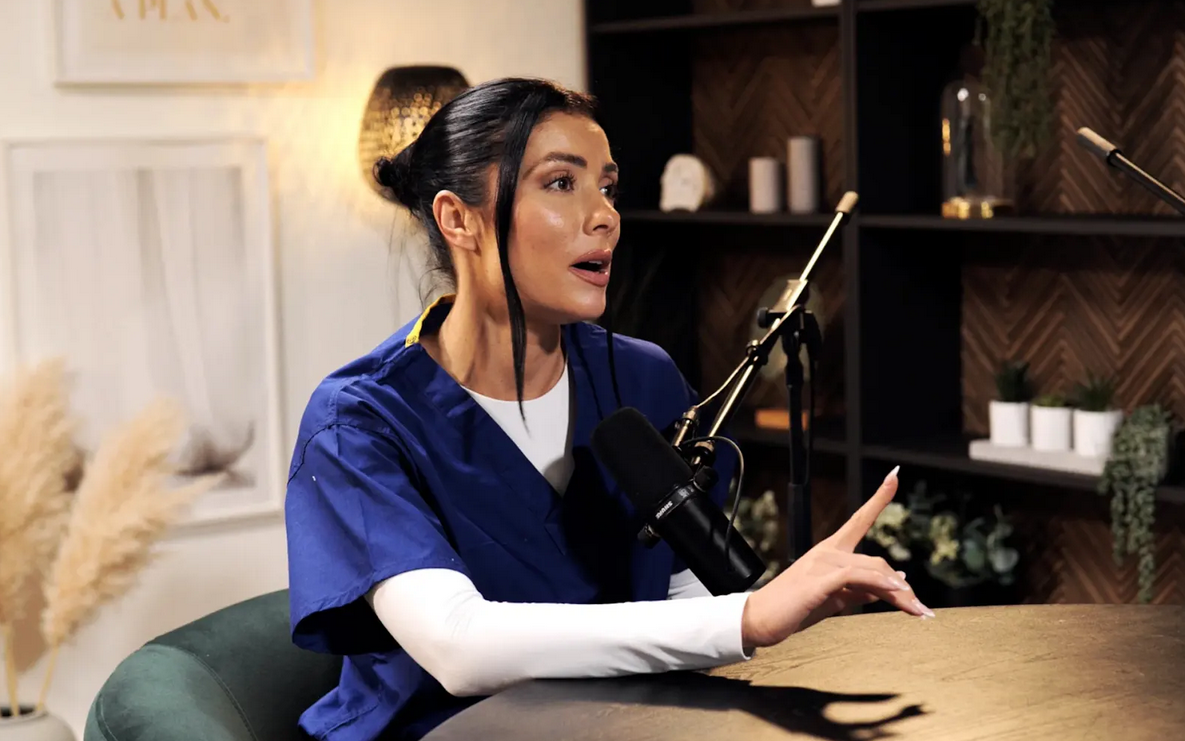
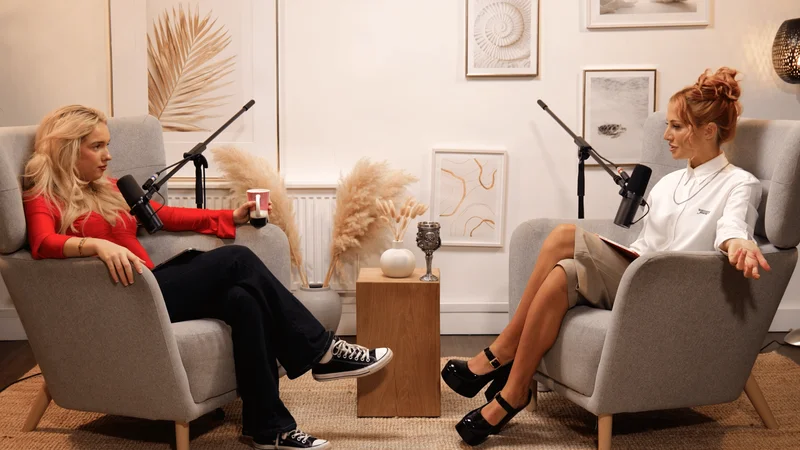
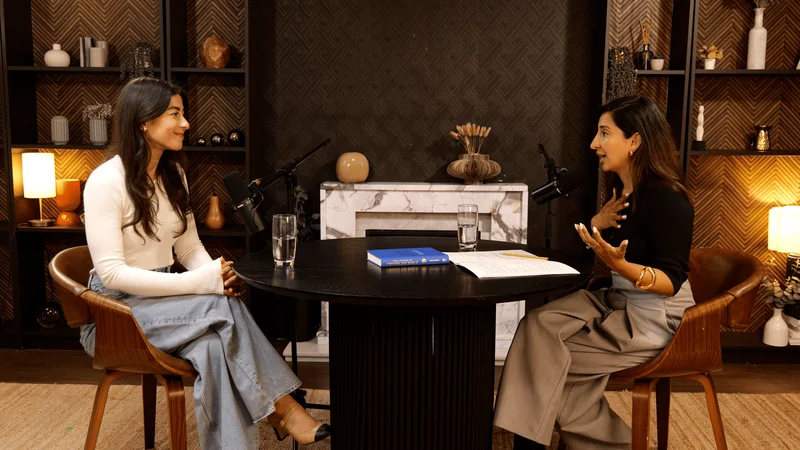
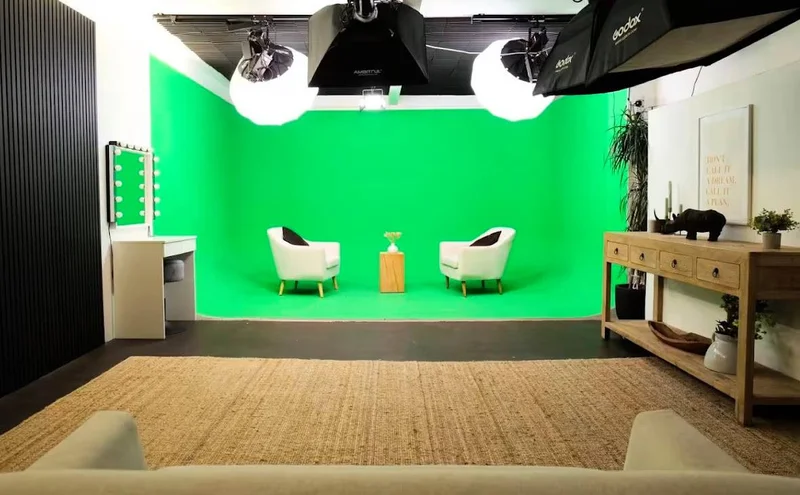
Finchley Studio (CEO Set): book this setup for your podcast
Tier 3: The Automated & Budget Sector
Scattered across industrial estates and railway arches (e.g., Dalston, Wembley, Bermondsey).
Strategic Function: Accessibility for hobbyists, musicians, and startups.
Features: Self-service models dominate. Users receive a code to enter, and equipment is often fixed-position. There is rarely an engineer on-site, meaning the user must possess technical competence. Acoustic isolation may be less robust (e.g., foam on walls rather than structural decoupling), making them more susceptible to the "London Noise Floor."
Logistics: Variable. Often 24/7 access, which appeals to side-hustle creators recording outside business hours.
Examples: Pirate Studios, certain dry-hire rooms.11
Pricing: Budget-friendly, often £20–£80 per hour.10
2.3 Strategic Location Analysis: Transport and Logistics
For a London-based production, the "cost" of a recording session includes the time, stress, and financial implications of transit.
The ULEZ Factor: The Ultra Low Emission Zone (ULEZ) covers all London boroughs. Studios that offer compliant parking or are located outside the most congested zones offer a logistical advantage. A guest driving a non-compliant vehicle to a Central London studio faces a £12.50 daily charge on top of the £15 Congestion Charge. Studios in Zones 2-4 often mitigate this cost friction.3
Public Transport Accessibility: Proximity to the "Tube" is the single most cited logistical requirement. Studios like Finchley Production Studio (2 mins from Northern Line) or those near London Bridge exploit their connectivity to attract clients from across the city.3 The Elizabeth Line has also opened up studios in areas like Woolwich and Canary Wharf, making them viable for Central London businesses seeking modern facilities.
3. Strategic Hardware Analysis: The Technical Standard for 2026
To achieve a "professional" result that distinguishes a brand from amateur content, specific technical standards must be met. In 2026, the baseline for quality has risen significantly due to the saturation of the market and the high fidelity of consumer playback devices. Audiences are listening on noise-canceling headphones that reveal every hiss and lip smack, and watching on 4K smartphone screens that reveal every lighting imperfection.
3.1 Audio Ecosystems: The Signal Chain
The "Signal Chain" is the path the audio takes from the speaker's mouth to the digital file. A weakness at any point in this chain degrades the final product.
Microphones: Dynamic vs. Condenser in the London Environment
The choice of microphone is not just aesthetic; it is acoustic physics.
The Strategic Choice: Dynamic Microphones. For podcast production in London, Dynamic Microphones are the overwhelming industry standard.
Mechanism: Dynamic mics operate using a moving coil and magnet assembly. This physical mass makes them less sensitive to transient noise and high-frequency distant sounds. They have a "cardioid" polar pattern, meaning they reject sound from the rear and sides.
London Context: In a city with a high noise floor, the dynamic mic acts as a natural gate, picking up the voice of the host (who is close to the mic) while ignoring the siren wailing three streets away.
Contrast: Condenser microphones (often found in music studios) are highly sensitive. While they capture beautiful detail in a perfectly treated vocal booth, in a podcast studio with three people and a glass window, a condenser mic will capture the sound of the air conditioning, the rustle of clothes, and the traffic outside.13
Industry Standard Microphones
Shure SM7B / SM7dB: The undisputed "gold standard." Originally released in 1973 (as the SM7), it has become the visual icon of podcasting. Its popularity is due to its excellent off-axis rejection and its "dark," warm tone that flatters the human voice, giving it that "radio authority." The SM7dB version includes a built-in preamp to boost the signal, simplifying the signal chain.4
Rode Procaster: A broadcast-quality dynamic mic specifically designed for voice. It offers a tighter polar pattern than the SM7B, making it excellent for studios where guests sit close together.5
Electro-Voice RE20: A staple of talk radio for decades. It features "Variable-D" technology, which minimizes the proximity effect (the boominess that happens when you get too close to the mic), allowing guests to move around more freely without the sound changing character.
Audio Interfaces and 32-Bit Float Technology
The interface converts the analogue signal from the mic into digital data.
The Game Changer: 32-Bit Float. Modern recorders like the Zoom F8n Pro utilize 32-bit float recording. In traditional 16-bit or 24-bit recording, if a guest laughs loudly or screams, the audio "clips" (distorts) and is ruined forever. If they whisper, the signal is lost in the hiss. 32-bit float captures such a massive dynamic range that it is virtually impossible to clip. You can simply turn the volume down in post-production and the waveform is perfectly restored. This is a critical insurance policy for unscripted, spontaneous podcast conversations.5
Rodecaster Pro II / Duo: This integrated production console has become ubiquitous in London podcast production.4 It offers built-in processing (Aphex Aural Exciter, Big Bottom) which gives a "finished" sound in real-time. Crucially, it features "mix-minus" via Bluetooth, allowing remote guests to call in without hearing their own voice echoing back—a frequent pain point in amateur setups.
3.2 Visual Engineering: The Shift to Cinema Line
Webcams and DSLRs are no longer sufficient for premium branded content. The trend in 2025/2026 is toward "Cinema Line" cameras that offer a specific aesthetic retention capability.

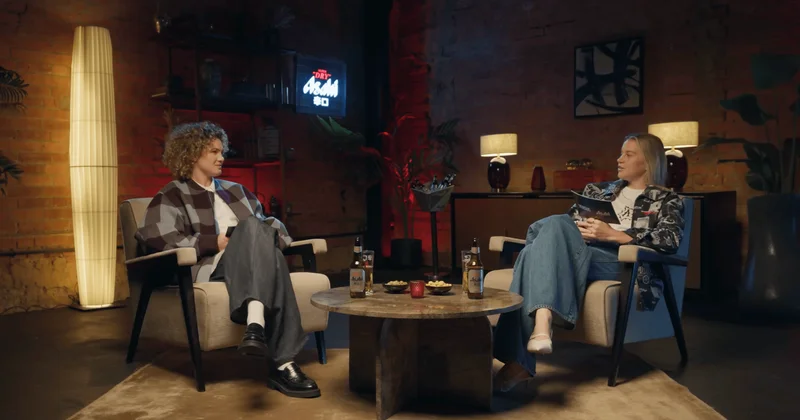
See the 'BBC Children in Need' podcast setup used by Dr Julie from BBC at Finchley Studio (Lounge setup). Book this setup for your podcast
The Sensor Size Battle: Full-frame sensors (found in cameras like the Sony FX3 or Sony FX6) provide a shallow depth of field. This allows the background to be blurred (bokeh). Psychological Impact: This blur visually separates the guest from the environment, focusing the viewer's attention entirely on the face and eyes. This eye contact simulation increases retention rates on mobile devices.1 10-Bit Color: Professional studios record in 10-bit 4:2:2 color. This records billions of colors rather than millions (8-bit). This latitude allows for extensive color grading in post-production. It ensures that skin tones look natural and that the footage can be matched to a brand's specific color palette (e.g., "Coca-Cola Red" or "Barclays Blue") without the image breaking apart into digital artifacts.1 Multi-Cam Systems: A standard professional setup now includes three cameras: one wide shot (master) and two close-ups (cross-shooting). This allows the editor to cut away from visual mistakes (like a guest taking a drink of water) and maintains visual interest, resetting the viewer's attention span.4
3.3 Lighting and Set Design: The Retention Variables
Lighting is not just about exposure; it is about mood, branding, and retention.
Three-Point Lighting: The standard remains Key Light (main source), Fill Light (softens shadows), and Backlight/Rim Light (separates subject from background). In London studios, softboxes (modifiers that diffuse light) are essential to prevent harsh shadows on guests' faces, which can be unflattering and distracting.
RGB and Branding: Modern studios utilize RGB LED tubes (e.g., Nanlite PavoTubes, Godox) to wash the background in the client’s brand colors. This provides immediate visual brand recognition. When a user scrolls past a clip on LinkedIn, even without sound, the specific shade of blue or orange signals the brand identity immediately.9
The Limewash Trend: As noted in industry reports 1, "Limewash" walls have become a dominant trend in London studio design for 2025. Unlike flat paint, limewash has a calcitic texture. When lit from a steep angle, this texture creates micro-shadows, giving the background depth and complexity without being distracting. It signals "organic," "authentic," and "premium"—values highly sought after in the wellness, business, and lifestyle sectors.
4. The Production Workflow: From Concept to Raw Files
A professional podcast studio experience is defined by its workflow. It is the difference between a chaotic, stressful recording and a smooth, "concierge" experience.
4.1 Pre-Production and Guest Management
The "Green Room" Experience: In Tier 1 and Tier 2 studios, the experience begins before the recording. A "Green Room" allows guests to decompress, hydrate, and prep. This psychological comfort is crucial. A relaxed guest performs better.
Remote Guest Integration: With hybrid work models standard in London, many podcasts feature one host in-studio and one remote guest. Professional studios use platforms like Riverside.fm or vMix Call to record the remote guest locally on their own device (high quality) rather than recording the compressed Zoom call. The studio engineer manages this connection, ensuring the remote guest sounds as good as the in-studio host.15
4.2 The Recording Phase: The Engineer's Role
In a "Wet Hire" (engineer included) scenario, the workflow is designed to induce a flow state in the host.
Gain Staging: The engineer sets the microphone levels (gain) to ensure the signal is strong (above the noise floor) but not clipping.
Real-Time Monitoring: The engineer listens via high-fidelity headphones throughout the session. They are listening for "plosives" (pops from P and B sounds), sibilance (harsh S sounds), and clothing rustle. If a guest turns away from the mic, the engineer signals them to move back. This real-time quality control saves hours of fixing problems in post-production.14
Live Switching (Video): In some workflows (especially for live-to-tape productions), the video is switched live using a Blackmagic ATEM switcher. This creates a finished video file immediately, drastically reducing post-production time.4
5. Post-Production Strategic Analysis: The Invisible Art
Post-production is the phase where a raw recording is transformed into a consumable product. It is often the most underestimated aspect of the workflow in terms of time and budget. A raw recording, no matter how good, is rarely suitable for broadcast; it requires a systematic process of refinement.
5.1 The Audio Engineering Workflow
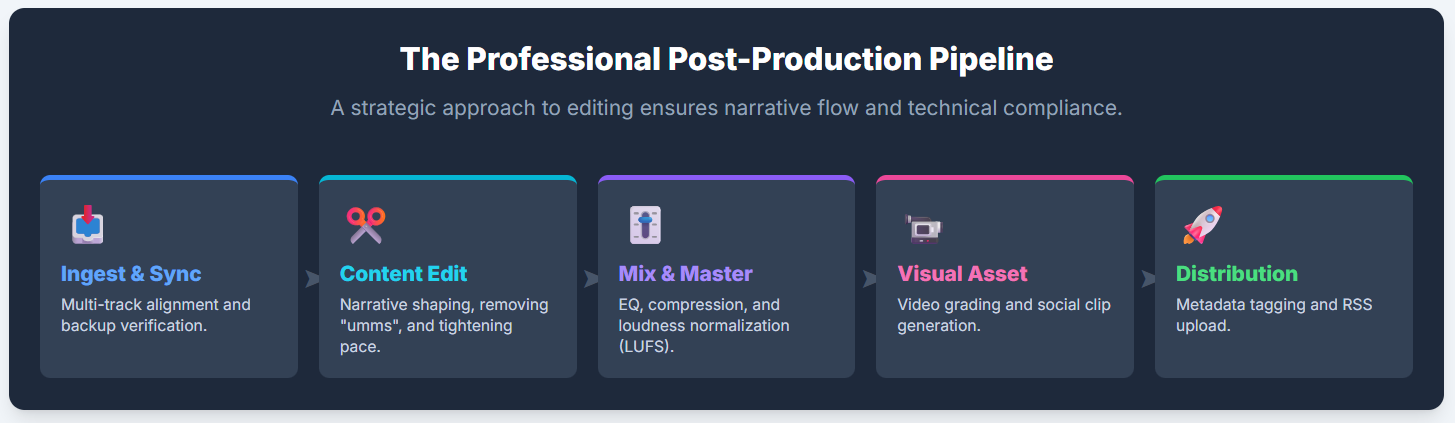
Professional audio post-production follows a hierarchy of needs: Restoration, Consistency, and Enhancement.
Restoration (The "Clean-Up")
This is the most critical phase for London podcast production.
De-noising: Using spectral repair tools (like iZotope RX), engineers visualize the audio as a spectrogram. They can "see" a siren or a door slam and paint it out, leaving the voice intact. This also involves removing the steady-state noise floor (air conditioning hiss, computer fan noise).
De-reverberation: Reducing the "room sound" or echo. Even in treated studios, some room tone exists. Tightening this up makes the voice sound closer and more intimate, which is the hallmark of the podcast aesthetic.18
Consistency (Leveling and Loudness)
Manual Leveling vs. Compression: An engineer will manually adjust the volume of different speakers so they sound equally loud. Compression is then applied to reduce the dynamic range—making the quiet parts louder and the loud parts quieter—so the listener doesn't have to ride the volume knob while commuting on the noisy Tube.18
LUFS Standards (Loudness Units Full Scale): This is the metric for broadcast loudness.
The Standard: The industry consensus for 2026 is -16 LUFS for stereo podcasts (±1 LU). This is the target required by Apple Podcasts and Spotify.
Broadcast vs. Podcast: Television broadcast standards are lower (-23 LUFS in EU/UK). Uploading a TV mix to a podcast feed will result in it sounding too quiet compared to competitors. Therefore, a specific "Podcast Master" is required.18
Enhancement (The "Radio Sound")
EQ (Equalization): Rolling off low frequencies (High Pass Filter below 80Hz) to remove the London rumble. Boosting "presence" frequencies (3kHz-5kHz) for intelligibility. Adding "air" (10kHz+) for clarity.
De-essing: Controlling harsh "S" and "T" sounds, which can be fatiguing for listeners using earbuds.
Limiting: A final safety net to ensure no peaks exceed -1.0 dBTP (True Peak), preventing distortion on playback devices.18
5.2 The Video Editing Workflow
Video editing for podcasts is distinct from narrative film editing. It is "Multicam" based and retention-focused.
The "Open Gate" Workflow: Filming in "Open Gate" (using the full sensor height of the camera) allows editors to extract both a horizontal (16:9) video for YouTube and a vertical (9:16) video for TikTok from the same source file without losing resolution. This is a critical efficiency strategy for 2026, allowing one shoot to feed all platforms.1
Visual Pacing and Retention: The editing rhythm must match the energy of the conversation. Long static shots are punished by algorithms. Editors use "punch-ins" (digital zooms), camera switches, and b-roll overlays to reset the viewer's attention span every few seconds. This technique, known as "pattern interruption," is vital for maintaining Average View Duration.22
Colour Grading: Applying a LUT (Look Up Table) to convert the flat "Log" footage from the camera into a vibrant, contrast-rich image. This is where the visual brand identity is solidified.23
5.3 Content Atomization: The "Clips" Strategy
A 60-minute episode is not just one asset; it is a source for 10-20 pieces of micro-content. This is the "Content Engine" model.
The Strategy: Identify "hooks"—moments of high emotion, controversy, or concise insight.
The Format: Vertical (9:16), under 60 seconds.
The Captions: "Karaoke style" captions that highlight the current word are mandatory. Over 80% of social media is consumed with sound off. If there are no captions, there is no engagement.
The ROI: These clips act as a funnel, driving traffic from high-discovery platforms (TikTok, LinkedIn) to the long-form content on YouTube or Spotify.22
5.4 Accessibility and Inclusivity
London is a diverse hub, and accessibility is both a legal and ethical imperative.
BSL (British Sign Language): Services now exist to overlay BSL interpreters onto video studio podcasts for the 180,000+ BSL users in the UK. This is increasingly adopted by public sector and inclusive brands.24
Captions/Transcripts: Providing full transcripts improves SEO (as search engines can crawl the text) and supports neurodiverse audiences.
Physical Accessibility: When hiring a studio hire London, verifying wheelchair access (lifts vs. stairs) is crucial. Many older East London studios in converted warehouses may lack this, while newer facilities prioritize it.26
6. Business Intelligence: Cost-Benefit Analysis
A frequent strategic dilemma for London businesses is whether to build an internal studio, hire a professional facility, or attempt a DIY home setup.
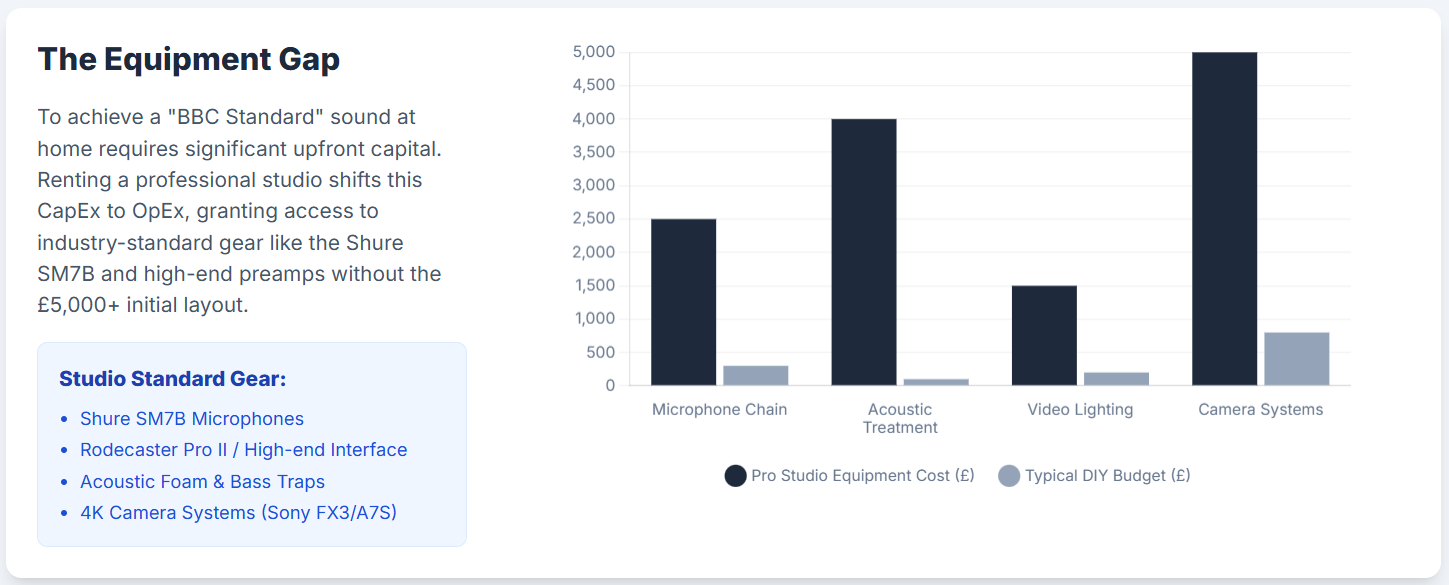
6.1 The Hidden Costs of DIY in London
The "Home Studio" appears cheapest ($500 for a laptop and USB mic) but carries significant hidden costs in a London context.
Acoustic Treatment Cost: To mitigate the London noise floor, effective treatment is not just foam; it is mass. Building a sound-isolated booth in a London flat or office can cost £5,000–£15,000. Without this, recordings will suffer from amateurish background noise.29
Opportunity Cost: The time spent by a marketing manager troubleshooting audio drivers, setting up lights, and syncing files is time not spent on strategy or creative work. If a manager earns £50/hour and spends 4 hours prepping a DIY shoot, the "cost" is £200—more than a studio hire hour.16
Real Estate Cost: London commercial rent is high. Dedicating a 300 sq ft room permanently to a podcast studio is a significant real estate expense (approx. £15,000+ per year in rent/rates in Zone 1/2) compared to renting a studio only when needed.31
6.2 The Case for Professional Studio Hire
Predictable OpEx: Studio hire is a predictable Operational Expenditure. You pay for the time used. There is no depreciation of gear, no repair bills, and no obsolescence risk as technology changes.16
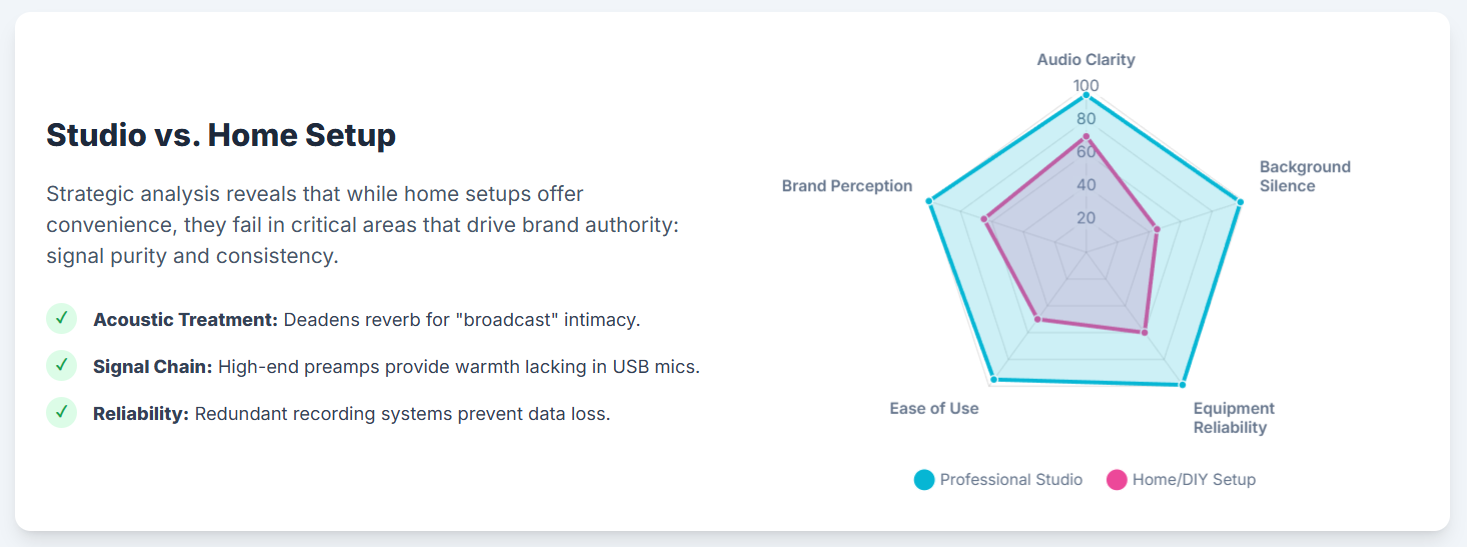
Risk Mitigation: Professional recording studio facilities have redundancy. If a camera overheats or a mic fails, they have backups. If a DIY setup fails during an interview with a CEO, the reputational damage is immense.29
The "Concierge" Efficiency: Walking in, recording, and walking out allows the host to focus entirely on performance. The mental load of technical monitoring is outsourced to the engineer.4
6.3 Outsourcing Post-Production
The 30-Video Rule: Industry analysis suggests that if producing fewer than 30-35 videos per year, outsourcing is more cost-effective than hiring a full-time editor. An in-house videographer/editor in London commands a salary of £35k–£50k + benefits + equipment costs. An agency or freelancer charges per project.
Specialization: An agency team includes a sound engineer, a colorist, and an editor. Hiring one in-house person usually means getting a generalist who may be "okay" at all three but master of none.34
6.4 Financial Comparison Table (Annual Estimate)
The following table estimates the first-year costs for a brand producing one video podcast episode per month (12 per year) in London.
Table Note: "Studio Hire" assumes a high-end package including an engineer. Real estate costs based on average London commercial zones. 16
7. Benefits Over Features: A Psychological Analysis
To truly understand the value of London podcast production services, we must look beyond the spec sheet to the psychological benefits they confer on the brand and the audience.
7.1 Authority and Intimacy (Acoustic Isolation)
Feature: Floating floors, triple-glazed glass, Rockwool insulation.4
Benefit: Authority. Subconsciously, listeners associate clean, dry audio with professionalism and authority (the "BBC Effect"). Background noise, echo, or thin audio signals "amateur." In a crowded market, authority retains high-value listeners. Furthermore, isolation creates Intimacy. Without the distraction of background noise, the listener feels closer to the host, fostering the "parasocial relationship" that drives podcast loyalty.
7.2 Algorithmic Survival (4K Multi-Cam)
Feature: Sony FX6/FX3 cameras, 10-bit color, 4K resolution.4
Benefit: Discoverability. YouTube and social algorithms prioritize high-retention video. High-definition visuals with good colour grading stop the "scroll." A multi-cam setup allows for fast cutting (changing angles every 5-10 seconds), which resets the viewer's attention and increases "Average View Duration"—the primary metric for viral growth on YouTube.1
7.3 Flow State (The "Concierge" Engineer)
Feature: On-site sound/video engineer included in the rate.4
Benefit: Performance Quality. When a host has to worry about battery levels, audio clipping, or file storage, their cognitive load increases, and their conversational performance suffers. An engineer removes this burden, allowing the host to enter a "flow state" with the guest. This results in better conversations, deeper insights, and a more compelling product.29
7.4 Trust and Brand Identity (Professional Lighting)
Feature: Softboxes, hair lights, RGB background tubes.4
Benefit: Trust. Poor lighting (shadows under eyes, graininess) makes the speaker look tired or untrustworthy. Professional lighting makes the host look healthy, vibrant, and professional. The RGB background allows for subtle branding (e.g., a blue wash for a corporate tech podcast) without being tacky, reinforcing brand identity in every clip shared on social media.1
7.5 Scalability (Post-Production Packages)
Feature: Editing, mixing, mastering, social clips.21
Benefit: Consistency. By outsourcing the post-production to the studio, a brand ensures a consistent release schedule. "Podfading" (stopping a show) usually happens because the host burns out from the sheer grind of editing. Outsourcing ensures the show continues, building a compounding audience over time. It transforms the podcast from a "project" into a sustainable "media asset".9
8. FAQ: Deep Dive into User Intent (People Also Ask)
Q1: How much does it cost to hire a podcast studio in London?
A: Prices vary significantly by tier.
Audio-Only: £40 - £90 per hour. (e.g., Pirate Studios, basic rooms).
Audio + Video (Standard): £90 - £150 per hour. (e.g., Finchley Studio, Outset Studio). Includes cameras and lighting.
Premium / Broadcast: £150 - £300+ per hour. (e.g., Spiritland, Premiere Podcast Studios). Includes engineer, green room, and high-end aesthetics.
Note: Always check if the engineer is included or if it is an extra fee (often +£50/hr). Hidden costs can also include file transfer fees or cleaning fees in some budget studios.3
Q2: What is the difference between "Dry Hire" and "Wet Hire"?
A:
Dry Hire: You rent the room and equipment, but you must operate it yourself. You need to know how to set gain levels, focus cameras, and manage files. It is cheaper but carries a higher risk of user error (e.g., forgetting to hit record on one camera).
Wet Hire (or With Engineer): The studio provides a technician who sets up, monitors levels, and troubleshoots throughout the session. You focus entirely on the content. This is highly recommended for business podcasts to ensure quality and reliability.38
Q3: Why can't I just record in my London office?
A: You can, but it will likely sound amateur due to the London Noise Floor. Office walls are rarely soundproofed against sirens, Tube rumble, or office chatter. Hard surfaces (glass meeting rooms, concrete floors) create "reverb" (echo) that makes audio muddy and fatiguing to listen to. Professional recording studio spaces are "acoustically dead" and isolated, providing that crisp, intimate "radio voice" sound that commands authority.2
Q4: Do London studios provide video recording?
A: Yes, most Tier 1 and Tier 2 studios now offer "Vodcast" packages. Standards include 4K Sony or Blackmagic cameras, professional three-point lighting, and customisable coloured backlighting. Always ask if they provide "Multi-cam" (switching between angles) or just a single wide shot, as multi-cam is essential for engaging modern content.4
Q5: Can I bring my own SD cards?
A: Most studios prefer to transfer files to you via cloud (WeTransfer/Dropbox) or to your portable SSD / Hard Drive immediately after the session. Bringing a high-speed USB-C SSD (like a Samsung T7) is the industry standard practice to walk away with your footage instantly, avoiding large download times later.39
Q6: Are London podcast studios accessible for disabilities?
A: Not all. Many East London studios are in converted warehouses or basements without lifts. However, newer purpose-built facilities (like Tower Bridge Studios or specific rooms at The Recording Studio London) prioritize accessibility with lifts, ramps, and accessible restrooms. Always verify "Step-Free Access" before booking if this is a requirement.26
9. Conclusion and Strategic Call to Action
The London podcasting landscape in 2026 is defined by a dichotomy: the barrier to entry has never been lower (anyone can buy a USB mic), but the barrier to success has never been higher. Audiences, conditioned by Netflix and high-end YouTube content, demand broadcast-quality audio and video. They have zero tolerance for poor sound, dark video, or boring edits.

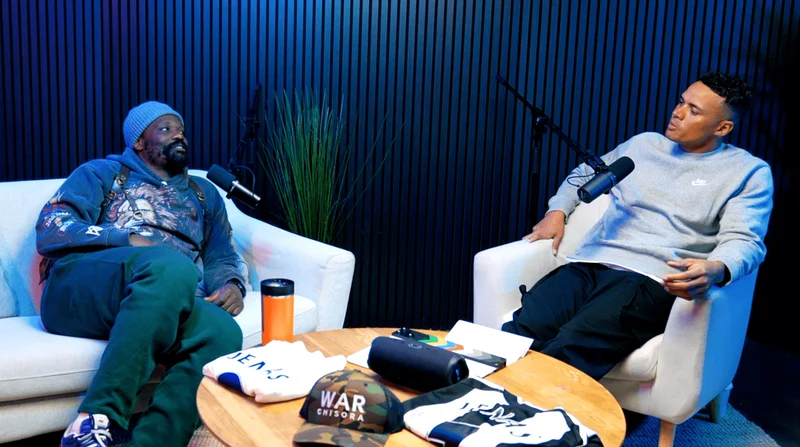
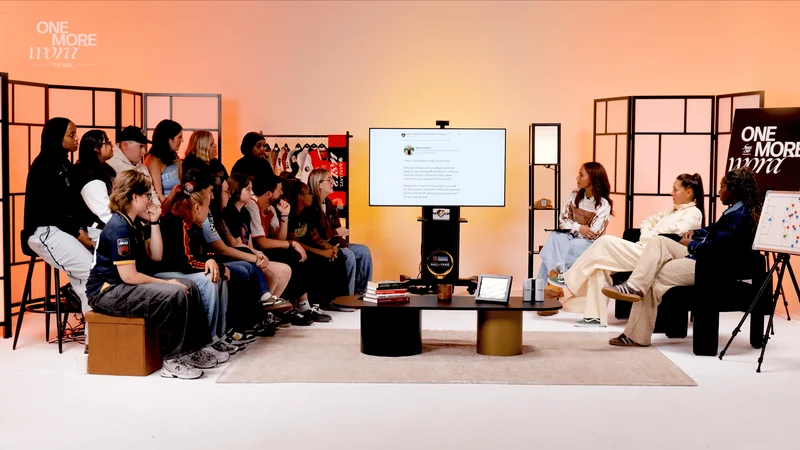
See the 'The Tooney & Russo Show' from BBC and Lionesses Ella Toone and Alessia Russoat from England national football team at Finchley Studio (Lounge setup). Book this setup for your podcast. Watch 'The Tooney & Russo Show' at BBc sound , Spotify , Youtube, Amazon music.
For London-based creators and businesses, the strategic path forward is clear. Attempting to fight the "London Noise Floor" and the complexities of 4K video production in a DIY capacity is a false economy. It trades valuable strategic time for technical frustration and often results in a sub-par product that damages brand authority.
The optimal strategy is to leverage London's rich ecosystem of professional studios. Whether utilizing the prestige of Central London for VIP guests or the logistical efficiency of North/East London hubs for regular production, the key is consistency and quality. By treating the podcast as a premium visual product, investing in professional post-production, and prioritizing the "atomization" of content for social media, brands can turn a simple conversation into a powerful, multi-platform growth engine.
Strategic CTA:
Do not just "start a podcast." Launch a media asset.
Audit your needs: Audio-only or Video? (Recommendation: Video is mandatory for growth).
Select your tier: Do you need the "Ritz" (Soho) for image, or the efficient "Engine Room" (Finchley/Shoreditch) for production volume?
Book a pilot session: Test the workflow, the acoustics, and the engineer.
Invest in the edit: Your raw footage is just ore; the edit is the refinement that creates the gold.
In the competitive noise of London's digital space, quality is the only volume knob that matters. It is time to turn it up.
References & Data Source Identifiers:
Studio Specs & Pricing: 4
London Acoustics & Noise Floor: 2
Technical Standards (Mics/Cams): 1
Post-Production & LUFS: 18
Video Editing & Retention: 1
Accessibility: 24
Cost-Benefit Analysis: 16
Works cited
The Strategic Evolution of the London Podcast Studio Market: A Comprehensive Industry Report, accessed January 15, 2026, https://www.finchley.co.uk/finchley-learning/visual-podcast/the-strategic-evolution-of-the-london-podcast-studio-market-a-comprehensive-industry-report
British people are terrified of noise on public transport – but we need it - The Independent, accessed January 15, 2026, https://www.independent.co.uk/life-style/tube-headphones-noise-tiktok-videos-silence-london-b2814250.html
The Complete Guide to Hiring a Podcast Studio in London - Finchley Studios, accessed January 15, 2026, https://www.finchley.co.uk/finchley-learning/visual-podcast/the-complete-guide-to-hiring-a-podcast-studio-in-london
Podcast Studio in London | Professional Audio & Video Services, accessed January 15, 2026, https://premierepodcaststudios.com/podcast-studio-london/
Podcast Studio Central London | London Bridge | 7+ Years Trusted - Outset Studio, accessed January 15, 2026, https://outsetstudio.com/podcast-studio-london-bridge/
Why Mount Pleasant Studio Is the Ideal Space for Recording Podcasts and Visualised Podcasts in London, accessed January 15, 2026, https://www.mountpleasantstudio.com/why-mount-pleasant-studio-is-the-ideal-space-for-recording-podcasts-and-visualised-podcasts-in-london/
TYX Studios | Podcast, Music & Photography Studios in London, accessed January 15, 2026, https://tyxstudios.com/
Best Podcast Studios in London (Updated for 2026), accessed January 15, 2026, https://tyxstudios.com/blog/best-podcast-studios-in-london
Podcast Studio in Shoreditch | East London, accessed January 15, 2026, https://outsetstudio.com/east-london-podcast-studio-shoreditch/
Podcast Studios In Central London - Podshop, accessed January 15, 2026, https://www.podshoponline.co.uk/services/podcast-studio
Experts Guide to Choosing a London Podcast Studio in 2025 - Creative Kin, accessed January 15, 2026, https://creativekin.co.uk/podcast-content-marketing/london-podcast-studios-guide
Podcast Studio London | Shoreditch & London Bridge - Outset Studio, accessed January 15, 2026, https://outsetstudio.com/podcast-studios-in-london/
What Equipment Do I Need for a Podcast? | Guide for 2026 - TYX Studios, accessed January 15, 2026, https://tyxstudios.com/blog/guide-to-podcast-equipment
Best Podcast Equipment & Setup for 2026, accessed January 15, 2026, https://www.thepodcasthost.com/equipment/podcast-equipment-guide/
How to Choose the Best Podcast Studio in London: A Complete 2025 Guide, accessed January 15, 2026, https://www.blueprintstudioslondon.com/blog/how-to-choose-the-best-podcast-studio-in-london-a-complete-2025-guide
Is a Podcasting Studio London Worth the Investment? A Cost-Benefit Analysis, accessed January 15, 2026, https://www.finchley.co.uk/finchley-learning/is-a-podcasting-studio-london-worth-the-investment-a-cost-benefit-analysis
Common Mistakes to Avoid When Booking a Podcast Studio London - Finchley Studios, accessed January 15, 2026, https://www.finchley.co.uk/finchley-learning/common-mistakes-to-avoid-when-booking-a-podcast-studio-london
Mastering Dialogue for Podcasts - Sage Audio, accessed January 15, 2026, https://www.sageaudio.com/articles/mastering-dialogue-for-podcasts
How to do loudness: the LUFS and LKFS FAQ for podcasters - Podnews, accessed January 15, 2026, https://podnews.net/article/lufs-lkfs-for-podcasters
Loudness (LUFS) | Podcasting Articles - Audio Audit, accessed January 15, 2026, https://audioaudit.io/articles/podcast/loudness-lufs
Podcast Studio London Production Workflow - Finchley Studios, accessed January 15, 2026, https://www.finchley.co.uk/finchley-learning/podcast-studio-london-production-workflow
How to Edit a Video Podcast in 2025: What Actually Matters - My Framer Site - Flowship, accessed January 15, 2026, https://www.flowship.io/case-study/how-to-edit-a-video-podcast-in-2025-what-actually-matters
Podcast Video Production Services in London & UK - Jon Collins, accessed January 15, 2026, https://ukjoncollins.com/what/what-page/video-podcast-filming/
BSL Interpretation Services - HeX Productions, accessed January 15, 2026, https://www.horlix.com/services/bsl-translation/
Audio Description and Sign Language Services - Matinée Multilingual, accessed January 15, 2026, https://matinee.co.uk/accessibility/
The Quick Brown Fox | Bright and comfortable video - photo studio in Wandsworth, London | Production | Peerspace, accessed January 15, 2026, https://www.peerspace.com/pages/listings/652fddf91b4a50000e3e1f20
Accessible Film Studios in London - Tower Bridge Studios, accessed January 15, 2026, https://www.towerbridgestudios.com/accessibility.html
Accessibility - The Recording Studio London, accessed January 15, 2026, https://therecordingstudio.london/help/accessibility/
Podcast Recording Studio vs. Home Setup: Which is Best for You?, accessed January 15, 2026, https://www.paragoncreativestudios.co.uk/podcast-recording-studio-vs-home-setup-which-is-best-for-you/
Home Studio vs Professional Podcast Studio: Which Delivers Better Quality?, accessed January 15, 2026, https://klpodcast.studio/home-studio-vs-professional-podcast-studio/
Artists' workspace - Creative Land Trust, accessed January 15, 2026, https://creativelandtrust.org/wp-content/uploads/2022/07/KCL_ArtistsWorkspaceConsultationReport_June2022.pdf
Artists' Workspace Study - Greater London Authority, accessed January 15, 2026, https://www.london.gov.uk/sites/default/files/artists_workspace_study_september2014_reva_web.pdf
Affordable Workspace Study - London - Ealing Council, accessed January 15, 2026, https://www.ealing.gov.uk/download/downloads/id/17944/affordable_workspace_study.pdf
In-House vs Outsourced Video Production: Cost, Control & Quality - Media Village, accessed January 15, 2026, https://www.media-village.co.uk/video/in-house-vs-outsourced-video-production/
In-House vs. Outsourcing: Editing on a Budget, accessed January 15, 2026, https://www.clippingpathassociate.com/blog/inhouse-vs-outsourcing-editing
DIY vs. Professional: Is a London Podcast Studio Worth the Investment for New Podcasters?, accessed January 15, 2026, https://www.finchley.co.uk/finchley-learning/visual-podcast/diy-vs-professional-is-a-london-podcast-studio-worth-the-investment-for-new-podcasters
Podcast Production Services in London | For Brands & Creators, accessed January 15, 2026, https://tyxstudios.com/podcast-production
FAQ's | Recording Studios | Podcast Studios | Jukebox Studios London, accessed January 15, 2026, https://www.jukeboxstudios.co.uk/faqs
Frequently Asked Questions - Podcast Studio Hire, accessed January 15, 2026, https://podcaststudiohire.co.uk/faq
FAQs — London Podcast Studio | The Home of Podcasting!, accessed January 15, 2026, https://www.londonpodcaststudios.co.uk/podcast-studio-recording-faqs
The 10 Best Podcast Recording Studios in North London in - Finchley Studios, accessed January 15, 2026, https://www.finchley.co.uk/finchley-learning/visual-podcast/the-10-best-podcast-recording-studios-in-north-london-in
TfL slammed for 'dire' nuisance noise enforcement on transport network - Yahoo News NZ, accessed January 15, 2026, https://nz.news.yahoo.com/tfl-slammed-dire-nuisance-noise-072700489.html
Best Podcast Equipment for Beginners & Pros in 2026 - All Budgets - Riverside, accessed January 15, 2026, https://riverside.com/blog/podcast-equipment