Introduction: The Sonic Architecture of Modern London Media
In the bustling, hyper-connected landscape of London's creative industries, the evolution of digital broadcasting has necessitated a fundamental shift in how audio engineers and content creators approach the physics of sound. No longer confined to the sealed, hermetic environments of traditional radio, the modern podcast studio has become a nexus of global connectivity, bridging the gap between a host in Shoreditch and a guest in San Francisco or Sydney. However, this expansion of reach introduces a formidable technical adversary: the feedback loop. As London solidifies its reputation as a global capital for audio content—ranging from high-stakes corporate comms in the City to culturally cutting-edge vodcasts in East London—the ability to record remote guests without the disorienting artifacts of echo and latency has moved from a "nice-to-have" feature to a critical operational requirement.
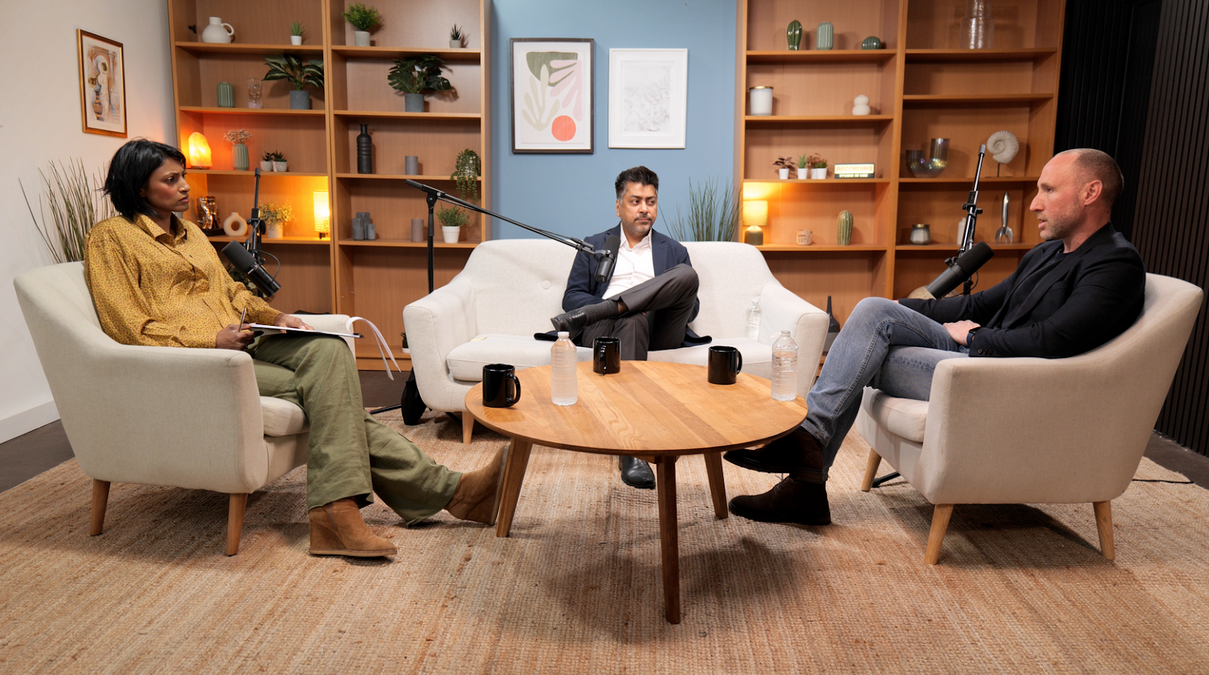
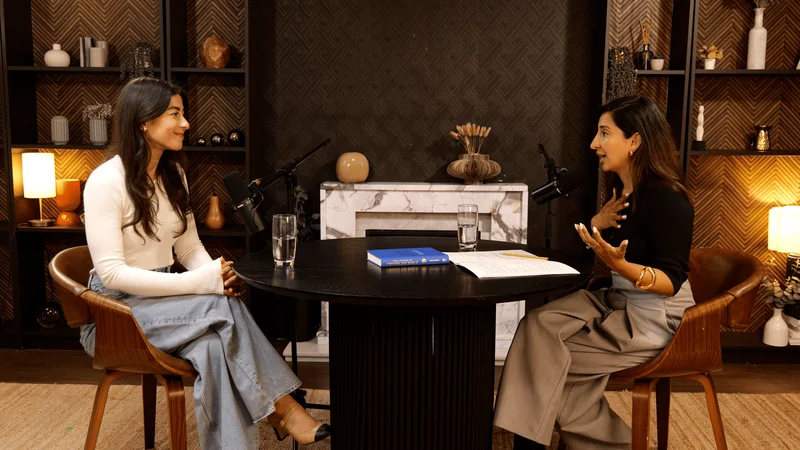
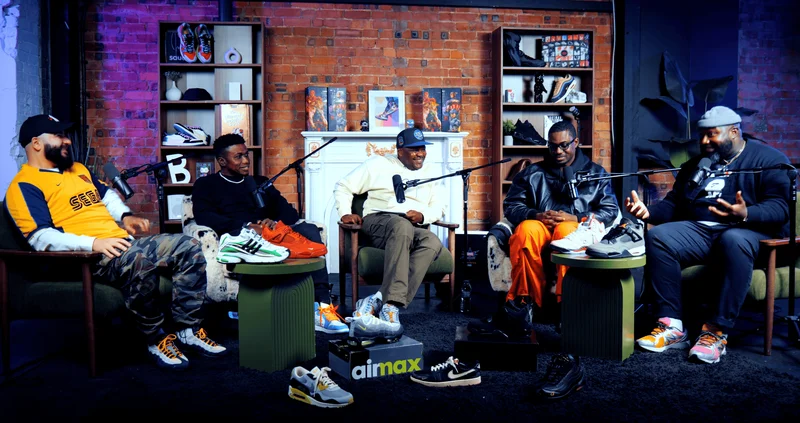
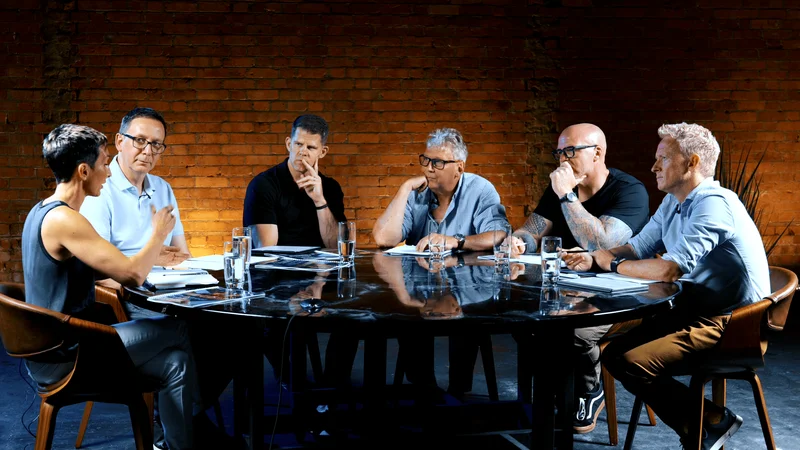
See the 'No ordinary tech podcast ' from Lloyds Banking Group by Rohit D (AI Leader for Lloyds Banking Group) and DR. shini somara (Pro-Chancellor of Brunel University) . at Finchley Studio (Lounge setup). Book this setup for your podcast.
For the uninitiated, the term "mix-minus" might sound like esoteric engineering jargon, whispered with reverence by technicians in the bowels of the BBC Broadcasting House. Yet, its function is elegantly simple and absolutely vital. It is the invisible infrastructure that allows a conversation to flow naturally across continents. Without it, the "London sound"—characterized by wit, pace, and intellectual rigour—would be reduced to a stilted, halting exchange, marred by the cognitive dissonance of hearing one's own voice returning a second later.
This report serves as a comprehensive, deep-dive analysis into the mechanics, implementation, and strategic importance of mix-minus technology within the specific context of the London studio hire market. It explores how professional facilities solve the unique acoustic and logistical pain points of the capital, from the rumble of the Northern Line to the unpredictable nature of residential broadband. By dissecting the signal flows of industry-standard equipment like the Shure SM7B and Blackmagic ATEM switchers, and contrasting the reliability of professional recording studios against home setups, we illuminate why a robust technical foundation is the prerequisite for compelling storytelling in 2026.
The Problem of the "Digital Barrel"
When a remote guest joins a recording session via Voice over IP (VoIP) platforms such as Zoom, Riverside, or Skype, the audio signal undertakes a complex journey. It travels from the guest's microphone, is encoded into digital packets, routed through miles of fibre-optic cabling, decoded at the studio, mixed with local audio, and then sent back. In a naive setup, where the main "Program" mix is sent back to the guest, they receive a feed that includes their own voice. Due to the inescapable laws of physics and network routing, this return signal is delayed—often by 200 to 500 milliseconds.
The psychological impact of this delay is profound. Described by engineers as sounding like "talking into a barrel," this echo forces the speaker's brain to process their own speech twice, disrupting the neural feedback loops required for fluent articulation. The result is a degradation of performance: guests stutter, hesitate, or stop speaking entirely, destroying the chemistry of the interview. A professional video studio or podcast studio eliminates this issue through mix-minus—sending the guest a custom mix of every channel minus their own.
The London Context: Why Professional Spaces Matter
While the theory of mix-minus is universal, its application in London is shaped by local exigencies. The city's density means that true silence is a rare commodity. A home recording setup in a Victorian terrace in Hackney or a flat in Brixton is besieged by environmental noise—sirens, construction, and the low-frequency thrum of transport. Professional studios in London not only provide the acoustic isolation necessary to block these intrusions but also the advanced routing capabilities (like N-1 matrices) to manage complex hybrid sessions involving multiple remote and in-studio participants.
Furthermore, the shift towards "visual podcasts" or vodcasting has raised the stakes. The video studio environment must now synchronize this complex audio routing with 4K video feeds, managing lip-sync errors and ensuring that the visual branding—the "Media Set"—communicates authority and professionalism [ Finchley Studios]. This report will demonstrate that in the competitive London market, the choice of studio is not merely about renting a room; it is about accessing a failsafe technical ecosystem that guarantees the integrity of the conversation.
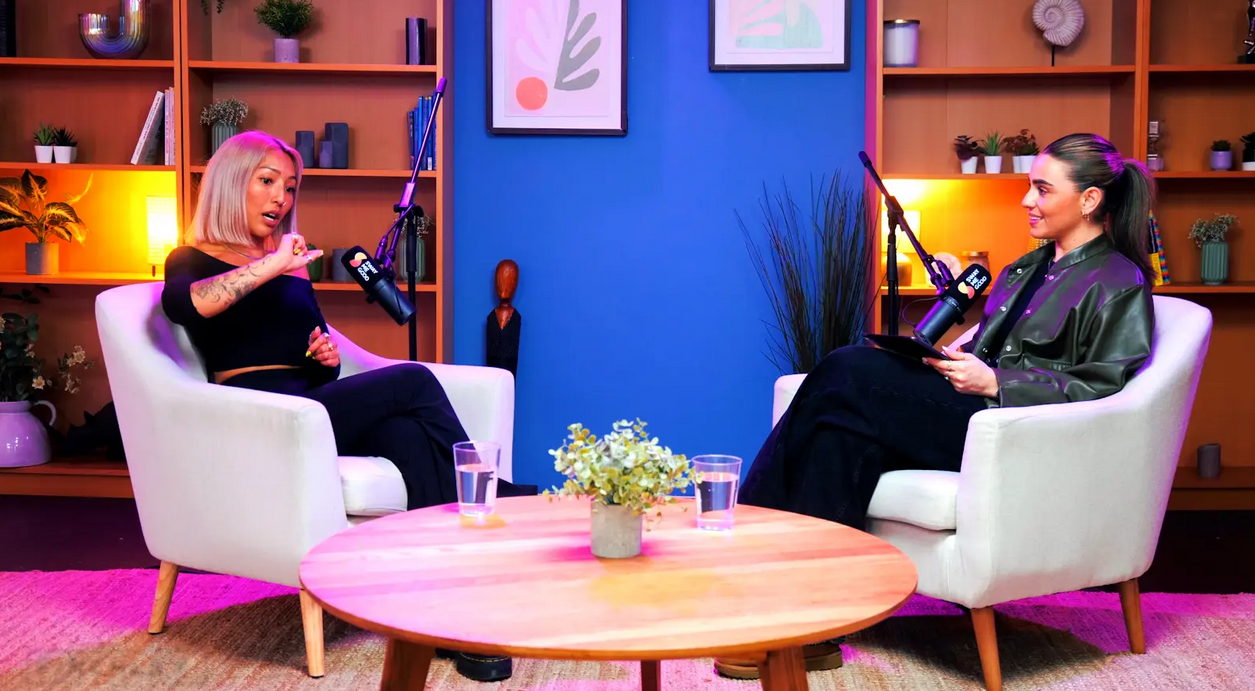
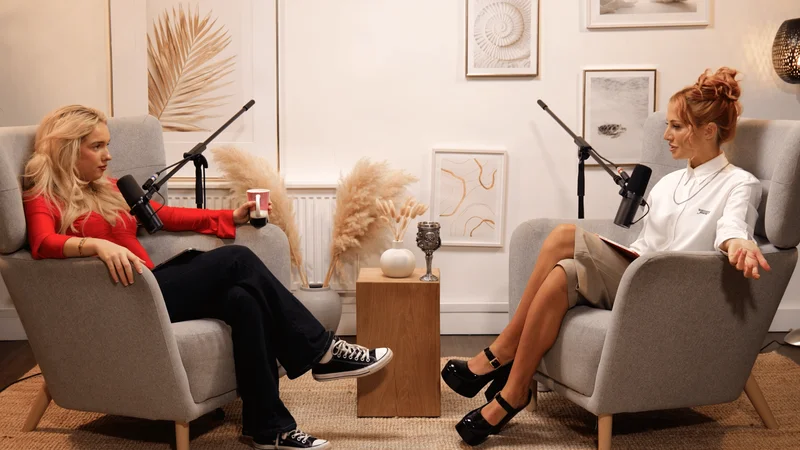
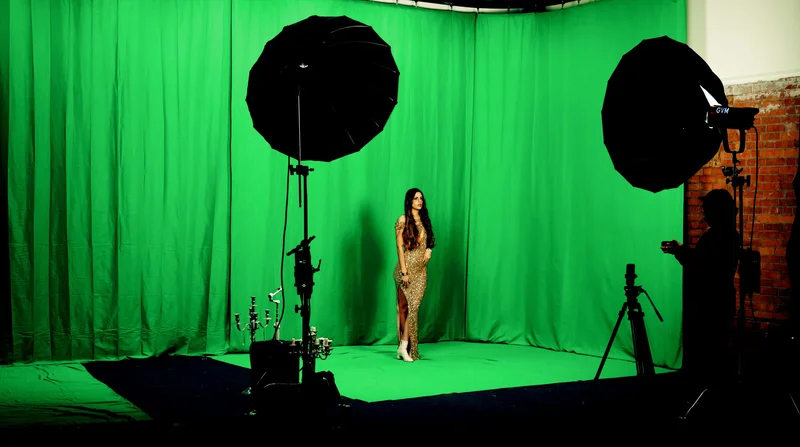
Finchley Studio (Lounge set): book this setup for your podcast
The Physics and Engineering of Mix-Minus
To fully appreciate the necessity of mix-minus, one must delve into the signal flow logic that underpins professional audio engineering. At its core, a mix-minus system is a subtractive routing matrix designed to prevent acoustic and electronic feedback loops while maintaining full intelligibility for all participants.
Theoretical Framework: The N-1 Principle
In broadcast engineering, mix-minus is frequently referred to as an "N-1" or "Clean Feed" [ Wikipedia]. The variable "N" represents the total sum of all audio sources in the mix—the host's microphone, co-hosts, sound effects, music beds, and pre-recorded clips. The "-1" represents the specific source that must be removed for a particular monitoring destination.
Ideally, every participant in a multi-point connection requires their own unique N-1 feed. For example, if a London studio is connected to guests in New York (Guest A) and Tokyo (Guest B):
- The Host hears the Full Mix $(London+NY+Tokyo)$.
- Guest A (NY) hears the Full Mix minus Guest A (London + Tokyo).
- Guest B (Tokyo) hears the Full Mix minus Guest B (London + NY).
If the studio simply sent the main "Master" bus to everyone, Guest A would hear their own voice returning after a round-trip latency of potentially 300ms, making speech nearly impossible [ Sole Source AV].
Analog Implementation: The Aux Send
Historically, and in many analogue-hybrid studios today, this logic is implemented using Auxiliary (Aux) Sends on a mixing console. An Aux Send creates a parallel mix bus separate from the main Left/Right (LR) recording bus. The engineer sets up the console as follows:
- Channel Inputs: The Host mic is on Channel 1; the Remote Guest (via a computer or phone hybrid) is on Channel 2.
- Routing to Recorder: Both Channel 1 and Channel 2 are routed to the Main Output (LR) for the final podcast recording.
- Routing to Guest: A "Pre-Fader" Aux Send is used to create the monitor mix for the guest. The engineer turns up the Aux knob on Channel 1 (Host) but leaves the Aux knob on Channel 2 (Guest) at zero (infinity attenuation).
- Output: The Aux Output is physically patched into the input of the communication device (e.g., the "Mic Input" of the computer running Zoom) [ The Podcasters' Studio].
This manual configuration gives the engineer granular control. They can, for instance, feed music to the recording but keep it out of the guest's ear if it proves distracting. However, it requires a solid grasp of signal flow and "Pre/Post" fader logic to avoid feedback loops [ YouTube (How To Setup A Mix Minus)].
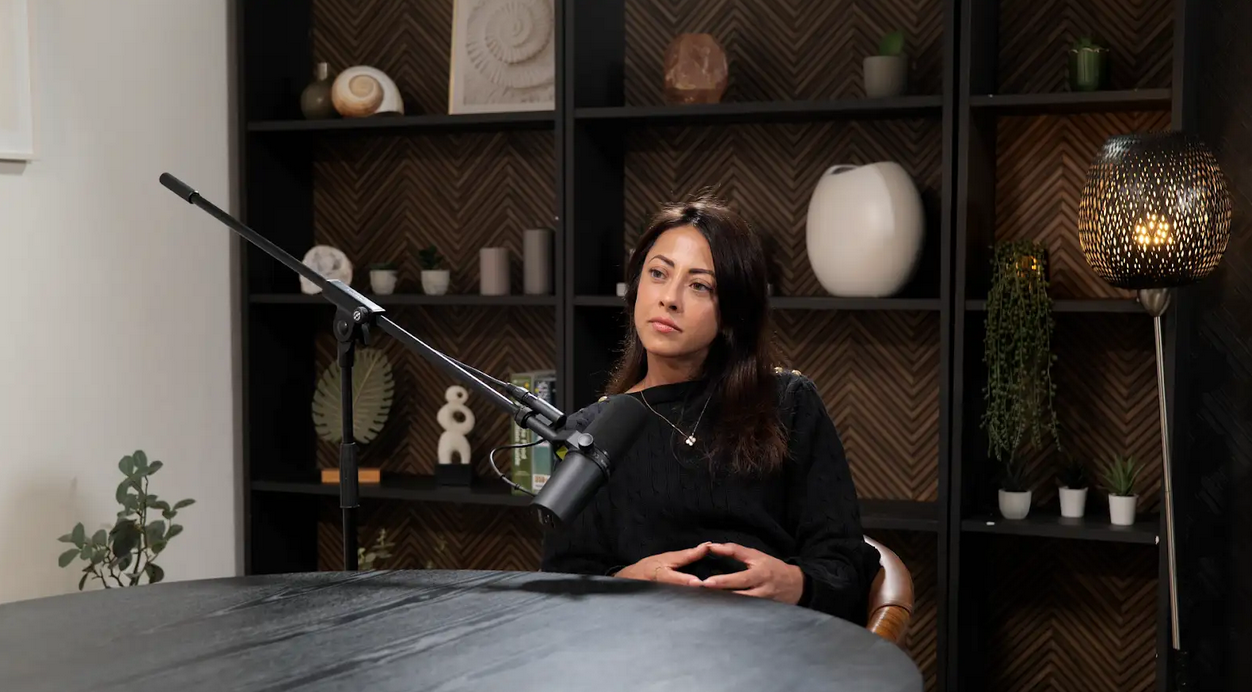
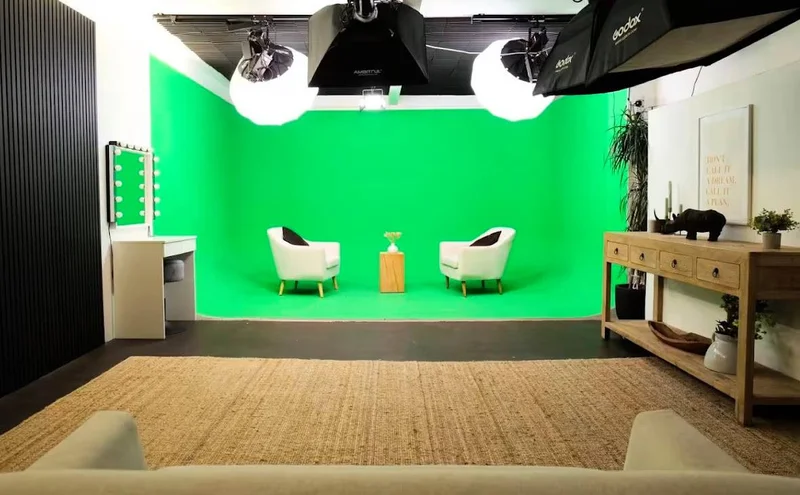
Finchley Studio (CEO Set): book this setup for your podcast
Digital Matrixing and Automated Systems
In the modern digital era, specifically within high-end London podcast production facilities, this manual patching is often replaced by internal digital routing matrices.
- The Broadcast Matrix: Large-scale broadcast consoles, such as those used in Tier 3 studios or institutions like the Senate or BBC, utilize a full matrix mixer. This allows for the creation of dozens of simultaneous mix-minus feeds. A matrix mixer is essentially a grid where every input can be routed to every output with independent level control. This is essential for panel shows where multiple remote guests must hear each other but not themselves [ Sweetwater].
- Integrated Podcast Consoles: The democratization of podcast technology has introduced devices like the RØDECaster Pro II and Zoom PodTrak P4, which have "hard-coded" mix-minus logic [ RØDE].
- RØDECaster Pro II: When a smartphone is connected via Bluetooth or a computer via USB, the device automatically subtracts the incoming audio from the outgoing signal on that same channel. This "plug-and-play" functionality has lowered the barrier to entry for mid-tier studios [ RØDE].
- Zoom PodTrak P4: This portable device features a dedicated "Phone" input with a mix-minus switch, ensuring that even mobile setups can achieve broadcast-quality remote connections without echo [ Equipboard].
The Role of Acoustic Coupling
While mix-minus solves the electronic feedback loop, professional studios must also manage acoustic coupling. If a host in a London podcast studio is listening to the guest through loudspeakers rather than headphones, the host's microphone will pick up the guest's voice from the speakers and send it back into the system. This creates a secondary echo path that electronic mix-minus cannot remove. Therefore, a strict "headphones-on" policy is enforced in professional environments. Closed-back headphones, such as the Sony MDR-7506 or KRK 6400, are standard issue in London studios to ensure high isolation [ PIRATE]. In video-centric studios where headphones might disrupt the visual aesthetic, in-ear monitors (IEMs) or highly directional "mix-minus zones" using beamforming speakers may be employed, though this is rare and technically demanding [ Vibe Design Group].
|
Audio Routing Method |
Mechanism |
Complexity |
Flexibility |
Risk of Feedback |
|
Direct Master Send |
Sends full mix back to guest |
Low |
Low |
High (Guaranteed Echo) |
|
Analog Aux Send |
Manual subtraction via knobs |
Medium |
High |
Low (if set correctly) |
|
Digital Mix-Minus |
Automatic algorithmic subtraction |
Low (User) / High (Internal) |
Medium |
Very Low |
|
Matrix Mixer |
Full N-1 grid for all inputs |
Very High |
Maximum |
Very Low |
The London Studio Ecosystem: A Comparative Analysis
The market for studio hire London is diverse, ranging from unmanned booths to broadcast-grade television facilities.
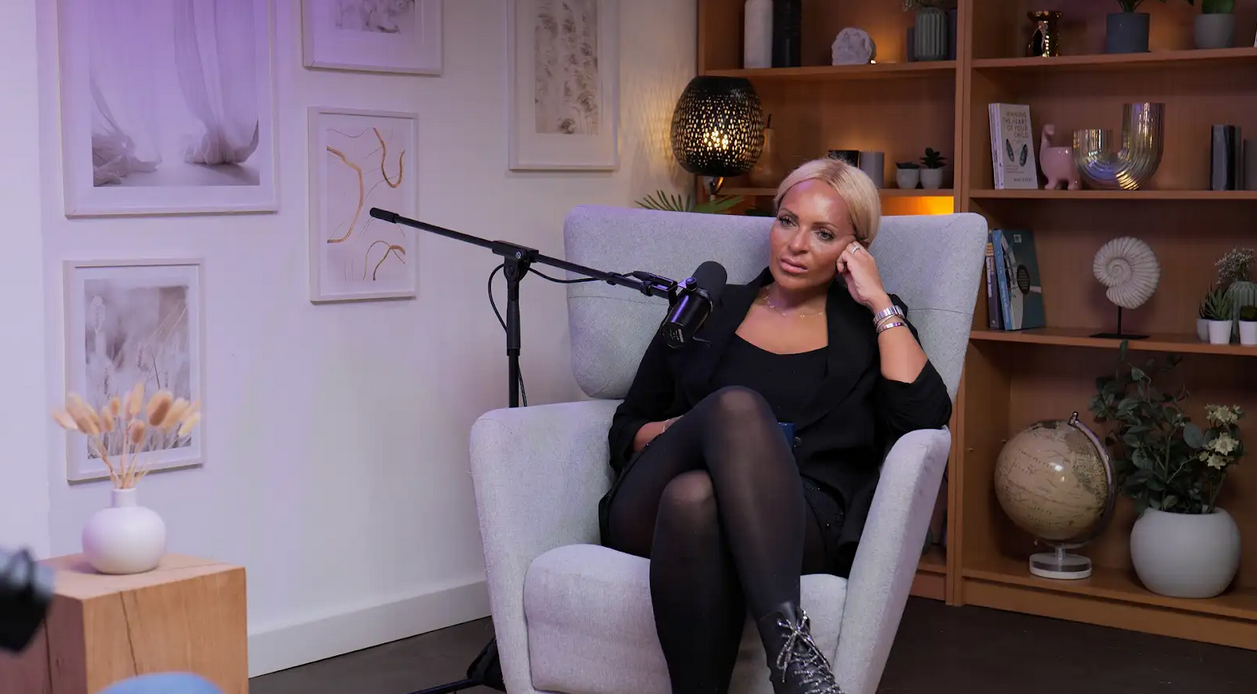
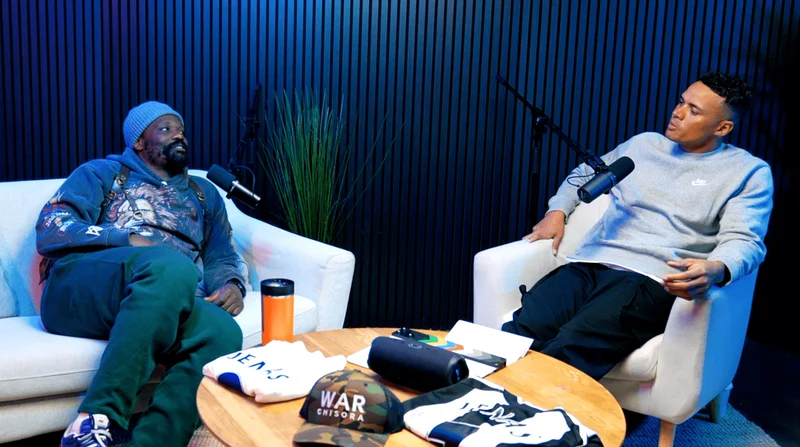
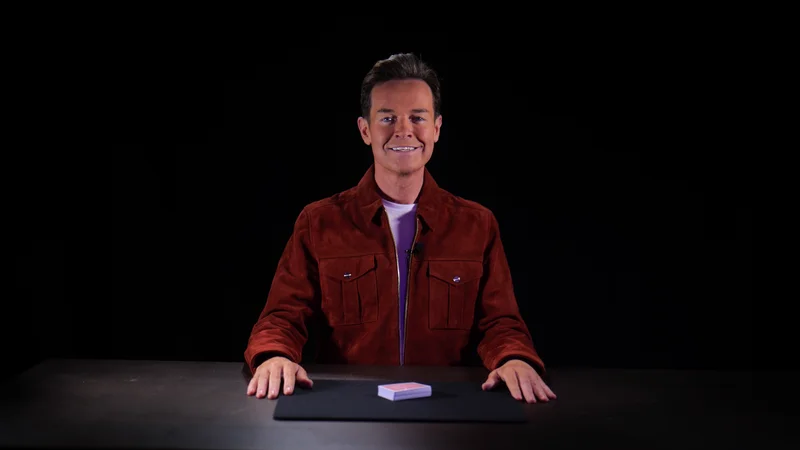
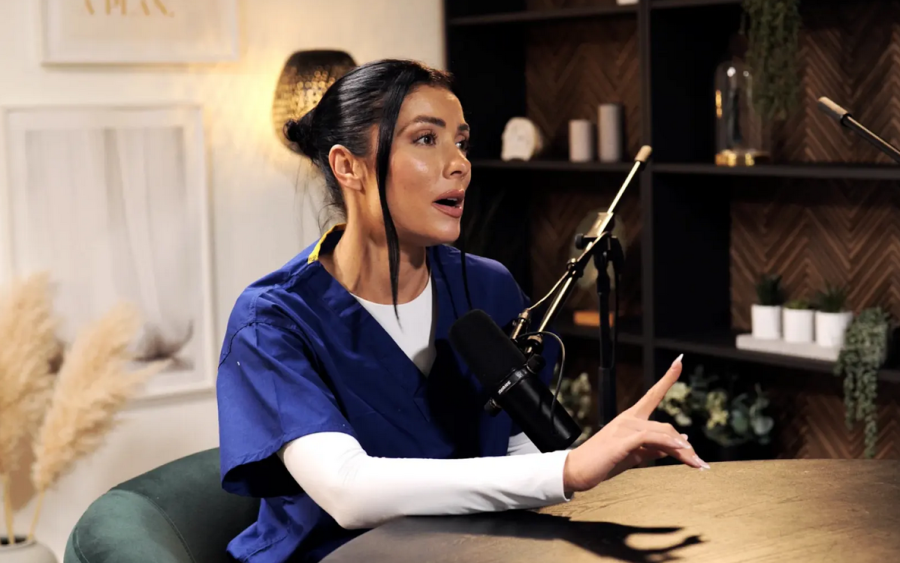
Finchley Studio (Dialogue set): book this setup for your podcast
Geographic and Demographic Segmentation
London's creative geography dictates the type of studio available.
- Central London (Soho, Fitzrovia): Historically the heart of the UK film and TV industry. Studios here are Tier 3 "Premium" facilities, often costing £150-£300+ per hour. They offer full concierge service, valet parking, and redundant fibre lines, catering to high-net-worth individuals and major media networks [ Finchley Studios].
- East London (Shoreditch, Hackney, London Bridge): The hub of the "creator economy". Studios here, like Outset Studio or Premiere Podcast Studios, blend professional tech with a trendy, accessible aesthetic. They are popular with independent podcasters, brands, and startups.
- North London (High Barnet, Finchley): Emerging as a value-driven alternative. Studios like Finchley Studio offer high-end specs (4K video, acoustically treated rooms) at a "standard professional" price point (£70-£120/hr). They leverage lower overheads and better parking availability to attract creators willing to travel 30 minutes from King's Cross [ Finchley Studios].
Tiers of Service and Technical Capability
The application of mix-minus varies significantly across these tiers.
- Tier 1: The Automated/Self-Service Model (e.g., Pirate Studios). These spaces rely on integrated units like the RØDECaster Pro where mix-minus is handled automatically by the hardware. While low cost, the downside is a lack of on-site support if the connection drifts or hardware fails [ PIRATE].
- Tier 2: The Engineer-Assisted Model (e.g., Outset Studio, Premiere Podcast Studios). These studios feature standard professional gear and include an engineer who ensures the N-1 is clean before recording starts.
- Tier 3: The Full-Service Broadcast Model (e.g., TYX Studios, specialized Soho facilities). They utilize high-end broadcast consoles and complex matrix systems for multiple remote guests with absolute redundancy [ Finchley Studios].
The "London Sound" and Environmental Challenges
London is a loud city, with a noise floor raised by traffic, sirens, and flight paths. A home recording often suffers from background noise that digital processing cannot fully remove [ Reddit]. Professional studios solve this with "room-within-a-room" construction and floating floors. Furthermore, studios invest in dedicated leased fibre lines to ensure that high-bandwidth video packets do not suffer from jitter or packet loss [ Finchley Studios].
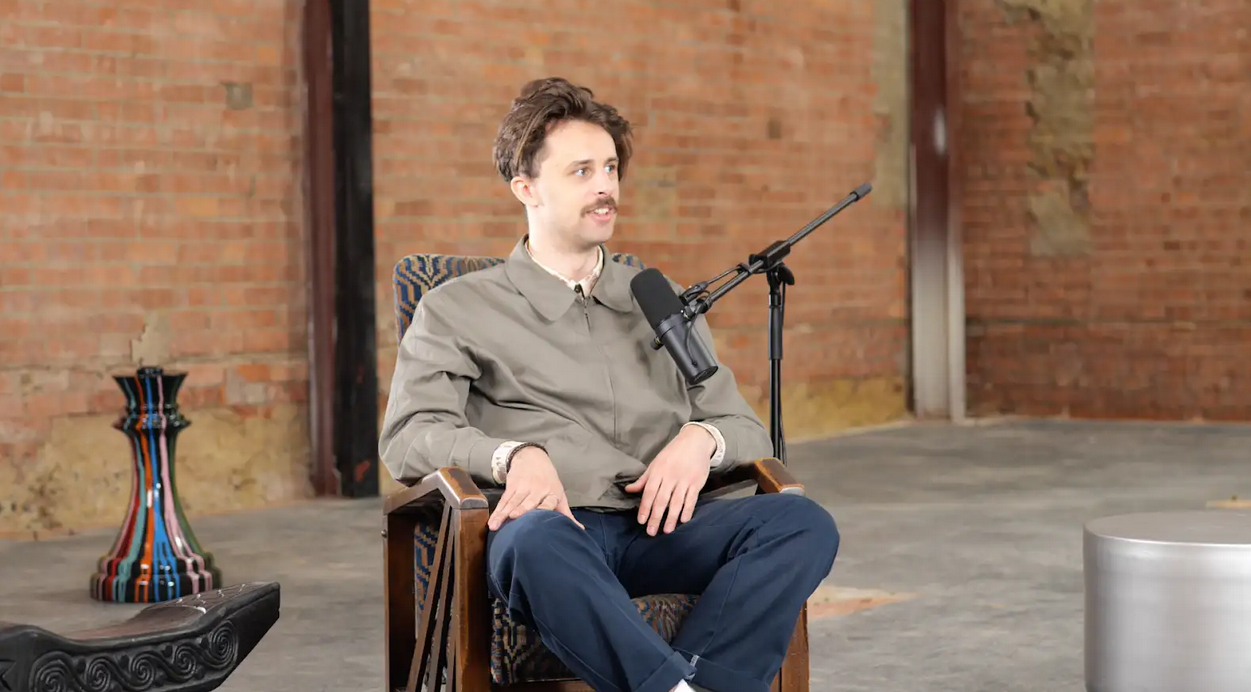
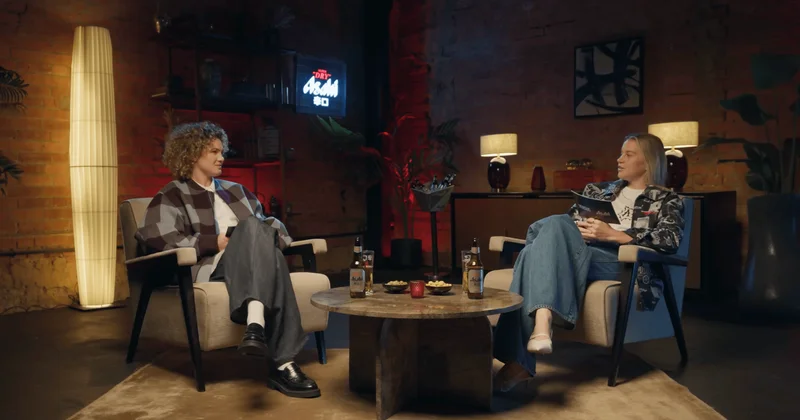
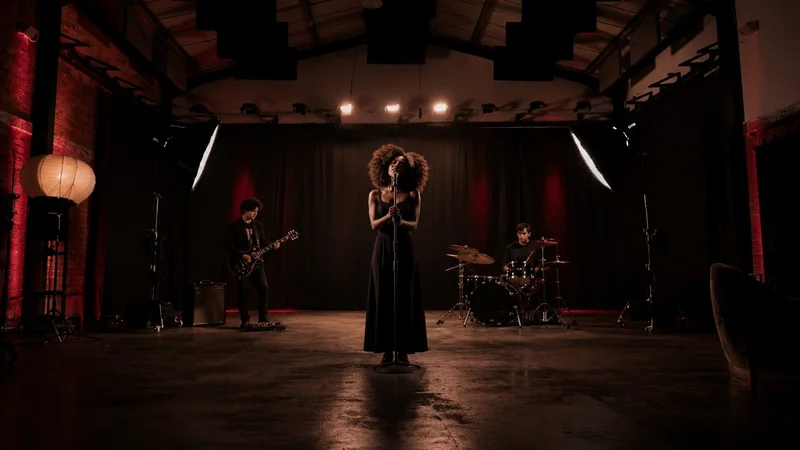
Finchley Studio (The Brick Studio): book this setup for your podcast
Remote Recording Technologies: Protocols and Platforms
Remote guest integration has evolved from rigid ISDN lines to flexible IP-based solutions in 2026.
From ISDN to IP: A Historical Shift
ISDN (Integrated Services Digital Network) was the gold standard, offering dedicated bandwidth but at a high cost and reliance on copper lines [ Comrex]. It has been replaced by IP Codecs like Source-Connect, ipDTL, and Comrex units [ Comrex]. These codecs employ advanced algorithms (like OPUS) to maintain near-zero latency and high stability [ Comrex].
The Rise of "Double-Ender" Platforms
The industry has standardized on "double-ender" platforms like Riverside.fm, SquadCast, and Zencastr [ Buzzsprout]. These platforms record audio/video locally on the guest's device and upload the high-quality file after the session [ Buzzsprout]. This decouples recording quality from internet stability [ Finchley Studios]. While they have built-in software mix-minus, they function best when provided with a clean hardware feed from the studio [ Hello Studios].
Latency Physics: The 400ms Threshold
Latency is the enemy of conversation. Delays greater than 400ms begin to disrupt the "turn-taking" mechanism of dialogue [ ISCA Archive]. This leads to "cognitive load" and fatigue [ ISCA Archive]. Using a wired mix-minus setup in a professional studio minimizes latency to the inherent travel time of internet packets [ Finchley Studios].
|
Platform / Method |
Recording Location |
Audio Quality |
Video Quality |
Latency Risk |
|
Zoom / Skype |
Cloud / Local (Stream) |
Compressed |
Compressed |
High (Drift prone) |
|
Riverside / SquadCast |
Local Device (Guest) |
Uncompressed (WAV) |
Up to 4K |
Medium (Monitoring only) |
|
IP Codec (Source-Connect) |
Studio (Real-time) |
Broadcast Quality |
N/A (Audio only) |
Low (Optimized) |
|
ISDN (Legacy) |
Studio (Real-time) |
Broadcast Quality |
N/A |
Very Low |
Video Integration and Synchronization
The modern podcast is frequently a video product, adding complexity to the workflow.
Vision Mixing and the ATEM Workflow
Studios utilize hardware switchers like the Blackmagic ATEM Mini Extreme ISO to cut between cameras. The engineer must ensure the audio sent back to the guest via the "webcam" return does not include the guest's own voice [ Blackmagic Forum]. While the ATEM has internal mix-minus, professional studios often use a separate audio mixer for total control [ YouTube (Mix Minus Explained)].
The Lip-Sync Challenge
Video processing takes longer than audio, often resulting in audio arriving first [ Wikipedia]. Professional studios use delay units to sync signals perfectly [ Bzbgear].
The "Visual Podcast" Aesthetic
The 2026 trend is the "Media Set". This includes DMX-controlled LED lighting and textured "Limewash" walls that add dimension to 4K video [ Finchley Studios]. Studios are also rigging cameras in 9:16 orientation for mobile-first content like TikTok [ Finchley Studios].
The Psychology of Remote Communication
The technical apparatus exists to serve human connection. Poor audio quality increases cognitive load, distracting the host and making the guest self-conscious [ ISCA Archive]. A zero-latency mix-minus feed allows conversation to become organic. London's top studios provide "virtual green rooms" to settle guest nerves and use high-quality monitors so hosts can see non-verbal cues [ The Podcast Space Outset Studio].
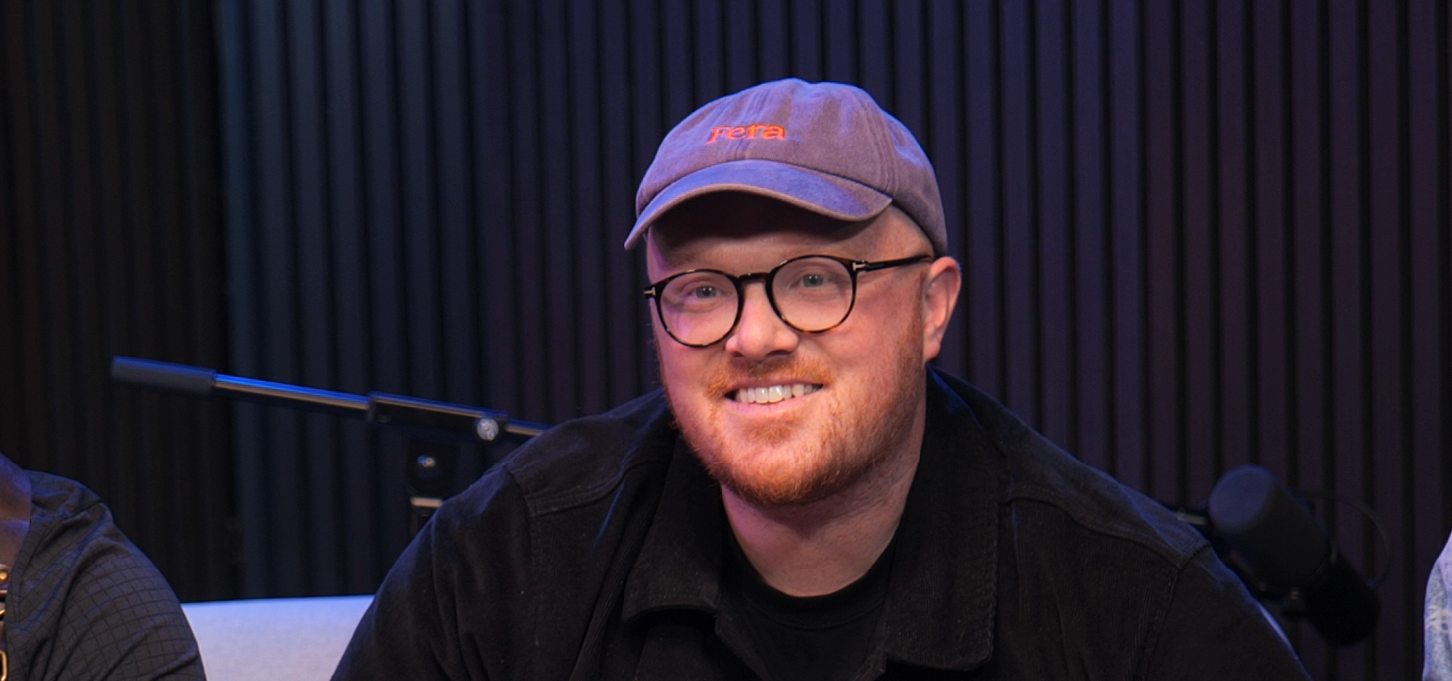
Finchley Studio (Blackwood): book this setup for your podcast
Industry-Standard Equipment: The 2026 Toolkit
- Microphones: Shure SM7B/SM7dB is the ubiquitous choice for rejecting off-axis noise [ The Podcast Haven]. The Electro-Voice RE20 is also famed for minimizing the proximity effect [ The Podcast Haven].
- Interfaces: RØDECaster Pro II is dominant for its dual USB interfaces and automatic mix-minus [ RØDE]. The Zoom F8n Pro offers 32-bit float recording as a safety net against distortion.
- Video: Blackmagic Pocket Cinema 6K and ATEM Mini Extreme ISO are standards for cinematic visuals and flexible post-production editing [ Every Movie Has a Lesson].
Troubleshooting and Best Practices
Professional engineers mitigate disaster by turning off auto-updates, checking routing 30 minutes before sessions, and using "sync claps" to fix audio drift [ Buzzsprout SquadCast]. They operate on the principle of redundancy, recording to DAWs and hardware simultaneously [ Finchley Studios].
Conclusion: The Strategic Value of Professional Infrastructure
In 2026, production quality reflects brand authority. For London-based creators, a professional studio offers an ecosystem of reliability, managing the logistical headaches of noise and the invisible physics of signal flow. Investment in professional studio hire is an investment in the integrity of your message.

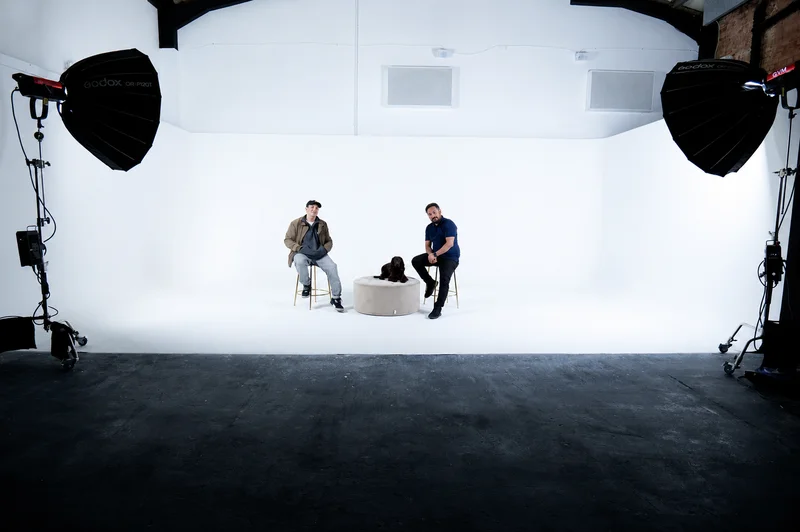
Finchley Studio (White Infinity Cove): book this setup for your podcast
Frequently Asked Questions (FAQ)
What specifically causes the echo when I record with remote guests? The echo is caused by the "round trip" audio path where your voice returns to you with a delay caused by internet transmission time [ Sole Source AV]. A mix-minus setup prevents this by "subtracting" your voice from the feed.
Why should I choose a professional studio hire London over recording from home? Studios solve the problems of environmental noise and connectivity reliability, offering soundproofing and dedicated fibre internet.
Can I record with more than one remote guest at a time? Yes, using matrix systems to create multiple unique mix-minus feeds. Platforms like Riverside.fm also support up to 8 isolated tracks [ Premiere Podcast Studios].
What is "audio drift," and how do I fix it? It occurs when recording devices' internal clocks run at different speeds [ SquadCast]. Studios fix this using a central master clock [ SquadCast].
How much does a professional podcast studio in London cost? Prices range from ~£20-£40/hr for self-service to £150+/hr for premium facilities [ Finchley Studios].
Is it possible to include branded graphics or presentations in a remote session? Yes, using video switchers like the ATEM Mini Extreme to overlay logos and slides