Plan a six-episode podcast by defining one clear promise for the series, then giving each episode a different job. Decide whether listeners need to follow the order or can start anywhere. Build the guest, recording and editing plans around that structure before reserving a large block of studio time.
State the series promise
Write a sentence that identifies the audience and what they will understand by the end. “Conversations with interesting people” leaves too much undecided. “How small teams test and launch a new product” gives the editor a clearer basis for choosing guests and questions.
Then ask whether the subject actually needs six episodes. Combine overlapping ideas and expand topics only when there is a meaningful new question, example or perspective. The number should organise the material rather than encourage repetition.
Give every episode a distinct question
Use a one-page series map. For this illustrative product-launch series, the episodes could have these roles:
| Episode | Central question | Material to find |
|---|---|---|
| One | What problem are we solving? | A clear example of the customer's difficulty |
| Two | What evidence do we need? | A researcher explaining a useful test |
| Three | Which approach should we try? | A decision-maker comparing realistic options |
| Four | What did testing reveal? | An example that changed the original plan |
| Five | How do we deliver it? | An operator describing practical constraints |
| Six | What would we change next time? | A review of decisions and remaining questions |
For each episode, write the desired takeaway, likely guest, supporting material and proposed ending. Use the episode structure guide to develop an individual running order. The series map should reveal both gaps and duplication before recording.
Decide how listeners will navigate
An unfolding story needs clear introductions and links between episodes. A collection of independent interviews needs each opening to explain the subject without assuming previous listening. Apple's show-order guidance distinguishes episodic and serial shows.
Keep episode numbers, titles and descriptions consistent in your planning documents. Confirm the appropriate metadata with your podcast host when preparing publication. Recording order can differ from listening order, but mark any introductions that must be revised after later interviews.
Book the production you can finish
List every participant and identify interviews that depend on another conversation happening first. Group sessions where that makes travel and setup practical. Leave time to incorporate an unexpected answer rather than making all six episode outlines immovable.
Set an intended episode length using the material and your audience's needs. The episode length guide helps translate that choice into a realistic production plan. Include soundchecks, breaks, pickups and changeovers when estimating studio time.
Plan six edits and six approvals
Give each episode a recording date, editor, review deadline, approver and planned release. Add a shared checklist for captions or transcripts, artwork, descriptions and any social extracts. Set one person responsible for resolving feedback when several stakeholders are involved.
Leave a publication buffer that suits the project's review needs. YouTube's scheduling tool can set a future release time for a prepared video. Check the final files and metadata before scheduling them.
Review the pilot against the series promise before committing the remaining production. If the format needs shorter introductions, different guests or more preparation, adjust the plan while those decisions are still easy to change.
Planning your series with Finchley
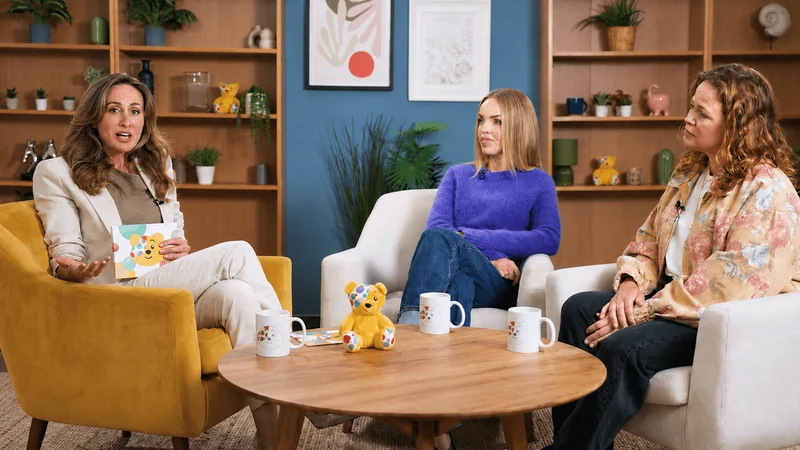
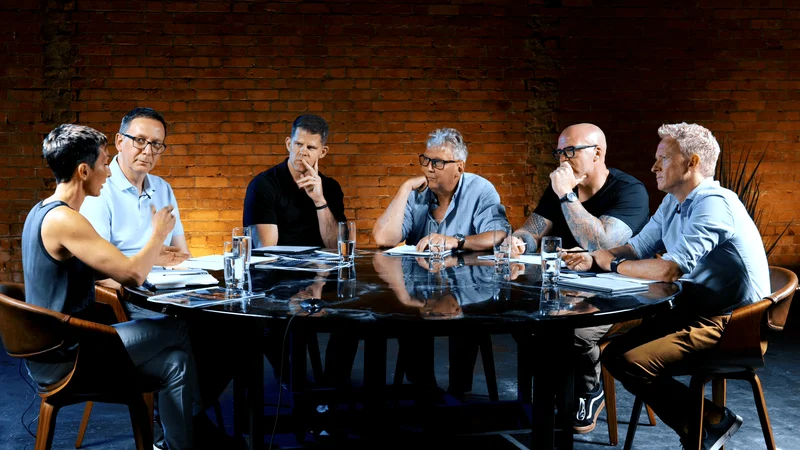
Finchley's Roundtable Set is designed for group discussions and panel-style content. If your series mixes panels with smaller interviews, describe those formats separately so the team can advise on the suitable spaces and production setup.
Send the six-episode map with guest numbers, approximate recording lengths and required outputs. Distinguish the session schedule from the publishing calendar, including who edits and approves each programme. Ask for a quote that identifies recording, any set changes and post-production for the full series. You can then compare the complete production scope and choose a booking sequence that leaves room to learn from the first recording.
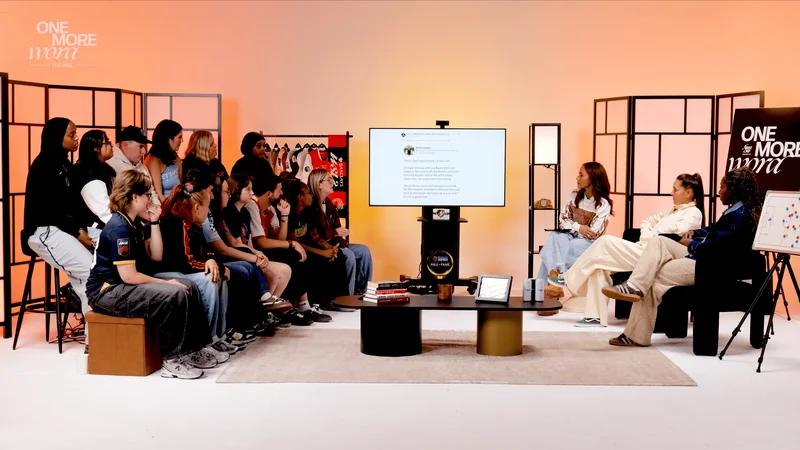
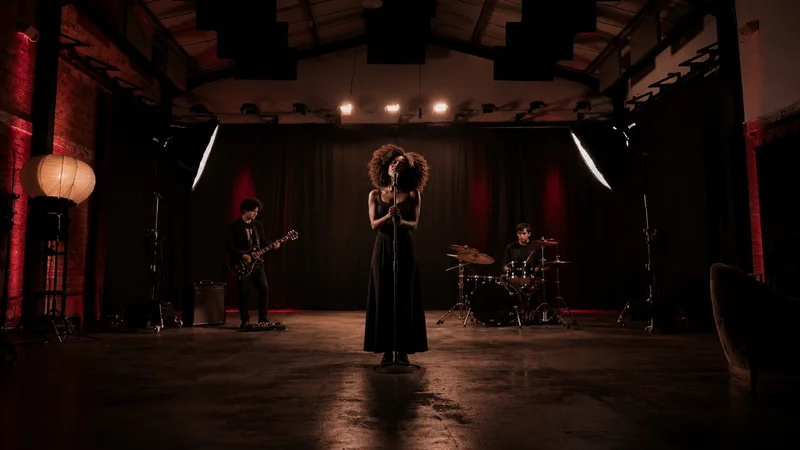
A client recording from Finchley Studios
From our client recording collection: And The Award Goes To... (Argos).
Continue planning your recording
- How Long Should a Podcast Episode Be?
- How to Write a Podcast Studio Production Brief
- How to Structure a Podcast Episode Before Recording
For the full series, explore our podcast studio booking guide.
Explore all 12 Finchley sets
Compare the looks below, then follow the booking or enquiry link for your preferred set. Confirm the recording package, guest capacity and location for your session.
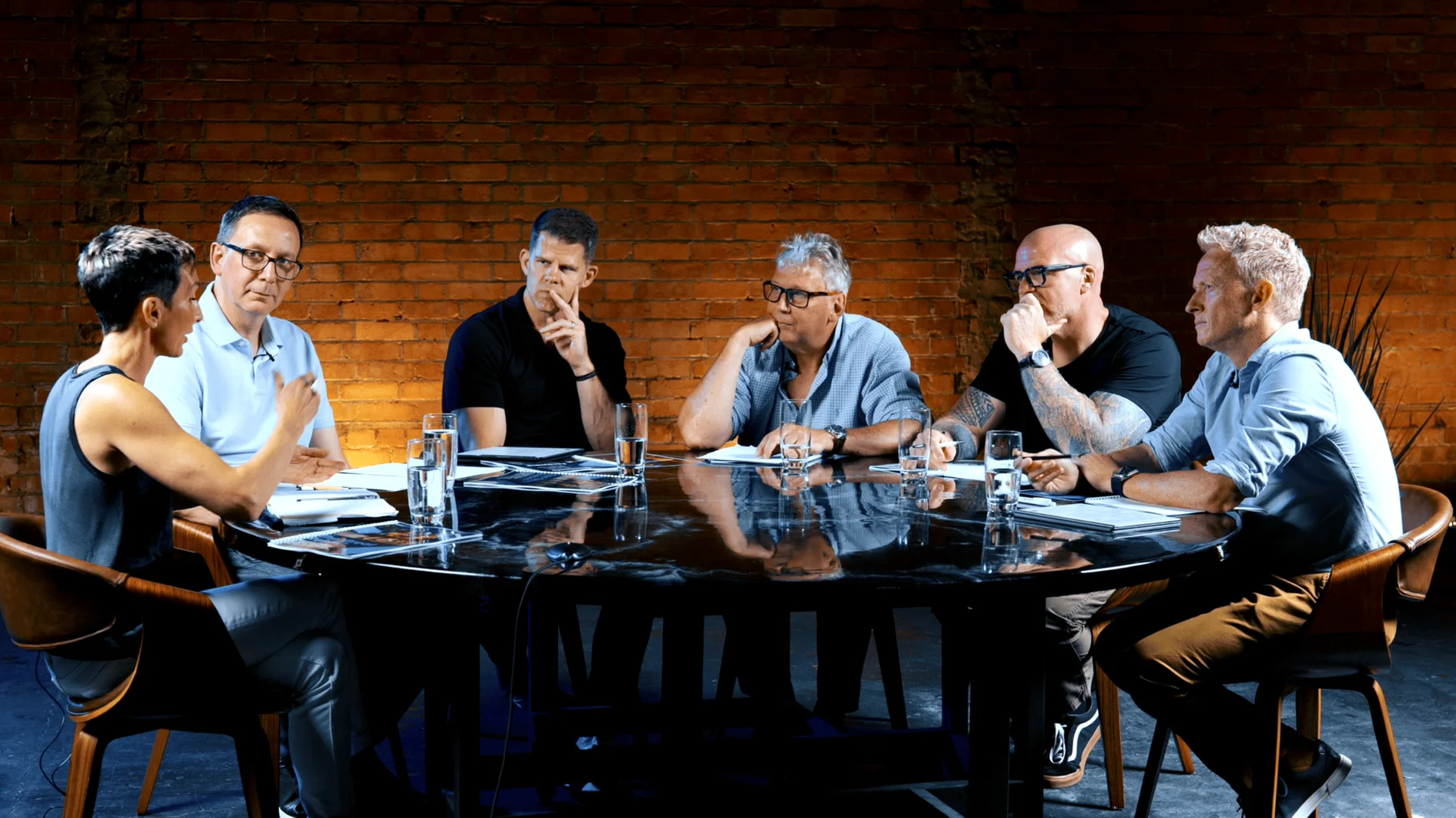
Roundtable at Finchley Studios. Enquire about Roundtable.
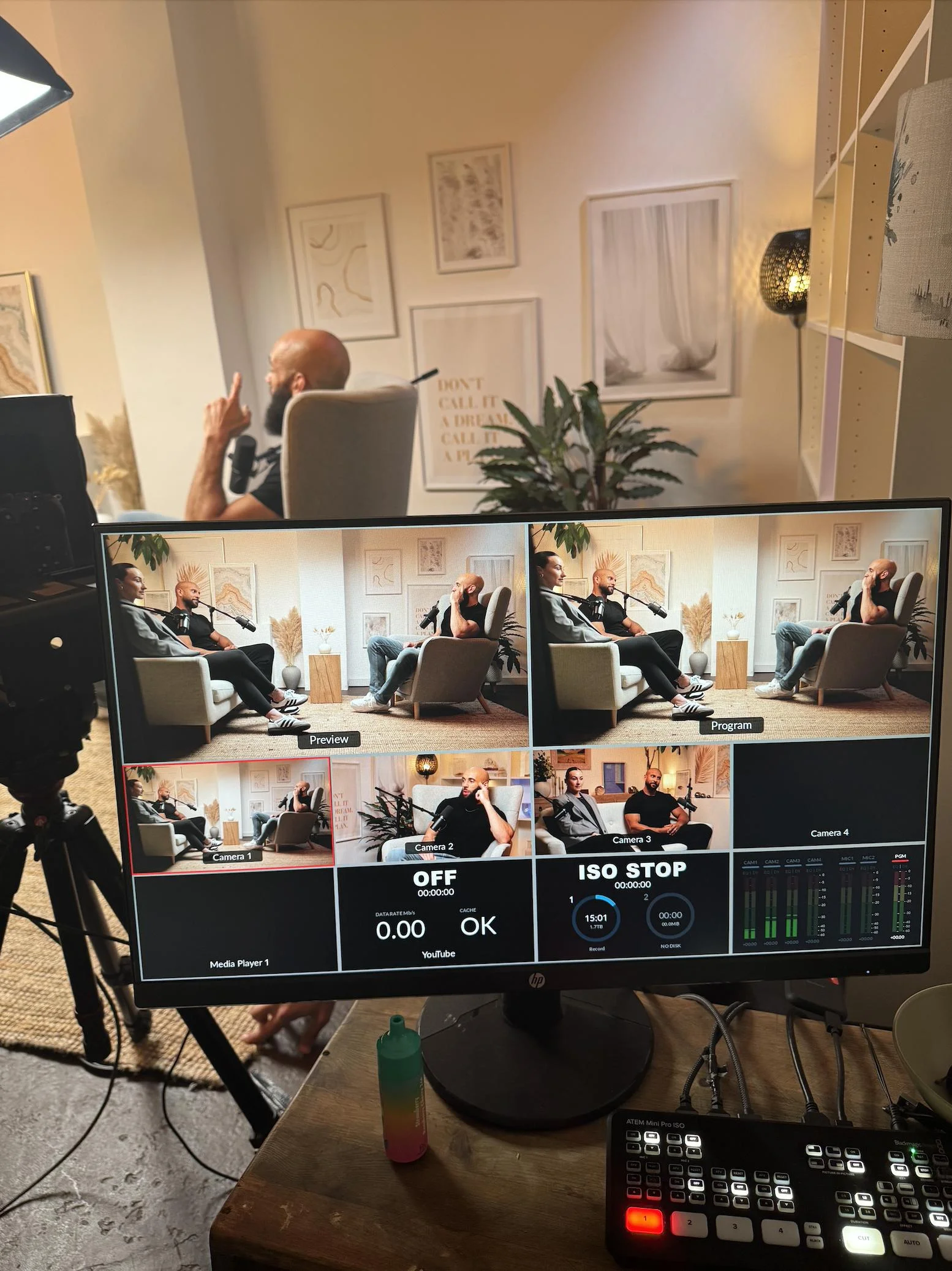
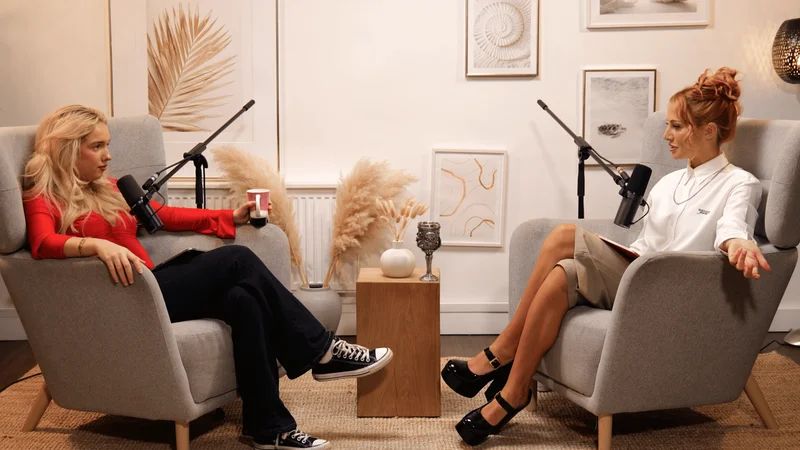
Dialogue at Finchley Studios. Book Dialogue.
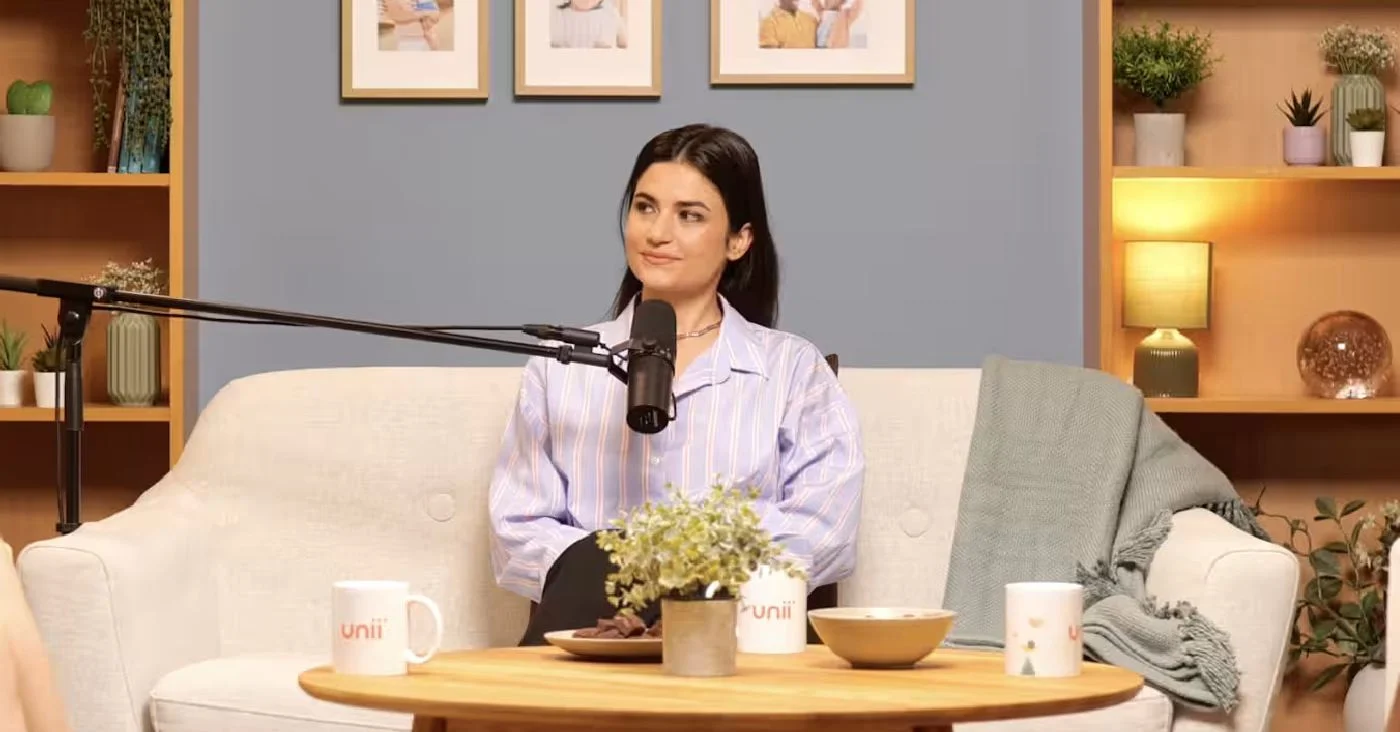
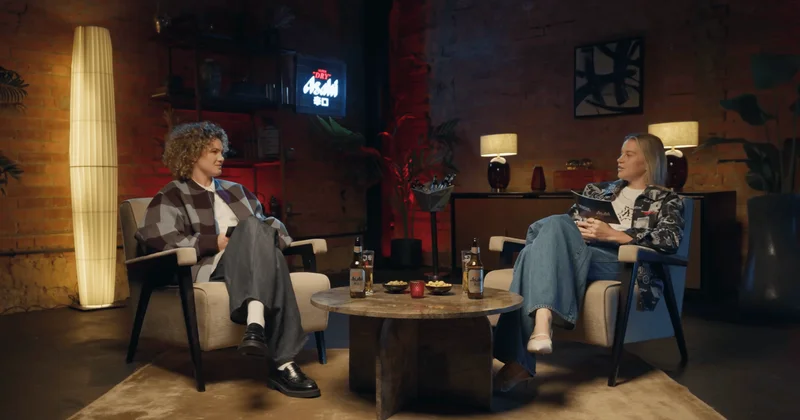
Lounge at Finchley Studios. Book Lounge.
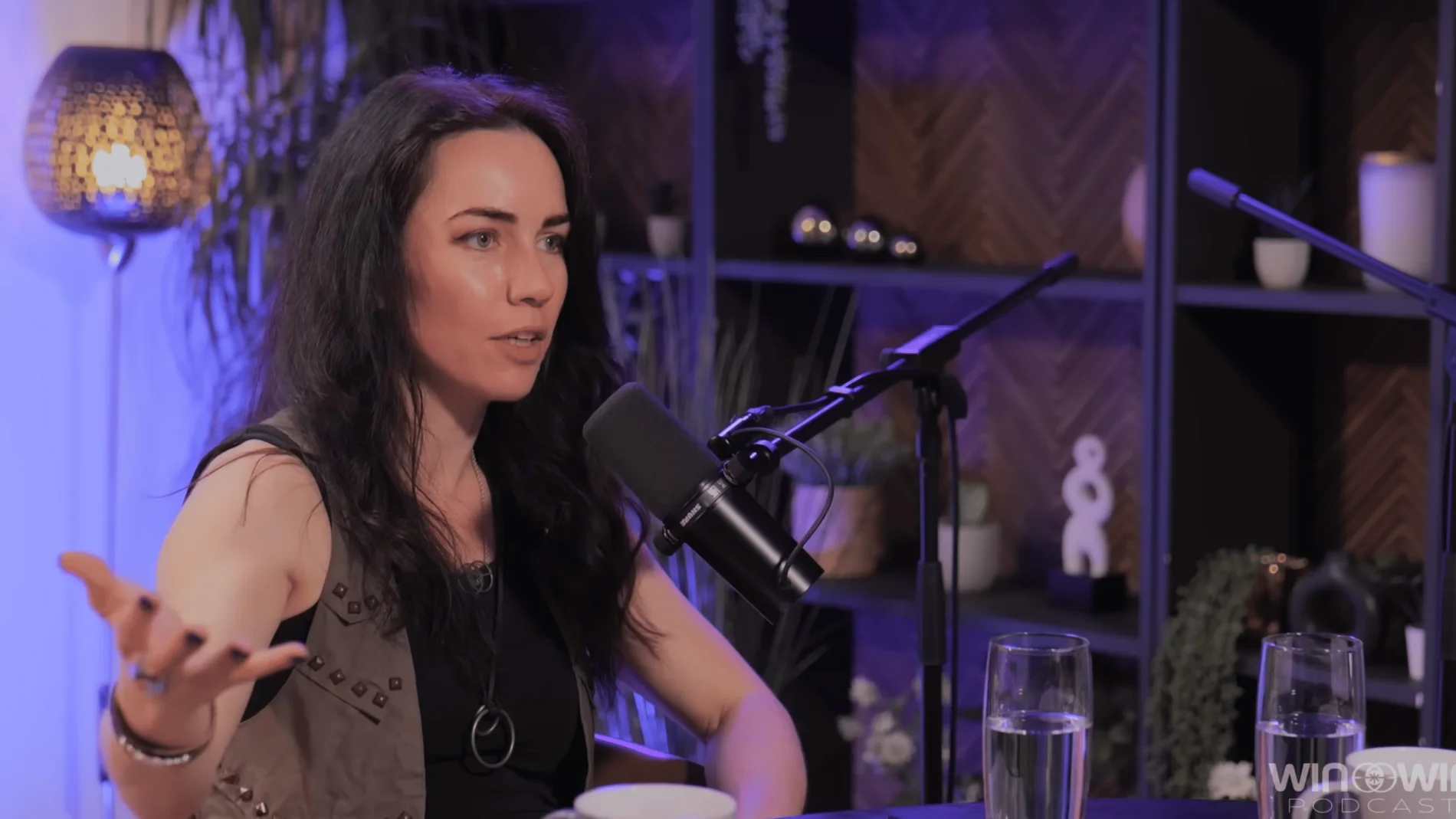
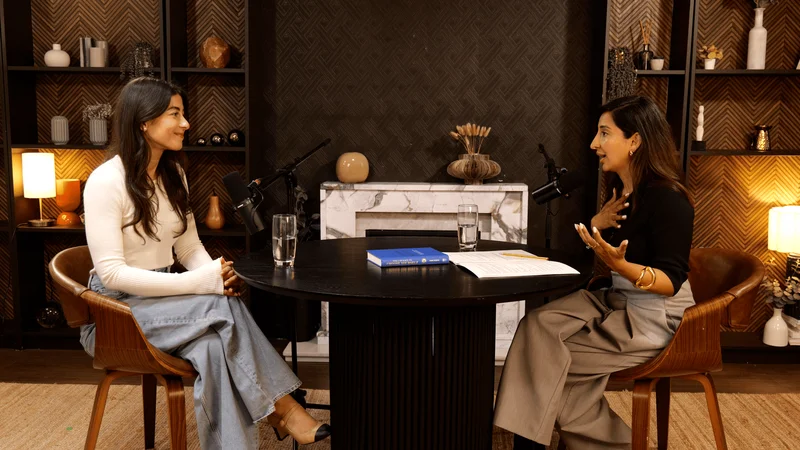
CEO at Finchley Studios. Book CEO.
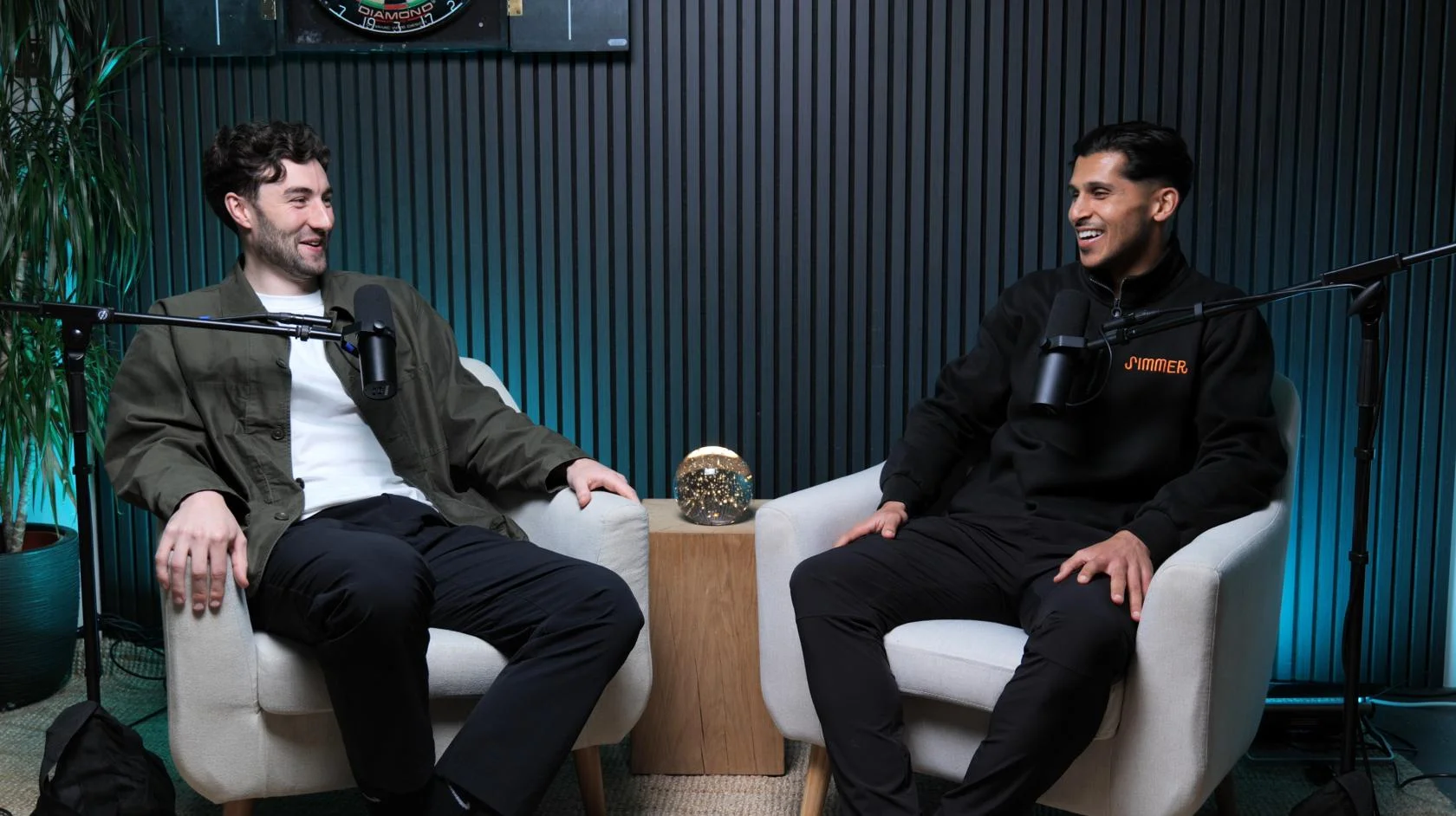
Blackwood at Finchley Studios. Book Blackwood.
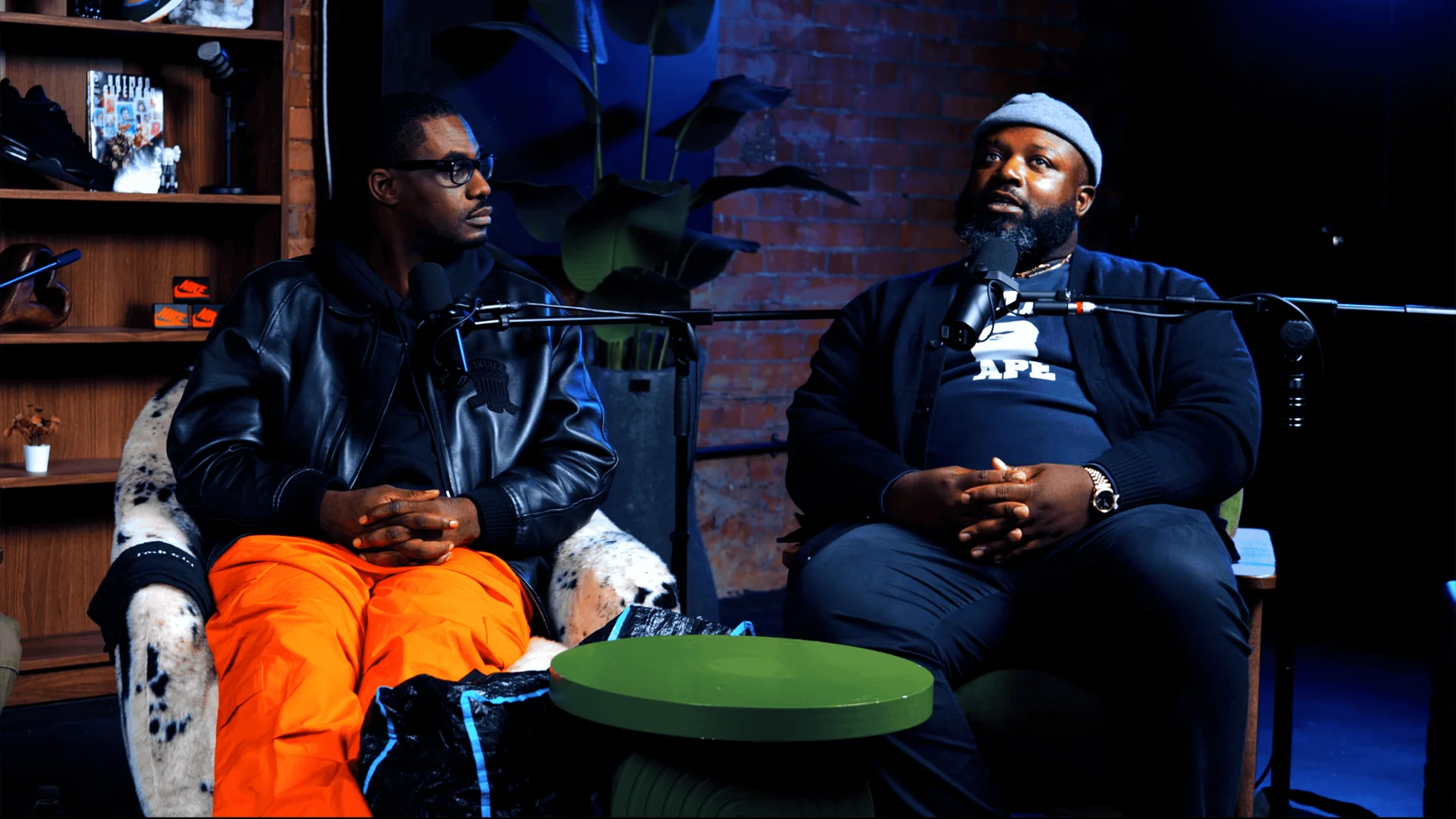
Pulse Lounge at Finchley Studios. Enquire about Pulse Lounge.
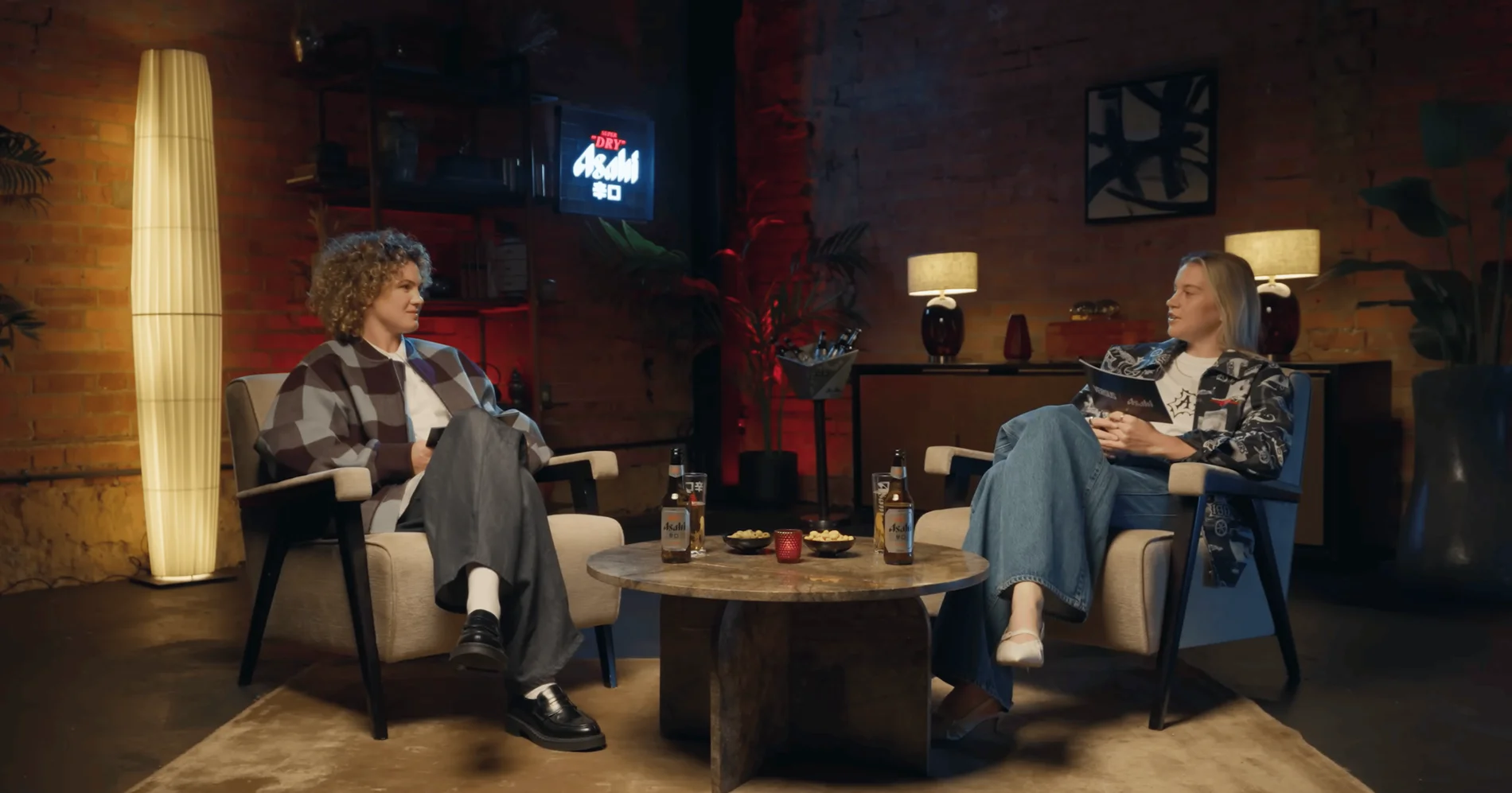
The Brick Studio at Finchley Studios. Enquire about The Brick Studio.
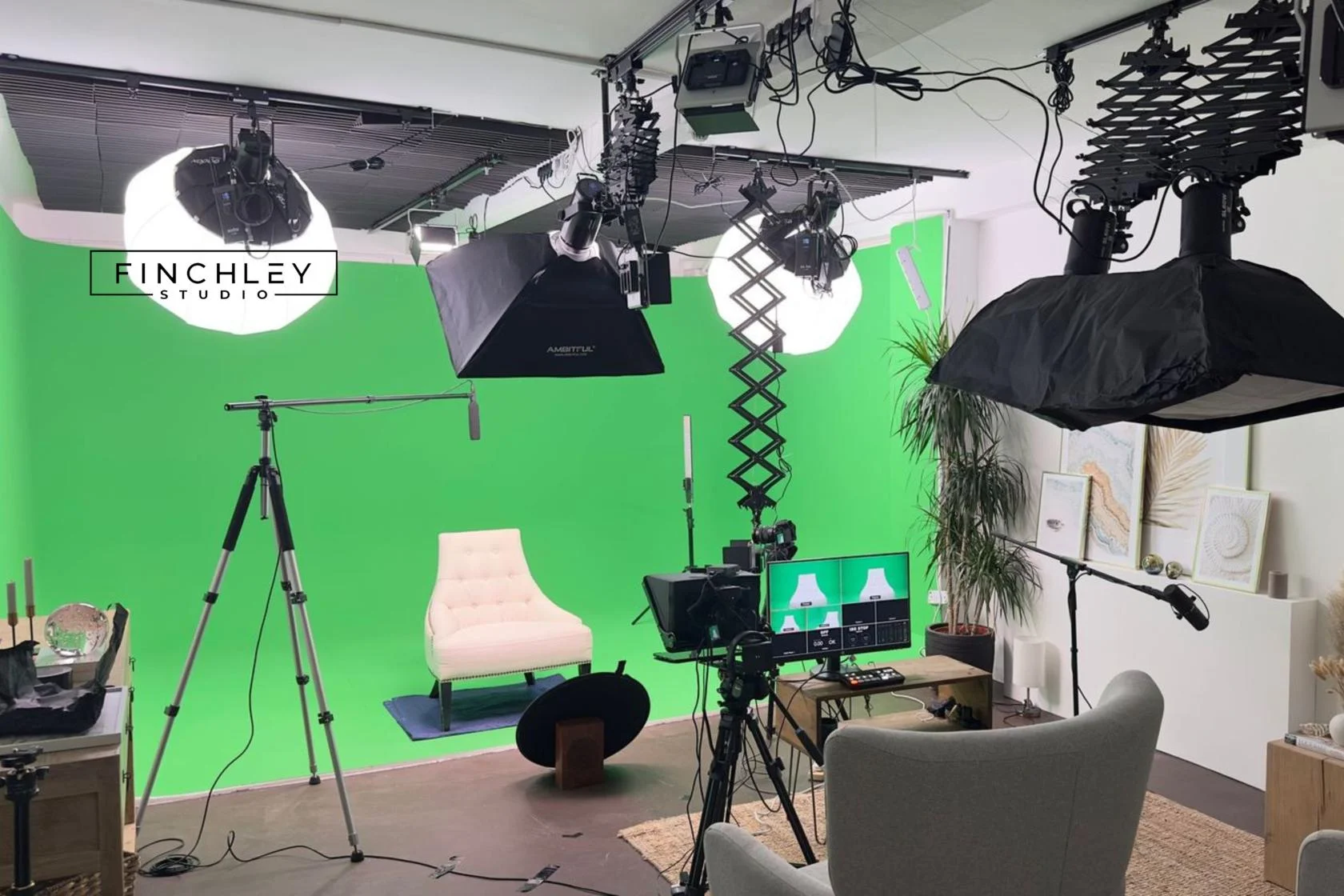
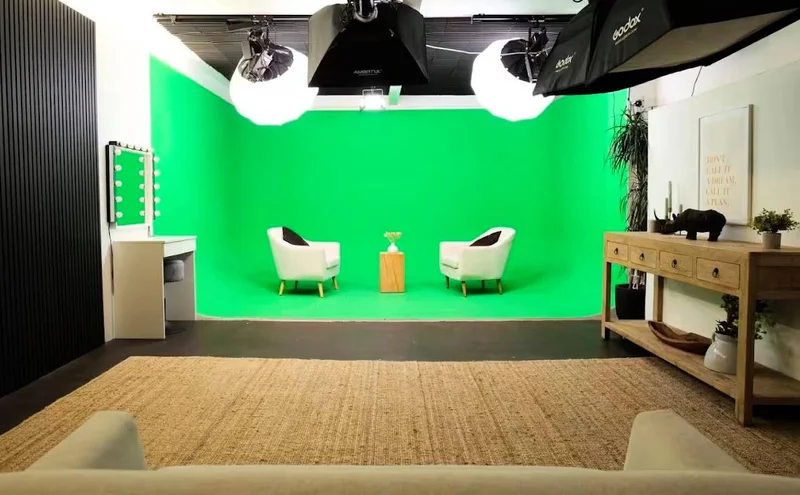
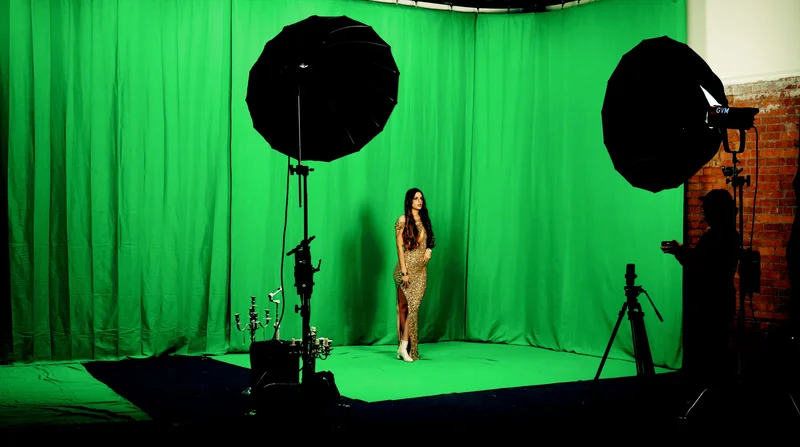
Green Screen Cove at Finchley Studios. Book Green Screen Cove.
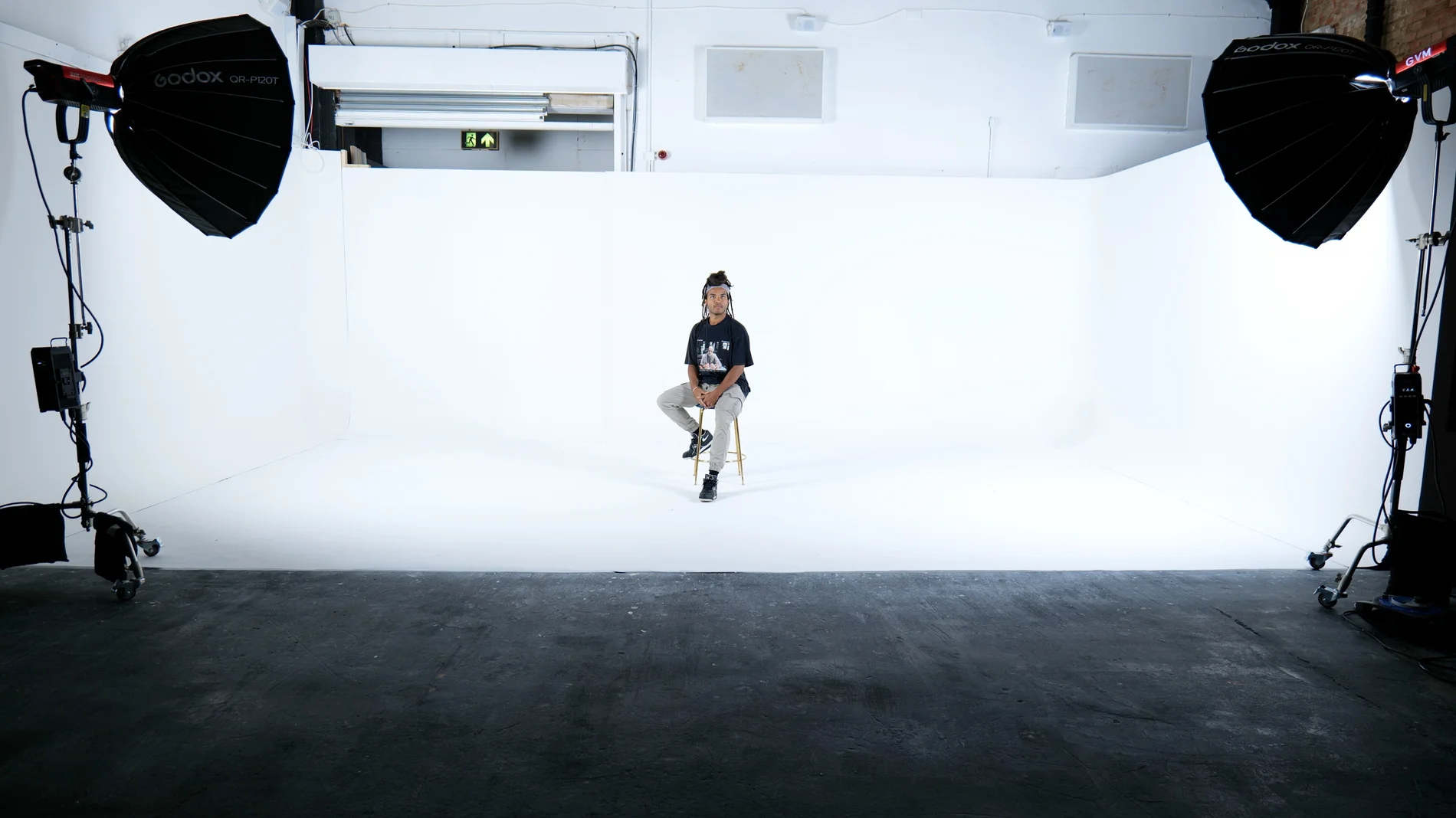
Giant White Infinity Cove at Finchley Studios. Enquire about Giant White Infinity Cove.
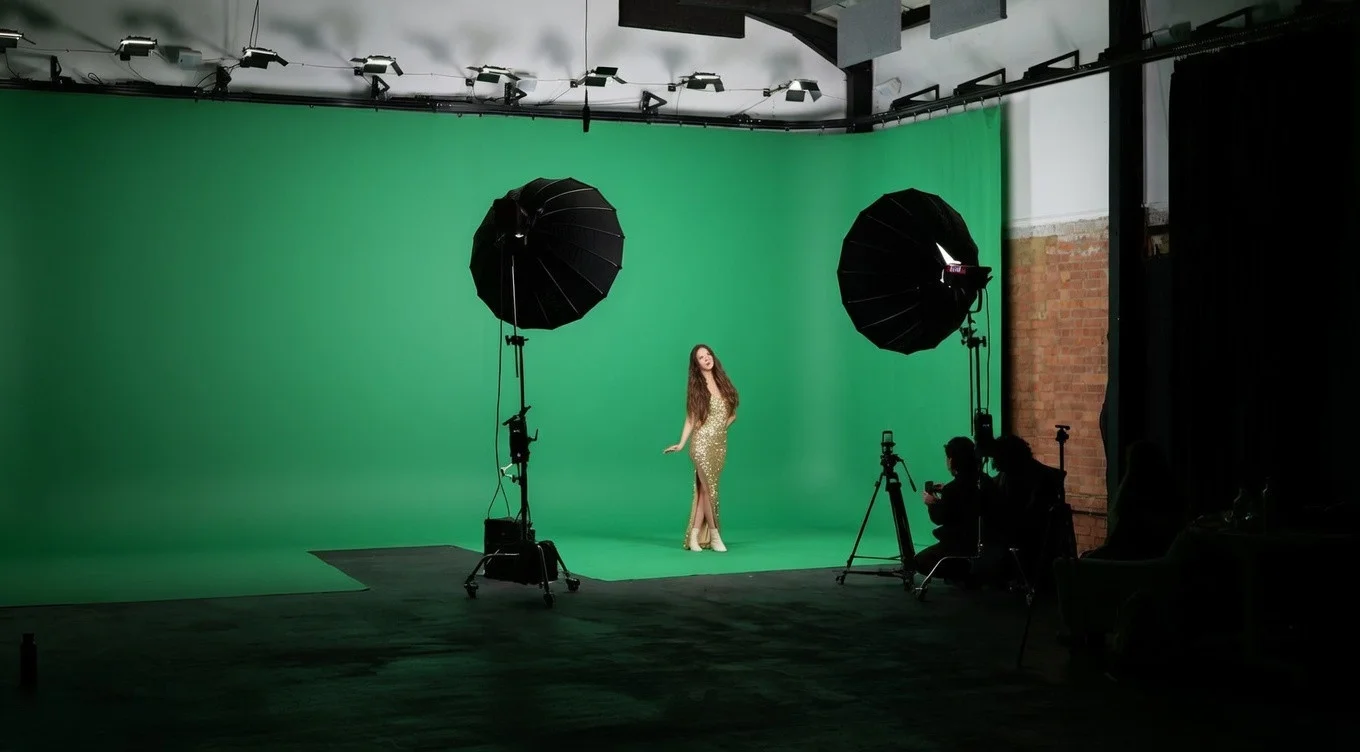
Giant Green Screen at Finchley Studios. Enquire about Giant Green Screen.

Blackout at Finchley Studios. Book Blackout.

Giant Blackout at Finchley Studios. Enquire about Giant Blackout.
Plan your Finchley recording
Explore our podcast studio to compare sets and production support. Send your brief to the Finchley team with your preferred date, guest count and required outputs.