Agree ownership and usage rights in writing before recording a podcast. Receiving the files, paying for studio time and owning copyright are separate matters. Start with the assets you need and the uses you want, then ask the relevant parties to confirm the agreement for this production.
Separate the different assets
A podcast project can contain scripts, recorded sound, filmed footage, graphics, music and an edited programme. You may also need individual microphone tracks, camera originals and an editable project. Identify them separately instead of asking whether you “own the podcast” without defining the term.
The Intellectual Property Office describes different first-ownership rules for sound recordings, films and commissioned work. Avoid assuming that the person paying an invoice automatically owns every contribution. The applicable facts and written agreements matter.
Use our recording deliverables guide to create a file list alongside the rights discussion.
Ask what rights your production needs
Explain the planned uses: full episodes, shorter edits, sponsorship, advertising, translations, archive publication or licensing to another organisation. Decide whether you need a transfer of ownership, permission for specified uses, or another arrangement. Have the terms checked where their effect is important to your business.
| Question | Why it matters operationally |
|---|---|
| Which assets will be supplied? | Your editor needs the agreed materials, not an assumed handover |
| Who can publish and adapt them? | Future edits and platforms need a clear permission trail |
| Are third-party assets included? | Music and graphics can carry separate restrictions |
| Can the studio show examples? | Portfolio or promotional use should be understood |
| Are project files included? | An exported video differs from an editable timeline |
GOV.UK distinguishes copyright licensing from a signed written transfer of ownership. Use precise language when discussing either route. A broad informal phrase can leave the parties expecting different outcomes.
Keep guest permissions in the same production record
The studio arrangement does not answer every question about a guest's contribution. Keep releases, agreed credits, embargoes and any review commitments with the episode records. The guest release guide covers that preparation.
Check co-host, freelance and commissioning arrangements too. If several organisations contribute to a series, identify one contact who can approve publication and answer later rights enquiries. Do not assume a particular contributor owns nothing, or owns the entire recording, simply because of their job title.
Plan for a future editor or platform change
An illustrative handover list might request named camera originals, isolated dialogue, a finished master, approved graphics and a note of third-party restrictions. The exact rights and file delivery should be agreed together, because permission to reuse a recording is less useful if the necessary source files were never included.
Set a process for storing the agreements and checking them before new uses. If an advertiser later wants an extract, revisit the relevant permissions rather than treating the original episode release as an automatic answer. Get advice where the ownership chain or proposed reuse remains unclear.
Planning this at Finchley Studios
When booking Finchley, ask for the file deliverables and applicable rights terms with the quotation. The Blackwood set page offers recording and additional post-production options; that service description does not settle every ownership question for an individual commission.
Explain whether your own editor will need source files or whether Finchley will supply finished outputs. Ask about any separate project-file handover and proposed promotional use of excerpts. If a client, agency or co-producer is involved, name the party commissioning the work and the person authorised to approve delivery. Keep the confirmed terms with the production brief and guest agreements.
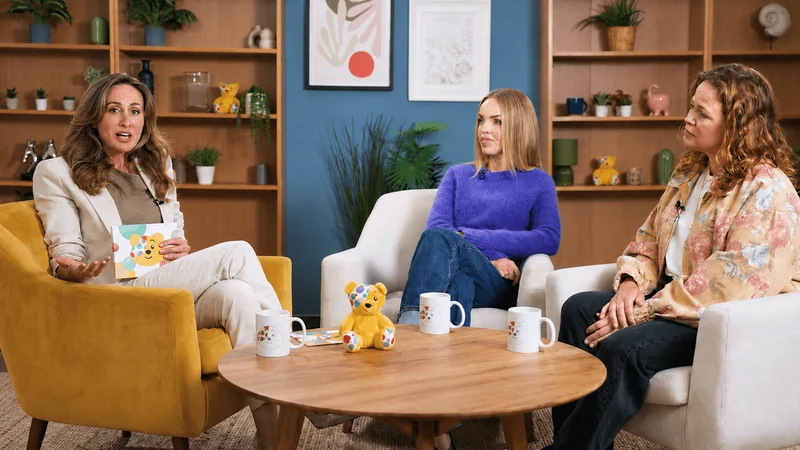
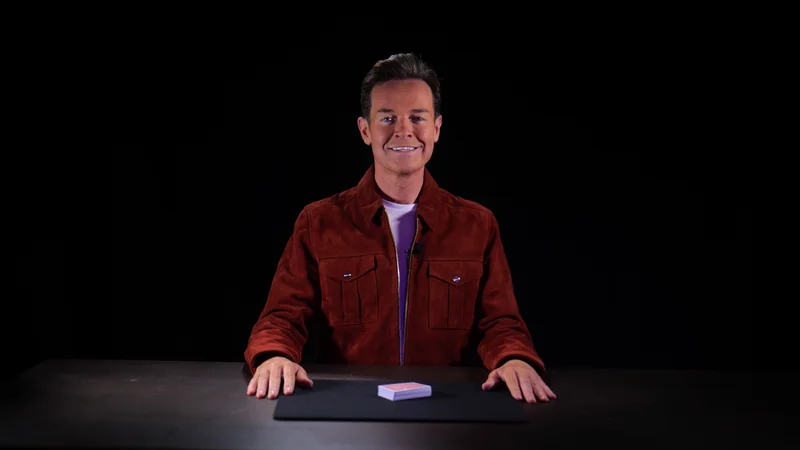
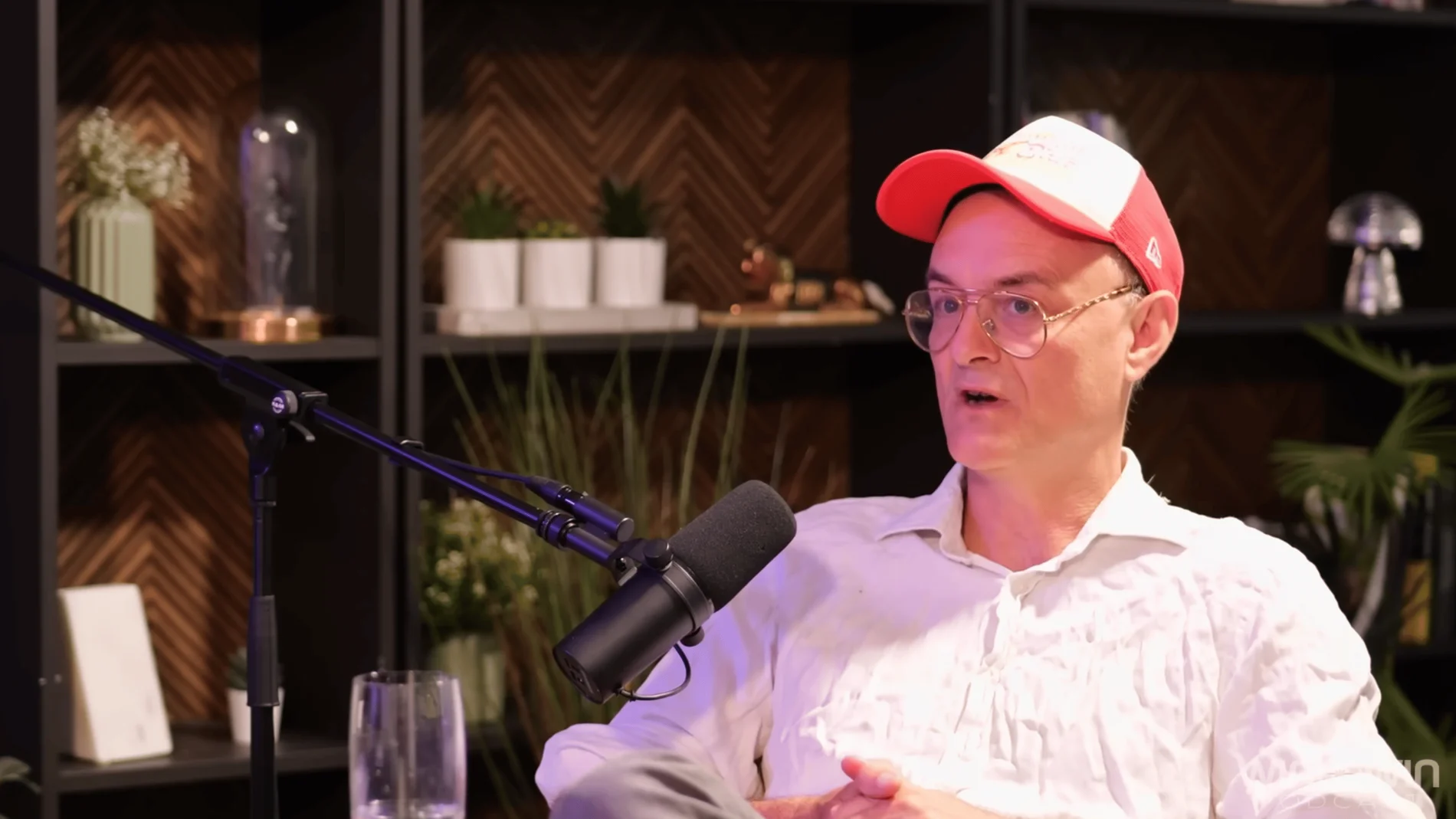
A client recording from Finchley Studios
From our client recording collection: Channel 4 Homes.
Continue planning your recording
- Using Music, Images and Clips in a Podcast: A Planning Guide
- Podcast Guest Release Forms: What to Agree Before Recording
- Podcast Guests and AI: Permissions to Discuss Before Recording
For the full series, explore our podcast studio booking guide.
Explore all 12 Finchley sets
Compare the looks below, then follow the booking or enquiry link for your preferred set. Confirm the recording package, guest capacity and location for your session.
CEO at Finchley Studios. Book CEO.
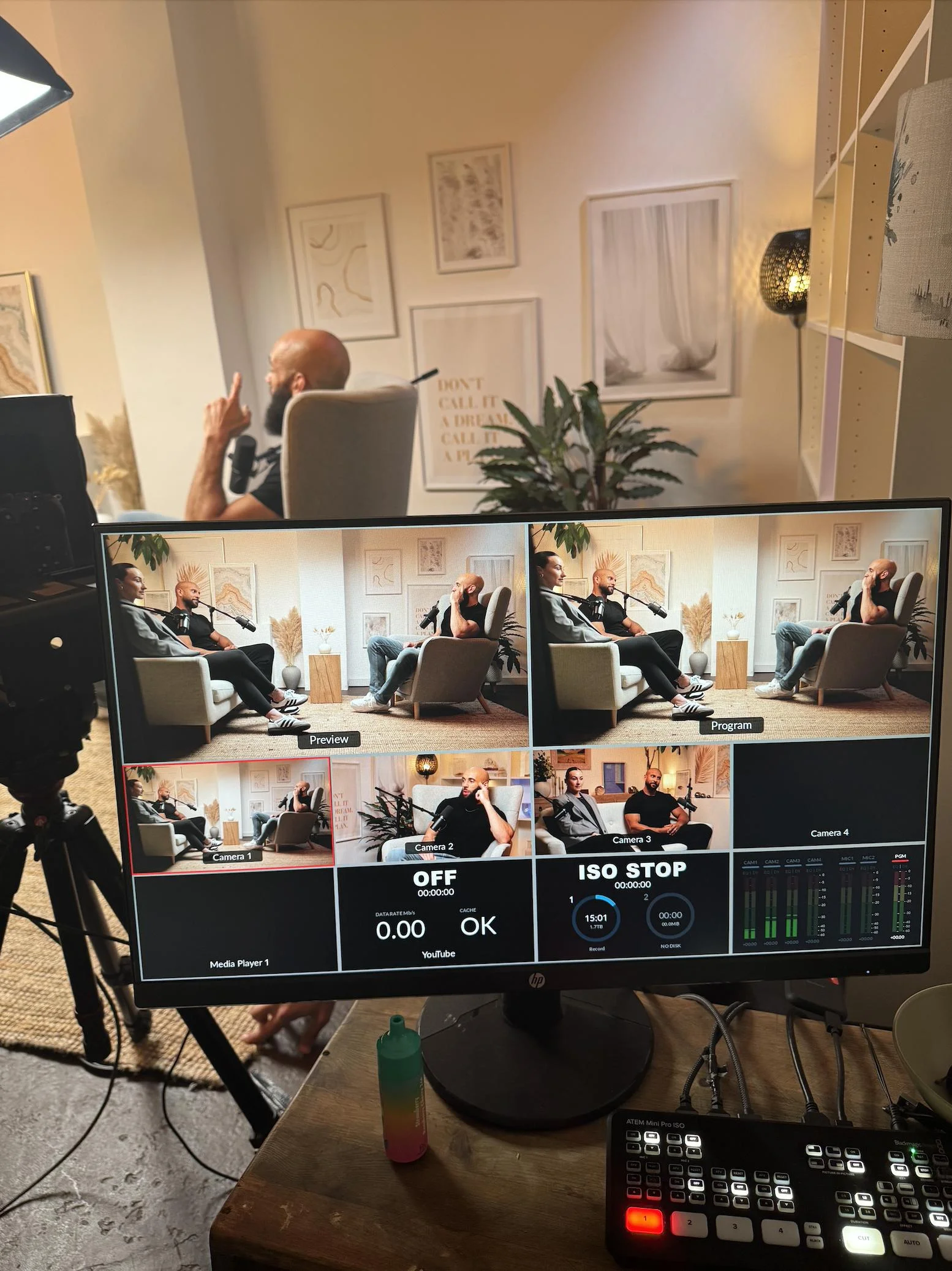
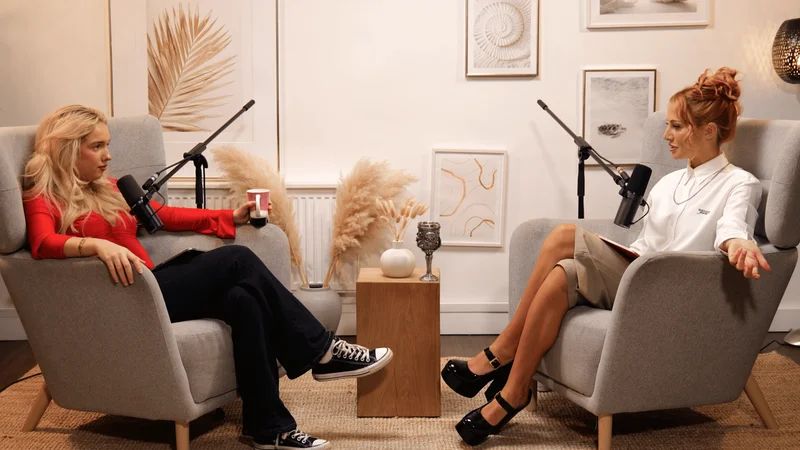
Dialogue at Finchley Studios. Book Dialogue.
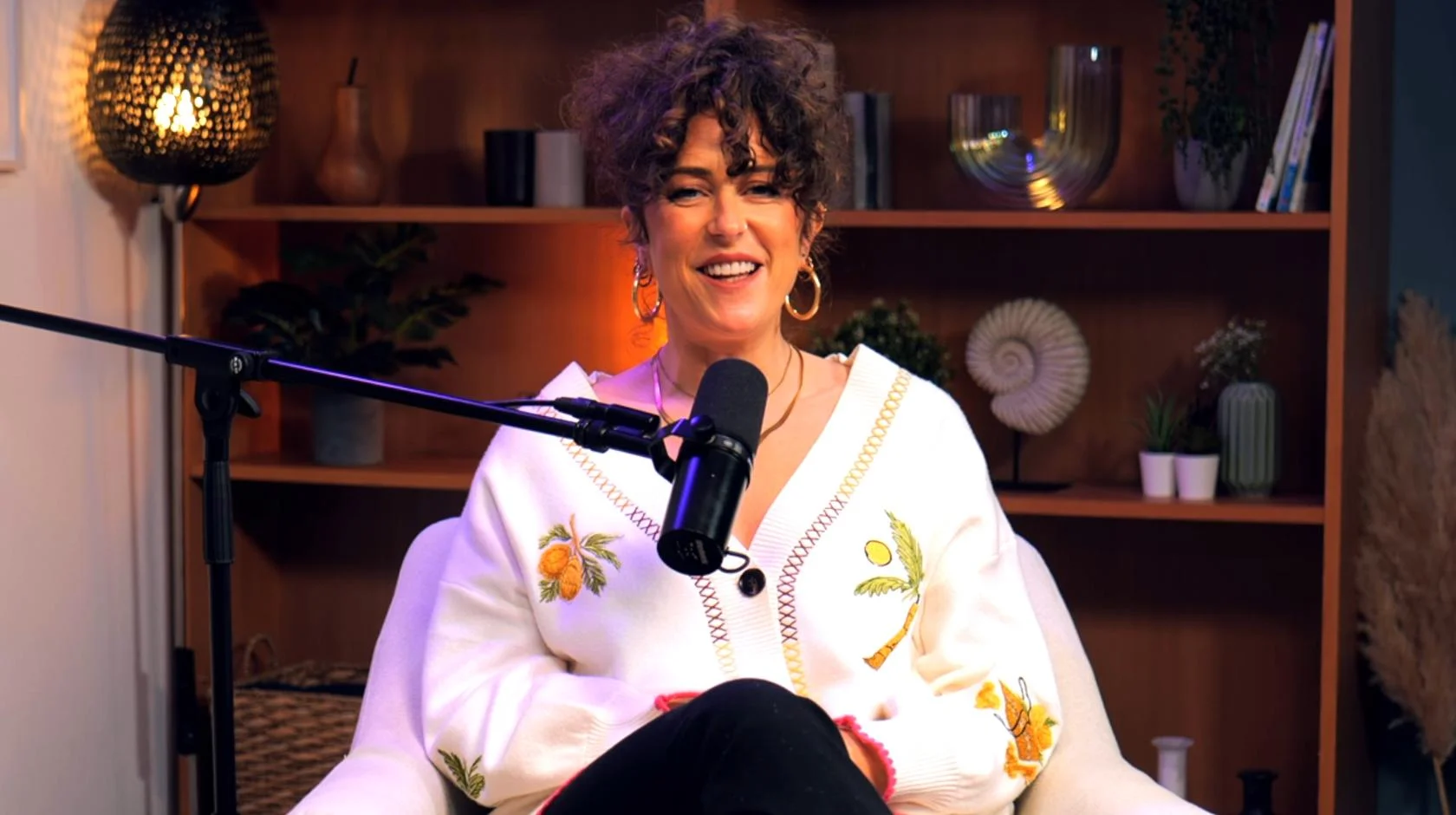
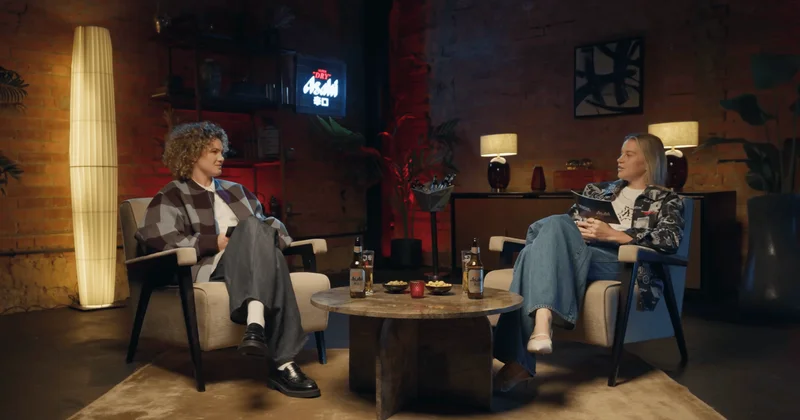
Lounge at Finchley Studios. Book Lounge.
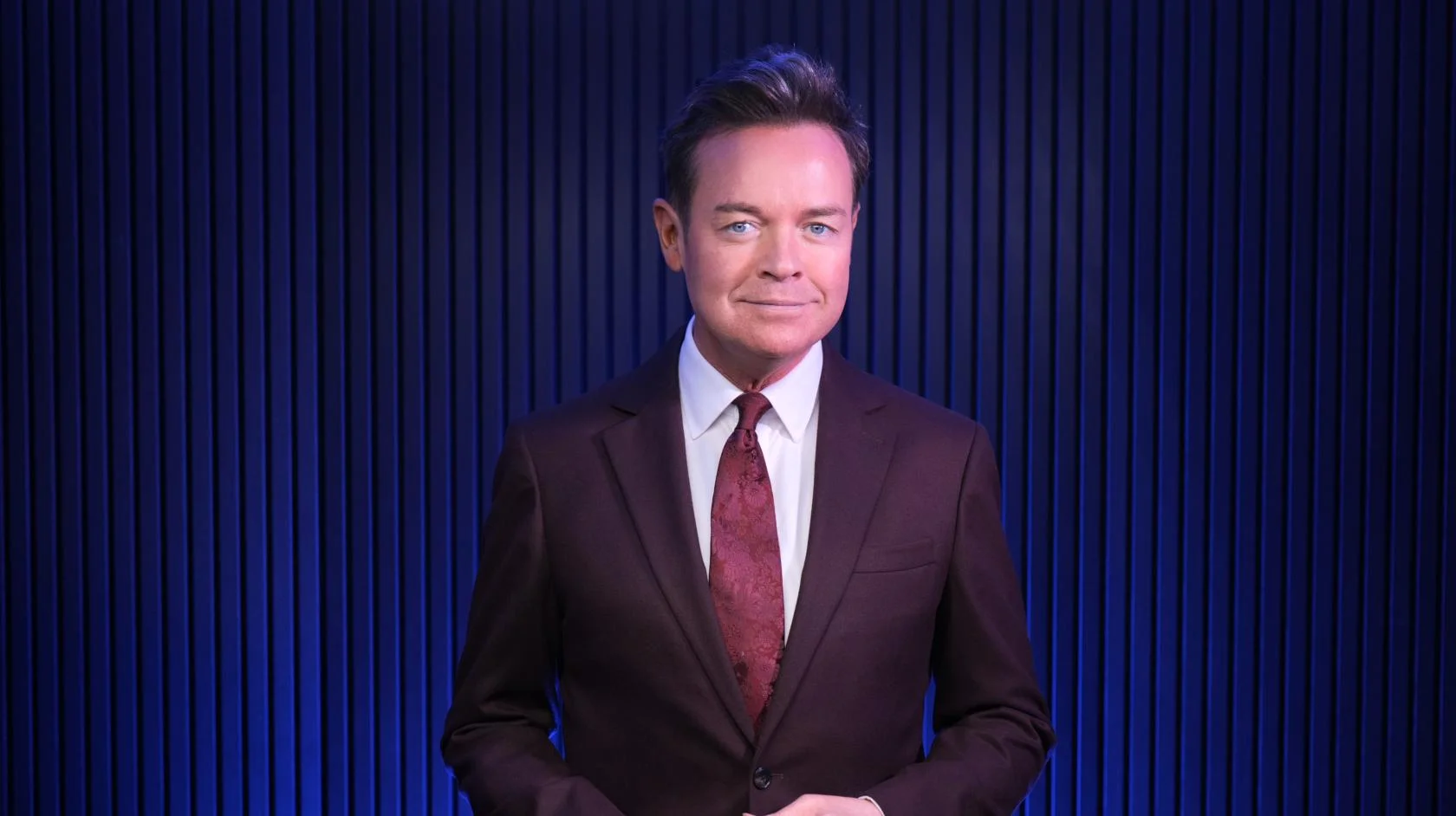
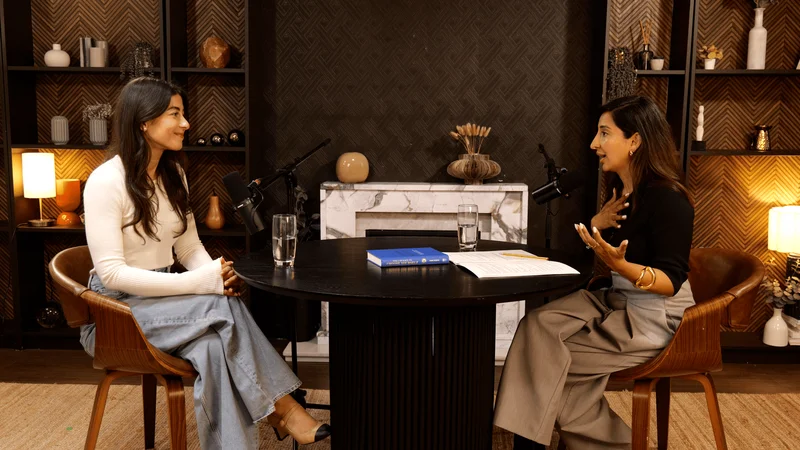
Blackwood at Finchley Studios. Book Blackwood.

Pulse Lounge at Finchley Studios. Enquire about Pulse Lounge.
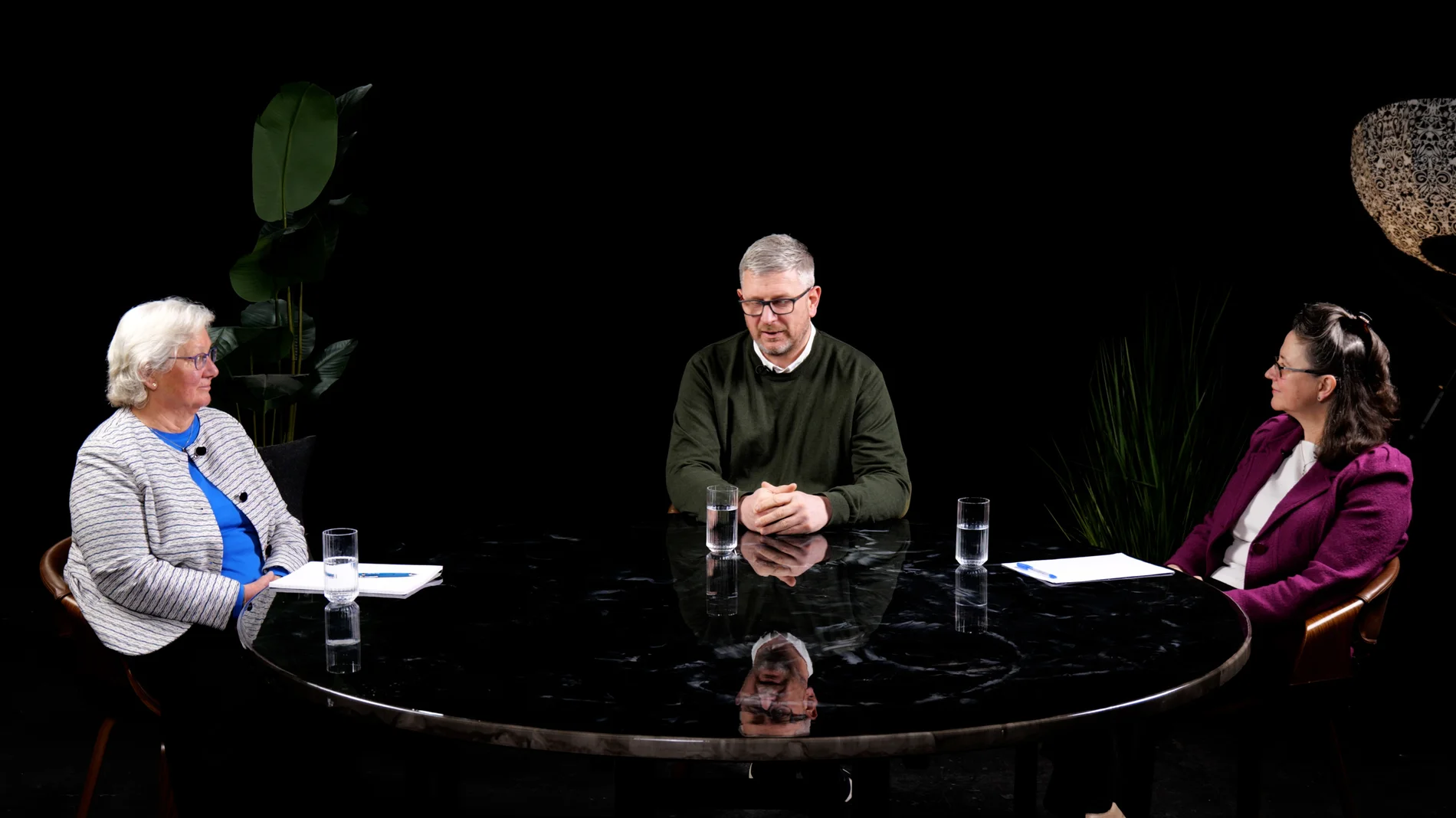
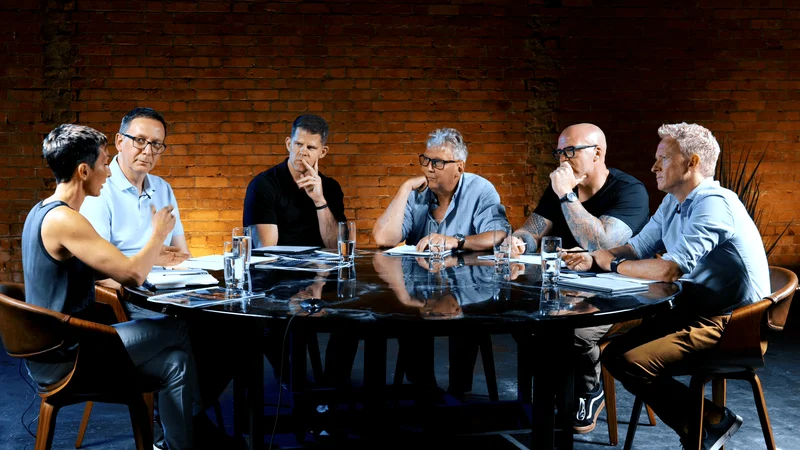
Roundtable at Finchley Studios. Enquire about Roundtable.

The Brick Studio at Finchley Studios. Enquire about The Brick Studio.

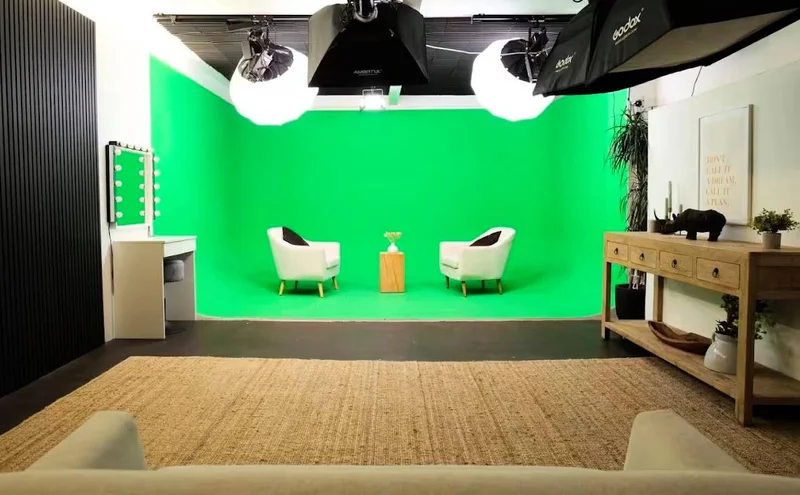
Green Screen Cove at Finchley Studios. Book Green Screen Cove.

Giant White Infinity Cove at Finchley Studios. Enquire about Giant White Infinity Cove.
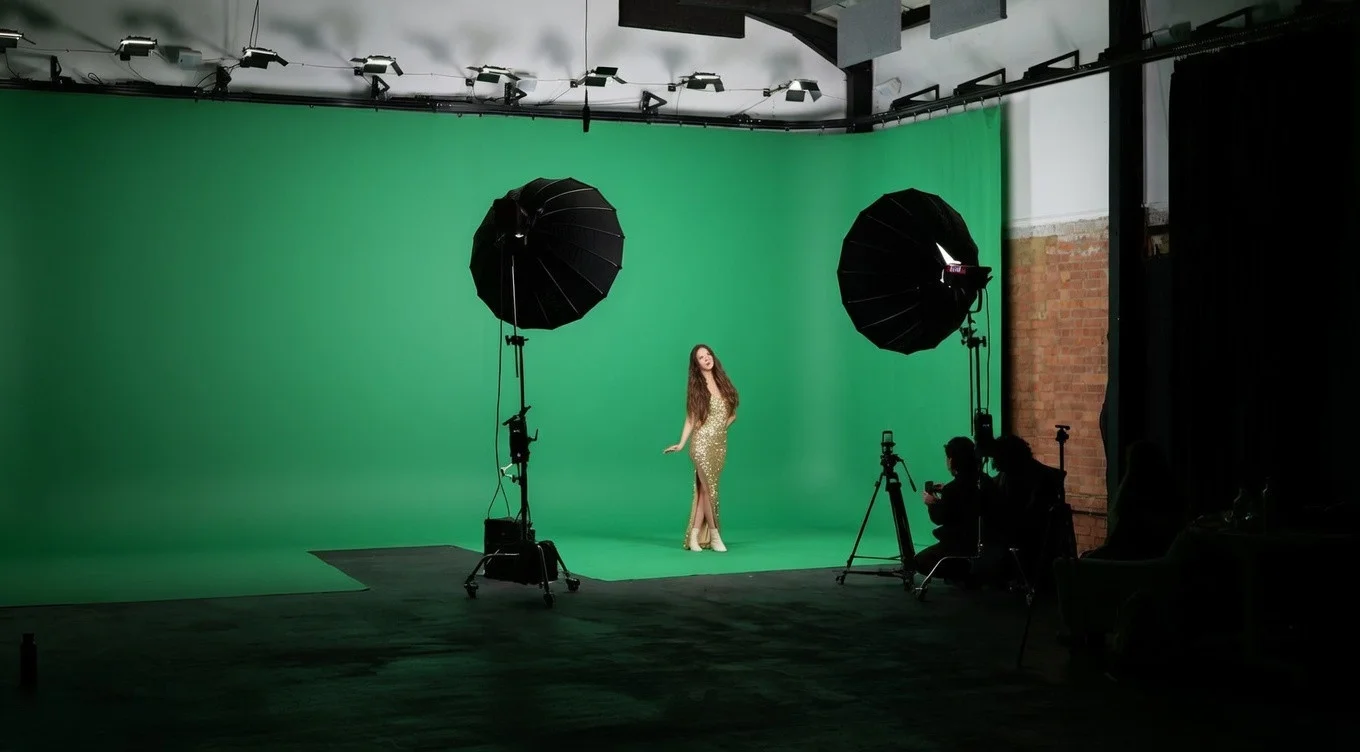
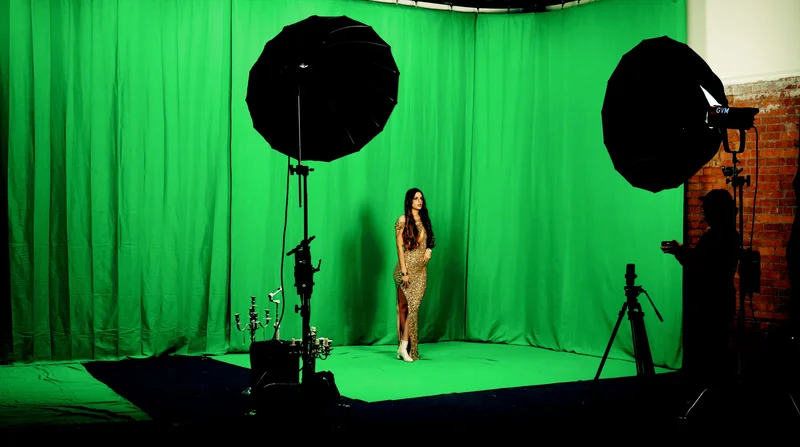
Giant Green Screen at Finchley Studios. Enquire about Giant Green Screen.

Blackout at Finchley Studios. Book Blackout.

Giant Blackout at Finchley Studios. Enquire about Giant Blackout.
Plan your Finchley recording
Explore our podcast studio in London to compare sets and production support. Send your brief to the Finchley team with your preferred date, guest count and required outputs.