Before recording a podcast with children, settle the participation, safeguarding and publication arrangements. Check whether performance licensing or other requirements apply to the specific production, and plan the session around the child rather than an adult interview schedule. A parent agreeing to a recording does not answer every operational or legal question.
Check responsibilities before confirming the booking
Identify the child's age, residence, proposed activity, publication plans and any school absence or payment. Ask the relevant local authority or appropriate adviser which licensing, exemption and supervision arrangements apply. Do not assume every podcast is exempt or that every appearance has identical requirements.
Barnet Council describes child performance licensing and the production organiser's application role. The relevant process depends on the production and the child's circumstances; contact the appropriate authority early rather than treating the studio location as the only deciding factor.
Explain the recording in a way the child understands
Describe who will be present, what the microphones and cameras do and where the programme may appear. Check the child's understanding and willingness to take part alongside the appropriate adult permissions. Give them an understandable way to ask for a break or stop.
ICO's current guidance addresses additional considerations when handling children's personal information. Have the responsible person settle privacy information and the appropriate lawful basis rather than borrowing a generic adult release.
Build a calm, proportionate session
Agree suitable supervision, breaks, facilities and a safeguarding contact. Ask about comfort, access and communication needs without collecting unnecessary sensitive information. The access checklist helps assess the actual route and recording position.
Keep the first technical explanation simple. Let the engineer adjust equipment around a comfortable seated position and check the headphone level if headphones are used. A brief practice can make the setup familiar without requiring the child to memorise answers.
| Before the session | Question to resolve |
|---|---|
| Participation | Does the child understand and want to take part? |
| Permissions | Which adult and production approvals are needed? |
| Licensing | Which authority or adviser has confirmed the position? |
| Supervision | Who is responsible throughout the visit? |
| Publication | Which names, images, details and later uses are agreed? |
Use questions that respect boundaries
Choose subjects appropriate to the child and the programme. Avoid pressure to disclose private family, school or location details. Do not pursue an uncomfortable response simply because it could make an emotionally dramatic clip.
The quiet-guest guide offers ways to ask specific questions without filling every pause. If a correction is needed, use a simple process from the retake guide and avoid repeated takes solely to manufacture a preferred emotional response.
Review the child's digital footprint
Check the full edit, captions, images, titles and short extracts for identifying details or a meaning changed by editing. Use the permissions guide as a planning aid, with terms and safeguarding arrangements appropriate to this production.
Assign a contact for later concerns and document the agreed uses and retention arrangements. Where the circumstances are sensitive or requirements remain unclear, resolve those questions with the relevant authority or qualified adviser before proceeding.
Planning this at Finchley Studios
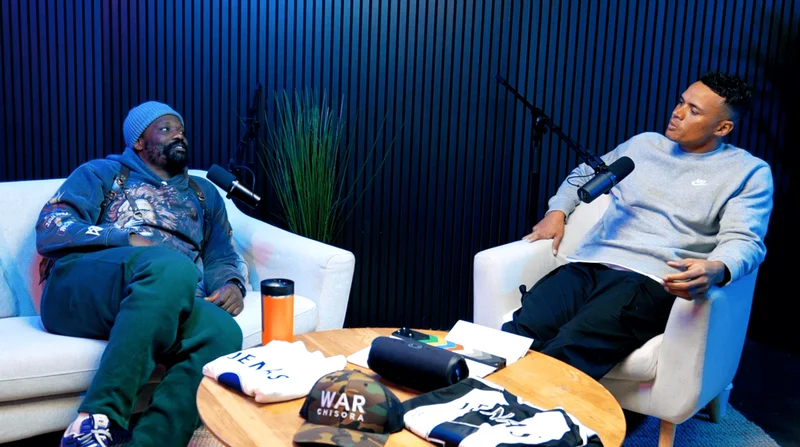
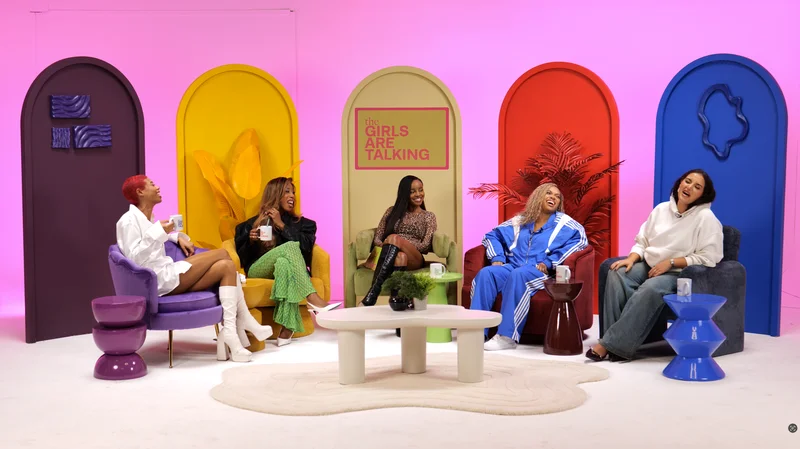
Discuss a proposed recording with children directly with Finchley before booking. The Lounge is one conversational setting to assess, but its general description does not confirm child-specific access, safeguarding, supervision or production suitability.
Provide the participant and supervising-adult numbers, timing needs and any practical adjustments. Ask the team to confirm the space and technical arrangements it can offer. Establish who is responsible for licensing checks, safeguarding and permissions; do not assume those services are included in room hire or engineer support. Agree the pause process, breaks and final publication review with the responsible adults and production lead.
A client recording from Finchley Studios
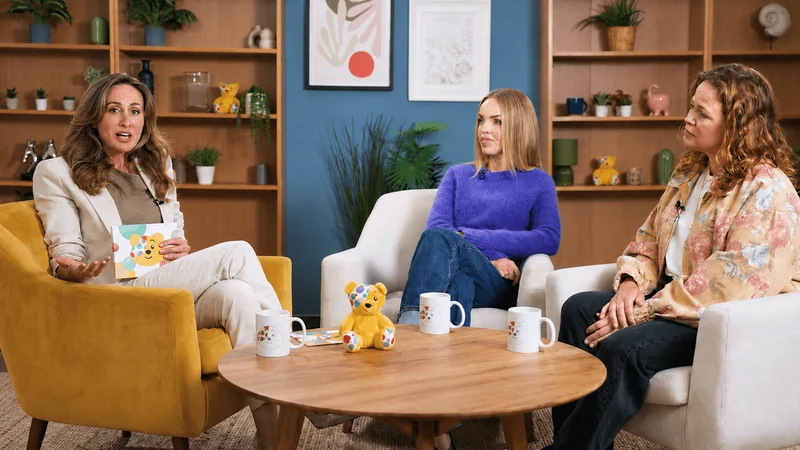
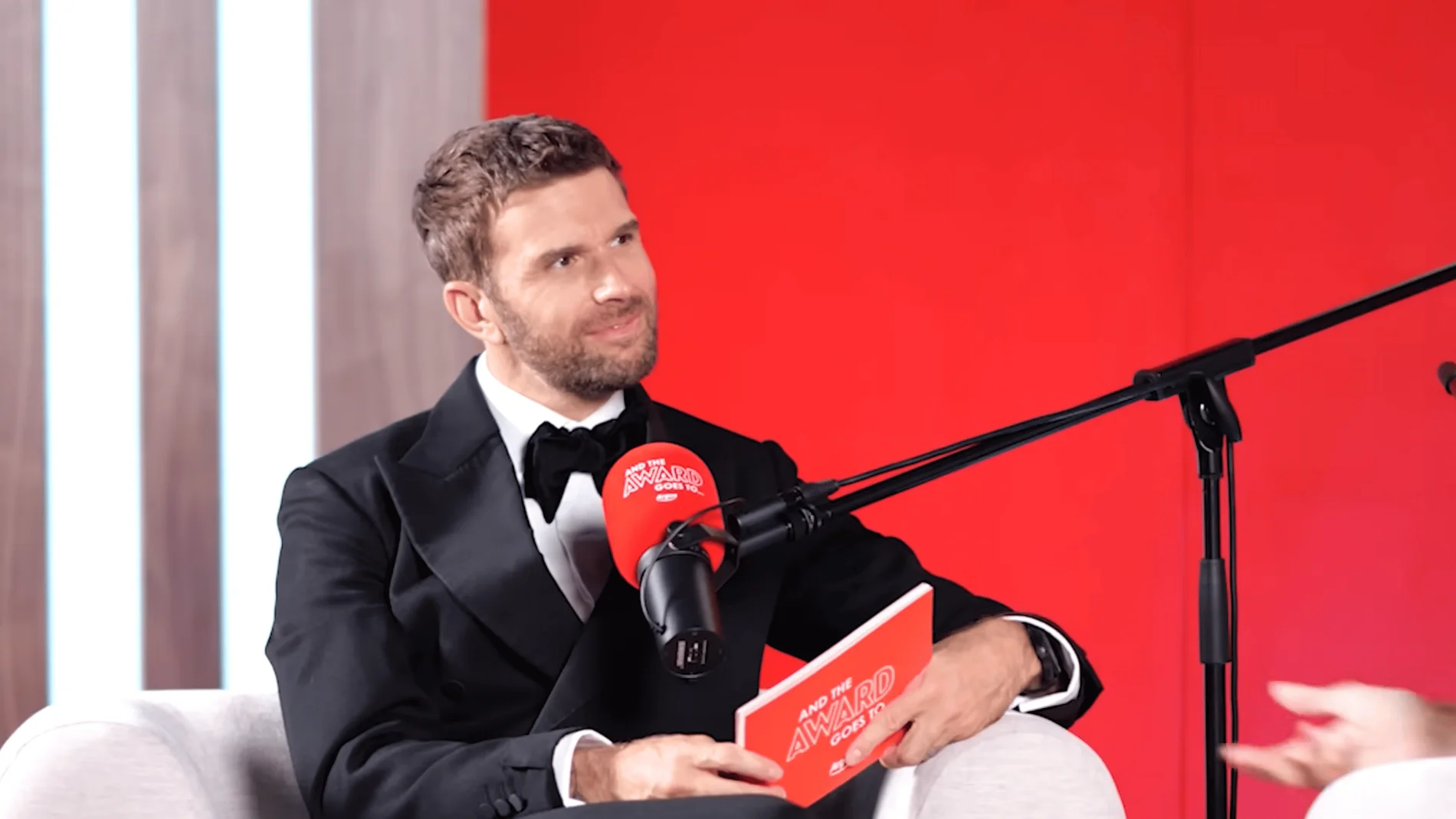
From our client recording collection: BBC Women's Football.
Continue planning your recording
- Podcast Guest Release Forms: What to Agree Before Recording
- Accessible Podcast Studio: Questions to Ask Before Booking
- How to Interview a Quiet or Nervous Podcast Guest
- How to Handle Mistakes and Retakes During a Podcast
For the full series, explore our podcast studio booking guide.
Explore all 12 Finchley sets
Compare the looks below, then follow the booking or enquiry link for your preferred set. Confirm the recording package, guest capacity and location for your session.
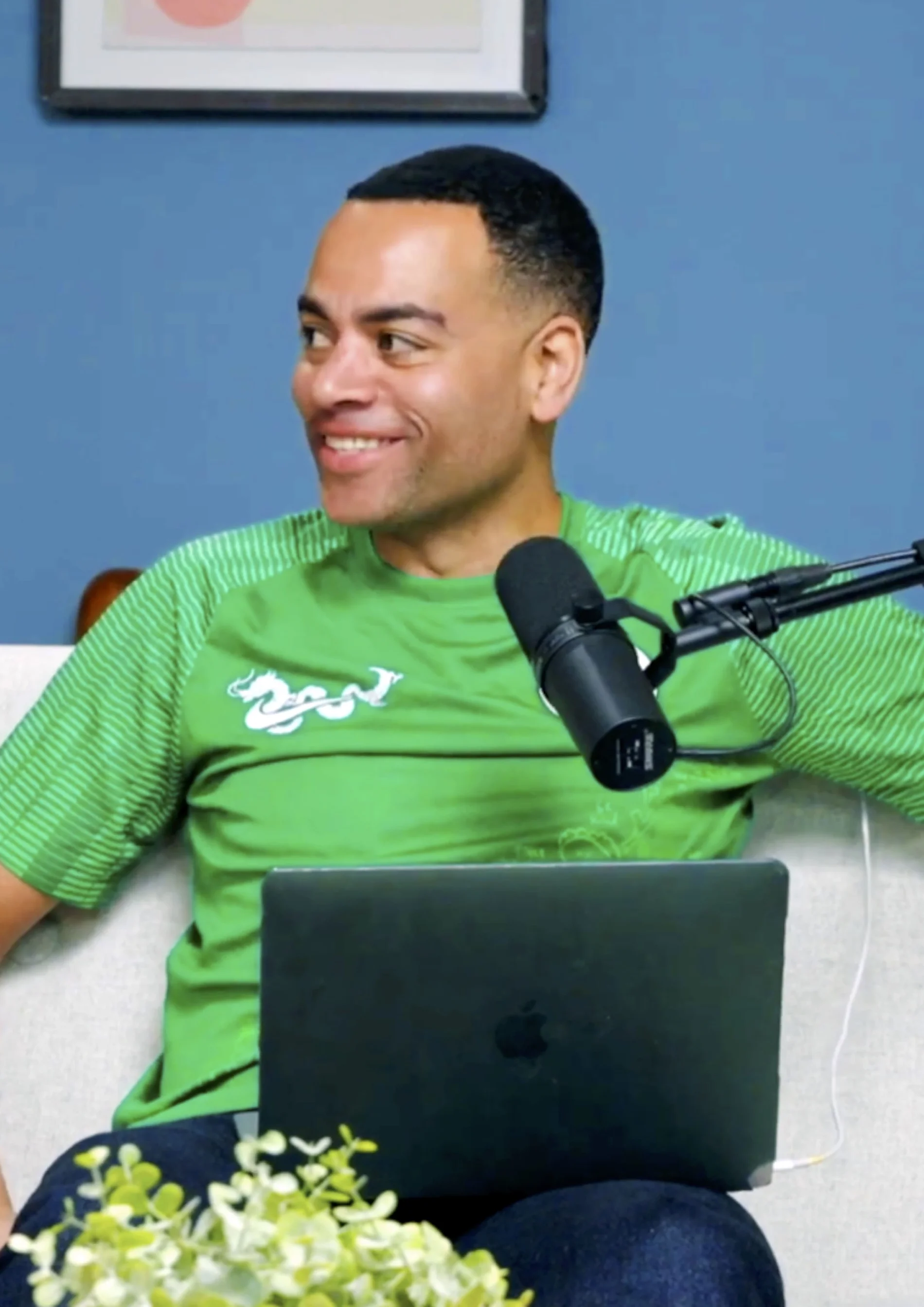
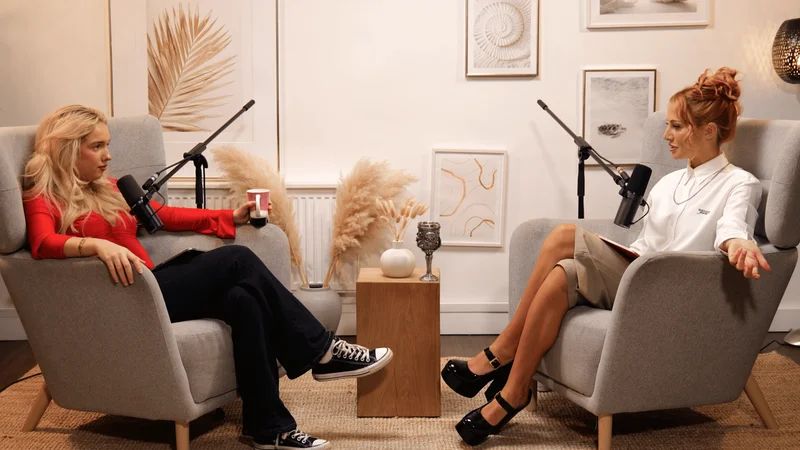
Lounge at Finchley Studios. Book Lounge.
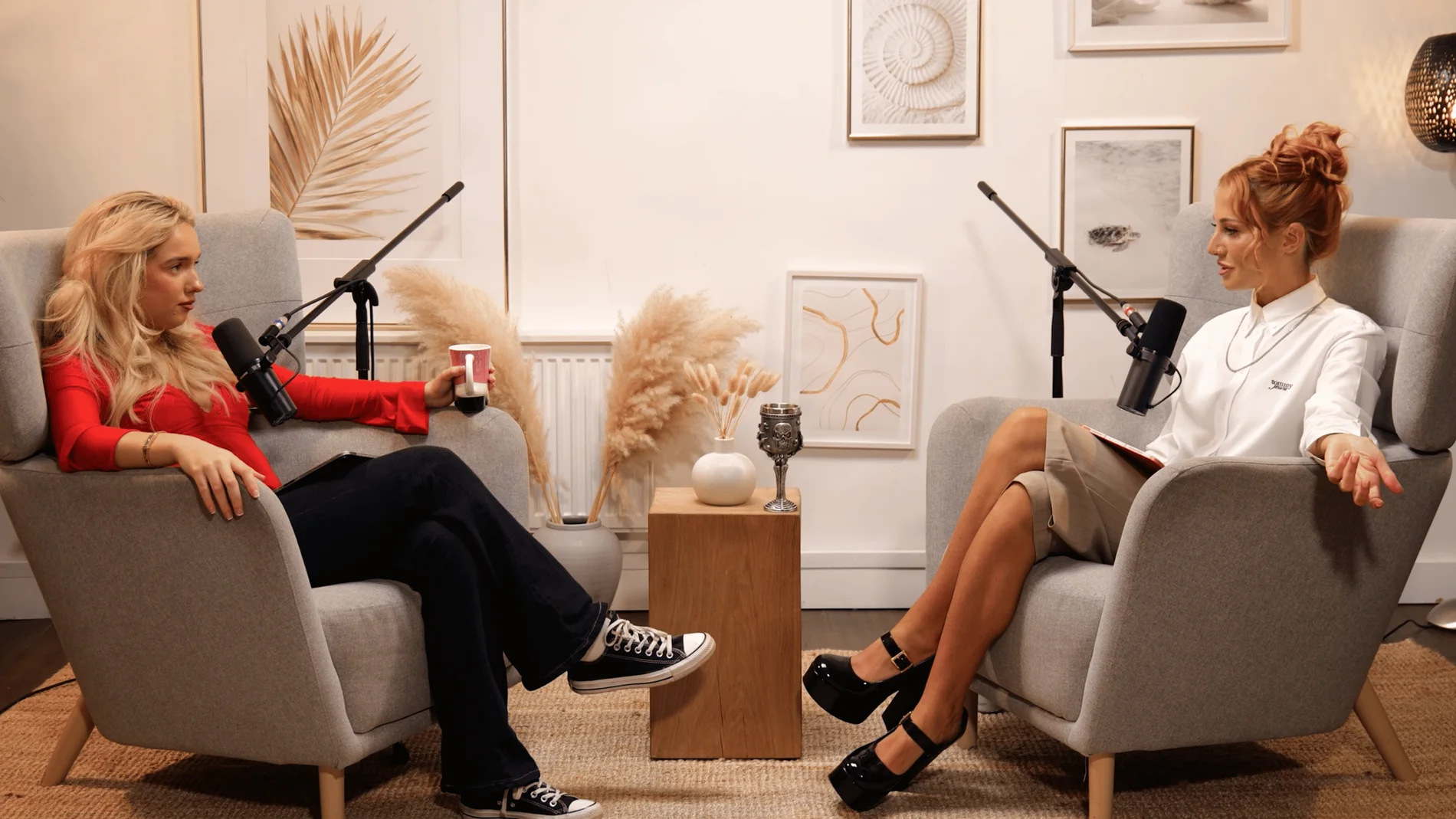
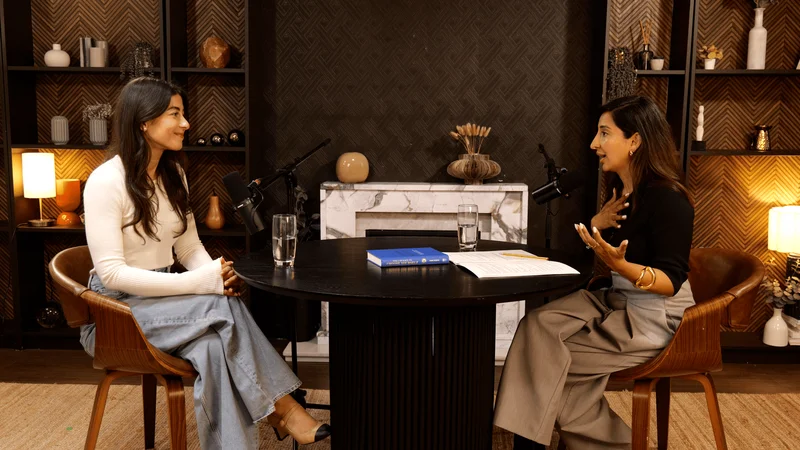
Dialogue at Finchley Studios. Book Dialogue.
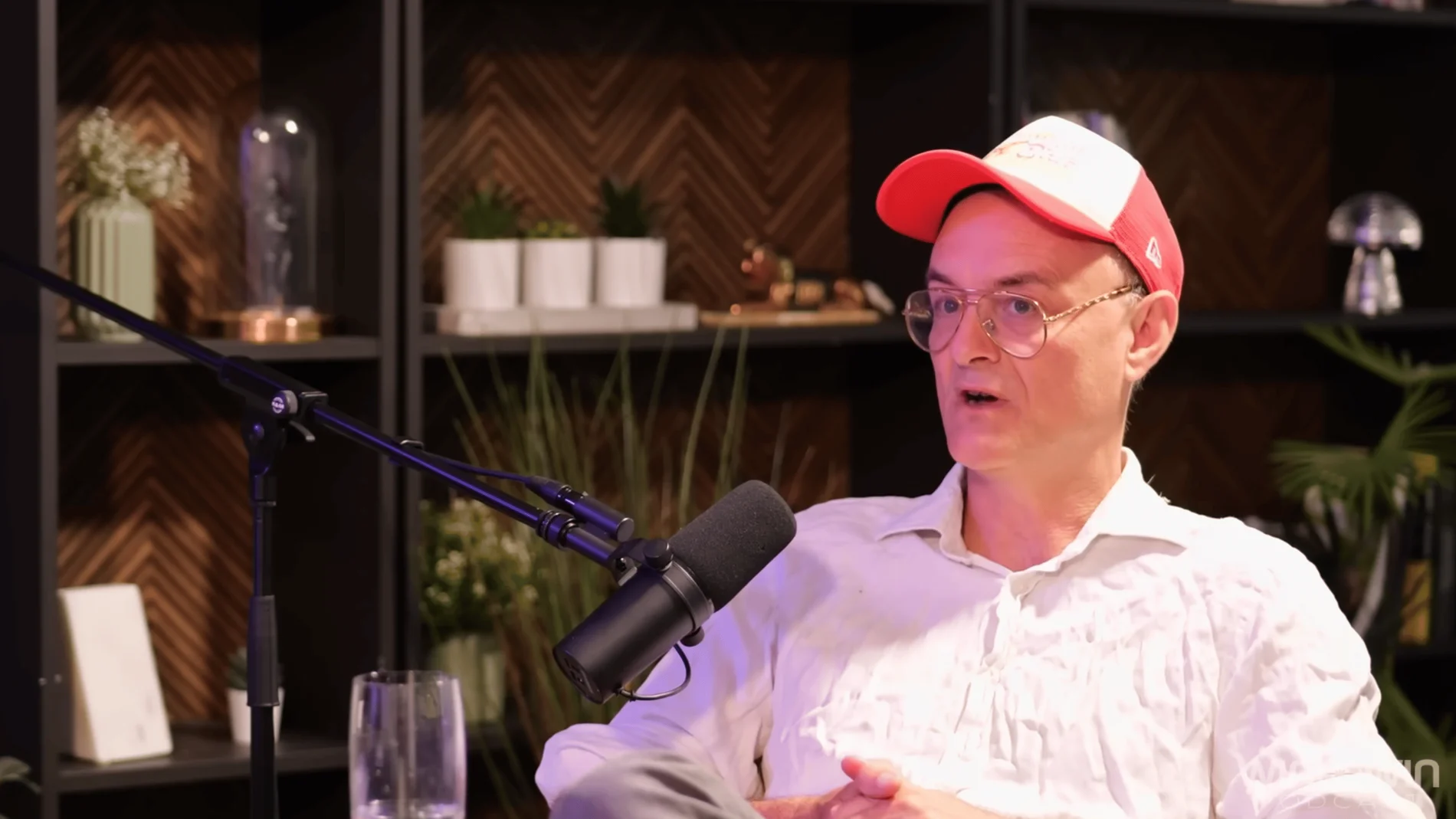
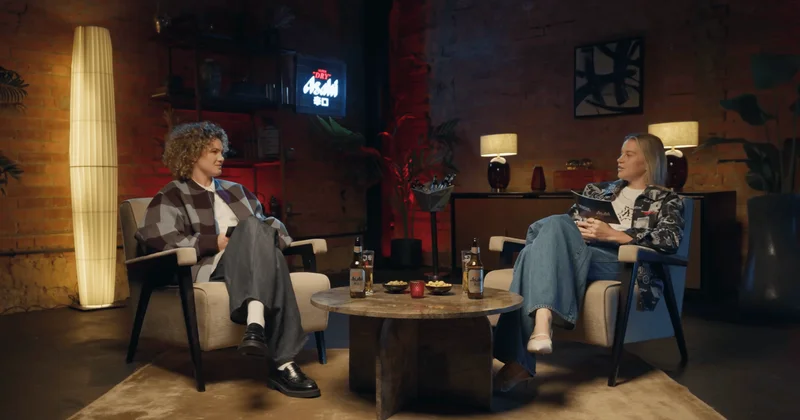
CEO at Finchley Studios. Book CEO.
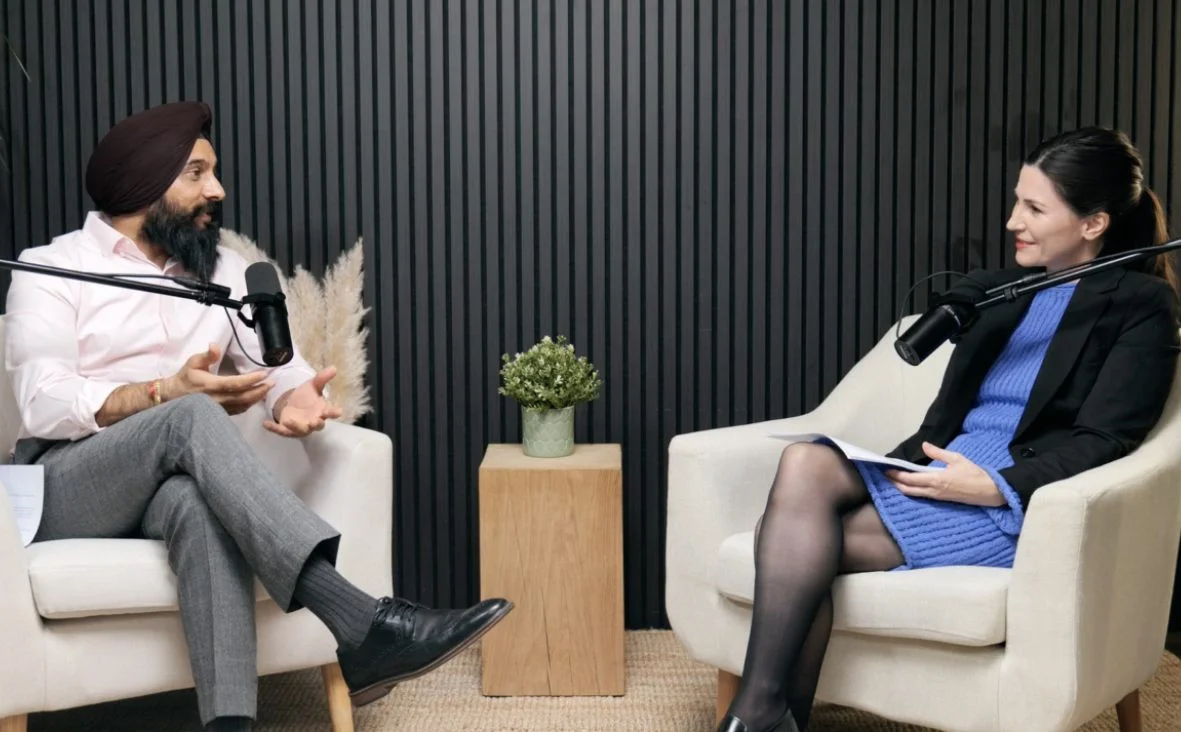
Blackwood at Finchley Studios. Book Blackwood.
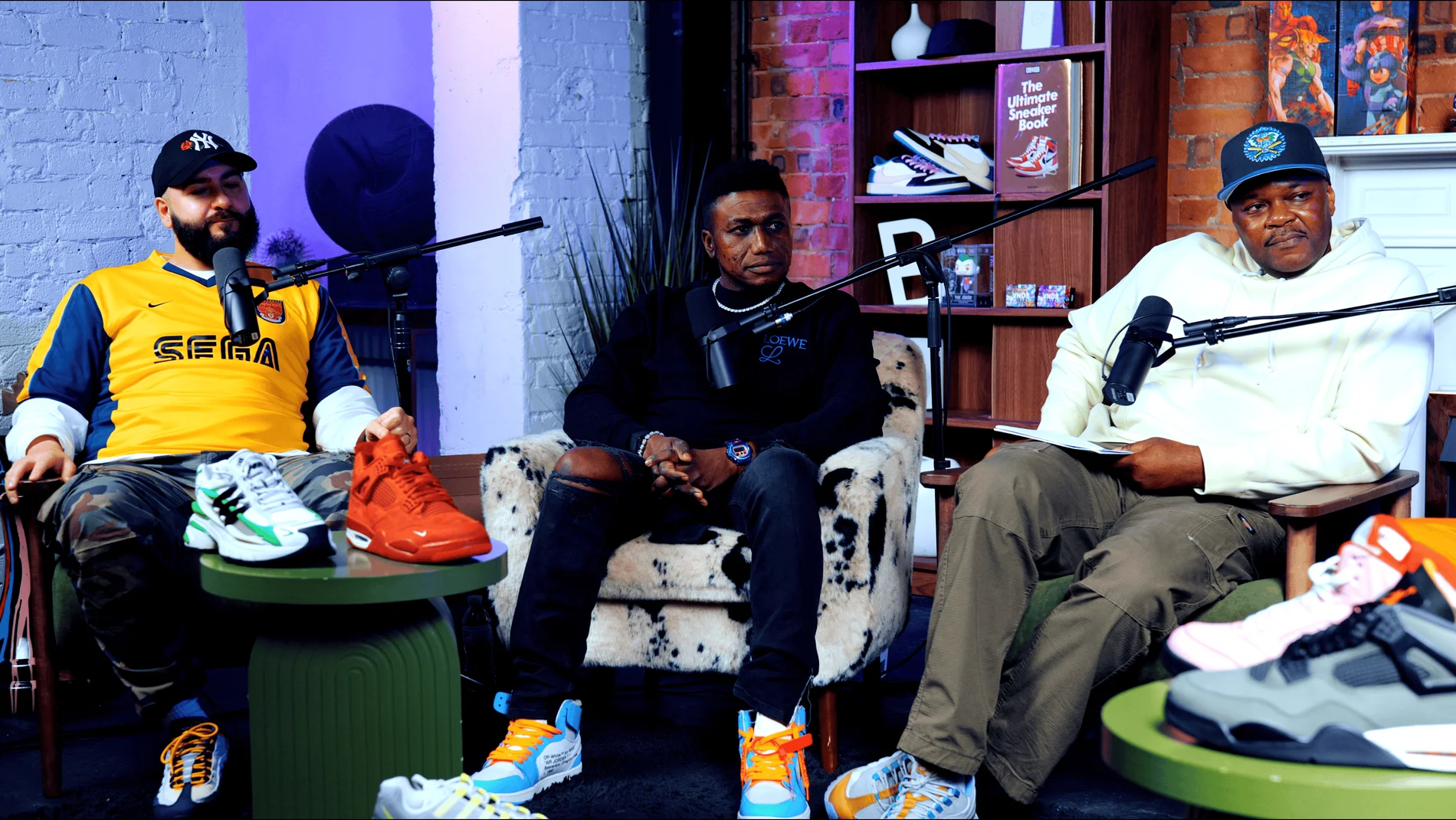
Pulse Lounge at Finchley Studios. Enquire about Pulse Lounge.
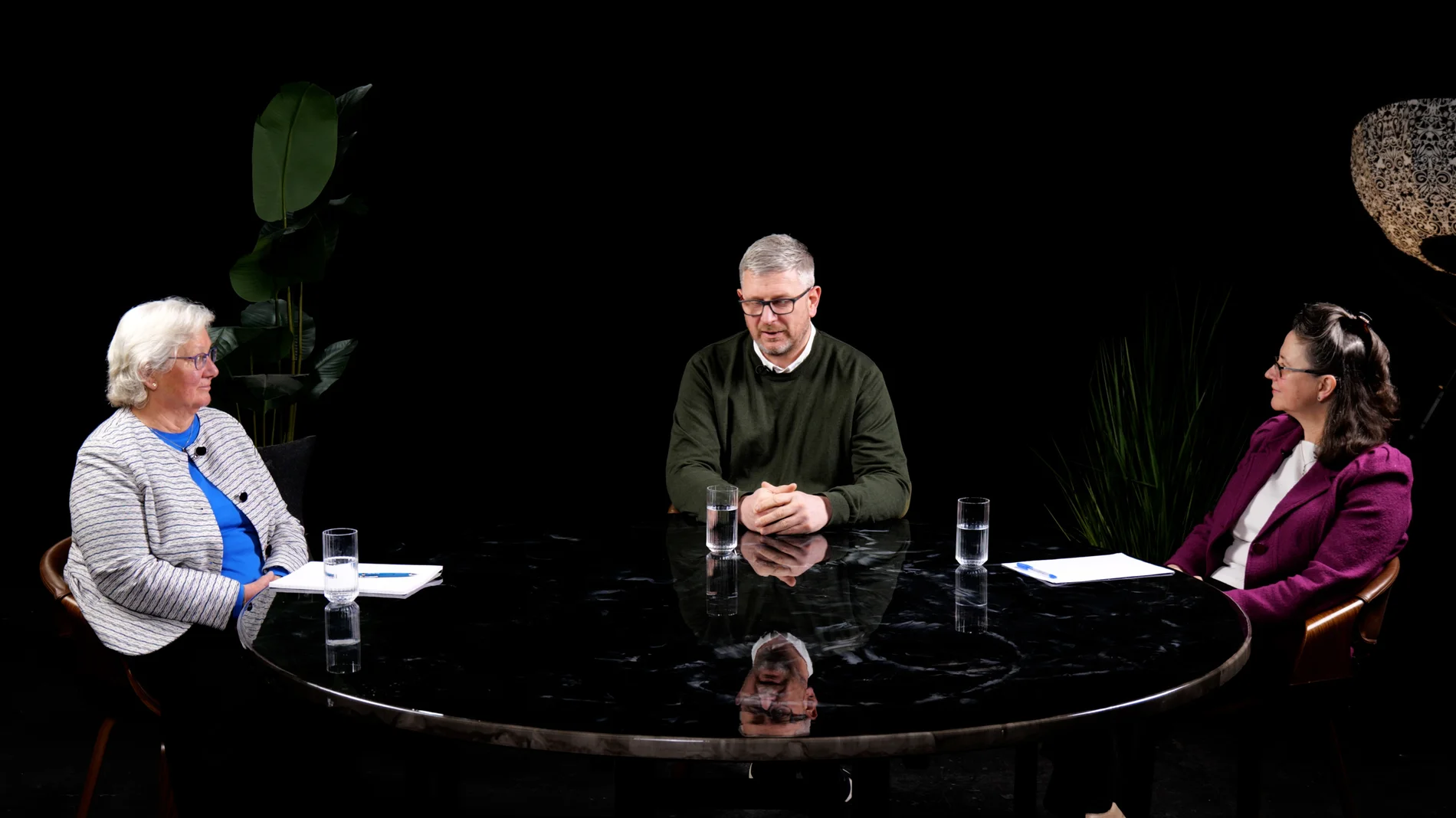
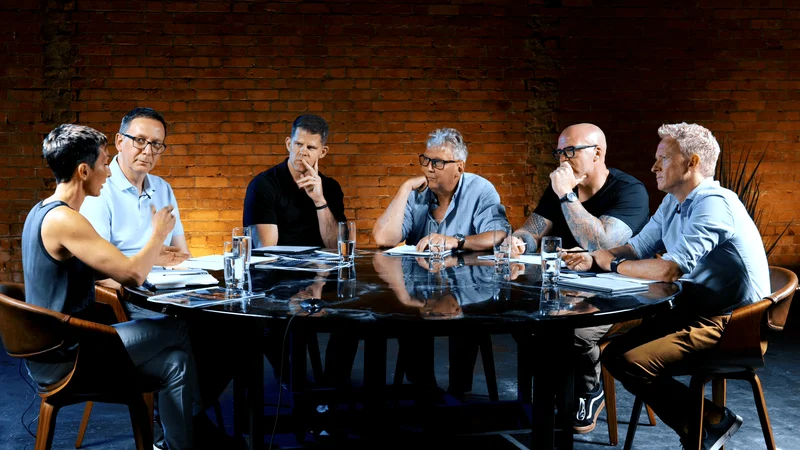
Roundtable at Finchley Studios. Enquire about Roundtable.
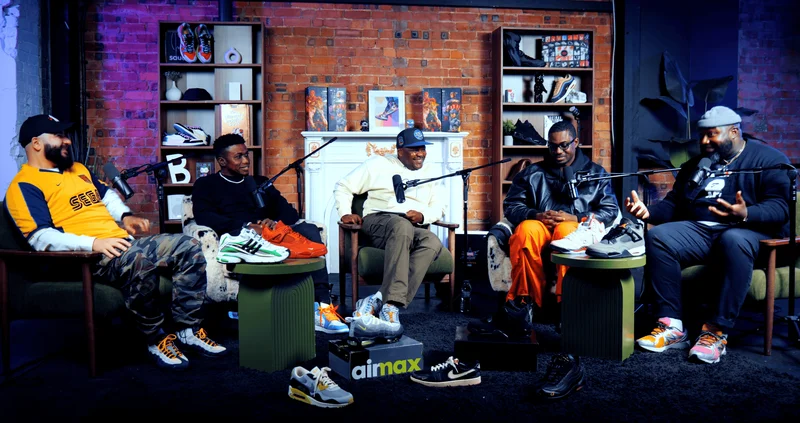
The Brick Studio at Finchley Studios. Enquire about The Brick Studio.
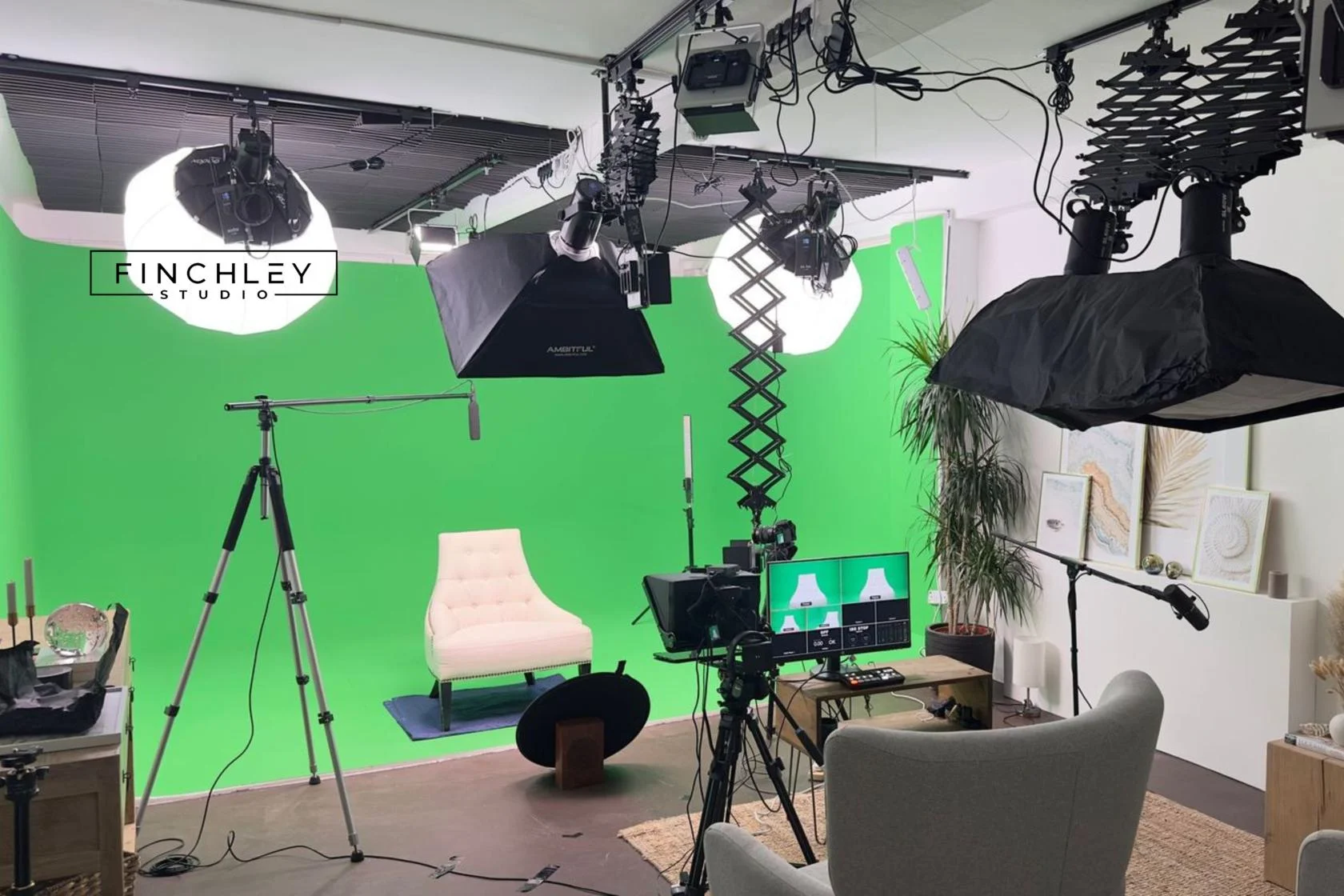
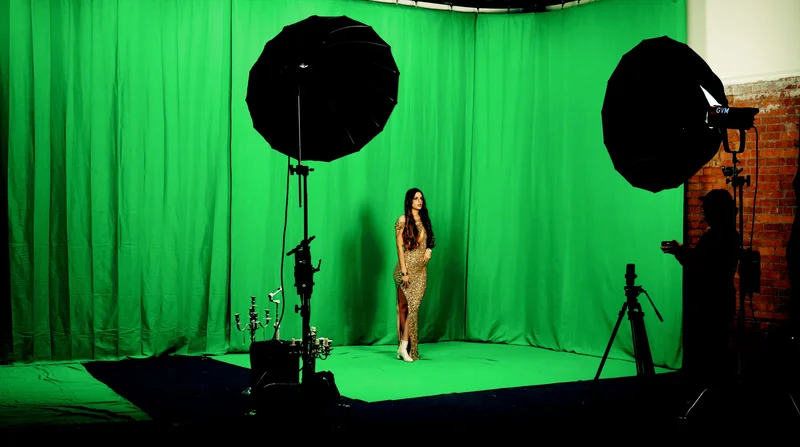
Green Screen Cove at Finchley Studios. Book Green Screen Cove.
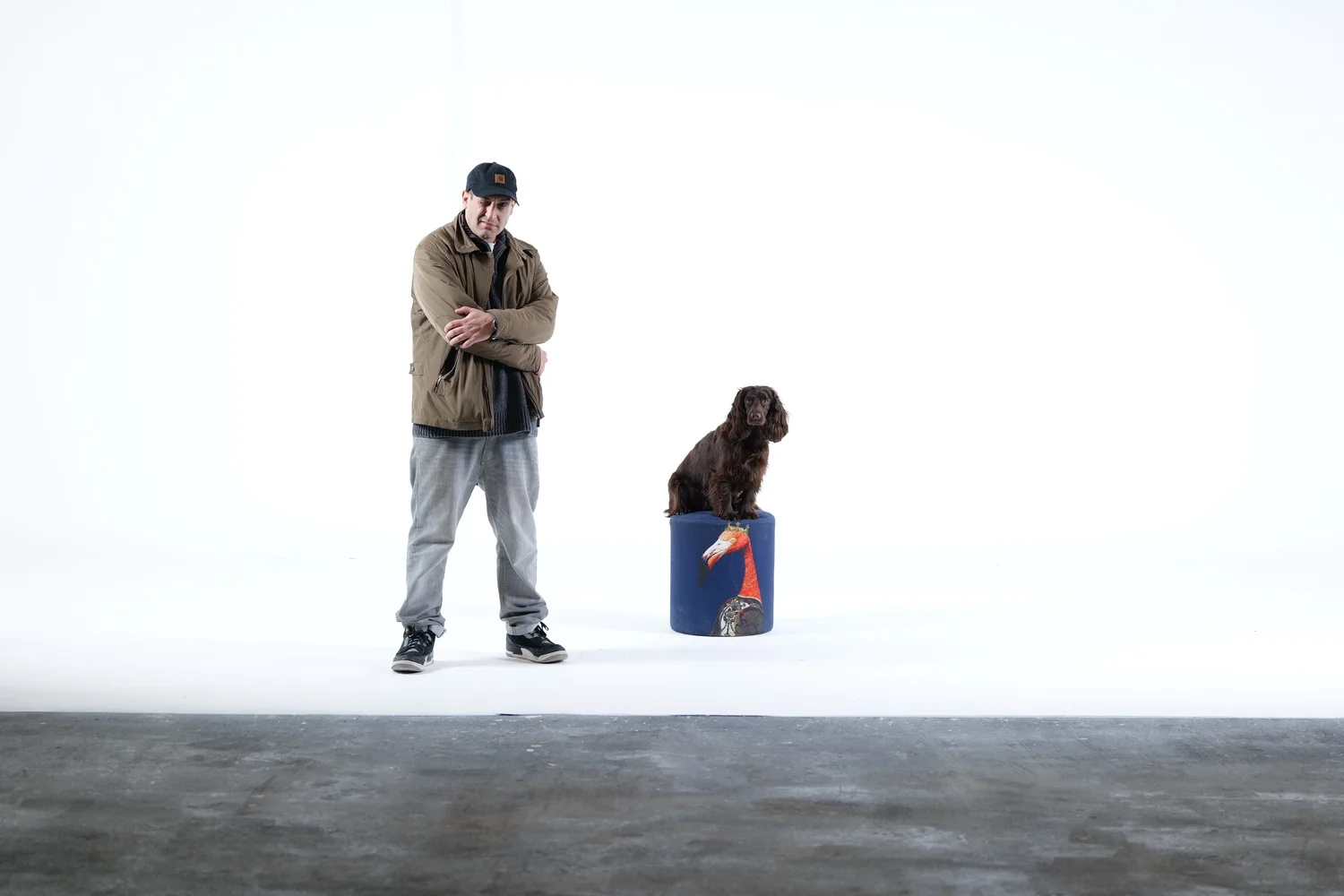
Giant White Infinity Cove at Finchley Studios. Enquire about Giant White Infinity Cove.
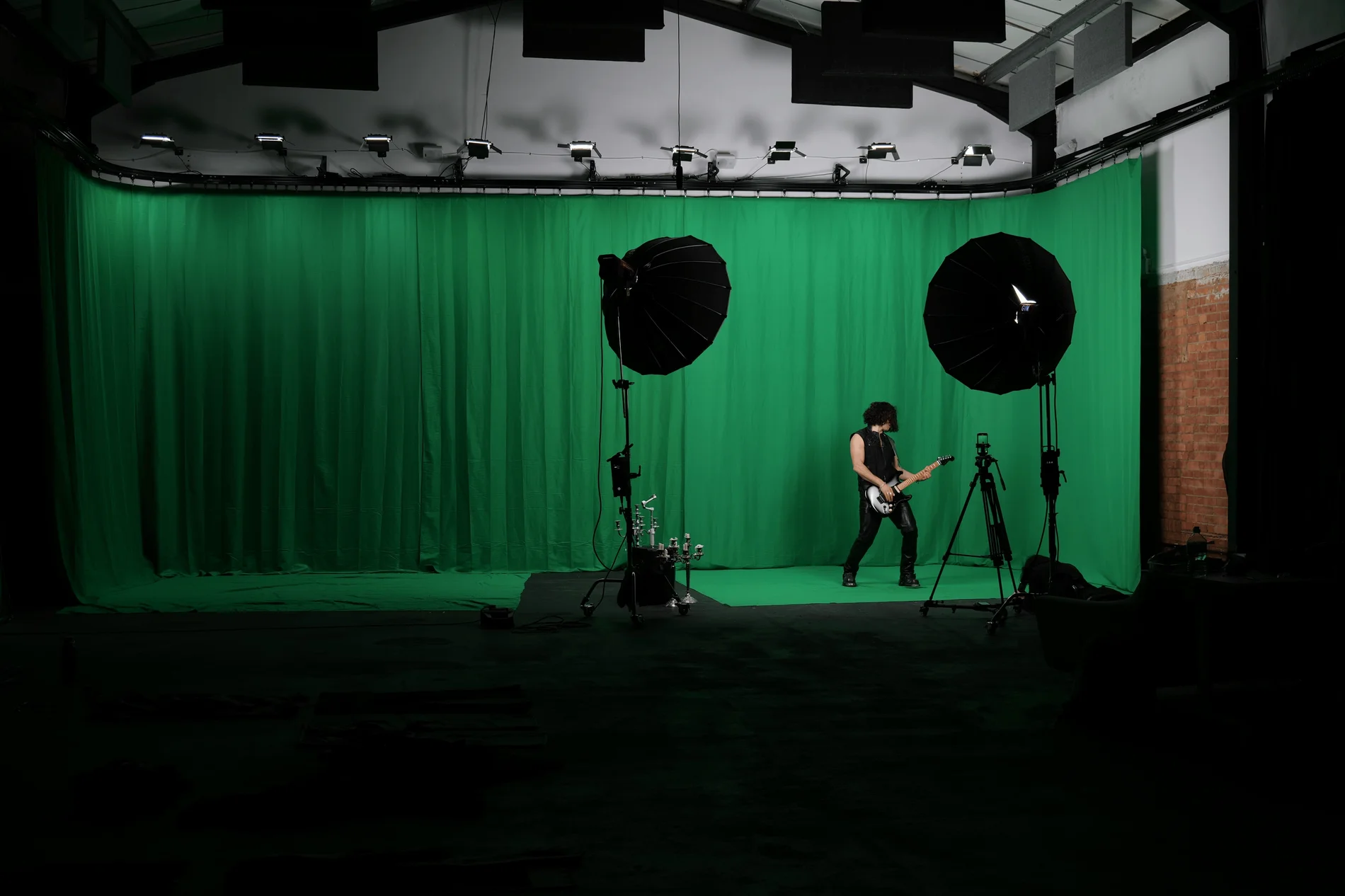
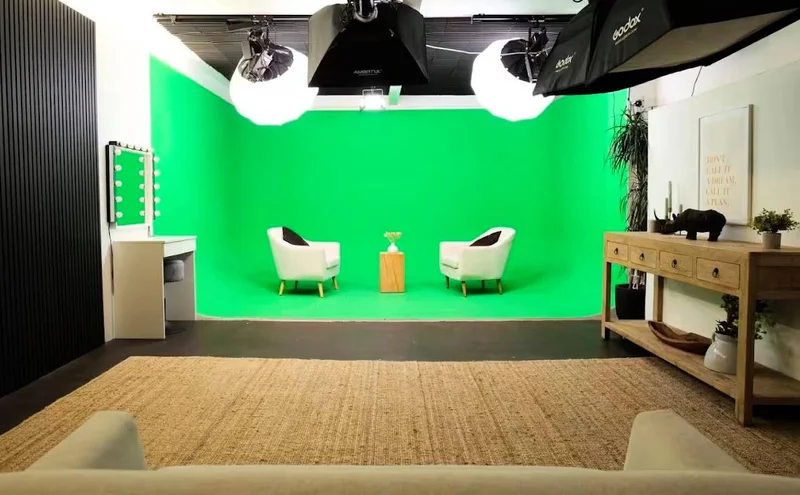
Giant Green Screen at Finchley Studios. Enquire about Giant Green Screen.

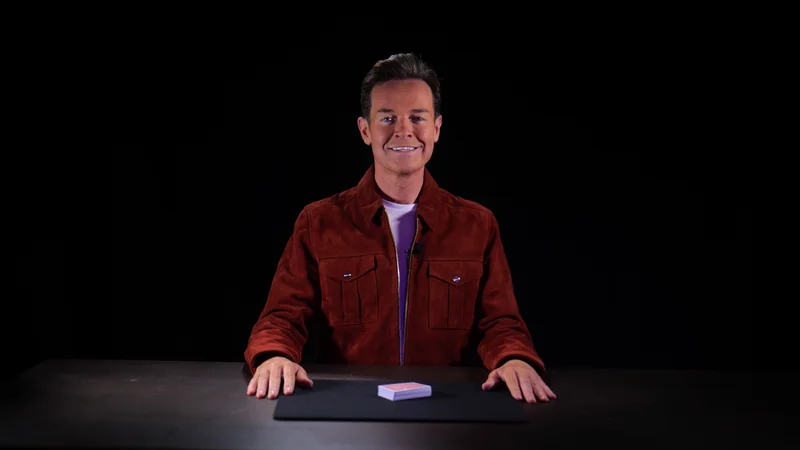
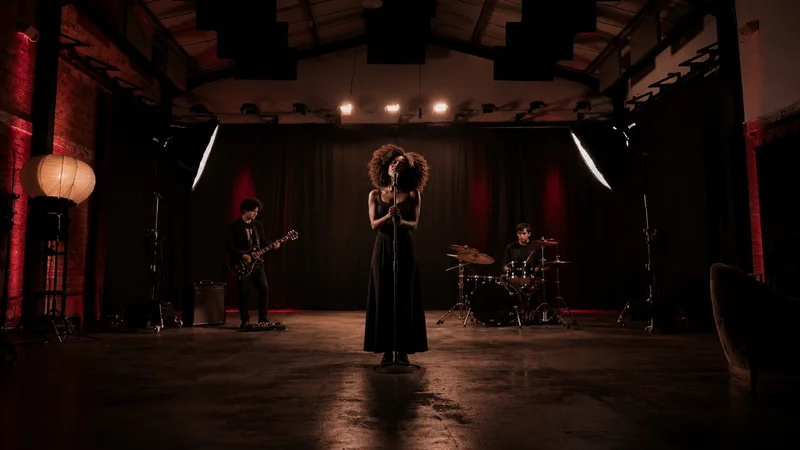
Blackout at Finchley Studios. Book Blackout.
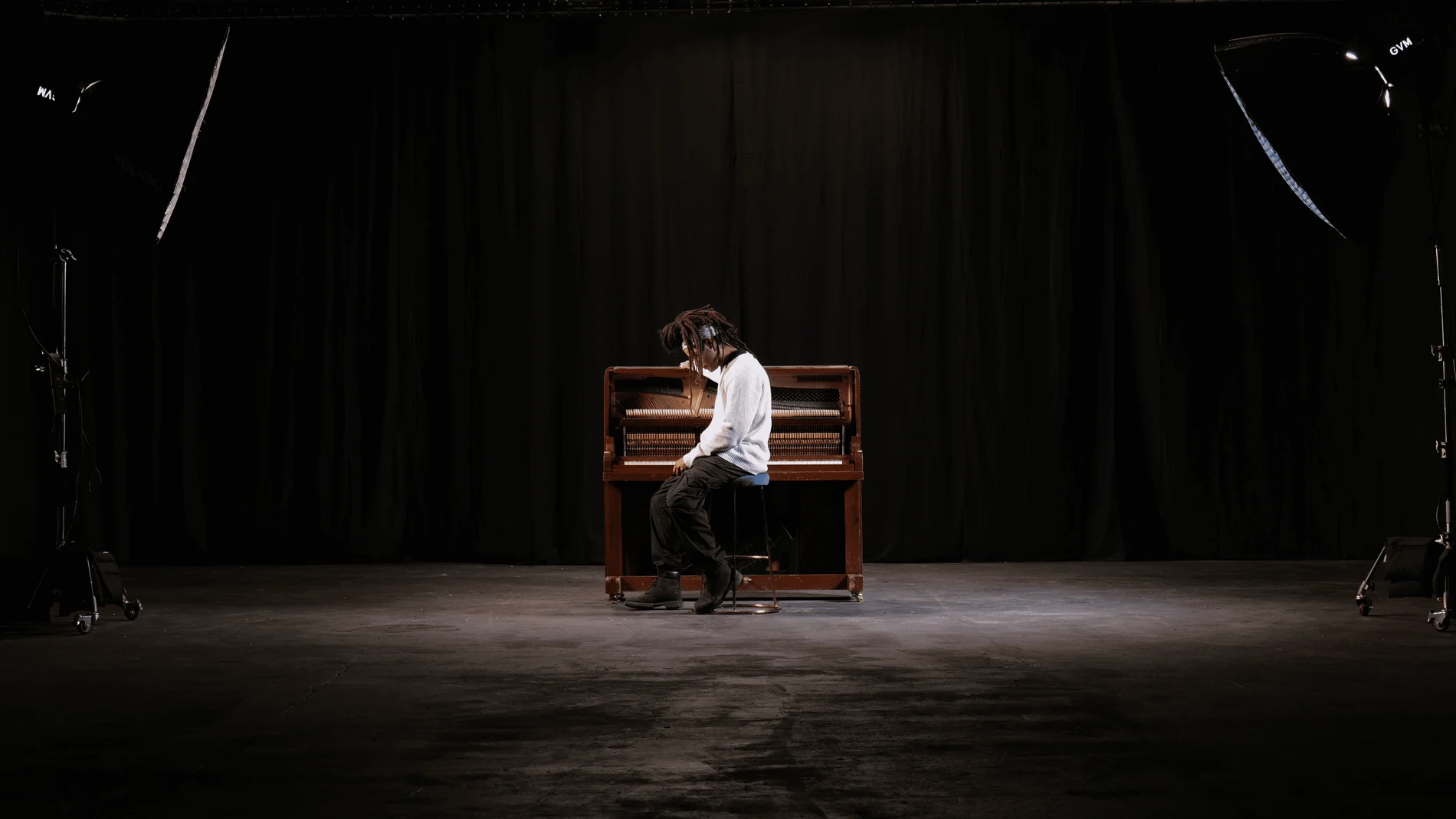
Giant Blackout at Finchley Studios. Enquire about Giant Blackout.
Plan your Finchley recording
Explore our podcast studio to compare sets and production support. Send your brief to the Finchley team with your preferred date, guest count and required outputs.