Review a business podcast against the job you commissioned it to do. Combine audience evidence, business outcomes and the full cost of producing the show. Decide in advance what would justify continuing, changing the format or ending a run; a single download total is too narrow to make that decision reliably.
Define value before collecting numbers
Write down the business objective and the audience behaviour you hope to support. Examples include helping prospects understand a complex service, giving customers practical guidance or answering candidates' questions. Each requires different evidence.
Compare results with the original company podcast plan. If the objective has changed, record that change rather than quietly substituting a more flattering measure. Use the six-episode planning guide to define an initial production run. Set a review period long enough to observe the production and distribution cycle you actually use.
Keep audience measures distinct
Record downloads, video views and listening or viewing engagement under their own definitions. IAB Tech Lab's current measurement guidance covers downloads, audience and ad delivery using server-side data. Avoid presenting a downloaded file as proof that someone heard a complete episode.
Compare like with like when reviewing episodes. Distribution effort, publication age, topic and guest promotion can differ. An older episode with a larger cumulative total is not automatically a better format than a recent one.
Calculate the complete production cost
Include studio hire, crew, editing, graphics, captions, promotion and your team's preparation and review time. Use the recording budget guide to separate costs already committed from optional work.
An illustrative calculation might combine £900 of external production costs with £300 of internal time to produce a £1,200 total. If six relevant enquiries follow, the arithmetic is £200 per enquiry associated with the activity. Those are hypothetical figures, and the calculation does not prove that every enquiry was caused by the podcast.
Collect evidence without overstating attribution
Use a consistent episode link and a simple question about how an enquirer found you, where appropriate. Google explains how UTM parameters identify referred traffic in Analytics. Agree the reporting setup with the person responsible for your website and privacy arrangements.
Combine those results with sales-team notes, useful customer feedback and examples of the content being used. Distinguish a conversation influenced by an episode from a directly attributable conversion. Avoid adding the full value of the same deal to several channels.
| Evidence | Question it can help answer |
|---|---|
| Relevant audience growth | Are the intended people finding the show? |
| Engagement patterns | Where does attention appear to change? |
| Enquiries and feedback | Does the content prompt useful action? |
| Production hours | Is the current format sustainable? |
| Reuse by colleagues | Does the programme answer recurring questions? |
Make one clear next decision
Choose a limited change and review it against the same objective. For example, test a more specific topic or a clearer distribution plan before increasing output volume. A customer case study episode can explore practical value, but it should remain an honest account rather than a device for manufacturing positive evidence.
Planning this at Finchley Studios
Ask Finchley for an itemised recording and editing scope that matches your review plan. The booking options identify sets and packages, while the editing service page is a separate starting point for post-production requirements.
Confirm the outputs you need before adding extras. If the goal is to test a pilot, distinguish essential episode delivery from optional clips and graphics. Keep the agreed production cost and your own preparation time in the same review. Finchley's recording services can support the content; your organisation must define its commercial objectives, collect appropriate evidence and decide how to interpret it.
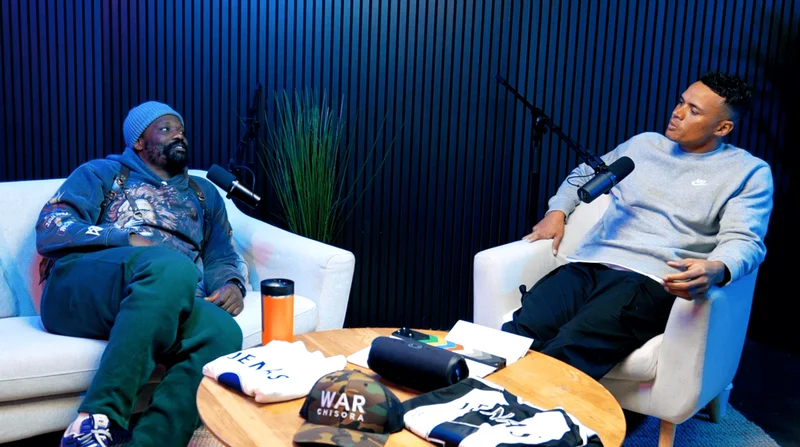
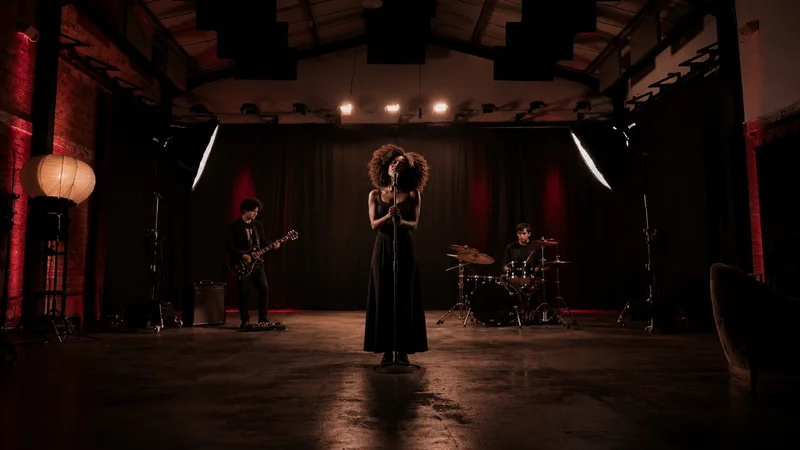
A client recording from Finchley Studios
From our client recording collection: BBC Sounds.
Continue planning your recording
- London Podcast Recording Costs: How to Build a Complete Budget
- How to Plan a Six-Episode Podcast Series
- How to Plan a Company Podcast People Want to Hear
- How to Record a Customer Case Study Podcast
For the full series, explore our podcast studio booking guide.
Explore all 12 Finchley sets
Compare the looks below, then follow the booking or enquiry link for your preferred set. Confirm the recording package, guest capacity and location for your session.
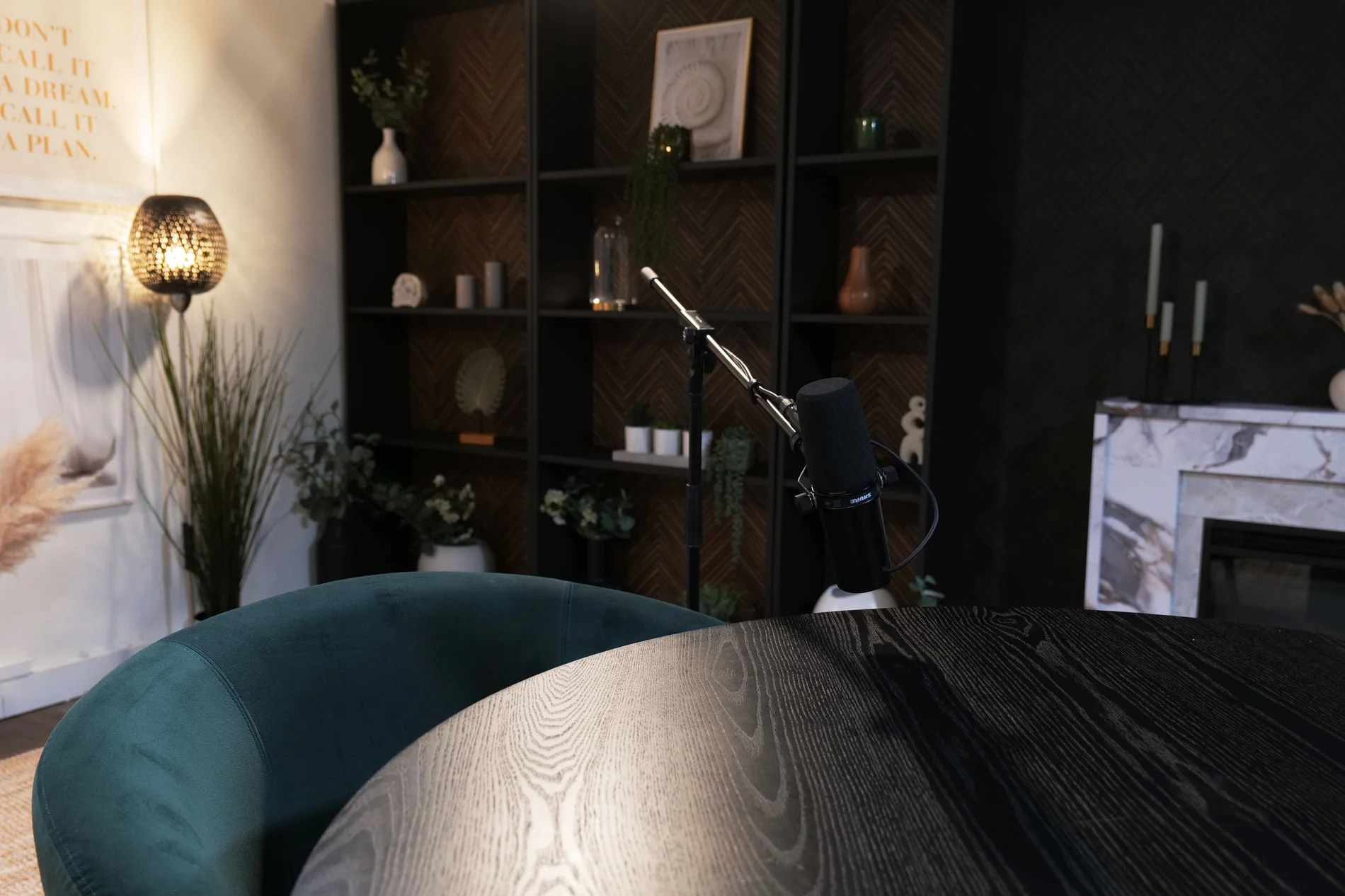
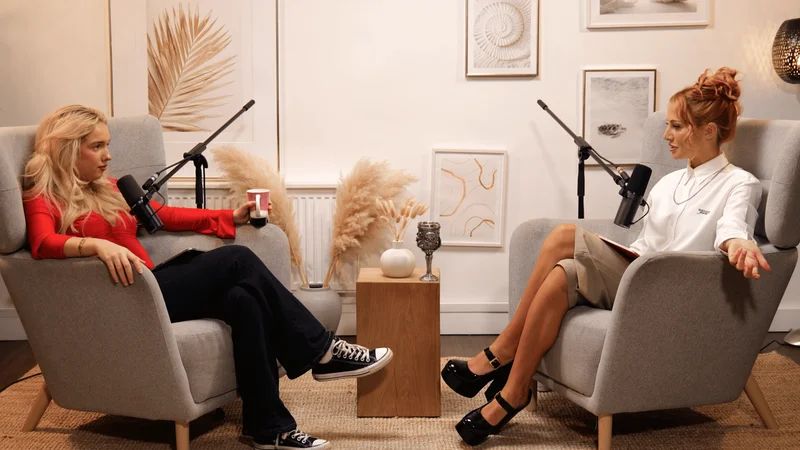
CEO at Finchley Studios. Book CEO.
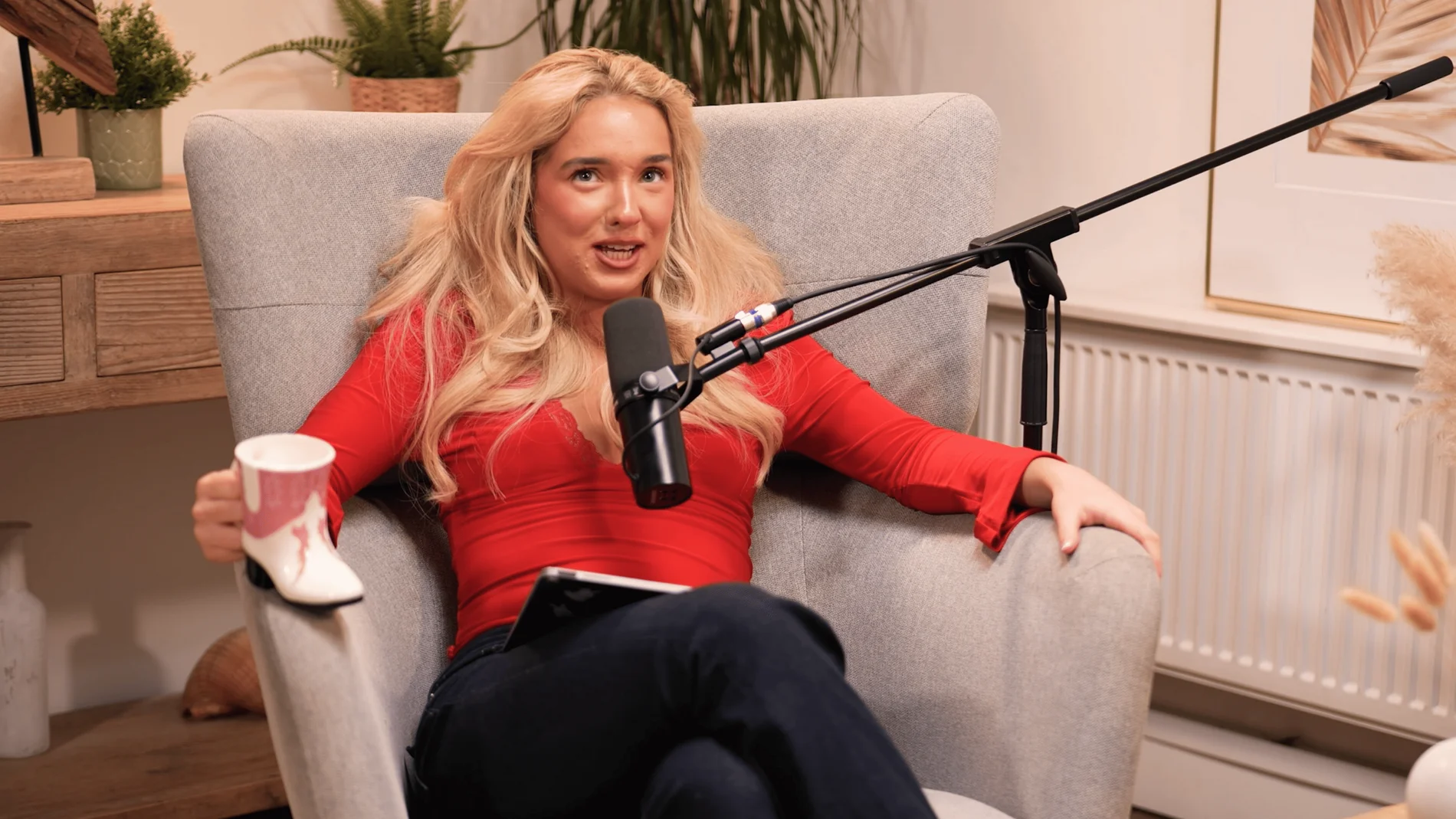
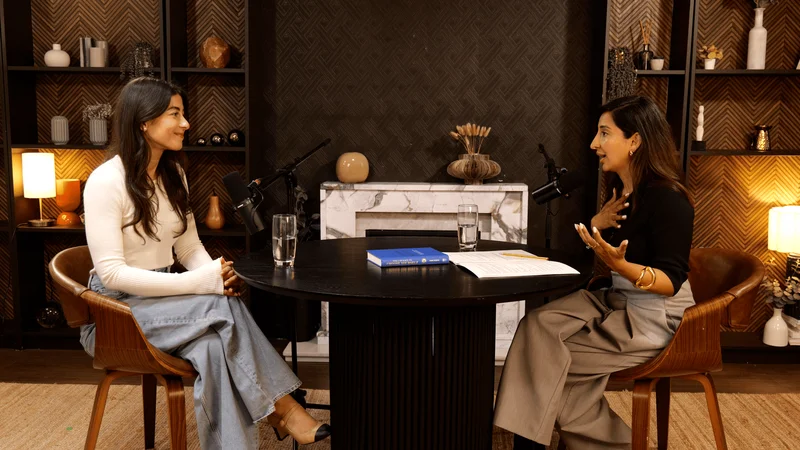
Dialogue at Finchley Studios. Book Dialogue.
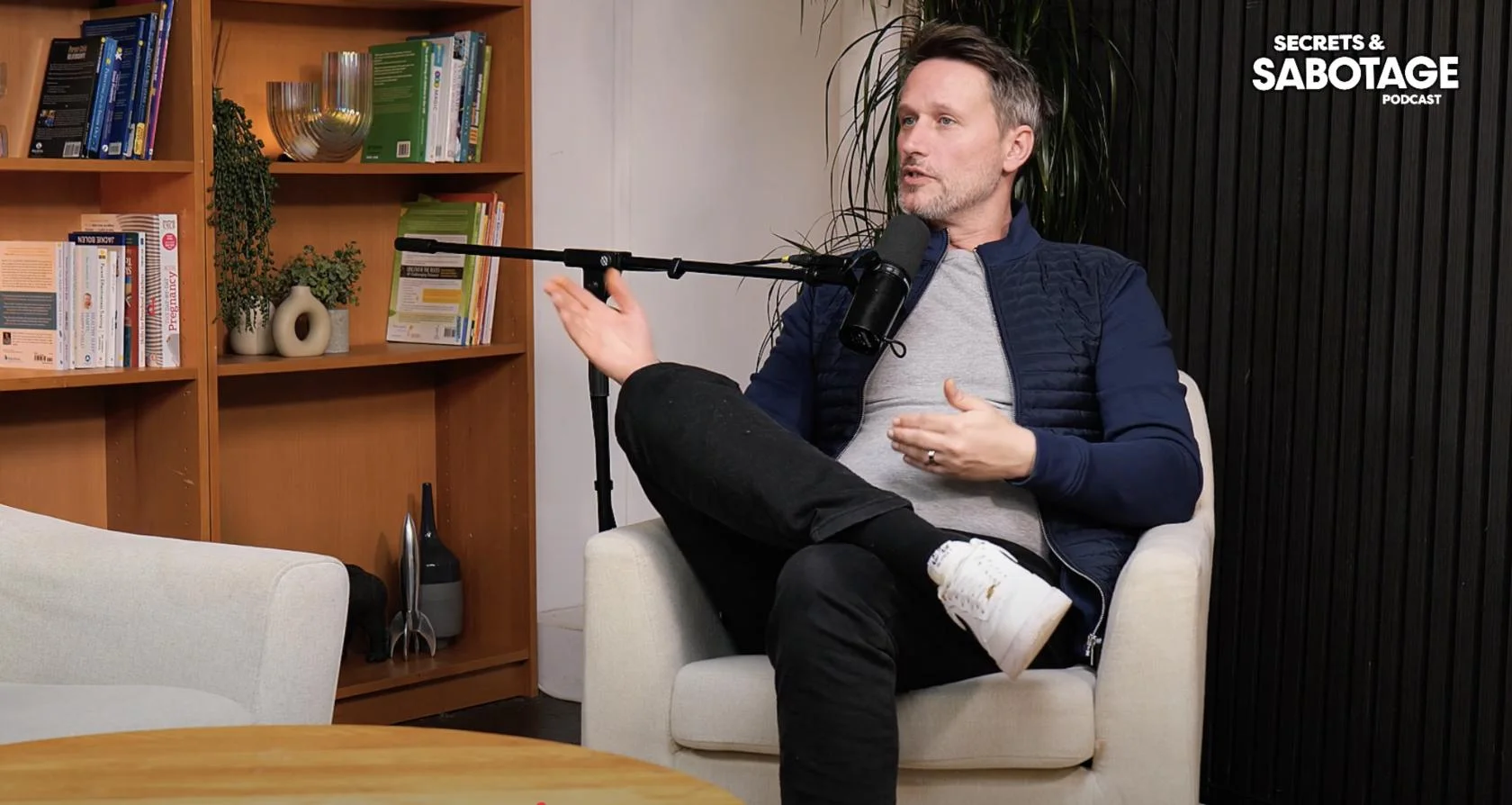
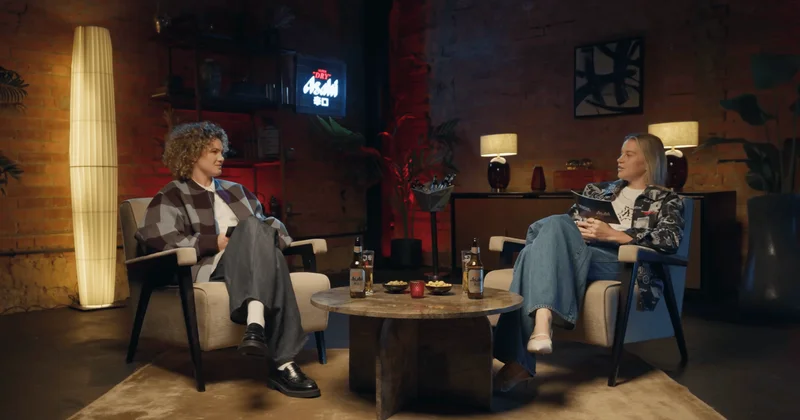
Lounge at Finchley Studios. Book Lounge.

Blackwood at Finchley Studios. Book Blackwood.

Pulse Lounge at Finchley Studios. Enquire about Pulse Lounge.
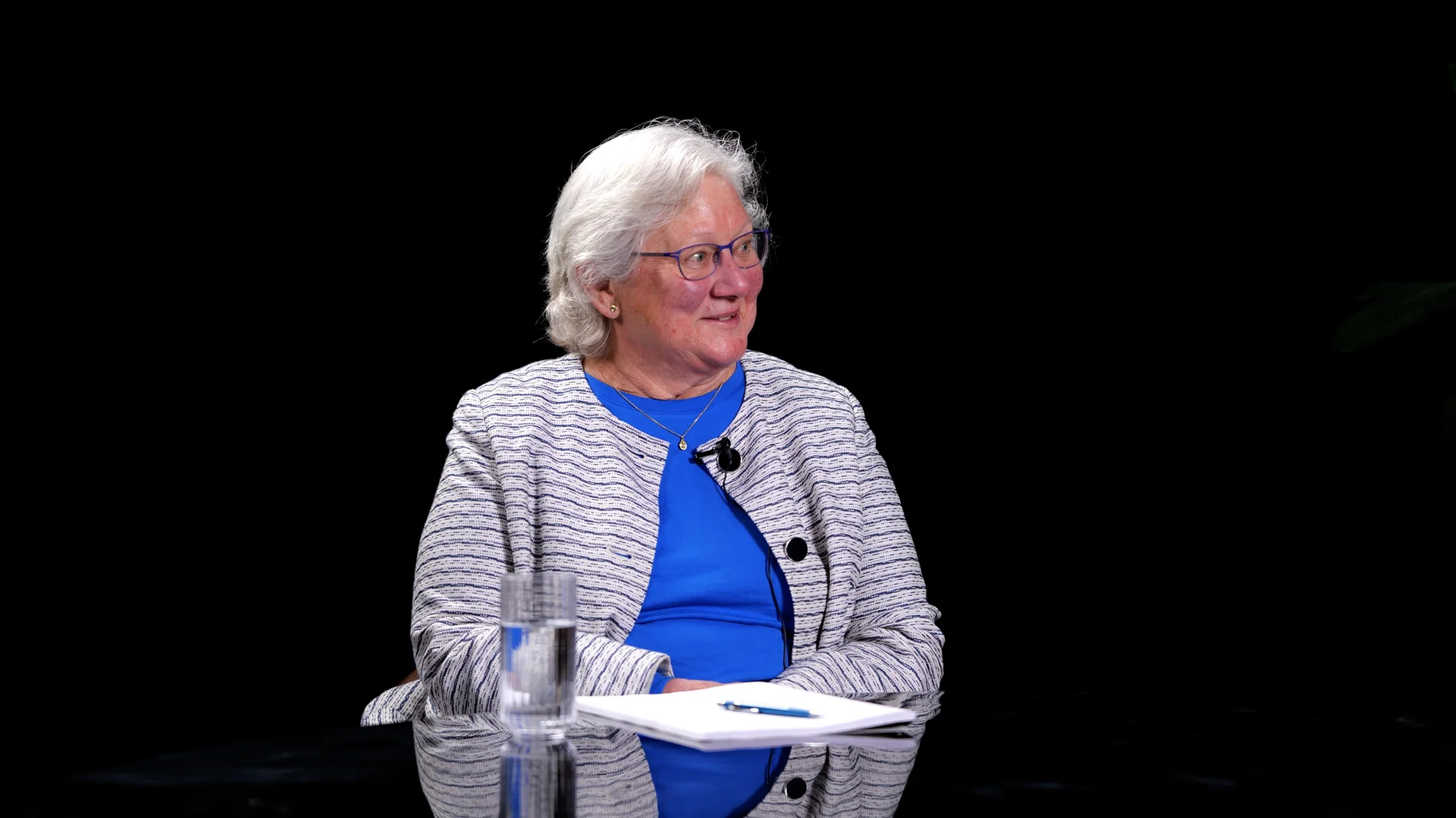
Roundtable at Finchley Studios. Enquire about Roundtable.

The Brick Studio at Finchley Studios. Enquire about The Brick Studio.
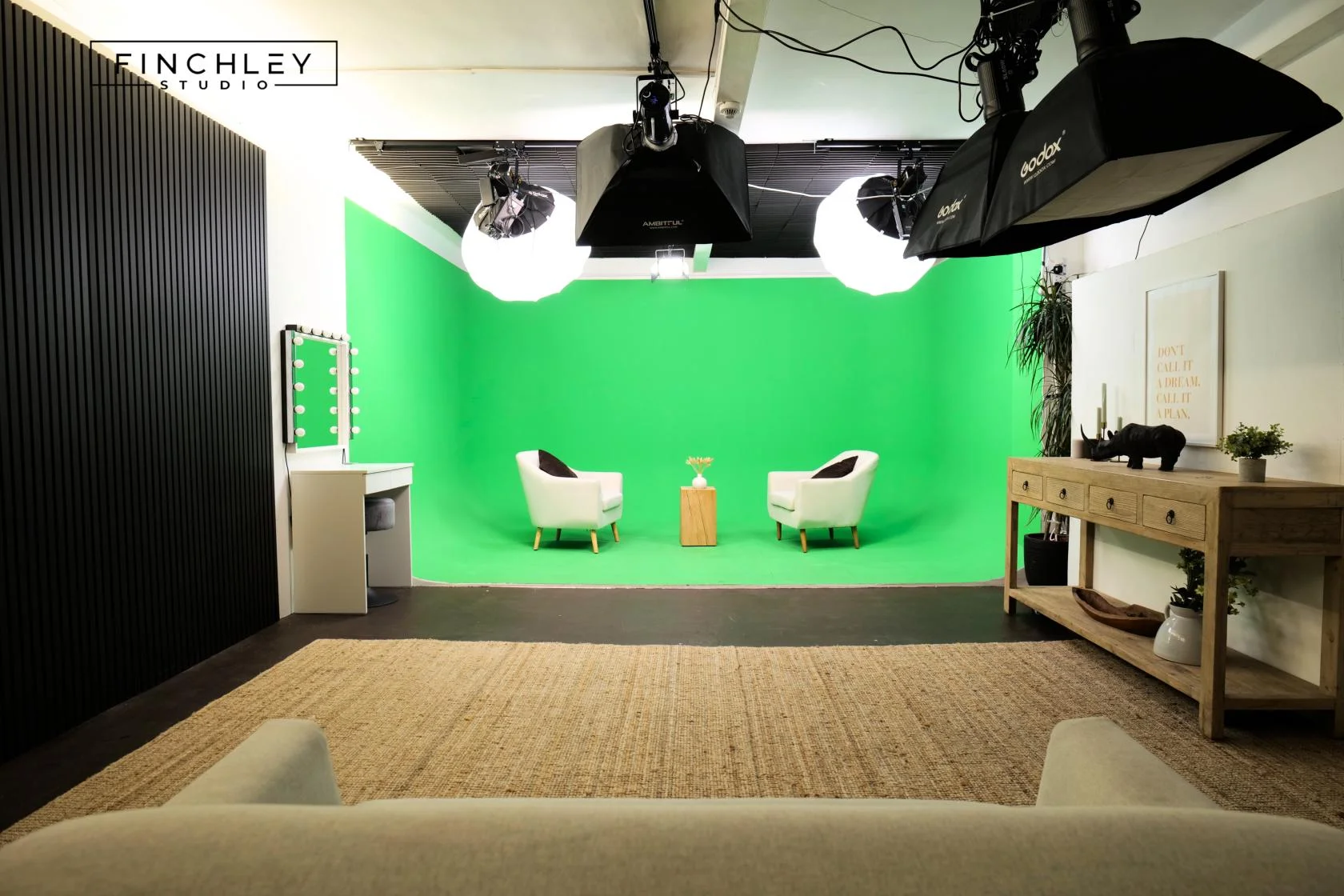
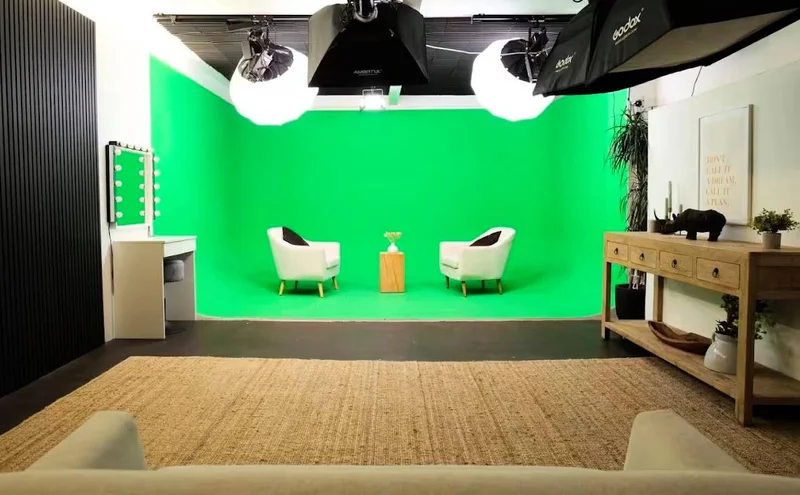
Green Screen Cove at Finchley Studios. Book Green Screen Cove.

Giant White Infinity Cove at Finchley Studios. Enquire about Giant White Infinity Cove.
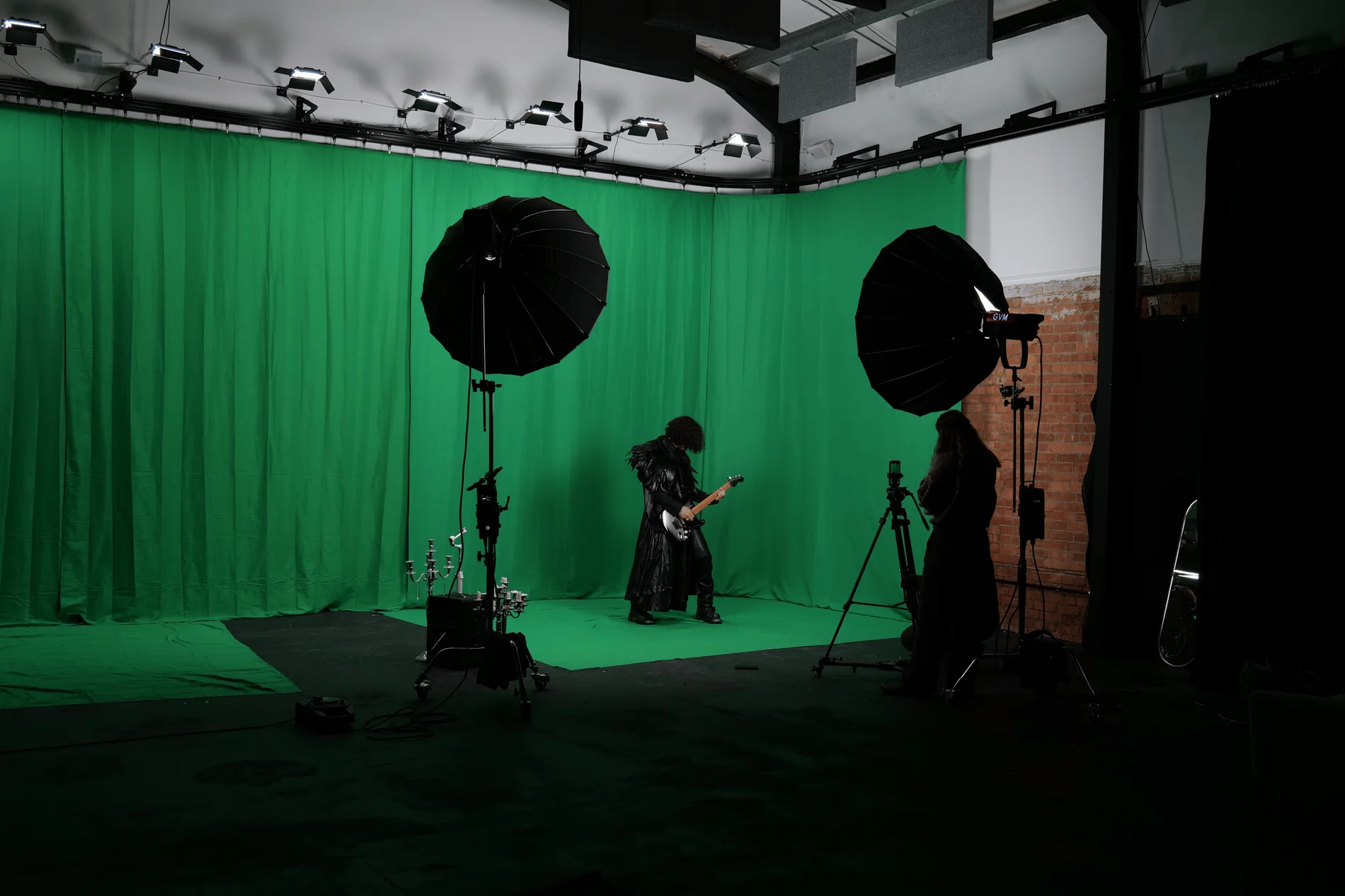
Giant Green Screen at Finchley Studios. Enquire about Giant Green Screen.

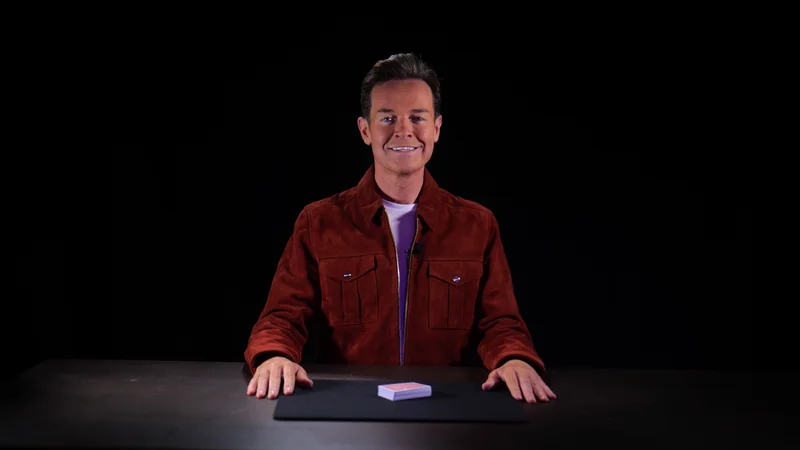
Blackout at Finchley Studios. Book Blackout.

Giant Blackout at Finchley Studios. Enquire about Giant Blackout.
Plan your Finchley recording
Explore our podcast studio in London to compare sets and production support. Send your brief to the Finchley team with your preferred date, guest count and required outputs.