A podcast interview with an interpreter needs a shared conversation plan before anyone starts recording. Agree how interpretation will happen, how participants take turns and how the audience will understand the finished programme. Include the interpreter as a contributor with their own preparation, microphone and monitoring requirements.
Choose the interpretation mode
Consecutive interpretation places a translated contribution after the original speech. Simultaneous interpretation involves a different listening and routing arrangement. A translated voice recorded later creates another editing workflow. Choose with the interpreter and production team rather than assuming these methods are interchangeable.
The multilingual production guide helps decide whether the result is one bilingual programme or separate editions. Describe that result in the studio brief so the technical setup follows the audience's needs.
Brief the people, subject and terminology
Give the interpreter the theme, format, names and specialist vocabulary in advance. Confirm the language and dialect required. Ask what preparation and breaks they need for the assignment, and agree a way to request clarification.
BBC Academy recommends preparing the subject and explaining the interview format to contributors. Apply that preparation to the interpreted conversation without scripting every answer or assuming every guest shares the same background knowledge.
Speak to the guest and leave room for interpretation
Address the person whose experience you are exploring. Use manageable questions and allow the interpretation to finish before adding another. Agree how the interpreter will indicate that a phrase needs repetition or explanation.
Try a short exchange during the technical check. Confirm that each participant knows who they should hear and where to look. Avoid discussing something important during an interpretation and expecting the interpreter to recover both conversations afterwards.
| Before recording | Agreement to reach |
|---|---|
| Format | Interpretation mode and intended listener |
| People | Language, dialect, roles and preparation needs |
| Timing | Briefing, conversation, clarification and breaks |
| Capture | Microphones, monitoring and agreed source files |
| Review | A qualified language reviewer and clear approval process |
Record for an honest edit
Ask the engineer how the original voice and interpreted contribution will be captured. Agree file labels and any notes the editor needs. Where the final version shortens the original speech, ensure a reviewer can check that the translation and context remain accurate.
W3C's transcript guidance covers a text version of spoken and meaningful audio information. For this production, specify which languages the transcript and any translations should include, and assign the linguistic review rather than leaving it as an unnamed final task.
Allow a realistic studio schedule
Use the booking-duration guide to account for the additional production tasks. The planned length of the finished edit does not establish how long an interpreted conversation will take to record.
Agree a pause and correction procedure before discussing difficult material. The cross-talk guide helps preserve understandable turns, which matter especially when a third voice is carrying meaning between the host and guest.
Planning this at Finchley Studios
The Dialogue set is presented for conversations involving two to four people. Tell Finchley whether the interpreter will appear on camera and whether any contributor is joining remotely before assessing the setup.
Ask the team to confirm recording and return-audio arrangements for the selected format. Discuss the interpreter's services, language review and translated outputs separately from the room booking; they are not established by a general studio description. Include briefing and breaks in the schedule, and identify the person authorised to approve the meaning of each version before publication.
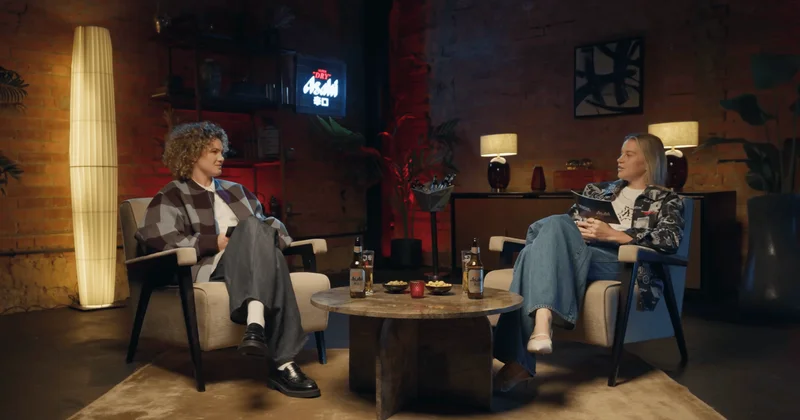
A client recording from Finchley Studios
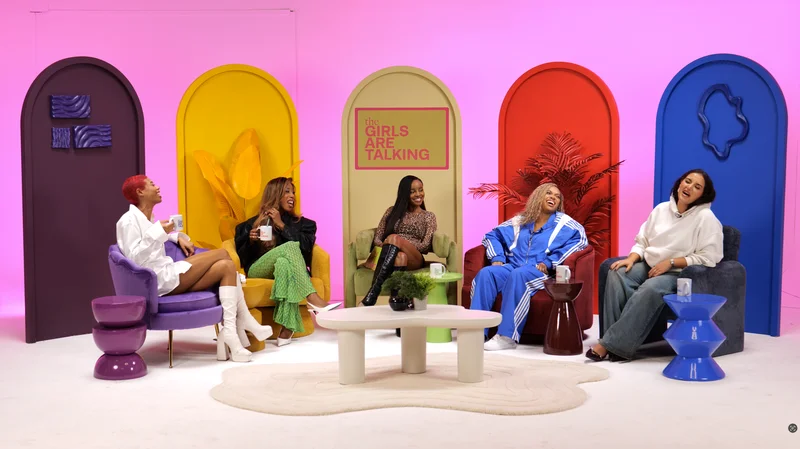
From our client recording collection: Owning Space.
Continue planning your recording
- How Long Should You Book a Podcast Studio For?
- How to Write a Podcast Studio Production Brief
- How to Plan a Bilingual or Multilingual Podcast
- How to Stop Podcast Guests Talking Over Each Other
For the full series, explore our podcast studio booking guide.
Explore all 12 Finchley sets
Compare the looks below, then follow the booking or enquiry link for your preferred set. Confirm the recording package, guest capacity and location for your session.
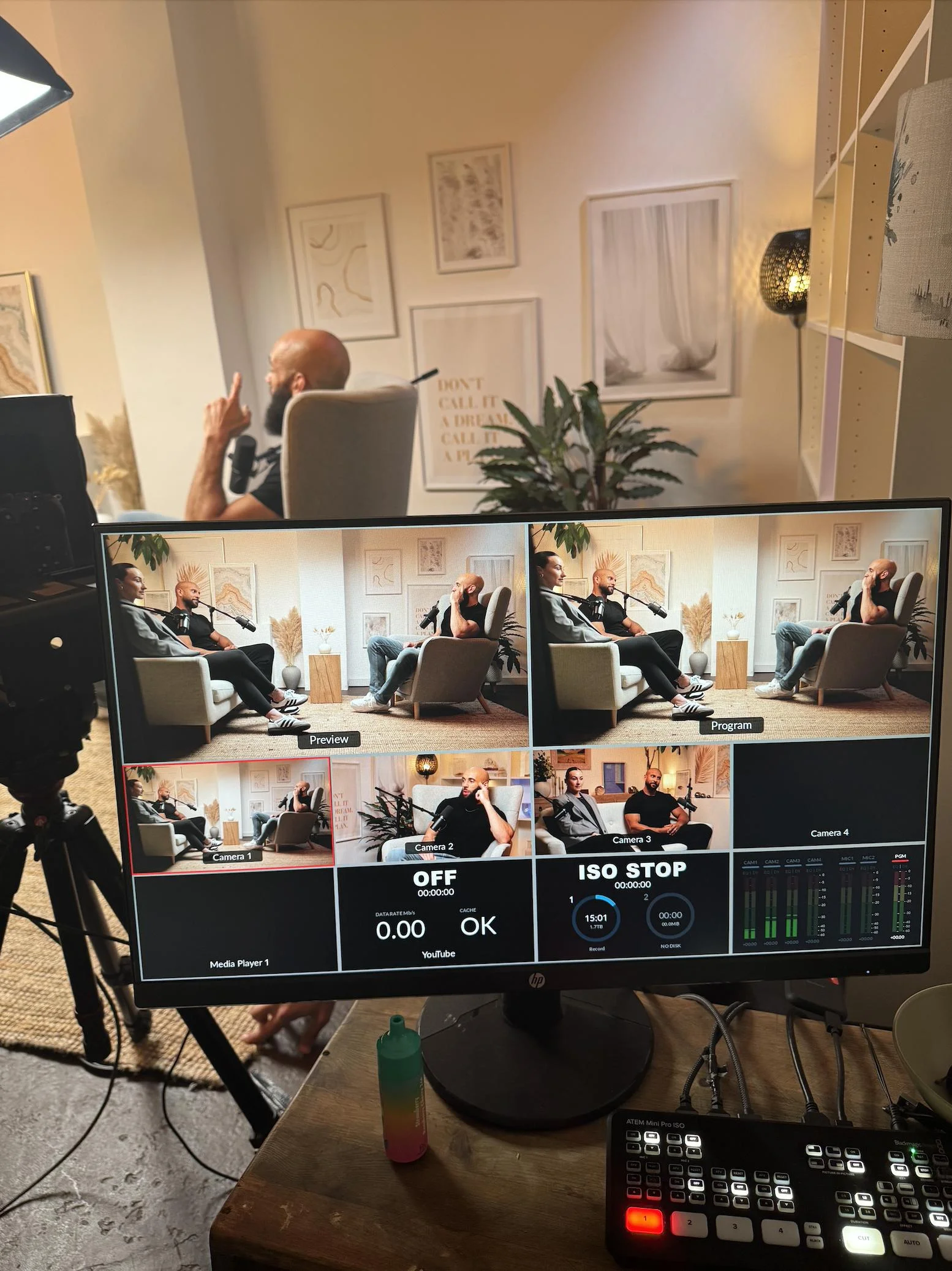
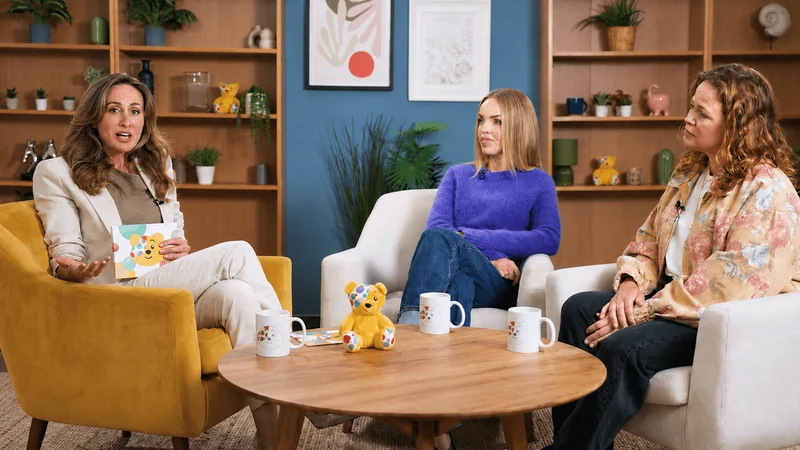
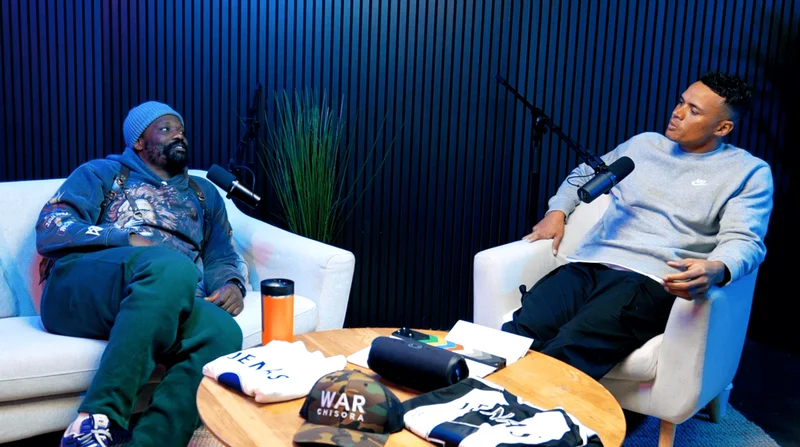
Dialogue at Finchley Studios. Book Dialogue.
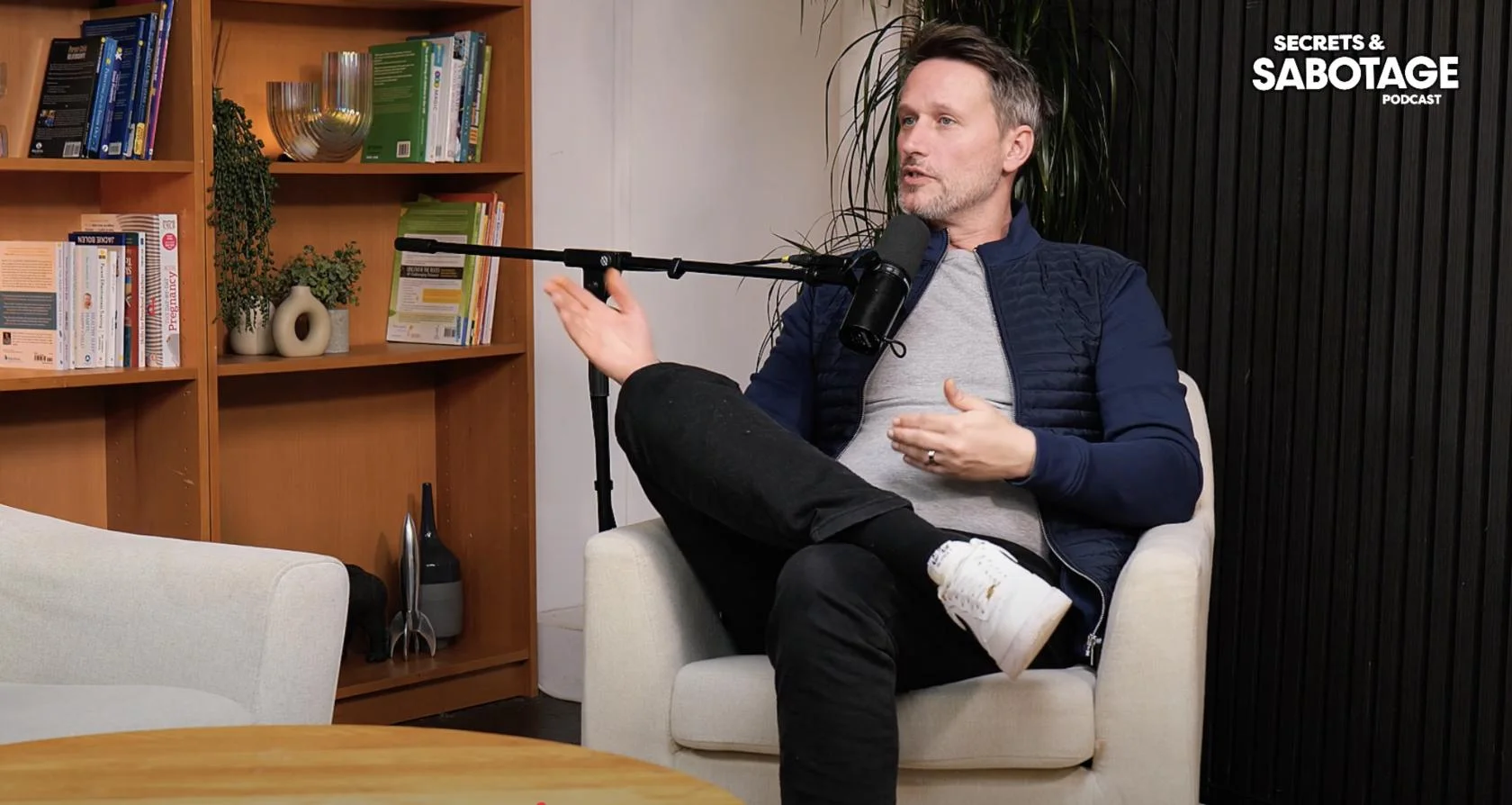
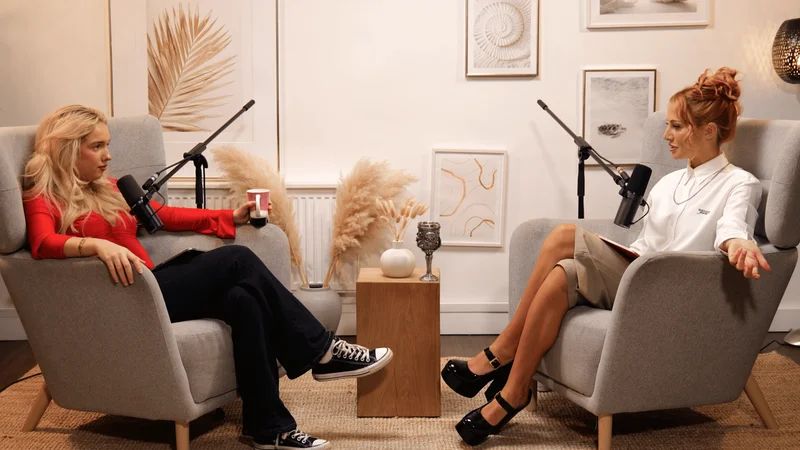
Lounge at Finchley Studios. Book Lounge.
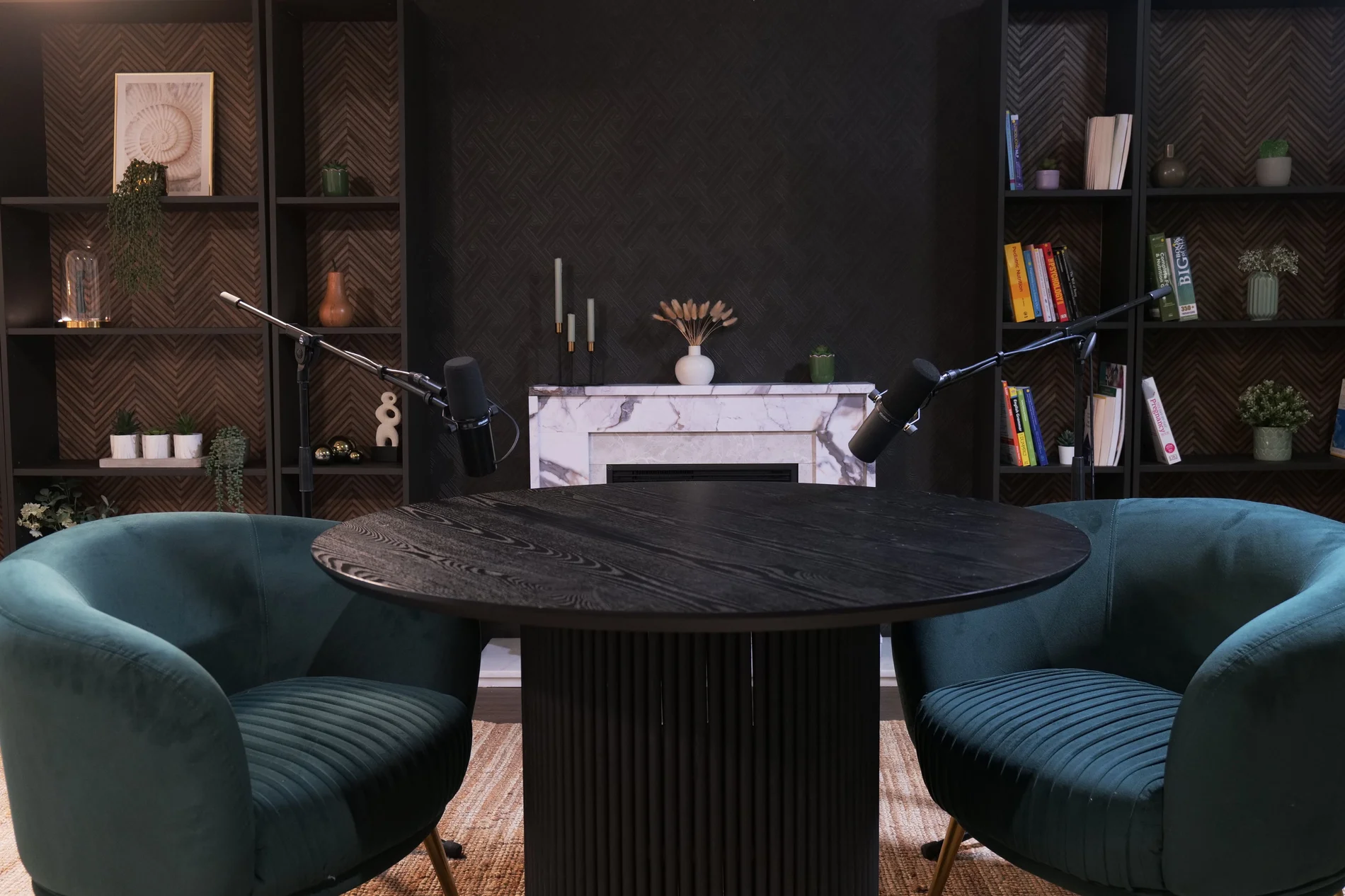
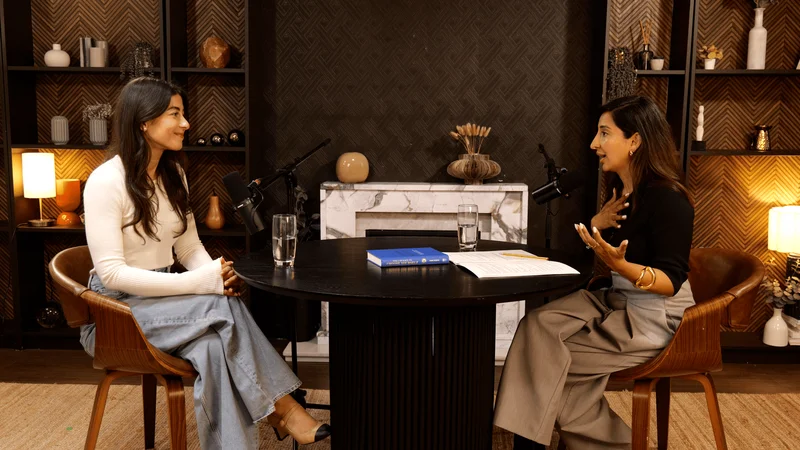
CEO at Finchley Studios. Book CEO.
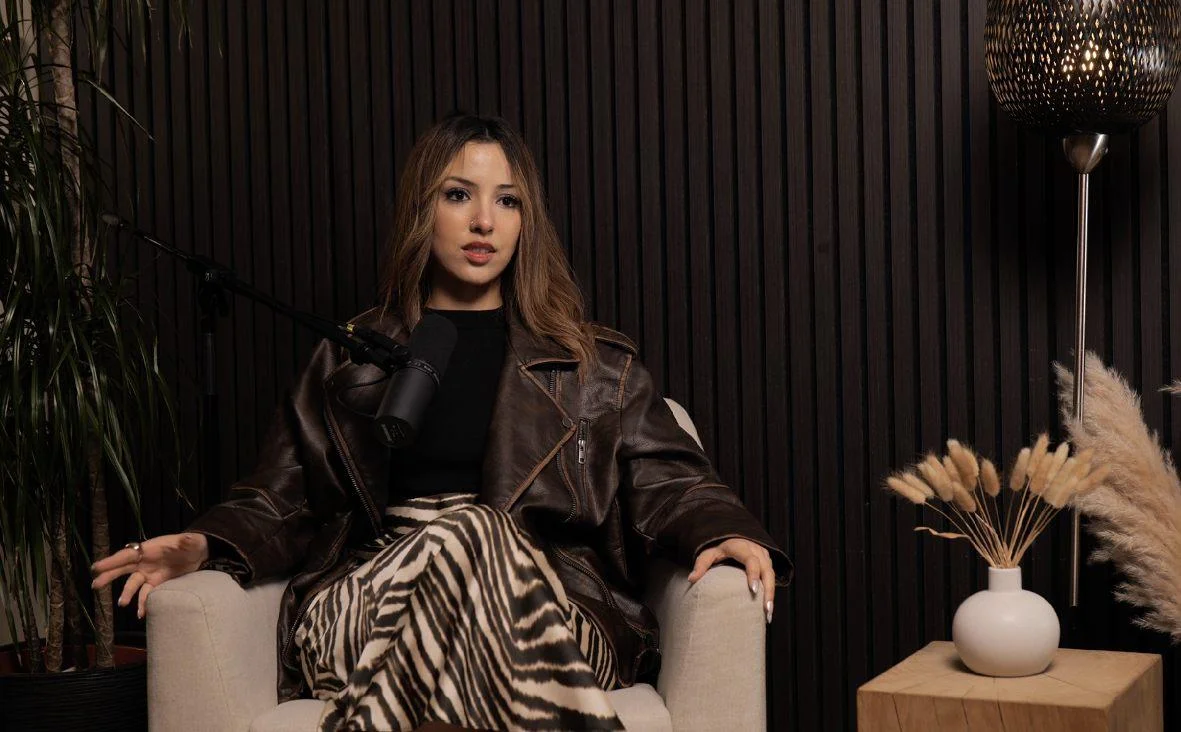
Blackwood at Finchley Studios. Book Blackwood.
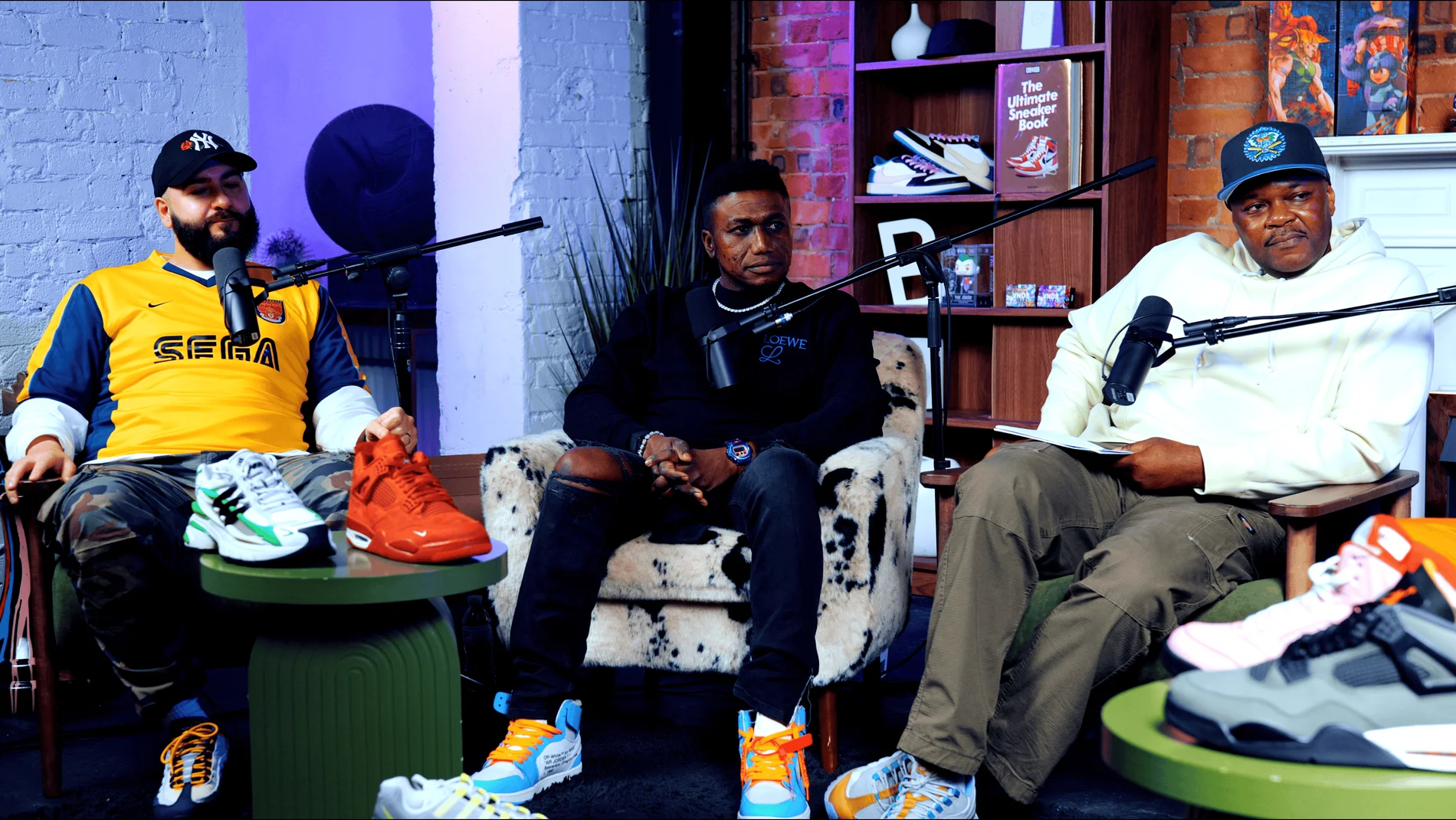
Pulse Lounge at Finchley Studios. Enquire about Pulse Lounge.
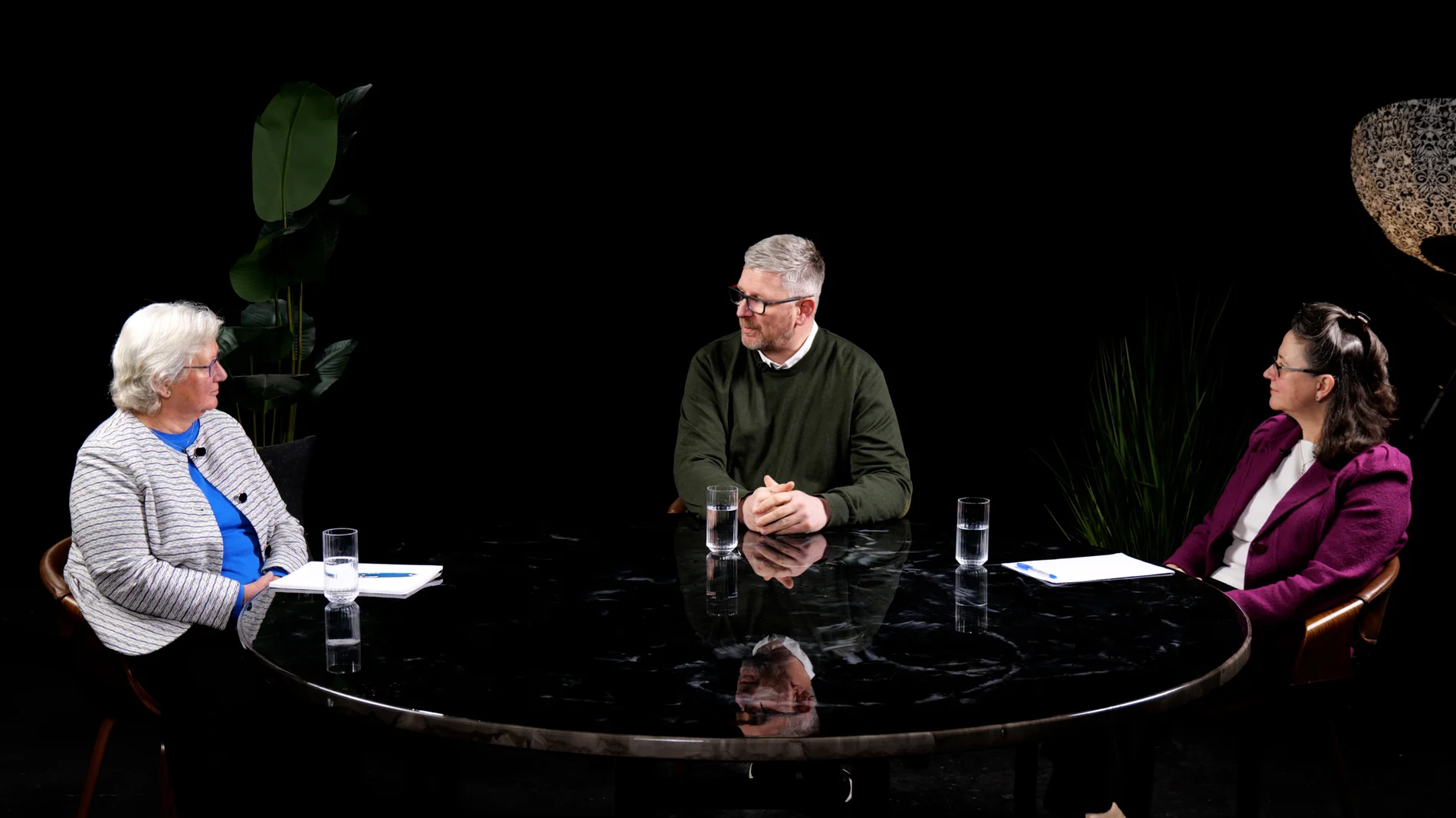
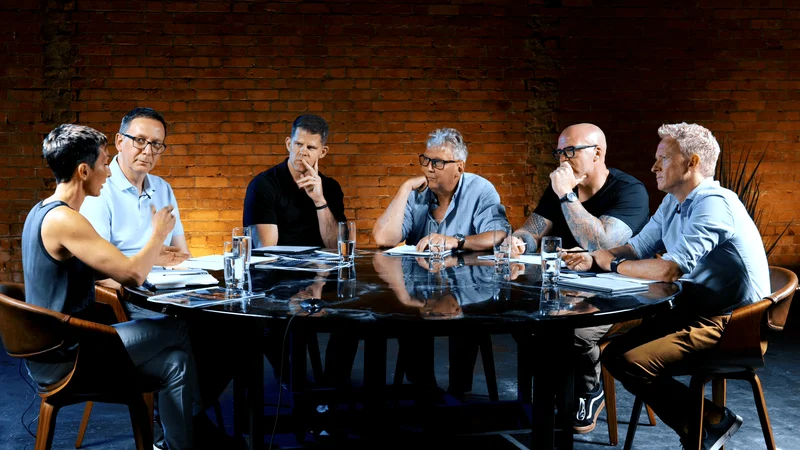
Roundtable at Finchley Studios. Enquire about Roundtable.
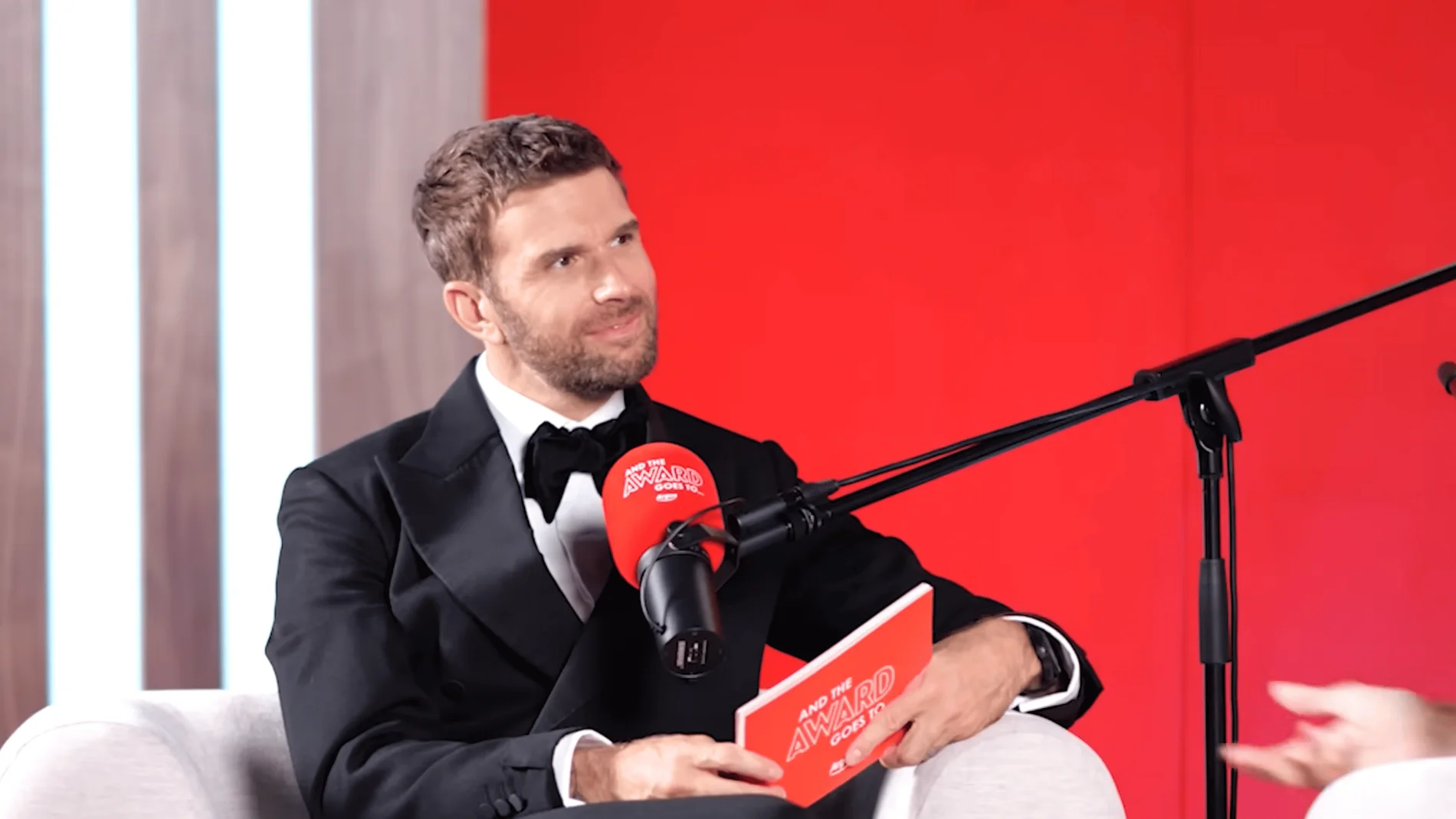
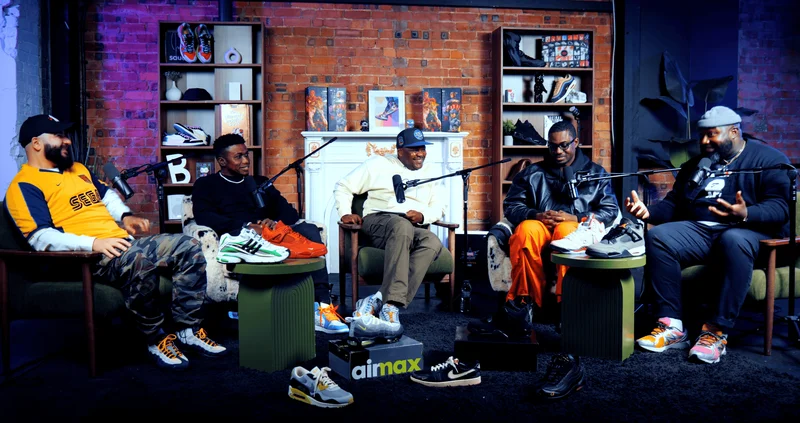
The Brick Studio at Finchley Studios. Enquire about The Brick Studio.
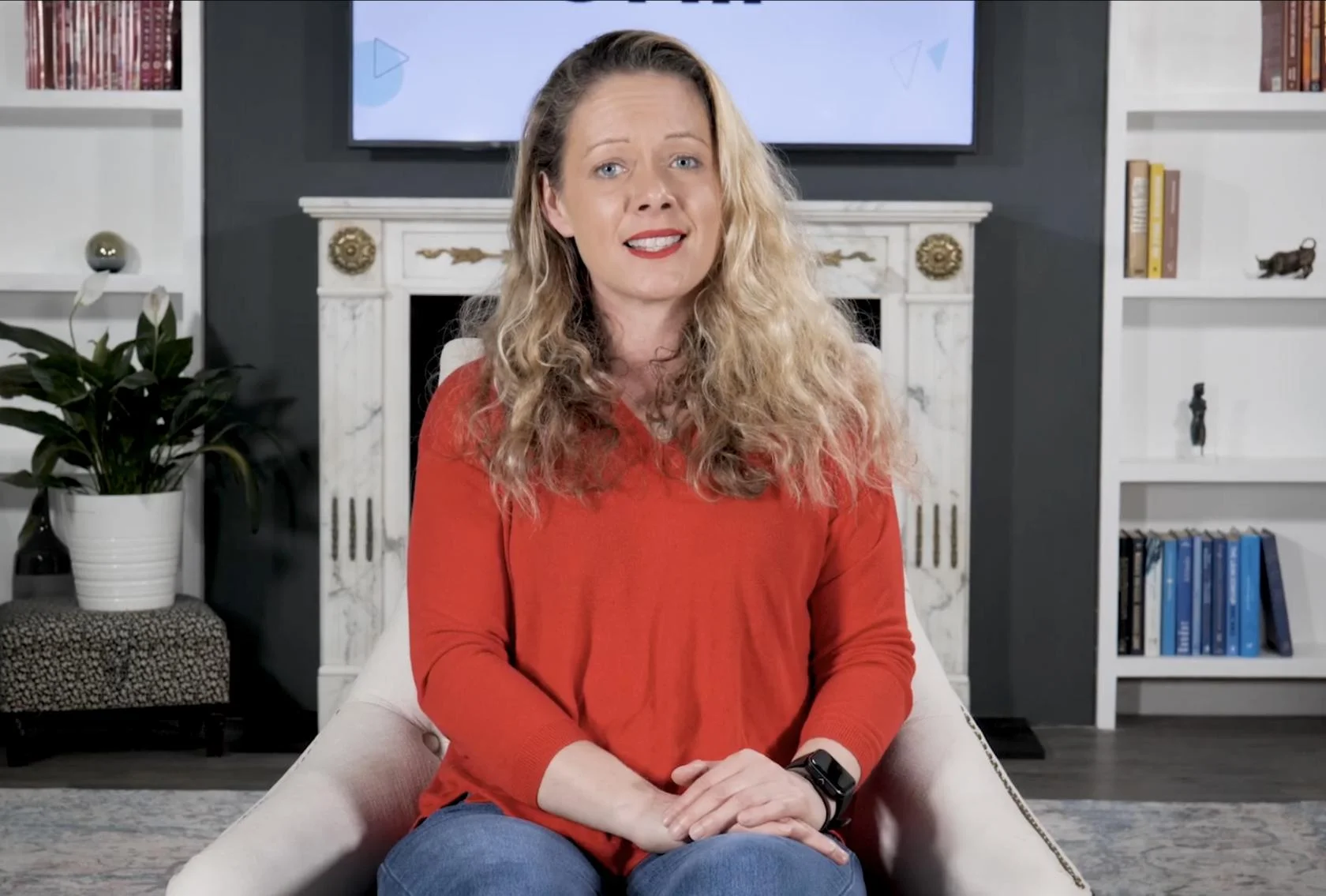
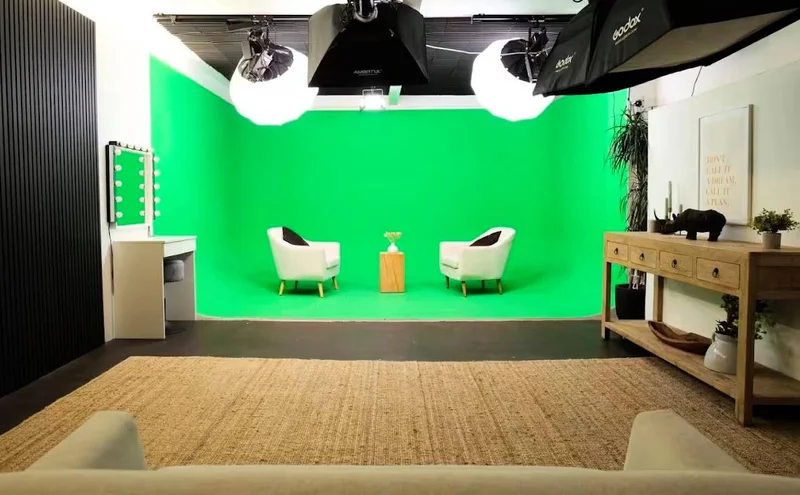
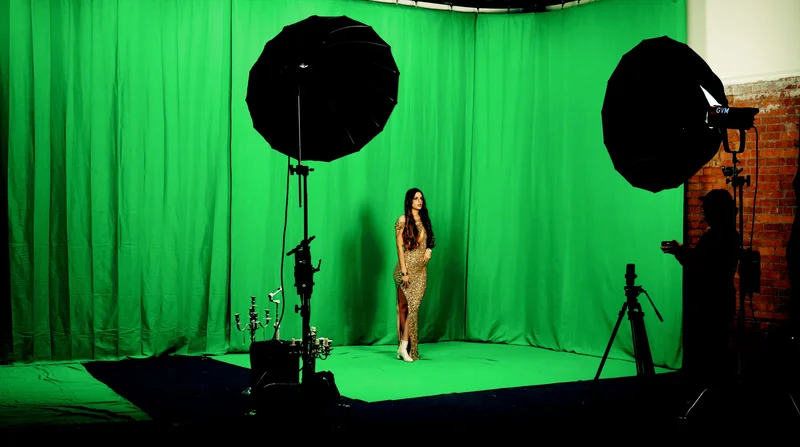
Green Screen Cove at Finchley Studios. Book Green Screen Cove.

Giant White Infinity Cove at Finchley Studios. Enquire about Giant White Infinity Cove.
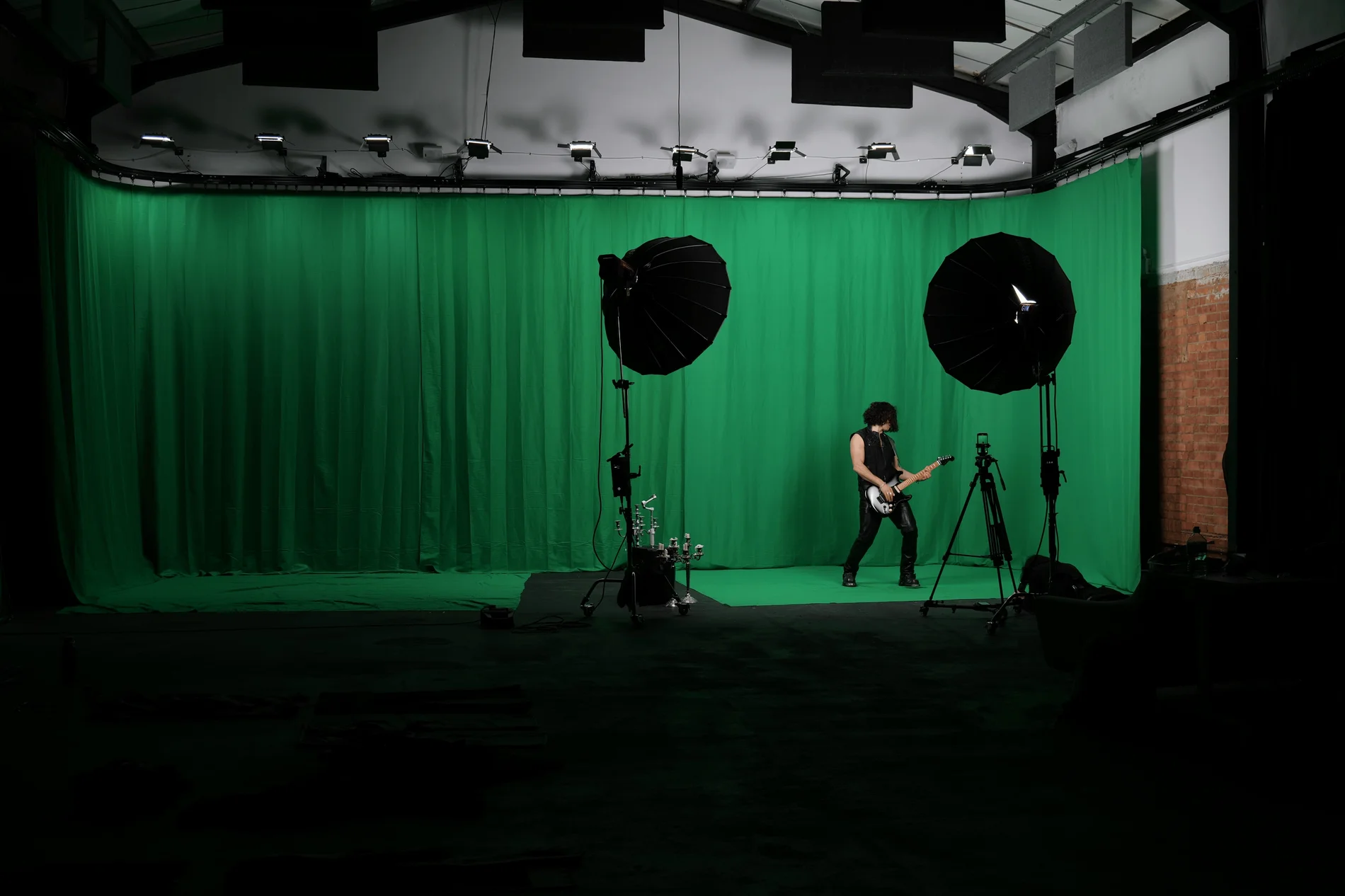
Giant Green Screen at Finchley Studios. Enquire about Giant Green Screen.
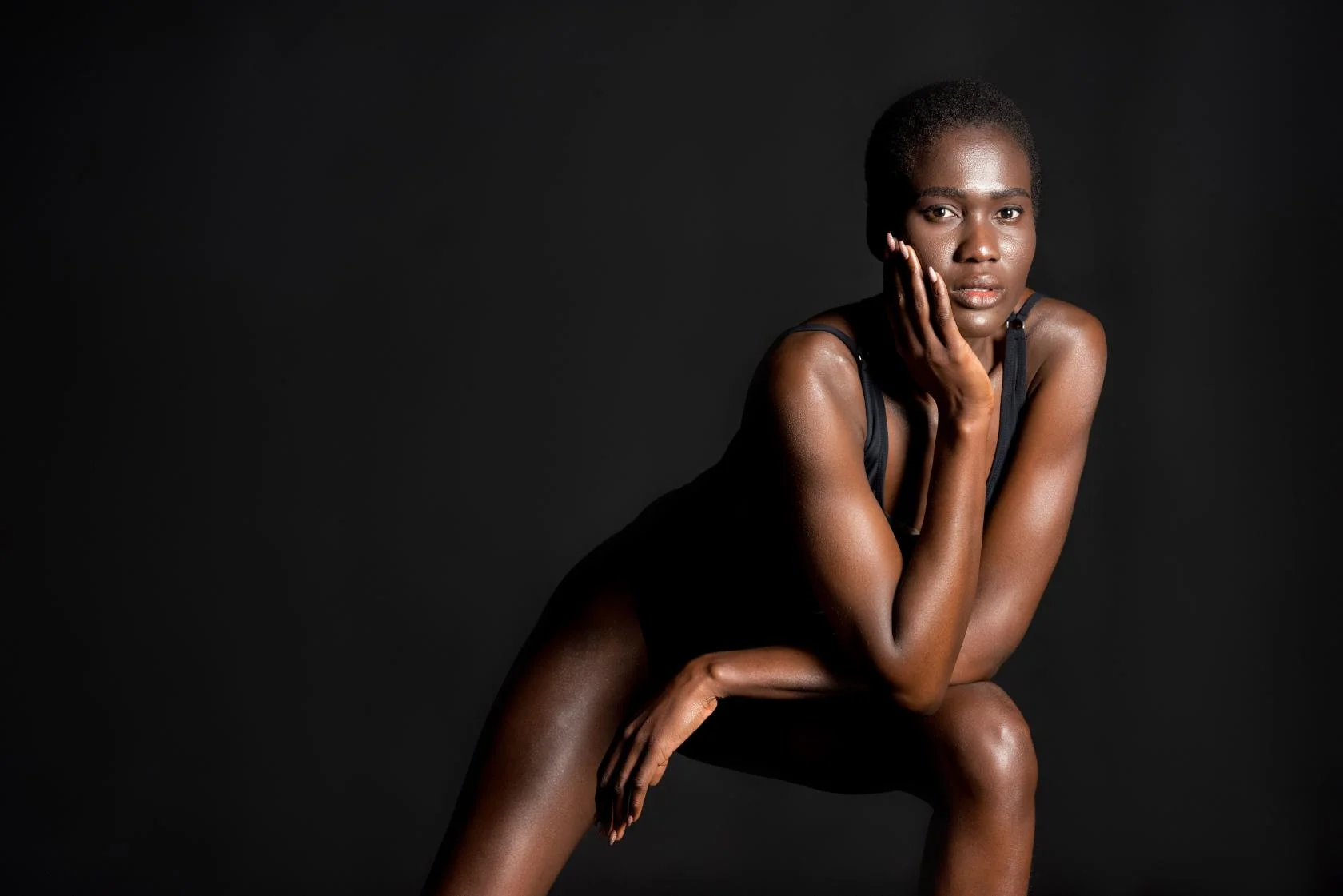
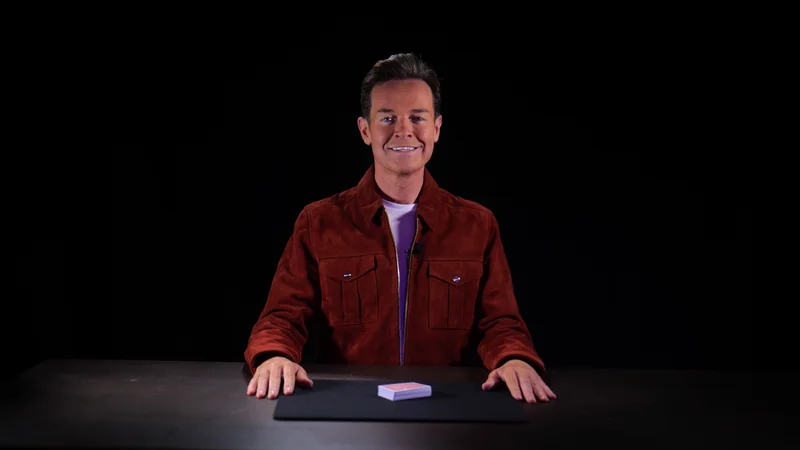
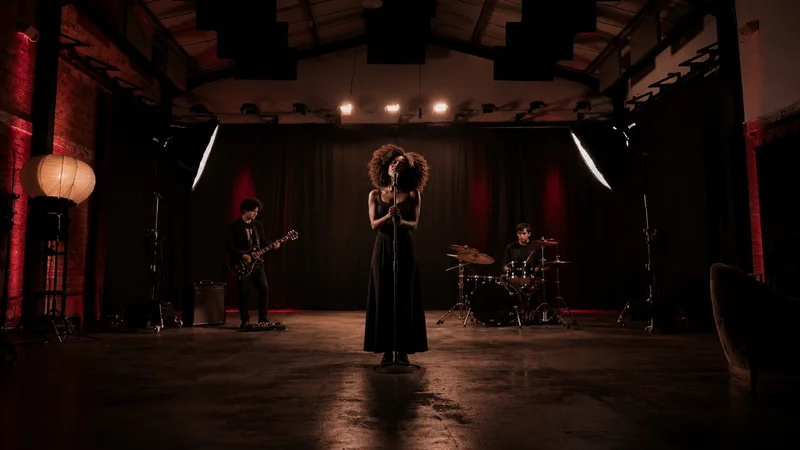
Blackout at Finchley Studios. Book Blackout.
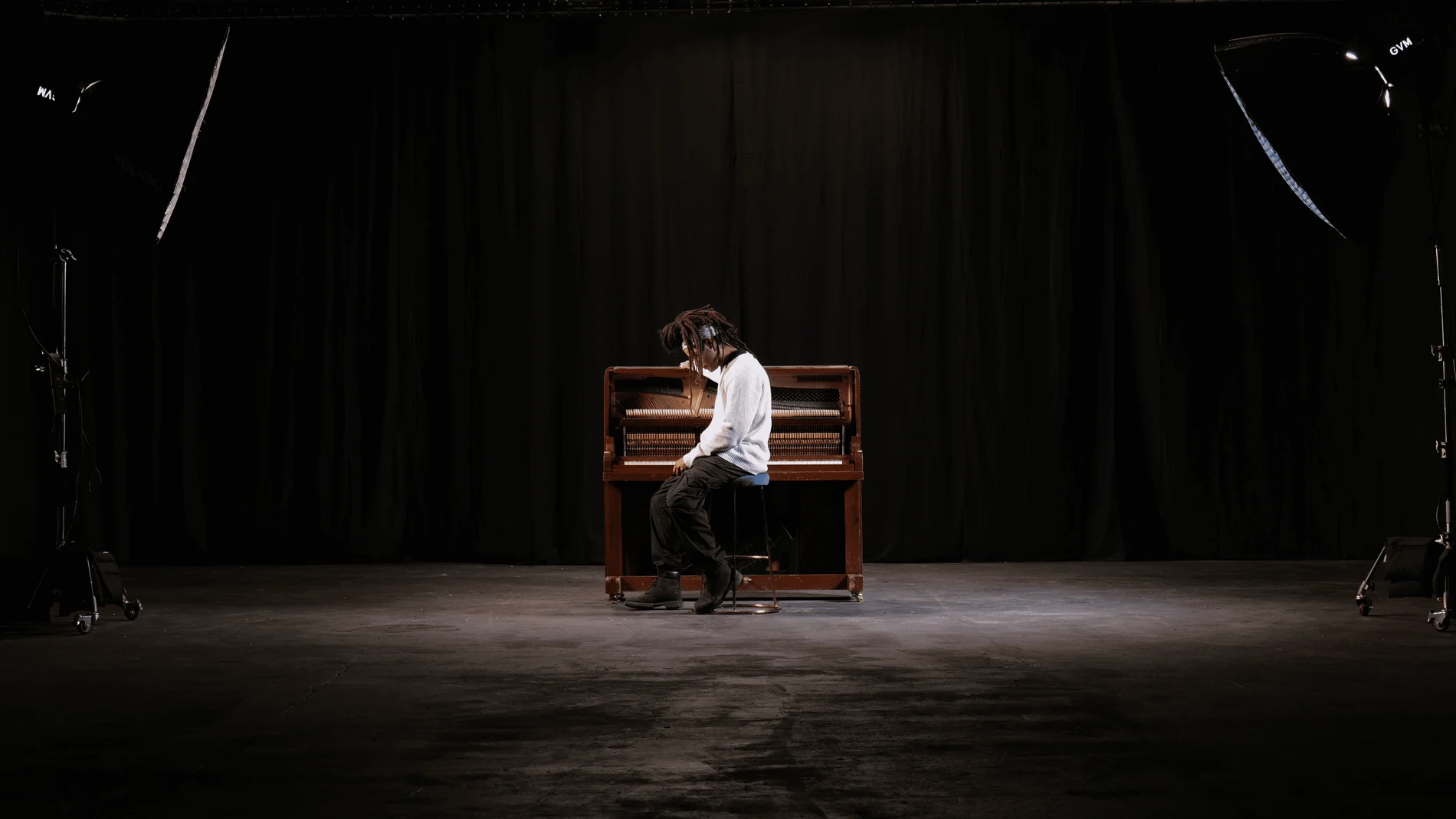
Giant Blackout at Finchley Studios. Enquire about Giant Blackout.
Plan your Finchley recording
Explore our London podcast studio to compare sets and production support. Send your brief to the Finchley team with your preferred date, guest count and required outputs.