A podcast debate needs a precise question and an agreed way to discuss it. Choose contributors who can explain different positions, prepare the evidence and give a moderator authority to manage turns. A useful debate helps the audience understand the disagreement; sustained overlapping speech makes that harder even when the participants are well informed.
Define a proposition people can answer
Replace an enormous topic with a decision or claim that can be examined in the available time. Identify terms that require a shared definition and distinguish factual disputes from different preferences or values.
Explain the proposition and format to both contributors. Do not brief one person for a technical discussion and another for a promotional interview. BBC Academy recommends researching the issue and checking facts used in an interview.
Choose a workable structure
An illustrative format might include short opening positions, a discussion of one example, responses to the strongest opposing point and a concise close. Allocate time according to the programme's purpose rather than assuming an equal stopwatch total guarantees a useful exchange.
Use the guest-count guide to decide how the moderator and contributors will sit. They need to see the people they are addressing, and the production needs suitable microphone and camera coverage for every speaking position.
Agree moderation and boundaries
Explain how the host will invite responses, interrupt repetition, clarify a claim and call a pause. Ask contributors to challenge the argument without attacking the person. Identify subjects that require specialist legal or editorial review before publication.
Do not manufacture a disagreement or assume every proposition needs a contrary guest. The producer should decide whether the selected positions and evidence merit this format. If a serious allegation or sensitive topic is involved, seek appropriate advice for that specific programme.
| Stage | Moderator's task |
|---|---|
| Opening | State the question and define essential terms |
| First positions | Let the audience understand each argument |
| Examination | Ask for evidence, examples and limitations |
| Responses | Give the other participant a clear opportunity to answer |
| Close | Summarise what remains agreed or disputed |
Protect intelligible sound
Agree a turn-taking cue and try it during the technical check. The cross-talk guide covers both conversational overlap and the separate problem of one microphone picking up another speaker.
Shure explains that room conditions and microphone position affect recorded speech. Ask the engineer to monitor the actual speaking positions, including more emphatic delivery, rather than judging the setup from an empty room.
Keep the edit fair and comprehensible
Note claims that need checking and passages where several people speak together. Preserve the context of a response and any meaningful correction. Avoid creating a dramatic clip that appears to answer a different question from the one asked.
Confirm who can attend through the attendance plan, especially if representatives or observers are involved. Combine that practical preparation with the talkative-guest approach when the moderator needs to move the discussion forward without dismissing a substantive answer.
Planning this at Finchley Studios
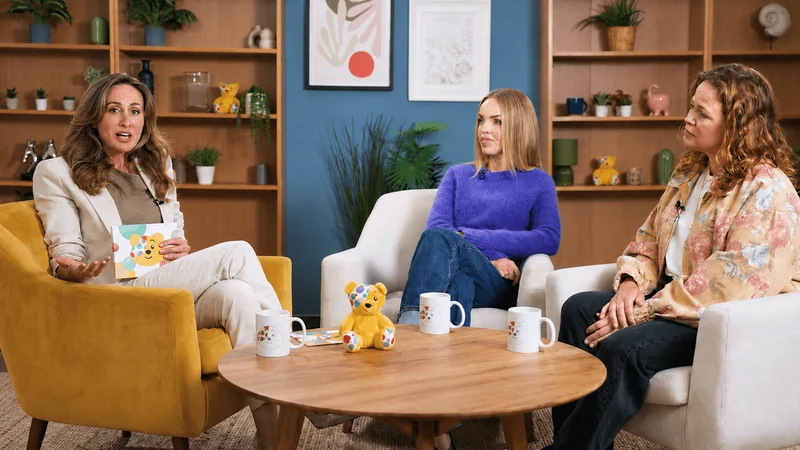
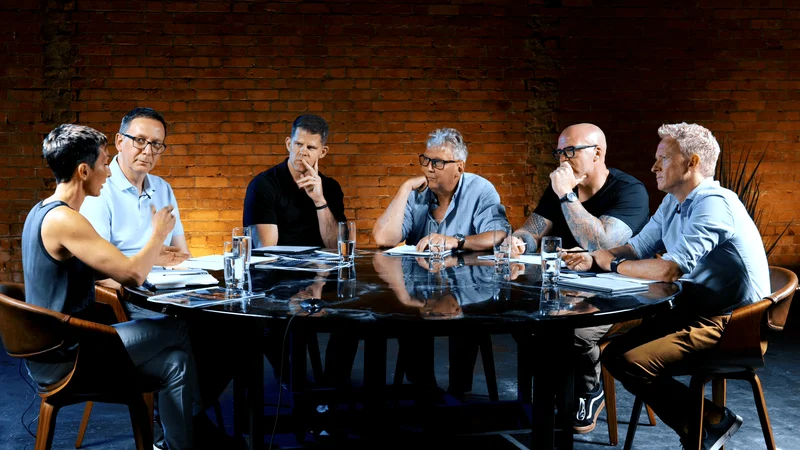
Finchley's Roundtable set is presented for panels and group discussions. Send the actual number of speakers, moderator position and camera requirements so the team can assess the arrangement.
Ask how each speaking position will be recorded and monitored, and confirm whether your editor requires individual microphone tracks or camera sources. Share the running order and pause procedure before the session. If observers or an audience are proposed, discuss those numbers separately from the on-camera group. The room supports the production, while your moderator and producer remain responsible for the proposition, evidence and fair handling of the conversation.
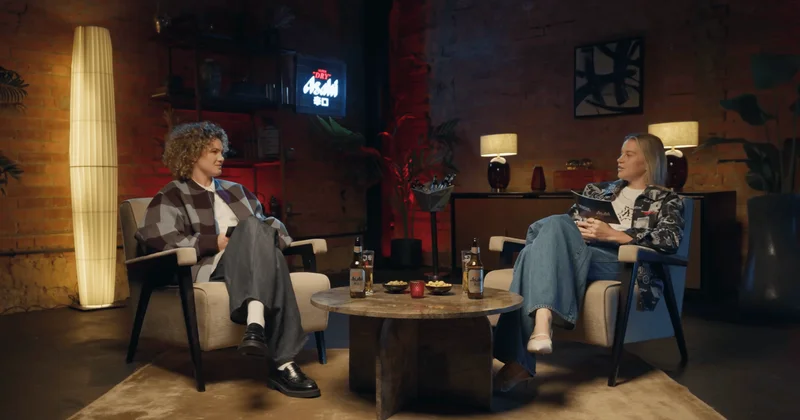
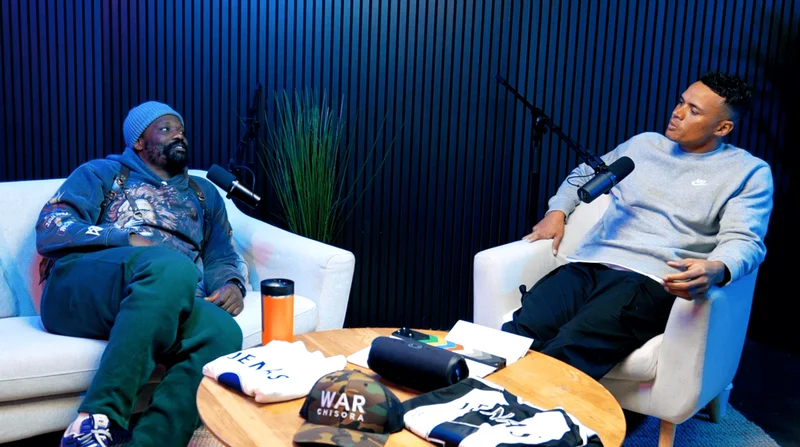
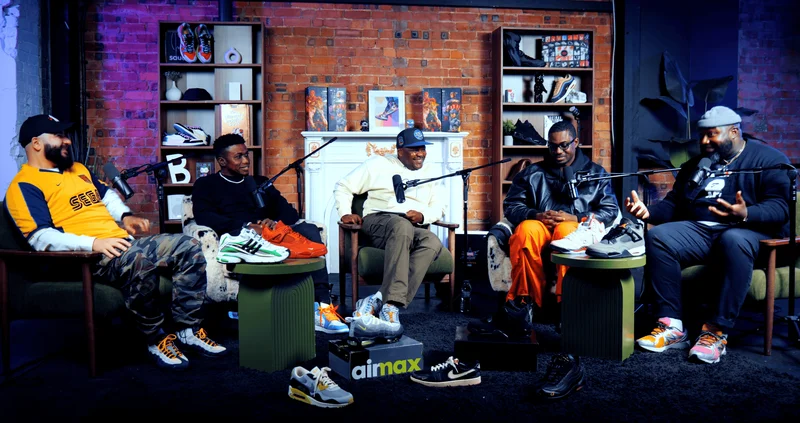
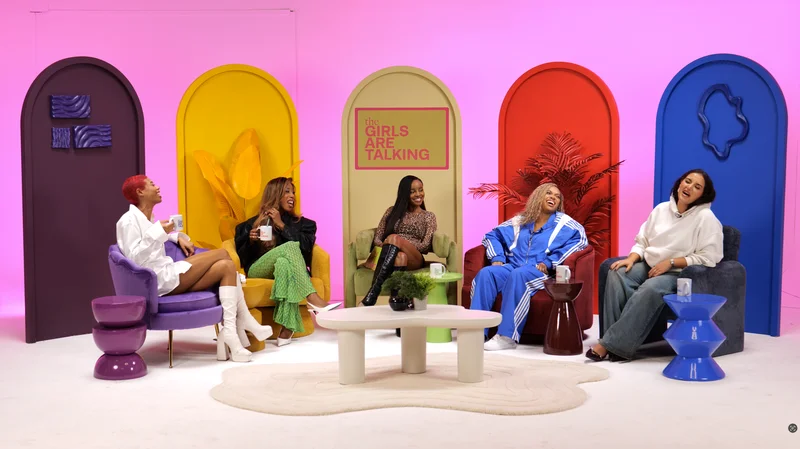
A client recording from Finchley Studios
From our client recording collection: The Social Battery Podcast.
Continue planning your recording
- How to Choose a Podcast Studio for Two, Three or More Speakers
- Can Your Producer or Marketing Team Attend a Podcast Recording?
- How to Stop Podcast Guests Talking Over Each Other
- How to Keep a Talkative Podcast Guest on Topic
For the full series, explore our podcast studio booking guide.
Explore all 12 Finchley sets
Compare the looks below, then follow the booking or enquiry link for your preferred set. Confirm the recording package, guest capacity and location for your session.
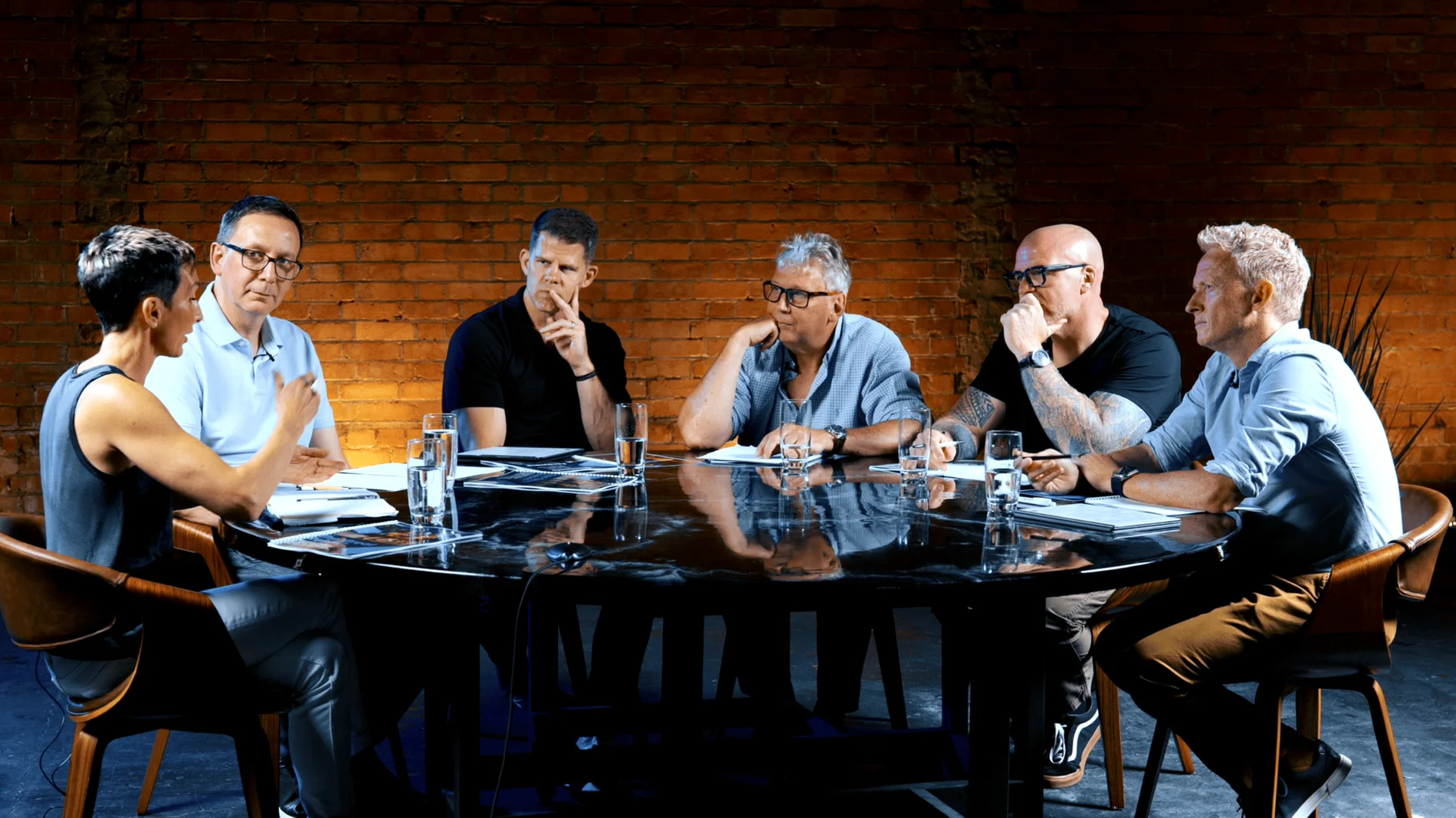
Roundtable at Finchley Studios. Enquire about Roundtable.
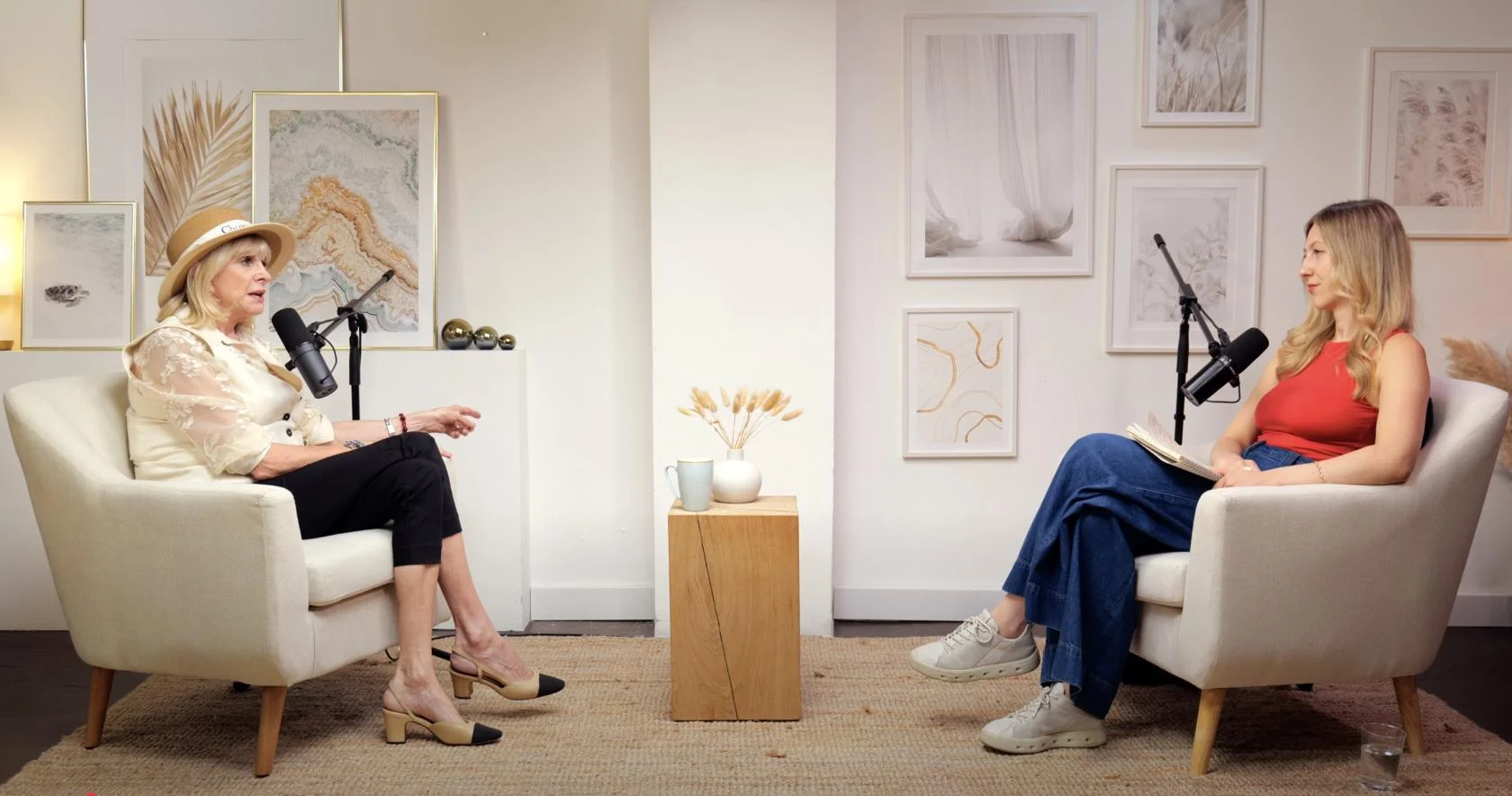
Dialogue at Finchley Studios. Book Dialogue.
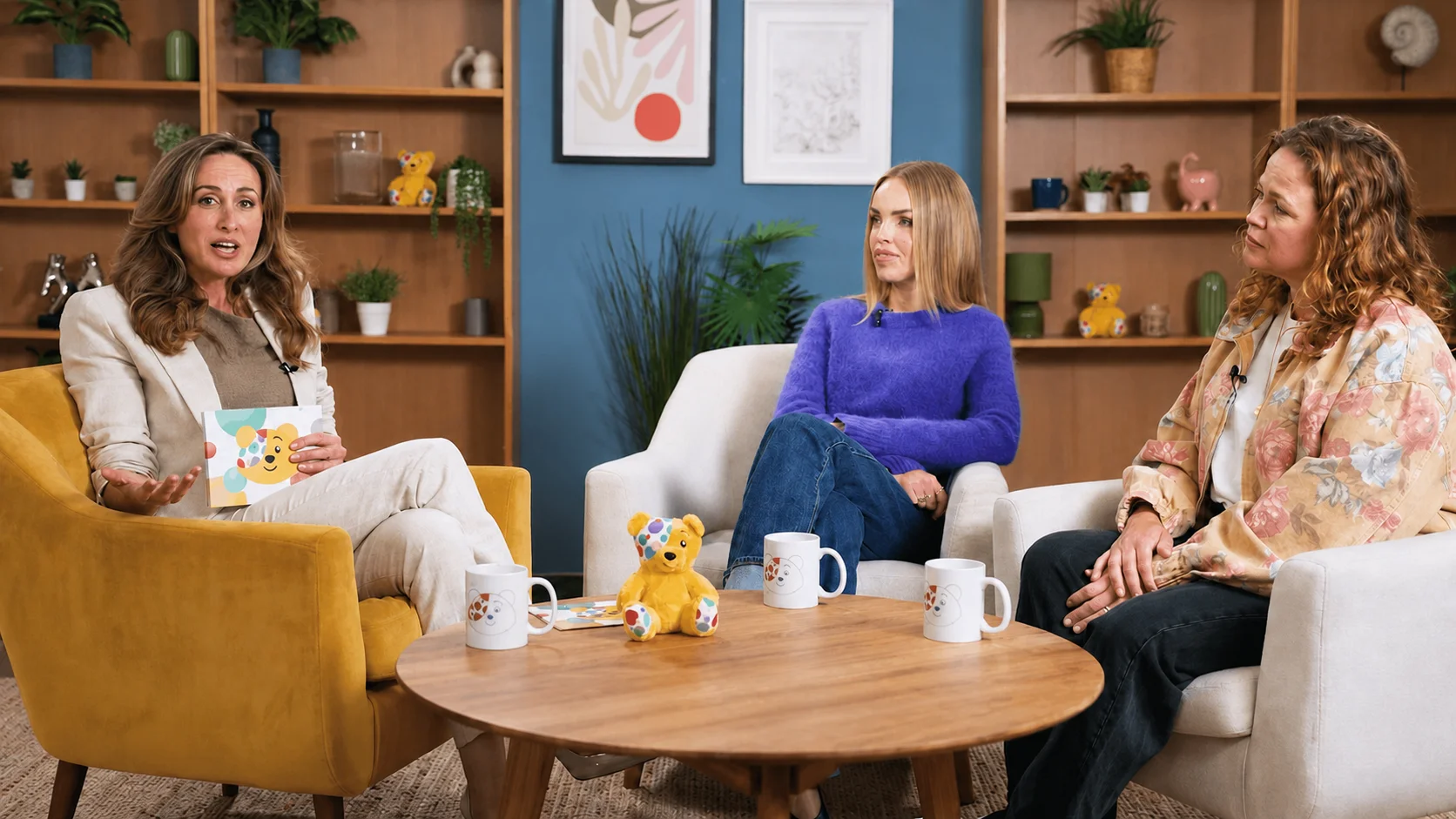
Lounge at Finchley Studios. Book Lounge.
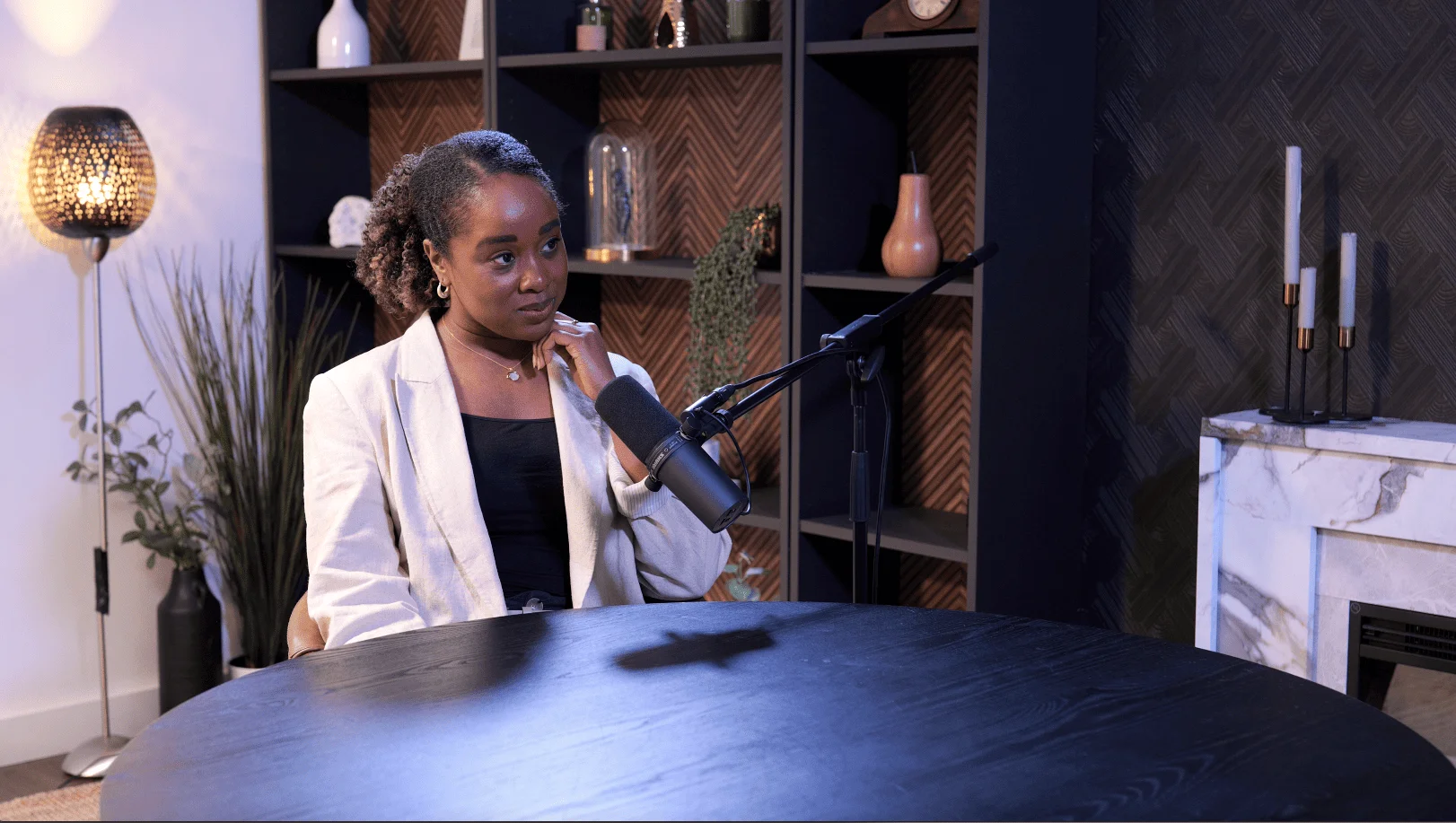
CEO at Finchley Studios. Book CEO.
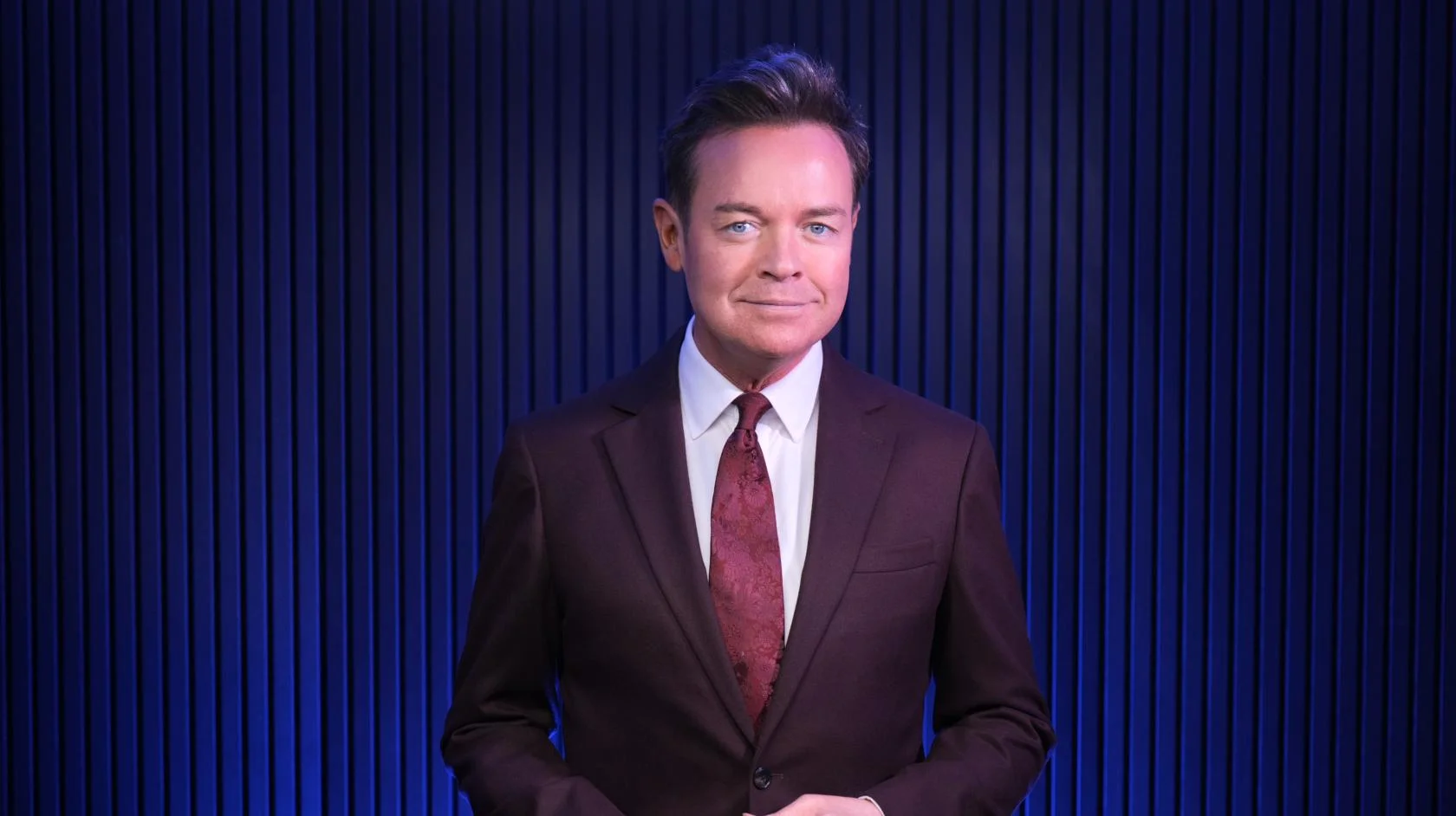
Blackwood at Finchley Studios. Book Blackwood.
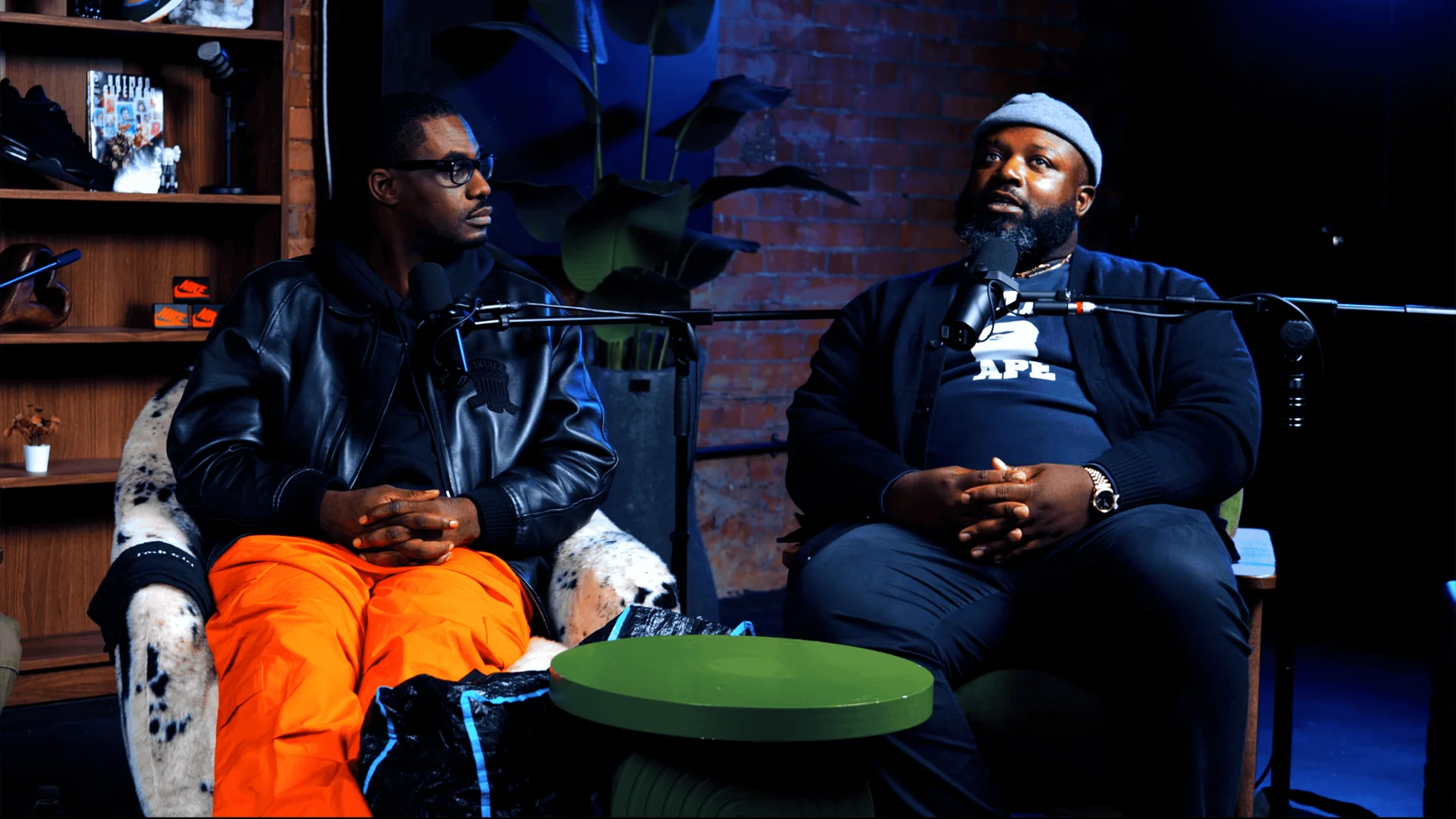
Pulse Lounge at Finchley Studios. Enquire about Pulse Lounge.
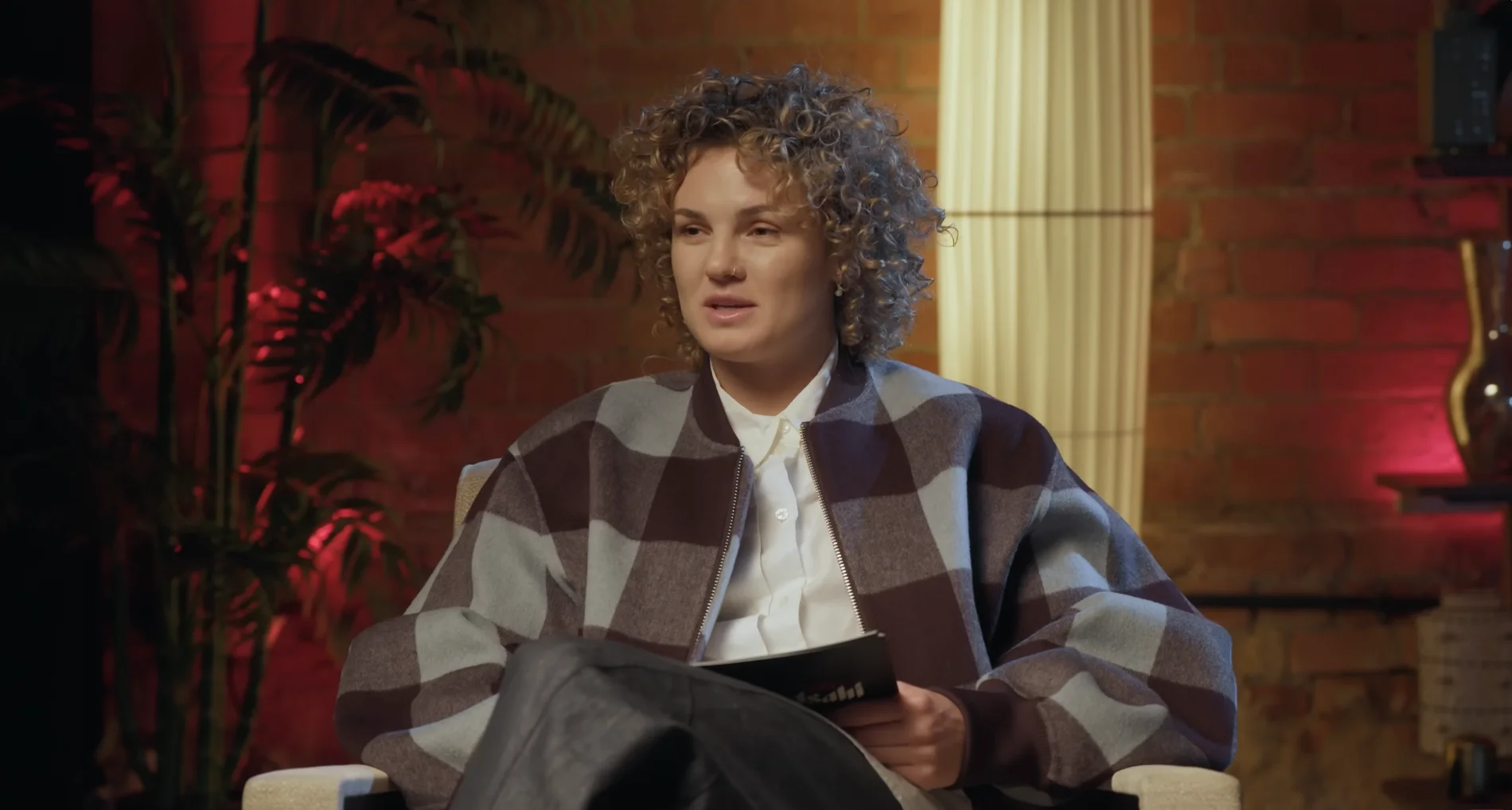
The Brick Studio at Finchley Studios. Enquire about The Brick Studio.
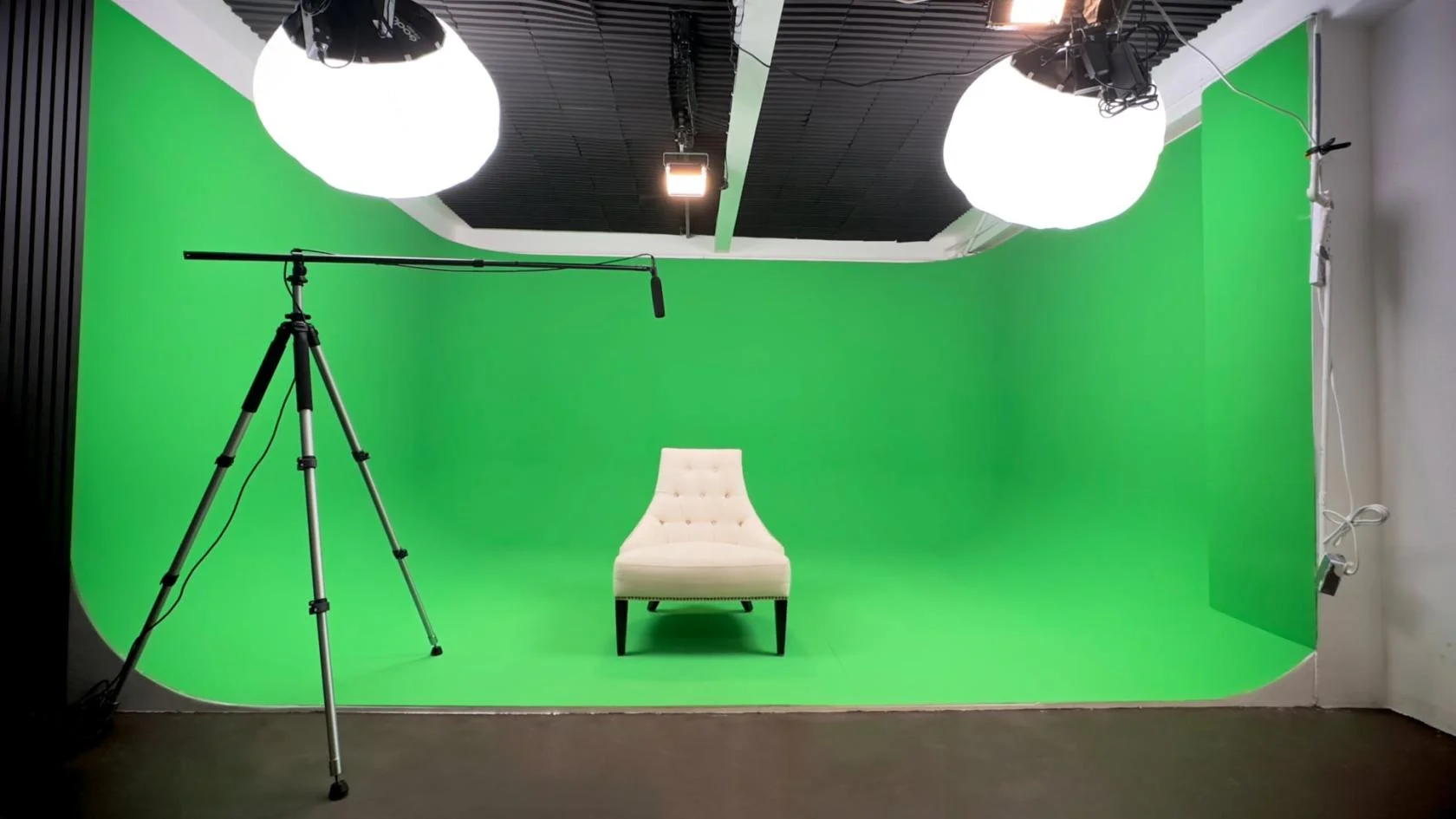
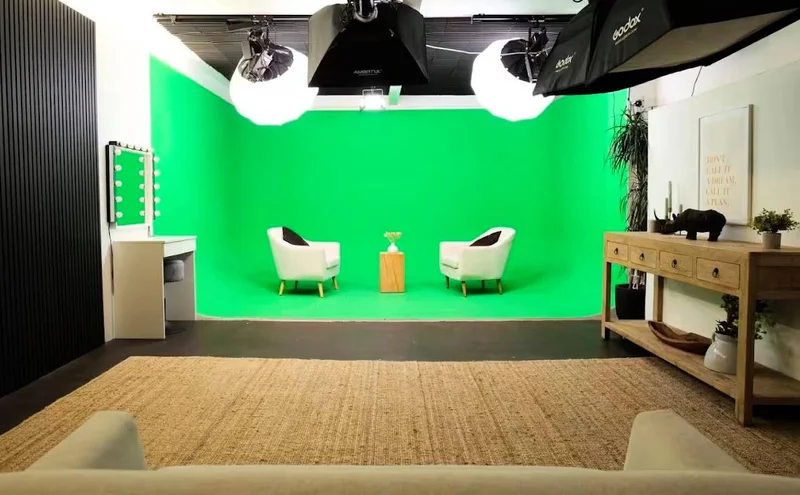
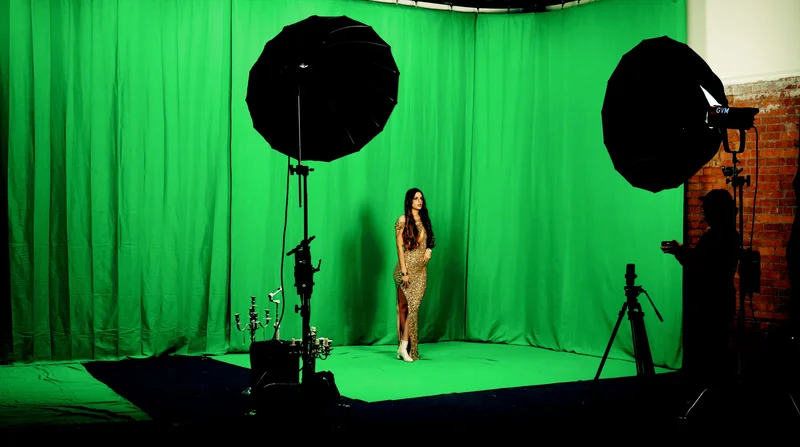
Green Screen Cove at Finchley Studios. Book Green Screen Cove.
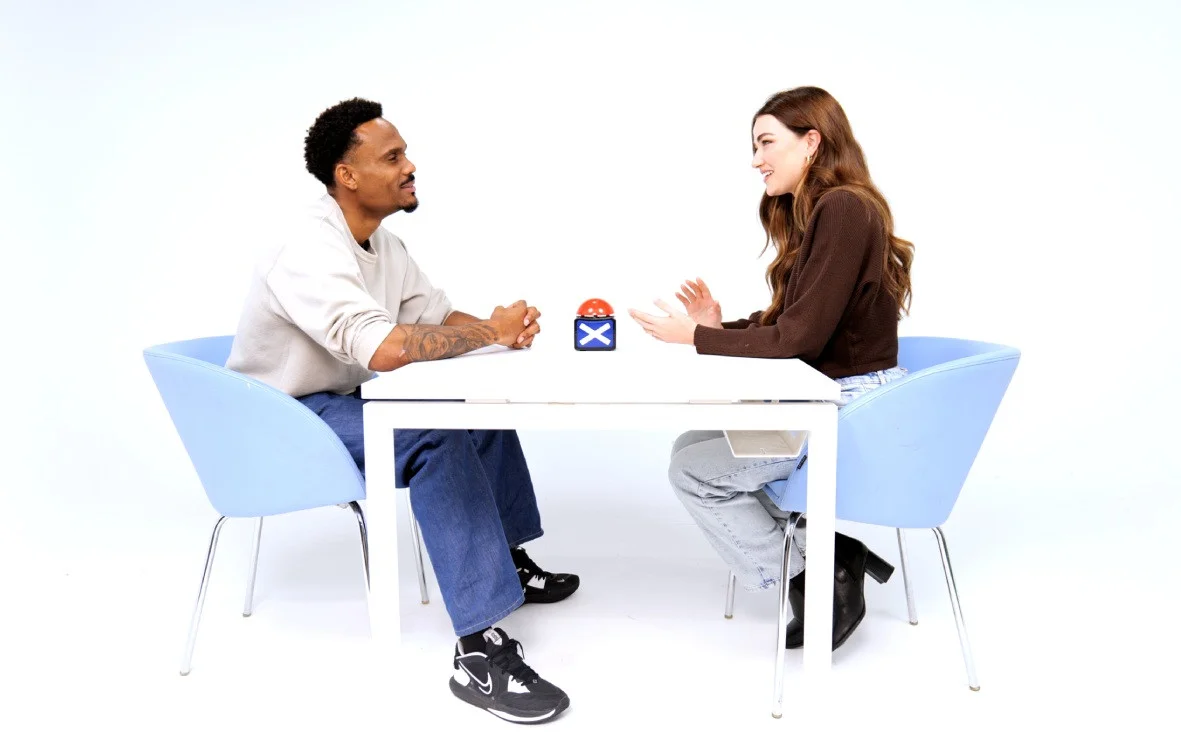
Giant White Infinity Cove at Finchley Studios. Enquire about Giant White Infinity Cove.
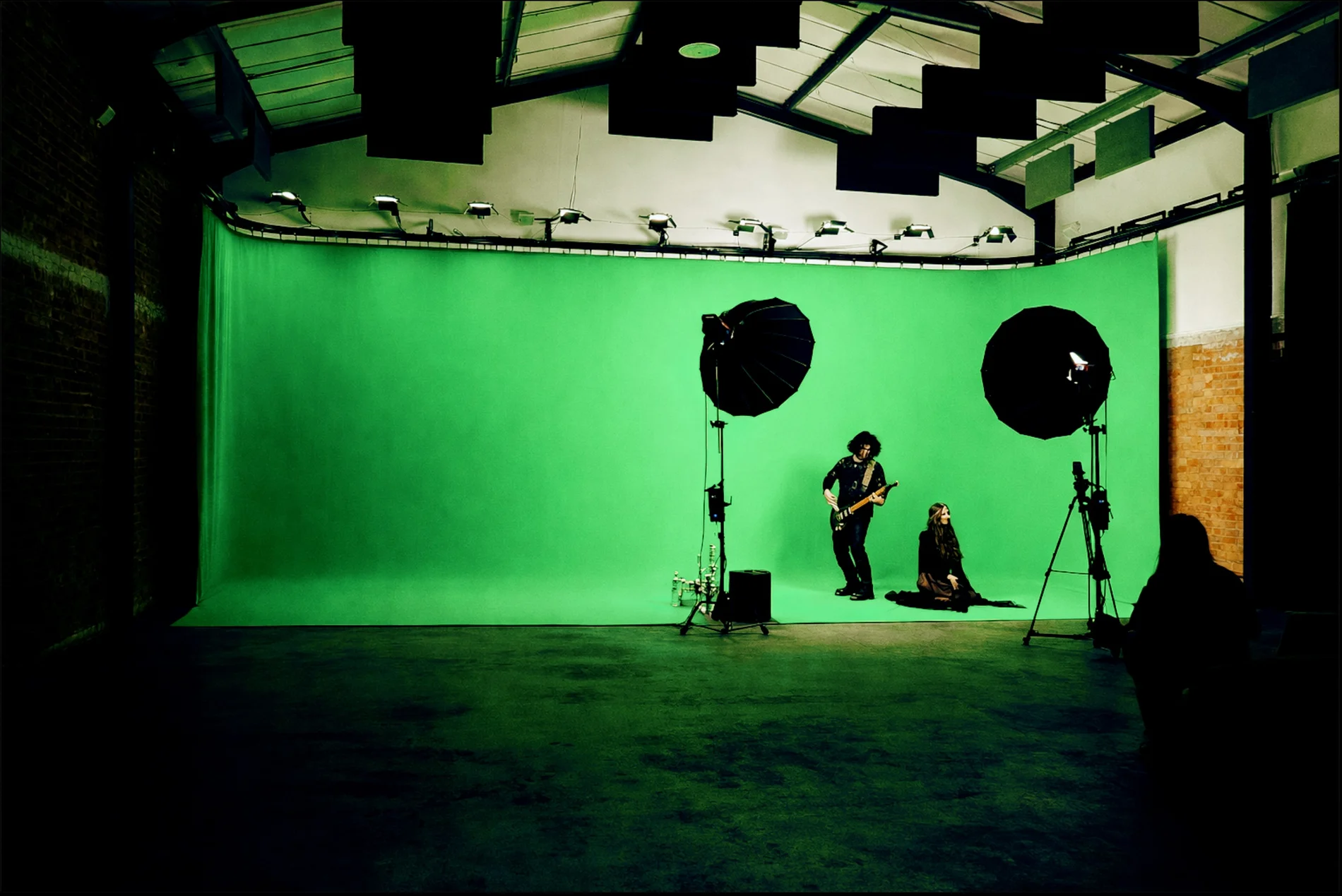
Giant Green Screen at Finchley Studios. Enquire about Giant Green Screen.

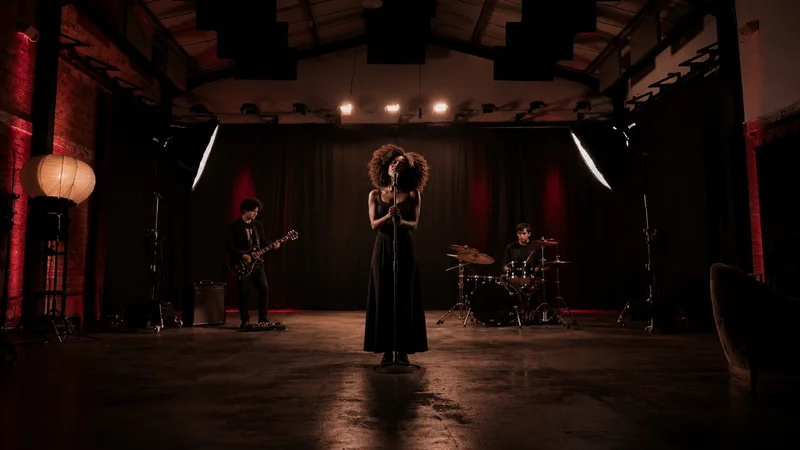
Blackout at Finchley Studios. Book Blackout.
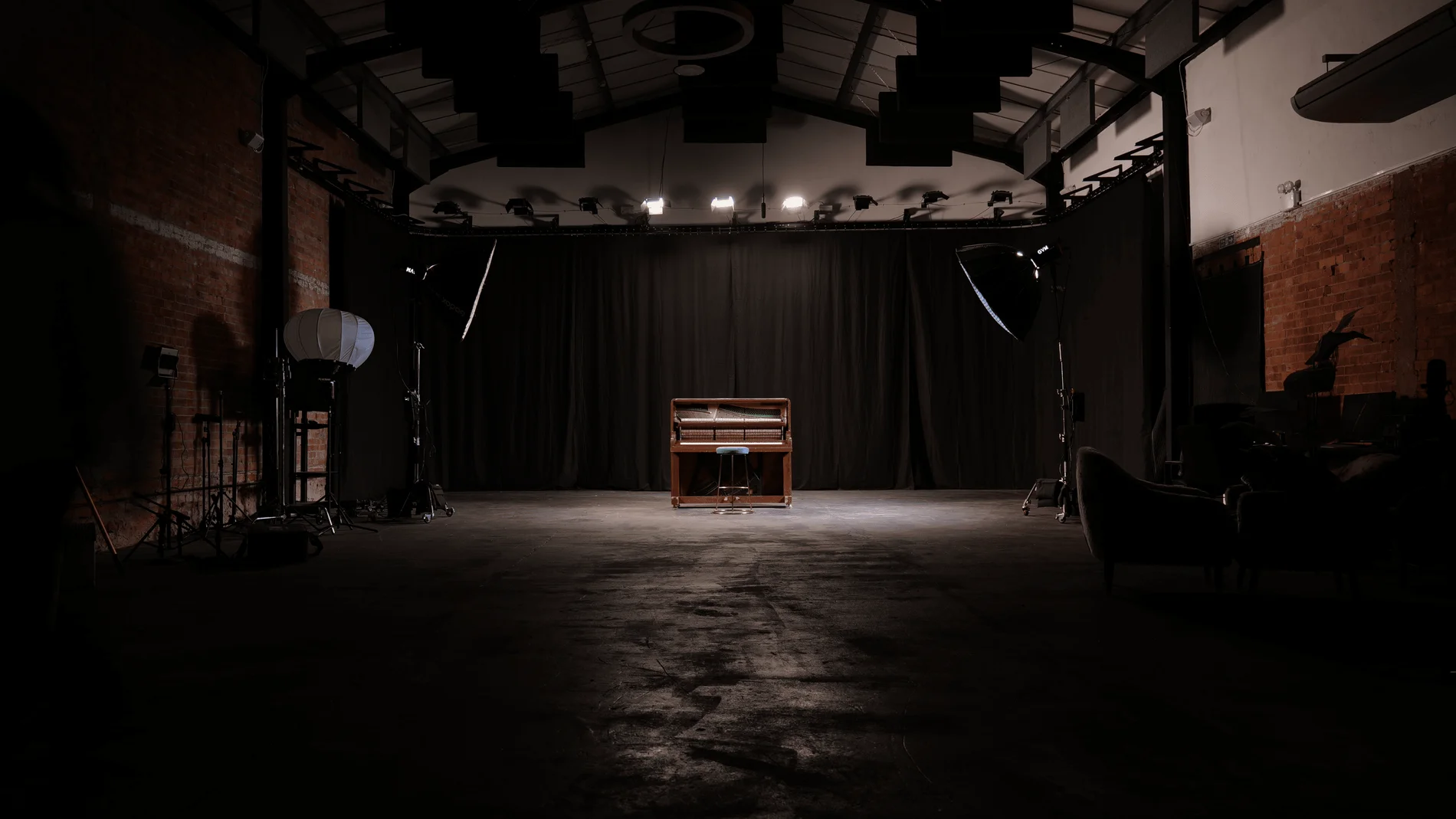
Giant Blackout at Finchley Studios. Enquire about Giant Blackout.
Plan your Finchley recording
Explore our North London podcast studio to compare sets and production support. Send your brief to the Finchley team with your preferred date, guest count and required outputs.